Tag: workout

  • Pain-Free Fitness: 10 Expert Tips to Prevent Workout Injuries and Boost Performance

    Pain-Free Fitness: 10 Expert Tips to Prevent Workout Injuries and Boost Performance

    She’s always been passionate about fitness, and for good reason. Regular exercise can boost mood, increase energy levels, and even improve overall health. However, one thing that can quickly derail a fitness routine is an injury. That’s why it’s so important to prioritize pain-free fitness. By taking a few simple precautions and incorporating expert tips into her workout routine, she can reduce her risk of injury and boost her performance.

    Understanding the Importance of Pain-Free Fitness

    Pain-free fitness is all about exercising in a way that’s safe and effective. It’s not just about avoiding injury, although that’s a big part of it. It’s also about listening to her body and honoring its needs. When she prioritizes pain-free fitness, she’s more likely to stick with her workout routine and see real results. On the other hand, when she pushes herself too hard or ignores warning signs of injury, she may end up sidelined for weeks or even months.

    Tip #1: Warm Up and Cool Down

    One of the simplest ways to prevent workout injuries is to warm up and cool down properly. This means taking a few minutes to stretch and mobilize her muscles before exercising, and then taking a few minutes to static stretch after her workout. By doing so, she can increase blood flow to her muscles, reduce muscle soreness, and even improve her range of motion. For example, if she’s planning to go for a run, she might start by walking or jogging slowly for a few minutes, and then finish with some static stretches for her calves and hamstrings.

    The Role of Proper Form and Technique

    Proper form and technique are essential for pain-free fitness. When she uses proper form, she can reduce her risk of injury and get more out of her workout. This means focusing on slow, controlled movements and avoiding jerky or bouncy motions. It also means engaging her core muscles and maintaining good posture. For instance, if she’s doing squats, she should focus on keeping her back straight, her knees behind her toes, and her weight in her heels. By doing so, she can work her legs and glutes effectively while minimizing her risk of injury.

    Tip #2: Listen to Her Body

    Listening to her body is one of the most important tips for pain-free fitness. This means paying attention to warning signs of injury, such as pain or discomfort, and taking regular rest days. It also means being mindful of her energy levels and adjusting her workout routine accordingly. For example, if she’s feeling tired or sluggish, she might opt for a lighter workout or take an extra day off. By listening to her body, she can avoid burnout and reduce her risk of injury.

    The Importance of Flexibility and Mobility

    Flexibility and mobility are essential for pain-free fitness. When she has good flexibility and mobility, she can move more easily and freely, which reduces her risk of injury. This means incorporating stretching and mobility exercises into her workout routine, such as yoga or Pilates. For instance, if she’s doing a workout that involves a lot of running or jumping, she might incorporate some hip and leg swings to improve her mobility and reduce her risk of injury.

    Tip #3: Incorporate Strength Training

    Incorporating strength training into her workout routine is another great way to prioritize pain-free fitness. This means focusing on exercises that work multiple muscle groups at once, such as squats, deadlifts, and bench press. By building strength and muscle mass, she can improve her overall fitness and reduce her risk of injury. For example, if she’s doing a workout that involves a lot of running, she might incorporate some strength training exercises to improve her leg strength and reduce her risk of injury.

    The Role of Nutrition and Recovery

    Nutrition and recovery are also essential for pain-free fitness. When she fuels her body with the right foods and prioritizes recovery, she can improve her performance and reduce her risk of injury. This means focusing on a balanced diet that includes plenty of protein, complex carbohydrates, and healthy fats. It also means getting enough sleep and taking rest days as needed. For instance, if she’s doing a high-intensity workout, she might prioritize foods that are high in protein and complex carbohydrates to help her recover.

    Tip #4: Stay Hydrated

    Staying hydrated is another important tip for pain-free fitness. This means drinking plenty of water before, during, and after her workout. Even mild dehydration can cause fatigue, dizziness, and decreased performance, so it’s essential to prioritize hydration. For example, if she’s doing a long run or intense workout, she might bring a water bottle with her to stay hydrated.

    The Importance of Progressive Overload

    Progressive overload is another essential principle of pain-free fitness. This means gradually increasing the intensity or difficulty of her workout over time. By doing so, she can continue to challenge herself and see progress, without plateauing or risking injury. For instance, if she’s doing a workout that involves weightlifting, she might gradually increase the weight or resistance over time to continue challenging herself.

    Tip #5: Mix Up Her Routine

    Mixing up her routine is another great way to prioritize pain-free fitness. This means incorporating a variety of different exercises and activities into her workout routine, such as cardio, strength training, and flexibility exercises. By doing so, she can reduce her risk of overuse injury and keep her workouts interesting and engaging. For example, if she’s doing a workout that involves a lot of running, she might mix it up by incorporating some swimming or cycling into her routine.

    The Role of Mind-Body Connection

    The mind-body connection is also essential for pain-free fitness. When she’s able to connect with her body and listen to its needs, she can improve her performance and reduce her risk of injury. This means prioritizing mindfulness and self-awareness, both in and out of the gym. For instance, if she’s feeling stressed or anxious, she might prioritize some relaxation techniques, such as deep breathing or meditation, to help her connect with her body and reduce her risk of injury.

    Tip #6: Get Enough Sleep

    Getting enough sleep is another important tip for pain-free fitness. This means prioritizing 7-9 hours of sleep per night, and establishing a consistent sleep routine. By doing so, she can improve her recovery, reduce her risk of injury, and enhance her overall performance. For example, if she’s doing a high-intensity workout, she might prioritize getting enough sleep the night before to help her recover.

    The Importance of Injury Prevention

    Injury prevention is also essential for pain-free fitness. This means taking steps to prevent injuries before they happen, such as wearing proper gear, using proper form and technique, and listening to her body. By prioritizing injury prevention, she can reduce her risk of injury and stay healthy and active. For instance, if she’s doing a workout that involves a lot of jumping or landing, she might prioritize wearing proper shoes and using proper form to reduce her risk of injury.

    Tip #7: Incorporate Foam Rolling and Self-Myofascial Release

    Incorporating foam rolling and self-myofascial release into her workout routine is another great way to prioritize pain-free fitness. This means using a foam roller or other tool to release tension in her muscles and improve her circulation. By doing so, she can reduce muscle soreness, improve her range of motion, and enhance her overall recovery. For example, if she’s doing a workout that involves a lot of strength training, she might prioritize foam rolling her muscles after her workout to reduce muscle soreness.

    The Role of Professional Guidance

    Professional guidance is also essential for pain-free fitness. This means working with a qualified trainer or coach who can help her develop a personalized workout routine and provide guidance and support. By doing so, she can reduce her risk of injury, improve her performance, and achieve her fitness goals. For instance, if she’s new to working out, she might prioritize working with a trainer or coach to help her develop a safe and effective workout routine.

    Tip #8: Stay Flexible and Mobile

    Staying flexible and mobile is another important tip for pain-free fitness. This means incorporating stretching and mobility exercises into her workout routine, such as yoga or Pilates. By doing so, she can improve her range of motion, reduce her risk of injury, and enhance her overall performance. For example, if she’s doing a workout that involves a lot of running or jumping, she might prioritize incorporating some stretching and mobility exercises into her routine to improve her flexibility and reduce her risk of injury.

    The Importance of Consistency and Patience

    Consistency and patience are also essential for pain-free fitness. This means prioritizing regular exercise and making healthy lifestyle choices, even when it’s hard or inconvenient. By doing so, she can make progress, achieve her goals, and maintain a healthy and active lifestyle. For instance, if she’s trying to lose weight or improve her overall fitness, she might prioritize consistency and patience, making healthy choices and exercising regularly, even when it’s hard.

    Tip #9: Incorporate Active Recovery

    Incorporating active recovery into her workout routine is another great way to prioritize pain-free fitness. This means incorporating low-intensity activities, such as walking or yoga, into her routine to help her recover from more intense workouts. By doing so, she can reduce muscle soreness, improve her circulation, and enhance her overall recovery. For example, if she’s doing a high-intensity workout, she might prioritize incorporating some active recovery techniques, such as walking or yoga, to help her recover.

    Tip #10: Prioritize Proper Gear and Equipment

    Prioritizing proper gear and equipment is also essential for pain-free fitness. This means wearing proper shoes, using proper equipment, and ensuring that her workout space is safe and free from hazards. By doing so, she can reduce her risk of injury, improve her performance, and stay healthy and active. For instance, if she’s doing a workout that involves a lot of jumping or landing, she might prioritize wearing proper shoes and using proper equipment to reduce her risk of injury.

    In conclusion, pain-free fitness is all about prioritizing safety, effectiveness, and overall well-being. By incorporating these expert tips into her workout routine, she can reduce her risk of injury, improve her performance, and achieve her fitness goals. Whether she’s a beginner or an experienced athlete, prioritizing pain-free fitness is essential for maintaining a healthy and active lifestyle.

    Frequently Asked Questions

    Q: What is pain-free fitness?
    A: Pain-free fitness is a approach to exercise that prioritizes safety, effectiveness, and overall well-being. It’s about listening to your body, honoring its needs, and taking steps to prevent injury and improve performance.

    Q: How can I prevent workout injuries?
    A: To prevent workout injuries, prioritize proper form and technique, warm up and cool down properly, and listen to your body. It’s also essential to stay hydrated, fuel your body with the right foods, and get enough sleep.

    Q: What is the importance of flexibility and mobility?
    A: Flexibility and mobility are essential for pain-free fitness. They can help improve your range of motion, reduce your risk of injury, and enhance your overall performance.

    Q: How can I incorporate strength training into my workout routine?
    A: To incorporate strength training into your workout routine, focus on exercises that work multiple muscle groups at once, such as squats, deadlifts, and bench press. It’s also essential to gradually increase the intensity or difficulty of your workout over time.

    Q: What is the role of nutrition and recovery in pain-free fitness?
    A: Nutrition and recovery are essential for pain-free fitness. They can help improve your performance, reduce your risk of injury, and enhance your overall well-being. Prioritize a balanced diet, stay hydrated, and get enough sleep to support your fitness goals.

    pain-free-fitness-10-expert-tips-to-prevent-workout-injuries-and-boost-performance
  • Top 10 Supplements for Muscle Recovery: Boost Your Workout Results (Target keywords: muscle recovery supplements, workout results)

    Top 10 Supplements for Muscle Recovery: Boost Your Workout Results (Target keywords: muscle recovery supplements, workout results)

    When it comes to working out, everyone knows that the real magic happens after the gym session is over. That’s right, folks, we’re talking about muscle recovery. It’s the process by which your body repairs and rebuilds those muscles you’ve been pushing to their limits, and it’s essential for seeing real workout results. One way to give your body a helping hand is by incorporating muscle recovery supplements into your routine. But with so many options out there, it can be tough to know where to start. That’s why we’ve put together this list of the top 10 supplements for muscle recovery, to help you boost your workout results and take your fitness journey to the next level.

    Understanding Muscle Recovery
    Before we dive into the supplements, let’s take a quick look at what muscle recovery actually is. When you work out, you’re causing micro-tears in your muscles. This might sound bad, but it’s actually a good thing – it’s how your muscles grow and get stronger. The problem is, if you don’t give your body the tools it needs to repair those tears, you can end up with sore, tired muscles that are slow to recover. This is where muscle recovery supplements come in. By providing your body with the necessary building blocks, you can help speed up the recovery process, reduce muscle soreness, and get back to your workout routine faster.

    Top 10 Muscle Recovery Supplements
    So, without further ado, let’s take a look at the top 10 muscle recovery supplements that can help boost your workout results.

    1. Protein Powder: This one’s a no-brainer. Protein is essential for muscle growth and repair, and a good protein powder can help ensure you’re getting enough. Look for a whey protein or casein protein powder, and aim to consume it within an hour of your workout.

    2. Creatine: Creatine is a naturally occurring substance that helps supply energy to your muscles. Supplementing with creatine can help increase strength, power, and endurance, making it a great addition to your muscle recovery routine.

    3. Branched-Chain Amino Acids (BCAAs): BCAAs are three essential amino acids – leucine, isoleucine, and valine – that play a critical role in muscle recovery. They can help reduce muscle soreness, improve recovery time, and even boost muscle growth.

    4. Glutamine: Glutamine is an amino acid that’s essential for immune function and muscle recovery. Supplementing with glutamine can help reduce muscle soreness, improve recovery time, and even support immune function.

    5. HMB (beta-Hydroxy beta-Methylbutyrate): HMB is a metabolite of the amino acid leucine, and it’s been shown to have a range of benefits for muscle recovery. It can help reduce muscle soreness, improve recovery time, and even boost muscle growth.

    6. L-Carnitine: L-carnitine is an amino acid that plays a critical role in energy production. Supplementing with L-carnitine can help improve endurance, reduce muscle soreness, and even support weight loss.

    7. L-Glutathione: L-glutathione is an antioxidant that helps protect your muscles from damage. Supplementing with L-glutathione can help reduce muscle soreness, improve recovery time, and even support overall health.

    8. Omega-3 Fatty Acids: Omega-3 fatty acids are essential for heart health, but they also have a range of benefits for muscle recovery. They can help reduce inflammation, improve recovery time, and even support muscle growth.

    9. Vitamin D: Vitamin D is essential for bone health, but it also plays a critical role in muscle recovery. Supplementing with vitamin D can help improve recovery time, reduce muscle soreness, and even support overall health.

    10. Ashwagandha: Ashwagandha is an adaptogenic herb that’s been shown to have a range of benefits for muscle recovery. It can help reduce stress, improve recovery time, and even boost muscle growth.

    How to Choose the Right Muscle Recovery Supplements
    With so many options out there, it can be tough to know which muscle recovery supplements are right for you. Here are a few tips to keep in mind:

    • Always consult with a healthcare professional before starting any new supplement routine.
    • Look for supplements that are backed by scientific research and have a clear list of ingredients.
    • Start with a small dose and gradually increase as needed.
    • Be patient – muscle recovery supplements can take time to start working.

    Conclusion
    Muscle recovery is a critical part of any workout routine, and incorporating the right supplements can help boost your workout results. By providing your body with the necessary building blocks, you can help speed up the recovery process, reduce muscle soreness, and get back to your workout routine faster. Remember to always consult with a healthcare professional before starting any new supplement routine, and be patient – muscle recovery supplements can take time to start working. With the right combination of supplements and a solid workout routine, you can take your fitness journey to the next level and achieve the results you’ve always wanted.

    Frequently Asked Questions

    Q: What are the best muscle recovery supplements for beginners?
    A: For beginners, it’s best to start with the basics – protein powder, creatine, and BCAAs. These supplements are well-studied and can help provide a solid foundation for muscle recovery.

    Q: How long does it take to see results from muscle recovery supplements?
    A: The amount of time it takes to see results from muscle recovery supplements can vary depending on the individual and the specific supplement. Some supplements, like protein powder, can start working within a few days, while others, like creatine, may take a few weeks to start producing noticeable results.

    Q: Are muscle recovery supplements safe?
    A: Generally, muscle recovery supplements are safe when taken as directed. However, it’s always important to consult with a healthcare professional before starting any new supplement routine, especially if you have any underlying health conditions or are taking medications.

    Q: Can I take muscle recovery supplements with other supplements?
    A: Yes, many muscle recovery supplements can be taken with other supplements. However, it’s always important to consult with a healthcare professional before combining supplements, as some may interact with each other or have adverse effects.

    Q: How much do muscle recovery supplements cost?
    A: The cost of muscle recovery supplements can vary widely depending on the specific supplement and brand. Generally, you can expect to pay anywhere from $20 to $50 per month for a basic supplement routine.

    top-10-supplements-for-muscle-recovery-boost-your-workout-results-target-keywords-muscle-recovery-supplements-workout-results

  • Get Fit in No Time: A Beginner’s Guide to Creating a Killer Workout Plan (Target keywords: workout plan for beginners, get fit)

    Get Fit in No Time: A Beginner’s Guide to Creating a Killer Workout Plan (Target keywords: workout plan for beginners, get fit)

    She’s always been fascinated by the idea of getting fit, but never knew where to start. With so many different workout plans and routines out there, it can be overwhelming for a beginner to create a killer workout plan that actually works. But, with a little guidance, anyone can get fit in no time. In this article, we’ll explore the basics of creating a workout plan for beginners, and provide tips and tricks to help you achieve your fitness goals.

    Getting Started: Setting Your Fitness Goals
    Before creating a workout plan, it’s essential to set your fitness goals. What do you want to achieve? Do you want to lose weight, build muscle, or increase your endurance? Having a clear idea of what you want to achieve will help you create a workout plan that’s tailored to your needs. For example, if you want to lose weight, you’ll want to focus on a combination of cardio and strength training exercises. On the other hand, if you want to build muscle, you’ll want to focus on weightlifting and resistance training. A well-structured workout plan for beginners should include a mix of exercises that cater to your specific goals.

    When setting your fitness goals, it’s also important to make sure they’re realistic and achievable. Don’t set yourself up for failure by trying to do too much too soon. Start with small, manageable goals, and gradually increase the intensity and difficulty as you get more comfortable with your workout routine. A good workout plan for beginners should be challenging, yet achievable, and should include a mix of exercises that cater to your specific goals. By doing so, you’ll be able to get fit in no time and achieve the body you’ve always wanted.

    Understanding Your Body Type
    Another crucial aspect of creating a workout plan is understanding your body type. Are you an ectomorph, mesomorph, or endomorph? Knowing your body type will help you determine the best exercises and routines for your body. For example, if you’re an ectomorph, you’ll want to focus on building muscle mass, while if you’re an endomorph, you’ll want to focus on burning fat. A workout plan for beginners should take into account your body type and include exercises that cater to your specific needs.

    Ectomorphs, for instance, tend to have a fast metabolism and struggle to gain weight. They should focus on strength training exercises that help build muscle mass, such as weightlifting and resistance training. Mesomorphs, on the other hand, have a balanced body type and can do well with a combination of cardio and strength training exercises. Endomorphs, who tend to have a slower metabolism, should focus on cardio exercises that help burn fat, such as running, cycling, or swimming. By understanding your body type and creating a workout plan that caters to your specific needs, you’ll be able to get fit in no time and achieve the body you’ve always wanted.

    Creating a Workout Plan
    Now that you’ve set your fitness goals and understand your body type, it’s time to create a workout plan. A good workout plan for beginners should include a mix of cardio, strength training, and flexibility exercises. Cardio exercises, such as running, cycling, or swimming, are great for burning fat and improving cardiovascular health. Strength training exercises, such as weightlifting or bodyweight exercises, are great for building muscle and increasing metabolism. Flexibility exercises, such as yoga or stretching, are great for improving flexibility and reducing injury.

    When creating a workout plan, it’s essential to start with exercises that you enjoy and that fit your lifestyle. If you hate running, don’t force yourself to do it. Instead, try swimming or cycling, which can be just as effective for burning calories. It’s also important to vary your workout routine to avoid plateaus and prevent overuse injuries. A good workout plan for beginners should include a mix of exercises that cater to your specific goals and should be challenging, yet achievable. By doing so, you’ll be able to get fit in no time and achieve the body you’ve always wanted.

    Sample Workout Plan
    Here’s a sample workout plan for beginners that you can follow:
    Monday (Chest and Triceps):

    • Warm-up: 5-10 minutes of cardio (jogging, jumping jacks, etc.)
    • Barbell bench press: 3 sets of 8-12 reps
    • Incline dumbbell press: 3 sets of 10-15 reps
    • Tricep pushdown: 3 sets of 12-15 reps
    • Tricep dips: 3 sets of 12-15 reps
    • Cool-down: 5-10 minutes of stretching

    Tuesday (Back and Biceps):

    • Warm-up: 5-10 minutes of cardio
    • Pull-ups: 3 sets of 8-12 reps
    • Barbell rows: 3 sets of 8-12 reps
    • Dumbbell bicep curls: 3 sets of 10-15 reps
    • Hammer curls: 3 sets of 10-15 reps
    • Cool-down: 5-10 minutes of stretching

    Wednesday (Rest day)
    Thursday (Legs):

    • Warm-up: 5-10 minutes of cardio
    • Squats: 3 sets of 8-12 reps
    • Leg press: 3 sets of 10-15 reps
    • Lunges: 3 sets of 10-15 reps
    • Leg extensions: 3 sets of 12-15 reps
    • Cool-down: 5-10 minutes of stretching

    Friday (Shoulders and Abs):

    • Warm-up: 5-10 minutes of cardio
    • Shoulder press: 3 sets of 8-12 reps
    • Lateral raises: 3 sets of 10-15 reps
    • Rear delt fly: 3 sets of 12-15 reps
    • Plank: 3 sets of 30-60 seconds
    • Cool-down: 5-10 minutes of stretching

    Saturday and Sunday (Rest days)

    Tips and Tricks
    Here are some tips and tricks to help you stick to your workout plan and get fit in no time:

    • Start small: Don’t try to do too much too soon. Start with short workouts and gradually increase the duration and intensity as you get more comfortable.
    • Find a workout buddy: Having someone to hold you accountable and motivate you can make a big difference in your fitness journey.
    • Track your progress: Keep a workout log or use a fitness app to track your progress. Seeing your progress can be a great motivator.
    • Mix it up: Vary your workout routine to avoid plateaus and prevent overuse injuries.
    • Listen to your body: Rest and recovery are just as important as exercise. If you’re feeling tired or sore, take a rest day or modify your workout routine.

    Common Mistakes to Avoid
    Here are some common mistakes to avoid when creating a workout plan:

    • Not warming up or cooling down: Warming up and cooling down are essential for preventing injuries and improving performance.
    • Not stretching: Stretching is essential for improving flexibility and reducing injury.
    • Not listening to your body: If you’re feeling tired or sore, take a rest day or modify your workout routine.
    • Not varying your workout routine: Varying your workout routine can help avoid plateaus and prevent overuse injuries.
    • Not tracking your progress: Tracking your progress can help you stay motivated and see the results of your hard work.

    Conclusion
    Creating a workout plan for beginners can seem overwhelming, but with a little guidance, anyone can get fit in no time. Remember to set your fitness goals, understand your body type, and create a workout plan that includes a mix of cardio, strength training, and flexibility exercises. Start small, find a workout buddy, track your progress, and mix it up to avoid plateaus and prevent overuse injuries. With consistency and patience, you can achieve your fitness goals and get the body you’ve always wanted. By following these tips and creating a well-structured workout plan, you’ll be able to get fit in no time and achieve the body you’ve always wanted.

    Frequently Asked Questions
    Q: How often should I work out?
    A: It’s recommended to work out at least 3-4 times per week, with at least one day of rest in between.
    Q: What’s the best time to work out?
    A: The best time to work out is when you feel most energized and motivated. Some people prefer to work out in the morning, while others prefer to work out in the evening.
    Q: How long should my workouts be?
    A: The length of your workouts will depend on your fitness goals and level of experience. Start with short workouts and gradually increase the duration as you get more comfortable.
    Q: What’s the best type of exercise for weight loss?
    A: The best type of exercise for weight loss is a combination of cardio and strength training exercises. Cardio exercises, such as running or cycling, are great for burning calories, while strength training exercises, such as weightlifting or bodyweight exercises, are great for building muscle and increasing metabolism.
    Q: How do I stay motivated?
    A: Staying motivated can be challenging, but there are several things you can do to stay on track. Find a workout buddy, track your progress, and reward yourself for reaching your fitness goals. By doing so, you’ll be able to stay motivated and get fit in no time.

    get-fit-in-no-time-a-beginners-guide-to-creating-a-killer-workout-plan-target-keywords-workout-plan-for-beginners-get-fit

  • 10 Proven Ways to Overcome Workout Fatigue and Boost Energy for Your Next Gym Session (Target keywords: workout fatigue, boost energy)

    10 Proven Ways to Overcome Workout Fatigue and Boost Energy for Your Next Gym Session (Target keywords: workout fatigue, boost energy)

    Workout fatigue – the arch-nemesis of every fitness enthusiast. It’s that feeling of utter exhaustion and lethargy that hits after a tough gym session, making it a struggle to get out of bed for the next workout. But, what if she could overcome workout fatigue and boost energy for her next gym session? Sounds like a dream come true, right? Well, it’s not just a pipe dream; with the right strategies, she can bid farewell to workout fatigue and hello to a more energetic and productive fitness routine.

    ### Understanding Workout Fatigue

    Before diving into the solutions, it’s essential to understand what causes workout fatigue in the first place. Workout fatigue is a common phenomenon that occurs when the body is pushed beyond its limits, resulting in a depletion of energy stores, inflammation, and muscle damage. This can be due to a variety of factors, including overtraining, poor nutrition, inadequate sleep, and stress. When the body is not given sufficient time to recover, it can lead to a vicious cycle of fatigue, decreased performance, and increased risk of injury.

    ### 1. Listen to Your Body and Rest

    The first step to overcoming workout fatigue is to listen to your body and give it the rest it needs. This means taking rest days as seriously as workout days. When you’re feeling fatigued, it’s essential to take a step back, assess your routine, and make adjustments as needed. This might mean reducing the frequency or intensity of your workouts, or incorporating more low-impact activities like yoga or stretching. By allowing your body time to recover, you’ll be able to come back stronger and more energized for your next gym session.

    ### 2. Fuel Your Body with the Right Nutrition

    What you eat plays a significant role in your energy levels and overall performance. A well-balanced diet that includes plenty of protein, complex carbohydrates, and healthy fats can help boost energy and reduce workout fatigue. Foods rich in iron, such as spinach and lean meats, can help combat fatigue, while foods high in antioxidants, like berries and nuts, can help reduce inflammation. Additionally, staying hydrated by drinking plenty of water throughout the day is crucial for maintaining energy levels and supporting physical performance.

    ### 3. Get Enough Sleep

    Sleep is the unsung hero of fitness. During sleep, your body repairs and rebuilds muscle tissue, replenishes energy stores, and regulates hormones. Aim for 7-9 hours of sleep each night to help your body recover from the physical demands of exercise. Establishing a consistent sleep schedule, avoiding caffeine and electronics before bedtime, and creating a relaxing sleep environment can all help improve the quality of your sleep. By prioritizing sleep, you’ll be able to wake up feeling refreshed, revitalized, and ready to tackle your next workout.

    ### 4. Incorporate Energy-Boosting Supplements

    While a well-balanced diet should always be the primary source of nutrition, certain supplements can help boost energy and reduce workout fatigue. Branched-Chain Amino Acids (BCAAs), for example, can help reduce muscle soreness and fatigue, while beta-alanine can increase muscle carnosine levels, delaying the onset of fatigue. Other supplements like creatine, CoQ10, and iron can also help improve energy production and reduce fatigue. However, it’s essential to consult with a healthcare professional before adding any new supplements to your routine.

    ### 5. Try Active Recovery Techniques

    Active recovery techniques, such as foam rolling, self-myofascial release, and compression garments, can help reduce muscle soreness and improve circulation. These techniques can be especially helpful after intense workouts, as they can help promote blood flow and reduce inflammation. By incorporating active recovery techniques into your routine, you’ll be able to reduce workout fatigue and improve your overall performance.

    ### 6. Mix Up Your Routine

    Doing the same workout routine day in and day out can lead to mental and physical fatigue. Mix things up by trying new exercises, taking a different class, or working out outdoors. Novelty can be a powerful motivator, and changing your routine can help keep you engaged and excited about your workouts. Additionally, incorporating variety into your routine can help reduce the risk of overuse injuries and prevent plateaus.

    ### 7. Find a Workout Buddy

    Having a workout buddy can be a great motivator and help you push through even the toughest of workouts. When you’re feeling fatigued, having someone to hold you accountable and provide support can make all the difference. Plus, exercising with a friend can be a great way to socialize and make workouts more enjoyable. By finding a workout buddy, you’ll be able to stay motivated, boost energy, and overcome workout fatigue.

    ### 8. Get Moving in the Morning

    Starting your day with a morning workout can be a great way to boost energy and set a positive tone for the rest of the day. Morning workouts can help increase alertness, improve mental clarity, and enhance overall physical performance. Plus, getting your workout out of the way in the morning can help reduce stress and increase feelings of accomplishment. By incorporating a morning workout into your routine, you’ll be able to boost energy and overcome workout fatigue.

    ### 9. Try Mind-Body Exercises

    Mind-body exercises, such as meditation and deep breathing, can help reduce stress and anxiety, which are common contributors to workout fatigue. These exercises can help calm the mind, reduce inflammation, and promote relaxation. By incorporating mind-body exercises into your routine, you’ll be able to reduce workout fatigue, improve mental clarity, and enhance overall well-being.

    ### 10. Get Enough Vitamin D

    Vitamin D is an essential nutrient that plays a critical role in energy production and muscle function. Low levels of vitamin D have been linked to fatigue, muscle weakness, and decreased athletic performance. Spending time outdoors, taking vitamin D supplements, or consuming vitamin D-rich foods like fatty fish and fortified dairy products can help boost energy and reduce workout fatigue. By prioritizing vitamin D, you’ll be able to maintain optimal energy levels and support overall physical performance.

    In conclusion, overcoming workout fatigue and boosting energy is within reach. By listening to your body, fueling your body with the right nutrition, getting enough sleep, incorporating energy-boosting supplements, trying active recovery techniques, mixing up your routine, finding a workout buddy, getting moving in the morning, trying mind-body exercises, and getting enough vitamin D, you’ll be able to say goodbye to workout fatigue and hello to a more energetic and productive fitness routine.

    ### FAQs

    Q: What are the most common causes of workout fatigue?
    A: The most common causes of workout fatigue include overtraining, poor nutrition, inadequate sleep, and stress.

    Q: How can I reduce muscle soreness and fatigue after a workout?
    A: Incorporating active recovery techniques, such as foam rolling and self-myofascial release, can help reduce muscle soreness and fatigue.

    Q: What supplements can help boost energy and reduce workout fatigue?
    A: Supplements like BCAAs, beta-alanine, creatine, CoQ10, and iron can help boost energy and reduce workout fatigue.

    Q: How much sleep do I need to help my body recover from exercise?
    A: Aim for 7-9 hours of sleep each night to help your body recover from the physical demands of exercise.

    Q: Can workout fatigue be a sign of an underlying medical condition?
    A: Yes, workout fatigue can be a sign of an underlying medical condition, such as anemia, hypothyroidism, or chronic fatigue syndrome. If you’re experiencing persistent fatigue, it’s essential to consult with a healthcare professional to rule out any underlying conditions.
    10-proven-ways-to-overcome-workout-fatigue-and-boost-energy-for-your-next-gym-session-target-keywords-workout-fatigue-boost-energy

  • Unlock Your Fitness Potential: How Genetics Influences Your Workout Routine

    Unlock Your Fitness Potential: How Genetics Influences Your Workout Routine

    As people delve into the world of fitness, they often wonder what makes their bodies respond differently to various workout routines. While diet and exercise are crucial components of a fitness journey, genetics play a significant role in determining an individual’s fitness potential. Understanding how genetics influences workout routines can help individuals tailor their approach to achieve optimal results. In this article, we will explore the fascinating world of genetics and fitness, and provide insights on how to unlock one’s full potential.

    The Genetic Factor: Understanding the Basics

    Genetics is the study of heredity, genes, and variation. In the context of fitness, genetics refers to the inherited traits that affect an individual’s physical characteristics, such as muscle mass, body composition, and athletic ability. Research has shown that genetics can account for up to 50% of the variation in physical fitness and athletic performance. This means that an individual’s genetic makeup can significantly impact their response to exercise and diet. For instance, some people may be naturally more inclined to build muscle or lose weight due to their genetic predisposition.

    Genetic Variations: How They Impact Fitness

    Genetic variations can affect various aspects of fitness, including muscle strength, endurance, and flexibility. For example, some people may have a genetic variation that affects their muscle fiber type, which can influence their athletic performance. There are two main types of muscle fibers: slow-twitch and fast-twitch. Slow-twitch fibers are more efficient for endurance activities, such as distance running, while fast-twitch fibers are better suited for short, intense bursts of activity, like sprinting. Individuals with a higher proportion of fast-twitch fibers may excel in sports that require quick, powerful movements, while those with more slow-twitch fibers may perform better in endurance events.

    Unlocking Your Genetic Potential: The Role of Epigenetics

    Epigenetics is the study of gene expression, which refers to the process by which genes are turned on or off. While genetics determines the genetic code, epigenetics influences how that code is expressed. Environmental factors, such as diet and exercise, can affect gene expression, allowing individuals to unlock their genetic potential. For instance, research has shown that regular exercise can activate genes involved in muscle growth and development, leading to increased muscle mass and strength. This highlights the importance of incorporating a well-structured workout routine into one’s lifestyle to maximize genetic potential.

    Personalized Fitness: How Genetics Can Inform Your Workout Routine

    With the advent of genetic testing, individuals can now gain insights into their genetic predispositions and tailor their workout routine accordingly. Genetic testing can identify genetic variations associated with fitness traits, such as muscle strength, endurance, and injury risk. This information can be used to create a personalized fitness plan that takes into account an individual’s unique genetic profile. For example, if an individual has a genetic variation that increases their risk of injury, they may need to modify their workout routine to include more low-impact exercises or incorporate injury prevention strategies.

    Nutrition and Genetics: The Interplay Between Diet and DNA

    Nutrition plays a critical role in fitness, and genetics can influence an individual’s nutritional needs. Genetic variations can affect how the body responds to different nutrients, such as carbohydrates, protein, and fat. For instance, some people may have a genetic variation that affects their ability to metabolize carbohydrates, which can impact their blood sugar control and insulin sensitivity. Understanding an individual’s genetic nutritional profile can help them optimize their diet to support their fitness goals.

    The Impact of Genetics on Weight Loss and Management

    Genetics can also influence an individual’s ability to lose weight and maintain weight loss. Research has shown that genetic variations can affect hunger hormones, satiety, and metabolism, all of which play a role in weight regulation. For example, some people may have a genetic variation that increases their hunger hormone levels, making it more challenging to stick to a diet. Understanding an individual’s genetic profile can help them develop a weight loss strategy that takes into account their unique genetic needs.

    Overcoming Genetic Limitations: Strategies for Success

    While genetics can influence fitness, it is not the only determining factor. With the right mindset, strategy, and support, individuals can overcome genetic limitations and achieve their fitness goals. Here are some strategies for success:

    • Set realistic goals: Understand your genetic limitations and set achievable goals based on your unique profile.
    • Find your niche: Identify activities that you enjoy and that play to your genetic strengths.
    • Work with a professional: Consult with a fitness professional or genetic counselor to develop a personalized fitness plan.
    • Stay consistent: Consistency is key when it comes to fitness. Stick to your routine and make adjustments as needed.

    Conclusion

    In conclusion, genetics plays a significant role in determining an individual’s fitness potential. By understanding how genetics influences workout routines, individuals can unlock their full potential and achieve optimal results. While genetic limitations exist, they can be overcome with the right mindset, strategy, and support. By incorporating genetic testing, personalized fitness planning, and nutritional guidance, individuals can maximize their genetic potential and achieve their fitness goals.

    Frequently Asked Questions

    Q: Can genetics determine my athletic ability?
    A: Yes, genetics can influence athletic ability, but it is not the only determining factor. Environmental factors, such as training and dedication, also play a significant role.

    Q: How can I determine my genetic fitness profile?
    A: Genetic testing can provide insights into your genetic predispositions and fitness traits. Consult with a genetic counselor or fitness professional to determine the best course of action.

    Q: Can I change my genetic profile?
    A: While you cannot change your genetic code, you can influence gene expression through environmental factors, such as diet and exercise.

    Q: How can I overcome genetic limitations?
    A: By setting realistic goals, finding activities that play to your genetic strengths, working with a professional, and staying consistent, you can overcome genetic limitations and achieve your fitness goals.

    Q: Is genetic testing necessary for fitness?
    A: Genetic testing is not necessary for fitness, but it can provide valuable insights into your genetic profile and help you optimize your workout routine. Consult with a fitness professional or genetic counselor to determine if genetic testing is right for you.

    unlock-your-fitness-potential-how-genetics-influences-your-workout-routine

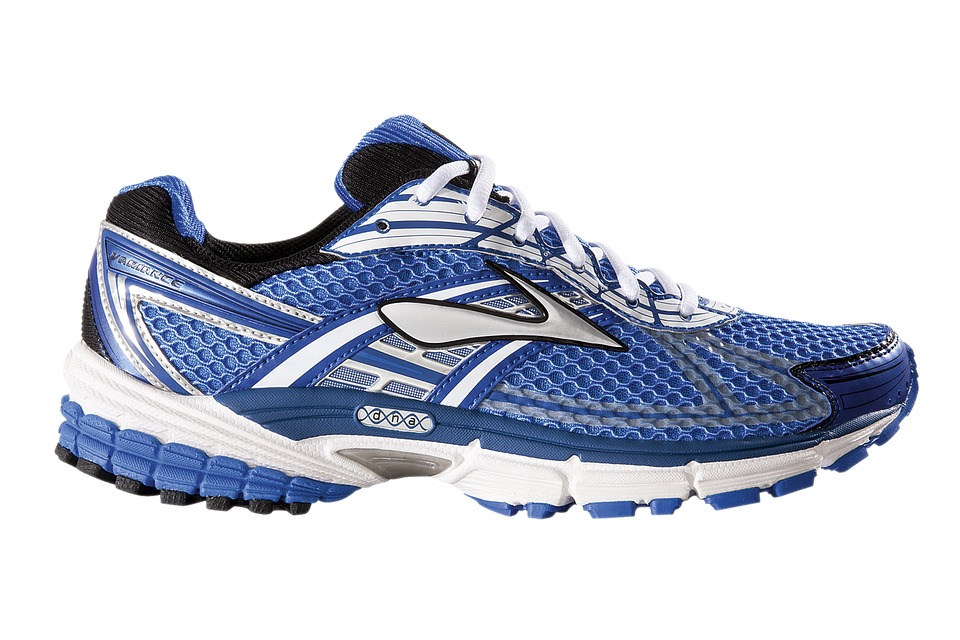
  • Sole Mates: Top Considerations for Selecting the Perfect Workout Shoes (Target keywords: workout shoes, perfect workout shoes)

    Sole Mates: Top Considerations for Selecting the Perfect Workout Shoes (Target keywords: workout shoes, perfect workout shoes)

    When it comes to working out, having the right gear can make all the difference. For many, this means investing in a good pair of workout shoes. But with so many options available on the market, selecting the perfect workout shoes can be a daunting task. In this article, we’ll break down the top considerations for choosing the right workout shoes for your fitness needs.

    Understanding Your Fitness Goals

    Before starting your search for the perfect workout shoes, it’s essential to understand your fitness goals. Are you a runner, a CrossFitter, or a yogi? Different activities require different types of shoes, so it’s crucial to identify your primary fitness activity. For example, if you’re a runner, you’ll want workout shoes that provide excellent cushioning and support for your feet. On the other hand, if you’re a CrossFitter, you’ll need workout shoes that are more versatile and can handle a variety of exercises, from weightlifting to jump rope.

    The Importance of Arch Support

    One of the key considerations when selecting workout shoes is arch support. A good pair of workout shoes should provide adequate arch support to prevent injuries such as plantar fasciitis. If you have flat feet or high arches, you’ll want to look for workout shoes that cater to your specific foot type. For example, if you have flat feet, you’ll want workout shoes with more substantial arch support to prevent overpronation. On the other hand, if you have high arches, you’ll want workout shoes with more cushioning to reduce the impact on your feet.

    Cushioning and Shock Absorption

    Cushioning and shock absorption are also critical factors to consider when choosing workout shoes. A good pair of workout shoes should provide excellent cushioning to absorb the impact of each step or jump. This is especially important for high-impact activities such as running or jumping. Look for workout shoes with thick, responsive midsoles that can absorb shock and provide a comfortable ride.

    Traction and Grip

    Traction and grip are essential features to consider when selecting workout shoes. If you plan to work out on uneven or slippery surfaces, you’ll want workout shoes with aggressive tread patterns and sticky rubber outsoles. This will provide the necessary traction to prevent slipping and falling. For example, if you’re a trail runner, you’ll want workout shoes with deep lugs and a grippy outsole to handle technical terrain.

    Breathability and Moisture Management

    Breathability and moisture management are also vital considerations when choosing workout shoes. A good pair of workout shoes should allow for airflow and moisture transfer to keep your feet cool and dry. Look for workout shoes with mesh panels, breathable membranes, and moisture-wicking linings. This will help prevent blisters and discomfort during your workout.

    Weight and Flexibility

    The weight and flexibility of workout shoes can also impact your performance. Lighter workout shoes can enhance your speed and agility, while more flexible workout shoes can improve your range of motion. However, it’s essential to balance weight and flexibility with support and stability. For example, if you’re a sprinter, you’ll want workout shoes that are lightweight and flexible to enhance your speed. On the other hand, if you’re a weightlifter, you’ll want workout shoes that are more supportive and stable to handle heavy loads.

    Brand and Quality

    The brand and quality of workout shoes can also impact your decision. Reputable brands such as Nike, Adidas, and Asics are known for producing high-quality workout shoes that are both durable and performance-driven. However, it’s essential to read reviews and try on workout shoes before making a purchase to ensure they meet your specific needs.

    Trying Them On

    Speaking of trying on workout shoes, it’s crucial to do so before making a purchase. This will allow you to assess the fit, comfort, and performance of the workout shoes. Make sure to wear the same type of socks you plan to wear during your workout and try on workout shoes at the end of the day when your feet are at their largest. This will ensure a comfortable and accurate fit.

    Conclusion

    Selecting the perfect workout shoes can be a challenging task, but by considering your fitness goals, arch support, cushioning, traction, breathability, weight, flexibility, brand, and quality, you can make an informed decision. Remember to try on workout shoes before making a purchase and don’t be afraid to ask for advice from a footwear expert. With the right workout shoes, you’ll be able to perform at your best and achieve your fitness goals.

    FAQs

    Q: What are the most important features to consider when selecting workout shoes?
    A: The most important features to consider when selecting workout shoes include arch support, cushioning, traction, breathability, weight, flexibility, brand, and quality.

    Q: How do I determine my foot type when selecting workout shoes?
    A: You can determine your foot type by visiting a specialty running store or by using an online foot type quiz. This will help you identify your foot shape and determine the best type of workout shoes for your needs.

    Q: Can I wear workout shoes for multiple activities?
    A: While some workout shoes can be worn for multiple activities, it’s generally recommended to have a specific pair of workout shoes for each activity. This will ensure you get the best performance and support for your specific fitness needs.

    Q: How often should I replace my workout shoes?
    A: The frequency of replacing workout shoes depends on the type of activity and the frequency of use. Generally, workout shoes should be replaced every 3-6 months or after 300-500 miles of use.

    Q: Can I purchase workout shoes online?
    A: Yes, you can purchase workout shoes online, but it’s recommended to try them on in person before making a purchase to ensure a comfortable and accurate fit. If you do purchase workout shoes online, make sure to check the return policy and sizing chart to ensure the best fit.

    sole-mates-top-considerations-for-selecting-the-perfect-workout-shoes-target-keywords-workout-shoes-perfect-workout-shoes

  • Fitness for the Rest of Us: A Low-Impact Workout for Busy Lives

    Fitness for the Rest of Us: A Low-Impact Workout for Busy Lives

    Introduction to Fitness for the Rest of Us

    In today’s fast-paced world, it’s easy to get caught up in the hustle and bustle of daily life and neglect our physical health. Many of us lead busy lives, juggling work, family, and social responsibilities, leaving little time for exercise. However, regular physical activity is essential for maintaining our overall health and wellbeing. The good news is that you don’t have to be a fitness enthusiast or have hours to spare to reap the benefits of exercise. A low-impact workout can be a great way to get started, and it’s perfect for busy lives.

    What is Low-Impact Exercise?

    Low-impact exercise refers to physical activities that are easy on the joints and don’t require high-impact movements, such as jumping or running. These types of exercises are perfect for people who are new to exercise, have mobility issues, or are recovering from an injury. Low-impact exercises can be modified to suit different fitness levels, making them accessible to everyone. Some examples of low-impact exercises include walking, swimming, cycling, and yoga.

    Benefits of Low-Impact Exercise

    Low-impact exercise offers numerous benefits, including improved cardiovascular health, increased strength and flexibility, and weight management. Regular physical activity can also reduce the risk of chronic diseases, such as heart disease, diabetes, and some types of cancer. Additionally, exercise can boost mood, reduce stress, and improve sleep quality. Low-impact exercise is also a great way to improve balance and coordination, reducing the risk of falls and injuries.

    Getting Started with Low-Impact Exercise

    Getting started with low-impact exercise is easy. You don’t need any special equipment or a gym membership. Here are a few tips to help you get started:

    • Schedule it in: Treat exercise as a non-negotiable part of your daily routine, just like brushing your teeth or taking a shower.
    • Start small: Begin with short, manageable sessions, and gradually increase the duration and intensity as you become more comfortable.
    • Find an activity you enjoy: Experiment with different types of low-impact exercises to find what works best for you.
    • Make it a habit: Incorporate exercise into your daily routine, such as first thing in the morning or right after dinner.

    Low-Impact Exercise Options for Busy Lives

    There are many low-impact exercise options that are perfect for busy lives. Here are a few examples:

    • Brisk walking: Walking is a great way to get some exercise, and it’s easy to incorporate into your daily routine. Try taking a short walk during your lunch break or after dinner.
    • Bodyweight exercises: Bodyweight exercises, such as squats, lunges, and push-ups, are a great way to improve strength and flexibility. You can do them anywhere, at any time.
    • Yoga: Yoga is a low-impact exercise that can help improve flexibility, balance, and strength. It’s also a great way to reduce stress and improve mood.
    • Swimming: Swimming is a low-impact exercise that’s easy on the joints. It’s a great way to improve cardiovascular health and build endurance.
    • Cycling: Cycling is a low-impact exercise that’s easy on the joints. You can cycle indoors or outdoors, making it a great option for people with busy lives.

    Creating a Low-Impact Workout Routine

    Creating a low-impact workout routine is easy. Here are a few tips to help you get started:

    • Set realistic goals: Define your fitness goals and set realistic targets. This will help you stay motivated and focused.
    • Mix it up: Vary your routine to avoid boredom and prevent plateaus. Try different types of low-impact exercises to keep things interesting.
    • Listen to your body: Rest and recovery are just as important as exercise. Listen to your body and take rest days as needed.
    • Make it a habit: Incorporate exercise into your daily routine, such as first thing in the morning or right after dinner.

    Overcoming Common Barriers to Exercise

    There are many common barriers to exercise, including lack of time, lack of motivation, and lack of energy. Here are a few tips to help you overcome these barriers:

    • Schedule it in: Treat exercise as a non-negotiable part of your daily routine, just like brushing your teeth or taking a shower.
    • Find an exercise buddy: Exercising with a friend or family member can be a great motivator.
    • Reward yourself: Set small rewards for yourself after reaching fitness milestones.
    • Focus on how you feel: Regular exercise can boost mood, reduce stress, and improve sleep quality. Focus on how you feel, rather than the number on the scale.

    Staying Motivated and Accountable

    Staying motivated and accountable is crucial for maintaining a regular exercise routine. Here are a few tips to help you stay on track:

    • Track your progress: Keep a fitness journal or use a mobile app to track your progress.
    • Set reminders: Set reminders on your phone or calendar to remind you to exercise.
    • Find a workout community: Join a fitness group or find a workout buddy to stay motivated and accountable.
    • Celebrate milestones: Celebrate your fitness milestones, no matter how small they may seem.

    Conclusion

    Regular physical activity is essential for maintaining our overall health and wellbeing. A low-impact workout can be a great way to get started, and it’s perfect for busy lives. With so many low-impact exercise options available, there’s no excuse not to get moving. Remember to schedule it in, start small, and find an activity you enjoy. With consistency and patience, you can achieve your fitness goals and improve your overall health and wellbeing.

    FAQs

    Q: What is low-impact exercise?
    A: Low-impact exercise refers to physical activities that are easy on the joints and don’t require high-impact movements, such as jumping or running.
    Q: What are the benefits of low-impact exercise?
    A: Low-impact exercise offers numerous benefits, including improved cardiovascular health, increased strength and flexibility, and weight management.
    Q: How do I get started with low-impact exercise?
    A: Getting started with low-impact exercise is easy. Schedule it in, start small, and find an activity you enjoy.
    Q: What are some low-impact exercise options for busy lives?
    A: There are many low-impact exercise options that are perfect for busy lives, including brisk walking, bodyweight exercises, yoga, swimming, and cycling.
    Q: How do I create a low-impact workout routine?
    A: Creating a low-impact workout routine is easy. Set realistic goals, mix it up, listen to your body, and make it a habit.
    Q: How do I overcome common barriers to exercise?
    A: There are many common barriers to exercise, including lack of time, lack of motivation, and lack of energy. Schedule it in, find an exercise buddy, reward yourself, and focus on how you feel.
    Q: How do I stay motivated and accountable?
    A: Staying motivated and accountable is crucial for maintaining a regular exercise routine. Track your progress, set reminders, find a workout community, and celebrate milestones.

  • Sweat Consistency: How to Create a Workout Schedule That Actually Works (Target keywords: workout schedule, consistency)

    Sweat Consistency: How to Create a Workout Schedule That Actually Works (Target keywords: workout schedule, consistency)

    Creating a workout schedule that actually works is a game-changer for anyone looking to get in shape and maintain a healthy lifestyle. Consistency is key when it comes to seeing real results, and having a solid plan in place can make all the difference. In this article, we’ll dive into the world of sweat consistency and explore how to create a workout schedule that actually works.

    Understanding the Importance of Consistency

    When it comes to working out, consistency is everything. It’s easy to get motivated and hit the gym hard for a week or two, but without a solid plan in place, it’s easy to fall off the wagon. Consistency helps to build habits, increase motivation, and ultimately, see real results. A well-planned workout schedule takes into account your goals, lifestyle, and preferences, making it easier to stick to and see progress over time.

    Setting Goals and Priorities

    Before creating a workout schedule, it’s essential to set clear goals and priorities. What do you want to achieve? Do you want to lose weight, build muscle, or increase endurance? Identifying your goals will help you determine the type of workouts you should be doing and how often you should be doing them. It’s also important to consider your lifestyle and schedule, including your work hours, family commitments, and other activities that may impact your ability to work out.

    Creating a Workout Schedule That Works

    So, how do you create a workout schedule that actually works? Here are a few tips to get you started:

    • Start small: Don’t try to do too much too soon. Start with a manageable schedule and gradually increase the intensity and frequency of your workouts over time.
    • Be realistic: Take into account your schedule, lifestyle, and preferences when planning your workouts. If you’re not a morning person, don’t try to schedule a 6 am workout.
    • Vary your workouts: Mix up your routine to avoid plateaus and prevent overuse injuries. Include a combination of cardio, strength training, and flexibility exercises to keep things interesting and challenging.
    • Schedule rest days: Rest and recovery are just as important as the workouts themselves. Make sure to schedule rest days into your plan to allow your body to recover and rebuild.

    The Importance of Tracking Progress

    Tracking progress is a crucial part of any workout schedule. It helps to monitor progress, stay motivated, and make adjustments as needed. There are many ways to track progress, including:

    • Workout journals: Keep a journal to track your workouts, including the exercises you do, the weight you lift, and the distance you run.
    • Fitness apps: Use apps like MyFitnessPal, Strava, or Fitbit to track your workouts, nutrition, and progress over time.
    • Progress photos: Take progress photos to track visual changes in your body over time.

    Common Mistakes to Avoid

    When creating a workout schedule, there are several common mistakes to avoid. These include:

    • Overdoing it: Don’t try to do too much too soon. This can lead to burnout, injury, and a lack of motivation.
    • Lack of variety: Failing to mix up your routine can lead to plateaus and overuse injuries.
    • Inconsistent scheduling: Failing to schedule workouts consistently can make it difficult to stick to a routine and see progress over time.

    Staying Motivated and Accountable

    Staying motivated and accountable is crucial when it comes to maintaining a consistent workout schedule. Here are a few tips to help you stay on track:

    • Find a workout buddy: Having someone to hold you accountable and share the experience with can make working out more enjoyable and help you stay motivated.
    • Reward yourself: Set small rewards for yourself when you reach certain milestones or complete a challenging workout.
    • Join a fitness community: Joining a fitness community or online forum can provide support, motivation, and accountability.

    Conclusion

    Creating a workout schedule that actually works is all about consistency, planning, and tracking progress. By setting clear goals, varying your workouts, and scheduling rest days, you can create a plan that helps you achieve your fitness goals and maintain a healthy lifestyle. Remember to stay motivated and accountable by finding a workout buddy, rewarding yourself, and joining a fitness community. With the right mindset and plan in place, you can achieve anything you set your mind to.

    Frequently Asked Questions

    • Q: How often should I work out?
      A: The frequency of your workouts will depend on your goals and lifestyle. Aim to work out at least 3-4 times per week, with at least one day of rest in between.
    • Q: What type of workouts should I be doing?
      A: The type of workouts you should be doing will depend on your goals. If you’re looking to lose weight, you may want to focus on cardio exercises like running or cycling. If you’re looking to build muscle, you may want to focus on strength training exercises like weightlifting or resistance band exercises.
    • Q: How do I stay motivated?
      A: Staying motivated is all about finding what works for you. Try finding a workout buddy, rewarding yourself, or joining a fitness community to stay motivated and accountable.
    • Q: What if I miss a workout?
      A: Don’t worry if you miss a workout! Just get back on track as soon as possible and don’t let one missed workout derail your entire routine.
    • Q: How do I track progress?
      A: There are many ways to track progress, including workout journals, fitness apps, and progress photos. Find what works for you and use it to monitor your progress over time.

    sweat-consistency-how-to-create-a-workout-schedule-that-actually-works-target-keywords-workout-schedule-consistency

  • Stand Tall: How Better Posture Can Transform Your Workout Routine

    Stand Tall: How Better Posture Can Transform Your Workout Routine

    She knows that having good posture is essential for both physical and mental well-being. When she stands tall, she exudes confidence and feels more energized throughout the day. But did she know that better posture can also transform her workout routine? It’s true – proper posture is the foundation of a safe and effective exercise program. In this article, she’ll explore how improving her posture can take her workouts to the next level.

    ## The Importance of Posture in Exercise
    He understands that posture is often overlooked in the fitness world, but it plays a critical role in maintaining proper form and preventing injuries. When she has good posture, she’s able to engage the correct muscles and maintain balance, which reduces the risk of straining or pulling something. This is especially important during strenuous exercises like weightlifting or high-impact aerobics. By standing tall and maintaining proper alignment, she can ensure that she’s getting the most out of her workout while minimizing the risk of injury.

    ## How Better Posture Can Improve Workout Performance
    She’s curious about how better posture can improve her workout performance. The answer lies in the way her body moves when she has good posture. When she stands tall, she’s able to generate more power and force, which translates to better performance in the gym. For example, during squats or deadlifts, proper posture allows her to lift heavier weights and maintain control throughout the entire range of motion. This means she can challenge herself and see greater gains in strength and muscle mass. Additionally, good posture can improve her endurance and reduce fatigue, allowing her to push herself harder and longer during cardio exercises.

    ## The Benefits of Good Posture for Common Exercises
    He wants to know how good posture can benefit common exercises like running, cycling, or swimming. The truth is, proper posture is essential for optimal performance in these activities. For runners, good posture helps to reduce the impact on joints and improve breathing, which can increase endurance and speed. Cyclists with good posture are able to generate more power and efficiency, which can improve their overall performance and reduce the risk of injury. And for swimmers, proper posture helps to reduce drag and improve stroke efficiency, which can increase speed and reduce fatigue.

    ## Tips for Improving Posture During Exercise
    She’s eager to learn some tips for improving her posture during exercise. One of the most effective ways to improve posture is to engage her core muscles. This can be done by drawing her belly button towards her spine and maintaining a slight pelvic tilt. Additionally, she should focus on keeping her shoulders relaxed and down, avoiding scrunching them up towards her ears. It’s also essential to maintain proper alignment, keeping her ears, shoulders, hips, and ankles in a straight line. By following these tips, she can improve her posture and get the most out of her workout.

    ## Exercises to Improve Posture
    He’s interested in learning about exercises that can help improve his posture. There are several exercises that can help strengthen the muscles that support good posture, including the core, shoulders, and back. One of the most effective exercises is the plank, which helps to strengthen the core and improve posture. Other exercises like shoulder rolls, chest stretches, and cat-cow stretches can also help to improve flexibility and reduce tension in the muscles that support posture. By incorporating these exercises into his routine, he can improve his posture and reduce the risk of injury.

    ## Common Posture Mistakes to Avoid
    She wants to know about common posture mistakes to avoid during exercise. One of the most common mistakes is arching the back or leaning forward, which can put strain on the spine and lead to injury. Another mistake is letting the shoulders roll forward or scrunching them up towards the ears, which can lead to tension and poor posture. Additionally, failing to engage the core muscles or maintain proper alignment can also lead to poor posture and reduce the effectiveness of the exercise. By being mindful of these common mistakes, she can avoid them and maintain good posture throughout her workout.

    ## The Impact of Poor Posture on Workout Routine
    He’s curious about the impact of poor posture on his workout routine. The truth is, poor posture can have a significant impact on the effectiveness and safety of his workouts. When he has poor posture, he’s more likely to experience fatigue, strain, and injury, which can sideline him and prevent him from reaching his fitness goals. Additionally, poor posture can reduce the effectiveness of his workouts, making it more difficult to see gains in strength and muscle mass. By improving his posture, he can avoid these negative consequences and get the most out of his workout routine.

    ## How to Maintain Good Posture Throughout the Day
    She wants to know how to maintain good posture throughout the day, not just during exercise. The key is to be mindful of her posture and make adjustments throughout the day. One way to do this is to set reminders to stand up straight and relax her shoulders. She can also incorporate posture-friendly habits into her daily routine, such as taking regular breaks to stretch and move around. Additionally, she can make adjustments to her workspace and home environment to promote good posture, such as using an ergonomic chair or placing her computer monitor at eye level. By being mindful of her posture and making these adjustments, she can maintain good posture throughout the day and improve her overall health and well-being.

    ## Conclusion
    In conclusion, better posture can transform her workout routine by improving performance, reducing the risk of injury, and increasing endurance. By incorporating good posture into her exercise routine, she can get the most out of her workouts and achieve her fitness goals. Whether she’s a seasoned athlete or just starting out, good posture is essential for optimal performance and safety. By following the tips and exercises outlined in this article, she can improve her posture and take her workouts to the next level.

    ## FAQs
    Q: What are the benefits of good posture for exercise?
    A: Good posture can improve workout performance, reduce the risk of injury, and increase endurance. It can also help to engage the correct muscles and maintain balance, which reduces the risk of straining or pulling something.

    Q: How can I improve my posture during exercise?
    A: One of the most effective ways to improve posture is to engage your core muscles and maintain proper alignment. You can also focus on keeping your shoulders relaxed and down, avoiding scrunching them up towards your ears.

    Q: What are some common posture mistakes to avoid during exercise?
    A: Common posture mistakes to avoid include arching the back or leaning forward, letting the shoulders roll forward or scrunching them up towards the ears, and failing to engage the core muscles or maintain proper alignment.

    Q: Can poor posture impact my workout routine?
    A: Yes, poor posture can have a significant impact on the effectiveness and safety of your workouts. It can lead to fatigue, strain, and injury, which can sideline you and prevent you from reaching your fitness goals.

    Q: How can I maintain good posture throughout the day?
    A: To maintain good posture throughout the day, be mindful of your posture and make adjustments throughout the day. You can set reminders to stand up straight and relax your shoulders, incorporate posture-friendly habits into your daily routine, and make adjustments to your workspace and home environment to promote good posture.
    stand-tall-how-better-posture-can-transform-your-workout-routine

  • Get Ready to Sweat: 10 Essential Warm-Up Exercises to Boost Your Workout (Target keywords: warm-up exercises, workout routine)

    Get Ready to Sweat: 10 Essential Warm-Up Exercises to Boost Your Workout (Target keywords: warm-up exercises, workout routine)

    She’s always emphasizing the importance of starting any workout routine with a solid set of warm-up exercises. This is because warm-ups are crucial in preparing the body for physical activity, increasing blood flow, and reducing the risk of injury. A good warm-up can make all the difference in the effectiveness of a workout, and she’s here to share the top 10 essential warm-up exercises to get anyone ready to sweat.

    Getting Started with Warm-Up Exercises
    Before diving into the list of warm-up exercises, it’s essential to understand the purpose of a warm-up. A warm-up is a series of exercises designed to increase heart rate, temperature, and blood flow to the muscles. This helps to reduce muscle stiffness, improve flexibility, and prepare the body for physical activity. A well-structured warm-up can also help to improve performance, reduce the risk of injury, and enhance overall workout experience.

    Top 10 Essential Warm-Up Exercises
    Here are the top 10 essential warm-up exercises to include in any workout routine:

    1. Jumping Jacks: A classic warm-up exercise that gets the heart rate up and loosens the muscles. Jumping jacks are a great way to start any workout, as they work multiple muscle groups and get the blood flowing.
    2. Leg Swings: Leg swings are an excellent way to warm up the legs and hips. Stand with your feet hip-width apart and swing one leg forward and backward, then switch to the other leg.
    3. Arm Circles: Arm circles are a simple yet effective way to warm up the shoulders and chest. Hold your arms straight out to the sides and make small circles with your hands.
    4. Hip Openers: Hip openers are essential for warming up the hips and glutes. Stand with your feet together and take a large step to one side, keeping your back straight and your front knee bent.
    5. Calf Raises: Calf raises are a great way to warm up the lower legs. Stand on the edge of a step or curb with your heels hanging off the edge, and raise up onto your tiptoes.
    6. Knee Lifts: Knee lifts are an excellent way to warm up the legs and hips. Stand with your feet together and lift one knee up towards your chest, then switch to the other leg.
    7. Torso Twists: Torso twists are a great way to warm up the core and improve flexibility. Stand with your feet shoulder-width apart and twist your torso from side to side.
    8. Ankle Rotations: Ankle rotations are essential for warming up the ankles and feet. Sit on the floor with your legs straight out in front of you and rotate your ankles in a circular motion.
    9. Wrist Extensions: Wrist extensions are a simple yet effective way to warm up the wrists and forearms. Hold your arms straight out in front of you and lift your hands up, then lower them back down.
    10. Neck Stretches: Neck stretches are a great way to warm up the neck and improve flexibility. Slowly tilt your head to the side, bringing your ear towards your shoulder, then switch to the other side.

    Incorporating Warm-Up Exercises into Your Workout Routine
    Incorporating these warm-up exercises into your workout routine can be easy and straightforward. Start by setting aside 5-10 minutes before each workout to complete the warm-up exercises. Begin with light cardio such as jogging in place or jumping jacks, then move on to dynamic stretches like leg swings and arm circles. Finish with some static stretches like hamstring and chest stretches.

    Benefits of Warm-Up Exercises
    The benefits of warm-up exercises are numerous and well-documented. Some of the most significant advantages of incorporating warm-up exercises into your workout routine include:

    • Improved performance: Warm-up exercises can help improve power, speed, and endurance.
    • Reduced risk of injury: Warm-up exercises can help reduce the risk of injury by increasing blood flow and reducing muscle stiffness.
    • Enhanced flexibility: Warm-up exercises can help improve flexibility and range of motion.
    • Increased blood flow: Warm-up exercises can help increase blood flow to the muscles, reducing fatigue and improving overall performance.

    Common Mistakes to Avoid
    When it comes to warm-up exercises, there are several common mistakes to avoid. Some of the most significant mistakes include:

    • Not warming up at all: Skipping the warm-up altogether can lead to reduced performance and increased risk of injury.
    • Not warming up long enough: Warming up for too short a time can fail to prepare the body for physical activity.
    • Not incorporating dynamic stretches: Dynamic stretches like leg swings and arm circles are essential for warming up the muscles and improving flexibility.

    Conclusion
    In conclusion, warm-up exercises are a crucial part of any workout routine. By incorporating the top 10 essential warm-up exercises into your routine, you can improve performance, reduce the risk of injury, and enhance overall workout experience. Remember to set aside 5-10 minutes before each workout to complete the warm-up exercises, and don’t forget to incorporate dynamic stretches like leg swings and arm circles. With a well-structured warm-up, you’ll be ready to sweat and take your workout to the next level.

    FAQs
    Q: What is the purpose of a warm-up?
    A: The purpose of a warm-up is to increase heart rate, temperature, and blood flow to the muscles, preparing the body for physical activity.
    Q: How long should I warm up for?
    A: Aim to warm up for at least 5-10 minutes before each workout.
    Q: What are some common mistakes to avoid when it comes to warm-up exercises?
    A: Common mistakes include not warming up at all, not warming up long enough, and not incorporating dynamic stretches.
    Q: Can I customize my warm-up routine to suit my specific needs?
    A: Yes, you can customize your warm-up routine to suit your specific needs and goals. For example, if you’re a runner, you may want to focus on leg swings and hip openers.
    Q: Are warm-up exercises only for athletes?
    A: No, warm-up exercises are for anyone who engages in physical activity, regardless of fitness level or goals.

    get-ready-to-sweat-10-essential-warm-up-exercises-to-boost-your-workout-target-keywords-warm-up-exercises-workout-routine