Tag: risk

  • Healthy Habits to Lower Your Risk and Protect Heart Health

    Healthy Habits to Lower Your Risk and Protect Heart Health

    High blood pressure often develops quietly, damaging blood vessels and increasing the risk of heart attack, stroke, and kidney disease. Many people do not notice symptoms until complications appear, which is why prevention matters early. The good news is that lifestyle choices can make a major difference in reducing risk and improving long-term heart health.

    Simple daily habits such as better nutrition, regular movement, healthy sleep, and stress control can help lower blood pressure naturally. Small changes done consistently often lead to measurable results over time. With the right routine, hypertension prevention becomes more achievable and sustainable for people of all ages.

    7 Essential Habits to Prevent High Blood Pressure

    Preventing high blood pressure often starts with simple daily choices that protect your heart over time. These seven essential habits can help lower your risk, improve circulation, and support long-term heart health naturally.

    1. Follow the DASH Diet

    The DASH diet is one of the most effective eating plans to prevent high blood pressure by focusing on fruits, vegetables, whole grains, beans, nuts, and low-fat dairy. Limiting sugary drinks, red meat, and processed foods while adding potassium-rich foods like bananas and spinach can support lower blood pressure and better heart health.

    2. Get Regular Aerobic Exercise

    Walking, cycling, swimming, and jogging can help lower blood pressure naturally when done consistently. Aim for at least 150 minutes of moderate aerobic exercise weekly to improve circulation, reduce stress, and support weight control.

    3. Maintain a Healthy Weight

    Carrying extra body weight increases strain on the heart and blood vessels, which may raise blood pressure over time. Losing even a small amount of weight through healthy eating and activity can improve readings and support hypertension prevention.

    4. Reduce Sodium Intake

    Too much sodium can raise blood pressure in many adults, especially when intake is frequent and high. Choosing fresh foods, reading labels, and seasoning meals with herbs or lemon instead of salt can help reduce sodium levels.

    5. Manage Stress Daily

    Chronic stress may contribute to unhealthy blood pressure patterns and long-term heart strain. Mindfulness, breathing exercises, journaling, or yoga can help lower stress while supporting better sleep and wellness.

    6. Improve Sleep Quality

    Poor sleep is linked with a higher risk of high blood pressure and cardiovascular problems. Aim for seven to nine hours of sleep nightly and maintain a regular schedule to improve overall health.

    7. Limit Alcohol and Avoid Smoking

    Too much alcohol may gradually increase blood pressure, while smoking damages blood vessels and strains the heart. Reducing alcohol intake and quitting smoking can quickly improve heart health and lower long-term risk.

    Prevent High Blood Pressure: Dietary Patterns and Food Choices

    Prevent high blood pressure by focusing on eating patterns rather than one “superfood.” The DASH diet and Mediterranean-style eating plans both emphasize vegetables, fruit, lean proteins, legumes, whole grains, and healthy fats. These approaches may support better blood pressure levels while improving cholesterol and overall heart health.

    According to the Centers for Disease Control and Prevention, reducing sodium, choosing healthier foods, and maintaining a healthy weight are key strategies for managing and preventing high blood pressure. Potassium-rich foods such as beans, leafy greens, potatoes, bananas, and yogurt can also support healthier blood pressure balance. Learn more at

    Meal timing can also help some people. Regular meals with balanced portions may support blood sugar stability and reduce overeating later in the day. Sustainable habits matter more than extreme restrictions.

    Hypertension Prevention: Exercise Protocols and Monitoring Strategies

    Hypertension prevention improves when exercise becomes part of a weekly routine. Moderate aerobic movement such as brisk walking for 30 to 45 minutes on most days can strengthen the heart and help lower blood pressure. Resistance training two to three times weekly may add further benefits.

    Based on guidance from the American Heart Association, regular physical activity is one of the most effective natural tools for lower blood pressure and heart health. Combining cardio exercise with strength training can improve circulation, body composition, and metabolic wellness. More guidance is available at

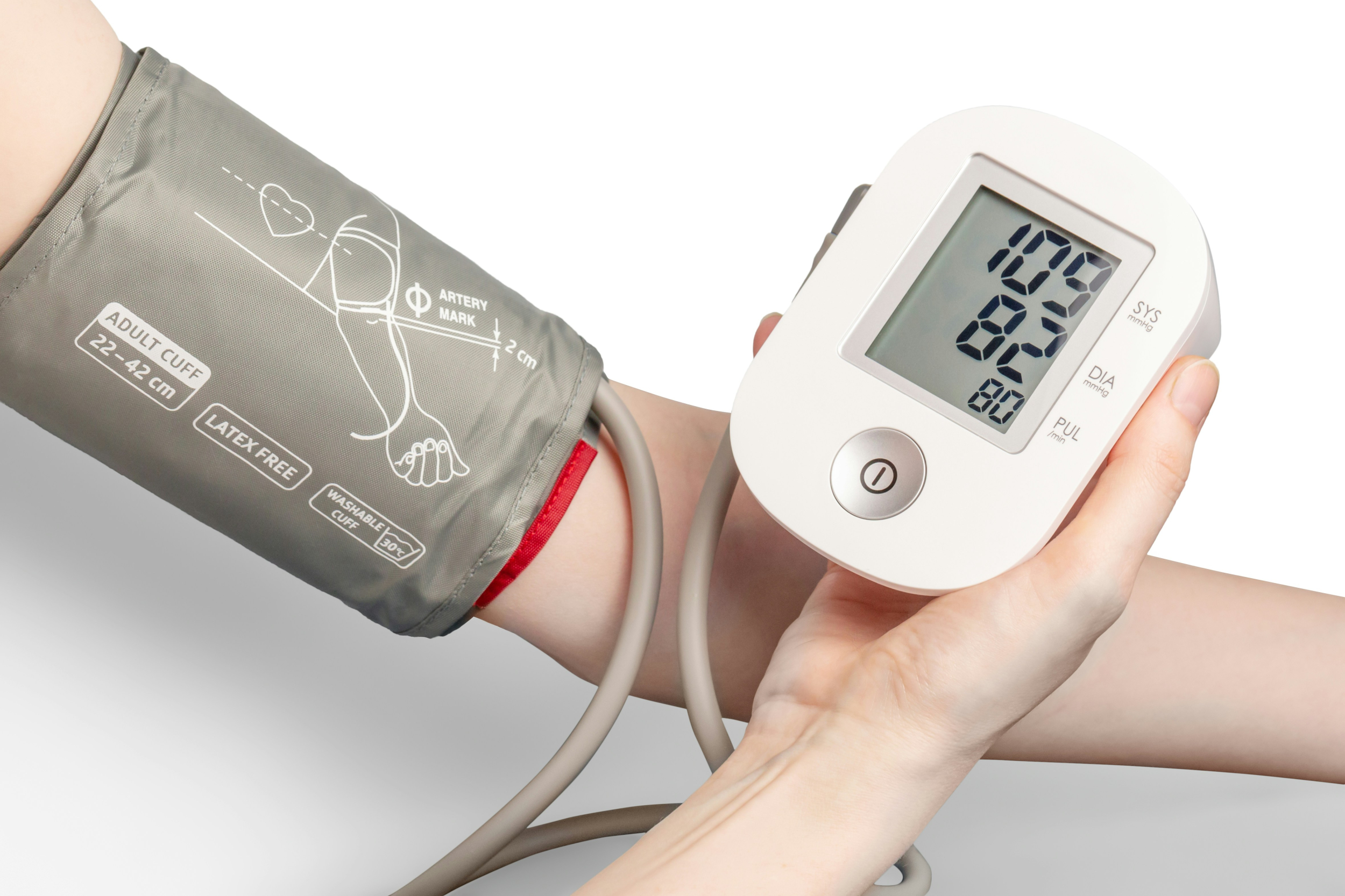
    Home blood pressure monitoring is also valuable. Use a validated device, measure at consistent times, and track trends rather than single readings. This can help identify patterns and motivate healthier habits.

    Heart Health: Sleep, Stress Reduction, and Long-Term Lifestyle Support

    Heart health depends on more than food and workouts. Sleep quality, emotional stress, and routine daily behaviors all influence blood pressure. Poor sleep and ongoing tension may keep the body in a heightened stress state that affects vascular function.

    Based on research from National Heart, Lung, and Blood Institute, sleep habits, stress management, and healthy routines are important parts of blood pressure control and cardiovascular wellness. Relaxation techniques such as deep breathing, meditation, and consistent sleep schedules may help support healthier readings. Learn more at

    Long-term success usually comes from stacking small habits rather than chasing quick fixes. Protecting heart health is often about what you repeat daily.

    Essential Heart Health Habits for Lifelong Blood Pressure Control

    High blood pressure prevention works best when healthy habits become part of everyday life. Eating better, moving regularly, sleeping well, managing stress, and avoiding tobacco all work together to reduce long-term risk. Even modest changes can create meaningful progress when maintained consistently.

    Lower blood pressure goals do not require perfection. What matters most is building routines that fit your lifestyle and can last for years. With patience and consistency, hypertension prevention becomes a realistic path toward stronger heart health and better overall wellbeing.

    Frequently Asked Questions

    1. Can high blood pressure be prevented naturally?

    Yes, many people can reduce risk through lifestyle habits. Healthy eating, exercise, sleep, and stress management all help. Avoiding smoking and excess alcohol also matters. Genetics can still play a role, so regular checkups remain important.

    2. What foods help lower blood pressure?

    Foods rich in potassium, fiber, and healthy fats may help. Examples include leafy greens, beans, oats, berries, yogurt, nuts, and fish. Lower-sodium choices are also helpful. Balanced eating patterns matter more than single foods.

    3. How much exercise helps blood pressure?

    A common target is 150 minutes of moderate activity weekly. This can include walking, biking, or swimming. Strength training can add benefits as well. Consistency matters more than intensity for many people.

    4. When should I see a doctor about blood pressure?

    See a doctor if readings stay elevated or symptoms concern you. Severe headaches, chest pain, or shortness of breath need prompt care. Regular monitoring helps catch issues early. Professional guidance is useful for personalized treatment plans.


    Source link

  • Hidden Gut Virus Inside a Common Bacterium May Double Colon Cancer Risk and Could Become a Future Stool-Based Screening Marker

    Hidden Gut Virus Inside a Common Bacterium May Double Colon Cancer Risk and Could Become a Future Stool-Based Screening Marker

    Hidden viruses in the gut are emerging as a new frontier in cancer research, and the virome may be just as important as bacteria when it comes to colorectal cancer risk. A newly described bacteriophage hiding inside common Bacteroides bacteria has been linked to roughly doubled odds of developing colorectal cancer, and it may one day serve as a non‑invasive stool biomarker for earlier detection.

    This finding is pushing scientists to look beyond bacteria alone and consider how viral communities in the intestine shape health and disease.

    Colorectal Cancer and the Need for Better Screening

    Colorectal cancer starts in the colon or rectum, usually from small polyps that can become malignant over many years.

    Because early stages often cause no symptoms, detection before spread is crucial for survival and treatment success. When found early, colorectal cancer is usually much more treatable and associated with better long‑term outcomes.

    Current screening tools include colonoscopy, sigmoidoscopy, fecal occult blood tests (FOBT/FIT), and stool DNA tests. Colonoscopy is highly effective but invasive, requires bowel preparation, and can be difficult to access for some people.

    Stool‑based tests are simpler and non‑invasive, but they can miss early cancers or advanced polyps. These limitations drive interest in new stool biomarkers, including those that come from the gut virome, bacteriophages, and specific Bacteroides strains.

    Microbiome, Virome, and Cancer Risk

    Most research on colorectal cancer and the gut has focused on the microbiome, the community of bacteria in the intestine. Studies repeatedly show that certain bacteria, such as Fusobacterium and some Bacteroides species, are more common in people with colorectal cancer than in healthy controls.

    These microbes may promote inflammation, produce toxins, or form biofilms that help tumors develop and escape immune defenses.

    Alongside bacteria, the gut also hosts a rich virome, made up largely of bacteriophages, viruses that infect bacteria, not human cells. Bacteriophages can integrate into bacterial genomes (as prophages) or lyse their hosts. In doing so, they can change which bacteria are present and how they behave.

    A bacterium carrying a particular prophage may produce more toxins, adhere more strongly to the gut lining, or interact differently with the immune system.

    Because of these effects, the virome is now seen as an important factor in colorectal cancer. Distinct bacteriophage patterns have been observed in stool samples from colorectal cancer patients.

    These patterns suggest that certain phages, especially those linked to Bacteroides, could act as both contributors to disease and as stool biomarkers that signal increased risk.

    Bacteroides fragilis and a Hidden Bacteriophage

    Bacteroides is a major bacterial genus in the human colon and plays key roles in digestion and immune development. Among its species, Bacteroides fragilis is widely present in healthy individuals.

    Most strains are harmless or beneficial, but some enterotoxigenic Bacteroides fragilis (ETBF) strains produce toxins that can cause diarrhea and chronic inflammation.

    Recent work has revealed a previously unrecognized bacteriophage integrated into Bacteroides fragilis genomes. In its prophage state, this virus sits quietly inside the bacterial DNA and is not visible as an active infection.

    Using high‑throughput sequencing of bacterial isolates and stool samples, researchers identified a specific viral sequence that appeared far more often in Bacteroides fragilis from people with colorectal cancer than in those without the disease.

    This suggests that the combination of Bacteroides and a particular bacteriophage may matter more than the bacterium alone.

    How Strong Is the Association With Colorectal Cancer?

    Across large international cohorts, individuals with colorectal cancer were about twice as likely to carry this Bacteroides‑associated bacteriophage compared with cancer‑free controls.

    This does not prove that the virus causes cancer, but it signals a strong association worth further study. It raises the possibility that the bacteriophage could affect bacterial virulence, toxin production, or interactions with the gut lining in ways that promote tumor development.

    Mechanistically, researchers suspect that prophage integration might alter gene regulation in Bacteroides fragilis, increase production of inflammatory or genotoxic factors, or encourage biofilm formation on the colon mucosa.

    Even if the virus itself is not directly oncogenic, it may mark a broader virome and microbiome shift that creates a more cancer‑prone environment. From a screening perspective, this kind of consistent association is valuable, because a reliable marker can help identify people at higher risk.

    Virome-Based Stool Biomarkers: A New Screening Frontier

    Stool is an ideal medium for non‑invasive testing because it contains DNA and RNA from bacteria, viruses, and the host. Traditional stool tests for colorectal cancer look for blood or human DNA mutations.

    Microbiome‑based approaches add information about bacterial composition. Virome‑based testing extends this by targeting bacteriophages and other gut viruses as additional indicators.

    Bacteriophages are attractive stool biomarkers because they are abundant and often highly specific to their bacterial hosts. A virome‑focused assay could, in principle, detect the Bacteroides‑associated bacteriophage linked to colorectal cancer.

    This could be done with broad metagenomic sequencing or with targeted PCR approaches that look specifically for the viral sequence.

    In real‑world use, such a viral marker would likely be combined with bacterial, human DNA, and blood‑based markers in a multi‑parameter stool test, improving sensitivity for early disease while maintaining acceptable false‑positive rates.

    Before any virome‑based stool biomarker becomes part of standard care, it must be validated in large prospective studies, tested across diverse populations, and shown to be cost‑effective and practical in routine clinics. Laboratory methods will need standardization, and regulatory approval will be required.

    Virome-Driven Advances in Colorectal Cancer Prevention

    The emerging link between the gut virome, specific bacteriophages, Bacteroides, and colorectal cancer underscores how complex the intestinal ecosystem is. As research continues, virome‑based stool biomarkers may complement colonoscopy and existing stool tests, offering more personalized and less invasive screening options.

    If the Bacteroides‑associated bacteriophage consistently identifies individuals at higher risk, an accessible stool biomarker built around this virome signal could help detect colorectal cancer earlier and guide timely prevention and treatment.

    Frequently Asked Questions

    1. Can changing my diet modify the gut virome and possibly affect colorectal cancer risk?

    A diet rich in fiber, fruits, and vegetables can shift both the microbiome and virome toward more diverse, stable communities, which is generally associated with lower inflammation and may indirectly reduce colorectal cancer risk.

    2. Is it possible to remove harmful bacteriophages like the one in Bacteroides with probiotics?

    Current probiotics mainly influence bacteria, not specific bacteriophages; while they might alter the overall ecosystem, there is no evidence yet that standard probiotic products selectively remove this Bacteroides‑associated virus.

    3. Could antibiotics help by eliminating Bacteroides strains carrying cancer‑linked bacteriophages?

    Broad antibiotics can reduce Bacteroides and associated phages, but they also disrupt beneficial microbes and may harm long‑term gut health, so they are not considered a targeted or preventive strategy for colorectal cancer.

    4. Are at-home microbiome tests able to detect virome patterns linked to colorectal cancer?

    Most consumer microbiome kits focus on bacterial DNA and do not comprehensively profile the virome, so they cannot reliably detect cancer‑associated bacteriophage signatures at this time.


    Originally published on Science Times

    Source link

  • Aligning Procurement with Clinical Risk Awareness

    Aligning Procurement with Clinical Risk Awareness

    Innovel Medical, a London-based developer of clinically focused medical technologies funded by Pentland Medical, presents a perspective that airway safety outcomes may be influenced by how procurement decisions are made. This consideration becomes particularly relevant when cost factors are prioritized over purpose-built securement solutions intended to support patient safety, infection control, and tube stability.

    “In operating rooms and critical care settings, airway securement is an important part of patient care that doesn’t always receive the same level of attention,” Stewart Munro, Managing Director of Innovel, states. “Clinicians recognize its role in maintaining stability during anesthesia and ventilation, though the approaches used in practice can vary.”

    The implications of this variability are increasingly supported by emerging data. According to a study, unplanned extubation (UE) remains a measurable and persistent safety concern, even as structured airway safety programs demonstrate the ability to reduce its incidence. These findings, Munro argues, point to a broader opportunity for consistency in airway management practices, particularly in how devices are selected and applied.

    “In many areas of medicine, practice evolves as evidence accumulates, yet airway securement has often relied on methods that were never originally designed for the task. There’s an opportunity to revisit these conventions with a more intentional lens,” he explains. Munro believes that unplanned extubation is preventable and encourages standardized securement approaches supported by reliable tools and protocols.

    Within clinical settings, Munro notes that the challenges associated with non-purpose-built securement methods can present in several ways. Clinicians may encounter variability in adhesive performance, which can affect tube stability during procedures involving movement or prolonged positioning. Skin integrity can also become a consideration, particularly among pediatric and older adult patients, where repeated application and removal of general-use tape can affect the skin barrier. These factors, while often managed at the bedside, contribute to a broader picture of cumulative clinical and operational impact.

    Research into ventilator-associated pneumonia (VAP) further illustrates the importance of secure airway management. A pneumonia surveillance guidance highlights the role of tube movement and micro-aspiration in bacterial contamination of the lower airway. A meta-analysis, encompassing more than 16,000 patients, found that re-intubation increased the risk of VAP by more than fivefold. Such findings, Munro stresses, reinforce the connection between airway stability and infection risk, underscoring the value of securement methods that can maintain consistency throughout the duration of care.

    Munro offers an additional perspective on how these clinical realities intersect with procurement practices. “When decisions are made primarily at the unit-cost level, it can be difficult to fully account for the downstream clinical considerations that follow. Expanding the lens to include total care impact allows for a more balanced evaluation,” he remarks. This viewpoint reflects a growing conversation among healthcare leaders and procurement teams about how to align purchasing decisions with broader patient safety and system efficiency goals.

    Innovel’s response to these insights is reflected in the development of LeaFix, a purpose-built airway securement device designed specifically for endotracheal applications. Engineered with a focus on both stability and skin compatibility, LeaFix incorporates a structured adhesive design that distributes pressure across anatomical anchor points, supporting consistent tube positioning. Its CE marking under the EU Medical Device Regulation (MDR) reflects adherence to stringent regulatory standards, providing an additional layer of assurance for healthcare providers seeking validated solutions and providing Innovel with real-world clinical evidence to improve its solution.

    Beyond its technical features, Innovel observes that LeaFix may reflect a growing recognition of airway securement as a distinct area within clinical practice. Munro states, “In other areas of care, purpose-built devices have often been introduced over time as understanding of clinical requirements and performance expectations has developed.”

    Within this context, Innovel’s broader portfolio, including complementary solutions such as packaging both eye and airway securement solutions together, is part of its ongoing focus on helping related needs across the airway management pathway. Another innovative solution from Innovel is the Vacuderm, which is a smart tourniquet with an aim to not only identify potential invisible veins, but also facilitate easier cannulation.

    The conversation around airway securement is also extending into professional forums and educational initiatives. Innovel has supported a recent webinar, where clinical experts shared insights into airway-related risks and emerging best practices. Such platforms, as Munro notes, can contribute to raising awareness and fostering dialogue among clinicians, hospital leaders, and policymakers.

    As healthcare systems continue to refine their approaches to patient safety, airway securement presents an opportunity for alignment between clinical insight, regulatory standards, and procurement strategy. Munro states, “Progress usually begins with recognizing areas that have remained unchanged for a long time. From there, meaningful improvements can be introduced through collaboration and thoughtful design.”

    A forward path emerges through a more integrated approach to decision-making, where procurement teams consider not only immediate cost but also clinical performance, patient experience, and long-term system impact. By supporting the adoption of purpose-built, regulated solutions, healthcare organizations can move toward greater consistency in airway management, contributing to improved outcomes across diverse care settings.

    Source link

  • How They Work, Types, and the Rising Risk of Resistance

    How They Work, Types, and the Rising Risk of Resistance

    Antibiotics are essential in treating bacterial infections and have saved countless lives by targeting harmful bacteria in the body. They work by interfering with key processes that bacteria need to survive, helping reduce infection and restore health. Understanding how antibiotics function is important for using them safely and effectively.

    From common infections to serious hospital-acquired conditions, antibiotics play a central role in modern medicine. However, improper use can lead to antibiotic resistance, making infections harder to treat. Learning how these medicines work and how resistance develops helps ensure they remain effective for future generations.

    How Antibiotics Kill Bacterial Infections

    Antibiotics treat bacterial infections by targeting essential structures and processes within bacterial cells. They can be bactericidal, which kills bacteria, or bacteriostatic, which stops them from growing and multiplying. One key mechanism is disrupting the bacterial cell wall, where beta-lactam antibiotics like penicillin and amoxicillin block enzymes needed to build the wall, causing bacteria to weaken and burst. Another action is interfering with protein synthesis, as drugs like tetracyclines and macrolides bind to ribosomes and prevent protein production needed for survival.

    Other antibiotics, such as quinolones and rifampin, target DNA replication and RNA synthesis, stopping bacteria from reproducing. These combined effects reduce bacterial load and often lead to symptom improvement within 48–72 hours when used correctly. However, bacteria can develop resistance through enzymes, efflux pumps, or mutations, making infections harder to treat over time. According to the CDC, antibiotics work by targeting key bacterial functions to stop or kill bacteria.

    Common Antibiotics Types for Bacterial Infections

    Understanding the different types of antibiotics is important for treating bacterial infections effectively. Each type is designed to target specific bacteria or a broad range of organisms depending on the infection. According to the World Health Organization (WHO), choosing the correct antibiotic based on infection type and resistance patterns is essential for effective treatment and reducing antibiotic resistance.

    • Beta-lactam antibiotics: Includes penicillins and cephalosporins, which work by disrupting bacterial cell wall synthesis and are effective against many gram-positive infections.
    • Broad-spectrum antibiotics: These target a wide range of bacteria, including both gram-positive and gram-negative organisms, and are used when the exact infection is not yet identified.
    • Macrolides and fluoroquinolones: Macrolides are commonly used for respiratory infections, while fluoroquinolones treat a variety of infections such as urinary tract and respiratory conditions.
    • Reserve and strong antibiotics: Drugs like carbapenems and vancomycin are typically reserved for resistant infections such as MRSA and are used in more serious cases.

    Antibiotic Resistance Development and Prevention

    Antibiotic resistance develops when bacteria change over time and become less responsive to medicines designed to kill them. This can occur through genetic mutations or by acquiring resistance genes from other bacteria. According to the Centers for Disease Control and Prevention (CDC), responsible antibiotic use and proper stewardship are essential to slow resistance and preserve treatment effectiveness.

    • Genetic adaptation: Bacteria can mutate or acquire genes that help them survive antibiotic exposure, making treatments less effective.
    • Resistance mechanisms: Bacteria may produce enzymes that destroy antibiotics, alter drug targets, or use efflux pumps to remove the drug from their cells.
    • Overuse and misuse: Taking antibiotics unnecessarily or not completing prescribed doses increases the likelihood of resistance developing.
    • Prevention strategies: Using antibiotics only when needed, following prescriptions, maintaining hygiene, and getting vaccinated help reduce the spread of resistant bacteria.

    Stewardship Programs New Drug Development

    Antibiotic stewardship programs play a crucial role in controlling antibiotic resistance and promoting the safe use of antibiotics. These programs focus on ensuring the right antibiotic is prescribed at the right dose and for the correct duration. By reducing unnecessary prescriptions and guiding proper use, hospitals and healthcare systems can improve patient outcomes while limiting the spread of resistant bacteria.

    New drug development is equally important in addressing the growing challenge of resistance. Researchers are exploring innovative approaches such as bacteriophage therapy, which uses viruses to target specific bacteria, and CRISPR-based treatments that can edit bacterial genes. These advancements provide promising alternatives, especially for infections that no longer respond to traditional antibiotics. Continued research, combined with strong stewardship efforts and global cooperation, helps ensure better control of bacterial infections and supports the development of safer, more effective treatments for the future.

    Antibiotics Resistance Prevention Treatment Guide

    Antibiotics remain one of the most important tools in treating bacterial infections, but their effectiveness depends on proper use and responsible practices. Understanding how they work, the different types available, and the risks of antibiotic resistance helps improve treatment outcomes and preserve their effectiveness.

    By following prescribed treatments, avoiding misuse, and supporting stewardship efforts, individuals can help reduce the spread of resistant bacteria. With continued education and advancements in medicine, antibiotics will continue to play a vital role in protecting health and treating infections safely.

    Frequently Asked Questions

    1. What are antibiotics and how do they work?

    Antibiotics are medicines used to treat bacterial infections. They work by killing bacteria or stopping their growth. Some target the bacterial cell wall, while others interfere with protein or DNA processes. This helps the immune system clear the infection more effectively.

    2. What is antibiotic resistance?

    Antibiotic resistance happens when bacteria evolve and survive treatments that once killed them. This makes infections harder to treat and may require stronger or alternative medications. It is often caused by overuse or misuse of antibiotics. Proper usage helps slow down resistance development.

    3. What are broad-spectrum antibiotics?

    Broad-spectrum antibiotics target a wide range of bacteria, including both gram-positive and gram-negative types. They are often used when the exact cause of an infection is unknown. However, they can also affect beneficial bacteria in the body. Doctors usually prescribe them carefully to reduce resistance risks.

    4. Why is it important to finish an antibiotic course?

    Finishing the full course ensures that all bacteria are eliminated from the body. Stopping early can allow some bacteria to survive and develop resistance. This may lead to recurring or harder-to-treat infections. Completing the course helps maintain antibiotic effectiveness.


    Source link

  • Can It Lower Your Cancer Risk?

    Can It Lower Your Cancer Risk?

    Does choosing organic over conventional foods protect against cancer? What are the effects of pesticides on cancer risk?

    In a review updating the evidence on human exposure and toxicity of pesticides, the body of evidence linking pesticide exposure and cancer is said to be so massive that pesticides’ role in the development of cancer “cannot be doubted.” However, most of the evidence that shows DNA damage from pesticides is from occupational exposure among farmers and workers in the fields, the pesticide industry itself, or those living in high-spray areas, as you can see at 0:35 in my video Pesticides and Cancer Risk.

    There is evidence linking non-occupational pesticide exposure to DNA damage—in this case, single- and double-stranded DNA fragmentation in the sperm of men with higher levels of pesticides flowing through their bodies—but that was in China, where the average pesticide concentrations are as much as four times higher than in some other parts of the world.

    Another way pesticides could potentially facilitate tumor growth is through adverse effects on anticancer immunity. Natural killer (NK) cells are our body’s first line of white blood cell defense against cancer cells and virus-infected cells. Pesticides have been shown to induce harmful effects on these defender cells, reducing their ability to kill off tumor cells. For example, if you put a bunch of NK cells in a petri dish along with human leukemia cells without any pesticide, your natural killer cells can clean house and wipe out more than half the cancer. But if you drip a tiny bit of pesticide on them, the NK cells are so disabled that the cancer wins the day, as you can see below and at 1:37 in my video.

    But how much pesticide are we talking about? The researchers used the maximum level found in people actively spraying pesticides. But what about looking at just the residual pesticides left on conventional produce? Is choosing organic for cancer prevention worth the investment?

    Pesticides are detectable in the blood and urine of more than 90% of the U.S. population, regardless of where they work or live. We know it’s from the food we eat because crossover trials where people are switched between consuming conventionally grown foods and organic foods show you can turn on and off urinary concentrations of pesticide metabolites like a light switch. But that doesn’t necessarily mean the pesticides are harming us.

    The health consequences of ingesting pesticide residues from conventionally grown foods remain unknown, but a recent study did find that people who self-reported the highest frequency of organic food consumption had about a 25% lower risk of getting cancer. The study is the first of its kind to evaluate the association between frequency of organic food consumption and cancer risk, controlling for a wide array of other factors. Doesn’t it matter that consumers eating organic are younger? The researchers controlled for that and still found significantly lower cancer risk. But maybe organic consumers get less cancer because they are more affluent or more highly educated or skinnier, or maybe they exercise more or eat less meat or smoke less. No, the researchers controlled for all that and still found significantly lower cancer risk in organic consumers. Maybe their diets were different in other ways, though—more fruits and vegetables overall, or less junk food? No, they still found significantly lower cancer risk. The researchers concluded, “Our results indicate that higher organic food consumption is associated with a reduction in the risk of overall cancer.”

    That was the most sophisticated study of its type to date, but there was an earlier study that was even bigger, and little evidence was found for a decrease in the incidence of all cancers except for perhaps one kind of blood cancer—non-Hodgkin lymphoma. You can see the data below and at 3:59 in my video.

    The data show no difference in cancer overall between those who never choose organic and those who usually or always do; the only significant findings were a lower risk of non-Hodgkin lymphoma and an increased risk of breast cancer. Is it possible that women who choose organic food are more conscientious about getting screened for breast cancer, and that explains the higher diagnosis rate? We really don’t know.

    Of course, what we care about the most is not just cancer but all-cause mortality—the risk of dying prematurely. As it turns out, higher blood levels of a pesticide known as beta-hexachlorocyclohexane are associated with living a significantly shorter life. How do we cut down on our levels? Decades ago, there was a study that found that the breast milk of a vegetarian mother had less beta-hexachlorocyclohexane than the milk of her non-vegetarian sister, who was also breastfeeding at the time. The vegetarian sister apparently had levels of that pesticide that were lower by about a third, compared with her omnivorous sibling, as you can see below and at 4:48 in my video.

    That’s no surprise, since this class of chlorinated pesticides is fat-soluble, so they’re found most frequently in foods of animal origin.

    A more recent study failed to look at beta-hexachlorocyclohexane, but it examined polychlorinated biphenyls (PCBs) and found that they were linked to increased mortality risk. Again, the toxins were found in the same kinds of foods: eggs, dairy products, and animal fats. So, it’s no surprise that the blood of those eating vegan was found to be “significantly less polluted than omnivores” in terms of a whole series of PCBs, including those found in the study to be associated with increased mortality; but the vegans did not have lower levels of beta-hexachlorocyclohexane.

    The bottom line: If you’re worried about the adverse health effects of pesticides and pesticide-type compounds, you may want to lower your intake of animal products. But when it comes to fruits and vegetables, the benefits of eating conventionally grown produce likely outweigh any possible risks from pesticide exposure. So, concerns about pesticide risks shouldn’t discourage us from stuffing our faces with as many fruits and vegetables as possible. That would give us a huge health benefit, whereas the potential lifelong damage of any pesticides on those same fruits and veggies has been estimated to cut only a few minutes off a person’s life, on average, which is nothing compared to the nutritional benefits of eating more fruits and vegetables.

    Doctor’s Note

    For more on organic foods, see related posts below.


    Source link

  • Why Cases Are Rising Worldwide and Who’s Most at Risk

    Why Cases Are Rising Worldwide and Who’s Most at Risk

    Fatty liver disease symptoms often stay quiet for years, even as fat slowly builds up inside liver cells and disrupts normal metabolism. This condition, now commonly referred to as metabolic dysfunction–associated steatotic liver disease (MASLD), has become one of the most common chronic liver disorders worldwide. Closely tied to obesity, insulin resistance, and type 2 diabetes, it reflects broader lifestyle shifts toward calorie-dense diets and reduced physical activity. Because early damage is reversible, understanding why fatty liver disease is increasing matters as much as recognizing who should be screened.

    Many people live for years without obvious fatty liver disease symptoms, only learning about the condition after routine blood tests or imaging. By the time discomfort or fatigue appears, inflammation or scarring may already be present. This makes early awareness critical, especially for adults with metabolic risk factors.

    Fatty Liver Disease Symptoms: Silent Progression and Early Warning Signs

    Fatty liver disease symptoms are absent in most people during early stages, which is why the condition is often found incidentally. Mild steatosis rarely causes pain, and liver enzymes may remain only slightly elevated. When symptoms do appear, they tend to reflect more advanced inflammation or fibrosis rather than simple fat accumulation.

    Common fatty liver disease symptoms include persistent fatigue, vague pressure or discomfort in the right upper abdomen, and reduced exercise tolerance. As scarring progresses, more serious signs can develop, such as jaundice, abdominal swelling, leg edema, or mental confusion linked to toxin buildup. These symptoms usually indicate significant liver impairment rather than early disease.

    According to the National Institute of Diabetes and Digestive and Kidney Diseases (NIDDK), most people with fatty liver disease have no symptoms, and the condition is frequently discovered during testing for unrelated issues. The NIDDK also emphasizes that symptom severity does not reliably reflect how much liver damage is present, which is why imaging and lab tests are essential for proper assessment.

    NAFLD Causes: Why Fatty Liver Disease Is Increasing Globally

    NAFLD causes are rooted in metabolic imbalance, where excess calories overwhelm the liver’s ability to process and export fat. Insulin resistance plays a central role, driving increased fat delivery to the liver and stimulating new fat production within liver cells. Over time, this leads to triglyceride accumulation and oxidative stress.

    Several forces explain the sharp global rise in NAFLD causes. Obesity rates have climbed steadily, particularly central or visceral obesity, which directly exposes the liver to free fatty acids. Diets high in refined carbohydrates and fructose-sweetened beverages accelerate liver fat synthesis. Physical inactivity further worsens insulin resistance, while disrupted sleep and chronic stress add to metabolic strain.

    Based on a study conducted by the World Health Organization (WHO), the worldwide increase in obesity and type 2 diabetes closely parallels the rising prevalence of fatty liver disease, especially in urbanizing regions. The WHO highlights that lifestyle-driven metabolic disorders now represent a leading contributor to chronic liver disease globally.

    Fatty Liver Disease Diagnosis: Tests, Imaging, and Risk Assessment

    Fatty liver disease diagnosis usually begins with blood tests showing mildly elevated ALT or AST levels, though normal enzymes do not exclude disease. Imaging plays a key role, with ultrasound commonly identifying a “bright” liver appearance consistent with steatosis. More advanced tools help assess scarring without invasive procedures.

    Transient elastography (FibroScan) measures liver stiffness and estimates fibrosis risk, while MRI-based techniques quantify liver fat more precisely. Noninvasive scoring systems such as FIB-4 combine age, liver enzymes, and platelet counts to identify patients who need specialist referral. Liver biopsy is reserved for cases where diagnosis or staging remains unclear.

    According to the American Liver Foundation, noninvasive tests now allow clinicians to identify patients at risk for advanced fibrosis without routine biopsy. The foundation notes that early diagnosis enables lifestyle changes that can halt or reverse fatty liver disease before permanent damage occurs.

    NAFLD Treatment: Reversal, Management, and Prevention Strategies

    NAFLD treatment focuses on addressing the metabolic drivers behind liver fat accumulation. Sustained weight loss of 7–10% has been shown to significantly reduce liver fat and inflammation. Dietary patterns emphasizing whole foods, fiber, and unsaturated fats support insulin sensitivity and reduce hepatic stress.

    Regular physical activity improves liver health even without dramatic weight loss, as exercise lowers visceral fat and improves glucose control. Emerging medications such as GLP-1 receptor agonists show promise in reducing steatosis and inflammation, particularly in patients with diabetes. For individuals with severe obesity, bariatric surgery can lead to substantial improvement or resolution of fatty liver disease.

    Prevention remains central. Limiting sugary beverages, maintaining a healthy waist circumference, managing blood sugar, and monitoring cholesterol levels all reduce long-term risk. Early intervention offers the best chance to avoid progression to cirrhosis or liver cancer.

    Fatty Liver Disease and Metabolic Health: Why Early Action Matters

    Fatty liver disease reflects broader metabolic strain rather than an isolated liver problem. When liver fat builds up, it worsens insulin resistance, increases cardiovascular risk, and raises the likelihood of future diabetes complications. Addressing fatty liver disease therefore supports whole-body health, not just liver function.

    Early screening in people with obesity, diabetes, or metabolic syndrome allows clinicians to identify reversible stages. Small, consistent lifestyle changes often yield meaningful improvements within months. As global rates continue to rise, recognizing fatty liver disease as a metabolic warning sign rather than a silent incidental finding can shift outcomes toward prevention and long-term health.

    Frequently Asked Questions

    1. Is fatty liver disease always serious?

    Fatty liver disease is often mild in its early stages and may never progress in some people. However, a significant portion develop inflammation and scarring over time. The challenge is that symptoms do not reliably signal progression. Regular monitoring helps identify who needs closer care.

    2. Can fatty liver disease be reversed naturally?

    Yes, early fatty liver disease can often be reversed with sustained weight loss, dietary changes, and regular exercise. Even modest improvements in lifestyle can reduce liver fat. Consistency matters more than rapid results. Medical guidance helps tailor changes safely.

    3. Do you need alcohol to get fatty liver disease?

    No, nonalcoholic fatty liver disease occurs in people who drink little or no alcohol. It is primarily linked to metabolic factors like obesity and insulin resistance. Alcohol-related liver disease is a separate condition. Both can cause similar liver damage.

    4. Who should be screened for fatty liver disease?

    People with obesity, type 2 diabetes, metabolic syndrome, or persistently abnormal liver enzymes should be evaluated. Family history and certain ethnic backgrounds may also increase risk. Screening usually starts with blood tests and imaging. Early detection allows timely prevention strategies.


    Source link

  • Effective Strategies for Cognitive Decline Prevention and Lower Dementia Risk

    Effective Strategies for Cognitive Decline Prevention and Lower Dementia Risk

    As people grow older, physical changes are expected, but the brain also undergoes transformations that deserve attention. Maintaining cognitive health is essential to staying independent and mentally sharp through the years. Experts emphasize that many aspects of cognitive decline prevention depend on daily lifestyle choices rather than uncontrollable factors.

    A growing body of research shows that nurturing the brain early in life supports long-term mental resilience and may significantly lower dementia risk.

    What Happens to the Brain as We Age

    Aging naturally influences the brain’s structure and function. Neural communication slows down, blood flow may decrease, and the hippocampus, responsible for memory and learning, can become smaller. Many people experience occasional forgetfulness, such as misplacing keys or struggling to recall names. These are normal patterns related to brain health aging, not always signs of disease.

    However, persistent memory loss, confusion, or changes in reasoning ability can suggest early neurological disorders. Genetics play a role, but scientists point out that environmental factors, like stress, diet, and toxin exposure, affect how rapidly the brain ages. Understanding this balance helps individuals distinguish between normal aging and symptoms that require professional evaluation.

    What Causes Cognitive Decline

    There is no single cause behind cognitive deterioration. Instead, experts identify a combination of biological and lifestyle factors that accelerate the process. Poor nutrition, chronic stress, sedentary habits, and lack of sleep can gradually weaken brain function. Conditions like diabetes, hypertension, and cardiovascular disease further increase dementia risk because they restrict blood flow and oxygen to the brain.

    Inflammation and oxidative stress also play a critical role. When the body constantly fights off free radicals, unstable molecules caused by stress, pollution, or poor diet, it strains the brain’s ability to repair and regenerate cells. Over time, these factors can lead to subtle memory decline or, in more severe cases, neurodegenerative diseases.

    How to Prevent Cognitive Decline

    Promoting daily habits that protect and enhance brain performance is the cornerstone of cognitive decline prevention. Research suggests that lifestyle medicine, simple, consistent changes in behavior, can have a remarkable impact on mental vitality.

    Stay Physically Active

    Exercise improves blood flow, encourages new neuron growth, and reduces stress. Aerobic workouts such as walking, swimming, or dancing help strengthen connections between brain cells, supporting better memory and learning ability.

    Eat Nourishing Foods

    A diet rich in fruits, vegetables, whole grains, and lean proteins supports overall brain health aging, according to the World Health Organization. Omega-3 fatty acids, found in fish and flaxseed, protect brain cells from damage. The Mediterranean diet, full of antioxidants and healthy fats, is strongly associated with lower dementia risk.

    Challenge the Mind

    Mental stimulation keeps neural pathways active. Learning a new language, taking up an instrument, or engaging in puzzles can all enhance cognitive flexibility. Activities that push the brain out of comfort zones are particularly beneficial.

    Prioritize Quality Sleep

    During deep sleep, the brain clears toxins and consolidates memories. Adults should aim for seven to nine hours per night. Persistent sleep deprivation weakens attention and decision-making skills.

    Manage Stress Levels

    Chronic stress heightens cortisol levels, which can harm the hippocampus over time. Mindfulness, yoga, and breathing exercises encourage relaxation and improve emotional regulation.

    Strengthen Social Connections

    Meaningful relationships and frequent communication protect mental wellness. Social engagement stimulates cognitive processes, reduces loneliness, and may delay cognitive decline.

    Can Cognitive Decline Be Reversed

    Reversal depends on the stage. In mild cognitive impairment (MCI), some symptoms may be improved or stabilized. Cognitive training programs, brain games, and consistent lifestyle improvements have been shown to strengthen neural activity. Clinical studies demonstrate that diet and exercise, combined with social and mental engagement, can sometimes restore modest cognitive function.

    However, once brain cells are severely damaged, as seen in advanced dementia, reversal becomes less likely. In these cases, early detection and intervention remain the most important strategies. Regular checkups can help track progress, identify risk factors, and start appropriate management before symptoms intensify.

    How Lifestyle Factors Influence Dementia Risk

    Lifestyle is widely recognized as a powerful modifier of mental health outcomes. The same habits that reduce heart disease and diabetes risk also protect the brain. Consistent physical activity increases oxygen supply and stimulates neurotrophic factors, natural proteins that help brain cells grow and connect, as per the Centers for Disease Control and Prevention. Eating nutrient-dense foods regulates blood sugar and curbs inflammation, while strong social networks provide emotional stability and cognitive stimulation.

    Long-term studies show that adults who maintain balanced lifestyles reduce their likelihood of developing dementia by up to 40 percent. Simple decisions, like replacing processed snacks with whole foods or joining a local hobby group, create measurable effects in brain health aging.

    Supplements and Medications: Do They Help

    Interest in supplements for cognitive decline prevention continues to rise, but evidence varies. Omega-3s, vitamin D, and B vitamins appear beneficial, especially in those with existing deficiencies.

    Vitamin B12 supports memory and nerve signal transmission, while vitamin D contributes to brain cell health. Turmeric and resveratrol, both plant-based antioxidants, are being studied for their protective properties.

    Still, experts caution against overreliance on supplements. Not all claims have scientific support, and quality differs among brands. A balanced diet remains the best foundation for nutrient intake. Before taking any supplement, consulting a healthcare professional ensures compatibility with medications and personal needs.

    Warning Signs: When to Seek a Doctor’s Help

    Occasional forgetfulness is common, but there are situations that require prompt attention. Difficulty recognizing familiar faces, getting lost in daily routines, or losing track of time may indicate more serious conditions. Sudden changes in language ability, judgment, or emotional regulation can also signal early dementia or other neurological disorders.

    Medical professionals use cognitive screenings, brain imaging, and lab tests to evaluate these symptoms. Identifying underlying causes, such as vitamin deficiency, thyroid imbalance, or medication side effects, can sometimes reverse mild cognitive problems. Seeking early assessment improves treatment options and helps protect independence longer.

    Long-Term Habits for Lifelong Brain Vitality

    Sustaining brain wellness doesn’t depend on dramatic changes. Small, consistent habits nurtured over time have lasting effects. Incorporating daily walks, reading, balanced nutrition, and mindful relaxation exercises builds resilience against mental decline. Aligning these choices with regular medical care creates a comprehensive defense system for brain health aging.

    Community participation also plays a meaningful role. Volunteer work, group exercise, or social clubs provide both cognitive engagement and emotional satisfaction. By blending physical well-being with intellectual curiosity and social connection, individuals cultivate an environment where the brain thrives naturally.

    A Lifelong Commitment to Brain Health

    Investing in mental well-being is one of the most rewarding steps a person can take. While genetics and aging remain unavoidable, thoughtful everyday decisions hold extraordinary preventive power.

    Building habits that enhance cognitive decline prevention, such as regular exercise, mental stimulation, balanced eating, and social activity, helps sustain brain function well into later life.

    Healthy aging is not about evading time but rather preserving vitality within it. Through awareness, discipline, and self-care, the human brain can remain resilient, adaptive, and vibrant for decades. The earlier these practices begin, the stronger the foundation for lifelong memory, creativity, and quality of life.

    Frequently Asked Questions

    1. Does technology use affect brain aging?

    Moderate tech use, like learning new apps or playing strategy games, can sharpen thinking. Excessive screen time, however, may cause fatigue and weaken focus. Balancing digital activity with physical and social engagement supports healthy brain aging.

    2. How does gut health influence cognitive function?

    A balanced gut microbiome helps regulate mood and memory through the gut-brain connection. Eating fiber-rich and probiotic foods reduces inflammation and may lower dementia risk.

    3. Are creative hobbies beneficial for brain health?

    Yes. Creative activities like painting or music stimulate multiple brain areas, strengthen memory, and boost mental flexibility, all helpful for cognitive decline prevention.

    4. Can chronic pain impact cognitive decline?

    Chronic pain can affect memory and attention by raising stress and disrupting sleep. Managing pain through medical care and relaxation practices helps protect cognitive function.


    Source link

  • Cytotoxic Drug Exposure, Genotoxicity, and the Unseen Risk to Autism

    Cytotoxic Drug Exposure, Genotoxicity, and the Unseen Risk to Autism

    For more than two decades, Jim Mullowney has been sounding the alarm about a problem many don’t want to confront: the hidden risks associated with human waste from cytotoxic drugs. As the founder of Pharma-Cycle, a company dedicated to providing safe collection and disposal systems for the urine, feces, and vomit of patients containing cytotoxic drugs, Mullowney has devoted his career to preventing birth defects, including autism, childhood cancer, and others.

    “I first realized what we were dealing with when I saw syringes full of chemotherapy drugs being mishandled at a hazardous waste facility,” recalls Mullowney. “These were not ordinary chemicals; many of them are cytotoxic, designed to alter the DNA of rapidly dividing cells, such as a child being born. They are life-saving in the right medical context, but their second-hand exposure is disastrous.”

    Cytotoxic drugs are indispensable in cancer care. They aim to target rapidly dividing cancer cells. But their second-hand potency has an enormous duality. While essential in treatment, their genotoxic nature means they can affect other fast-growing healthy cells, such as those in hair, skin, or the reproductive system of men and women of childbearing age, a known risk to fertility. This presents a major public health challenge because these hazardous agents can be shed by patients not just in urine and feces, but also in sweat, vomit, and saliva. That duality, which is at the heart of their therapeutic power yet makes them hazardous outside strict controls, is the undeniable reality at the core of Mullowney’s mission.

    “The reality is that hospitals handle these substances with extraordinary caution,” he explains. “You will see pharmacists working behind multi-million-dollar systems with robots mixing doses in sealed environments. Nurses wear protective gear. But after a patient receives treatment, they go home, and just like the vitamin you took this morning, where your urine looks like you ate a highlighter, the drugs continue to leave their system. That’s where the oversight drops off.”

    Mullowney also raises questions about potential connections between environmental exposures and conditions such as autism. While autism is widely understood as a complex neurodevelopmental condition with both genetic and environmental influences, Mullowney believes the role of hazardous drugs in shaping DNA deserves closer examination. “If autism has a genetic component, and we know certain chemicals are designed specifically to alter DNA, then it’s at least worth asking what impact secondhand exposure to cytotoxic drugs could have,” he says. Although no definitive link has been established, he argues that the issue highlights the need for expanded research into how these substances may affect future generations.

    Scientific literature has documented for decades that cytotoxic drugs are hazardous even in small amounts. The United States Pharmacopoeia, known as USP800, has long recognized the risks to healthcare workers under USP Chapter 800 exposed during preparation or administration. Mullowney believes the same awareness needs to extend beyond the hospital walls.

    “We know these drugs are excreted in sweat, urine, and stool,” he says. “Once outside controlled settings, they don’t just disappear. They can end up in wastewater, septic systems, and even on household surfaces. That raises questions about who else could be exposed, and what the long-term consequences might be.”

    While research has shown increased rates of miscarriage and birth defects among healthcare workers exposed to cytotoxic drugs, the broader impact on families and communities is less well studied. “Nobody disputes the toxicity of these substances,” he notes. “The gap is in connecting that knowledge to how we manage drug waste once patients leave the hospital.”

    Pharma-Cycle was founded to address precisely that gap. The company develops collection systems that aim to safely capture hazardous pharmaceutical waste before it contaminates our families and future generations, as well as enters the environment. “The simplest way to put it,” Mullowney explains, “is that we can’t treat these drugs like ordinary trash. They need a closed-loop system, collected, contained, and destroyed in a way that protects public health.”

    The challenge, he admits, is not technological but political. “The science is there. Various well-known safety and health agencies have recognized the dangers of cytotoxic drugs for decades. What’s missing is the will to standardize and enforce proper collection. Too often, regulatory agencies pass responsibility back and forth, and the result is inaction.”

    Mullowney believes broader change requires public awareness. “Most people don’t know this issue exists,” he says. “Hazardous cytotoxic drug waste rarely makes headlines.”

    That’s why he continues to advocate, not only as a business owner but as a father. “I’m not doing this for money,” Mullowney says. “I’m doing it because I have seen what these chemicals are and how poorly they have been handled. If we know these drugs can be harmful in microdoses, why aren’t we taking every step to prevent unnecessary exposure?”

    For Mullowney, the path forward is clear: improve public understanding, strengthen regulations, and implement proven systems for safe disposal. “We put a car on the moon,” he says, “but we still have not figured out how to consistently keep cytotoxic drugs out of our environment. That needs to change.”

    The urgency of his message is not rooted in alarmism but in precaution. As he says, “These are lifesaving medicines, and we will always need them. But if we don’t handle the waste responsibly, we could risk creating problems for future generations, including autism and other birth defects. Prevention is always better than repair.”

    Source link

  • Vegans and Iodine Deficiency Risk 

    Vegans and Iodine Deficiency Risk 

    Most plant-based milks are not fortified with iodine.

    “Adequate dietary iodine is required for normal thyroid function.” In fact, the two thyroid hormones are named after how many iodine atoms they contain: T3 and T4. “Given that iodine is extensively stored in the thyroid gland itself, it can safely be consumed intermittently,” so we don’t need to consume it every day. However, our overall diet does need a good source of it. Unfortunately, the common sources aren’t particularly health-promoting: iodized salt and dairy foods. (Iodine-based cleansers like betadine are used on cows “to sanitize the udders, resulting in leaching of iodine in the milk.”) Iodine may also be added to cattle feed, and some commercially produced breads contain food additives with iodine.

    If you put people on a paleo-type diet and cut out their dairy and table salt, they can develop an iodine deficiency, even though they double their intake of seafood, which can also be a source of iodine. What about those switching to diets centered around whole plant foods? They also cut down on ice cream and Wonder Bread, and if they aren’t eating anything from the sea, like seaweed or other sea vegetables, they can run into the same problem.

    A three-year-old’s parents reported striving to feed her only the healthiest foods, and her diet included only plant-based, unsalted, and unseasoned foods. She got no unprocessed foods, but she also got no vitamin supplementation, which could be deadly. Without vitamin B12, those on strictly plant-based diets can develop irreversible nerve damage, but in this case, a goiter arose first, due to inadequate iodine intake.

    In another case of “veganism as a cause of iodine-deficient hypothyroidism,” a toddler became ill after weaning. Before weaning, he was fine because his mother kept taking her prenatal vitamins, which fortunately contained iodine.

    Most vegetarians and vegans are apparently unaware of the importance of iodine intake during pregnancy, “for the neurodevelopment of the unborn child, similar to their omnivorous counterparts.” The American Thyroid Association and the American Academy of Pediatrics have recommended that women, even just planning on getting pregnant, should take a daily supplement containing 150 micrograms (mcg) of iodine, yet only 60 percent of prenatal vitamins marketed in the United States contain this essential mineral. So, despite the recommendations, about 40 percent of prenatal vitamins don’t contain it. “Therefore, it is extremely important that women, especially when pregnant, breastfeeding, or planning a pregnancy, read the labels of their multivitamin supplements to ensure that they are receiving an adequate amount of iodine.”

    Women of reproductive age have an average iodine level of 110 mcg/liter, which is fine for nonpregnant individuals, but we’d really like women to get at least 150 mcg/liter during pregnancy. (It’s basically a 24-hour urine test, in which iodine sufficiency is defined as 100 mcg/liter of urine in nonpregnant adults; the average vegan failed to reach this in the largest study done to date, one out of Boston.)

    The recommended average daily intake is 150 mcg per day for most people, which we can get in about a cup and a half of cow’s milk. Regrettably, plant-based milks aren’t typically fortified with iodine and average only about 3 mcg per cup. Although many plant-based milks are fortified with calcium, researchers found in the largest systematic study to date that only 3 out of 47 were fortified with iodine. Those that were fortified had as much as cow’s milk, but those that weren’t fell short, as you can see at 3:30 in my video Are Vegans at Risk for Iodine Deficiency?

    Plant-based milk companies brag about enriching their milks with calcium and often vitamins B12, D, and A, but only rarely are attempts made to match iodine content. The only reason cow’s milk has so much is that producers enrich the animals’ feed or it comes dripping off their udders. So, why don’t plant-milk companies add iodine, too? I was told by a food scientist at Silk that my carrageenan video played a role in the company switching to another thickener. Hopefully, Silk will see this video, too, and consider adding iodine, or maybe another company will snatch the opportunity for a market advantage.  

    The researchers conclude that individuals who consume plant-based milks not fortified with iodine may be at risk for iodine deficiency, unless they consume alternative dietary iodine sources, the healthiest of which are sea vegetables, which we’ll cover next.

    Doctor’s Note:

    This is the first in a four-video series on thyroid function. The next three are: 

    For more on iodine, see the related posts below.


    Source link

  • Living Near This Popular Sports Facility May Triple Your Risk Of Parkinson’s Disease

    Living Near This Popular Sports Facility May Triple Your Risk Of Parkinson’s Disease

    Living next to a golf course may seem like a dream, with lush greens, peaceful surroundings, and an ambience of a luxury lifestyle. However, new research suggests that this idyllic setting could come with a hidden cost. Scientists have found that people living near golf courses may face an increased risk of developing Parkinson’s disease.

    Parkinson’s disease (PD) is a neurodegenerative disorder that affects movement and coordination. Common symptoms include tremors, stiffness, slowed movement, and balance problems. While the exact cause is unknown, both genetic and environmental factors are believed to play a role.

    The latest study published in the journal JAMA Network Open reveals that people living within two miles of a golf course face nearly three times the risk of developing Parkinson’s disease. The risk is highest for residents in water service areas where golf courses are located in regions prone to groundwater contamination.

    This heightened risk is linked to the heavy use of pesticides on golf courses, which are applied in the U.S. at rates up to 15 times higher than in many European countries. These chemicals can seep into the soil and contaminate groundwater, raising serious concerns about the safety of local drinking water.

    For the study, researchers analyzed medical records from the Rochester Epidemiology Project, covering 27 counties in Minnesota and Wisconsin between 1991 and 2015. They examined the relationship between living near golf courses and the risk of Parkinson’s disease, focusing on areas surrounding 139 golf courses.

    “We observed that the risk of developing PD was greatest for those living within 1 to 3 miles of a golf course and that the risk of PD generally decreased with increasing distance from a golf course. We also found that individuals getting their drinking water from water service areas with a golf course had nearly double the odds of PD compared with individuals getting drinking water from water service areas without a golf course,” the researchers wrote.

    The researchers found that while the risk of Parkinson’s disease remained steady for those living within three miles of a golf course, it decreased by 13% for every mile beyond that. Pesticides including organophosphates, chlorpyrifos, methylchlorophenoxypropionic acid (MCPP), 2,4-dichlorophenoxyacetic acid (2,4-D), maneb, and organochlorines, which are known to be linked to Parkinson’s disease, are commonly used to treat golf courses.

    Source link