

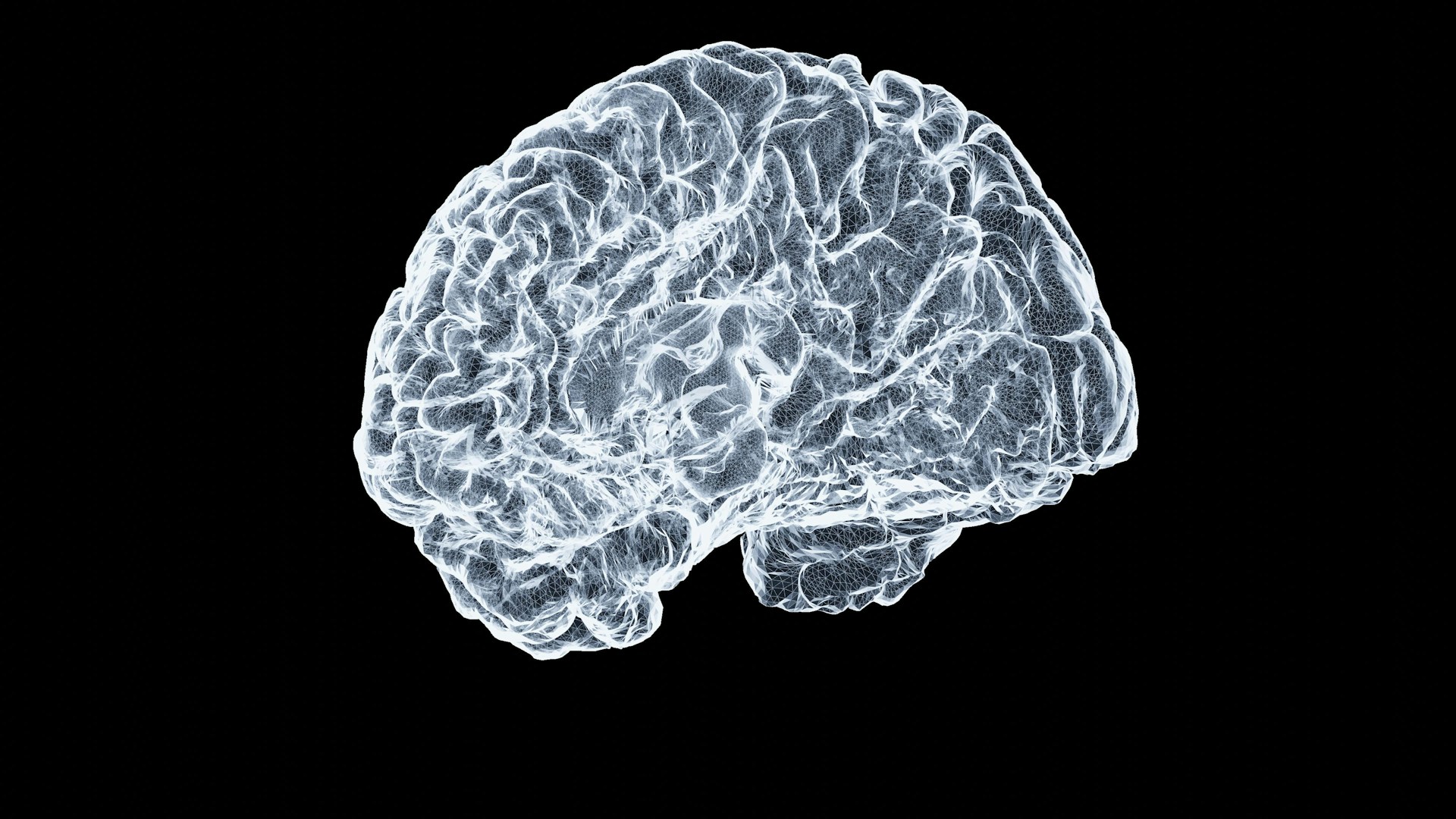
Source: Science Daily
Sometimes, the simplest approach may be the most effective. Scientists at Texas A&M University have developed an experimental nasal spray that could one day help reverse brain aging and restore memory. The promising research is raising hopes for future treatments targeting dementia and age-related cognitive decline.
The study found that the nasal therapy produced significant and long-lasting effects after just two doses. According to the researchers, the treatment showed highly promising results in brain activity, including reduced inflammation in the brain, improved memory performance, and restored cellular energy systems associated with aging.
The nasal therapy works by delivering microscopic particles known as extracellular vesicles through the nostrils and into the sinuses. This approach allows the particles to bypass the brain’s protective barrier and travel directly into brain tissue. The spray contains microRNAs—tiny molecules designed by scientists to help regulate genes and cellular activity. These particles specifically target chronic brain inflammation, a condition long associated with aging, dementia, and neurodegenerative disease.
To provide background on persistent low-grade brain inflammation associated with aging, often referred to as neuroinflammaging, it is an inflammatory process within the brain and spinal cord, primarily driven by immune cells such as microglia and astrocytes. Over time, this process may gradually impair memory, learning, and cognitive flexibility.
The nasal spray appears to work by reducing and suppressing inflammatory pathways linked to this process while also reviving mitochondrial activity—the energy-producing systems inside cells that tend to weaken with age.
Beyond reducing neuroinflammaging, researchers said the treatment helped brain cells regain their “spark.” This effect was achieved by lowering oxidative stress and restoring energy production. Behavioral testing also showed significant improvements in memory and object recognition tasks compared with untreated subjects.
The findings, published in the Journal of Extracellular Vesicles, add to growing scientific interest in whether certain aspects of aging can be slowed—or even partially reversed—at the cellular level. Other recent studies have explored ways to target aging-related inflammation, senescent cells, and metabolic dysfunction to improve long-term brain health.
Researchers believe the approach could eventually have applications beyond normal aging, including conditions such as Alzheimer’s disease, stroke recovery, and other disorders linked to cognitive decline. They also noted that the therapy produced similar effects across both sexes, something that remains relatively uncommon in biomedical research.
Humankind has long sought ways to reverse aging, both of the mind and the brain. With the development of this nasal spray therapy—and, hopefully, with more in-depth research, further findings, and additional testing—researchers may have taken a step toward addressing this long-standing challenge. While aging has long been considered unavoidable, this medical breakthrough presents an intriguing possibility: brain aging may not be as irreversible as once believed.


