

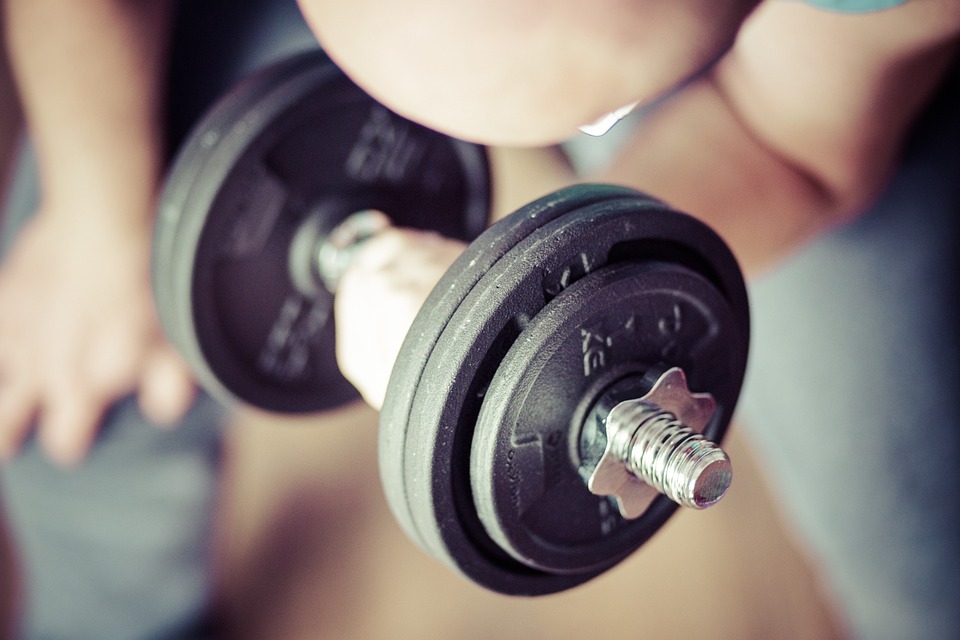
She’s been hitting the gym hard for weeks, pushing her body to its limits, and seeing some impressive gains. However, she’s starting to feel the strain, and her muscles are screaming for a break. This is where the concept of rest days comes in – an essential component of any effective workout routine. Rest days are crucial for muscle recovery, allowing the body to repair and rebuild muscle tissue, leading to increased muscle growth. In fact, rest days are just as important as the actual workout itself, and neglecting them can lead to injury, fatigue, and a plateau in progress.
Understanding Muscle Recovery
When she engages in physical activity, especially resistance training, she causes micro-tears in her muscle fibers. This damage signals her body to repair and rebuild the affected area, making it stronger and more resilient over time. However, this process takes time, and without adequate rest, her muscles won’t have the opportunity to fully recover. This can lead to a range of negative consequences, including decreased performance, increased risk of injury, and a slower rate of muscle growth. By incorporating regular rest days into her routine, she allows her body to undertake the necessary repairs, laying the foundation for continued progress and growth.
The Science Behind Rest Days
Rest days are not just about lounging on the couch, although that can be a nice bonus. During this time, her body is hard at work, undertaking a range of processes that are critical for muscle recovery and growth. One of the key players in this process is a hormone called testosterone, which plays a crucial role in muscle protein synthesis. When she’s resting, her testosterone levels surge, helping to stimulate the growth and repair of muscle tissue. Additionally, rest days allow her body to replenish energy stores, rebuild muscle glycogen, and reduce muscle soreness. All of these factors combined create an environment that is conducive to muscle growth, making rest days an essential component of any effective workout routine.
The Importance of Active Recovery
While complete rest is essential, it’s not the only way to recover. Active recovery, which involves light, low-intensity exercise, can also be beneficial for muscle recovery. Activities like yoga, stretching, or a leisurely walk can help promote blood flow, reduce muscle soreness, and improve range of motion. This type of recovery can be especially useful for athletes or individuals who are engaging in high-intensity training, as it allows them to maintain some level of activity while still giving their muscles a break. By incorporating active recovery into her routine, she can enhance the recovery process, reduce muscle soreness, and improve overall performance.
Creating a Rest Day Routine
So, how can she make the most of her rest days? First and foremost, it’s essential to listen to her body and take rest days as needed. If she’s feeling fatigued, sore, or struggling to recover, it’s likely time for a rest day. During this time, she can focus on relaxation techniques like meditation, deep breathing, or reading. She can also use this opportunity to catch up on sleep, aiming for 7-9 hours per night to help her body recover. Additionally, she can prioritize nutrition, fueling her body with a balanced diet that includes plenty of protein, complex carbohydrates, and healthy fats. By making rest days a priority, she can enhance the recovery process, support muscle growth, and come back stronger and more resilient than ever.
Common Mistakes to Avoid
While rest days are essential, there are some common mistakes that can undermine their effectiveness. One of the most significant errors is not taking enough rest days. If she’s consistently pushing herself without giving her body time to recover, she’ll eventually burn out, leading to injury, fatigue, and a decline in performance. Another mistake is not listening to her body. If she’s feeling tired, sore, or struggling to recover, it’s essential to take an extra rest day or modify her workout routine to avoid exacerbating the issue. Finally, she should avoid using rest days as an excuse to indulge in unhealthy habits, like overeating or skipping workouts altogether. By avoiding these common mistakes, she can get the most out of her rest days and support ongoing muscle growth and recovery.
The Benefits of Rest Days
So, what are the benefits of incorporating rest days into her workout routine? For starters, rest days can help reduce the risk of injury, allowing her body to recover and rebuild before she pushes herself again. Rest days can also improve performance, as a well-rested body is stronger, faster, and more resilient. Additionally, rest days can enhance muscle growth, as her body is able to undertake the necessary repairs and rebuild muscle tissue. Finally, rest days can improve mental health, reducing stress and anxiety while promoting relaxation and overall well-being. By prioritizing rest days, she can experience these benefits firsthand, taking her fitness journey to the next level.
Conclusion
Rest days are a critical component of any effective workout routine, allowing the body to recover, repair, and rebuild muscle tissue. By incorporating regular rest days into her routine, she can support muscle growth, reduce the risk of injury, and improve overall performance. Whether she’s a seasoned athlete or just starting out, rest days are essential for making progress and achieving her fitness goals. So, the next time she’s feeling tired, sore, or struggling to recover, she should remember that rest days are not a luxury, but a necessity. By prioritizing rest and recovery, she can come back stronger, faster, and more resilient than ever, ready to take on her next challenge.
Frequently Asked Questions
Q: How many rest days should I take per week?
A: The number of rest days needed can vary depending on the individual and their workout routine. As a general rule, it’s recommended to take at least 1-2 rest days per week, although this may increase or decrease depending on the intensity and frequency of her workouts.
Q: What can I do on rest days?
A: On rest days, she can focus on relaxation techniques like meditation, deep breathing, or reading. She can also use this opportunity to catch up on sleep, prioritize nutrition, and engage in light, low-intensity exercise like yoga or stretching.
Q: Will taking rest days affect my muscle growth?
A: No, taking rest days will not affect muscle growth. In fact, rest days are essential for muscle recovery and growth, as they allow the body to repair and rebuild muscle tissue.
Q: How can I know if I need a rest day?
A: If she’s feeling tired, sore, or struggling to recover, it’s likely time for a rest day. She should also listen to her body and take rest days as needed, rather than pushing herself too hard and risking injury or burnout.
Q: Can I still lose weight if I take rest days?
A: Yes, rest days will not hinder weight loss efforts. In fact, rest days can help support weight loss by allowing the body to recover and rebuild muscle tissue, which can help increase metabolism and burn fat more efficiently.
recover-faster-why-rest-days-are-crucial-for-muscle-growth-and-repair-target-keywords-rest-days-muscle-recovery-muscle-growth


