

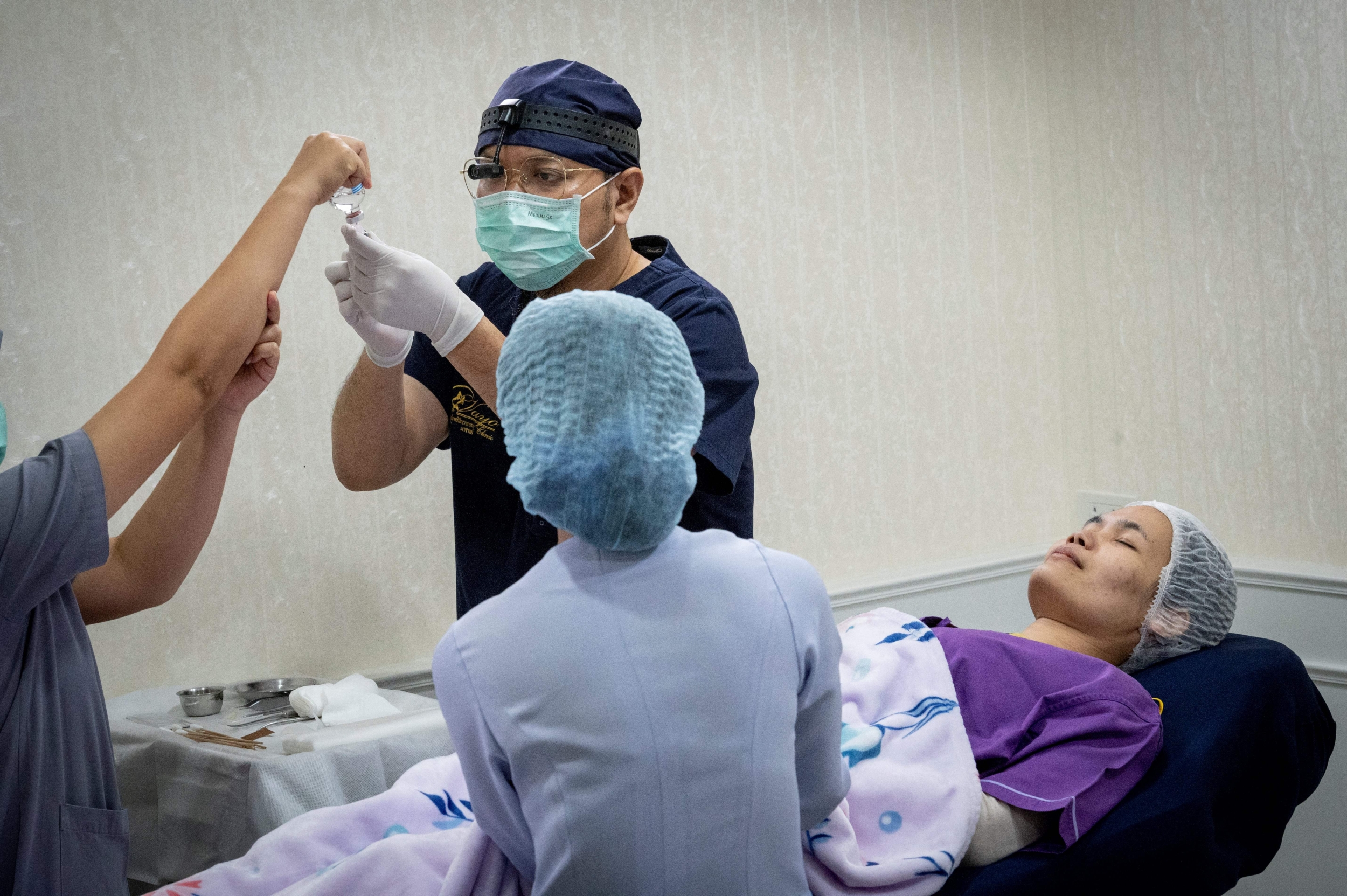
New users of long-acting injectable cabotegravir for HIV prevention were more likely than people starting daily pills to keep high medication coverage through their first year, according to two analyses presented at the AMCP Nexus 2026 meeting in San Diego and reported by AJMC. After statistical weighting, 40% of injection users stayed in a sustained-high adherence pattern, compared with 26% of people taking oral PrEP.
The findings matter most for people who know PrEP works but struggle to take a pill every day because of shifting work schedules, unstable housing, stigma, or other pressures. They also raise practical questions about testing, insurance, and clinic visits that patients can bring to a clinician.
The data come from insurance claims, not a randomized trial. The work comes from PrEPFACTS, a study conducted by researchers at ViiV Healthcare, which makes the injectable under the brand name Apretude, and the consulting firm Analysis Group.
Claims Data Show Two Different Adherence Paths
Both analyses draw on the Komodo Research Database. The adherence analysis compared 440 first-time injection users with 25,646 first-time oral PrEP users whose first shot or prescription fill came between December 2021 and October 2023. Researchers tracked the share of days covered by medication over 12 months and sorted people into four patterns.
Injection users were about 1.5 times as likely as oral PrEP users to land in the sustained-high group. They were also less likely to follow a rapid-decline pattern, 34% versus 43%. Results were similar in a separate comparison with people taking Descovy, a newer daily pill: 39% of injection users stayed in the sustained-high group, compared with 25% of Descovy users.
The second analysis followed 2,913 people age 12 and older who received at least one injection, using data through Sept. 30, 2024. Five showed evidence of HIV during follow-up. Three of those cases had been reported earlier, and the two new cases had stopped injections 15 months and 5 months before testing positive. Among the 1,056 people who switched from pills to shots, 62% were still using the injection.
Claims showed HIV testing after 61.3% of injections. The authors said that rate did not fully match label and guideline recommendations, though the database cannot capture tests that were not billed.
What the Evidence Can and Cannot Show
These are retrospective, observational claims analyses presented as conference posters, not peer-reviewed papers. Claims show when shots were given, or prescriptions were filled, not whether pills were actually taken, so adherence here means medication coverage. The studies show an association between injection use and steadier coverage. They do not show that switching causes better protection for any one person.
Who received the shots also matters. Before weighting, injection users were more often female (31% versus 7%) and more often Black (26% versus 12%) than oral PrEP users, which may reflect who clinicians offered shots to. Earlier PrEPFACTS presentations, including a poster at the 2026 International AIDS Conference, list ViiV and Analysis Group researchers as authors.
The underlying efficacy evidence is stronger. In randomized trials behind the FDA’s approval of injectable cabotegravir, participants on the shot had 69% lower HIV risk among cisgender men and transgender women and 90% lower risk among cisgender women, compared with daily Truvada. FDA antiviral director Debra Birnkrant called it “the first option to prevent HIV that does not involve taking a daily pill.”
Questions Worth Raising with a Clinician
People now have three main PrEP routes: daily pills; cabotegravir shots, given as two starter doses one month apart and then every two months; and lenacapavir (Yeztugo), a twice-yearly injection the FDA approved for HIV prevention. Each requires a negative HIV test before starting, and cabotegravir requires testing before each injection to reduce the risk of drug resistance if an infection is missed.
Useful questions include whether a person can reliably make clinic visits every two months, which option their insurance covers, and what side effects to expect. Injection-site reactions are the most common side effect of cabotegravir. People who already take pills consistently do not need to switch, and nobody should stop PrEP without a plan from a clinician.
Cost is a smaller barrier for many insured patients. In Kennedy v. Braidwood, the Supreme Court upheld the Affordable Care Act framework that requires most private plans to cover PrEP without cost-sharing. In the PrEPFACTS injection cohort, 60% had commercial insurance and 36% were on Medicaid, whose coverage rules vary by state.
Uninsured people can ask local health departments or sexual health clinics about free or low-cost PrEP programs. Anyone who may have been exposed to HIV within the past 72 hours should seek post-exposure prophylaxis right away. PrEP does not protect against other sexually transmitted infections.
Key Questions Answered
What did the new data show? Among first-time PrEP users, 40% of cabotegravir injection users kept sustained-high medication coverage over a year, compared with 26% of oral PrEP users.
Does this prove injections work better? No. The analyses are observational cohort studies that show an association, and they were conducted by researchers at the drug’s manufacturer and a firm that works with it.
How often is injectable PrEP given? Cabotegravir is given as two starter injections one month apart, then every two months. Lenacapavir is given twice a year.
Do I need HIV testing with injections? Yes. A negative HIV test is required before starting and before each cabotegravir injection to reduce the risk of drug resistance.
Will insurance cover PrEP? Most private plans must cover PrEP without cost-sharing under the Affordable Care Act. Medicaid coverage rules vary by state.
Should I switch from pills? People taking pills consistently do not need to switch. Anyone interested in injections should discuss options with a clinician.
Published by Medicaldaily.com


