

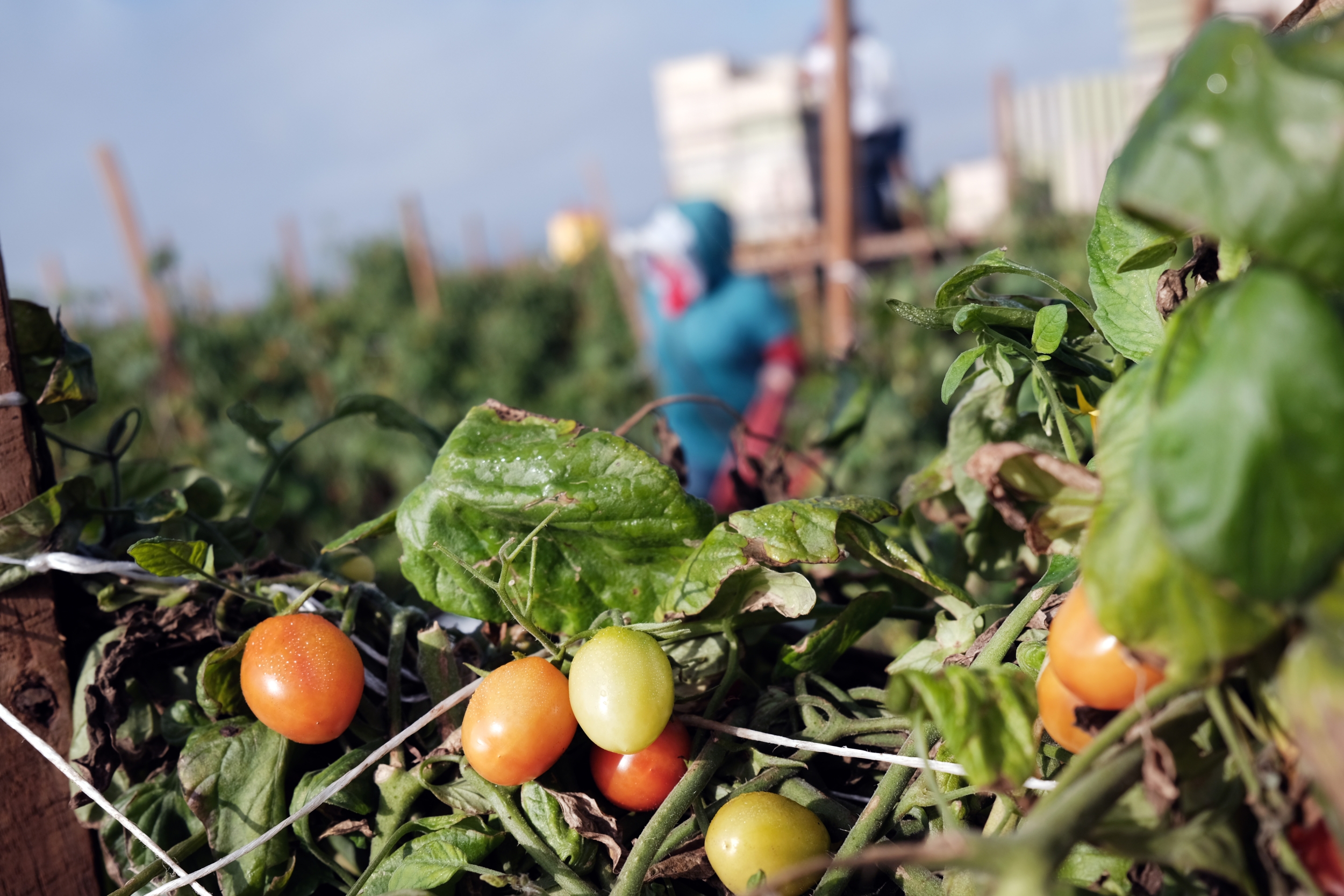
The Food and Drug Administration’s final report on this summer’s jalapeño-linked Salmonella Javiana outbreak confirms that peppers imported by Coast Citrus Distributors of San Diego were the outbreak vehicle. But the agency redacted the names of the supplier, the grower, and the ranch in Sinaloa, Mexico, where the peppers were grown, Food Safety News reported on Nov. 13. The CDC’s case figures for the outbreak have been final since Oct. 2.
The report also discloses findings the FDA had not previously made public. An FDA team inspected the redacted firm from Sept. 7 to 15 and issued a Form 483. “A 483 was issued noting personnel, sanitation, and cross-contamination issues,” the summary states. On Sept. 24, the firm was added to the red list of Import Alert 99-35, which allows the FDA to detain its fresh produce at the border without physical examination.
For households, the update shifts the question from what made 488 people sick to who supplied it. Restaurants, grocers and families still cannot check whether the flagged firm is in their supply chain, and the report does not say what corrective steps, if any, the firm has taken.
Inspection Findings Released After the Outbreak Ended
The summary is posted on the FDA’s table of outbreak investigations, where the jalapeño investigation has moved to the closed list. It says the FDA was first alerted July 10 by its Minneapolis district emergency response coordinator to a cluster of Salmonella Javiana cases with a signal for Chipotle Mexican Grill.
The FDA identified the jalapeños through epidemiological evidence and traceback records, not a positive food sample. Two retail jalapeño samples tied to QDOBA and Chipotle locations, one environmental sample, and four water samples all tested negative for Salmonella, according to the summary.
Investigators also found that jalapeños sold at retail, not only in restaurants, were a source. Coast Citrus started a limited recall July 22 and expanded it Aug. 5 to all remaining peppers from the implicated source. Many downstream products made with the peppers were later recalled.
A Form 483 lists conditions an inspector observed that may violate food safety rules. It is not a final agency determination, and it does not establish how the peppers became contaminated.
Two Federal Counts That Do Not Match
The figures in the FDA summary differ from the CDC’s final count. Food Safety News reported that the summary lists 488 illnesses in 38 states with 26 hospitalizations. The CDC’s final outbreak notice lists 488 illnesses in 34 states with 65 hospitalizations and no deaths, and states, “This outbreak is over.”
Neither agency has publicly explained the difference. MedicalDaily is using the CDC’s figures as the official count unless the agencies reconcile them.
Both counts likely understate the outbreak’s true size. Many people with mild illness never see a doctor or get tested, so confirmed cases represent only a fraction of actual infections.
Unnamed Suppliers and the Imported Produce Pipeline
MedicalDaily previously reported that the outbreak ended with the FDA unable to find the contamination route. In its Oct. 2 final outbreak advisory, the FDA said it was unable to determine a route or source of contamination. The new summary does not change that conclusion, but it adds the sanitation observations and the import alert.
The FDA has not publicly explained why the firm names were redacted. That leaves restaurants and smaller grocers that buy from distributors without a direct way to confirm whether past shipments came from the flagged source.
The outbreak shows how quickly one source can reach many kitchens. Fresh peppers moved from Sinaloa through a U.S. distributor to restaurants, grocery stores, and packaged products, and illnesses were reported in at least 34 states. The import alert now serves as the main safeguard, since shipments from the listed firm can be held at the border.
Children under 5, adults 65 and older, and people with weakened immune systems are most likely to become seriously ill from Salmonella, according to the CDC.
Kitchen Precautions and the Next Javiana Investigation
The outbreak is over, and recalled fresh peppers from this source are no longer expected to be on sale given their short shelf life. Rinsing produce under running water, washing cutting boards and knives, keeping produce away from raw meat, and refrigerating cut produce lower everyday risk promptly.
Salmonella usually causes diarrhea, fever, and stomach cramps six hours to six days after exposure, and most people recover in four to seven days. Bloody diarrhea, a high fever, or signs of dehydration need prompt medical care.
Separately, the FDA is investigating a new Salmonella Javiana outbreak with 70 illnesses and no identified food source. Officials have not linked it to the jalapeño outbreak. MedicalDaily will report if the FDA names the redacted firm, removes it from the import alert, or identifies a source in the new investigation.
Investigation Timeline
Nov. 13, 2026: The FDA’s executive summary, posted to its outbreak table, confirms jalapeños as the vehicle and discloses the Form 483 and import alert.
Oct. 2, 2026: The CDC declares the outbreak over at 488 illnesses in 34 states.
Sept. 24, 2026: The redacted source is added to the red list of Import Alert 99-35.
July 10, 2026: The FDA is first notified of a Salmonella Javiana cluster with a Chipotle signal.
Key Questions Answered
What is new in the jalapeño Salmonella outbreak? The FDA’s final summary confirms the peppers as the outbreak vehicle, reports a Form 483 citing personnel, sanitation, and cross-contamination issues, and shows the firm was placed on an import alert Sept. 24.
Why aren’t the grower and supplier named? The FDA redacted those names and has not publicly explained why.
Did any sample test positive for Salmonella? No. All listed retail, environmental, and water samples were negative. The FDA relied on illness patterns and traceback records.
Why do the case counts differ? Food Safety News reported the FDA summary lists 38 states and 26 hospitalizations, while the CDC lists 34 states and 65 hospitalizations. Neither agency has explained the gap.
Are jalapeños safe to eat now? The outbreak is over, and the implicated firm’s shipments can be detained at the border. Standard produce washing and kitchen hygiene still apply.
Is the new Salmonella Javiana outbreak related? Officials have not linked the new 70-case outbreak to the jalapeño outbreak, and no food source has been identified.
Published by Medicaldaily.com


