

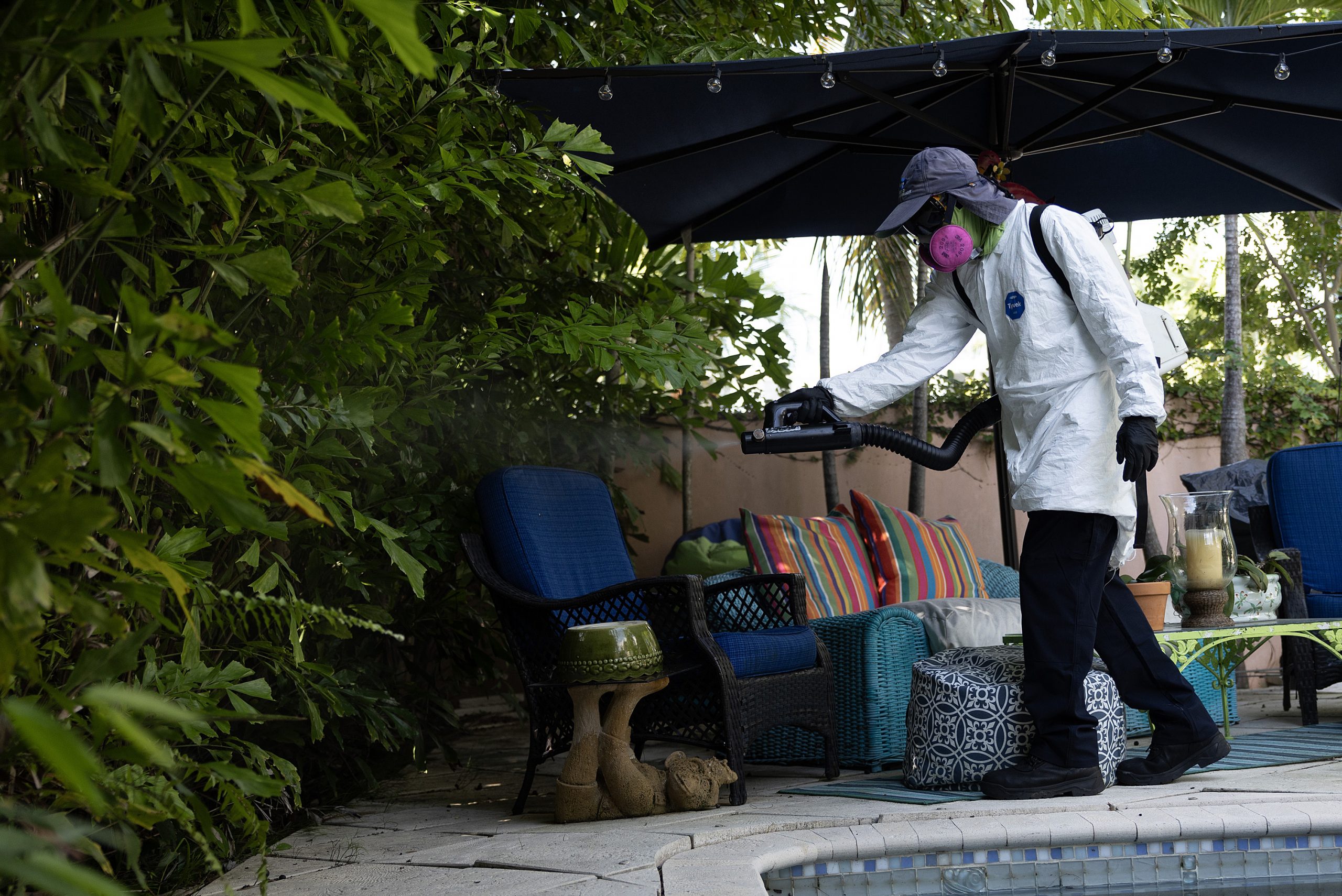
A man in his 50s with underlying health conditions is recovering in the hospital after developing the severe, neuroinvasive form of West Nile virus, the City of El Paso Department of Public Health confirmed September 29. He lives in the 79927 ZIP code. This is the seventh neuroinvasive case in El Paso this year, KFOX14 reported, and it was announced the same week heavy rain and high winds left thousands without power in Northeast El Paso.
That rain matters for every household. Mosquitoes that spread West Nile lay eggs in still water, and a single storm can fill buckets, flowerpots, clogged gutters, and old tires in backyards across the region. The virus is still circulating, and warm weather gives new mosquitoes time to hatch.
The people most likely to become seriously ill are older adults and those with chronic health conditions. That puts the focus on families caring for aging parents, grandparents, or relatives with diabetes, kidney disease, or weakened immune systems.
Seven Severe Cases and One Death So Far This Year
El Paso’s 2026 season has built steadily since summer. The health department confirmed its first two neuroinvasive cases in mid-July, a man in his 80s and a woman in her 60s with significant underlying health conditions, according to the city’s first case announcement of 2026. By July 24, the count reached four, including a woman and a man in their 70s with underlying conditions.
On August 21, the city announced its first West Nile death of the year, a man in his 50s with underlying health conditions. At that time, officials said six cases and one death had been reported, according to the city’s release. The newest hospitalization brings the total to seven.
For comparison, El Paso reported two neuroinvasive cases in all of 2024, one of them fatal, according to KTSM. This year’s count is already more than three times higher, although officials have not said how many milder West Nile fever cases may have gone unreported. Statewide case maps from the Texas Department of State Health Services track human cases across Texas.
City-County Health Authority Dr. Hector Ocaranza has described the severe form of the disease as “extremely dangerous” and warned that it “can lead to potential complications, disability or even death.” He urged residents to keep practicing the Four Ds after the recent rain.
In July, Ocaranza said “West Nile virus continues to pose a serious health risk, particularly for older adults and individuals with underlying medical conditions,” KVIA reported. The cases the city has described this year have involved adults in their 50s or older, most with underlying health problems, a pattern that points families toward the relatives who need the most protection.
Older Relatives and People with Chronic Conditions Need Extra Protection
Most people infected with West Nile never feel sick. About one in five develop West Nile fever, with symptoms such as fever, headache, body aches, joint pain, vomiting, or a rash. About one in 150 develop severe illness affecting the brain or spinal cord, and about one in 10 of those severe cases are fatal, according to the city.
Warning signs of severe illness include high fever, severe headache, stiff neck, confusion, muscle weakness, tremors, seizures, or trouble staying awake. Anyone with these symptoms, especially an older adult, needs urgent medical care. Milder symptoms after mosquito bites, such as fever, body aches, or a new rash, are a reason to call a doctor and mention the possible exposure. People without insurance can ask about sliding-scale fees at a community health center.
There is no vaccine for people and no medicine that specifically treats West Nile virus, according to the CDC. Hospitals treat symptoms and support recovery, which can take weeks or months for severe cases. That is why prevention carries so much weight for older family members.
Caregivers can help by applying repellent for relatives who have trouble doing it themselves, checking that bedroom windows have intact screens, and scheduling walks or yard work for midday rather than early morning or evening. A parent who spends time on a porch at sunset faces more exposure than one who stays indoors.
A Weekend Checklist for El Paso Households
The city’s prevention guidance centers on the Four Ds: DEET, Dress, Dusk and Dawn, and Drain. Use an EPA-registered repellent containing DEET, picaridin, IR3535, oil of lemon eucalyptus, para-menthane-diol, or 2-undecanone, and follow the label. Dress in long sleeves, long pants, and socks. Limit time outdoors at dusk and dawn. Drain standing water.
After this week’s storms, walk the yard and empty anything holding water, including plant saucers, buckets, pool covers, birdbaths, pet bowls, kids’ toys, and discarded tires. Clear clogged gutters, and refresh pet water daily. A second check a few days later catches containers that refill, a step many households skip.
Repellent does not need to be expensive. Store brands with the same active ingredients work, and the EPA’s online repellent search tool can help families choose a product suited to children or older adults. Repairing torn screens is often a low-cost fix.
Residents can report standing water or mosquito breeding sites by calling (915) 212-6000 or 311. Neighbors can also check vacant lots and shared spaces, since mosquitoes do not stop at property lines.
Mosquito activity in the Borderland typically continues until cooler fall temperatures set in, so the risk has not passed. MedicalDaily will track new cases as the city reports them.
For El Paso families, the priorities are practical: drain, protect, and watch older relatives closely. Most infections are mild, but seven severe cases this year show the virus can hit hard, and a few minutes of yard work after each storm lowers the risk for everyone in the home.
Key Questions Answered
What happened in El Paso? The city confirmed its seventh neuroinvasive West Nile case of 2026, a man in his 50s with underlying conditions who is recovering in the hospital.
Has anyone died from West Nile in El Paso this year? Yes. The city reported its first 2026 West Nile death in August, a man in his 50s with underlying health conditions.
Who is most at risk of severe illness? Older adults and people with chronic conditions such as diabetes, kidney disease, cancer, or weakened immune systems face the highest risk.
What symptoms need emergency care? Severe headache, high fever, stiff neck, confusion, weakness, tremors, or seizures should be evaluated right away.
How can El Paso residents protect themselves? Use EPA-registered repellent, wear long sleeves, avoid being outdoors at dusk and dawn, repair screens, and drain standing water after every rain.
How do I report standing water? Call the city at (915) 212-6000 or dial 311.
Published by Medicaldaily.com


