

Persistent low-grade fever can be easy to dismiss, but when a fever that won’t go away lingers for days or weeks, it may be the body’s way of signaling an underlying problem.
Understanding what low-grade fever means, how it relates to different infection symptoms, and when to seek medical advice helps readers make safer decisions about their health.
What Is a Low-Grade Fever?
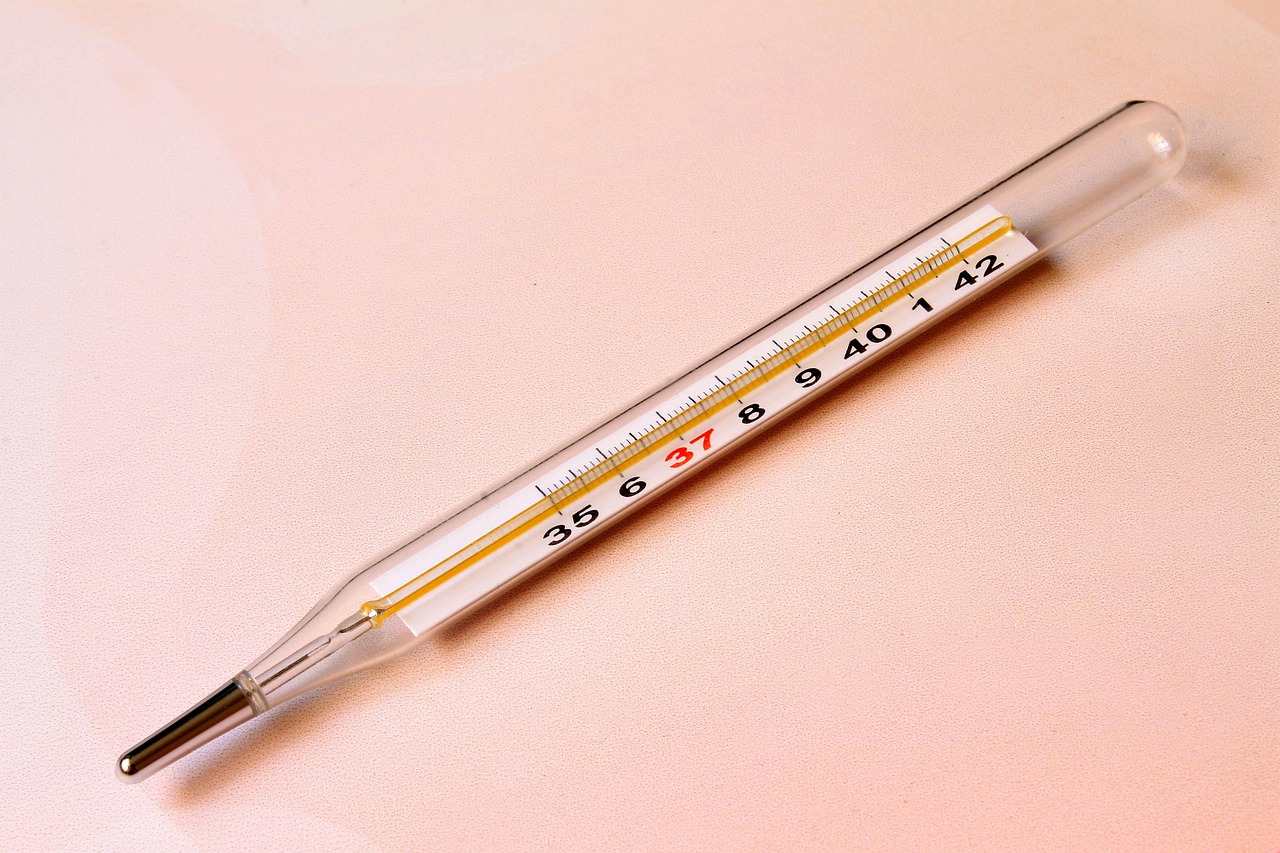
A low-grade fever generally refers to a mildly elevated body temperature, often around 99.1–100.4°F (37.3–38°C), measured with a reliable thermometer. It is higher than the typical baseline of about 98.6°F (37°C) but lower than what would be considered a high fever.
This mild rise in temperature is part of the body’s natural immune response to threats such as viruses, bacteria, or inflammation. Along with low-grade fever, common infection symptoms can include tiredness, mild headache, muscle aches, and a general sense of feeling unwell.
Is a Persistent Low-Grade Fever Serious?
A single day of low-grade fever after a busy or stressful week is usually not a cause for alarm. Concern grows when there is a fever that won’t go away, especially if it continues for more than several days or keeps returning without a clear explanation.
Persistent low-grade fever can occasionally point to an infection, an inflammatory condition, or another underlying medical issue that needs attention. Risk is higher in infants, older adults, pregnant individuals, and people with weakened immune systems, who may develop complications more easily.
Common Causes of a Low-Grade Fever That Won’t Go Away
Short-Term Infections: Colds, Flu, and COVID-19
Many people first notice low-grade fever during common viral illnesses such as colds, seasonal flu, or COVID-19. These infections often bring infection symptoms like sore throat, cough, runny or stuffy nose, body aches, and fatigue along with the mild temperature increase.
In uncomplicated cases, low-grade fever from these respiratory infections improves within a few days as the body clears the virus. When a fever that won’t go away continues beyond a week or starts to worsen instead of improve, it may indicate a complication such as pneumonia or another secondary infection.
Urinary Tract and Other Bacterial Infections
Bacterial infections are another frequent reason for ongoing low-grade fever, according to the World Health Organization. A urinary tract infection (UTI), for example, can cause persistent low-grade fever along with burning during urination, frequent urges to urinate, pelvic discomfort, or flank pain.
Other bacterial sources include sinus infections, dental abscesses, and skin infections like cellulitis, which may produce localized redness, warmth, and swelling in addition to mild fever. When infection symptoms are focused in one area and accompanied by a fever that won’t go away, medical evaluation is important to prevent the infection from spreading.
Chronic Inflammatory and Autoimmune Conditions
Not all low-grade fevers are caused by germs. Autoimmune diseases and chronic inflammatory conditions, such as rheumatoid arthritis, lupus, and inflammatory bowel disease, can trigger recurrent low-grade fever as the immune system mistakenly attacks the body’s own tissues.
In these cases, fever often appears alongside other persistent symptoms such as joint pain, rashes, digestive issues, or prolonged fatigue. Because these conditions can slowly damage organs and joints over time, ongoing low-grade fever plus chronic systemic symptoms warrants careful medical assessment.
Medications, Hormonal Changes, and Other Noninfectious Causes
Certain medications can produce drug-related fevers, sometimes presenting as a low-grade fever that won’t go away until the medication is adjusted or stopped under medical guidance. Examples include some antibiotics, seizure medicines, and drugs used to treat high blood pressure or irregular heart rhythms.
Endocrine conditions such as overactive thyroid (hyperthyroidism) and hormonal shifts can also cause modest increases in temperature, sweating, and a racing heartbeat. Stress, recent vaccination, and recovery from surgery or injury may contribute to short-term low-grade fever, which usually settles once the body stabilizes.
Less Common but Serious Causes
Occasionally, persistent low-grade fever is one of the earliest signs of more serious illness. Cancers such as lymphoma or leukemia may cause low-grade fever, night sweats, and unexplained weight loss over time.
Chronic infections like tuberculosis or certain viral conditions can also show up primarily as a fever that won’t go away, sometimes lasting weeks. When routine tests do not reveal a clear cause, healthcare professionals may use the term “fever of unknown origin” (FUO) and recommend more extensive investigations.
Infection Symptoms That Should Not Be Ignored
Respiratory Red Flags
When low-grade fever pairs with respiratory infection symptoms, the details matter, as per Harvard Health. Worsening cough, difficulty breathing, chest pain, or coughing up blood can suggest complications like pneumonia or other serious lung infections that require timely treatment.
Persistent low-grade fever with loss of taste or smell, sore throat, or known exposure might raise concern for COVID-19 or a similar viral illness, where testing and isolation guidance may apply. Rapid breathing, bluish lips, or severe chest discomfort should be treated as emergencies.
Urinary, Abdominal, and Skin Warning Signs
Burning urination, strong-smelling urine, blood in the urine, or pain in the lower back combined with low-grade fever can signal a UTI that may be spreading toward the kidneys. Nausea, vomiting, or severe flank pain increase the urgency for medical evaluation.
In the abdomen, severe or worsening pain, especially with persistent low-grade fever, can indicate conditions such as appendicitis, gallbladder disease, or pelvic infections. For skin, expanding redness, streaking, warmth, or pus with even a modest fever can suggest an infection that might spread quickly without proper care.
Systemic “Red Flag” Symptoms
Certain infection symptoms are considered warning signs regardless of the exact temperature reading. These include confusion, stiff neck, severe headache, trouble staying awake, or seizures, which may indicate infections involving the brain or its coverings.
Night sweats, drenching sweats, rapid unexplained weight loss, or swollen lymph nodes combined with a fever that won’t go away may point to chronic infection or blood-related illness. Any combination of persistent low-grade fever and these systemic red flags calls for prompt medical attention.
When a Low-Grade Fever Becomes a Reason to Worry
For generally healthy adults, low-grade fever that lasts more than about 7–10 days without improvement is a reasonable threshold for scheduling a medical visit. A shorter timeline is appropriate if infection symptoms are severe or clearly worsening.
Fevers that continue for more than two to three weeks, even at low levels, often qualify as prolonged or unexplained and usually prompt a more thorough investigation. Clinicians may look at patterns over time, such as whether the low-grade fever always appears in the evening or after certain activities.
Age and underlying health conditions also matter. Infants, older adults, pregnant individuals, and people with chronic lung disease, heart disease, diabetes, or weakened immune systems should usually seek medical guidance sooner, even if the fever appears mild.
Emergency care is warranted when low-grade fever is accompanied by difficulty breathing, chest pain, confusion, seizures, or a rapidly spreading rash, as these symptoms may indicate serious or life-threatening illness.
A sudden jump from low-grade to very high fever, especially with shaking chills or severe pain, also deserves urgent evaluation.
At-Home Care for Low-Grade Fever
While seeking answers about a fever that won’t go away, basic self-care supports the body’s healing. Adequate rest, hydration with water or clear fluids, and lightweight clothing help regulate temperature and prevent dehydration.
Over-the-counter medications such as acetaminophen or ibuprofen are often used to relieve discomfort from low-grade fever, but they should be taken only as directed and may not be necessary if symptoms are mild.
Tracking temperature and infection symptoms in a notebook or app can be useful when discussing the pattern with a healthcare professional.
How Healthcare Professionals Evaluate Persistent Low-Grade Fever
When a patient seeks help for low-grade fever that won’t go away, healthcare professionals usually begin with detailed questions about timing, travel history, recent infections, medications, and exposure to sick contacts or animals.
They also ask about infection symptoms affecting specific body systems, such as breathing problems, urinary changes, digestive issues, or new rashes.
A physical examination may focus on breathing sounds, heart rate, abdomen, joints, lymph nodes, and skin. Depending on the findings, tests can include blood work, urine analysis, throat or wound cultures, imaging such as chest X-rays or ultrasound, and sometimes more specialized studies if an autoimmune disease or cancer is suspected.
Managing a Fever That Won’t Go Away
For most people, a short-lived low-grade fever is an ordinary part of fighting off minor infections and resolves without complications. However, a fever that won’t go away, especially when combined with concerning infection symptoms or red flag signs, deserves thoughtful attention rather than being repeatedly ignored.
Recognizing when low-grade fever might signal something more serious empowers readers to act sooner, ask better questions, and seek care at the right time. By monitoring symptoms, respecting personal risk factors, and working with qualified healthcare professionals, individuals can navigate persistent low-grade fever with greater clarity and safety.
Frequently Asked Questions
1. Can chronic stress alone cause a low-grade fever?
Chronic stress can slightly raise body temperature and feel like a low-grade fever, even without obvious infection symptoms. Still, ongoing fever should be medically evaluated to rule out underlying illness.
2. Is it normal for low-grade fever to be higher at night?
Body temperature naturally runs a bit higher in the late afternoon and evening, so low-grade fever often feels worse at night. Regular evening spikes, especially with night sweats or weight loss, should be discussed with a clinician.
3. Can someone have a low-grade fever without feeling sick?
Yes, some people have a measurable low-grade fever but feel mostly normal. If this pattern persists or recurs, it is still worth tracking and bringing up during a medical visit.
4. Does drinking cold water or taking a cold shower help a low-grade fever?
Cool fluids and a comfortable room temperature can ease discomfort and prevent dehydration with low-grade fever. Very cold baths or extreme cooling are discouraged because shivering can raise internal temperature.


