

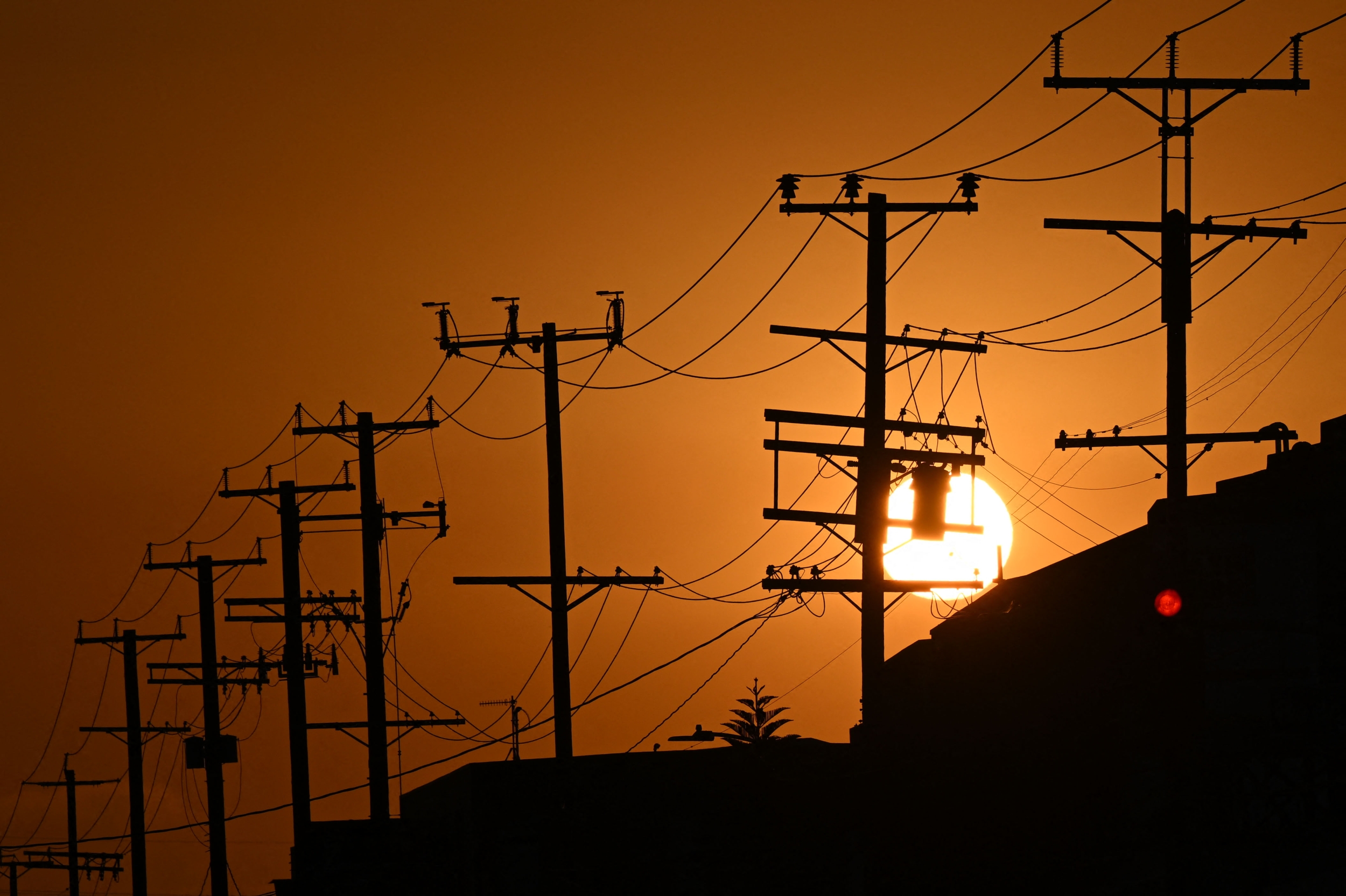
The dangerous heat wave gripping the eastern United States is already knocking out power for hundreds of thousands of people, and emergency officials are warning that the worst of the heat and grid stress is not over.
According to CNN reporting from July 3, more than 200,000 customers were without power Thursday evening as the heat wave intensified, including at least 19,000 Con Edison customers in the New York City metro area. The U.S. Department of Energy issued emergency grid orders allowing the PJM Interconnection to curtail data centers and waive power plant emissions limits through July 3 — measures that reflect how close to the edge the grid is operating.
If your power goes out during this heat wave, the decisions you make in the first 30 to 60 minutes will determine whether the outcome is manageable or dangerous.
Why This Matters
Heat is the leading weather-related cause of death in the United States, accounting for more than 13,000 deaths since 2018 according to the CDC. What makes power outages during heat waves uniquely dangerous is the false sense of security that comes with being indoors.
Without air conditioning, interior spaces can reach temperatures exceeding dangerous thresholds faster than most people expect. In an exterior temperature of 95°F, a home interior without cooling can reach body-temperature-threshold levels within one to two hours in upper floors. Upper stories and poorly ventilated rooms heat up the fastest. The tendency to wait and see whether power will be restored quickly is the most common behavioral pattern that turns a power outage into a medical emergency.
What We Know So Far
From AccuWeather reporting, CNN, and Department of Energy grid alerts as of July 3–4, 2026:
- 200,000+ customers were without power Thursday evening, with more expected as the heat wave peaks
- PJM demand forecast for July 2 was 166,147 MW — which would have exceeded the all-time PJM record of 165,563 MW set in 2006
- Department of Energy emergency orders authorize PJM to require large data centers and energy consumers to switch to backup generators during grid stress events
- 14 PJM states most at risk include Delaware, Illinois, Indiana, Kentucky, Maryland, Michigan, New Jersey, North Carolina, Ohio, Pennsylvania, Tennessee, Virginia, West Virginia, and Washington D.C.
- Additional localized outages from equipment failures — transformers overheating in extreme conditions — can occur even without a grid-wide emergency
- Con Edison has confirmed it is reducing voltage in parts of the Bronx and Manhattan to conserve energy during equipment repairs
Where the Risk Is Highest
The highest-risk areas for heat-related power outages this weekend are concentrated in the Mid-Atlantic and Northeast, where the combination of extreme heat, high humidity, dense urban heat island effects, and aging electrical infrastructure creates the most stress on the grid.
Within cities, the highest-risk individuals are those in:
- Upper-floor apartments without cross-ventilation
- Older residential buildings with inefficient insulation that traps heat
- Homes with window AC units (which require power to function) versus central air
- Areas where Con Edison has already reduced voltage as of July 3
The Action Plan: What to Do in the First 60 Minutes
If your power goes out during this heat wave, public health officials and emergency management agencies recommend this action sequence — not a “wait and see” approach:
Step 1 (Immediately): Move to the coolest part of your home. Heat rises. Move to the basement or lowest floor. Close blinds and curtains on south- and west-facing windows to block solar gain. Do not open windows while it is hotter outside than inside.
Step 2 (First 15 minutes): Call or text your utility to report the outage. Do not assume the utility already knows. Con Edison and most major utilities have automated outage reporting by text or app. Reporting your outage gets you an estimated restoration time and gets your address into the repair queue.
Step 3 (First 15 minutes): Check on the most vulnerable people in your household. Children under 4, adults 65+, people with chronic conditions, and people on temperature-sensitive medications need assessment first.
Step 4 (30 minutes): Decide whether to shelter in place or leave. Do not wait for interior temperatures to reach dangerous levels before deciding. If outdoor temperatures are above 95°F and you expect power to be out for more than one to two hours, plan to leave for an air-conditioned location now. Options:
- City cooling centers (find locations at your city’s 311 or emergency management website)
- Public libraries
- Malls and large retailers
- A neighbor or family member with power
- A movie theater
Step 5 (Before leaving): Protect refrigerated medications. Insulins, some biologics, and other refrigerated medications can degrade rapidly at room temperature. Pack them in an insulated cooler with ice for the duration of the outage. Call a pharmacist for specific guidance on your medication’s temperature tolerance.
What NYC Emergency Officials Say
“Know where you will go to stay cool,” said NYC Mayor Zohran Mamdani in a statement as the heat emergency escalated. “A few minutes of planning now could help your family stay safe later.”
“Anyone who loses power during extreme heat should avoid using generators indoors or near windows, doors or garages because of the risk of carbon monoxide poisoning,” AccuWeather reported, citing emergency management guidance.
Con Edison advises customers to switch off or unplug major appliances while power is out to prevent potential damage when power is restored, and to leave one light switch in the “on” position so they know when power returns.
What the Evidence Shows — and What It Does Not
Heat stroke can develop within one to two hours of exposure to conditions where the body cannot maintain core temperature regulation — which happens faster in enclosed spaces without airflow than in open outdoor settings. This timeline is not theoretical: it reflects heat illness surveillance data from past heat wave fatalities.
Localized equipment failures during heat waves are not predictable in advance. While the Department of Energy’s emergency orders reduce the risk of grid-wide blackouts, they do not prevent transformer failures caused by equipment overheating in specific neighborhoods.
Who Faces the Greatest Risk?
During a heat-related power outage:
- Adults 65 and older living alone — especially in upper-floor apartments
- Children under 4, who cannot regulate body temperature as effectively as adults
- People with cardiovascular disease, diabetes, or kidney disease
- People on certain medications including diuretics, beta-blockers, and antipsychotics that impair heat regulation
- People who depend on powered medical equipment such as oxygen concentrators, home ventilators, or CPAP machines
People on powered medical equipment should register with their utility as a “life support” or “medical baseline” customer. This registration provides priority restoration and advance notice of planned outages in many utility systems.
Symptoms and Warning Signs to Watch For
During a power outage in the heat, monitor yourself and household members for:
Heat exhaustion:
- Heavy sweating
- Cold, pale, or clammy skin
- Rapid, weak pulse
- Nausea, dizziness, or fainting
Move to a cool location immediately, drink cool water, and apply cool wet cloths to skin.
Heat stroke — call 911 immediately:
- High body temperature (above 103°F)
- Hot, red, dry, or damp skin
- Rapid, strong pulse
- Confusion or unconsciousness
Do not wait for heat stroke symptoms to “maybe get better.” Heat stroke is a life-threatening emergency.
What You Can Do Now
- Know your nearest cooling center before the power goes out. In New York: call 311 or use the LinkNYC kiosk map. In Philadelphia: phila.gov. In Washington D.C.: call 311. Do this now, while your phone is charged.
- Charge all phones and medical device batteries now, while power is stable.
- Do not use a generator indoors — ever. Not in the garage, not near any window or door. Carbon monoxide poisoning kills quickly and silently.
- Keep your refrigerator closed. A closed refrigerator maintains safe food temperatures for approximately four hours without power. A full, closed freezer holds for 48 hours.
- If power goes out for more than two hours with outdoor temps above 90°F, treat perishable foods as potentially unsafe. When in doubt, throw it out.
- Reduce your home’s heat gain now by closing south-facing blinds and running appliances at night.
Cost and Access: What Patients Should Know
All cooling centers opened for the July 4 heat emergency are free, open to the public, and require no ID. Many are accessible to people with disabilities and permit service animals.
Most utilities have emergency provisions that suspend service disconnections during declared heat emergencies. New York State’s Public Service Commission approved a comprehensive policy in March 2026 prohibiting utilities from terminating service for non-payment during extreme heat events. Contact your utility immediately if you are at risk of losing power due to non-payment during this heat emergency.
What Happens Next
Grid operators are closely monitoring demand through the July 4 weekend. The DOE emergency orders expired at 11:59 p.m. on July 3, but utilities may request additional emergency measures if demand remains elevated. Localized outages from equipment failures can occur at any time during extreme heat regardless of grid-wide emergency status. MedicalDaily will report on any significant grid events or expanded outage situations as this heat wave continues.
The Bottom Line
A heat-related power outage is a medical emergency in slow motion. The instinct to wait and see whether power returns quickly is the behavioral pattern that results in heat stroke fatalities. If your power goes out during this heat wave and is not restored within 30 to 60 minutes, act decisively: identify your cooling option, protect refrigerated medications, and leave if outdoor temperatures are above 95°F. Cooling centers in every major metro area affected by this heat wave are open, free, and ready to serve you right now.


