Tag: Warning

  • HEALTH ALERT: Phoenix Confirms First Heat Death of 2026 as Extreme Heat Warning Tops 108°F — Maricopa County on Track for Another Lethal Summer

    HEALTH ALERT: Phoenix Confirms First Heat Death of 2026 as Extreme Heat Warning Tops 108°F — Maricopa County on Track for Another Lethal Summer

    PHOENIX — Maricopa County health officials have confirmed the first heat-related death of 2026, an older adult male whose passing serves as a grim annual marker that the desert Southwest’s deadliest season has officially begun. The announcement came in April, following a historic March heatwave that sent multiple days above 100°F — a jarring early signal in a region where triple-digit temperatures typically don’t arrive until late May or June.

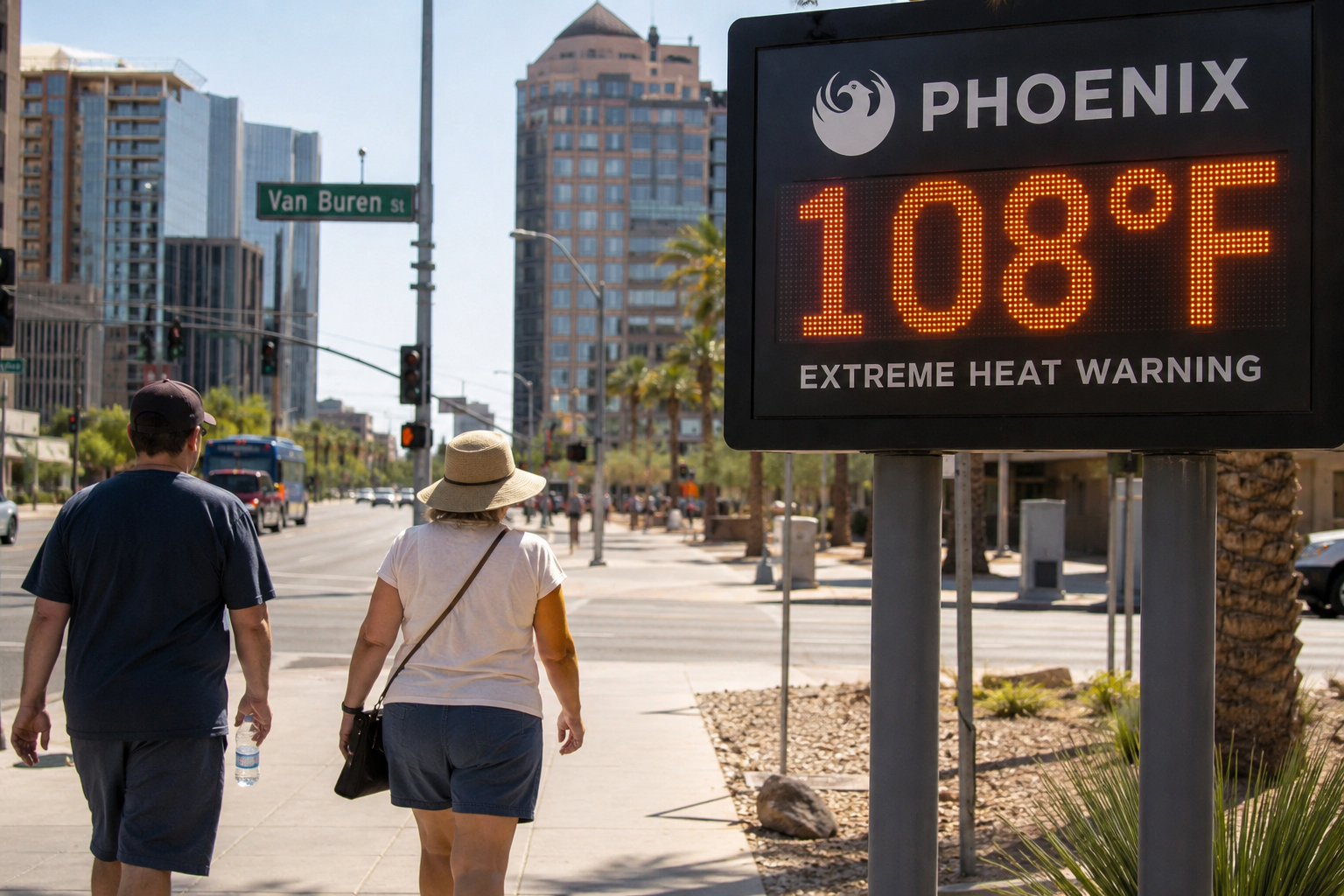
    Then, in the second week of May, the National Weather Service issued a formal Extreme Heat Warning for the entire Phoenix metro area, with forecasted highs of 104°F on Saturday, 106°F on Sunday, and 108°F on Monday, May 11–13, 2026. That event affected more than 2 million people and triggered immediate activation of emergency protocols: trail closures at Camelback Mountain and Piestewa Peak between 8 a.m. and 5 p.m., expanded cooling center hours across Phoenix, Glendale, Chandler, Mesa, and Tempe, and emergency public health messaging urging residents to hydrate constantly and seek air-conditioned shelter.

    The Death Toll in Context: A City That Has Been Here Before

    Maricopa County recorded 427 heat-related deaths in 2025, down from 608 in 2024 and 645 in 2023. That downward trend is real and reflects genuine effort: the city of Phoenix invested nearly $185 million over five years in capital projects and homeless service operations, created a dedicated Office of Heat Response and Mitigation, and added more than 1,880 temporary and permanent shelter beds since 2022. The county’s Maricopa Heat Relief Network, which launched May 1, 2026, coordinates cooling centers and water distribution points across the county.

    But even 427 deaths — the “improved” figure from 2025 — represents a staggering toll. Since 2013, more than 4,320 people have died from heat exposure in Arizona. The annual heat death toll in Maricopa County has risen approximately threefold since 2019. These are not natural disasters in the traditional sense. As public health experts consistently emphasize, heat deaths are preventable — each one represents a failure of the systems designed to protect the most vulnerable.

    The county tracks heat-related deaths and illness in near real-time through the Maricopa County Heat-Related Illness and Death Dashboard, which updates weekly and is publicly accessible. The dashboard draws on data from the county medical examiner, local hospitals, and the National Weather Service — providing a granular, transparent picture of the crisis that few other counties in the nation match.

    Who Is Dying and Where

    The demographics of Phoenix’s heat deaths tell a story about housing policy and social safety nets as much as they tell a story about weather. In 2023’s deadliest year on record, at least 45% of those who died were unhoused — sleeping behind dumpsters, in parking lots, or on sidewalks baking at temperatures above 150°F at ground level, on days when ambient air temperatures reached 115°F or higher. Senior citizens accounted for roughly one in three deaths.

    Geographic analysis of the data shows a stark pattern: neighborhoods with lower tree canopy coverage, more asphalt and concrete, and fewer green spaces — characteristics strongly correlated with lower household income — consistently record higher heat intensity than wealthier, leafier parts of the city. The urban heat island effect in Phoenix is not distributed equally.

    Outdoor workers — construction laborers, landscapers, agricultural workers, delivery drivers — represent a third major at-risk group. Arizona has no state-level outdoor heat standard for workers with the force of law; federal OSHA’s heat standard, still relatively new and being phased in, provides national-level protections that are subject to enforcement resources and political will.

    The Cooling Infrastructure Gap: What Still Isn’t Working

    Despite genuine progress, Phoenix’s heat response infrastructure has documented gaps. Not all cooling centers are accessible 24 hours — a critical problem because nighttime temperatures in Phoenix rarely drop below 90°F during peak summer, meaning overnight heat exposure is itself lethal, particularly for those sleeping outside. Transportation access to cooling centers remains a significant barrier for elderly residents, people with disabilities, and those without vehicles.

    The concern that federal pandemic-era funding supporting the heat relief network would expire in 2026 — as noted by the county’s own medical director — has materialized. The loss of that funding creates pressure on a system that, by every data point, still needs expansion, not contraction. The city of Phoenix simultaneously faces a $130 million reduction in tax revenue due to a change in Arizona state law, creating a fiscal environment hostile to scaling up heat response services.

    How to Protect Yourself During Extreme Heat Warnings in Phoenix

    • Check the Maricopa County Heat Relief Network for cooling center locations: maricopa.gov/heat.

    • Never leave children, elderly people, or pets in a parked vehicle. Car interiors can exceed 150°F within minutes.

    • Drink water before you feel thirsty — by the time thirst registers, dehydration is already underway.

    • If you see someone showing signs of heat stroke (hot, red, dry skin; confusion; loss of consciousness), call 911 immediately and move them to shade while waiting.

    • If your home lacks air conditioning and you cannot reach a cooling center, call 211 (Arizona’s social services helpline) for assistance.

    Current heat advisories and warnings for the Phoenix metro area can be accessed at weather.gov/phoenix.

    Conclusion: Phoenix Cannot Afford a “Good Enough” Heat Strategy

    Phoenix sits at the intersection of multiple accelerating crises: a warming climate, an unhoused population that grew during the pandemic and has not fully recovered, aging housing stock without central air conditioning, and now a tightening municipal budget. The tools to prevent heat deaths exist — cooling centers, early warning systems, targeted outreach to the elderly and unhoused — but they require sustained political will and adequate funding to deploy at the scale the problem demands.

    The first confirmed heat death of 2026 arrived in April. Summer doesn’t officially begin until June 21. If the pattern of recent years holds, thousands more emergency calls, hundreds more hospitalizations, and an unknown number of additional deaths lie ahead before the season ends. Maricopa County’s data-driven approach is a model worth emulating nationally — but even the best surveillance system is useless if the resources to act on what it finds are not there.

    RELATED ON MEDICALDAILY.COM

    Houston’s Deadly Heat Season Is About to Begin — and the City’s ERs Are Already Behind

    Extreme Heat and the Unhoused: America’s Most Preventable Crisis

    Urban Heat Islands: Why Some Neighborhoods Are Dramatically Hotter Than Others

    Heat Stroke vs Heat Exhaustion: Know the Difference Before It’s Too Late

    Source link

  • Key Autoimmune Arthritis Warning Signals

    Key Autoimmune Arthritis Warning Signals

    Rheumatoid arthritis (RA) is a chronic autoimmune arthritis that affects millions worldwide. Recognizing the early signs and symptoms is crucial for timely treatment and preventing joint damage.

    This article explores the early rheumatoid arthritis symptoms, typical RA signs, how the disease differs from other autoimmune arthritis conditions, and when to see a doctor for evaluation.

    What Is Rheumatoid Arthritis?

    Rheumatoid arthritis is an autoimmune arthritis condition where the immune system mistakenly attacks the body’s own joint tissues. Unlike osteoarthritis, which results from wear and tear, RA causes inflammation inside the joint lining that leads to swelling, pain, stiffness, and eventual joint destruction. It most commonly affects small joints such as those in the hands, wrists, and feet, but it can progress to larger joints as well.

    RA is systemic, meaning it can also affect other organs in the body, including the heart, lungs, and eyes. While the exact cause remains unclear, genetic predisposition and environmental factors like smoking increase the risk of developing this autoimmune disorder.

    What Are the Early Rheumatoid Arthritis Symptoms?

    Identifying early rheumatoid arthritis symptoms is vital as immediate medical attention can slow the disease’s progression. The primary early RA signs include:

    • Joint Pain and Stiffness: Inflammation causes the joints to ache, especially after periods of inactivity. This pain is often symmetrical, affecting joints on both sides of the body.
    • Prolonged Morning Stiffness: One of the classic autoimmune arthritis symptoms is stiffness that lasts for more than an hour in the morning or after resting. This is different from other arthritis types where morning stiffness is typically brief.
    • Joint Swelling and Redness: Inflamed joints often appear swollen, warm, and sometimes red. These signs indicate active inflammation.
    • Fatigue and Malaise: General feelings of tiredness and low energy often accompany the joint symptoms. This systemic symptom is common in RA due to widespread inflammation.
    • Low-grade Fever: Some individuals may experience a mild fever, signaling the autoimmune activity in the body.

    These early symptoms may be subtle, making it important to monitor changes carefully.

    How to Recognize RA Signs in Daily Life

    Early RA signs can interfere with daily activities. People may find it difficult to perform routine tasks such as buttoning shirts, opening jars, or walking comfortably because of joint stiffness, according to the World Health Organization. Noticing symmetrical joint discomfort, for example, pain in both hands or both wrists, can be a key indicator of RA rather than mechanical injury or osteoarthritis.

    The combination of joint symptoms with systemic complaints like fatigue or unexplained low-grade fever should raise suspicion for autoimmune arthritis and prompt medical evaluation.

    Which Joints Are Affected First in Rheumatoid Arthritis?

    RA typically targets the small joints first, particularly those in the hands, wrists, and feet. The joints around the knuckles (metacarpophalangeal joints) and the base of the fingers are commonly involved early. Unlike osteoarthritis, which often affects the thumbs and large weight-bearing joints, RA’s inflammation is characteristically symmetrical and persistent.

    This pattern helps distinguish RA from other arthritis types. Recognizing which joints are affected early on supports faster diagnosis and treatment initiation.

    How Is Early Rheumatoid Arthritis Diagnosed?

    Diagnosing RA in its early stages involves a combination of clinical evaluation, laboratory testing, and imaging. A healthcare provider will assess for RA signs such as swollen, tender joints and review the duration and pattern of joint symptoms, as per the Centers for Disease Control and Prevention.

    Laboratory tests are essential to confirm the diagnosis:

    • Rheumatoid Factor (RF): An antibody present in many but not all RA patients.
    • Anti-Cyclic Citrullinated Peptide (anti-CCP) Antibodies: Highly specific for RA and often present even before symptoms develop.
    • Inflammatory Markers: Elevated erythrocyte sedimentation rate (ESR) or C-reactive protein (CRP) indicate active inflammation.

    Imaging techniques such as X-rays can detect joint erosion, but changes may not appear early. Ultrasound and MRI are more sensitive and can identify inflammation and damage before it is visible on X-rays.

    Early diagnosis is critical because starting disease-modifying antirheumatic drugs (DMARDs) early reduces joint damage and improves long-term outcomes.

    What Are the Differences Between Rheumatoid Arthritis and Other Autoimmune Arthritis?

    While RA is a common form of autoimmune arthritis, it is distinct from other autoimmune diseases like lupus or psoriatic arthritis.

    • Lupus: Often affects skin, kidneys, and blood cells with joint symptoms but usually less severe joint erosion.
    • Psoriatic Arthritis: Associated with psoriasis skin lesions and affects joints asymmetrically.

    Some RA signsspecifically include symmetrical joint inflammation, presence of anti-CCP antibodies, and particular patterns of joint involvement.

    Understanding these differences aids in accurate diagnosis and tailored treatment approaches.

    When Should You See a Doctor for Rheumatoid Arthritis Symptoms?

    Prompt medical consultation is recommended when experiencing persistent joint pain, swelling, and stiffness lasting more than six weeks, especially if these symptoms involve multiple joints on both sides of the body.

    Early signs such as prolonged morning stiffness and unexplained fatigue coupled with joint discomfort are also red flags. Since RA can cause irreversible joint damage, early intervention by a rheumatologist significantly improves prognosis.

    How Can Early Rheumatoid Arthritis Be Managed?

    Effective early management focuses on controlling inflammation to prevent joint damage and improve quality of life.

    Disease-Modifying Antirheumatic Drugs (DMARDs): Medications like methotrexate reduce immune system activity and slow progression.

    • Biologic Therapies: Target specific immune system components to suppress inflammation.
    • Physical Therapy: Helps maintain joint flexibility and muscle strength.
    • Lifestyle Adjustments: Regular exercise, balanced diet, and quitting smoking support treatment effectiveness.

    Early, aggressive treatment strategies improve symptoms and reduce long-term disability associated with RA.

    Frequently Asked Questions

    1. Can rheumatoid arthritis affect people of all ages?

    While RA is more common in middle-aged adults, it can affect individuals of any age, including children (known as juvenile idiopathic arthritis) and the elderly. Age does not exclude anyone from developing this autoimmune arthritis.

    2. Are there specific lifestyle factors that can trigger rheumatoid arthritis flare-ups?

    Certain factors like stress, infections, smoking, and poor diet may exacerbate inflammation and trigger RA flare-ups. Managing these triggers alongside medical treatment can help reduce symptom severity.

    3. How do gender and genetics influence the risk of developing RA?

    Women are two to three times more likely to develop rheumatoid arthritis than men, likely due to hormonal and genetic influences. A family history of autoimmune arthritis also increases individual risk.

    4. What role does diet play in managing autoimmune arthritis symptoms?

    While no specific diet cures RA, anti-inflammatory foods such as omega-3 rich fish, fruits, vegetables, and whole grains may help reduce inflammation and support overall joint health when combined with medical treatment.


    Source link

  • Key Warning Signs of Summer Disease and Heat Exhaustion

    Key Warning Signs of Summer Disease and Heat Exhaustion

    Hot weather can bring more than just discomfort — it can lead to serious health dangers. Heatstroke and heat exhaustion are among the most dangerous summer diseases, and both require awareness and prompt response. While heat exhaustion may feel like extreme fatigue or dizziness, heatstroke can escalate rapidly and cause organ damage, unconsciousness, or death if not treated.

    Being able to recognize heatstroke symptoms early can make the difference between a swift recovery and a medical emergency. As global temperatures rise and heat waves become more common, knowing how to identify, prevent, and respond to heat illness is essential — especially for vulnerable groups such as children, older adults, and people with chronic conditions.

    Common Heatstroke Symptoms and How They Differ from Heat Exhaustion

    Heat-related illnesses can range from mild discomfort to life-threatening emergencies. Recognizing the differences between heatstroke and heat exhaustion is essential to prevent serious complications.

    1. Heatstroke Symptoms

    Heatstroke is a severe, life-threatening condition marked by a body temperature above 104°F (40°C). Individuals may experience confusion, agitation, slurred speech, seizures, or even unconsciousness. Other signs include hot, dry skin with little or no sweating, rapid heartbeat, headache, nausea, vomiting, flushed appearance, and rapid breathing. According to Mayo Clinic, recognizing these symptoms early is critical because immediate medical intervention is required to prevent serious complications or death.

    2. Heat Exhaustion Symptoms

    Heat exhaustion often precedes heatstroke and is characterized by heavy sweating, pale and clammy skin, fatigue, dizziness, fainting, nausea, vomiting, a weak rapid pulse, and muscle cramps from electrolyte imbalances. If not addressed promptly, the body’s core temperature may continue rising, and mental alertness can decline, increasing the risk of progression to heatstroke.

    3. Progression from Heat Exhaustion to Heatstroke

    Heat exhaustion can quickly escalate into heatstroke, particularly during ongoing physical activity in hot conditions. Ignoring early warning signs or delaying cooling measures significantly raises the risk of organ failure and long-term health complications. Immediate recognition and intervention are therefore essential to prevent severe outcomes.

    Prevention and Immediate Actions for Heat-Related Illness

    Staying safe during extreme heat requires planning, awareness, and quick action if symptoms arise.

    1. Prevention Strategies

    • Hydrate consistently, even before feeling thirsty. Water is optimal, and electrolyte drinks help replace salts lost through sweat.
    • Wear lightweight, loose-fitting, breathable fabrics. Light-colored clothing reflects sunlight and helps maintain body temperature.
    • Avoid peak sun hours between 10 a.m. and 4 p.m., when heat and UV levels are highest.
    • Take frequent breaks in shaded or air-conditioned areas during outdoor work, exercise, or prolonged sun exposure.
    • Gradually acclimate to hot environments to reduce the body’s stress response to heat.
    • Monitor vulnerable populations such as children, older adults, and people with heart, lung, or kidney conditions, as they are more prone to heat-related complications. Johns Hopkins Medicine emphasizes that these preventive measures significantly reduce the risk of heat exhaustion and heatstroke.

    2. Immediate Actions if Symptoms Appear

    If heat-related symptoms arise, move the person to a cool environment and remove excess clothing to help the body cool naturally. Apply cooling methods such as damp cloths, fans, or cool showers, and provide water or electrolyte drinks while avoiding alcohol and caffeine. Prompt first aid is vital to prevent serious complications, including organ damage. According to the CDC, rapid cooling within the first few minutes is crucial to reduce the risk of long-term harm.

    3. Immediate Actions if Symptoms Appear

    Continue monitoring the person, keeping them in a shaded or ventilated area, and maintain cooling measures until help arrives. Call emergency services if severe symptoms occur, such as confusion, fainting, or a body temperature above 104°F, to reduce the risk of heatstroke progression.

    Conclusion

    Heatstroke and heat exhaustion are serious summer diseases that can progress quickly without intervention. Recognizing heatstroke symptoms, differentiating them from heat exhaustion, and acting immediately are essential for safety. Preventive strategies, including proper hydration, clothing choices, avoiding peak sun, and monitoring at-risk individuals, help minimize risk. Prompt first aid, such as moving to a cool area and applying cooling techniques, can prevent escalation to life-threatening conditions. By staying informed and proactive, individuals and caregivers can significantly reduce the dangers posed by extreme heat and protect their health during the hottest months.

    Frequently Asked Questions

    1. What is the difference between heatstroke and heat exhaustion?

    Heat exhaustion presents with heavy sweating, fatigue, dizziness, and mild to moderate temperature elevation. Heatstroke is more severe — sweating may stop, skin becomes hot and dry, and confusion or unconsciousness can occur. Immediate medical care is necessary.

    2. How quickly should heatstroke be treated?

    Heatstroke is a medical emergency. Cooling and professional medical attention should start immediately to prevent organ damage or death.

    3. What are the long-term effects of heatstroke?

    Untreated heatstroke can damage the brain, heart, kidneys, and muscles, leading to organ dysfunction, neurological issues, or increased susceptibility to future heat illnesses.

    4. Who is most at risk for heat-related illnesses?

    Children, older adults, people with chronic conditions, and those on medications affecting hydration or temperature regulation are most vulnerable. Awareness and preventive actions are essential for these groups.


    Source link

  • 12 Early Disease Symptoms Most People Ignore That Could Be Serious Health Warning Signs

    12 Early Disease Symptoms Most People Ignore That Could Be Serious Health Warning Signs

    Many serious illnesses begin with subtle early symptoms that people often dismiss as normal stress, aging, or temporary discomfort. These warning signs can appear gradually, making it easy to overlook their significance until the condition has progressed. In today’s fast-paced routines, people tend to push aside physical discomforts, unaware that these minor issues may be the body’s earliest warning signs that something is wrong.

    Recognizing health warning signs early encourages timely medical attention that may prevent complications and improve survival rates. Understanding which symptoms are commonly ignored helps individuals make informed decisions about when to seek evaluation. This article highlights 12 early symptoms that should never be ignored and explains why monitoring these signals can make a crucial difference in long-term health and well-being.

    12 Common Early Symptoms Often Overlooked and Their Health Risks

    People frequently ignore early symptoms that may signal developing diseases, assuming they will resolve on their own. However, these issues often provide important clues about underlying conditions that need medical attention.

    1. Persistent Fatigue: Chronic tiredness that doesn’t improve with rest may indicate anemia, thyroid disorders, diabetes, or chronic infections.
    2. Unexplained Weight Loss: Sudden weight loss without lifestyle changes can signal diabetes, digestive disorders, or various cancers.
    3. Persistent Cough or Hoarseness: A long-lasting cough may reflect asthma, COPD, chronic infections, or early lung cancer.
    4. New or Growing Lumps: Lumps in the breasts, lymph nodes, or other areas may represent infections or early malignancies that require evaluation.
    5. Chest Pain or Pressure: Ignoring chest discomfort can lead to missed signs of angina, heart attack, or vascular disease.
    6. Changes in Bowel Habits: Ongoing diarrhea, constipation, or blood in stool may indicate inflammatory bowel disease or colorectal cancer.
    7. Skin Changes or Non-Healing Wounds: New moles, color changes, or persistent sores can point to skin cancer or systemic illness.
    8. Unexplained Bruising: Frequent or unusual bruising may be linked to blood disorders, vitamin deficiencies, or liver problems.
    9. Persistent Headaches: Recurring or worsening headaches can signal hypertension, neurological conditions, or hormonal imbalances.
    10. Changes in Vision or Hearing: Gradual or sudden sensory changes may signal nerve damage, infections, or chronic diseases such as diabetes.
    11. Shortness of Breath: Difficulty breathing can be an early warning sign of heart disease, respiratory illness, or anemia.
    12. Unusual Pain or Numbness: Pain without clear cause or numbness in limbs may indicate nerve issues, circulation problems, or autoimmune disease.

    Why Do People Ignore Health Warning Signs?

    People often dismiss symptoms due to:

    • Fear of diagnosis: Avoiding medical evaluation to escape bad news.
    • Symptom normalization: Assuming issues like fatigue or pain are “part of getting older.”
    • Busy lifestyles: Prioritizing work or responsibilities over personal health.
    • Lack of awareness: Not understanding that early symptoms may reflect more serious issues.

    Education and awareness greatly influence how people respond to early symptoms and whether they seek help promptly.

    Which Symptoms Indicate Urgent Medical Attention?

    Some symptoms require immediate evaluation because they may signal life-threatening conditions:

    • Sudden chest pain or pressure
    • Severe abdominal pain
    • Difficulty breathing
    • Confusion, fainting, or loss of consciousness
    • Sudden weakness, numbness, or slurred speech

    Recognizing these health warning signs allows for rapid intervention that may prevent permanent damage or death.

    Strategies to Improve Awareness and Response to Early Symptoms

    Improving awareness of health warning signs plays a critical role in early diagnosis. Public health campaigns teach communities about symptoms associated with cancer, cardiovascular disease, and chronic illnesses. These initiatives encourage individuals to monitor changes in their health and seek help when something feels unusual.

    Digital health tools have become increasingly valuable in tracking early symptoms. Smartphone apps can log pain patterns, monitor heart rate, analyze sleep quality, and detect abnormal changes that might otherwise go unnoticed. Routine screenings also help catch diseases that progress silently, such as high blood pressure, diabetes, or early-stage cancer. Meanwhile, healthcare providers guide patients in understanding symptoms, assessing risk factors, and knowing when to seek medical advice. Integrating these strategies builds a more proactive and health-conscious population.

    How to Build Better Habits for Responding to Early Symptoms

    Responding effectively to early symptoms requires consistent and mindful habits. Individuals can start by practicing body awareness, taking note of unusual changes in energy levels, appetite, or physical sensations. Keeping a simple health journal helps track patterns over days or weeks, making it easier to identify persistent symptoms.

    Scheduling regular medical checkups also plays a major role in early detection. Even when symptoms seem minor, discussing them with a healthcare professional provides reassurance or highlights potential concerns. Practicing healthy lifestyle habits—balanced nutrition, sleep hygiene, and stress management—strengthens the body and makes deviations easier to notice. By making health monitoring a routine part of daily life, people become more equipped to respond promptly to early symptoms and prevent serious complications.

    Conclusion

    Early symptoms often appear subtle, and many people assume they are temporary inconveniences rather than signals of disease. However, overlooking these warning signs delays diagnosis and may lead to more severe complications. Understanding the significance of unexplained fatigue, persistent pain, lumps, or changes in bodily functions empowers individuals to respond more thoughtfully to their health.

    By adopting better awareness, using digital tools, and seeking medical guidance when symptoms arise, people can identify disease earlier and improve long-term outcomes. Prioritizing health warning signs strengthens overall well-being and supports a life where issues are addressed promptly instead of becoming emergencies. Recognizing early symptoms is a simple yet powerful step toward preserving health and preventing serious illness.

    Frequently Asked Questions

    1. What are common early symptoms people ignore?

    Fatigue, mild pain, skin changes, odd lumps, unusual bleeding, digestive changes, and cognitive shifts are often dismissed despite being early symptoms of disease.

    2. When should someone seek medical advice for symptoms?

    Symptoms that persist, worsen, or interfere with daily activities—especially those involving breathing, consciousness, or severe pain—require prompt evaluation.

    3. How to differentiate between minor aches and serious symptoms?

    Consider duration, intensity, and additional signs. If unsure, medical assessment is always the safest option.

    4. Can ignoring early symptoms lead to complications?

    Yes. Delays in addressing health warning signs can lead to late diagnoses, advanced disease stages, and serious long-term complications.


    Originally published on Science Times

    Source link

  • Months Before the ByHeart Recall, Babies Were Already Sick — Parents Ask Why Early Warning Signs Were Missed

    Months Before the ByHeart Recall, Babies Were Already Sick — Parents Ask Why Early Warning Signs Were Missed

    The manufacturer ByHeart issued a voluntary recall of all its powdered infant formula products earlier this November, following a multistate outbreak of infant botulism linked to the brand’s Whole Nutrition Infant Formula.

    However, several families say their babies fell ill months earlier, between late 2024 and mid-2025, after being fed the same product. This has raised concerns about whether early warning signs were overlooked.

    According to the United States Food and Drug Administration (FDA) and the Centers for Disease Control and Prevention (CDC), at least 31 infants across 15 states are suspected or confirmed to have developed botulism after consuming ByHeart formula during the period from 9 August to 13 November.

    Symptoms of infant botulism to watch for in babies who may have consumed the affected product include poor feeding, loss of head control, difficulty swallowing and decreased facial expression.

    Early Cases Spark Questions Over Outbreak Timing

    In California, the state health department confirmed that six babies who consumed ByHeart formula between November 2024 and June 2025 were hospitalised with infant botulism or suspected cases. A parent, in a conversation with the Associated Press, said they did not believe it was a coincidence.

    Despite these earlier illnesses, health officials say they could not establish a clear connection to the outbreak due to missing lot numbers and insufficient product samples. Dr Jennifer Cope of the CDC clarified that this does not necessarily mean the cases were unrelated.

    Expanded Recall After Bacteria Detected in Formula

    The investigation revealed that unopened cans of ByHeart formula have tested positive for Clostridium botulinum.

    On 8 November, California officials announced the confirmation of type A botulinum bacteria in an opened can linked to a recent case. ByHeart subsequently informed the FDA that tests conducted by independent laboratories on unopened cans also detected the bacterium. This prompted an expanded recall covering all lots, regardless of whether a specific illness had been reported.

    The FDA noted that while ByHeart accounts for roughly 1 percent of US formula sales, it has been associated with a disproportionately high number of the cases under investigation.

    Why Initial Cases Failed to Trigger Investigation

    For affected families, the situation has prompted frustration and confusion. As one mother asked: ‘Why did the cases beginning in August flag an investigation, but the cases that began in March did not?’

    The delay in linking the early cases to the broader outbreak appears to stem from several factors. Infant botulism is extremely rare, which complicates monitoring and trend detection. Symptoms can take weeks to appear and may initially resemble other conditions.

    Health authorities also stressed that many of the early cases lacked product lot details or retained formula containers, both of which are essential for laboratory testing and tracing the source. As a result, early clusters did not have enough statistical support to trigger a formal investigation until cases surged dramatically after August.

    Parents Urged to Stay Vigilant Amid Recall

    Ongoing enquiries by the FDA and CDC now focus on determining how contamination occurred, identifying any manufacturing or distribution issues and understanding why earlier illnesses were not flagged sooner.

    Parents are urged to remain vigilant and monitor babies closely for any symptoms, while staying informed about recall alerts.

    The incident underscores the need for stringent quality-control measures, robust supply-chain tracking and rapid regulatory action, particularly for high-risk products such as infant formula.

    While botulism linked to powdered formula is rare, this outbreak highlights how contamination in even small-market brands can lead to widespread risk.

    Authorities anticipate that the situation will lead to heightened scrutiny of formula manufacturing practices and environmental safety standards across the industry.

    Originally published on IBTimes UK

    Source link

  • Why Are Heart Attacks More Common On Christmas Day? Doctor Explains Winter Surge And Warning Signs

    Why Are Heart Attacks More Common On Christmas Day? Doctor Explains Winter Surge And Warning Signs

    As the holiday season brings festive cheer and celebration, beware of a secret risk that quietly looms on Christmas Day. Well, it’s not the Grinch stealing decorations, but a life-threatening emergency.

    According to the American Heart Association, heart attacks and strokes spike during the last two weeks of December, and December 25 marks the year’s peak for cardiac events. Dr. Patricia Vassallo, a cardiologist with Northwestern Medicine, explains that the increased risk during the winter months results from a combination of cold weather, holiday stress, and disrupted routines.

    “Cold temperatures cause blood vessels to constrict, which raises blood pressure and makes the heart work harder to pump blood. At the same time, stress around the holidays and disrupted routines — like less sleep, more alcohol and skipped medications — add to the strain. Overexertion from winter chores like shoveling heavy snow can further increase the risk, especially in people with existing heart conditions,” said Dr. Vassallo.

    Holidays may not be the season filled with joy for everyone, it can bring feelings of stress or sadness due to grief of lost loved ones, managing large gatherings, or dealing with complex family dynamics. Emotional and physical stress have a significant effect on heart health, which is why there is a spike in heart attacks and strokes on Monday mornings when stress levels are at the highest, Dr. Vassallo said.

    How to reduce risk:

    Since cold weather, increased stress, and changes in routine are key factors driving the winter surge of cardiac events, Dr. Vassallo recommends following specific tips to reduce the risk.

    1. Dress for the weather: To stay warm in cold conditions, wear layers, and use essential accessories like hats, gloves, and heavy socks.

    2. Come inside often: Spending extended time outdoors in the cold can increase the risk of hypothermia and heart attacks. If you have to spend time outdoors, make sure to take breaks inside to warm up.

    3. Avoid excess alcohol: Although alcohol seems to give a temporary feeling of warmth, it can lower your body’s core temperature and make you more vulnerable to the cold.

    4. Do not shovel for long periods: Shoveling is an activity that puts extra strain on your heart, especially if you have a pre-existing heart condition. It’s important to check with your doctor whether it’s safe for you to shovel or if you should limit the activity.

    5. Wash your hands frequently: Respiratory infections are common in the winter months, and they can increase the risk of heart attacks. Frequent handwashing helps reduce the spread of germs and infections.

    6. Get help: If you experience any new symptoms of a heart condition or your existing symptoms worsen, do not hesitate to seek medical help, even if it’s a holiday.

    Signs To Look out for:

    Knowing the signs of heart attacks and strokes can save lives. It is important to seek immediate medical attention if you notice symptoms like severe chest pain, nausea, dizziness, shortness of breath, pain or numbness in the jaw, back, neck, or shoulders, cold sweat, heartburn, or sudden fatigue.

    Source link