Tag: Treat

  • Why Common Infections Are Turning Into Superbug Threats and Tougher to Treat

    Why Common Infections Are Turning Into Superbug Threats and Tougher to Treat

    In recent decades, something that was once considered a medical triumph has begun to unravel. Antibiotics, the drugs that made many infections curable and surgeries much safer, are losing their power.

    The rise of antibiotic resistance means that everyday infections, urinary tract infections, pneumonia, skin infections, and even routine post‑surgical infections, are becoming harder to treat.

    This shift is driven by the spread of superbugs and other drug resistant bacteria that evade the drugs designed to kill them. As a result, the entire landscape of infection treatment is changing, posing serious challenges for patients, doctors, and public health systems around the world.

    What Is Antibiotic Resistance?

    Antibiotic resistance occurs when bacteria change in ways that allow them to survive exposure to antibiotics that used to kill them or stop their growth. This means that standard treatments either work more slowly or stop working altogether.

    The bacteria themselves evolve defense mechanisms, such as altering the drug’s target, pumping the antibiotic out of the cell, or breaking the drug down before it can act.

    Crucially, the resistance lies in the bacteria, not in the human body. When a person takes antibiotics, the drugs kill the sensitive bacteria, but any resistant ones survive and multiply.

    Over time, these resistant strains can become dominant, making infections more difficult to manage. As this pattern repeats across millions of patients, communities, and regions, the overall effectiveness of many antibiotics declines.

    How Do Drug Resistant Bacteria Emerge?

    The emergence of drug resistant bacteria is closely tied to how antibiotics are used. In many countries, antibiotics are prescribed too readily, sometimes for viral infections where they have no effect, or doses are stopped early once symptoms improve.

    This creates perfect conditions for resistance to develop. When antibiotic exposure is incomplete or inconsistent, it kills the weakest bacteria but leaves the stronger, more adaptable ones to reproduce.

    On a genetic level, bacteria can acquire resistance through mutations or by picking up resistance genes from other bacteria.

    These genes can spread rapidly in hospitals, farms, and even in the environment, especially where antibiotics are used heavily in livestock. Over time, strains appear that are resistant to multiple drugs, making them more dangerous and much harder to treat.

    What Are Superbugs?

    The term superbugs is often used to describe bacteria that are resistant to several different antibiotics at once. These organisms are not a new species, but they behave like “super” pathogens because they can survive treatments that would normally clear an infection.

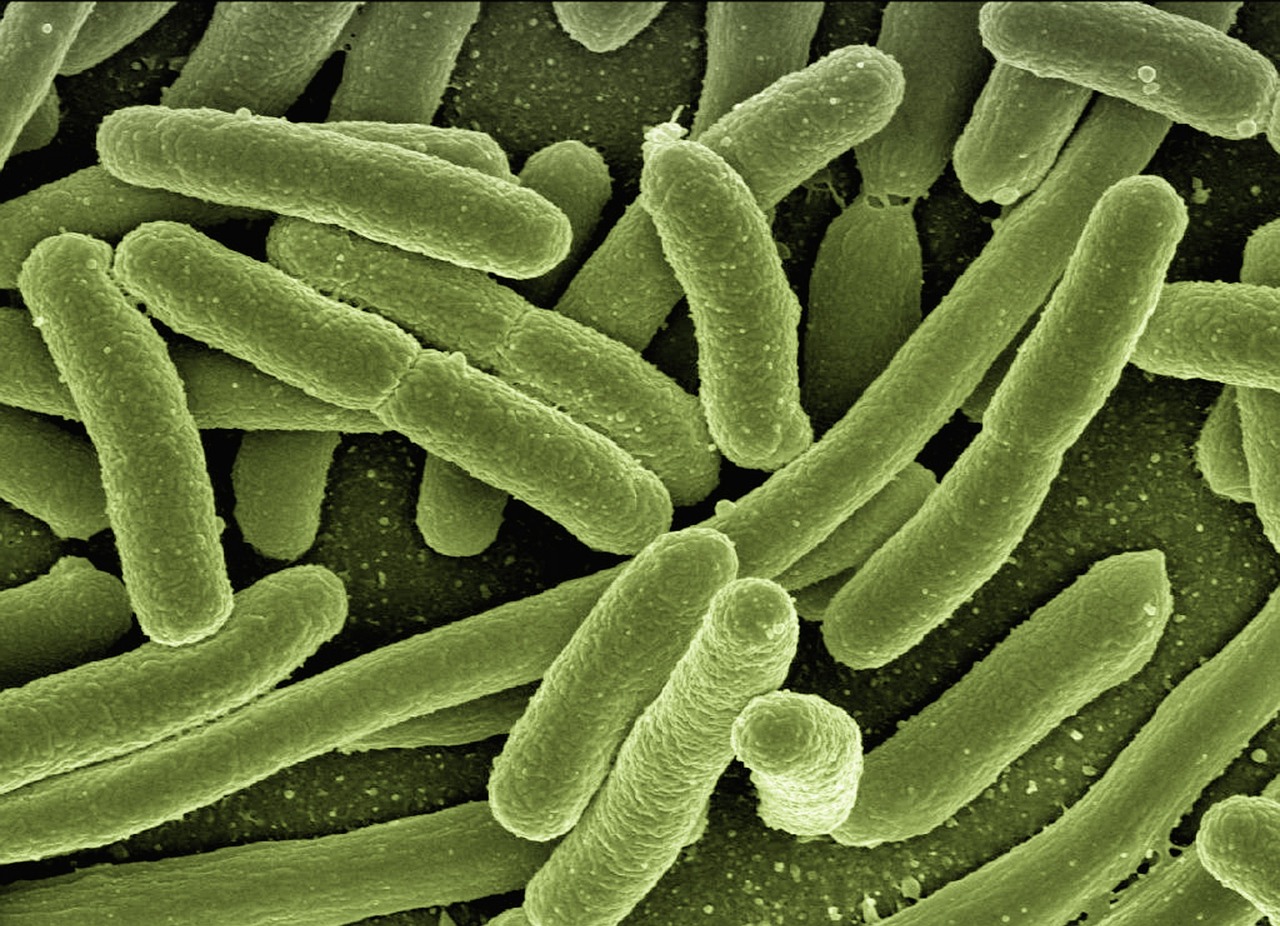
    Examples include methicillin‑resistant Staphylococcus aureus (MRSA), certain resistant E. coli strains, and carbapenem‑resistant Enterobacteriaceae, all of which are major concerns in hospitals and communities, according to the World Health Organization.

    Superbugs can cause infections that are slow to respond, require longer courses of stronger drugs, or, in some cases, lack clearly effective treatment options. This can lead to longer hospital stays, more expensive care, and higher risks of complications and death.

    What makes them especially worrying is that they can spread from person to person, often through contact with contaminated surfaces or in healthcare settings where people are already vulnerable.

    What Are the Global and Public Health Risks?

    The rise of superbugs and widespread antibiotic resistance is not just a hospital problem; it is a global public health threat. If current trends continue unchecked, simple infections could again become deadly, and many modern medical procedures could become far riskier.

    Surgeries, chemotherapy, organ transplants, and even childbirth involve some risk of infection, and effective antibiotics are essential safety nets.

    Public health organizations warn that routine medical care may regress if effective infection treatment becomes routinely unavailable. The spread of resistant bacteria can cross borders easily through travel and trade, and contaminated food, water, and environments can also contribute to transmission.

    In low‑ and middle‑income countries, limited access to appropriate antibiotics and poor infection control can accelerate the spread of resistant strains, while high‑income countries face challenges from overuse and hospital‑acquired infections.

    How Can We Prevent Antibiotic Resistance?

    Preventing antibiotic resistance requires changes at both individual and systemic levels. One key concept is antibiotic stewardship, which means using antibiotics only when they are truly needed and choosing the right drug, dose, and duration.

    Patients should avoid pressuring physicians for antibiotics when they are not appropriate, such as for colds or flu caused by viruses. When a course is prescribed, finishing it as directed is essential, even if symptoms improve earlier.

    On a broader scale, healthcare systems can reduce unnecessary prescribing, improve diagnostic testing so that antibiotics are targeted effectively, and enforce strict hygiene protocols in hospitals.

    In agriculture, reducing the routine use of antibiotics as growth promoters in livestock can help slow the development of resistant strains that may spread to humans, as per the Centers for Disease Control and Prevention.

    Everyday actions, such as handwashing, safely handling food, vaccinating against preventable infections, and promptly treating infections under medical supervision, also play a role in limiting the spread of drug resistant bacteria.

    What Are the Future Directions in Infection Treatment?

    Because single‑drug treatments are no longer sufficient for many resistant infections, researchers and clinicians are exploring new strategies for infection treatment.

    These include developing new classes of antibiotics, combining existing drugs in smarter ways, and using alternative therapies such as bacteriophages, probiotics, and nanotechnology‑based approaches.

    Some plant‑based or microbial compounds are being studied for their ability to enhance existing antibiotics or disrupt bacterial defenses.

    In addition to new drugs, there is growing emphasis on rapid diagnostics that can identify resistant strains quickly, allowing doctors to choose the most effective treatment sooner.

    Global collaborations and public health initiatives are also working to improve surveillance systems, track resistant infections, and coordinate responses across countries.

    These efforts aim to keep ahead of the evolving nature of superbugs and ensure that medical care does not fall back into a time when even minor infections posed a major threat.

    What to Expect as Antibiotic Resistance Reshapes Infection Treatment

    As antibiotic resistance continues to spread, the way doctors approach infection treatment is changing fundamentally. Drug resistant bacteria and superbugs are no longer rare exceptions; they are becoming part of everyday medical reality.

    The challenge now is to balance the need for effective treatment with the imperative to preserve the drugs that still work. This requires cooperation among patients, healthcare providers, policymakers, and scientists.

    By understanding how resistance develops, recognizing the risks posed by resistant strains, and adopting smarter use of antibiotics at every level, it is possible to slow the spread of resistant infections and protect the future of modern medicine.

    Frequently Asked Questions

    1. What is the difference between antibiotic resistance and antimicrobial resistance?

    Antibiotic resistance specifically refers to bacteria becoming resistant to antibiotics, while antimicrobial resistance is a broader term that includes resistance to drugs used against bacteria, viruses, fungi, and parasites.

    2. Can viruses become resistant to antibiotics the way bacteria do?

    No, viruses do not respond to antibiotics at all, so they cannot become “resistant” to them; antibiotics are ineffective against viral infections such as the common cold or flu.

    3. Are children more likely to develop infections from drug resistant bacteria than adults?

    Children are not inherently more likely to develop resistant infections, but they may be more vulnerable to complications if a resistant infection is not treated promptly with effective infection treatment options.

    4. Do healthy people need to worry about superbugs?

    Yes, healthy people can still pick up superbugs through contact with contaminated surfaces, hospitals, or community settings, especially if antibiotics are used inappropriately or hygiene is poor.



    Source link

  • Treat the Cause

    Treat the Cause

    Treat the underlying cause of chronic lifestyle diseases.

    It’s been said that more than 2,000 years ago, Hippocrates declared, “Let food be thy medicine and medicine be thy food.” In actuality, it appears that he never actually said those words, but there’s “no doubt about the relevance of food…and its role in health and disease states” in his writings. Regardless, 2,000 years ago, disease was thought to arise from a bad sense of “humors,” as you can see here and at 0:32 in my video Lifestyle and Disease Prevention: Your DNA Is Not Your Destiny.

    Now, we have science, and there is “an overwhelming body of clinical and epidemiological evidence illustrating the dramatic impact of a healthy lifestyle on reducing all-cause mortality”—meaning death from all causes put together—“and preventing chronic diseases such as coronary heart disease, stroke, diabetes, and cancer.” But don’t those diseases just run in our family? What if we just have bad genes?

    According to the esteemed former chair of nutrition at Harvard, for most of the diseases that have contributed “importantly” to mortality in Western peoples, we’ve long known that non-genetic factors often account for at least 80% to 90% of risk. We know this because rates of the leading killers, like major cancers and cardiovascular diseases, vary up to 100-fold around the world, and, “when groups migrate from low- to high-risk countries, their disease rates almost always change to those of the new environment.” Modifiable behavioral factors have been identified, “including specific aspects of diet, overweight, inactivity, and smoking that account for over 70% of stroke and colon cancer, over 80% of coronary heart disease, and over 90% of adult-onset [type 2] diabetes”—diseases that can largely be prevented by our own actions.

    If most of the power is in our own hands, why do we allocate massively more resources to treatment than prevention? And speaking of prevention, “even preventive strategies are heavily biased towards pharmacology rather than supporting improvements in diet and lifestyle that could be more cost-effective. For example, treatment of [high] serum cholesterol with statins alone could cost approximately 30 billion dollars per year in the United States and would have only a modest impact on coronary heart disease incidence. The inherent problem is that most pharmacologic strategies don’t address the underlying causes of ill health in Western countries, which are not drug deficiencies.”

    Ironically, the chronic diseases that are most amenable to lifestyle treatment are the same ones most profitably treated by drugs. Why? If you don’t change your diet, you have to pop the pills every day for the rest of your life. So, the cash-cow drugs are the very drugs we need the least. “Even though the most widely accepted, well-established chronic disease practice guidelines uniformly call for lifestyle change as the first line of therapy, physicians often do not follow these recommendations.” “By ignoring the root causes of disease and neglecting to prioritize lifestyle measures for prevention, the medical community is placing people at harm.”

    “Traditional medical care relies primarily on the application of pharmacologic and surgical interventions after the development of illness,” whereas lifestyle medicine relies primarily on “the use of optimal nutrition (a whole foods, plant-based diet) and exercise in the prevention, arrest, and reversal of chronic conditions leading to premature disability and death. It looks in a holistic way at the underlying causes of illness.”

    Dr. Adriane Fugh-Berman, director of PharmedOut, a wonderful organization I’m proud to support, wrote a great editorial entitled “Doctors Must Not Be Lapdogs to Drug Firms.” “The illusion that the relationship between medicine and the drug industry is collegial, professional, and personal is carefully maintained by the drug industry, which actually views all transactions with physicians in finely calculated financial terms…The drug industry is happy to play the generous and genial uncle until physicians want to discuss subjects that are off limits, such as the benefits of diet or exercise, or the relationship between medicine and pharmaceutical companies…Let us not be a lapdog to Big Pharma. Rather than sitting contentedly in our master’s lap, let us turn around and bite something tender.”

    Doctor’s Note

    The organization I mentioned, PharmedOut, is a project of Georgetown University Medical Center.

    For more on Lifestyle Medicine, see related videos below.


    Source link

  • Treat Yourself: Indulge in a Luxury Staycation with These Pampering Ideas

    Treat Yourself: Indulge in a Luxury Staycation with These Pampering Ideas

    Introduction to the World of Staycations

    In today’s fast-paced world, taking a break from the daily grind is essential for our mental and physical well-being. With the stresses of work, family, and social life, it’s easy to get caught up in the hustle and bustle and forget to take care of ourselves. One way to rejuvenate and pamper yourself is by indulging in a luxury staycation. A staycation is a vacation where you stay in your own city or town, and it’s a great way to explore local hidden gems, try new experiences, and relax without the hassle of traveling far.

    Setting the Scene for a Luxury Staycation

    To set the scene for a luxurious staycation, you’ll want to start by choosing a comfortable and relaxing environment. Consider booking a hotel room or renting a luxurious apartment that offers amenities such as a spa, pool, and fine dining. If you’re on a budget, you can also create a luxurious atmosphere in your own home by setting up a cozy reading nook, lighting some candles, and playing soothing music. Once you have your space set up, it’s time to think about how you want to spend your staycation. Do you want to focus on relaxation and pampering, or do you want to explore your city and try new things?

    Pampering Ideas for the Ultimate Staycation

    When it comes to pampering yourself, there are countless options to choose from. Here are a few ideas to get you started:

    • Spa Day: Treat yourself to a day of massage, facial, and other spa treatments. Many hotels and spas offer package deals that include access to amenities such as saunas, steam rooms, and hot tubs.
    • Gourmet Dining: Indulge in fine dining at a local restaurant, or have a personal chef come to your home to cook a gourmet meal. You can also order room service or have your favorite takeout delivered to your doorstep.
    • Wine and Cheese Night: Set up a wine and cheese tasting at home, or visit a local vineyard or winery for a tour and tasting.
    • Outdoor Activities: Depending on your interests, you can also consider outdoor activities such as hiking, biking, or kayaking. Many cities have nearby parks or nature reserves that offer a peaceful escape from the city.

    Exploring Local Hidden Gems

    One of the best things about a staycation is the opportunity to explore local hidden gems that you may not have discovered otherwise. Here are a few ideas for exploring your city:

    • Museum or Art Gallery Visit: Visit a local museum or art gallery to learn something new and appreciate the local art scene.
    • Historical Landmark Tour: Take a guided tour of local historical landmarks, such as buildings, monuments, or neighborhoods.
    • Food Tour: Embark on a food tour to sample local cuisine and drinks. Many cities offer guided food tours that take you to hidden gems and popular eateries.
    • Shopping: Spend the day shopping at local boutiques, vintage stores, or markets. You can find unique gifts, antiques, or souvenirs to remember your staycation by.

    DIY Pampering at Home

    If you’re on a budget or prefer to stay at home, there are still plenty of ways to pamper yourself without breaking the bank. Here are a few DIY pampering ideas:

    • Face Mask and Skincare: Set up a skincare routine at home, complete with face masks, exfoliating scrubs, and moisturizing lotions.
    • Homemade Spa Treatments: Create your own spa treatments at home, such as manicures, pedicures, and massages.
    • Cozy Movie Night: Set up a cozy movie night at home, complete with blankets, pillows, and your favorite snacks.
    • Yoga or Meditation: Practice yoga or meditation at home, either with a video guide or on your own. You can also set up a peaceful reading nook or journaling space.

    Tips for Planning the Perfect Staycation

    To make the most of your staycation, here are a few tips to keep in mind:

    • Plan Ahead: Plan your staycation in advance to ensure that you can book the activities and accommodations you want.
    • Set a Budget: Set a budget for your staycation and stick to it. You can still have a luxurious and pampering experience without breaking the bank.
    • Be Flexible: Be flexible and open to new experiences. You may discover hidden gems or activities that you never would have tried otherwise.
    • Take Breaks: Take breaks and rest when you need to. A staycation is all about relaxation and rejuvenation, so don’t overexert yourself.

    Conclusion

    In conclusion, a luxury staycation is the perfect way to pamper yourself and rejuvenate your mind, body, and soul. Whether you choose to stay in a hotel, rent a luxurious apartment, or create a cozy atmosphere at home, there are countless ways to indulge in relaxation and self-care. From spa treatments and gourmet dining to exploring local hidden gems and DIY pampering, the options are endless. By planning ahead, setting a budget, and being flexible, you can create the perfect staycation that meets your needs and exceeds your expectations. So why not treat yourself to a luxurious staycation today and discover the joys of relaxation and self-discovery?

    FAQs

    Here are some frequently asked questions about luxury staycations:
    Q: What is a staycation?
    A: A staycation is a vacation where you stay in your own city or town, and it’s a great way to explore local hidden gems, try new experiences, and relax without the hassle of traveling far.
    Q: How do I plan a luxury staycation?
    A: To plan a luxury staycation, start by choosing a comfortable and relaxing environment, such as a hotel room or luxurious apartment. Then, think about how you want to spend your staycation and what activities and experiences you want to include.
    Q: What are some pampering ideas for a staycation?
    A: Some pampering ideas for a staycation include spa treatments, gourmet dining, wine and cheese nights, and outdoor activities such as hiking or biking.
    Q: Can I have a luxury staycation on a budget?
    A: Yes, you can still have a luxurious and pampering experience on a budget. Consider DIY pampering at home, look for package deals or discounts, and prioritize your spending to focus on the activities and experiences that matter most to you.
    Q: How long should a staycation be?
    A: A staycation can be as short or as long as you like, depending on your schedule and preferences. You can take a weekend staycation, a week-long staycation, or even just a day or two to relax and recharge.

  • Boosting BDNF Levels in Our Brain to Treat Depression 

    Boosting BDNF Levels in Our Brain to Treat Depression 

    We can raise BDNF levels in our brain by fasting and exercising, as well as by eating and avoiding certain foods.

    There is accumulating evidence that brain-derived neurotrophic factor (BDNF) may be playing a role in human depression. BDNF controls the growth of new nerve cells. “So, low levels of this peptide could lead to an atrophy of specific brain areas such as the amygdala and the hippocampus, as it has been observed among depressed patients.” That may be one of the reasons that exercise is so good for our brains. Start an hour-a-day exercise regimen, and, within three months, there can be a quadrupling of BDNF release from our brain, as seen below and at 0:35 in my video How to Boost Brain BDNF Levels for Depression Treatment.

    This makes sense. Any time we were desperate to catch prey (or desperate not to become prey ourselves), we needed to be cognitively sharp. So, when we’re fasting, exercising, or in a negative calorie balance, our brain starts churning out BDNF to make sure we’re firing on all cylinders. Of course, Big Pharma is eager to create drugs to mimic this effect, but is there any way to boost BDNF naturally? Yes, I just said it: fasting and exercising. Is there anything we can add to our diet to boost BDNF?

    Higher intakes of dietary flavonoids appear to be protectively associated with symptoms of depression. The Harvard Nurses’ Health Study followed tens of thousands of women for years and found that those who were consuming the most flavonoids appeared to reduce their risk of becoming depressed. Flavonoids occur naturally in plants, so there’s a substantial amount in a variety of healthy foods. But how do we know the benefits are from the flavonoids and not just from eating more healthfully in general? We put it to the test.

    Some fruits and vegetables have more flavonoids than others. As shown below and at 1:51 in my video, apples have more than apricots, plums more than peaches, red cabbage more than white, and kale more than cucumbers. Researchers randomized people into one of three groups: more high-flavonoid fruits and vegetables, more low-flavonoid fruits and vegetables, or no extra fruits and vegetables at all. After 18 weeks, only the high-flavonoid group got a significant boost in BDNF levels, which corresponded with an improvement in cognitive performance. The BDNF boost may help explain why each additional daily serving of fruits or vegetables is associated with a 3 percent decrease in the risk of depression. 

    What’s more, as seen here and at 2:27 in my video, a teaspoon a day of the spice turmeric may boost BNDF levels by more than 50 percent within a month. This is consistent with the other randomized controlled trials that have so far been done. 

    Nuts may help, too. In the PREDIMED study, where people were randomized to receive weekly batches of nuts or extra-virgin olive oil, the nut group lowered their risk of having low BDNF levels by 78 percent, as shown below and at 2:46.

    And BDNF is not implicated only in depression, but schizophrenia. When individuals with schizophrenia underwent a 12-week exercise program, they got a significant boost in their BDNF levels, which led the researchers to “suggest that exercise-induced modulation of BDNF may play an important role in developing non-pharmacological treatment for chronic schizophrenic patients.”

    What about schizophrenia symptoms? Thirty individuals with schizophrenia were randomized to ramp up to 40 minutes of aerobic exercise three times a week or not, and there did appear to be an improvement in psychiatric symptoms, such as hallucinations, as well as an increase in their quality of life, with exercise. In fact, researchers could actually visualize what happened in their brains. Loss of brain volume in a certain region appears to be a feature of schizophrenia, but 30 minutes of exercise, three times a week, resulted in an increase of up to 20 percent in the size of that region within three months, as seen here and at 3:46 in my video

    Caloric restriction may also increase BDNF levels in people with schizophrenia. So, researchers didn’t just have study participants eat less, but more healthfully, too—less saturated fat and sugar, and more fruits and veggies. The study was like the Soviet fasting trials for schizophrenia that reported truly unbelievable results, supposedly restoring people to function, and described fasting as “an unparalleled achievement in the treatment of schizophrenia”—but part of the problem is that the diagnostic system the Soviets used is completely different than ours, making any results hard to interpret. There was a subgroup that seemed to correspond to the Western definition, but they still reported 40 to 60 percent improvement rates from fasting, but fasting wasn’t all they did. After the participants fasted for up to a month, they were put on a meat- and egg-free diet. So, when the researchers reported these remarkable effects even years later, they were for those individuals who stuck with the meat- and egg-free diet. Evidently, the closer the diet was followed, the better the effect, and those who broke the diet relapsed. The researchers noted: “Not all patients can remain vegetarian, but they must not take meat for at least six months, and then in very small portions.” We know from randomized controlled trials that simply eschewing meat and eggs can improve mental states within just two weeks, so it’s hard to know what role fasting itself played in the reported improvements.

    A single high-fat meal can drop BDNF levels within hours of consumption, and we can prove it’s the fat itself by seeing the same result after injecting fat straight into our veins. Perhaps that helps explain why increased consumption of saturated fats in a high-fat diet may contribute to brain dysfunction—that is, neurodegenerative diseases, long-term memory loss, and cognitive impairment. It may also help explain why the standard American diet has been linked to a higher risk of depression, as dietary factors modulate the levels of brain-derived neurotrophic factor.


    Source link

  • Does Fasting Help Treat Depression? 

    Does Fasting Help Treat Depression? 

    Caloric restriction can boost levels of brain-derived neurotrophic factor (BDNF), which is considered to play a critical role in mood disorders.

    For more than a century, fasting has been espoused as a treatment of supposed “great utility in the preservation of health,” especially rejuvenating the body and, above all, the mind. When people fast for even 18 hours, though, they may get hungry and irritable. After one or two days, positive mood goes down and negative mood goes up, and after three days, fasters can increasingly feel sad, self-blame, and suffer a loss of libido. Then, something strange starts to happen: People experience a “fasting-induced mood enhancement…reflected by decreased anxiety, depression, fatigue, and improved vigor.” Studies tend to show this across the board. Once you get over the hump, fasters frequently experience “an increased level of vigilance and a mood improvement, a subjective feeling of well-being, and sometimes of euphoria.” And, no wonder, as, by then, endorphin levels may rise by nearly 50 percent, as seen here and at 1:06 in my video Friday Favorites: Fasting to Treat Depression

    This enhancement of mood, alertness, and calm makes a certain amount of evolutionary sense. Our body wants us to feel poorly initially so we continue to eat, day to day, when food is available, but if we go a couple of days without food, our body realizes we can’t just mope in our cave; we need to get motivated to go out and find some calories.

    So, can fasting be used for mood disorders, like depression? It’s great that people can feel better after a few days of fasting, but the critical question revolves around the “persistence of mood improvement over time” once fasting ends and eating resumes. The little published evidence we have comes out of Japan and the former Soviet Union, and some of it is just ridiculous, like this study that included women with a variety of symptoms, which the researchers blame mostly on marital conflict, as you can see below and at 2:08 in my video. Husband not treating you right? How about some “electroshock therapy”? That didn’t seem to help much, so what about “hunger therapy”? Of course, starving the women made them hungry, but that’s what Thorazine is for. If they keep getting injected with an antipsychotic to calm them down, they can sail right through. So, what happened in the study? What would we even do with those results? 

    Another study, however, skipped the Thorazine. The participants fasted for ten days, but they were also kept in bed all day on “absolute bed rest,” completely isolated and “prohibited from seeing other people except the attending doctor and nurse…also denied access to television, radio, newspapers or any other forms of information.” So, if people got better or worse, it would be impossible to tease out the effects of the fasting component on its own. But researchers found that they apparently did get better, with efficacy reportedly demonstrated in 31 out of 36 patients suffering from depression, as seen here and at 2:56 in my video.

    The researchers concluded that fasting therapy may provide an alternative to the use of antidepressant drugs, “thinking the fasting therapy may be a kind of shock therapy.” People are so relieved to be eating again, to get out of solitary confinement, and to even just get out of bed that they report feeling better. That was at the time of discharge, though. How did they feel the next day, the next week, the next month? Fasting is, by definition, unsustainable, so what we want to ideally see are some kind of longer-lasting effects.

    Researchers did a follow-up with a few hundred patients, not just a few months later, but after a few years. Of the 69 who were evidently suffering from depression, 90 percent reported feeling good or excellent results at the end of the ten-day fast, and, remarkably, years later, 87 percent of the 62 individuals who replied claimed that they were still doing well. Now, there was no control group, so we don’t know if they would have done just as well or even better without the fast, and it was all self-reporting, so there may have been a response bias where participants tried to please the researchers. Who knows? Maybe they were afraid they’d get sent back to solitary if they didn’t respond affirmatively. We have no idea, but we do have good evidence for the short-term mood benefits.

    Why would fasting improve feelings of depression? In addition to the endorphins and the surge in serotonin, the so-called happiness hormone, when we fast, there is a bump in brain-derived neurotrophic factor (BDNF), which is considered to play a crucial role in mood disorders. Researchers have perked up rodents with it, but we aren’t rats or mice. What about us? Humans with major depression have lower levels of BDNF circulating in their bloodstream. Autopsy studies of suicide victims show only about half the BDNF in certain key brain regions, compared to controls, suggesting it may play an important role in suicidal behavior, as seen here and at 4:38 in my video

    We can boost BDNF with antidepressant drugs and electroshock; we can also boost it with caloric restriction. We can get a 70 percent boost in levels after three months of cutting 25 percent of calories out of our daily diet, as shown below and at 4:51.

    Is there anything we can add to our diets to boost BNDF levels so we can get the benefits without the hunger? We’ll find out next.


    Source link

  • Florida Republican Blames ‘Fearmongering’ Left After Doctors Hesitated to Treat Her Ectopic Pregnancy Over Abortion Laws

    Florida Republican Blames ‘Fearmongering’ Left After Doctors Hesitated to Treat Her Ectopic Pregnancy Over Abortion Laws

    A Republican lawmaker in Florida blamed the “fearmongering” left after doctors hesitated to treat her life-threatening ectopic pregnancy due to the state’s strict abortion laws.

    In May 2024, the same month Florida’s 6-week abortion ban took effect, Rep. Kat Cammack learned she was experiencing an ectopic pregnancy, a condition in which a fertilized egg implants outside the uterus and cannot survive. She required an injection of methotrexate to terminate the pregnancy, but medical staff hesitated, fearing they could lose their licenses or face prison time under the new law, according to reporting by The Wall Street Journal.

    Cammack argued that her pregnancy was nonviable, that she was just five weeks along, and that her life was in danger. She even called Gov. Ron DeSantis’s office for help, but got no response. Eventually, doctors agreed to administer the drug, ultimately saving her life.

    Despite the ordeal, Cammack did not blame the law itself, instead accusing the left of scaring medical professionals by emphasizing the risk of criminal charges.

    “It was absolute fearmongering at its worst,” Cammack told The Wall Street Journal, adding that abortion-rights advocates are quick to blame Republicans for the confusion caused by what they see as vague legislation.

    “There will be some comments like, ‘Well, thank God we have abortion services,’ even though what I went through wasn’t an abortion,” Cammack said.

    Molly Duane, a senior attorney at the Center for Reproductive Rights, pushed back on Cammack’s claim, arguing that state regulators had made clear their intent to strictly enforce the abortion ban. She added that blaming medical professionals follows “the playbook of antiabortion extremists that for decades have been blaming and villainizing doctors.”

    Originally published on Latin Times

    Source link

  • Influencer Urges Parents to Give Kids Bleach to Treat Autism Despite Reports of Vomiting, Suffering Seizures: Report

    Influencer Urges Parents to Give Kids Bleach to Treat Autism Despite Reports of Vomiting, Suffering Seizures: Report

    A social media influencer is under fire for promoting a dangerous and discredited chemical as a so-called “autism cure,” despite alarming reports of serious harm to children.

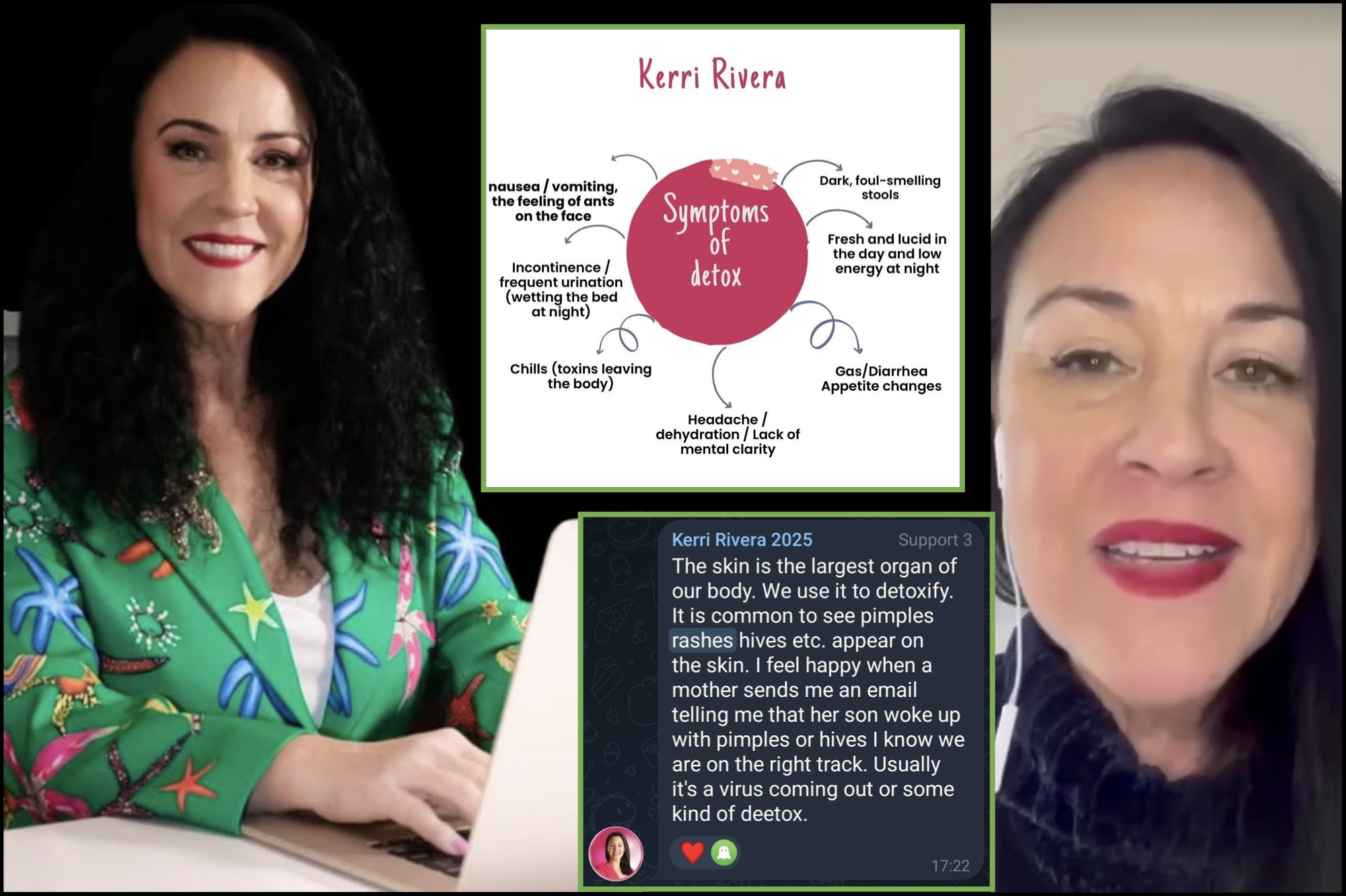
    Kerri Rivera, who has over 17,000 followers on Instagram, encourages parents to administer chlorine dioxide (CD)—an industrial bleach used in textile manufacturing and disinfection—orally and by enema to their autistic children. Rivera falsely claims this “protocol” rids the body of parasites she believes cause autism.

    Messages from Rivera’s private support group show parents reporting disturbing side effects, including vomiting, rashes, seizures, and chemical-smelling urine. Despite these symptoms, Rivera routinely reassures followers that these are signs the bleach is “working” and the body is “detoxifying.”

    Ingesting chlorine dioxide can result in severe vomiting, liver failure, respiratory problems, developmental delays and death.

    Tim Nicholls of the National Autistic Society called Rivera’s claims “sickening.”

    “This information is wrong, dangerous and harmful to autistic people and their families,” Nicholls told The Independent.

    “No autistic person, parent or carer should be told to ‘cure’ their child by administering a dangerous, potentially life-threatening chemical,” he continued. “Autism is a lifelong neurodivergence and disability, it is not a disease that can be ‘treated’ or ‘cured.’”

    TikTok has removed Rivera’s account, and Amazon removed her storefront where she earned commission on products she recommended to administer “protocols.” Her Instagram remains active.

    Advocacy groups are urging social media platforms and government agencies to take stronger action against the promotion of toxic treatments and to encourage parents to seek advice from trusted medical professionals.

    Rivera has not responded to the growing backlash.

    Originally published on Latin Times


    Source link

  • Eating to Treat Crohn’s Disease 

    Eating to Treat Crohn’s Disease 

    Switching to a plant-based diet has been shown to achieve far better outcomes than those reported on conventional treatments for both active and quiescent stages of Crohn’s disease (CD) and ulcerative colitis.

    Important to our understanding and the prevention of the global increase of inflammatory bowel disease (IBD), we know that “dietary fiber reduces risk, whereas dietary fat, animal protein, and sugar increase it.” “Despite the recognition of westernization of lifestyle as a major driver of the growing incidence of IBD, no countermeasures against such lifestyle changes have been recommended, except that patients with Crohn’s disease should not smoke.”

    We know that “consuming whole, plant-based foods is synonymous with an anti-inflammatory diet.” Lists of foods with inflammatory effects and anti-inflammatory effects are shown here and at 0:50 in my video, The Best Diet for Crohn’s Disease.

    How about putting a plant-based diet to the test?

    Cutting down on red and processed meats didn’t work, but what about cutting down on all meat? A 25-year-old man “with newly diagnosed CD…failed to enter clinical remission despite standard medical therapy. After switching to a diet based exclusively on grains, legumes [beans, split peas, chickpeas, and lentils], vegetables, and fruits, he entered clinical remission without need for medication and showed no signs of CD on follow-up colonoscopy.”

    It’s worth delving into some of the details. The conventional treatment he was started on is infliximab, sold as REMICADE®, which can cause a stroke and may increase our chances of getting lymphoma or other cancers. (It also costs $35,000 a year.) It may not even work in 35 to 40 percent of patients, and that seemed to be the case with the 25-year-old man. So, his dose was increased after 37 weeks, but he was still suffering after two years on the drug. Then he completely eliminated animal products and processed foods from his diet and finally experienced a complete resolution of his symptoms.

    “Prior to this, his diet had been the typical American diet, consisting of meat, dairy products, refined grains, processed foods, and modest amounts of vegetables and fruits. Having experienced complete clinical remission for the first time since his Crohn’s disease diagnosis, the patient decided to switch to a whole food, plant-based diet permanently, severely reducing his intake of processed foods and limiting animal products to one serving, or less, per week.” Whenever his diet slipped, his symptoms started coming back, but he could always eliminate them by eating healthier again. After six months adhering to these diet and lifestyle changes, including stress relief and exercise, a follow-up “demonstrated complete mucosal healing [of the gut lining] with no visible evidence of Crohn’s disease.”

    We know that “a diet consisting of whole grains, legumes, fruits, and vegetables has been shown to be helpful in the prevention and treatment of heart disease, obesity, diabetes, hypertension, gallbladder disease, rheumatoid arthritis, and many cancers. Although further research is required, this case report suggests that Crohn’s disease might be added to this list of conditions.” That further research has already been done! About 20 patients with Crohn’s disease were placed on a semi-vegetarian diet—no more than half a serving of fish once a week and half a serving of meat once every two weeks—and they achieved a 100 percent remission rate at one year and 90 percent at two years.

    Some strayed from the diet, though. What happened to them? As you can see below and at 3:32 in my video, after one year, half had relapsed, and, at year two, only 20 percent had remained in remission. But those who stuck with the semi-veg diet had remarkable success. It was a small study with no formal control group, but it represents the best-reported result in Crohn’s relapse prevention published in the medical literature to date. 

    Nowadays, Crohn’s patients are often treated with so-called biologic drugs, expensive injected antibodies that suppress the immune system. They have effectively induced and maintained remission in Crohn’s disease, but not in everybody. The current remission rate in Crohn’s with early use of REMICADE® is 64 percent. So, 30 to 40 percent of patients “are likely to experience a disabling disease course even after their first treatment.” What about adding a plant-based diet? Remission rates jumped up to 100 percent for those who didn’t have to drop out due to drug side effects. Even after excluding milder cases, researchers found that 100 percent of those with serious, even “severe/fulminant disease, achieved remission.”

    If we look at gold standard systematic reviews, they conclude that the effects of dietary interventions on inflammatory bowel diseases—Crohn’s disease and ulcerative colitis—are uncertain. However, this is because only randomized controlled trials were considered. That’s totally understandable, as that is the most rigorous study design. “Nevertheless, people with IBD deserve advice based on the ‘best available evidence’ rather than no advice at all…” And switching to a plant-based diet has been shown to achieve “far better outcomes” than those reported on conventional treatments in both active and quiescent stages in Crohn’s disease and ulcerative colitis. For example, below and at 5:37 in my video, you can see one-year remission rates in Crohn’s disease (100 percent) compared to budesonide, an immunosuppressant corticosteroid drug (30 to 40 percent), a half elemental diet, such as at-home tube feedings (64 percent), the $35,000-a-year drug REMICADE® (46 percent), or the $75,000-a-year drug Humira (57 percent). 

    Safer, cheaper, and more effective. That’s why some researchers have made the “recommendation of plant-based diets for inflammatory bowel disease.”

    It would seem clear that treatment based on addressing the cause of the disease is optimal. Spreading the word about healthier diets could help halt the scourge of inflammatory bowel disease, but how will people hear about this amazing research without some kind of public education campaign? That’s what NutritionFacts.org is all about.

    Doctor’s Note:

    This is the third in a series on inflammatory bowel disease. If you missed the first two, see Preventing Inflammatory Bowel Disease with Diet and The Best Diet for Ulcerative Colitis Treatment.

    My previous Crohn’s videos include Preventing Crohn’s Disease with Diet and Does Nutritional Yeast Trigger Crohn’s Disease?


    Source link

  • Craving Sugary Treat After Meals? Here’s Why You Always Have Room For Dessert

    Craving Sugary Treat After Meals? Here’s Why You Always Have Room For Dessert

    Do you ever find yourself craving something sweet even after a big meal? Or wonder how you still have room for dessert despite feeling full? Researchers now suggest that the phenomenon known as “dessert stomach” is linked to the brain.

    In a recent study, researchers investigated the phenomenon in mice and found that they ate sugar even when they were full. While analyzing the brains, they discovered that a group of nerve cells called POMC neurons triggered the craving for sugar.

    When the mice ate sugar, these neurons released ß-endorphin, a natural opiate that made them feel rewarded and caused them to eat more, even if they were full. This effect was specific to sugar, not other foods. When the researchers blocked this pathway, the mice stopped eating extra sugar, but only when they were full. The inhibition of the ß-endorphin did not affect the hungry mice.

    The researchers also found that the activation of endorphins began even before the mice started eating sugar, as soon as they sensed it. Interestingly, the opiate was also released in the brains of mice that had never eaten sugar before.

    “As soon as the first sugar solution entered the mice’s mouths, ß-endorphin was released in the “dessert stomach region”, which was further strengthened by additional sugar consumption,” the researchers explained.

    When a similar trial was conducted in humans, researchers used brain scans on volunteers after they received a sugar solution through a tube. They found that the same region of the brain responded to sugar in humans where there are many opiate receptors close to satiety neurons.

    “From an evolutionary perspective, this makes sense: sugar is rare in nature but provides quick energy. The brain is programmed to control the intake of sugar whenever it is available,” explained Henning Fenselau, research group leader at the Max Planck Institute for Metabolism Research and head of the study.

    The researchers hope their findings could be valuable for treating obesity. “There are already drugs that block opiate receptors in the brain, but the weight loss is less than with appetite-suppressant injections. We believe that a combination with them or with other therapies could be very useful. However, we need to investigate this further,” Fenselau added.

    Source link

  • Treat Type 1 Diabetes with a Plant-Based Diet? 

    Treat Type 1 Diabetes with a Plant-Based Diet? 

    Is it possible to reverse type 1 diabetes if caught early enough?

    The International Journal of Disease Reversal and Prevention has already had its share of miraculous disease reversals with a plant-based diet. For instance, one patient began following a whole food, plant-based diet after having two heart attacks in two months. Within months, he experienced no more chest pain, controlled his cholesterol, blood pressure, and blood sugars, and also lost 50 pounds as a nice bonus. Yet, the numbers “do not capture the patient’s transformation from feeling like a ‘dead man walking’ to being in command of his health with a new future and life.” 

    I’ve previously discussed cases of reversing the autoimmune inflammatory disease psoriasis and also talked about lupus nephritis (kidney inflammation). What about type 1 diabetes, an autoimmune disease we didn’t think we could do anything about? In contrast to type 2 diabetes, which is a lifestyle disease that can be prevented and reversed with a healthy enough diet and lifestyle, type 1 diabetes is an autoimmune disease in which our body attacks our pancreas, killing off our insulin-producing cells and condemning us to a life of insulin injections—unless, perhaps, it’s caught early enough. If a healthy enough diet is started early enough, might we be able to reverse the course of type 1 diabetes by blunting that autoimmune inflammation?

    As I discuss in my video Type 1 Diabetes Treatment: A Plant-Based Diet, we know that patients with type 1 diabetes “may be able to reduce insulin requirements and achieve better glycemic [blood sugar] control” with healthier diets. For example, children and teens were randomized to a nutritional intervention in which they increased the whole plant food density of their diet—meaning they ate more whole grains, whole fruits, vegetables, legumes (beans, split peas, chickpeas, and lentils), nuts, and seeds. Researchers found that the more whole plant foods, the better the blood sugar control.

    The fact that more whole fruits were associated “with better glycemic [blood sugar] control has important clinical implications for nutrition education” in those with type 1 diabetes. We should be “educating them on the benefits of fruit intake, and allaying erroneous concerns that fruit may adversely affect blood sugar.”

    The case series in the IJDRP, however, went beyond proposing better control of just their high blood sugars, the symptom of diabetes, but better control of the disease itself, suggesting the anti-inflammatory effects of whole healthy plant foods “may slow or prevent further destruction of the beta cells”—the insulin-producing cells of the pancreas—“if dietary intervention is initiated early enough.” Where did this concept come from?

    A young patient. Immediately following diagnosis of type 1 diabetes at age three, a patient began a vegetable-rich diet and, three years later, “has not yet required insulin therapy…and has experienced a steady decline in autoantibody levels,” which are markers of insulin cell destruction. Another child, who also started eating a healthier diet, but not until several months after diagnosis, maintains a low dose of insulin with good control. And, even if their insulin-producing cells have been utterly destroyed, individuals with type 1 diabetes can still enjoy “dramatically reduced insulin requirements,” reduced inflammation, and reduced cardiovascular risk, which is their number one cause of death over the age of 30. People with type 1 diabetes have 11 to 14 times the risk of death from cardiovascular disease compared to the general population, and it’s already the top killer among the public, so it’s closer to 11 to 14 times more important for those with type 1 diabetes to be on the only diet and lifestyle program ever proven to reverse heart disease in the majority of patients—one centered around whole plant foods. The fact it may also help control the disease itself is just sugar-free icing on the cake.

    All this exciting new research was presented in the first issue of The International Journal of Disease Reversal and Prevention. As a bonus, there’s a companion publication called the Disease Reversal and Prevention Digest. These are for the lay public and are developed with the belief I wholeheartedly share that “everyone has a right to understand the science that could impact their health.” You can go behind the scenes and hear directly from the author of the lupus series, read interviews from luminaries like Dean Ornish, see practical tips from dietitians on making the transition towards a healthier diet, and enjoy recipes. 

    The second issue includes more practical tips, such as how to eat plant-based on a budget, and gives updates on what Dr. Klaper is doing to educate medical students, what Audrey Sanchez from Balanced is doing to help change school lunches, and how Dr. Ostfeld got healthy foods served in a hospital. (What a concept!) And what magazine would be complete without an article to improve your sex life? 

    The journal is free, downloadable at IJDRP.org, and its companion digest, available at diseasereversaldigest.com, carries a subscription fee. I am a proud subscriber.

    Want to learn more about preventing type 1 diabetes in the first place? See the related posts below.


    Source link