Tag: Target

  • Sweat on a Shoestring: How to Create a Home Gym on a Budget (Target keywords: home gym on a budget, sweat on a shoestring)

    Sweat on a Shoestring: How to Create a Home Gym on a Budget (Target keywords: home gym on a budget, sweat on a shoestring)

    She’s always been passionate about fitness, but the thought of shelling out big bucks for a gym membership every month was a major turn-off. That’s why she decided to create a home gym on a budget, and she’s never looked back. With a little creativity and resourcefulness, it’s totally possible to get a great workout without breaking the bank. In fact, she’s found that sweating on a shoestring can be just as effective as any high-end gym.

    Getting Started with a Home Gym on a Budget

    The first step in creating a home gym on a budget is to assess your space. She took stock of her spare room, garage, or even a corner of her living room, and thought about how she could transform it into a functional workout area. Consider the types of exercises you want to do and the equipment you’ll need to get started. Don’t worry if you don’t have a lot of space – even a small area can be turned into a home gym with a little creativity.

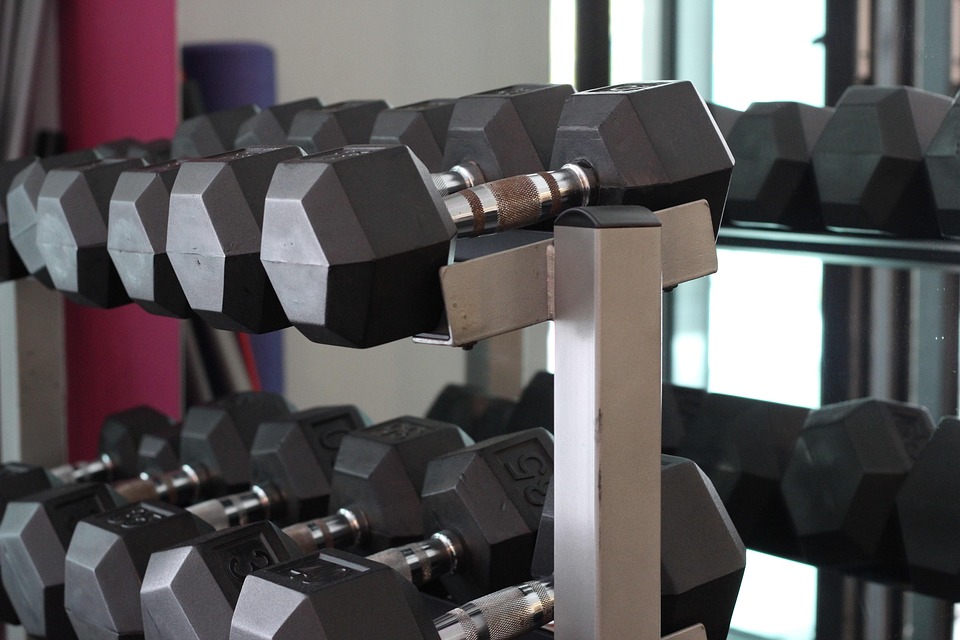
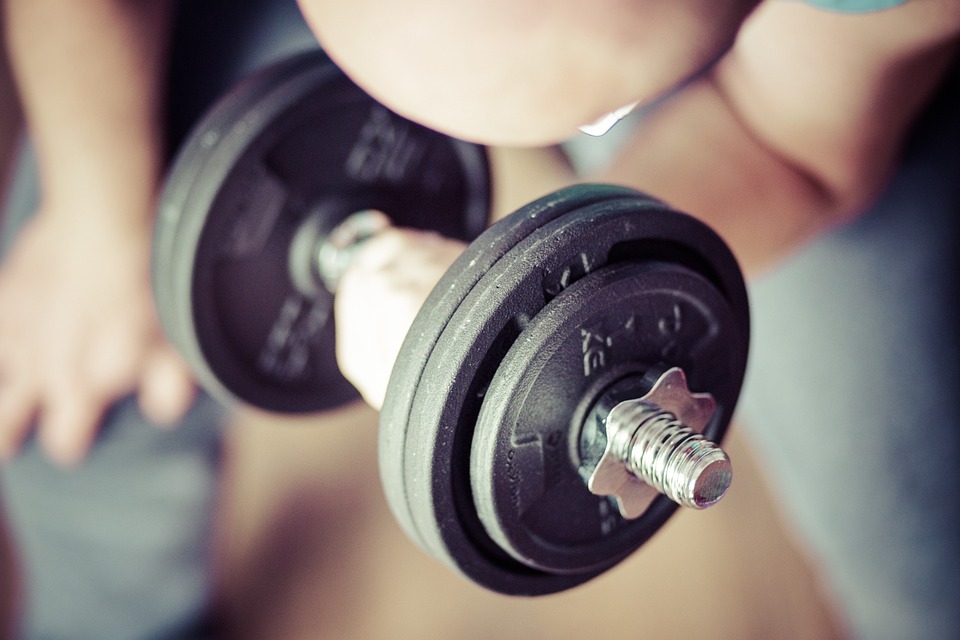
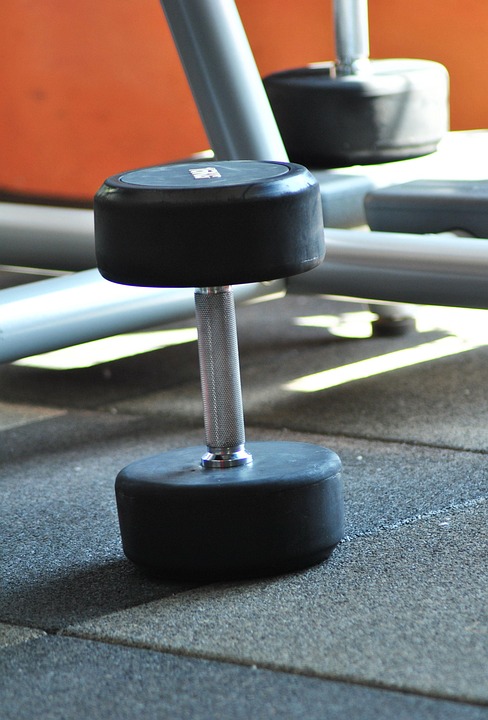
    Next, she set a budget and started researching affordable equipment options. She didn’t need to buy everything at once, so she prioritized the essentials and started with the basics. A good pair of dumbbells, a yoga mat, and a jump rope are all great places to start. She also looked into second-hand stores, garage sales, and online marketplaces for gently used equipment at a fraction of the cost.

    Sweat on a Shoestring: Affordable Equipment Options

    One of the biggest misconceptions about creating a home gym on a budget is that you need to sacrifice quality for affordability. Not true! There are plenty of affordable equipment options out there that can provide a great workout without breaking the bank. She’s found that resistance bands, for example, are a great alternative to expensive weight machines. They’re lightweight, portable, and can be used for a variety of exercises.

    Another affordable option is bodyweight exercises. She’s learned to love the simplicity of push-ups, squats, and lunges, which can be done anywhere, anytime. And for those who prefer a more structured workout, there are plenty of free online resources and workout videos that can provide guidance and motivation.

    DIY Delights: Creating Your Own Equipment

    She’s also discovered the joy of DIY equipment. With a little creativity, you can create your own workout gear using household items. For example, a water bottle or can of soup can make a great makeshift dumbbell, while a towel or sheet can be used as a resistance band. She’s even used a chair or bench as a makeshift step or bench press.

    Getting creative with DIY equipment not only saves money, but it also adds a fun and playful element to your workout routine. And who knows, you might just discover a new favorite exercise or piece of equipment. The key is to think outside the box and experiment with different materials and techniques.

    Home Gym on a Budget: Tips and Tricks

    So, how can you create a home gym on a budget that actually works? Here are a few tips and tricks to get you started:

    • Start small and prioritize the essentials. You don’t need to buy everything at once, so focus on the basics and build from there.
    • Shop around and compare prices. Look for deals and discounts online, and don’t be afraid to negotiate.
    • Consider second-hand or gently used equipment. You can often find great deals on lightly used gear that’s still in great condition.
    • Get creative with DIY equipment. Think outside the box and experiment with different materials and techniques.
    • Use free online resources and workout videos to guide your workout routine.

    Sweating on a Shoestring: The Benefits of a Home Gym

    So, why create a home gym on a budget in the first place? For her, the benefits are numerous. For one, it’s convenient – she can work out anytime, anywhere, without having to worry about gym hours or commute time. It’s also cost-effective, saving her money on gym memberships and transportation costs.

    But perhaps the biggest benefit is the flexibility and freedom that comes with working out at home. She can create her own routine, try new exercises, and experiment with different techniques without feeling self-conscious or intimidated. And with the money she’s saved, she can invest in other areas of her health and wellness, like healthy food or spa treatments.

    Conclusion

    Creating a home gym on a budget is all about being resourceful, creative, and determined. With a little bit of planning and experimentation, you can create a functional and effective workout space that fits your needs and budget. Whether you’re a fitness enthusiast or just starting out, sweating on a shoestring can be a great way to get in shape without breaking the bank. So why not give it a try? Your body – and your wallet – will thank you.

    Frequently Asked Questions

    Q: How much does it cost to create a home gym on a budget?
    A: The cost of creating a home gym on a budget can vary depending on the equipment and materials you choose. However, with a little creativity and resourcefulness, you can create a functional workout space for under $100.

    Q: What are some essential pieces of equipment for a home gym on a budget?
    A: Some essential pieces of equipment for a home gym on a budget include dumbbells, a yoga mat, and a jump rope. You can also consider resistance bands, bodyweight exercises, and DIY equipment.

    Q: How can I stay motivated and accountable with a home gym on a budget?
    A: Staying motivated and accountable with a home gym on a budget can be challenging, but there are several strategies you can try. These include setting goals and tracking progress, finding a workout buddy or accountability partner, and using free online resources and workout videos to guide your routine.

    Q: Is it safe to create a home gym on a budget?
    A: Yes, it is safe to create a home gym on a budget, as long as you take certain precautions. Make sure to research and understand proper form and technique, and start slowly to avoid injury. It’s also a good idea to consult with a healthcare professional or fitness expert before starting any new exercise routine.

    Q: Can I really get a good workout with a home gym on a budget?
    A: Absolutely! With a little creativity and resourcefulness, you can create a home gym on a budget that provides a great workout. The key is to focus on functional exercises that work multiple muscle groups at once, and to vary your routine to avoid plateaus and prevent overuse injuries.

    sweat-on-a-shoestring-how-to-create-a-home-gym-on-a-budget-target-keywords-home-gym-on-a-budget-sweat-on-a-shoestring

  • Fuel Your Fitness: 10 Essential Principles of Nutrition for a Healthy Body (Target keywords: fitness nutrition, healthy body)

    Fuel Your Fitness: 10 Essential Principles of Nutrition for a Healthy Body (Target keywords: fitness nutrition, healthy body)

    As anyone who’s ever tried to get in shape knows, fitness nutrition is a crucial part of the equation. When it comes to building a healthy body, what you put into your body is just as important as the exercises you do. In fact, a well-planned fitness nutrition strategy can be the difference between reaching your goals and hitting a plateau.

    To help you fuel your fitness journey, here are 10 essential principles of nutrition for a healthy body. From the importance of staying hydrated to the benefits of meal planning, these principles will give you a solid foundation for achieving your fitness goals.

    Staying Hydrated: The Foundation of Fitness Nutrition

    Before diving into the world of fitness nutrition, it’s essential to talk about the importance of staying hydrated. Water is the foundation of all nutrition for a healthy body, and it plays a critical role in many bodily functions, including regulating body temperature, transporting nutrients, and removing waste products. Even mild dehydration can cause fatigue, headaches, and difficulty concentrating, all of which can derail your fitness goals.

    So, how much water should you be drinking? The general recommendation is to aim for at least eight glasses of water per day, but this can vary depending on your individual needs and activity level. If you’re engaging in strenuous exercise or living in a hot climate, you may need to drink more water to stay hydrated.

    Eating a Balanced Diet: The Key to Fitness Nutrition

    When it comes to fitness nutrition, eating a balanced diet is key. This means consuming a variety of foods from all food groups, including fruits, vegetables, whole grains, lean proteins, and healthy fats. A balanced diet provides your body with the nutrients it needs to function properly, including vitamins, minerals, and antioxidants.

    One of the biggest mistakes people make when it comes to fitness nutrition is focusing too much on one particular food group. For example, some people may try to cut out all carbs or focus solely on protein. However, this can lead to nutrient deficiencies and decreased performance. Instead, aim to include a variety of foods in your diet to ensure you’re getting all the nutrients your body needs.

    The Importance of Macronutrients in Fitness Nutrition

    Macronutrients are the building blocks of fitness nutrition, and they play a critical role in providing your body with energy and supporting growth and repair. The three main macronutrients are carbohydrates, protein, and fat.

    • Carbohydrates are your body’s primary source of energy, and they come in two forms: simple and complex. Simple carbs, such as sugar and white bread, are quickly digested and can cause a spike in blood sugar levels. Complex carbs, such as whole grains and fruits, are digested more slowly and provide a more sustained release of energy.
    • Protein is essential for building and repairing muscle tissue, and it’s particularly important for athletes and individuals who engage in regular exercise. Good sources of protein include lean meats, fish, eggs, and legumes.
    • Fat is often misunderstood in the world of fitness nutrition, but it’s an essential macronutrient that provides energy and helps your body absorb vitamins and minerals. Healthy sources of fat include nuts, seeds, avocados, and olive oil.

    The Benefits of Meal Planning for Fitness Nutrition

    Meal planning is a critical component of fitness nutrition, and it can help you ensure you’re getting the nutrients your body needs to perform at its best. By planning your meals in advance, you can avoid relying on convenience foods and fast food, which are often high in salt, sugar, and unhealthy fats.

    Meal planning also helps you save time and money, as you can buy ingredients in bulk and prepare meals in advance. Additionally, meal planning can help you avoid food waste, as you’ll be more mindful of what you’re buying and using.

    The Importance of Timing in Fitness Nutrition

    When it comes to fitness nutrition, timing is everything. What you eat and when you eat it can have a significant impact on your performance and recovery. For example, eating a meal or snack that’s high in carbohydrates and protein within 30-60 minutes after exercise can help promote recovery and support muscle growth.

    Additionally, eating a balanced meal that includes complex carbohydrates, protein, and healthy fats 1-3 hours before exercise can help provide sustained energy and support performance. Experimenting with different timing strategies can help you find what works best for your body and your fitness goals.

    The Role of Supplements in Fitness Nutrition

    While a well-planned diet should provide all the nutrients your body needs, supplements can play a role in fitness nutrition. Supplements can help fill any nutritional gaps in your diet, and they can provide a convenient way to get the nutrients you need.

    Some popular supplements for fitness nutrition include protein powder, creatine, and branched-chain amino acids (BCAAs). However, it’s essential to remember that supplements should not replace a healthy diet, and they should be used in conjunction with a well-planned fitness nutrition strategy.

    Listening to Your Body in Fitness Nutrition

    One of the most important principles of fitness nutrition is listening to your body. Everyone’s nutritional needs are different, and what works for one person may not work for another. By paying attention to your body and how it responds to different foods and supplements, you can tailor your fitness nutrition strategy to meet your individual needs.

    For example, some people may find that they perform better when they eat a high-carb diet, while others may prefer a low-carb approach. By listening to your body and experimenting with different approaches, you can find what works best for you and your fitness goals.

    The Importance of Mindful Eating in Fitness Nutrition

    Mindful eating is a critical component of fitness nutrition, and it involves paying attention to your hunger and fullness cues. By eating slowly and savoring your food, you can develop a healthier relationship with food and reduce your risk of overeating.

    Mindful eating also involves being present in the moment and enjoying your food, rather than eating in front of the TV or while scrolling through your phone. By practicing mindful eating, you can develop a more positive body image and reduce your risk of disordered eating.

    The Role of Hydration in Fitness Nutrition

    Staying hydrated is essential for fitness nutrition, and it plays a critical role in many bodily functions, including regulating body temperature, transporting nutrients, and removing waste products. Even mild dehydration can cause fatigue, headaches, and difficulty concentrating, all of which can derail your fitness goals.

    In addition to drinking plenty of water, you can also stay hydrated by eating foods that are high in water content, such as fruits and vegetables. By prioritizing hydration, you can perform at your best and support your overall health and well-being.

    Putting it All Together: Creating a Fitness Nutrition Plan

    Creating a fitness nutrition plan can seem overwhelming, but it doesn’t have to be. By following the principles outlined above, you can develop a personalized plan that meets your individual needs and supports your fitness goals.

    Start by assessing your current diet and identifying areas for improvement. Then, set specific, measurable, and achievable goals, such as increasing your protein intake or reducing your sugar consumption. Finally, develop a plan for putting your goals into action, including meal planning, grocery shopping, and tracking your progress.

    Conclusion

    Fitness nutrition is a critical component of any fitness program, and it plays a vital role in supporting your overall health and well-being. By following the 10 essential principles outlined above, you can develop a personalized fitness nutrition plan that meets your individual needs and supports your fitness goals. Remember to stay hydrated, eat a balanced diet, and listen to your body, and don’t be afraid to seek out professional guidance if you need help along the way. With the right fitness nutrition strategy, you can achieve your fitness goals and enjoy a healthy, happy body for years to come.

    FAQs

    Q: What is the best way to stay hydrated?
    A: The best way to stay hydrated is to drink plenty of water throughout the day, aiming for at least eight glasses per day. You can also eat foods that are high in water content, such as fruits and vegetables.

    Q: How do I know if I’m getting enough protein?
    A: A good rule of thumb is to aim for 0.8-1 gram of protein per pound of body weight per day. You can also consult with a registered dietitian or healthcare professional to determine your individual protein needs.

    Q: What is the best type of carbohydrate for fitness nutrition?
    A: Complex carbohydrates, such as whole grains, fruits, and vegetables, are generally the best choice for fitness nutrition. These carbohydrates provide sustained energy and are rich in fiber, vitamins, and minerals.

    Q: How often should I eat?
    A: The frequency of meals depends on your individual needs and fitness goals. Generally, it’s recommended to eat 3-5 main meals and 2-3 snacks per day, spaced out every 3-4 hours.

    Q: Can I still achieve my fitness goals if I have dietary restrictions?
    A: Yes, it’s still possible to achieve your fitness goals if you have dietary restrictions. Consult with a registered dietitian or healthcare professional to develop a personalized fitness nutrition plan that meets your individual needs.

    fuel-your-fitness-10-essential-principles-of-nutrition-for-a-healthy-body-target-keywords-fitness-nutrition-healthy-body

  • Boost Your Endurance: Top Training Tips for Long-Distance Running Success (Target keywords: long-distance running, endurance training)

    Boost Your Endurance: Top Training Tips for Long-Distance Running Success (Target keywords: long-distance running, endurance training)

    As any seasoned athlete will tell you, long-distance running is not just about putting one foot in front of the other; it’s an art that requires careful planning, dedication, and a well-structured endurance training program. For those looking to boost their endurance and achieve long-distance running success, it’s essential to understand the intricacies of this demanding sport. In this article, we’ll delve into the world of long-distance running, exploring the top training tips and strategies to help you reach your full potential.

    Understanding Long-Distance Running

    Before diving into the nitty-gritty of endurance training, it’s crucial to understand what long-distance running entails. Long-distance running refers to distances that exceed 5 kilometers, with the most common events being the 10K, half-marathon, and full marathon. These events require a unique blend of physical and mental stamina, as runners need to sustain a consistent pace over an extended period. To develop the necessary endurance for long-distance running, athletes must focus on building their aerobic capacity, increasing their lactate threshold, and enhancing their running efficiency.

    Building a Strong Foundation

    A well-structured endurance training program is the backbone of any successful long-distance running campaign. To build a strong foundation, runners should focus on the following key components:

    • Base Building: This phase involves gradually increasing weekly mileage to build endurance and aerobic capacity. A typical base building phase can last anywhere from 4-12 weeks, depending on the athlete’s current fitness level and goals.
    • Periodization: This refers to the systematic planning of training phases to ensure optimal performance. By alternating between periods of intense training and active recovery, runners can avoid plateaus and prevent overtraining.
    • Incorporating Strength Training: Strengthening the core, glutes, and legs is essential for maintaining good form and reducing the risk of injury. Runners should aim to incorporate strength training sessions 2-3 times per week, focusing on exercises like squats, lunges, and deadlifts.

    Endurance Training Strategies

    Once a strong foundation is established, runners can focus on more advanced endurance training strategies to take their performance to the next level. Some effective techniques include:

    • Interval Training: This involves alternating between periods of high-intensity running and active recovery. Interval training helps to increase lactate threshold, boost speed, and enhance endurance.
    • Hill Repeats: Running uphill can be an effective way to build strength and endurance. By incorporating hill repeats into their training, runners can improve their explosive power and running efficiency.
    • Long Runs: These are essential for building mental and physical toughness. Long runs help runners develop the endurance needed to tackle extended periods of running, while also teaching them to pace themselves and manage their energy levels.

    Nutrition and Recovery

    Proper nutrition and recovery are critical components of any endurance training program. Runners need to fuel their bodies with the right foods to optimize performance and aid in recovery. Some key nutrition tips include:

    • Carb Loading: Consuming complex carbohydrates like whole grains, fruits, and vegetables helps to replenish energy stores and support endurance.
    • Hydration: Adequate hydration is essential for maintaining performance and preventing dehydration. Runners should aim to drink at least 8-10 glasses of water per day.
    • Post-Run Nutrition: Consuming a mix of carbohydrates and protein within 30-60 minutes after a run can help to aid in recovery and reduce muscle soreness.

    Mental Preparation

    Long-distance running is as much a mental challenge as it is physical. To achieve success, runners need to develop the mental toughness and resilience to push through fatigue, pain, and self-doubt. Some effective strategies for mental preparation include:

    • Visualization: Visualizing success and overcoming obstacles can help to build confidence and mental toughness.
    • Positive Self-Talk: Focusing on positive affirmations and self-encouragement can help to boost motivation and resilience.
    • Goal Setting: Setting realistic and achievable goals can help to maintain motivation and direction.

    Conclusion

    Long-distance running is a demanding yet rewarding sport that requires careful planning, dedication, and a well-structured endurance training program. By incorporating the top training tips and strategies outlined in this article, runners can boost their endurance and achieve long-distance running success. Remember to focus on building a strong foundation, incorporating advanced endurance training strategies, and prioritizing nutrition and recovery. With persistence, patience, and the right mindset, anyone can become a successful long-distance runner.

    Frequently Asked Questions

    Q: How often should I run per week?
    A: The frequency of running depends on your current fitness level and goals. As a general rule, runners should aim to run at least 3-4 times per week, with one longer run on the weekends.

    Q: What’s the best way to prevent injury?
    A: Incorporating strength training, stretching, and foam rolling into your routine can help to reduce the risk of injury. It’s also essential to listen to your body and take rest days as needed.

    Q: How do I fuel for a long run?
    A: Consuming complex carbohydrates, lean protein, and healthy fats 1-3 hours before a long run can help to provide sustained energy. It’s also essential to stay hydrated by drinking water or a sports drink during the run.

    Q: Can I still run if I’m a beginner?
    A: Absolutely! Long-distance running is accessible to runners of all levels. Start with shorter distances and gradually increase your mileage as you build endurance and confidence.

    Q: How long does it take to see improvements in endurance?
    A: Improvements in endurance can be seen in as little as 4-6 weeks, depending on the consistency and intensity of your training. However, significant gains in endurance can take several months to develop.

    boost-your-endurance-top-training-tips-for-long-distance-running-success-target-keywords-long-distance-running-endurance-training

  • Fuel Your Fitness: 10 Best Post-Workout Smoothie Recipes for Rapid Recovery (Target keywords: post-workout smoothie, fitness, recovery)

    Fuel Your Fitness: 10 Best Post-Workout Smoothie Recipes for Rapid Recovery (Target keywords: post-workout smoothie, fitness, recovery)

    The world of fitness is all about pushing oneself to new heights, and a crucial part of that journey is recovery. After a grueling workout, the body needs the right fuel to repair and recharge, and that’s where a post-workout smoothie comes in. A well-crafted post-workout smoothie can be the perfect way to support rapid recovery, helping to reduce muscle soreness, replenish energy stores, and even aid in muscle growth. In this article, we’ll dive into the world of post-workout smoothies and explore the 10 best recipes to fuel your fitness journey.

    Understanding the Importance of Post-Workout Nutrition

    When it comes to fitness, recovery is just as important as the workout itself. After a intense exercise session, the body is in a state of heightened stress, and the muscles are broken down. To support recovery, it’s essential to provide the body with the right nutrients, and that’s where post-workout nutrition comes in. A post-workout smoothie can be an excellent way to deliver these nutrients, as it’s easy to digest and can be tailored to meet individual needs.

    The Benefits of Post-Workout Smoothies

    So, why are post-workout smoothies so beneficial for fitness enthusiasts? For starters, they can help to reduce muscle soreness and inflammation, which can be a major obstacle to progress. By providing the body with anti-inflammatory ingredients like protein, antioxidants, and omega-3 fatty acids, a post-workout smoothie can help to mitigate this damage and support rapid recovery. Additionally, post-workout smoothies can help to replenish energy stores, which can be depleted during intense exercise. This can be especially important for athletes who need to perform at a high level, day in and day out.

    10 Best Post-Workout Smoothie Recipes

    Now that we’ve covered the benefits of post-workout smoothies, let’s dive into the fun part – the recipes! Here are 10 delicious and effective post-workout smoothie recipes to fuel your fitness journey:

    1. Chocolate Banana Boost: Combine 1 scoop of chocolate protein powder, 1 frozen banana, 1 tablespoon of almond butter, and 1 cup of unsweetened almond milk for a smoothie that’s both delicious and nutritious.
    2. Tropical Temptation: Blend 1 scoop of coconut protein powder, 1 cup of frozen pineapple, 1 cup of frozen mango, and 1/2 cup of coconut water for a smoothie that’s perfect for warm weather.
    3. Green Goddess: Combine 1 scoop of spinach protein powder, 1/2 cup of frozen spinach, 1/2 cup of frozen pineapple, and 1 cup of unsweetened coconut water for a smoothie that’s packed with antioxidants.
    4. Peanut Butter Cup: Blend 1 scoop of chocolate protein powder, 2 tablespoons of peanut butter, 1/2 cup of frozen banana, and 1 cup of unsweetened almond milk for a smoothie that’s creamy and indulgent.
    5. Citrus Refresher: Combine 1 scoop of vanilla protein powder, 1 cup of frozen orange, 1/2 cup of frozen grapefruit, and 1 cup of unsweetened coconut water for a smoothie that’s perfect for post-workout hydration.
    6. Mocha Madness: Blend 1 scoop of coffee protein powder, 1/2 cup of frozen banana, 1 tablespoon of almond butter, and 1 cup of unsweetened almond milk for a smoothie that’s perfect for coffee lovers.
    7. Pitaya Power: Combine 1 scoop of pitaya protein powder, 1 cup of frozen pitaya, 1/2 cup of frozen pineapple, and 1 cup of unsweetened coconut water for a smoothie that’s packed with antioxidants.
    8. Strawberry Cheesecake: Blend 1 scoop of strawberry protein powder, 1/2 cup of frozen strawberries, 1/4 cup of Greek yogurt, and 1 cup of unsweetened almond milk for a smoothie that’s creamy and delicious.
    9. Mango Peach Delight: Combine 1 scoop of mango protein powder, 1 cup of frozen mango, 1/2 cup of frozen peaches, and 1 cup of unsweetened coconut water for a smoothie that’s perfect for warm weather.
    10. Pineapple Coconut Cooler: Blend 1 scoop of coconut protein powder, 1 cup of frozen pineapple, 1/2 cup of frozen coconut water, and 1 tablespoon of chia seeds for a smoothie that’s refreshing and rejuvenating.

    Tips for Creating the Perfect Post-Workout Smoothie

    While the recipes above are a great starting point, it’s essential to remember that everyone’s nutritional needs are different. Here are a few tips for creating the perfect post-workout smoothie:

    • Choose a protein powder that aligns with your fitness goals, whether it’s whey, casein, or plant-based.
    • Experiment with different combinations of fruits and vegetables to find the perfect flavor and nutritional profile.
    • Don’t be afraid to add healthy fats like nuts, seeds, and avocado to support hormone production and satiety.
    • Keep your smoothie simple and easy to digest, especially after a intense workout.

    Conclusion

    In conclusion, a post-workout smoothie can be a game-changer for fitness enthusiasts looking to support rapid recovery and fuel their fitness journey. By providing the body with the right nutrients, a post-workout smoothie can help to reduce muscle soreness, replenish energy stores, and even aid in muscle growth. With the 10 recipes outlined above, you’ll be well on your way to creating the perfect post-workout smoothie to fuel your fitness goals. Remember to experiment with different ingredients, keep it simple, and always choose a protein powder that aligns with your fitness goals.

    Frequently Asked Questions

    Q: What’s the best time to consume a post-workout smoothie?
    A: The best time to consume a post-workout smoothie is within 30-60 minutes after exercise, when the body is most receptive to nutrient uptake.

    Q: Can I use a post-workout smoothie as a meal replacement?
    A: While a post-workout smoothie can be a nutritious and convenient option, it’s not recommended to use it as a meal replacement. Instead, focus on using it as a supplement to support recovery and fuel your fitness journey.

    Q: What’s the best type of protein powder to use in a post-workout smoothie?
    A: The best type of protein powder will depend on your individual fitness goals and dietary needs. Some popular options include whey, casein, and plant-based protein powders like pea and rice.

    Q: Can I add other ingredients to my post-workout smoothie, like supplements or superfoods?
    A: Yes, you can add other ingredients to your post-workout smoothie, but be sure to choose options that align with your fitness goals and dietary needs. Some popular additions include creatine, branched-chain amino acids (BCAAs), and superfoods like spinach and kale.

    fuel-your-fitness-10-best-post-workout-smoothie-recipes-for-rapid-recovery-target-keywords-post-workout-smoothie-fitness-recovery

  • Stay Fit on the Go: 10 Expert Tips for Staying Active While Traveling (Target keywords: stay active while traveling, fitness tips for travel)

    Stay Fit on the Go: 10 Expert Tips for Staying Active While Traveling (Target keywords: stay active while traveling, fitness tips for travel)

    Staying active while traveling can be a challenge, but it’s definitely possible with the right mindset and strategies. Many people struggle to stay active while traveling, but with a little creativity and planning, it’s easy to incorporate physical activity into even the most packed itinerary. In this article, we’ll explore 10 expert tips for staying active while traveling, so you can stay fit and healthy on the go.

    Getting Started: Why Staying Active Matters
    When we travel, it’s easy to get caught up in the excitement of exploring new places and trying new foods. However, neglecting our physical health can have serious consequences, from weight gain to decreased energy levels. Fitness tips for travel can help you stay on track, even when you’re on the move. By incorporating physical activity into your travel routine, you can boost your mood, increase your energy levels, and even improve your overall health.

    Tip #1: Pack Smart
    The first step to staying active while traveling is to pack smart. This means bringing a few essential items that will help you stay active, such as a good pair of walking shoes, a yoga mat, or a resistance band. Don’t forget to check the weather forecast for your destination and pack accordingly. If you’re planning to hike or engage in outdoor activities, be sure to bring the necessary gear, such as a backpack, water bottle, and sunscreen.

    Tip #2: Choose Active Transportation
    One of the best ways to stay active while traveling is to choose active transportation. Instead of taking a taxi or Uber, try walking or biking to your destination. Not only will you get some exercise, but you’ll also get to see more of the local scenery. Many cities also offer bike-sharing programs or walking tours, which can be a great way to explore a new place while getting some exercise.

    Tip #3: Find Local Gyms or Fitness Studios
    If you’re a gym rat, don’t worry – you can still get your fitness fix while traveling. Look for local gyms or fitness studios that offer day passes or drop-in classes. Many gyms also offer virtual classes or online workouts, which can be a great option if you’re short on time. Some popular fitness chains also offer free trials or guest passes, so be sure to check their websites before your trip.

    Tip #4: Try Bodyweight Exercises
    Bodyweight exercises are a great way to stay active while traveling, as they require no equipment and can be done anywhere. Try doing push-ups, squats, or lunges in your hotel room or at a local park. You can also find plenty of free workout videos online that cater to all fitness levels. Some popular bodyweight exercises include burpees, mountain climbers, and planks.

    Tip #5: Take the Stairs
    One of the simplest ways to stay active while traveling is to take the stairs. Instead of taking the elevator, try taking the stairs to your hotel room or to the top of a landmark. Not only will you get some exercise, but you’ll also get to enjoy the views from a different perspective. This is especially true in cities with historic buildings or skyscrapers, where the views from the top can be breathtaking.

    Tip #6: Explore Local Parks and Trails
    Exploring local parks and trails is a great way to stay active while traveling and get some fresh air. Look for local hiking trails, parks, or nature reserves, and spend the day exploring. Many cities also offer guided tours or self-guided walking tours, which can be a great way to learn about the local flora and fauna. Don’t forget to bring plenty of water and snacks, as well as a map or GPS device.

    Tip #7: Try Active Tours
    Active tours are a great way to stay active while traveling and experience the local culture. Look for tours that involve hiking, biking, or kayaking, and spend the day exploring the local scenery. Many tour companies also offer fitness-focused tours, such as yoga or Pilates retreats. These tours can be a great way to meet like-minded travelers and learn new skills.

    Tip #8: Use Fitness Apps
    Fitness apps are a great way to stay active while traveling, as they offer a variety of workouts and exercises that can be done anywhere. Try apps like Nike Training Club, JEFIT, or Yoga Studio, which offer a range of workouts and exercises that cater to all fitness levels. Many apps also offer virtual coaching or personalized workouts, which can be a great way to stay motivated.

    Tip #9: Make Time for Rest and Recovery
    Finally, don’t forget to make time for rest and recovery while traveling. It’s easy to get caught up in the excitement of exploring a new place, but neglecting your rest and recovery can have serious consequences. Make sure to get plenty of sleep, eat a balanced diet, and take breaks when you need them. This is especially true if you’re engaging in high-intensity activities or traveling to high-altitude destinations.

    Tip #10: Stay Hydrated
    Staying hydrated is essential for staying active while traveling, as it helps to prevent dehydration and maintain energy levels. Make sure to drink plenty of water throughout the day, and avoid sugary drinks or caffeine. You can also bring a refillable water bottle with you, which can be a great way to reduce waste and save money.

    In conclusion, staying active while traveling is easier than you think. By incorporating a few simple tips and strategies into your travel routine, you can stay fit and healthy on the go. Whether you’re a seasoned athlete or just starting out, there are plenty of ways to stay active while traveling. So next time you’re planning a trip, don’t forget to pack your workout shoes and get ready to explore.

    Frequently Asked Questions

    Q: How can I stay active while traveling if I have a busy schedule?
    A: Try incorporating short workouts into your daily routine, such as a 10-minute yoga routine or a quick jog around the block. You can also try scheduling workouts into your daily planner or setting reminders on your phone.

    Q: What are some good fitness apps for travelers?
    A: Some popular fitness apps for travelers include Nike Training Club, JEFIT, and Yoga Studio. These apps offer a range of workouts and exercises that cater to all fitness levels and can be done anywhere.

    Q: How can I stay motivated to work out while traveling?
    A: Try finding a workout buddy or accountability partner, or scheduling workouts into your daily routine. You can also try tracking your progress or setting fitness goals for your trip.

    Q: What are some good ways to stay active while traveling with kids?
    A: Try incorporating family-friendly activities, such as hiking or biking, into your travel routine. You can also try scheduling kid-friendly workouts, such as yoga or dance classes, into your daily routine.

    Q: How can I stay active while traveling if I have limited mobility or health issues?
    A: Try incorporating low-impact activities, such as swimming or chair yoga, into your travel routine. You can also try scheduling workouts with a personal trainer or fitness coach who can cater to your needs and abilities.

    stay-fit-on-the-go-10-expert-tips-for-staying-active-while-traveling-target-keywords-stay-active-while-traveling-fitness-tips-for-travel

  • Sweat Dreams: How Sleep Impacts Fitness Performance and Athletic Success (Target keywords: sleep, fitness performance, athletic success)

    Sweat Dreams: How Sleep Impacts Fitness Performance and Athletic Success (Target keywords: sleep, fitness performance, athletic success)

    Sleep is a vital component of our daily lives, and its impact on our overall health and wellbeing is well-documented. However, for athletes and fitness enthusiasts, sleep plays a critical role in determining their fitness performance and athletic success. When it comes to achieving peak physical condition, a good night’s sleep is just as important as a rigorous training session or a healthy diet. In this article, we’ll delve into the world of sleep and explore how it affects fitness performance and athletic success.

    The Science of Sleep and Fitness Performance

    When we sleep, our body repairs and regenerates damaged cells, builds bone and muscle, and strengthens our immune system. During this time, our brain processes and consolidates memories, including those related to physical skills and techniques learned during the day. This is especially important for athletes, as it helps them to improve their performance and adapt to new training methods. Research has shown that sleep deprivation can significantly impair athletic performance, leading to decreased speed, strength, and accuracy.

    On the other hand, getting enough sleep has been shown to have a positive impact on fitness performance. Studies have found that athletes who get adequate sleep tend to perform better, with improved reaction times, faster sprinting speeds, and enhanced endurance. This is because sleep helps to regulate the body’s physiological processes, including the release of hormones that aid in muscle recovery and growth. For example, during deep sleep, the body releases growth hormone, which helps to repair and rebuild muscle tissue, making it essential for athletes who engage in high-intensity training.

    The Impact of Sleep on Athletic Success

    Athletic success is not just about physical performance; it’s also about mental toughness and focus. Sleep plays a critical role in both of these areas. When we’re well-rested, we’re more alert, focused, and better equipped to handle stress and pressure. This is especially important for athletes who compete at the highest level, where mental toughness and focus can be the difference between winning and losing.

    Moreover, sleep has been shown to have a positive impact on injury prevention and recovery. When we’re sleep-deprived, our reaction times are slower, and our coordination and balance are impaired, making us more susceptible to injury. On the other hand, getting enough sleep helps to reduce inflammation, which can aid in the recovery process after an injury. This is especially important for athletes who engage in high-impact sports, such as football or rugby, where injuries are common.

    The Consequences of Sleep Deprivation on Fitness Performance

    Sleep deprivation can have serious consequences for athletes and fitness enthusiasts. When we don’t get enough sleep, our body’s ability to recover from exercise is impaired, leading to decreased performance and increased risk of injury. Additionally, sleep deprivation can lead to decreased motivation, making it harder to stick to a training program or diet. This can have a negative impact on athletic success, as a lack of motivation can lead to decreased performance and a lack of progress.

    Furthermore, sleep deprivation can also affect our appetite and metabolism, leading to weight gain and decreased physical performance. When we’re sleep-deprived, our body produces more ghrelin, a hormone that stimulates appetite, and less leptin, a hormone that suppresses appetite. This can lead to overeating and poor food choices, which can have a negative impact on athletic performance and overall health.

    Optimizing Sleep for Fitness Performance and Athletic Success

    So, how can athletes and fitness enthusiasts optimize their sleep to improve their fitness performance and athletic success? The first step is to establish a consistent sleep schedule, going to bed and waking up at the same time every day, including weekends. This helps to regulate the body’s internal clock and can improve the quality of sleep.

    Creating a sleep-conducive environment is also essential. This includes keeping the bedroom cool, dark, and quiet, and investing in a comfortable mattress and pillows. Avoiding caffeine, nicotine, and electronics before bedtime can also help to improve sleep quality. Additionally, avoiding heavy meals close to bedtime and engaging in relaxing activities, such as reading or meditation, can help to wind down and prepare the body for sleep.

    The Role of Sleep in Recovery and Injury Prevention

    Sleep plays a critical role in the recovery process after exercise. When we sleep, our body repairs and regenerates damaged muscle tissue, rebuilds bone density, and strengthens our immune system. This is especially important for athletes who engage in high-intensity training, as it helps to reduce the risk of injury and improve overall performance.

    Moreover, sleep has been shown to have anti-inflammatory properties, which can aid in the recovery process after an injury. When we’re sleep-deprived, our body’s inflammatory response is increased, which can lead to chronic inflammation and decreased performance. On the other hand, getting enough sleep helps to regulate the body’s inflammatory response, reducing the risk of chronic inflammation and improving overall health.

    The Impact of Sleep on Mental Performance and Focus

    Sleep has a significant impact on mental performance and focus, which is essential for athletic success. When we’re well-rested, we’re more alert, focused, and better equipped to handle stress and pressure. This is especially important for athletes who compete at the highest level, where mental toughness and focus can be the difference between winning and losing.

    Moreover, sleep has been shown to improve cognitive function, including attention, memory, and decision-making. When we’re sleep-deprived, our cognitive function is impaired, making it harder to focus and make quick decisions. This can have a negative impact on athletic performance, as split-second decisions can be the difference between winning and losing.

    Conclusion

    In conclusion, sleep plays a critical role in determining fitness performance and athletic success. When we get enough sleep, our body repairs and regenerates damaged cells, builds bone and muscle, and strengthens our immune system. Additionally, sleep has a positive impact on mental performance and focus, which is essential for athletic success. On the other hand, sleep deprivation can have serious consequences, including decreased performance, increased risk of injury, and decreased motivation. By optimizing sleep and establishing a consistent sleep schedule, athletes and fitness enthusiasts can improve their fitness performance and athletic success.

    Frequently Asked Questions

    Q: How much sleep do athletes need?
    A: The amount of sleep athletes need varies depending on the individual and the type of sport they play. Generally, athletes need 7-9 hours of sleep per night to aid in recovery and improve performance.

    Q: Can sleep deprivation affect athletic performance?
    A: Yes, sleep deprivation can significantly impair athletic performance, leading to decreased speed, strength, and accuracy.

    Q: How can athletes optimize their sleep?
    A: Athletes can optimize their sleep by establishing a consistent sleep schedule, creating a sleep-conducive environment, and avoiding caffeine, nicotine, and electronics before bedtime.

    Q: Does sleep affect injury prevention and recovery?
    A: Yes, sleep plays a critical role in injury prevention and recovery. When we’re sleep-deprived, our reaction times are slower, and our coordination and balance are impaired, making us more susceptible to injury. On the other hand, getting enough sleep helps to reduce inflammation, which can aid in the recovery process after an injury.

    Q: Can sleep improve mental performance and focus?
    A: Yes, sleep has a significant impact on mental performance and focus. When we’re well-rested, we’re more alert, focused, and better equipped to handle stress and pressure.

    sweat-dreams-how-sleep-impacts-fitness-performance-and-athletic-success-target-keywords-sleep-fitness-performance-athletic-success

  • Unlock Your Inner Peace: A Comprehensive Guide to the 10 Main Types of Yoga (Target keywords: types of yoga, yoga guide)

    Unlock Your Inner Peace: A Comprehensive Guide to the 10 Main Types of Yoga (Target keywords: types of yoga, yoga guide)

    As she delves into the world of yoga, she discovers that there’s more to it than just downward-facing dog and warrior poses. With numerous types of yoga to choose from, it can be overwhelming to decide which one suits her best. In this comprehensive guide, she’ll explore the 10 main types of yoga, each with its unique benefits, styles, and levels of intensity. Whether she’s a beginner or an experienced yogi, this guide will help her unlock her inner peace and find the perfect yoga practice to suit her needs.

    Introduction to the World of Yoga
    Yoga is an ancient practice that originated in India over 5,000 years ago. The word “yoga” comes from the Sanskrit word “yuj,” meaning “to unite” or “to join.” It’s a holistic practice that combines physical postures, breathing techniques, and meditation to unite the body, mind, and spirit. With its numerous benefits, including reduced stress, improved flexibility, and increased strength, it’s no wonder why yoga has become a popular practice worldwide. As she explores the different types of yoga, she’ll discover that each style has its unique approach to achieving inner peace and overall well-being.

    1. Hatha Yoga: The Traditional Approach
    Hatha yoga is one of the oldest and most traditional forms of yoga. It’s a slow-paced and gentle practice that focuses on physical postures (asanas) and breathing techniques (pranayama). Hatha yoga is perfect for beginners, as it provides a solid foundation for understanding the basics of yoga. This type of yoga guide is ideal for those who want to focus on the physical aspects of yoga and build a strong foundation for their practice.

    2. Vinyasa Yoga: The Flowing Style
    Vinyasa yoga, also known as flow yoga, is a dynamic and flowing style that links movement with breath. This type of yoga involves synchronizing breath with movement, creating a flowing sequence of postures. Vinyasa yoga is perfect for those who enjoy movement and want to challenge themselves physically. As she practices vinyasa yoga, she’ll experience a sense of fluidity and connection with her body.

    3. Ashtanga Yoga: The Intensive Practice
    Ashtanga yoga is a fast-paced and physically demanding style that involves a set sequence of postures. This type of yoga is perfect for those who enjoy a challenging practice and want to improve their strength, flexibility, and endurance. Ashtanga yoga is not for beginners, as it requires a certain level of physical fitness and yoga experience.

    4. Iyengar Yoga: The Precise Approach
    Iyengar yoga is a style that focuses on precise alignment and the use of props. This type of yoga is perfect for those who want to improve their alignment, balance, and overall understanding of yoga postures. Iyengar yoga is also ideal for those who are recovering from injuries or have physical limitations.

    5. Kundalini Yoga: The Spiritual Practice
    Kundalini yoga is a spiritual style that focuses on the release of energy in the body. This type of yoga involves postures, breathing techniques, and meditation to awaken the kundalini energy (a supposed spiritual energy that lies dormant at the base of the spine). Kundalini yoga is perfect for those who want to explore the spiritual aspects of yoga and experience a deeper sense of connection with their inner self.

    6. Bikram Yoga: The Hot and Sweaty Practice
    Bikram yoga, also known as hot yoga, is a style that involves practicing in a heated room. This type of yoga is perfect for those who enjoy a challenging and intense practice. The heat helps to detoxify the body and improve circulation, making it an ideal practice for those who want to sweat and purify their body.

    7. Yin Yoga: The Meditative Practice
    Yin yoga is a slow-paced and meditative style that targets the deeper tissues of the body, such as the connective tissues. This type of yoga involves holding postures for extended periods, allowing for a deeper release of tension and stress. Yin yoga is perfect for those who want to cultivate a sense of inner peace and calmness.

    8. Restorative Yoga: The Relaxing Practice
    Restorative yoga is a gentle and relaxing style that involves using props to support the body in relaxing postures. This type of yoga is perfect for those who want to unwind and rejuvenate their body and mind. Restorative yoga is ideal for those who are stressed, fatigued, or recovering from injuries.

    9. Power Yoga: The Energetic Practice
    Power yoga is a fast-paced and energetic style that involves a flowing sequence of postures. This type of yoga is perfect for those who enjoy a challenging and physically demanding practice. Power yoga is ideal for those who want to improve their strength, flexibility, and endurance.

    10. Sivananda Yoga: The Classical Approach
    Sivananda yoga is a classical style that involves a set sequence of postures, breathing techniques, and relaxation. This type of yoga is perfect for those who want to experience a traditional and holistic practice. Sivananda yoga is ideal for those who want to cultivate a sense of inner peace and well-being.

    Conclusion
    As she explores the different types of yoga, she discovers that each style has its unique benefits and approaches to achieving inner peace. Whether she’s a beginner or an experienced yogi, there’s a type of yoga that suits her needs and preferences. By incorporating yoga into her daily routine, she’ll experience a sense of calmness, clarity, and overall well-being. As she unlocks her inner peace, she’ll discover a deeper connection with her body, mind, and spirit.

    Frequently Asked Questions (FAQs)
    Q: What type of yoga is best for beginners?
    A: Hatha yoga, Vinyasa yoga, and Yin yoga are great for beginners, as they provide a solid foundation for understanding the basics of yoga.
    Q: What type of yoga is best for weight loss?
    A: Vinyasa yoga, Power yoga, and Ashtanga yoga are great for weight loss, as they involve a flowing sequence of postures that can help burn calories and improve cardiovascular health.
    Q: What type of yoga is best for stress relief?
    A: Yin yoga, Restorative yoga, and Sivananda yoga are great for stress relief, as they involve relaxing postures, breathing techniques, and meditation

    unlock-your-inner-peace-a-comprehensive-guide-to-the-10-main-types-of-yoga-target-keywords-types-of-yoga-yoga-guide

  • Recover Faster: Why Rest Days Are Crucial for Muscle Growth and Repair (Target keywords: rest days, muscle recovery, muscle growth)

    Recover Faster: Why Rest Days Are Crucial for Muscle Growth and Repair (Target keywords: rest days, muscle recovery, muscle growth)

    She’s been hitting the gym hard for weeks, pushing her body to its limits, and seeing some impressive gains. However, she’s starting to feel the strain, and her muscles are screaming for a break. This is where the concept of rest days comes in – an essential component of any effective workout routine. Rest days are crucial for muscle recovery, allowing the body to repair and rebuild muscle tissue, leading to increased muscle growth. In fact, rest days are just as important as the actual workout itself, and neglecting them can lead to injury, fatigue, and a plateau in progress.

    Understanding Muscle Recovery

    When she engages in physical activity, especially resistance training, she causes micro-tears in her muscle fibers. This damage signals her body to repair and rebuild the affected area, making it stronger and more resilient over time. However, this process takes time, and without adequate rest, her muscles won’t have the opportunity to fully recover. This can lead to a range of negative consequences, including decreased performance, increased risk of injury, and a slower rate of muscle growth. By incorporating regular rest days into her routine, she allows her body to undertake the necessary repairs, laying the foundation for continued progress and growth.

    The Science Behind Rest Days

    Rest days are not just about lounging on the couch, although that can be a nice bonus. During this time, her body is hard at work, undertaking a range of processes that are critical for muscle recovery and growth. One of the key players in this process is a hormone called testosterone, which plays a crucial role in muscle protein synthesis. When she’s resting, her testosterone levels surge, helping to stimulate the growth and repair of muscle tissue. Additionally, rest days allow her body to replenish energy stores, rebuild muscle glycogen, and reduce muscle soreness. All of these factors combined create an environment that is conducive to muscle growth, making rest days an essential component of any effective workout routine.

    The Importance of Active Recovery

    While complete rest is essential, it’s not the only way to recover. Active recovery, which involves light, low-intensity exercise, can also be beneficial for muscle recovery. Activities like yoga, stretching, or a leisurely walk can help promote blood flow, reduce muscle soreness, and improve range of motion. This type of recovery can be especially useful for athletes or individuals who are engaging in high-intensity training, as it allows them to maintain some level of activity while still giving their muscles a break. By incorporating active recovery into her routine, she can enhance the recovery process, reduce muscle soreness, and improve overall performance.

    Creating a Rest Day Routine

    So, how can she make the most of her rest days? First and foremost, it’s essential to listen to her body and take rest days as needed. If she’s feeling fatigued, sore, or struggling to recover, it’s likely time for a rest day. During this time, she can focus on relaxation techniques like meditation, deep breathing, or reading. She can also use this opportunity to catch up on sleep, aiming for 7-9 hours per night to help her body recover. Additionally, she can prioritize nutrition, fueling her body with a balanced diet that includes plenty of protein, complex carbohydrates, and healthy fats. By making rest days a priority, she can enhance the recovery process, support muscle growth, and come back stronger and more resilient than ever.

    Common Mistakes to Avoid

    While rest days are essential, there are some common mistakes that can undermine their effectiveness. One of the most significant errors is not taking enough rest days. If she’s consistently pushing herself without giving her body time to recover, she’ll eventually burn out, leading to injury, fatigue, and a decline in performance. Another mistake is not listening to her body. If she’s feeling tired, sore, or struggling to recover, it’s essential to take an extra rest day or modify her workout routine to avoid exacerbating the issue. Finally, she should avoid using rest days as an excuse to indulge in unhealthy habits, like overeating or skipping workouts altogether. By avoiding these common mistakes, she can get the most out of her rest days and support ongoing muscle growth and recovery.

    The Benefits of Rest Days

    So, what are the benefits of incorporating rest days into her workout routine? For starters, rest days can help reduce the risk of injury, allowing her body to recover and rebuild before she pushes herself again. Rest days can also improve performance, as a well-rested body is stronger, faster, and more resilient. Additionally, rest days can enhance muscle growth, as her body is able to undertake the necessary repairs and rebuild muscle tissue. Finally, rest days can improve mental health, reducing stress and anxiety while promoting relaxation and overall well-being. By prioritizing rest days, she can experience these benefits firsthand, taking her fitness journey to the next level.

    Conclusion

    Rest days are a critical component of any effective workout routine, allowing the body to recover, repair, and rebuild muscle tissue. By incorporating regular rest days into her routine, she can support muscle growth, reduce the risk of injury, and improve overall performance. Whether she’s a seasoned athlete or just starting out, rest days are essential for making progress and achieving her fitness goals. So, the next time she’s feeling tired, sore, or struggling to recover, she should remember that rest days are not a luxury, but a necessity. By prioritizing rest and recovery, she can come back stronger, faster, and more resilient than ever, ready to take on her next challenge.

    Frequently Asked Questions

    Q: How many rest days should I take per week?
    A: The number of rest days needed can vary depending on the individual and their workout routine. As a general rule, it’s recommended to take at least 1-2 rest days per week, although this may increase or decrease depending on the intensity and frequency of her workouts.

    Q: What can I do on rest days?
    A: On rest days, she can focus on relaxation techniques like meditation, deep breathing, or reading. She can also use this opportunity to catch up on sleep, prioritize nutrition, and engage in light, low-intensity exercise like yoga or stretching.

    Q: Will taking rest days affect my muscle growth?
    A: No, taking rest days will not affect muscle growth. In fact, rest days are essential for muscle recovery and growth, as they allow the body to repair and rebuild muscle tissue.

    Q: How can I know if I need a rest day?
    A: If she’s feeling tired, sore, or struggling to recover, it’s likely time for a rest day. She should also listen to her body and take rest days as needed, rather than pushing herself too hard and risking injury or burnout.

    Q: Can I still lose weight if I take rest days?
    A: Yes, rest days will not hinder weight loss efforts. In fact, rest days can help support weight loss by allowing the body to recover and rebuild muscle tissue, which can help increase metabolism and burn fat more efficiently.

    recover-faster-why-rest-days-are-crucial-for-muscle-growth-and-repair-target-keywords-rest-days-muscle-recovery-muscle-growth

  • 10 Quick and Easy Meal Prep Ideas for Busy Professionals: Boost Energy and Productivity (Target keywords: meal prep, busy professionals, quick and easy)

    10 Quick and Easy Meal Prep Ideas for Busy Professionals: Boost Energy and Productivity (Target keywords: meal prep, busy professionals, quick and easy)

    For busy professionals, finding the time and energy to cook healthy meals can be a daunting task. Between meetings, deadlines, and endless to-do lists, it’s easy to rely on convenience foods or takeout. However, a well-planned meal prep strategy can be a game-changer, providing a quick and easy way to boost energy and productivity. In this article, we’ll explore 10 quick and easy meal prep ideas that are perfect for busy professionals.

    The Importance of Meal Prep for Busy Professionals

    Meal prep is a simple yet effective way to ensure that busy professionals are fueling their bodies with the nutrients they need to perform at their best. By preparing meals in advance, individuals can save time, money, and stress, while also improving their overall health and wellbeing. For busy professionals, meal prep is not just a convenience, but a necessity. It allows them to prioritize their health and energy levels, even on the most chaotic of days.

    Quick and Easy Meal Prep Ideas for Busy Professionals

    When it comes to meal prep, the key is to keep things quick and easy. Busy professionals don’t have time to spend hours in the kitchen, so it’s essential to focus on simple, efficient meal prep ideas that can be prepared in no time. Here are 10 quick and easy meal prep ideas that are perfect for busy professionals:

    1. Overnight Oats: Prep a jar or container with rolled oats, milk, and your choice of toppings, such as fruit or nuts. In the morning, you’ll have a delicious, healthy breakfast ready to go.
    2. Salad Jars: Prepare a week’s worth of salad jars by layering greens, vegetables, and proteins in a jar. Add a simple vinaigrette, and you’re good to go.
    3. Chicken and Rice Bowls: Cook chicken and rice in bulk, then portion out individual servings in containers. Add your favorite vegetables, such as broccoli or carrots, for a quick and easy meal.
    4. Lentil Soup: Cook lentils and vegetables in bulk, then portion out individual servings in containers. This hearty, comforting soup is perfect for a busy professional’s lunch.
    5. Mason Jar Meals: Layer ingredients such as quinoa, vegetables, and proteins in a mason jar for a quick and easy meal. Add a simple sauce or seasoning, and you’re good to go.
    6. Breakfast Burritos: Prep a batch of breakfast burritos by filling tortillas with scrambled eggs, cheese, and your choice of fillings, such as sausage or black beans. Freeze for up to 3 months.
    7. Quesadillas: Prep a batch of quesadillas by filling tortillas with cheese, beans, and your choice of fillings, such as chicken or steak. Freeze for up to 3 months.
    8. Veggie and Hummus Wraps: Prep a batch of veggie and hummus wraps by filling tortillas with hummus, vegetables, and your choice of fillings, such as chicken or tofu. Freeze for up to 3 months.
    9. Slow Cooker Meals: Prep a slow cooker meal, such as chili or stew, and portion out individual servings in containers. This is a great way to come home to a hot, healthy meal after a long day.
    10. Muffin Tin Frittatas: Prep a batch of muffin tin frittatas by filling muffin tins with eggs, cheese, and your choice of fillings, such as vegetables or meats. Freeze for up to 3 months.

    Benefits of Meal Prep for Busy Professionals

    Meal prep offers a range of benefits for busy professionals, including:

    • Increased productivity: By having healthy, nutritious meals readily available, busy professionals can focus on their work and tasks without distraction.
    • Improved energy levels: Meal prep ensures that busy professionals are fueling their bodies with the nutrients they need to perform at their best.
    • Time savings: Meal prep saves time during the week, as individuals can simply grab and go, rather than spending hours cooking and preparing meals.
    • Cost savings: Meal prep can help busy professionals save money by reducing food waste and avoiding last-minute takeout or convenience foods.
    • Stress reduction: Meal prep can help reduce stress and anxiety, as individuals know that they have a healthy, nutritious meal ready to go.

    Tips for Successful Meal Prep

    To make meal prep a success, busy professionals should keep the following tips in mind:

    • Plan ahead: Take some time on the weekend or a day off to plan and prep meals for the week.
    • Keep it simple: Focus on simple, quick, and easy meal prep ideas that can be prepared in no time.
    • Use a variety of ingredients: Mix and match different ingredients to keep meals interesting and prevent boredom.
    • Label and date containers: Label and date containers so that you know what you have and how long it’s been in the fridge or freezer.
    • Reheat safely: Reheat meals safely by following proper food safety guidelines.

    Overcoming Common Meal Prep Challenges

    Despite the many benefits of meal prep, busy professionals may face a range of challenges, including:

    • Lack of time: Finding the time to plan and prep meals can be a challenge for busy professionals.
    • Lack of ideas: Running out of meal prep ideas can lead to boredom and frustration.
    • Food safety concerns: Ensuring that meals are stored and reheated safely can be a concern for busy professionals.

    To overcome these challenges, busy professionals can try the following:

    • Start small: Start with simple meal prep ideas and gradually build up to more complex recipes.
    • Find inspiration online: Follow meal prep bloggers, Instagram accounts, or Pinterest boards for inspiration and ideas.
    • Use a meal prep planner: Use a meal prep planner or app to help plan and organize meals.

    Conclusion

    Meal prep is a quick and easy way for busy professionals to boost energy and productivity. By incorporating meal prep into their daily routine, individuals can save time, money, and stress, while also improving their overall health and wellbeing. With these 10 quick and easy meal prep ideas, busy professionals can prioritize their health and energy levels, even on the most chaotic of days. Whether you’re a seasoned meal prepper or just starting out, the benefits of meal prep are clear: increased productivity, improved energy levels, time savings, cost savings, and stress reduction.

    FAQs

    Q: What is meal prep, and how does it work?
    A: Meal prep is the process of planning, preparing, and portioning out meals in advance. It involves cooking meals in bulk, then portioning out individual servings in containers for easy reheating.

    Q: What are the benefits of meal prep for busy professionals?
    A: The benefits of meal prep for busy professionals include increased productivity, improved energy levels, time savings, cost savings, and stress reduction.

    Q: How can I get started with meal prep?
    A: To get started with meal prep, start by planning and preparing simple meals in advance. Use a meal prep planner or app to help plan and organize meals, and focus on quick and easy meal prep ideas that can be prepared in no time.

    Q: What are some common meal prep challenges, and how can I overcome them?
    A: Common meal prep challenges include lack of time, lack of ideas, and food safety concerns. To overcome these challenges, start small, find inspiration online, and use a meal prep planner or app to help plan and organize meals.

    Q: Can I customize meal prep to suit my dietary needs and preferences?
    A: Yes, meal prep can be customized to suit your dietary needs and preferences. Simply choose ingredients and recipes that align with your dietary goals, and adjust portion sizes and ingredients as needed.

    10-quick-and-easy-meal-prep-ideas-for-busy-professionals-boost-energy-and-productivity-target-keywords-meal-prep-busy-professionals-quick-and-easy

  • Unlocking the Secrets of Fat Loss: A Scientific Approach to Weight Reduction (Target keywords: fat loss, weight reduction, scientific approach)

    Unlocking the Secrets of Fat Loss: A Scientific Approach to Weight Reduction (Target keywords: fat loss, weight reduction, scientific approach)

    The quest for fat loss and weight reduction has become a ubiquitous goal for many individuals, with numerous approaches and methods being touted as the most effective way to achieve this objective. However, with so much misinformation and pseudoscience surrounding the topic, it can be challenging to discern what truly works and what doesn’t. Fortunately, a scientific approach to fat loss and weight reduction can provide a clear and evidence-based understanding of the underlying mechanisms and most effective strategies.

    Understanding the Fundamentals of Fat Loss

    To unlock the secrets of fat loss, it’s essential to comprehend the fundamental physiological processes that occur within the body. Fat loss, also known as lipolysis, is the process by which the body breaks down stored fat (triglycerides) into fatty acids and glycerol, which can then be utilized as energy. This process is mediated by various hormones, including epinephrine, norepinephrine, and insulin, which play a crucial role in regulating fat metabolism.

    When it comes to fat loss, the concept of energy balance is paramount. The body’s energy balance is determined by the difference between the amount of energy consumed (in the form of calories) and the amount of energy expended (through physical activity, thermogenesis, and other physiological processes). To achieve fat loss, an individual must create a calorie deficit, where the energy expended exceeds the energy consumed. This can be accomplished through a combination of reducing daily caloric intake and increasing physical activity.

    The Science of Weight Reduction

    Weight reduction is a complex process that involves the coordinated effort of multiple physiological systems, including the nervous, endocrine, and digestive systems. From a scientific perspective, weight reduction can be achieved through various mechanisms, including:

    • Reducing energy intake: Decreasing daily caloric consumption can lead to a calorie deficit, resulting in weight reduction.
    • Increasing energy expenditure: Engaging in regular physical activity, such as aerobic exercise, resistance training, and high-intensity interval training (HIIT), can increase energy expenditure and enhance fat loss.
    • Improving insulin sensitivity: Enhancing insulin sensitivity can improve glucose uptake in the muscles, reducing glucose levels in the bloodstream and promoting fat loss.
    • Modulating hormone levels: Hormones such as leptin, ghrelin, and cortisol play a crucial role in regulating energy balance and fat metabolism. Modulating these hormone levels through dietary and lifestyle interventions can facilitate fat loss.

    Dietary Strategies for Fat Loss

    A well-structured diet is essential for achieving and maintaining fat loss. From a scientific perspective, the following dietary strategies can be effective:

    • Macronutrient balance: Ensuring an optimal balance of protein, carbohydrates, and fat can help regulate hunger, satiety, and energy balance.
    • Meal frequency and timing: Eating frequent, balanced meals can help regulate energy balance and support fat loss.
    • Caloric restriction: Reducing daily caloric intake can lead to a calorie deficit, resulting in fat loss.
    • Nutrient-dense foods: Focusing on whole, unprocessed foods, such as fruits, vegetables, whole grains, lean proteins, and healthy fats, can provide essential nutrients while supporting fat loss.

    The Role of Exercise in Fat Loss

    Regular exercise is a crucial component of a comprehensive fat loss program. Exercise can increase energy expenditure, improve insulin sensitivity, and enhance fat oxidation. The following types of exercise can be effective for fat loss:

    • Aerobic exercise: Activities such as brisk walking, jogging, cycling, and swimming can increase energy expenditure and enhance fat loss.
    • Resistance training: Building muscle mass through resistance training can increase resting metabolic rate, enhancing fat loss.
    • High-intensity interval training (HIIT): HIIT involves short bursts of high-intensity exercise followed by brief periods of rest. This type of training can be effective for improving insulin sensitivity and enhancing fat loss.

    Supplements and Fat Loss

    While a well-structured diet and regular exercise should be the primary focus of a fat loss program, certain supplements may be beneficial in supporting this process. Some of the most effective supplements for fat loss include:

    • Protein powder: Increasing protein intake can help regulate hunger, satiety, and energy balance.
    • Conjugated linoleic acid (CLA): CLA, a fatty acid found in meat and dairy products, may help enhance fat loss by increasing fat oxidation and reducing fat storage.
    • Green tea extract: Green tea extract, rich in catechins, may help enhance fat loss by increasing fat oxidation and improving insulin sensitivity.

    Conclusion

    Unlocking the secrets of fat loss requires a comprehensive understanding of the underlying physiological processes and most effective strategies. By adopting a scientific approach to fat loss, individuals can create a personalized program that incorporates dietary, exercise, and lifestyle interventions to achieve and maintain weight reduction. Remember, fat loss is not just about aesthetics; it’s about improving overall health and well-being. By focusing on sustainable, evidence-based strategies, individuals can achieve a healthier, happier life.

    Frequently Asked Questions (FAQs)

    • Q: What is the most effective way to achieve fat loss?
      A: The most effective way to achieve fat loss is through a combination of reducing daily caloric intake, increasing physical activity, and improving insulin sensitivity.
    • Q: How can I ensure I’m getting enough protein to support fat loss?
      A: Aim to consume 1.6-2.2 grams of protein per kilogram of body weight from sources such as lean meats, fish, eggs, dairy, and plant-based options.
    • Q: What is the role of exercise in fat loss?
      A: Exercise can increase energy expenditure, improve insulin sensitivity, and enhance fat oxidation, making it a crucial component of a comprehensive fat loss program.
    • Q: Can supplements really help with fat loss?
      A: While supplements should not replace a well-structured diet and regular exercise, certain supplements such as protein powder, CLA, and green tea extract may be beneficial in supporting fat loss.
    • Q: How long does it take to achieve significant fat loss?
      A: The time it takes to achieve significant fat loss varies depending on individual factors such as starting body composition, diet, and exercise. However, with a consistent and well-structured program, individuals can expect to see noticeable results within 12-24 weeks.

    unlocking-the-secrets-of-fat-loss-a-scientific-approach-to-weight-reduction-target-keywords-fat-loss-weight-reduction-scientific-approach