Tag: Sweat

  • Sweat on a Shoestring: How to Create a Home Gym on a Budget (Target keywords: home gym on a budget, sweat on a shoestring)

    Sweat on a Shoestring: How to Create a Home Gym on a Budget (Target keywords: home gym on a budget, sweat on a shoestring)

    She’s always been passionate about fitness, but the thought of shelling out big bucks for a gym membership every month was a major turn-off. That’s why she decided to create a home gym on a budget, and she’s never looked back. With a little creativity and resourcefulness, it’s totally possible to get a great workout without breaking the bank. In fact, she’s found that sweating on a shoestring can be just as effective as any high-end gym.

    Getting Started with a Home Gym on a Budget

    The first step in creating a home gym on a budget is to assess your space. She took stock of her spare room, garage, or even a corner of her living room, and thought about how she could transform it into a functional workout area. Consider the types of exercises you want to do and the equipment you’ll need to get started. Don’t worry if you don’t have a lot of space – even a small area can be turned into a home gym with a little creativity.

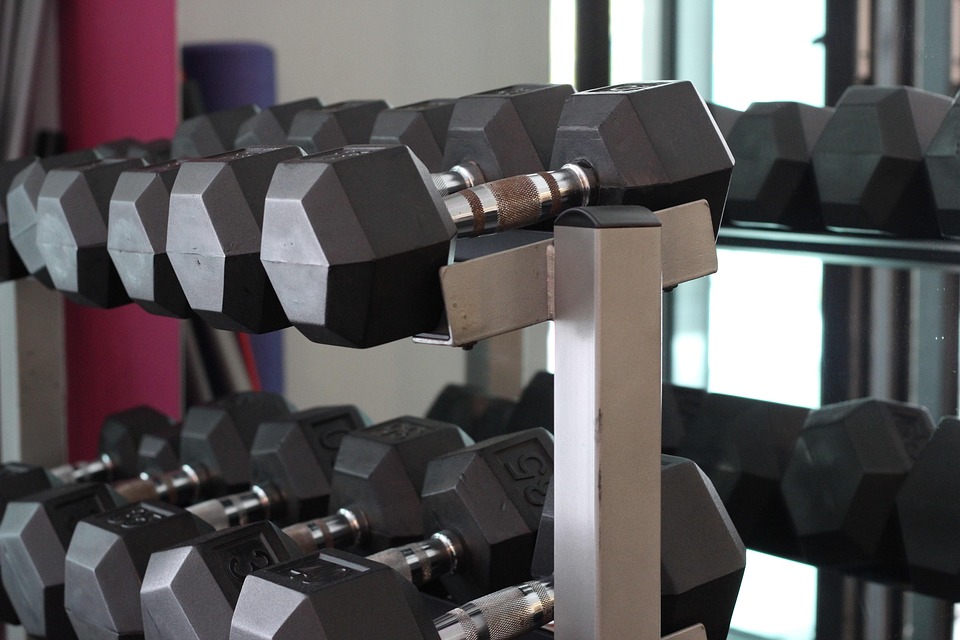
    Next, she set a budget and started researching affordable equipment options. She didn’t need to buy everything at once, so she prioritized the essentials and started with the basics. A good pair of dumbbells, a yoga mat, and a jump rope are all great places to start. She also looked into second-hand stores, garage sales, and online marketplaces for gently used equipment at a fraction of the cost.

    Sweat on a Shoestring: Affordable Equipment Options

    One of the biggest misconceptions about creating a home gym on a budget is that you need to sacrifice quality for affordability. Not true! There are plenty of affordable equipment options out there that can provide a great workout without breaking the bank. She’s found that resistance bands, for example, are a great alternative to expensive weight machines. They’re lightweight, portable, and can be used for a variety of exercises.

    Another affordable option is bodyweight exercises. She’s learned to love the simplicity of push-ups, squats, and lunges, which can be done anywhere, anytime. And for those who prefer a more structured workout, there are plenty of free online resources and workout videos that can provide guidance and motivation.

    DIY Delights: Creating Your Own Equipment

    She’s also discovered the joy of DIY equipment. With a little creativity, you can create your own workout gear using household items. For example, a water bottle or can of soup can make a great makeshift dumbbell, while a towel or sheet can be used as a resistance band. She’s even used a chair or bench as a makeshift step or bench press.

    Getting creative with DIY equipment not only saves money, but it also adds a fun and playful element to your workout routine. And who knows, you might just discover a new favorite exercise or piece of equipment. The key is to think outside the box and experiment with different materials and techniques.

    Home Gym on a Budget: Tips and Tricks

    So, how can you create a home gym on a budget that actually works? Here are a few tips and tricks to get you started:

    • Start small and prioritize the essentials. You don’t need to buy everything at once, so focus on the basics and build from there.
    • Shop around and compare prices. Look for deals and discounts online, and don’t be afraid to negotiate.
    • Consider second-hand or gently used equipment. You can often find great deals on lightly used gear that’s still in great condition.
    • Get creative with DIY equipment. Think outside the box and experiment with different materials and techniques.
    • Use free online resources and workout videos to guide your workout routine.

    Sweating on a Shoestring: The Benefits of a Home Gym

    So, why create a home gym on a budget in the first place? For her, the benefits are numerous. For one, it’s convenient – she can work out anytime, anywhere, without having to worry about gym hours or commute time. It’s also cost-effective, saving her money on gym memberships and transportation costs.

    But perhaps the biggest benefit is the flexibility and freedom that comes with working out at home. She can create her own routine, try new exercises, and experiment with different techniques without feeling self-conscious or intimidated. And with the money she’s saved, she can invest in other areas of her health and wellness, like healthy food or spa treatments.

    Conclusion

    Creating a home gym on a budget is all about being resourceful, creative, and determined. With a little bit of planning and experimentation, you can create a functional and effective workout space that fits your needs and budget. Whether you’re a fitness enthusiast or just starting out, sweating on a shoestring can be a great way to get in shape without breaking the bank. So why not give it a try? Your body – and your wallet – will thank you.

    Frequently Asked Questions

    Q: How much does it cost to create a home gym on a budget?
    A: The cost of creating a home gym on a budget can vary depending on the equipment and materials you choose. However, with a little creativity and resourcefulness, you can create a functional workout space for under $100.

    Q: What are some essential pieces of equipment for a home gym on a budget?
    A: Some essential pieces of equipment for a home gym on a budget include dumbbells, a yoga mat, and a jump rope. You can also consider resistance bands, bodyweight exercises, and DIY equipment.

    Q: How can I stay motivated and accountable with a home gym on a budget?
    A: Staying motivated and accountable with a home gym on a budget can be challenging, but there are several strategies you can try. These include setting goals and tracking progress, finding a workout buddy or accountability partner, and using free online resources and workout videos to guide your routine.

    Q: Is it safe to create a home gym on a budget?
    A: Yes, it is safe to create a home gym on a budget, as long as you take certain precautions. Make sure to research and understand proper form and technique, and start slowly to avoid injury. It’s also a good idea to consult with a healthcare professional or fitness expert before starting any new exercise routine.

    Q: Can I really get a good workout with a home gym on a budget?
    A: Absolutely! With a little creativity and resourcefulness, you can create a home gym on a budget that provides a great workout. The key is to focus on functional exercises that work multiple muscle groups at once, and to vary your routine to avoid plateaus and prevent overuse injuries.

    sweat-on-a-shoestring-how-to-create-a-home-gym-on-a-budget-target-keywords-home-gym-on-a-budget-sweat-on-a-shoestring
  • Sweat Dreams: How Sleep Impacts Fitness Performance and Athletic Success (Target keywords: sleep, fitness performance, athletic success)

    Sweat Dreams: How Sleep Impacts Fitness Performance and Athletic Success (Target keywords: sleep, fitness performance, athletic success)

    Sleep is a vital component of our daily lives, and its impact on our overall health and wellbeing is well-documented. However, for athletes and fitness enthusiasts, sleep plays a critical role in determining their fitness performance and athletic success. When it comes to achieving peak physical condition, a good night’s sleep is just as important as a rigorous training session or a healthy diet. In this article, we’ll delve into the world of sleep and explore how it affects fitness performance and athletic success.

    The Science of Sleep and Fitness Performance

    When we sleep, our body repairs and regenerates damaged cells, builds bone and muscle, and strengthens our immune system. During this time, our brain processes and consolidates memories, including those related to physical skills and techniques learned during the day. This is especially important for athletes, as it helps them to improve their performance and adapt to new training methods. Research has shown that sleep deprivation can significantly impair athletic performance, leading to decreased speed, strength, and accuracy.

    On the other hand, getting enough sleep has been shown to have a positive impact on fitness performance. Studies have found that athletes who get adequate sleep tend to perform better, with improved reaction times, faster sprinting speeds, and enhanced endurance. This is because sleep helps to regulate the body’s physiological processes, including the release of hormones that aid in muscle recovery and growth. For example, during deep sleep, the body releases growth hormone, which helps to repair and rebuild muscle tissue, making it essential for athletes who engage in high-intensity training.

    The Impact of Sleep on Athletic Success

    Athletic success is not just about physical performance; it’s also about mental toughness and focus. Sleep plays a critical role in both of these areas. When we’re well-rested, we’re more alert, focused, and better equipped to handle stress and pressure. This is especially important for athletes who compete at the highest level, where mental toughness and focus can be the difference between winning and losing.

    Moreover, sleep has been shown to have a positive impact on injury prevention and recovery. When we’re sleep-deprived, our reaction times are slower, and our coordination and balance are impaired, making us more susceptible to injury. On the other hand, getting enough sleep helps to reduce inflammation, which can aid in the recovery process after an injury. This is especially important for athletes who engage in high-impact sports, such as football or rugby, where injuries are common.

    The Consequences of Sleep Deprivation on Fitness Performance

    Sleep deprivation can have serious consequences for athletes and fitness enthusiasts. When we don’t get enough sleep, our body’s ability to recover from exercise is impaired, leading to decreased performance and increased risk of injury. Additionally, sleep deprivation can lead to decreased motivation, making it harder to stick to a training program or diet. This can have a negative impact on athletic success, as a lack of motivation can lead to decreased performance and a lack of progress.

    Furthermore, sleep deprivation can also affect our appetite and metabolism, leading to weight gain and decreased physical performance. When we’re sleep-deprived, our body produces more ghrelin, a hormone that stimulates appetite, and less leptin, a hormone that suppresses appetite. This can lead to overeating and poor food choices, which can have a negative impact on athletic performance and overall health.

    Optimizing Sleep for Fitness Performance and Athletic Success

    So, how can athletes and fitness enthusiasts optimize their sleep to improve their fitness performance and athletic success? The first step is to establish a consistent sleep schedule, going to bed and waking up at the same time every day, including weekends. This helps to regulate the body’s internal clock and can improve the quality of sleep.

    Creating a sleep-conducive environment is also essential. This includes keeping the bedroom cool, dark, and quiet, and investing in a comfortable mattress and pillows. Avoiding caffeine, nicotine, and electronics before bedtime can also help to improve sleep quality. Additionally, avoiding heavy meals close to bedtime and engaging in relaxing activities, such as reading or meditation, can help to wind down and prepare the body for sleep.

    The Role of Sleep in Recovery and Injury Prevention

    Sleep plays a critical role in the recovery process after exercise. When we sleep, our body repairs and regenerates damaged muscle tissue, rebuilds bone density, and strengthens our immune system. This is especially important for athletes who engage in high-intensity training, as it helps to reduce the risk of injury and improve overall performance.

    Moreover, sleep has been shown to have anti-inflammatory properties, which can aid in the recovery process after an injury. When we’re sleep-deprived, our body’s inflammatory response is increased, which can lead to chronic inflammation and decreased performance. On the other hand, getting enough sleep helps to regulate the body’s inflammatory response, reducing the risk of chronic inflammation and improving overall health.

    The Impact of Sleep on Mental Performance and Focus

    Sleep has a significant impact on mental performance and focus, which is essential for athletic success. When we’re well-rested, we’re more alert, focused, and better equipped to handle stress and pressure. This is especially important for athletes who compete at the highest level, where mental toughness and focus can be the difference between winning and losing.

    Moreover, sleep has been shown to improve cognitive function, including attention, memory, and decision-making. When we’re sleep-deprived, our cognitive function is impaired, making it harder to focus and make quick decisions. This can have a negative impact on athletic performance, as split-second decisions can be the difference between winning and losing.

    Conclusion

    In conclusion, sleep plays a critical role in determining fitness performance and athletic success. When we get enough sleep, our body repairs and regenerates damaged cells, builds bone and muscle, and strengthens our immune system. Additionally, sleep has a positive impact on mental performance and focus, which is essential for athletic success. On the other hand, sleep deprivation can have serious consequences, including decreased performance, increased risk of injury, and decreased motivation. By optimizing sleep and establishing a consistent sleep schedule, athletes and fitness enthusiasts can improve their fitness performance and athletic success.

    Frequently Asked Questions

    Q: How much sleep do athletes need?
    A: The amount of sleep athletes need varies depending on the individual and the type of sport they play. Generally, athletes need 7-9 hours of sleep per night to aid in recovery and improve performance.

    Q: Can sleep deprivation affect athletic performance?
    A: Yes, sleep deprivation can significantly impair athletic performance, leading to decreased speed, strength, and accuracy.

    Q: How can athletes optimize their sleep?
    A: Athletes can optimize their sleep by establishing a consistent sleep schedule, creating a sleep-conducive environment, and avoiding caffeine, nicotine, and electronics before bedtime.

    Q: Does sleep affect injury prevention and recovery?
    A: Yes, sleep plays a critical role in injury prevention and recovery. When we’re sleep-deprived, our reaction times are slower, and our coordination and balance are impaired, making us more susceptible to injury. On the other hand, getting enough sleep helps to reduce inflammation, which can aid in the recovery process after an injury.

    Q: Can sleep improve mental performance and focus?
    A: Yes, sleep has a significant impact on mental performance and focus. When we’re well-rested, we’re more alert, focused, and better equipped to handle stress and pressure.

    sweat-dreams-how-sleep-impacts-fitness-performance-and-athletic-success-target-keywords-sleep-fitness-performance-athletic-success

  • Sweat Smarter: The Ultimate Guide to Selecting the Perfect Gym for Your Fitness Goals

    Sweat Smarter: The Ultimate Guide to Selecting the Perfect Gym for Your Fitness Goals

    When it comes to achieving fitness goals, having the right environment and support system is crucial. For many, this means finding a gym that not only meets their needs but also motivates them to sweat smarter. With so many options available, selecting the perfect gym can be overwhelming, especially for those new to the fitness scene. In this article, we’ll delve into the world of fitness centers and provide a comprehensive guide on how to choose the ideal gym for your unique fitness goals.

    Understanding Your Fitness Goals
    Before embarking on the search for the perfect gym, it’s essential to understand what you want to achieve. Are you looking to lose weight, build muscle, or increase endurance? Perhaps you’re interested in group fitness classes or prefer a more personalized approach with personal training. Identifying your fitness goals will help you narrow down your options and find a gym that caters to your specific needs. For instance, if you’re interested in weightlifting, you’ll want to look for a gym with a well-equipped weight room and experienced personal trainers who can provide guidance on proper form and technique.

    Gym Amenities: What to Look For
    When evaluating gyms, it’s not just about the equipment and facilities; it’s also about the amenities that enhance your overall fitness experience. Some key amenities to consider include:

    • Group fitness classes: A variety of classes, such as yoga, Pilates, spin classes, and HIIT (High-Intensity Interval Training), can add diversity to your workout routine and help you sweat smarter.
    • Personal training: One-on-one or small group training sessions with certified personal trainers can provide personalized attention and help you achieve your fitness goals faster.
    • Nutrition counseling: Many gyms offer nutrition counseling or partnerships with nutritionists to help you develop a balanced diet that supports your fitness goals.
    • Childcare services: For parents, gyms with childcare services can be a game-changer, allowing you to work out while your little ones are taken care of.
    • Cleanliness and maintenance: A clean and well-maintained gym is essential for a comfortable and healthy workout experience.

    Gym Atmosphere: Finding Your Tribe
    The gym atmosphere can make or break your fitness experience. You want to find a gym that makes you feel motivated, supported, and inspired to sweat smarter. Consider the following:

    • Community: A gym with a strong sense of community can be incredibly motivating. Look for gyms with social events, workout challenges, and support groups.
    • Music and ambiance: The right music and ambiance can enhance your workout experience. Some gyms offer silent workouts, while others have live DJs or pumping playlists.
    • Staff and trainers: Friendly, knowledgeable, and supportive staff and personal trainers can make a significant difference in your fitness journey.

    Gym Membership Options: What’s Right for You?
    Gym membership options can vary greatly, and it’s essential to choose one that aligns with your fitness goals and budget. Consider the following:

    • Monthly membership: A monthly membership provides flexibility and allows you to cancel or change your membership at any time.
    • Annual membership: An annual membership can offer cost savings and commitment to your fitness goals.
    • Contract-free membership: Some gyms offer contract-free membership options, which provide flexibility and freedom to cancel at any time.
    • Trial membership: Many gyms offer trial memberships or guest passes, allowing you to experience the gym before committing to a membership.

    Tips for Finding the Perfect Gym
    With so many gyms to choose from, it can be challenging to find the perfect one. Here are some tips to help you in your search:

    • Read reviews: Check online reviews from current or former members to get an idea of the gym’s strengths and weaknesses.
    • Take a tour: Visit the gym in person to get a feel for the atmosphere, equipment, and facilities.
    • Ask questions: Don’t be afraid to ask gym staff and personal trainers questions about their services, amenities, and membership options.
    • Try before you buy: Take advantage of trial memberships or guest passes to experience the gym before committing to a membership.

    Conclusion
    Finding the perfect gym for your fitness goals requires research, patience, and a clear understanding of what you want to achieve. By considering gym amenities, atmosphere, and membership options, you can make an informed decision and set yourself up for success. Remember, sweating smarter is not just about the gym you choose, but also about the community, support, and motivation you surround yourself with. So, take the time to find your perfect gym, and get ready to sweat smarter on your journey to achieving your fitness goals.

    Frequently Asked Questions
    Q: What’s the best type of gym for beginners?
    A: The best type of gym for beginners is one that offers a supportive atmosphere, group fitness classes, and personal training options.
    Q: How much does a gym membership cost?
    A: Gym membership costs vary depending on the gym, location, and membership options. On average, gym memberships can range from $30 to $100 per month.
    Q: What’s the difference between a gym and a fitness studio?
    A: A gym typically offers a wider range of equipment and facilities, while a fitness studio focuses on group fitness classes and specialized workouts.
    Q: Can I try a gym before committing to a membership?
    A: Yes, many gyms offer trial memberships or guest passes, allowing you to experience the gym before committing to a membership.
    Q: How do I know if a gym is clean and well-maintained?
    A: Look for gyms with a strong focus on cleanliness and maintenance, and pay attention to the equipment, facilities, and staff during your visit.

    sweat-smarter-the-ultimate-guide-to-selecting-the-perfect-gym-for-your-fitness-goals

  • Sweat vs. Shots: How Alcohol Affects Your Fitness Goals and What You Can Do About It (Target keywords: alcohol and fitness, fitness goals)

    Sweat vs. Shots: How Alcohol Affects Your Fitness Goals and What You Can Do About It (Target keywords: alcohol and fitness, fitness goals)

    When it comes to achieving fitness goals, many individuals focus on creating a balanced diet and consistent exercise routine. However, there’s another factor that can significantly impact progress: alcohol consumption. The relationship between alcohol and fitness is complex, and understanding how it affects the body can help individuals make informed decisions about their lifestyle choices. In this article, we’ll delve into the effects of alcohol on fitness goals, exploring the ways in which it can hinder or help progress, and providing tips on how to maintain a healthy balance between alcohol and fitness.

    The Impact of Alcohol on Fitness Goals

    Regular alcohol consumption can have both short-term and long-term effects on the body, many of which can negatively impact fitness goals. In the short term, alcohol can disrupt sleep patterns, leading to fatigue and decreased motivation to exercise. Additionally, alcohol can cause dehydration, which can lead to decreased athletic performance and increased risk of injury. In the long term, excessive alcohol consumption can lead to weight gain, decreased muscle mass, and a range of other health problems that can make it more challenging to achieve fitness goals.

    One of the primary ways in which alcohol affects fitness is by impacting the body’s ability to recover from exercise. When we exercise, our muscles undergo micro-tears, which must be repaired in order to grow stronger. Alcohol can disrupt this process, reducing the body’s ability to recover and adapt to exercise. This can lead to decreased progress, increased risk of injury, and a range of other negative consequences for fitness goals.

    The Calorie Conundrum: How Alcohol Affects Weight Loss

    For individuals trying to lose weight or maintain weight loss, alcohol can be a significant obstacle. Alcoholic beverages are high in calories, with a single serving of beer or wine ranging from 100 to 200 calories. While an occasional drink may not seem like a significant issue, regular alcohol consumption can lead to a substantial calorie surplus, making it more challenging to achieve weight loss fitness goals.

    Furthermore, alcohol can also increase cravings for unhealthy foods, leading to poor dietary choices that can further hinder progress. When we consume alcohol, our inhibitions are lowered, making it more likely that we’ll reach for high-calorie, high-fat foods that can derail our fitness goals. By being mindful of alcohol consumption and its impact on dietary choices, individuals can make more informed decisions about their lifestyle and take steps to maintain a healthy balance between alcohol and fitness.

    The Good News: Moderate Alcohol Consumption and Fitness

    While excessive alcohol consumption can have negative effects on fitness goals, moderate alcohol consumption may actually have some benefits. Moderate alcohol consumption, defined as up to one drink per day for women and up to two drinks per day for men, has been shown to have anti-inflammatory effects, which can help reduce muscle soreness and improve recovery after exercise. Additionally, alcohol has been shown to have antioxidant properties, which can help protect against cell damage and promote overall health.

    For individuals who enjoy alcoholic beverages and are looking to maintain a healthy balance between alcohol and fitness, there are several strategies that can help. Firstly, it’s essential to prioritize fitness goals and ensure that alcohol consumption is not interfering with progress. This may involve reducing the frequency or amount of alcohol consumed, or finding alternative ways to socialize and relax that don’t involve alcohol.

    Strategies for Balancing Alcohol and Fitness

    For individuals looking to maintain a healthy balance between alcohol and fitness, there are several strategies that can help. Firstly, it’s essential to set clear fitness goals and prioritize progress. This may involve creating a workout routine and sticking to it, even on weekends or days off. Additionally, individuals can make healthier dietary choices, focusing on whole, nutrient-dense foods that support fitness goals.

    When it comes to alcohol consumption, individuals can take several steps to reduce the negative impacts on fitness goals. Firstly, it’s essential to drink in moderation, avoiding excessive alcohol consumption that can lead to dehydration, poor dietary choices, and decreased motivation. Additionally, individuals can choose lower-calorie alcoholic beverages, such as spirits or wine, and avoid high-calorie mixers and additives.

    Conclusion

    Achieving fitness goals requires a balanced approach that takes into account diet, exercise, and lifestyle choices. While alcohol consumption can have negative effects on fitness goals, moderate alcohol consumption may actually have some benefits. By understanding the impact of alcohol on fitness and taking steps to maintain a healthy balance between alcohol and fitness, individuals can make informed decisions about their lifestyle and achieve their fitness goals. Whether you’re a casual drinker or a fitness enthusiast, being mindful of alcohol consumption and its effects on the body can help you make progress towards a healthier, happier you.

    Frequently Asked Questions

    Q: How much alcohol is too much for fitness goals?
    A: The amount of alcohol that is too much for fitness goals will vary depending on the individual and their specific fitness goals. However, excessive alcohol consumption, defined as more than one drink per day for women and more than two drinks per day for men, can have negative effects on fitness goals.

    Q: Can I still achieve fitness goals if I drink alcohol regularly?
    A: Yes, it is possible to achieve fitness goals while still consuming alcohol regularly. However, it’s essential to prioritize fitness goals and make informed decisions about alcohol consumption. This may involve reducing the frequency or amount of alcohol consumed, or finding alternative ways to socialize and relax that don’t involve alcohol.

    Q: How can I reduce the negative impacts of alcohol on fitness?
    A: To reduce the negative impacts of alcohol on fitness, individuals can take several steps. Firstly, it’s essential to drink in moderation, avoiding excessive alcohol consumption. Additionally, individuals can choose lower-calorie alcoholic beverages, avoid high-calorie mixers and additives, and prioritize fitness goals by creating a workout routine and sticking to it.

    Q: Are there any benefits to alcohol consumption for fitness?
    A: Yes, moderate alcohol consumption may have some benefits for fitness, including anti-inflammatory effects and antioxidant properties. However, it’s essential to prioritize fitness goals and make informed decisions about alcohol consumption to avoid negative effects on progress.

    sweat-vs-shots-how-alcohol-affects-your-fitness-goals-and-what-you-can-do-about-it-target-keywords-alcohol-and-fitness-fitness-goals

  • Sweat Your Way to Better Health: Top 10 Benefits of Regular Exercise (Target keywords: regular exercise, health benefits)

    Sweat Your Way to Better Health: Top 10 Benefits of Regular Exercise (Target keywords: regular exercise, health benefits)

    Regular exercise is one of the most effective ways to improve overall health and wellbeing. By incorporating physical activity into daily routine, individuals can experience a wide range of health benefits that can have a significant impact on their quality of life. In this article, we will explore the top 10 benefits of regular exercise and discuss how it can help individuals sweat their way to better health.

    Getting Started with Regular Exercise

    For many people, starting a new exercise routine can be daunting. It’s easy to get caught up in excuses and put off physical activity until tomorrow, next week, or next month. However, the sooner individuals start exercising regularly, the sooner they can begin to experience the numerous health benefits that come with it. Whether it’s joining a gym, taking a fitness class, or simply going for a walk around the block, there are countless ways to get started with regular exercise. The key is to find an activity that is enjoyable and that can be stuck to in the long term.

    Physical Health Benefits of Regular Exercise

    Regular exercise has a significant impact on physical health, and can help to reduce the risk of developing a range of chronic diseases. Some of the most significant physical health benefits of regular exercise include:

    • Weight Management: Regular exercise is essential for maintaining a healthy weight, as it helps to burn calories and build muscle mass. This can help to reduce the risk of obesity and related health problems, such as diabetes and heart disease.
    • Improved Cardiovascular Health: Exercise is great for the heart, and can help to lower blood pressure, improve circulation, and increase overall cardiovascular health. This can help to reduce the risk of heart disease, strokes, and other cardiovascular conditions.
    • Increased Strength and Flexibility: Regular exercise can help to build muscle mass and increase flexibility, making it easier to perform daily tasks and reduce the risk of injury.

    Mental Health Benefits of Regular Exercise

    In addition to the physical health benefits, regular exercise also has a significant impact on mental health and wellbeing. Some of the most significant mental health benefits of regular exercise include:

    • Reduced Stress and Anxiety: Exercise is a great way to reduce stress and anxiety, as it helps to release endorphins and improve mood. This can help to improve overall mental health and wellbeing.
    • Improved Sleep: Regular exercise can help to improve sleep quality, which is essential for overall health and wellbeing. This can help to reduce the risk of sleep disorders and related health problems.
    • Increased Self-Esteem: Exercise can help to boost self-esteem and confidence, as individuals see improvements in their physical health and wellbeing.

    Other Health Benefits of Regular Exercise

    In addition to the physical and mental health benefits, regular exercise also has a range of other benefits that can improve overall health and wellbeing. Some of the most significant benefits include:

    • Improved Bone Density: Exercise can help to improve bone density, which can reduce the risk of osteoporosis and related health problems.
    • Reduced Risk of Chronic Diseases: Regular exercise can help to reduce the risk of a range of chronic diseases, including heart disease, diabetes, and certain types of cancer.
    • Improved Immune Function: Exercise can help to improve immune function, which can reduce the risk of illness and infection.

    Top 10 Benefits of Regular Exercise

    In summary, the top 10 benefits of regular exercise include:

    1. Weight management
    2. Improved cardiovascular health
    3. Increased strength and flexibility
    4. Reduced stress and anxiety
    5. Improved sleep
    6. Increased self-esteem
    7. Improved bone density
    8. Reduced risk of chronic diseases
    9. Improved immune function
    10. Improved overall health and wellbeing

    Incorporating Regular Exercise into Daily Routine

    Incorporating regular exercise into daily routine can be challenging, but there are many ways to make it easier. Some tips include:

    • Finding an enjoyable activity: It’s essential to find an activity that is enjoyable, as this will make it more likely that individuals will stick to it in the long term.
    • Setting realistic goals: Setting realistic goals can help individuals stay motivated and focused on their exercise routine.
    • Finding a workout buddy: Having a workout buddy can provide motivation and support, making it more likely that individuals will stick to their exercise routine.

    Conclusion

    Regular exercise is one of the most effective ways to improve overall health and wellbeing. By incorporating physical activity into daily routine, individuals can experience a wide range of health benefits that can have a significant impact on their quality of life. Whether it’s joining a gym, taking a fitness class, or simply going for a walk around the block, there are countless ways to get started with regular exercise. By finding an enjoyable activity, setting realistic goals, and finding a workout buddy, individuals can make exercise a sustainable and enjoyable part of their daily routine.

    Frequently Asked Questions

    Q: How much exercise do I need to do to experience health benefits?
    A: The amount of exercise needed to experience health benefits can vary depending on individual goals and health status. However, the World Health Organization recommends at least 150 minutes of moderate-intensity aerobic physical activity per week.

    Q: What type of exercise is best for me?
    A: The best type of exercise is one that is enjoyable and that can be stuck to in the long term. This can include activities such as walking, running, swimming, cycling, or group fitness classes.

    Q: How do I get started with regular exercise?
    A: Getting started with regular exercise can be as simple as finding an activity that is enjoyable and setting realistic goals. It’s also a good idea to find a workout buddy or join a fitness class to provide motivation and support.

    Q: What are the health benefits of regular exercise?
    A: The health benefits of regular exercise are numerous and can include weight management, improved cardiovascular health, increased strength and flexibility, reduced stress and anxiety, and improved overall health and wellbeing.

    Q: How often should I exercise?
    A: The frequency of exercise can vary depending on individual goals and health status. However, it’s generally recommended to aim for at least 30 minutes of moderate-intensity aerobic physical activity per day, five days per week.

    sweat-your-way-to-better-health-top-10-benefits-of-regular-exercise-target-keywords-regular-exercise-health-benefits

  • Sweat and Stress: How Chronic Stress Affects Your Fitness Journey (target keywords: stress, fitness journey)

    Sweat and Stress: How Chronic Stress Affects Your Fitness Journey (target keywords: stress, fitness journey)

    She’s been on her fitness journey for months now, consistently hitting the gym and pushing herself to new limits. However, despite her best efforts, she’s started to notice that she’s not seeing the results she wants. She’s feeling tired, sluggish, and her workouts just don’t seem to be as effective as they used to be. What’s going on? The answer might lie in the amount of stress she’s been under lately. Chronic stress can have a significant impact on our fitness journey, affecting everything from our motivation to our physical performance.

    ## Understanding Stress and Its Effects on the Body

    When we think of stress, we often think of it as a mental or emotional state. However, stress also has a profound impact on our physical body. When we experience stress, our body goes into “fight or flight” mode, releasing hormones like cortisol and adrenaline into our system. These hormones prepare our body to either fight or flee from the stressor, causing our heart rate to increase, our blood pressure to rise, and our energy levels to surge. While this response is helpful in short-term, high-pressure situations, chronic stress can be detrimental to our health and fitness journey.

    Chronic stress causes our body to be in a constant state of alert, leading to fatigue, insomnia, and a weakened immune system. It can also affect our digestive system, leading to stomach problems, bloating, and weight gain. But how does this relate to our fitness journey? The answer lies in the way stress affects our body’s ability to recover from exercise. When we’re under chronic stress, our body’s recovery processes are slowed down, making it harder for our muscles to repair and rebuild after a workout. This can lead to decreased performance, increased risk of injury, and a general feeling of burnout.

    ## The Impact of Stress on Motivation and Exercise

    She’s been feeling really motivated to hit the gym and crush her fitness goals, but lately, she’s been struggling to get out of bed in the morning. The thought of going to the gym feels overwhelming, and she just can’t seem to muster up the energy to get moving. This is a common phenomenon when it comes to stress and fitness. Chronic stress can affect our motivation and desire to exercise, making it harder to stick to our fitness routine.

    When we’re under stress, our brain is focused on survival mode, making it harder to think about our long-term fitness goals. We might feel like we just don’t have the time or energy to exercise, or that it’s not a priority. But the truth is, exercise is one of the best ways to manage stress and improve our overall health. Regular physical activity can help reduce cortisol levels, improve mood, and increase energy levels. So, how can we overcome this motivation slump and get back on track with our fitness journey?

    ## Managing Stress and Improving Fitness

    One of the most effective ways to manage stress and improve our fitness journey is to prioritize recovery. This means getting enough sleep, eating a balanced diet, and taking rest days when we need them. It’s also important to incorporated stress-reducing activities into our daily routine, such as meditation, yoga, or deep breathing exercises. These activities can help calm our mind and body, reducing cortisol levels and improving our overall sense of well-being.

    In addition to recovery and stress-reducing activities, it’s also important to find ways to make our fitness routine more enjoyable and manageable. This might mean finding a workout buddy, trying a new type of exercise, or incorporating activities that we love into our routine. By making our fitness journey more enjoyable, we can increase our motivation and reduce our stress levels, making it easier to stick to our goals.

    ## The Role of Nutrition in Managing Stress and Fitness

    What we eat plays a critical role in our fitness journey, and it’s especially important when it comes to managing stress. A balanced diet that includes plenty of fruits, vegetables, whole grains, and lean protein can help support our physical health and reduce our stress levels. Certain foods, such as salmon, spinach, and sweet potatoes, are rich in antioxidants and omega-3 fatty acids, which can help reduce inflammation and improve mood.

    On the other hand, a diet that is high in processed foods, sugar, and saturated fats can exacerbate stress and negatively impact our fitness journey. These foods can cause energy crashes, mood swings, and inflammation, making it harder to recover from exercise and achieve our fitness goals. By prioritizing whole, nutrient-dense foods, we can support our physical health, reduce our stress levels, and improve our overall sense of well-being.

    ## Overcoming Chronic Stress and Achieving Fitness Goals

    She’s been struggling with chronic stress and fitness for months now, but she’s determined to overcome it and achieve her goals. She’s started prioritizing recovery, incorporating stress-reducing activities into her daily routine, and focusing on whole, nutrient-dense foods. She’s also found ways to make her fitness routine more enjoyable, such as trying new types of exercise and finding a workout buddy.

    As she continues on her fitness journey, she’s learned that it’s okay to take things one step at a time. She doesn’t have to be perfect, and it’s okay to have off days. The most important thing is that she’s taking care of herself, both physically and mentally, and that she’s making progress towards her goals. By managing stress and prioritizing recovery, she’s able to perform at her best, both in and out of the gym.

    ## Conclusion

    Chronic stress can have a significant impact on our fitness journey, affecting our motivation, physical performance, and overall sense of well-being. By prioritizing recovery, incorporating stress-reducing activities into our daily routine, and focusing on whole, nutrient-dense foods, we can manage stress and improve our fitness journey. It’s not always easy, and it’s okay to take things one step at a time. But with patience, persistence, and the right strategies, we can overcome chronic stress and achieve our fitness goals.

    ## FAQs

    Q: How does chronic stress affect my fitness journey?
    A: Chronic stress can affect your motivation, physical performance, and overall sense of well-being, making it harder to stick to your fitness routine and achieve your goals.

    Q: What are some effective ways to manage stress and improve my fitness journey?
    A: Effective ways to manage stress and improve your fitness journey include prioritizing recovery, incorporating stress-reducing activities into your daily routine, and focusing on whole, nutrient-dense foods.

    Q: How can I make my fitness routine more enjoyable and manageable?
    A: You can make your fitness routine more enjoyable and manageable by finding a workout buddy, trying new types of exercise, and incorporating activities that you love into your routine.

    Q: What role does nutrition play in managing stress and fitness?
    A: Nutrition plays a critical role in managing stress and fitness, as a balanced diet that includes plenty of fruits, vegetables, whole grains, and lean protein can help support your physical health and reduce your stress levels.

    Q: How can I overcome chronic stress and achieve my fitness goals?
    A: You can overcome chronic stress and achieve your fitness goals by prioritizing recovery, incorporating stress-reducing activities into your daily routine, and focusing on whole, nutrient-dense foods. It’s also important to be patient, persistent, and kind to yourself, taking things one step at a time and celebrating your progress along the way.
    sweat-and-stress-how-chronic-stress-affects-your-fitness-journey-target-keywords-stress-fitness-journey

  • Sweat and Sanity: Why Mental Health Matters in Your Fitness Journey

    Sweat and Sanity: Why Mental Health Matters in Your Fitness Journey

    As she laces up her sneakers and heads to the gym, Sarah can’t help but feel a mix of emotions. On one hand, she’s excited to push her body to new limits and feel the rush of endorphins that comes with a great workout. On the other hand, she’s anxious about how her mental health will hold up under the pressure of her fitness journey. Will she be able to quiet her inner critic and focus on her goals, or will the stress of it all start to take a toll on her sanity?

    For many people, the pursuit of physical fitness is closely tied to mental well-being. When we’re feeling strong and capable in our bodies, it can be a huge boost to our self-esteem and overall sense of confidence. But what happens when the pressure to perform starts to weigh on our minds? How do we balance the desire to push ourselves to new heights with the need to prioritize our mental health and maintain our sanity?

    The Importance of Mental Health in Fitness

    When it comes to fitness, mental health is just as important as physical health. In fact, research has shown that there is a significant link between exercise and mental well-being. Regular physical activity has been shown to reduce symptoms of anxiety and depression, improve mood, and even enhance cognitive function. But despite these benefits, many people struggle to prioritize their mental health in the midst of their fitness journey.

    One of the main reasons for this is the pressure to conform to societal standards of beauty and fitness. We’re constantly bombarded with images of perfect bodies and fitness influencers who seem to have it all together. It’s easy to get caught up in the idea that we need to look a certain way or achieve a certain level of fitness in order to be worthy. But the truth is, this kind of thinking can be damaging to our mental health. When we’re focused on external validation rather than internal fulfillment, we can start to lose sight of what’s truly important.

    Sweat and Self-Care

    So how do we prioritize our mental health in the midst of our fitness journey? One of the most important things we can do is focus on self-care. This means taking the time to listen to our bodies and honor their needs, rather than pushing ourselves too hard and risking burnout. It means prioritizing activities that bring us joy and help us relax, such as yoga or meditation. And it means being kind to ourselves, rather than beating ourselves up over setbacks or perceived failures.

    For Sarah, this means taking rest days when she needs them, rather than trying to power through and risk injury. It means focusing on progressive overload and celebrating small victories, rather than getting discouraged by plateaus. And it means reminding herself that fitness is a journey, not a destination – and that every step forward, no matter how small, is a step in the right direction.

    The Power of Mindfulness

    Another key aspect of prioritizing mental health in fitness is mindfulness. This means being present in the moment and fully engaged in our workouts, rather than zoning out or getting caught up in distractions. It means paying attention to our breath and our body, and honoring its needs and limitations. And it means cultivating a sense of awareness and self-compassion, rather than self-criticism.

    One way to cultivate mindfulness in fitness is through activities like yoga or Pilates. These practices combine physical movement with deep breathing and meditation techniques, helping us to quiet our minds and tune into our bodies. They also help us develop greater body awareness and self-acceptance, which can be a huge boost to our mental health and overall sense of well-being.

    Overcoming Obstacles and Staying Motivated

    Despite the importance of mental health in fitness, many people struggle to stay motivated and overcome obstacles. One of the main reasons for this is the fear of failure or not meeting our expectations. We set high goals for ourselves and then get discouraged when we don’t meet them, rather than celebrating our progress and learning from our setbacks.

    To overcome this, it’s essential to focus on progress, not perfection. This means setting realistic goals and celebrating small victories, rather than getting caught up in all-or-nothing thinking. It means reminding ourselves that fitness is a journey, not a destination – and that every step forward, no matter how small, is a step in the right direction. And it means being kind to ourselves, rather than beating ourselves up over setbacks or perceived failures.

    Conclusion

    In conclusion, mental health matters in our fitness journey. It’s essential to prioritize self-care, mindfulness, and self-compassion, rather than getting caught up in external validation or societal pressure. By focusing on progress, not perfection, and celebrating small victories, we can cultivate a positive and healthy relationship with exercise and our bodies. And by reminding ourselves that fitness is a journey, not a destination, we can stay motivated and overcome obstacles, even when the going gets tough.

    Frequently Asked Questions

    Q: How do I prioritize my mental health in my fitness journey?
    A: Prioritize self-care, mindfulness, and self-compassion, and focus on progress, not perfection.

    Q: What are some activities that can help me cultivate mindfulness in fitness?
    A: Activities like yoga or Pilates combine physical movement with deep breathing and meditation techniques, helping you to quiet your mind and tune into your body.

    Q: How do I overcome obstacles and stay motivated in my fitness journey?
    A: Focus on progress, not perfection, and celebrate small victories. Remind yourself that fitness is a journey, not a destination – and that every step forward, no matter how small, is a step in the right direction.

    Q: Why is it essential to prioritize mental health in fitness?
    A: Prioritizing mental health in fitness can help reduce symptoms of anxiety and depression, improve mood, and even enhance cognitive function. It can also help you cultivate a positive and healthy relationship with exercise and your body.

    Q: How do I know if I’m pushing myself too hard and risking burnout?
    A: Pay attention to your body and honor its needs. Take rest days when you need them, and focus on progressive overload and celebrating small victories, rather than getting discouraged by plateaus.

    sweat-and-sanity-why-mental-health-matters-in-your-fitness-journey

  • Sweat, Succeed, Repeat: 10 Fitness Challenges to Transform Your Body (Target keywords: fitness challenges, body transformation)

    Sweat, Succeed, Repeat: 10 Fitness Challenges to Transform Your Body (Target keywords: fitness challenges, body transformation)

    She’s always been fascinated by the world of fitness, and the countless ways it can transform a person’s life. For those looking to push their bodies to the limit and achieve a stunning body transformation, there’s no shortage of fitness challenges to try. From marathon running to weightlifting, the options are endless, and the sense of accomplishment that comes with completing one is unparalleled.

    One of the most significant benefits of taking on fitness challenges is the physical transformation that occurs. Regular exercise and a healthy diet can work wonders on the body, melting away fat, building muscle, and increasing overall strength and endurance. But it’s not just about the physical benefits – fitness challenges can also have a profound impact on mental health, boosting confidence, reducing stress, and improving overall wellbeing.

    For those just starting out on their fitness journey, it can be daunting to know where to begin. With so many different types of fitness challenges out there, it’s essential to choose one that’s tailored to your specific goals and fitness level. Whether you’re a seasoned athlete or a complete beginner, there’s a fitness challenge out there to suit your needs.

    Fitness Challenges for Beginners

    For those new to the world of fitness, it’s essential to start with challenges that are achievable and won’t put too much strain on the body. Some excellent options for beginners include:

    • Couch to 5K: A running program designed for complete beginners, which gradually increases in intensity over time.
    • Bodyweight exercises: A series of exercises that use the weight of your own body as resistance, such as push-ups, squats, and lunges.
    • Yoga challenges: A series of yoga poses and routines designed to improve flexibility, balance, and overall wellbeing.

    Fitness Challenges for Intermediate Athletes

    For those with a bit more experience under their belt, there are plenty of fitness challenges that can help take their training to the next level. Some excellent options include:

    • Marathon training: A structured program designed to help runners build up the endurance and stamina needed to complete a full marathon.
    • Weightlifting challenges: A series of exercises and routines designed to increase strength and muscle mass.
    • High-Intensity Interval Training (HIIT): A type of workout that involves short bursts of intense exercise, followed by brief periods of rest.

    Fitness Challenges for Advanced Athletes

    For seasoned athletes looking for a new challenge, there are plenty of options to choose from. Some excellent examples include:

    • Triathlon training: A program designed to help athletes complete a triathlon, which involves swimming, cycling, and running.
    • Ultra-marathon training: A structured program designed to help runners build up the endurance and stamina needed to complete an ultra-marathon.
    • Strength training challenges: A series of exercises and routines designed to increase overall strength and muscle mass.

    The Importance of Nutrition

    While fitness challenges are an excellent way to transform your body, a healthy diet is also essential for achieving optimal results. A balanced diet that’s rich in protein, complex carbohydrates, and healthy fats can help fuel your workouts, aid in recovery, and support overall health and wellbeing.

    Some excellent nutrition tips for those taking on fitness challenges include:

    • Eating plenty of protein: Protein is essential for building and repairing muscle tissue, making it a crucial component of any fitness diet.
    • Staying hydrated: Drinking plenty of water is essential for staying hydrated and aiding in recovery.
    • Avoiding processed foods: Processed foods are high in sugar, salt, and unhealthy fats, making them a poor choice for those looking to transform their body.

    Staying Motivated

    One of the biggest challenges of taking on a fitness challenge is staying motivated. It’s easy to get discouraged when progress is slow, or when the going gets tough. However, with the right mindset and support, it’s possible to overcome these obstacles and achieve your goals.

    Some excellent tips for staying motivated include:

    • Finding a workout buddy: Having someone to hold you accountable and share the experience with can make all the difference.
    • Tracking progress: Keeping track of your progress, whether it’s through photos, measurements, or workouts, can help you see how far you’ve come.
    • Rewarding yourself: Treating yourself to something special after reaching a milestone can help keep you motivated and engaged.

    Conclusion

    Taking on fitness challenges is an excellent way to transform your body and improve your overall health and wellbeing. With so many different types of challenges to choose from, there’s something to suit every fitness level and goal. Whether you’re a seasoned athlete or a complete beginner, the sense of accomplishment that comes with completing a fitness challenge is unbeatable. So why not give it a try? With the right mindset, support, and nutrition, you can achieve a stunning body transformation and take your fitness to the next level.

    FAQs

    • What’s the best way to get started with fitness challenges?
      The best way to get started with fitness challenges is to choose one that’s tailored to your specific goals and fitness level. Whether you’re a seasoned athlete or a complete beginner, there’s a fitness challenge out there to suit your needs.
    • How do I stay motivated during a fitness challenge?
      Staying motivated during a fitness challenge can be tough, but there are several things you can do to help. Finding a workout buddy, tracking progress, and rewarding yourself can all help keep you motivated and engaged.
    • What’s the importance of nutrition during a fitness challenge?
      A healthy diet is essential for achieving optimal results during a fitness challenge. Eating plenty of protein, staying hydrated, and avoiding processed foods can all help fuel your workouts, aid in recovery, and support overall health and wellbeing.
    • Can I do fitness challenges at home?
      Yes, many fitness challenges can be done from the comfort of your own home. Bodyweight exercises, yoga challenges, and HIIT workouts are all excellent options that can be done without any special equipment.
    • How long does it take to see results from a fitness challenge?
      The amount of time it takes to see results from a fitness challenge can vary depending on the type of challenge and your individual goals. However, with consistent effort and dedication, it’s possible to see significant results in as little as a few weeks.

    sweat-succeed-repeat-10-fitness-challenges-to-transform-your-body-target-keywords-fitness-challenges-body-transformation

  • Sweat Consistency: How to Create a Workout Schedule That Actually Works (Target keywords: workout schedule, consistency)

    Sweat Consistency: How to Create a Workout Schedule That Actually Works (Target keywords: workout schedule, consistency)

    Creating a workout schedule that actually works is a game-changer for anyone looking to get in shape and maintain a healthy lifestyle. Consistency is key when it comes to seeing real results, and having a solid plan in place can make all the difference. In this article, we’ll dive into the world of sweat consistency and explore how to create a workout schedule that actually works.

    Understanding the Importance of Consistency

    When it comes to working out, consistency is everything. It’s easy to get motivated and hit the gym hard for a week or two, but without a solid plan in place, it’s easy to fall off the wagon. Consistency helps to build habits, increase motivation, and ultimately, see real results. A well-planned workout schedule takes into account your goals, lifestyle, and preferences, making it easier to stick to and see progress over time.

    Setting Goals and Priorities

    Before creating a workout schedule, it’s essential to set clear goals and priorities. What do you want to achieve? Do you want to lose weight, build muscle, or increase endurance? Identifying your goals will help you determine the type of workouts you should be doing and how often you should be doing them. It’s also important to consider your lifestyle and schedule, including your work hours, family commitments, and other activities that may impact your ability to work out.

    Creating a Workout Schedule That Works

    So, how do you create a workout schedule that actually works? Here are a few tips to get you started:

    • Start small: Don’t try to do too much too soon. Start with a manageable schedule and gradually increase the intensity and frequency of your workouts over time.
    • Be realistic: Take into account your schedule, lifestyle, and preferences when planning your workouts. If you’re not a morning person, don’t try to schedule a 6 am workout.
    • Vary your workouts: Mix up your routine to avoid plateaus and prevent overuse injuries. Include a combination of cardio, strength training, and flexibility exercises to keep things interesting and challenging.
    • Schedule rest days: Rest and recovery are just as important as the workouts themselves. Make sure to schedule rest days into your plan to allow your body to recover and rebuild.

    The Importance of Tracking Progress

    Tracking progress is a crucial part of any workout schedule. It helps to monitor progress, stay motivated, and make adjustments as needed. There are many ways to track progress, including:

    • Workout journals: Keep a journal to track your workouts, including the exercises you do, the weight you lift, and the distance you run.
    • Fitness apps: Use apps like MyFitnessPal, Strava, or Fitbit to track your workouts, nutrition, and progress over time.
    • Progress photos: Take progress photos to track visual changes in your body over time.

    Common Mistakes to Avoid

    When creating a workout schedule, there are several common mistakes to avoid. These include:

    • Overdoing it: Don’t try to do too much too soon. This can lead to burnout, injury, and a lack of motivation.
    • Lack of variety: Failing to mix up your routine can lead to plateaus and overuse injuries.
    • Inconsistent scheduling: Failing to schedule workouts consistently can make it difficult to stick to a routine and see progress over time.

    Staying Motivated and Accountable

    Staying motivated and accountable is crucial when it comes to maintaining a consistent workout schedule. Here are a few tips to help you stay on track:

    • Find a workout buddy: Having someone to hold you accountable and share the experience with can make working out more enjoyable and help you stay motivated.
    • Reward yourself: Set small rewards for yourself when you reach certain milestones or complete a challenging workout.
    • Join a fitness community: Joining a fitness community or online forum can provide support, motivation, and accountability.

    Conclusion

    Creating a workout schedule that actually works is all about consistency, planning, and tracking progress. By setting clear goals, varying your workouts, and scheduling rest days, you can create a plan that helps you achieve your fitness goals and maintain a healthy lifestyle. Remember to stay motivated and accountable by finding a workout buddy, rewarding yourself, and joining a fitness community. With the right mindset and plan in place, you can achieve anything you set your mind to.

    Frequently Asked Questions

    • Q: How often should I work out?
      A: The frequency of your workouts will depend on your goals and lifestyle. Aim to work out at least 3-4 times per week, with at least one day of rest in between.
    • Q: What type of workouts should I be doing?
      A: The type of workouts you should be doing will depend on your goals. If you’re looking to lose weight, you may want to focus on cardio exercises like running or cycling. If you’re looking to build muscle, you may want to focus on strength training exercises like weightlifting or resistance band exercises.
    • Q: How do I stay motivated?
      A: Staying motivated is all about finding what works for you. Try finding a workout buddy, rewarding yourself, or joining a fitness community to stay motivated and accountable.
    • Q: What if I miss a workout?
      A: Don’t worry if you miss a workout! Just get back on track as soon as possible and don’t let one missed workout derail your entire routine.
    • Q: How do I track progress?
      A: There are many ways to track progress, including workout journals, fitness apps, and progress photos. Find what works for you and use it to monitor your progress over time.

    sweat-consistency-how-to-create-a-workout-schedule-that-actually-works-target-keywords-workout-schedule-consistency

  • Sweat Smarter: Top 5 Benefits of High-Intensity Interval Training (HIIT) for a Fitter You (Target keywords: HIIT, High-Intensity Interval Training, Fitness)

    Sweat Smarter: Top 5 Benefits of High-Intensity Interval Training (HIIT) for a Fitter You (Target keywords: HIIT, High-Intensity Interval Training, Fitness)

    She’s always on the lookout for the most effective way to stay fit and healthy. With so many workout routines and exercises out there, it can be overwhelming to choose the right one. But, there’s one training method that has been gaining popularity in recent years, and that’s High-Intensity Interval Training, or HIIT for short. This type of workout involves short bursts of high-intensity exercise followed by brief periods of rest or low-intensity exercise. Sounds simple, but the benefits of HIIT are numerous, and she’s about to dive into the top 5 advantages of incorporating HIIT into her fitness routine.

    What is HIIT, Anyway?
    Before diving into the benefits, let’s take a closer look at what HIIT is all about. HIIT involves short periods of high-intensity exercise, typically lasting between 15-30 seconds, followed by a brief period of rest or low-intensity exercise. This cycle is repeated for 15-20 minutes, depending on the specific workout. The high-intensity intervals can be anything from sprints, burpees, jump squats, or even weightlifting. The idea is to push herself to the limit during the high-intensity periods, and then recover during the low-intensity periods. This type of training has been shown to be incredibly effective for improving cardiovascular health, increasing speed and agility, and boosting metabolism.

    Benefit #1: Time-Efficient
    One of the biggest advantages of HIIT is that it’s a time-efficient way to work out. With HIIT, she can get an amazing workout in just 15-20 minutes, which is perfect for those with busy schedules. Traditional workouts can take up to an hour or more, but HIIT packs a punch in a shorter amount of time. This means she can fit in a HIIT session during her lunch break, before work, or even after dinner. The short duration of HIIT workouts also makes it easier to stay motivated and avoid boredom.

    Benefit #2: Improved Cardiovascular Health
    HIIT is an excellent way to improve cardiovascular health. The high-intensity intervals get her heart rate up and push her cardiovascular system to its limits. This type of training has been shown to increase cardiovascular function, reduce blood pressure, and improve overall heart health. The benefits of HIIT on cardiovascular health are numerous, and it’s an excellent way to reduce the risk of heart disease, strokes, and other cardiovascular conditions.

    Benefit #3: Increased Caloric Burn
    HIIT is also an effective way to burn calories, both during and after the workout. The high-intensity intervals get her heart rate up and metabolism boosted, which means she’ll be burning more calories during the workout. But, the benefits don’t stop there. HIIT also has an afterburn effect, known as excess post-exercise oxygen consumption (EPOC), which means she’ll continue to burn calories at a higher rate after the workout. This can last for several hours, which is a great way to boost her metabolism and support weight loss.

    Benefit #4: Improved Insulin Sensitivity
    Another benefit of HIIT is improved insulin sensitivity. When she incorporates HIIT into her routine, she’ll be improving her body’s ability to regulate blood sugar levels. This is especially important for those with type 2 diabetes or those who are at risk of developing the condition. HIIT has been shown to improve insulin sensitivity, reduce blood sugar levels, and even reduce the risk of developing type 2 diabetes.

    Benefit #5: Increased Muscle Strength and Endurance
    Finally, HIIT is an excellent way to improve muscle strength and endurance. The high-intensity intervals can be modified to include strength training exercises, such as weightlifting or bodyweight exercises. This type of training will help her build stronger, leaner muscles, which is essential for overall fitness and health. The benefits of HIIT on muscle strength and endurance are numerous, and it’s an excellent way to improve athletic performance and reduce the risk of injury.

    Getting Started with HIIT
    Now that she knows the benefits of HIIT, it’s time to get started. The first step is to find a workout routine that includes HIIT. This can be anything from a gym class, a personal trainer, or even a workout video online. It’s essential to start slowly and gradually increase the intensity and duration of the workouts. She should also listen to her body and rest when needed, as HIIT can be challenging, especially for beginners.

    Tips for Incorporating HIIT into Her Fitness Routine
    Incorporating HIIT into her fitness routine can be simple. Here are a few tips to get her started:

    • Start with shorter intervals and gradually increase the duration as she gets more comfortable with the workout.
    • Incorporate a mix of cardio and strength training exercises to keep things interesting and prevent boredom.
    • Listen to her body and rest when needed. HIIT can be challenging, so it’s essential to take rest days and avoid overtraining.
    • Find a workout buddy or join a HIIT class to stay motivated and accountable.
    • Mix up the routine and try new exercises to avoid plateaus and prevent overuse injuries.

    Conclusion
    High-Intensity Interval Training is an excellent way to improve overall fitness and health. The benefits of HIIT are numerous, from improved cardiovascular health to increased muscle strength and endurance. With its time-efficient and calorie-burning benefits, HIIT is an excellent addition to any fitness routine. Whether she’s a beginner or an experienced athlete, HIIT is a great way to mix up her workout routine and achieve her fitness goals. By incorporating HIIT into her routine, she’ll be on her way to a fitter, healthier, and happier her.

    Frequently Asked Questions

    Q: What is HIIT, and how does it work?
    A: HIIT involves short periods of high-intensity exercise followed by brief periods of rest or low-intensity exercise. This cycle is repeated for 15-20 minutes, depending on the specific workout.

    Q: Is HIIT suitable for beginners?
    A: Yes, HIIT is suitable for beginners. It’s essential to start slowly and gradually increase the intensity and duration of the workouts.

    Q: How often should I do HIIT workouts?
    A: It’s recommended to do HIIT workouts 2-3 times per week, with at least one day of rest in between.

    Q: Can I do HIIT at home?
    A: Yes, you can do HIIT at home. There are many workout videos and tutorials available online that can guide you through a HIIT workout.

    Q: Is HIIT only for cardio exercises?
    A: No, HIIT can be modified to include strength training exercises, such as weightlifting or bodyweight exercises.

    Q: Can HIIT help with weight loss?
    A: Yes, HIIT can help with weight loss. The high-intensity intervals and afterburn effect can help boost metabolism and burn calories.

    sweat-smarter-top-5-benefits-of-high-intensity-interval-training-hiit-for-a-fitter-you-target-keywords-hiit-high-intensity-interval-training-fitness