Tag: Sugar

  • Smarter Snack Habits That Improve Blood Sugar Control, Boost Energy, and Increase Satiety

    Smarter Snack Habits That Improve Blood Sugar Control, Boost Energy, and Increase Satiety

    Snacks play a bigger role in daily energy and blood sugar control than many people realize. The types of snacks someone reaches for can either support steady energy or trigger spikes and crashes that lead to fatigue, cravings, and overeating.

    By focusing on healthy snack swaps that improve glycemic balance and increase satiety, it becomes possible to upgrade eating habits without committing to a full diet overhaul.

    Why Snacks Matter for Blood Sugar Control and Energy

    Snacking is often treated as a minor part of nutrition, but it directly affects blood sugar control throughout the day.

    Foods high in refined carbohydrates, like chips, candy, and pastries, tend to have a high glycemic impact, meaning they cause rapid spikes in blood glucose levels. These spikes are often followed by sharp drops, which can leave a person feeling tired, irritable, and hungry again soon after eating.

    On the other hand, snacks that are lower on the glycemic scale help maintain more stable blood sugar levels. This stability supports consistent energy, better focus, and improved appetite regulation. Over time, choosing better snacks can also support metabolic health and reduce the likelihood of energy crashes.

    What Makes Snacks Blood Sugar-Friendly?

    Not all snacks are created equal, especially when it comes to glycemic response and satiety. Blood sugar-friendly snacks typically include a combination of macronutrients that slow digestion and prevent spikes.

    • Protein helps stabilize blood sugar and promotes satiety.
    • Fiber slows carbohydrate absorption and supports digestive health.
    • Healthy fats extend energy release and reduce hunger signals.

    A snack that combines these elements, such as apple slices with peanut butter or Greek yogurt with berries, has a lower glycemic effect than a snack made of refined carbohydrates alone. Portion size also matters, as even healthy snacks can lead to blood sugar fluctuations if eaten in excess.

    Easy Healthy Snack Swaps That Improve Glycemic Balance

    Making healthy snack swaps does not require eliminating favorite foods. Instead, small substitutions can significantly improve blood sugar control and satiety.

    • Potato chips can be swapped for roasted chickpeas or a handful of nuts, which offer more protein and fiber while lowering glycemic impact.
    • Candy bars can be replaced with dark chocolate paired with almonds, reducing sugar content while improving satiety.
    • White bread snacks can be upgraded to whole grain or lettuce wraps, which digest more slowly and provide sustained energy.
    • Sugary flavored yogurt can be swapped for plain Greek yogurt with fresh fruit, offering more protein and less added sugar.
    • Sugary drinks like soda or juice can be replaced with infused water or unsweetened tea, eliminating rapid blood sugar spikes.
    • Pastries can be swapped for oat-based snacks or homemade energy bites that include fiber and healthy fats.

    These healthy snack swaps help reduce glycemic load while keeping meals satisfying and enjoyable.

    Smart Snack Pairings That Boost Satiety and Blood Sugar Control

    Pairing foods strategically is one of the simplest ways to improve snacks without removing them entirely. Combining carbohydrates with protein or fat slows digestion and leads to greater satiety, according to Harvard Health.

    Some effective pairings include:

    • Apple slices with peanut butter
    • Whole grain crackers with cheese
    • Banana with Greek yogurt
    • Raw vegetables with hummus

    These combinations reduce the glycemic response compared to eating carbohydrates alone. They also help prevent overeating later by keeping hunger levels stable.

    Common Snack Mistakes That Disrupt Glycemic Balance

    Even snacks labeled as “healthy” can interfere with blood sugar control if they are not chosen carefully. Several common habits contribute to energy fluctuations.

    • Choosing low-fat snacks that are high in added sugar, which increases glycemic impact.
    • Eating refined carbohydrates without protein or fat, leading to rapid digestion and low satiety.
    • Skipping snacks entirely and becoming overly hungry, which can lead to overeating during meals.
    • Relying on misleading labels such as “natural” or “organic,” which do not guarantee low glycemic content.

    Awareness of these patterns makes it easier to choose snacks that support both energy and satiety.

    What Snacks Won’t Spike Blood Sugar?

    Snacks that have minimal impact on blood sugar are typically rich in protein, fiber, or healthy fats. Examples include nuts, seeds, boiled eggs, Greek yogurt, and low-glycemic fruits like berries. These foods digest more slowly and help maintain stable glucose levels.

    For instance, a handful of almonds provides healthy fats and protein that reduce hunger while keeping blood sugar steady. Similarly, Greek yogurt offers protein that slows the absorption of natural sugars from fruit, as per the Centers for Disease Control and Prevention.

    What Is the Best Snack for Stable Energy?

    The best snacks for stable energy combine multiple nutrients to support satiety and gradual energy release. A balanced snack often includes:

    • A carbohydrate source for quick energy
    • Protein for blood sugar control
    • Fat for sustained satiety

    An example would be whole grain toast with avocado and a boiled egg. This combination delivers a steady energy curve instead of a spike-and-crash pattern.

    How to Choose Low Glycemic Snacks

    Choosing low glycemic snacks becomes easier with a few practical strategies. Reading ingredient labels can help identify added sugars and refined carbohydrates that contribute to spikes. Whole, minimally processed foods are generally better choices because they retain fiber and nutrients that slow digestion.

    Foods like nuts, seeds, vegetables, and whole grains tend to have a lower glycemic impact compared to processed snack foods. When in doubt, pairing a carbohydrate with protein or fat can immediately improve a snack’s glycemic profile.

    Can Snacks Help With Blood Sugar Control?

    Snacks can actively support blood sugar control when used strategically. Eating balanced snacks between meals can prevent extreme hunger and reduce the likelihood of overeating. This approach also helps maintain more consistent glucose levels throughout the day.

    Rather than avoiding snacks altogether, choosing nutrient-dense options can turn snacking into a tool for better energy management and metabolic stability.

    Healthy Snack Swaps for Weight Loss and Energy

    Healthy snack swaps are also useful for those aiming to manage weight while maintaining energy. Foods that improve satiety tend to reduce overall calorie intake by keeping hunger in check.

    For example, replacing a sugary granola bar with a combination of nuts and fruit provides more fiber and protein, helping a person feel full longer. Similarly, swapping chips for air-popped popcorn can reduce calorie intake while still offering a satisfying crunch.

    Quick Checklist for Better Snacks

    A simple way to evaluate snacks is to consider a few key factors:

    • Does it include protein for blood sugar control?
    • Is it rich in fiber to reduce glycemic impact?
    • Does it contain healthy fats to improve satiety?
    • Will it provide steady energy rather than a quick spike?

    If a snack meets most of these criteria, it is more likely to support both energy and metabolic health.

    Smarter Snacks for Better Energy and Blood Sugar Control

    Upgrading snacks does not require a strict diet or major lifestyle changes. By focusing on healthy snack swaps that improve glycemic balance and increase satiety, it becomes easier to maintain consistent energy throughout the day.

    Small changes, like pairing foods, choosing whole ingredients, and reducing added sugars, can have a meaningful impact on blood sugar control. Over time, these smarter snack choices help create a more stable and sustainable approach to eating without sacrificing convenience or enjoyment.

    Frequently Asked Questions

    1. How often should someone eat snacks for stable blood sugar?

    Snacking every 3–4 hours between meals can help maintain steady blood sugar levels, especially if meals are spaced far apart.

    2. Are store-bought “healthy snacks” reliable for blood sugar control?

    Not always. Many packaged snacks contain hidden sugars or refined carbs, so checking labels is important.

    3. Do low glycemic snacks help reduce cravings?

    Yes, they can improve satiety and prevent sudden drops in blood sugar that often trigger cravings.

    4. Is it better to snack before or after a workout for energy?

    A balanced snack before a workout can provide fuel, while one after helps recovery, both can support stable energy levels.


    Source link

  • MetaFlow™ – #1 Blood Sugar Support Drops by Trusted Nutra Products

    MetaFlow™ – #1 Blood Sugar Support Drops by Trusted Nutra Products

    Product Name: MetaFlow™ – #1 Blood Sugar Support Drops by Trusted Nutra Products

    Click here to get MetaFlow™ – #1 Blood Sugar Support Drops by Trusted Nutra Products at discounted price while it’s still available…

    All orders are protected by SSL encryption – the highest industry standard for online security from trusted vendors.

    MetaFlow™ – #1 Blood Sugar Support Drops by Trusted Nutra Products is backed with a 60 Day No Questions Asked Money Back Guarantee. If within the first 60 days of receipt you are not satisfied with Wake Up Lean™, you can request a refund by sending an email to the address given inside the product and we will immediately refund your entire purchase price, with no questions asked.

    (more…)

  • How to Tame Blood Sugar Spikes after Eating Potatoes

    How to Tame Blood Sugar Spikes after Eating Potatoes

    Broccoli, vinegar, and lemon juice are put to the test to blunt the glycemic index of white potatoes.

    White potatoes have a high glycemic index, and consumption of high glycemic impact foods may increase the risk of diabetes. Normally, after a meal, we’d like our blood sugars to rise and fall gently and naturally. But with high glycemic foods like potatoes, we get an exaggerated blood sugar spike. This leads our body to over-compensate with insulin, forcing our blood sugars lower than when we started, which results in negative metabolic consequences, such as a rise in triglyceride fats in the blood, as you can see below and at 0:34 in my video How to Reduce the Glycemic Impact of Potatoes.

    However, potatoes are a good source of vitamin C, potassium, and polyphenols, which may counterbalance their glycemic impact. This may explain why potatoes appear to have a neutral effect when it comes to lifespan, unlike other whole plant foods that have been associated with actively living longer.

    In my last blog, I explained how the act of chilling cooked potatoes can dramatically lower their glycemic index, even if you then reheat them in a microwave. How else might we reduce the glycemic impact of white potatoes? The same way you make anything better in your nutritional life—add broccoli. Eating two servings of cooked broccoli with your mashed potatoes would certainly do it, immediately cutting the insulin demand by nearly 40%. In contrast, adding chicken breast makes things worse, and adding tuna fish makes things even worse still, nearly doubling the amount of insulin your body has to pump out, as shown below and at 1:31 in my video.

    Why does plant protein make things better, but animal protein makes things worse? Because decreased consumption of branched-chain amino acids improves metabolic health. I cover this in my book How Not to Diet, as well as in my video on the topic.

    Speaking of How Not to Diet, remember the section on vinegar? The graph below illustrates the blood sugar and insulin spikes that someone with prediabetes may experience after eating a bagel. When that same bagel is consumed alongside a tablespoon or so of apple cider vinegar diluted in about a quarter cup of water, though, the spikes are significantly reduced, as you can see below and at 2:10 in my video.

    Does it work for potatoes, too? Simply chilling potatoes may cut down on the blood sugar and insulin spikes, but to get significant drops in both, you just have to add about a tablespoon of vinegar to drop levels by 30% to 40%. And that was just plain white distilled vinegar.

    Is it the vinegar itself, or would any acidic condiment do? In a test tube, lemon juice appeared to have a remarkable starch-blocking effect, but you can’t know if it works in people until you put it to the test. And indeed, lemon juice reduces the glycemic responses to bread. And not just by a little, but by about 30%, as you can see below and at 2:50 in my video.

    Now, the study participants were drinking a half cup of lemon juice, but that makes it even more remarkable that it was helpful because that added an extra half teaspoon of sugar, yet they still had a better blood sugar response. Vinegar is more potent, though. Just one to two tablespoons a day of vinegar diluted in water can significantly improve both short- and long-term blood sugar control in people with diabetes, which is why clinicians may want to include vinegar consumption as part of their dietary recommendations for their patients with diabetes.

    Doctor’s Note

    This is the fourth video in a five-part series on potatoes. Missed the first three? See:

    What about the glycoalkaloid toxins in potatoes? I cover that and discuss the best kind of potato in my upcoming final video in the series: The Healthiest Type of Potato.


    Source link

  • InsuLeaf – Natural Blood Sugar Support Supplement

    InsuLeaf – Natural Blood Sugar Support Supplement

    Product Name: InsuLeaf – Natural Blood Sugar Support Supplement

    Click here to get InsuLeaf – Natural Blood Sugar Support Supplement at discounted price while it’s still available…

    All orders are protected by SSL encryption – the highest industry standard for online security from trusted vendors.

    InsuLeaf – Natural Blood Sugar Support Supplement is backed with a 60 Day No Questions Asked Money Back Guarantee. If within the first 60 days of receipt you are not satisfied with Wake Up Lean™, you can request a refund by sending an email to the address given inside the product and we will immediately refund your entire purchase price, with no questions asked.

    (more…)

  • Stopping Food Intake 3 Hours Before Bed May Improve Blood Pressure, Blood Sugar, and Overall Heart Health

    Stopping Food Intake 3 Hours Before Bed May Improve Blood Pressure, Blood Sugar, and Overall Heart Health

    Stopping food intake several hours before bed is gaining attention as a simple lifestyle change that may support better blood pressure, blood sugar, and overall heart health. By combining stop eating before bed habits with time‑restricted eating, many people are exploring how meal timing interacts with the body’s internal clock and cardiovascular system.

    This approach is not a quick fix, but it is an emerging strategy that aligns nutrition, sleep, and metabolic health in a practical way.

    What Happens If You Stop Eating Before Bed?

    Health professionals commonly recommend leaving a window of at least two to three hours between the last meal and bedtime. In practice, a three‑hour gap gives the body time to digest the evening meal, reduce post‑meal blood sugar, and shift gradually into its night‑time repair mode.

    When heart health meal timing is aligned with this natural rhythm, it may help the body avoid unnecessary strain while a person sleeps.

    People who stop eating before bed often report fewer issues with indigestion, reflux, or discomfort when lying down. Heavy or high‑fat meals close to bedtime can keep the digestive system active, which may interfere with sleep quality and nighttime recovery.

    Allowing a buffer between the final meal and sleep can make it easier for the body to transition from digestion to rest, which is a key part of nighttime blood pressure timing and heart function.

    Eating right before bed is not inherently “wrong,” but the pattern and content of late‑night eating matter. Large dinners, sugary desserts, and salty or ultra‑processed snacks are more likely to raise blood sugar and contribute to fluid retention.

    Over time, these factors can affect weight, metabolic markers, and how the heart and blood vessels behave during the night. Shifting those foods earlier in the day reduces the load on the body’s night‑time systems.

    How Stopping Food 3 Hours Before Bed Affects Blood Pressure

    Time‑restricted eating is an eating pattern that limits food intake to a set window of hours during the day, such as 8–12 hours, while fasting for the remaining hours. When the eating window finishes at least three hours before bed, the overnight fast often becomes longer and more consistent.

    Some studies suggest that this style of eating may help reduce blood pressure in certain individuals, especially when combined with other healthy lifestyle habits.

    Blood pressure naturally follows a daily pattern, typically rising during the day and dipping at night. This nighttime “dip” is considered beneficial, as it gives the cardiovascular system a chance to rest.

    Late‑night eating may blunt this dipping effect by keeping the body in a more active metabolic state when it should be winding down. By adopting a stop eating before bed routine, many people aim to support a healthier nighttime blood pressure timing pattern.

    The best dinner‑to‑bedtime interval for heart health is still being researched, but a three‑to‑four‑hour gap appears reasonable for many adults.

    This timing allows the peak of post‑meal blood sugar and blood pressure responses to pass before sleep begins. In combination with balanced daytime meals and regular physical activity, this pattern may contribute to better blood pressure readings over time.

    Evening Eating, Blood Sugar, and Overnight Metabolism

    Blood sugar control is closely tied to the body’s internal clock. Sensitivity to insulin and the ability to handle glucose are typically higher earlier in the day and lower at night, according to the World Health Organization.

    When large meals or sugary snacks are eaten late in the evening, blood sugar may stay elevated for longer and may not be processed as efficiently as it would be earlier. This is one reason evening eating blood sugar levels tend to be a focus in discussions about meal timing and metabolic health.

    Stopping food three hours before bed may help the body complete most of the post‑meal blood sugar response before sleep. This can reduce the chance of elevated glucose levels overnight and may lessen the demand on insulin production.

    For individuals at risk of type 2 diabetes or those working to improve metabolic markers, this alignment between meal timing and natural circadian rhythms can be an important factor.

    Research on night‑time eating suggests that frequent late meals or snacks are associated with higher risks of weight gain and metabolic disturbances in some populations.

    When time‑restricted eating is structured so that most calories are eaten earlier in the day and the last meal is not too close to bedtime, the body may be better positioned to maintain steadier blood sugar across the 24‑hour cycle.

    However, people with diabetes or those on blood‑sugar‑lowering medications should always work with their healthcare team before making significant changes to their eating schedule.

    Heart Health Meal Timing and Overall Cardiometabolic Benefits

    Heart health is influenced not only by what a person eats but also by when those foods are consumed. The cardiovascular system, hormones, and metabolic pathways all follow daily rhythms that are sensitive to timing cues such as light exposure, sleep, and food intake, as per Harvard Health.

    When meals are clustered during daylight hours and there is a consistent nightly fasting period, the body’s systems often appear more synchronized.

    Emerging evidence suggests that shifting calories earlier in the day and adopting time‑restricted eating may lead to modest improvements in blood pressure, heart rate patterns, and markers like fasting glucose in some individuals.

    These benefits sometimes occur even when total calorie intake does not drastically change, which highlights the importance of heart health meal timing alongside conventional dietary advice.

    Over time, such patterns may also make it easier to maintain a healthy weight, improve cholesterol levels, and support overall cardiovascular resilience.

    Night‑time eating can also influence sleep quality. Large or spicy meals close to bedtime can trigger reflux, cause discomfort, and fragment sleep.

    By finishing food intake several hours before lying down, many individuals find it easier to fall asleep and stay asleep. Better sleep itself is linked to healthier blood pressure, improved insulin sensitivity, and reduced inflammation, all of which play roles in long‑term heart health.

    Nighttime Meal Timing for Better Heart and Metabolic Health

    For many adults, leaving a three‑hour gap between the last meal and bedtime is a straightforward change that may support better nighttime blood pressure timing, more stable blood sugar, and improved sleep.

    When combined with a generally balanced diet and regular physical activity, this form of time‑restricted eating can align daily habits with the body’s natural rhythms.

    The exact impact varies from person to person, but treating meal timing as a key piece of heart health, rather than an afterthought, gives individuals another practical tool to support long‑term cardiovascular and metabolic well‑being.

    Frequently Asked Questions

    1. Can drinking water break the “no eating before bed” rule?

    Plain water does not break the fast and is generally encouraged, but sugary drinks, milk, or juice do count as intake and can affect blood sugar and digestion.

    2. Does exercising at night change how soon I should stop eating before bed?

    Intense late‑evening workouts may justify a small, planned recovery snack earlier in the evening, but most people can still aim to finish calories about 3 hours before sleep.

    3. Is it okay to take vitamins or supplements during the no‑eating window?

    Most non‑caloric supplements are fine, but those that must be taken with food or contain calories are better scheduled within the eating window to avoid stomach upset.

    4. Will stopping eating 3 hours before bed slow my metabolism?

    Current evidence suggests that a consistent overnight fasting period does not “shut down” metabolism and may, for some people, improve metabolic flexibility rather than harm it.


    Source link

  • Progress on added sugar, protein hype, saturated fat contradictions • The Nutrition Source

    Progress on added sugar, protein hype, saturated fat contradictions • The Nutrition Source

    The 2025–2030 Dietary Guidelines for Americans (DGAs) were released this week with the tagline “eat real food,” and a stronger stance on limiting added sugars and highly processed foods. 

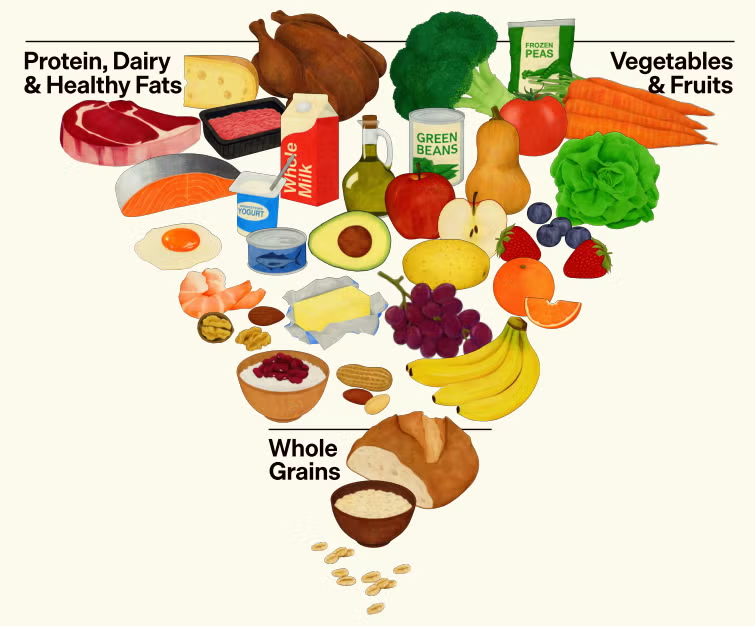
    Dietary Guidelines for Americans 2025-2030 New Food Pyramid

    But it also brought the return of a pyramid-like graphic—this time flipped on its head, emphasizing foods like steak, full-fat milk, and butter. The visual prominence of such options might have you thinking saturated fat limits were tossed out with the MyPlate graphic, but the actual Guidelines retain the longstanding upper limit of 10% of total daily calories. 

    “I think the new Guidelines move in the right direction by reinforcing the importance of reducing added sugars and cutting back on refined grains and other highly processed foods,” said Frank Hu, professor of nutrition and epidemiology and chair of the Department of Nutrition at the Harvard T.H. Chan School of Public Health. “However, there appear to be several contradictions within the DGAs and between the DGAs and the new pyramid. The mixed messages surrounding saturated-fat-rich foods such as red meat, butter, and beef tallow may lead to confusion and potentially higher intake of saturated fat and increased LDL cholesterol and cardiovascular risk.” 

    While the other largest section of the pyramid is sensibly composed of vegetables and fruits, Dr. Hu did flag the relatively smaller depiction of whole grains in the pyramid despite the Guidelines’ recommendation of 2-4 servings per day.  

    These details matter, as images and taglines may be more memorable than the nuanced details and underlying text. It’s one of the reasons why we created our Healthy Eating Plate (and the Healthy Eating Pyramid before that).  

    Below we unpack some key changes in this newest edition of the DGAs, considering both its written guidance and the “New Food Pyramid.”  

    Calling out “highly processed” foods 

    While previous DGAs have emphasized whole foods while minimizing added sugar and sodium, this edition is the first to call out a broader category of “highly processed foods.” Although this terminology is somewhat vague on the surface (food processing is a spectrum after all), the text recommends avoiding sugar-sweetened beverages as well as salty or sweet packaged snacks and ready-to-eat foods (even the illustrated yogurt container in the pyramid specifies “unsweetened”). The guidance on grains prioritizes whole, fiber-rich options while calling for a significant reduction in highly processed, refined carbohydrates, such as white bread. 

    Further reductions on added sugar 

    The new DGAs take an overall strict position on sweets, noting that “no amount of added sugars or non-nutritive sweeteners is recommended or considered part of a healthy or nutritious diet.” In practice, it recommends no one meal should contain more than 10 grams of added sugars (although meals aren’t generally how people track added sugar in their diet). This is reduction from the previous DGAs’ limit of 10% of daily calories (e.g., 50 grams of added sugar each day in a 2,000-calorie diet). It also now calls for children to avoid added sugars until age 10—a jump from age 2. The DGAs are clear on avoiding added sugar, but far less clear on how these recommendations can be implemented in everyday life. 

    Contradictory guidance on healthy fats

    When it comes to dietary fat and long-term health outcomes, what’s most important is the type of fat you eat—reducing saturated fat and replacing it with sources of unsaturated fat. As mentioned, the DGAs maintained existing consensus that saturated fat consumption should not exceed 10% of total daily calories.  

    What’s confusing is that the “healthy fat” guidance groups animal-based foods higher in saturated fat—such as meats and full-fat dairy—with plant-based foods lower in saturated fat. There is no mention as to which of these foods should be chosen more or less often to help stay within the upper limit. And on the pyramid, steak, cheese, whole milk, and butter seem to play a prominent role.  

    Saturated fat math

    What does this guidance look like in daily practice? Let’s take a 2,000-calorie diet where the 10% limit equates to roughly 22 grams of saturated fat. In the DGAs’ guidance on daily servings by calorie level, 3 servings of dairy are recommended daily. If full fat versions are selected for the examples given [one 8-oz cup of whole milk (5 grams saturated fat); ¾ cup of full-fat Greek yogurt (6 grams); 1 ounce of cheddar cheese (6 grams)], you are already at 17 grams of saturated fat. If you were to add a single tablespoon of butter (7 grams) or beef tallow (6 grams)—both suggested cooking fat options—you’re over the limit. And this isn’t even considering other foods consumed throughout the day, including some of the recommended protein options (more on that below).

    While olive oil is visualized in the pyramid and suggested as a healthy fat, it is referenced as an option with “essential fatty acids.” While olive oil is a healthy choice lower in saturated fat (2 grams per tablespoon), Dr. Hu explains how there are better sources when consuming essential fatty acids is the goal:  

    “Olive oil contains mostly oleic acid, but relatively small amounts of essential fatty acids such as alpha-linolenic acid and linoleic acid compared with other oils that are rich sources of these fatty acids, such as soybean oil and canola oil. Importantly, all these plant oils have been shown to lower LDL cholesterol and cardiovascular risk compared with animal fats such as butter or tropical fats such as coconut oil and palm oil.” 

    Hype around protein quantity 

    The new DGAs suggest that adults consume 1.2 to 1.6 grams of protein per kilogram of body weight per day, 50-100% more than what was previously recommended for minimum intake. Certainly, protein needs are highly variable—and wider ranges have been set by groups like the National Academy of Medicines—but these needs are best determined by a healthcare provider or a registered dietitian, as consuming excess protein can still be converted to fat in the body and lead to weight gain. What’s also missing from the Guidelines is clarity on the quality of different protein foods, especially when many in the U.S. are consuming more than enough protein

    “Substantially raising overall protein intake without distinguishing between different protein sources may have unintended long-term health implications,” says Dr. Hu. “Evidence continues to suggest that plant-based proteins and fish are associated with more favorable health outcomes than diets high in red meat.” 

    When we eat foods for protein, we also eat everything that comes alongside it: the different fats, fiber, sodium, and more. It’s this protein “package” that’s likely to make a difference for health. While the Guidelines recommend a “variety of protein foods” from both animal and plant sources, there’s no clear messaging about which options should be chosen more regularly. Given the DGAs’ stated saturated fat limits, this is an important consideration depending on what other foods are consumed throughout the day. For example: 

    • A 4-ounce broiled sirloin steak is a significant source of protein—about 33 grams worth. But it also delivers about 5 grams of saturated fat. 
    • A cup of cooked lentils provides about 18 grams of protein and 15 grams of fiber, and it has virtually no saturated fat.  

    “Less” Alcohol

    On alcohol, the DGAs offer a vague message to “consume less alcohol for better health,” Without concrete limits, it’s hard for people to know what “less” actually means.

    Still no consideration of environmental impacts 

    Another concern is that the DGAs do not consider the environmental and socioeconomic impact of dietary recommendations. This omission is problematic because food choices significantly affect the environment, and in turn are strongly shaped by socioeconomic and cultural factors

    Bottom line 

    Despite stronger positions on added sugars and highly processed foods, and technical alignment with the scientific consensus on saturated fat limits, certain aspects of the 2025 Guidelines send mixed signals. The New Food Pyramid graphic itself is particularly puzzling, given the visual emphasis on animal products high in saturated fat. Although DGAs are typically launched as policy documents, this edition appears more consumer-friendly, given its shorter length, associated graphics, and interactive website. Historically, research finds that Americans do not follow the dietary guidelines, so it remains to be seen if this edition will be any different. However, if you find yourself confused by some of the conflicting messaging, we recommend checking out the Healthy Eating Plate, or consulting a registered dietitian for more personalized guidance.  

    Related: A different road to this year’s DGAs

    Every five years, the DGAs are updated by the U.S. Departments of Agriculture (USDA) and Health and Human Services (HHS) for use by federal nutrition program operators, policy makers, and healthcare providers. But first, the Dietary Guidelines Advisory Committee—an independent group of nutrition science experts—summarizes the current state of nutrition science without influence from government or food industry. Members are vetted through extensive background checks, undergo ethics training, and scientific committee meetings are livestreamed. The public is also given opportunities to submit comments. After two years of evidence review and synthesis, the Committee released their Scientific Report to USDA and HHS.  

    But this time around, the Committee’s report was ultimately rejected by the current administration. Instead, a supplemental scientific analysis was conducted by a group of individuals selected through a “federal contracting process.” Although the supplemental document notes that “evidence was evaluated based solely on scientific rigor” and underwent “internal quality checks” with external peer review, some have raised concern over the lack of transparency in their process. In an Q&A with Harvard Chan News, Deirdre Tobias, assistant professor in the Department of Nutrition who served on the 2025-2030 Dietary Guidelines Advisory Committee, noted: 

    “As of today, there has not been transparency in who wrote the new DGAs. Although there are documents included in the appendices by named scientists, there is no transparency in the methodology and rigor that was employed, or why certain topics were selected to be relitigated. The reviews themselves, as well as their overall presentation and integration, deviate significantly from the rigorous process that the HHS developed for the DGAs to ensure the evidence base and its committees’ conclusions were replicable, unbiased, transparent, and free from non-scientific influences.” 

    Others have also flagged reviewers’ financial ties to the beef and dairy industries (which is disclosed in the supplemental analysis), given the prime placement of meat and dairy products in the DGAs.

    Source link

  • Blood Sugar Symptoms You Should Never Ignore

    Blood Sugar Symptoms You Should Never Ignore

    Diabetes early signs often appear long before a diagnosis and are rooted in classic blood sugar symptoms like intense thirst and frequent urination. Elevated glucose pulls fluid from tissues, leading to polydipsia and polyuria that may exceed 3 liters of urine per day as kidneys struggle to reabsorb excess sugar. These metabolic disruptions can leave cells starved of energy—causing unexplained fatigue—even when blood sugar levels are dangerously high, and contribute to nerve irritation or tingling in extremities due to microvascular damage. Understanding these early warning signs is essential for prompt screening and management to prevent long-term complications such as vision loss, kidney disease, and neuropathy.

    Early recognition of patterns like nocturia, blurred vision, persistent thirst, and unexplained weight changes can dramatically improve outcomes. Regular check-ups and monitoring for clusters of symptoms signal when medical evaluation and lifestyle changes are needed. Education about diabetes early signs enhances the likelihood of early detection and intervention, preserving health and reducing disease progression. Awareness can lead to timely A1C screening and lifestyle adjustments that significantly mitigate risks associated with chronic hyperglycemia.

    Thirst and Urination Patterns

    Frequent urination and excessive thirst are hallmark blood sugar symptoms in diabetes and prediabetes, especially when glucose levels rise above the renal threshold. High sugar levels make kidneys filter more glucose, drawing water with it and leading to increased urine output—particularly noticeable at night. According to the Mayo Clinic, diabetes symptoms include increased thirst and frequent urination as blood sugar rises and the body tries to eliminate excess glucose, making these two among the earliest recognizable signs.

    • Polydipsia and Polyuria: Kidneys work overtime to filter excess glucose, resulting in frequent urination and relentless thirst.
    • Nocturia: Repeated nighttime bathroom trips disrupt sleep and may mimic dehydration or bladder issues.
    • Concentrated Urine & Headaches: Fluid loss concentrates urine and can trigger daily headaches similar to hangovers.
    • Recurring Infections: Glycosuria feeds yeast and bacteria, increasing yeast infections in women and balanitis in men.
    • Kidney Stress: Constant filtering may lead to long-term kidney irritation and increased risk of renal complications.

    Fatigue and Vision Changes

    Fatigue and vision changes are key diabetes early signs that often lead people to seek medical advice. When glucose cannot enter cells efficiently, the body lacks a reliable energy source, resulting in persistent tiredness regardless of rest. Based on a symptom checklist by health professionals, frequent fatigue along with blurred vision are common markers of elevated blood sugar that should prompt screening and evaluation.

    • Blurry Vision: High blood sugar pulls fluid into the eye lens, temporarily distorting vision and shifting refractive power.
    • Slow Healing: Impaired circulation and immune response delay wound healing significantly.
    • Peripheral Neuropathy: Tingling, burning, or numbness often starts in toes and progresses upward as nerve damage worsens.
    • Autonomic Effects: Digestive symptoms like gastroparesis may develop, causing delayed stomach emptying after meals.
    • Energy Crash: Cells starved of glucose trigger chronic fatigue—even after adequate sleep.

    Skin and Oral Indicators

    Changes in skin and oral health often signal metabolic imbalance before a formal diabetes diagnosis. Darkened patches, known as acanthosis nigricans, commonly appear in skin folds and are associated with insulin resistance well before blood sugar elevations become clinically obvious. According to the MSD Manual Professional Edition, dermatologic signs like acanthosis nigricans reflect insulin resistance and are among observable symptoms in type 2 diabetes, making skin changes a valuable early cue for screening.

    • Acanthosis Nigricans: Dark, velvety skin in neck or armpits suggests insulin resistance.
    • Gum Inflammation: Bleeding gums and periodontitis are linked to poor glucose control and immune dysfunction.
    • Boils and Carbuncles: Repeated skin infections signal impaired immunity.
    • Digital Sclerosis: Stiffening of finger joints and limited mobility reflect chronic glycemic stress.
    • Yeast Infections: Candida-related symptoms often increase with sustained high blood sugar.

    Weight Fluctuations Explained

    Unintended weight changes are among critical diabetes early signs that can be subtle yet significant. Even with normal or increased appetite, individuals with high blood sugar may experience unexplained weight loss as the body fails to use glucose and instead breaks down fat and muscle for energy. According to diabetes symptom checklists, weight loss—even in the setting of increased hunger and eating—is a classic symptom of significant hyperglycemia and often points to metabolic dysregulation requiring urgent evaluation.

    • Unexplained Weight Loss: Body switches to catabolism when glucose fails to enter cells.
    • Paradoxical Hunger: Despite eating, energy deficits trigger increased appetite.
    • Muscle Wasting: Protein breakdown accelerates when glucose is unavailable for fuel.
    • Rapid Fat Loss: Fat tissue is used for energy, contributing to overall weight decline.
    • Metabolic Imbalance: These fluctuations often precede more severe complications if unchecked.

    Conclusion

    Awareness of diabetes early signs such as frequent urination, intense thirst, unexplained fatigue, skin changes, and vision fluctuations is vital for early detection and intervention. Since many of these blood sugar symptoms begin gradually, they can easily be attributed to lifestyle factors or stress, delaying diagnosis and increasing the risk of complications. When clusters of symptoms persist for weeks, screening with blood glucose tests and hemoglobin A1C becomes essential to confirm or rule out diabetes. Early action not only improves quality of life but can prevent progression to serious health outcomes like neuropathy, retinopathy, and cardiovascular disease.

    Timely recognition opens a window for effective lifestyle intervention, which has been shown to reverse prediabetes and reduce progression to type 2 diabetes. Monitoring blood sugar advances, combined with diet, exercise, and medical guidance, enables many individuals to maintain normal glucose levels and reduce lifetime complications. By focusing on prevention and early detection through symptom awareness and screening, individuals can take control of their health and reduce the burden of diabetes on families and healthcare systems.

    Frequently Asked Questions

    1. Diabetes early signs most common?

    The most common diabetes early signs are excessive thirst, frequent urination, and persistent fatigue that don’t resolve with normal rest. These symptoms occur because high glucose pulls water from tissues and overwhelms kidney filtration. Blurred vision and slow-healing wounds often accompany these core signs. When they cluster, medical evaluation helps confirm elevated blood sugar.

    2. Blood sugar symptoms reversible?

    Some blood sugar symptoms associated with prediabetes can be reversed through lifestyle changes. Diet improvements and regular exercise improve insulin sensitivity and reduce glucose spikes. Early intervention often prevents progression to type 2 diabetes. Reversibility decreases once persistent hyperglycemia causes organ damage, so early action is crucial.

    3. Type 1 vs type 2 onset speed?

    Type 1 diabetes onset is rapid, often developing over weeks or even days due to autoimmune destruction of insulin-producing cells. Type 2 diabetes typically develops slowly over years as cells become increasingly insulin resistant. Many people may have hyperglycemia without noticeable symptoms for a long time. Regular screening helps catch type 2 before advanced complications.

    4. A1C diagnostic threshold?

    Blood tests like A1C are used to diagnose diabetes and prediabetes. An A1C of 6.5% or higher on two tests confirms diabetes. A1C levels between 5.7% and 6.4% identify prediabetes, indicating elevated blood sugar risk. Monitoring A1C helps track long-term glucose control and assesses treatment effectiveness.


    Source link

  • Free Sugar Pro

    Free Sugar Pro

    Product Name: Free Sugar Pro

    Click here to get Free Sugar Pro at discounted price while it’s still available…

    All orders are protected by SSL encryption – the highest industry standard for online security from trusted vendors.

    Free Sugar Pro is backed with a 60 Day No Questions Asked Money Back Guarantee. If within the first 60 days of receipt you are not satisfied with Wake Up Lean™, you can request a refund by sending an email to the address given inside the product and we will immediately refund your entire purchase price, with no questions asked.

    (more…)

  • What About Diabetes, Blood Pressure, Blood Sugar, and More?

    What About Diabetes, Blood Pressure, Blood Sugar, and More?

    There are so many ways we eat potatoes—baked, mashed, hashed, fried, scalloped, roasted, and more—but should we be eating them at all?

    Potatoes and Diabetes

    In 2006, the Harvard Nurses’ Health Study, which had followed the diets and diseases of tens of thousands of women for 20 years, found that greater potato intake was associated with a greater likelihood of getting type 2 diabetes, but of the hundred or so pounds of white potatoes Americans eat every year, most are deep fried and consumed as potato chips or french fries, and deep-fried foods are known to contain advanced glycation end products (AGEs), which we know are unhealthful. Researchers have found that just three servings of french fries a week is associated with a nearly 20 percent greater risk of type 2 diabetes, whereas there was only a tiny associated risk with potatoes in general, including fries.

    There was still a diabetes link with mashed or baked potatoes, but people who eat more potatoes may eat more meat, and we know that animal protein is itself associated with increased diabetes risk. However, when researchers statistically adjusted for that, they still found an increased risk with potatoes.

    Looking deeper, butter and sour cream are often put on mashed and baked potatoes, but when researchers tried to adjust for those and other such dietary factors, as well as effectively looking at the ratio between plant and animal fats and whether potato-eaters drank more soda or skimped on other vegetables, there still there seemed to be a potato-diabetes association.

    By 2015, Harvard researchers had also looked into other cohorts, including the all-male Health Professionals Follow-Up Study to complement the all-female Nurses’ studies, and continued to find a small increased diabetes risk associated with baked, boiled, or mashed potatoes––though french fries appear nearly five times worse. The authors concluded that potatoes are considered to be a healthful vegetable in the Dietary Guidelines, though current findings cast serious doubts on that classification. (Walter Willett, the then-chair of Harvard’s nutrition department, went a step further, suggesting potatoes should be siloed with candy.)

    Then, in 2018, a meta-analysis published on potato consumption and risk of type 2 diabetes combined all six of the prospective studies that had been done to date and found about a 20 percent increase in diabetes risk associated with each serving of potatoes a day. The researchers concluded that long-term, high consumption of potato may be strongly associated with increased risk of diabetes.

    Does the story end there? If only there were a country where potato consumption was associated with a healthy diet. If potato consumption was still associated with diabetes there, then that would be concerning. As I discuss in my video Do Potatoes Increase the Risk of Diabetes?, a study out of Iran found that those eating the most boiled potatoes had only half the odds of developing diabetes. In Iran, not only is most of the potato consumption in the form of boiled potatoes, but those who eat potatoes have the healthiest diets and eat the most whole plant foods, such as fruits, vegetables, whole grains, and beans.

    The bottom line is we don’t have convincing evidence to date that the intake of potatoes in general is linked to type 2 diabetes, but we should still probably hold the fries.

    Potatoes and High Blood Pressure

    What about potatoes and hypertension? And death? I dive into those topics in my video Do Potatoes Increase the Risk of High Blood Pressure and Death?.

    Harvard researchers found that individuals who, on most days, ate potatoes—baked, boiled, or mashed, and not just french fries and potato chips—appeared to be at higher risk of developing high blood pressure. As mentioned above, salt and butter are often added to potatoes, but when they attempted to tease out the effects of salt and saturated fat, there still seemed to be a link between potato consumption and high blood pressure.

    Again, though, what about the “meat” in “meat and potatoes”? The same Harvard researchers found that meat, including poultry alone, appeared associated with an increased risk of hypertension, as did a moderate amount of canned tuna. So, in the potato study, they endeavored to factor out any effects from the consumption of all types of meat yet still found an increased risk of hypertension associated with potato intake.

    Two similar studies performed in Mediterranean Europe did not find any association between potato consumption and high blood pressure, though. Perhaps this is because, in that area of the world, potatoes aren’t typically smothered in butter and sour cream, and potatoes are often eaten with other vegetables.

    So, Are Potatoes Bad for Us?

    A primary reason we care about blood pressure is because we care about the consequences. In two studies done in Sweden, where they primarily eat their potatoes boiled, no evidence was found that potato consumption was associated with the risk of major cardiovascular disease; no relationship was found between potato consumption and risk of premature death in Southern Italy either. In the United States, though, potato consumption has been associated with increased mortality: a 65 percent increased risk of dying from heart disease, a 26 percent increased risk of fatal stroke, a 50 percent increased risk of dying from cancer, and increased risk of dying from all causes put together. However, all of that disappeared after adjustment for confounding factors. In other words, it wasn’t the potatoes at all. People who eat potatoes must just smoke more, drink more, or eat more saturated fat, for instance. Once all such other factors are considered, the link between potatoes and death disappears.

    This was confirmed in the NIH-AARP study, the largest such study of diet and health in human history. If you just separate out the potatoes, researchers find they are not associated with increased risk of death—with the possible exception of french fries, which are associated with an increased risk of dying from cancer. Put all the studies together—20 in all—and no significant association has been found between potato consumption and mortality, though, again, fried potatoes may be the exception. Even if eaten just twice a week, fries may double one’s risk of dying prematurely, independently of other factors, but the consumption of unfried potatoes seemed to be neutral. (In terms of mortality, fried potatoes may not be as bad as fried meat—think fried chicken and fried fish—but that’s not saying much.)

    Other whole plant foods—nuts, vegetables, fruits, and legumes (beans, split peas, chickpeas, and lentils)—are associated with living a longer life and significantly less risk of dying from cancer, dying from cardiovascular diseases like heart attacks, and 25 percent less chance of dying prematurely from all causes put together. However, no such protection is gained from potatoes for cancer, heart disease, or overall mortality. So, the fact that potatoes don’t seem to affect mortality can be seen as a downside. Remember, though, that potatoes aren’t like meat, which may actually actively shorten lifespan, but there may be an opportunity cost to eating white potatoes, since every bite of a potato is a lost opportunity to eat something even healthier—something that may actively enhance our lifespan.

    So, potatoes are kind of a double-edged sword. The reason that potato consumption may just have a neutral impact on mortality risk is that all the fiber, vitamin C, and potassium in white potatoes might be counterbalanced by the detrimental effects of their high glycemic index, which I discuss in my video Glycemic Index of Potatoes: Why You Should Chill and Reheat Them. Not only are high glycemic impact diets robustly associated with developing type 2 diabetes, but current evidence suggests that this relationship is cause-and-effect.

    The Potato Glycemic Index

    Foods with a glycemic index (GI) above 70 are classified as high-GI foods, and those with a GI lower than 55 are low-GI foods. Pure sugar water, for example, is often standardized at 100, and white bread and white potatoes are high glycemic index foods.

    Is there any way we can lower the glycemic index of potatoes? When potatoes are boiled, then cooled in the refrigerator, some of the starch crystallizes into a form that can no longer be broken down by the starch-munching enzymes in our gut. When put to the test, researchers actually saw a dramatic drop in glycemic index in cold versus hot potatoes. So, by consuming potatoes as potato salad, for instance, we can get nearly a 40 percent lower glycemic impact. The chilling effect might, therefore, also slow the rate at which the starch is broken down and absorbed. So, individuals wishing to minimize dietary glycemic index may be advised to precook potatoes and consume them cold or reheated. The downside of eating potatoes cold is that they might not be as satiating as eating hot potatoes, but we may get the best of both worlds by cooling them and then reheating them, which is exactly what was done in a famous study I profiled in my book How Not to Diet. The single most satiating food out of the dozens tested was boiled then cooled then reheated potatoes.

    There’s an appetite-suppressing protein in potatoes called potato protease inhibitor II, but the way potatoes are prepared makes a difference. Both boiled and mashed potatoes are significantly more satiating than french fries. That was for fried french fries, though. What about baked fries? Individuals had a big drop in appetite after eating boiled mashed potatoes, compared to white rice or white pasta, which is right where fried french fries were, as well as baked french fries.

    Do Potatoes Spike Our Blood Sugar?

    White potatoes have a high glycemic index, as I mentioned, and consumption of high glycemic impact foods may increase the risk of diabetes. Normally after a meal, we’d like our blood sugars to just gently, naturally rise and fall, but with high glycemic foods like potatoes, we can get an exaggerated blood sugar spike. That leads our body to over-compensate with insulin, forcing our blood sugars lower than when we started, which results in negative metabolic consequences––such as a rise in triglyceride fats in the blood. However, potatoes are a good source of potassium, vitamin C, and polyphenols, which may counterbalance the glycemic impact. This may explain why potatoes appear to have a neutral effect when it comes to lifespan, unlike other whole plant foods that have been associated with actively living longer.

    How to Reduce the GI of Potatoes

    Aside from the chill-and-reheat method to dramatically lower the glycemic index of white potatoes, is there another way? Yes, and it’s the same way we make everything better in our nutritional life: Add broccoli. As I detail in How to Reduce the Glycemic Impact of Potatoes, the co-consumption of two servings of cooked broccoli with mashed potatoes immediately cuts the insulin demand by nearly 40 percent. In contrast, adding chicken breast makes matters worse, and adding tuna fish is even worse still, nearly doubling the amount of insulin our body pumps out.

    Why does plant protein make things better, but animal protein make things worse? Because decreased consumption of branched-chain amino acids improves metabolic health. I cover this in my book How Not to Diet, as well as my video on the topic.

    Something else can help, too: vinegar. Simply chilling potatoes may cut down on blood sugar and insulin spikes, but to get significant drops in both, just add about a tablespoon of vinegar (even plain white distilled vinegar) to drop levels by 30 to 40 percent. Just one to two tablespoons a day of vinegar diluted in water can significantly improve both short- and long-term blood sugar control in people with diabetes, which is why clinicians may want to incorporate vinegar consumption as part of their dietary advice for their patients with diabetes.


    Source link

  • Less Sugar In First 1000 Days Of Life Slashes Diabetes, Hypertension Risk: Study

    Less Sugar In First 1000 Days Of Life Slashes Diabetes, Hypertension Risk: Study

    Healthy eating with minimal sugar is essential for long-term health and lowering the risk of chronic conditions. A recent study suggests these efforts should begin as early as conception. Researchers found that limiting sugar intake during the first 1000 days of life, from pregnancy through a child’s second birthday, could dramatically reduce their risk of diabetes and hypertension.

    The study revealed that less sugar intake during the critical period of early life could cut the diabetes risk by 35% and the risk of hypertension by 20%.

    The researchers came up with these interesting findings by evaluating the long-term health impact of sugar rationing that occurred during World War II. They used recent data from the U.K. Biobank, which includes medical histories and genetic and lifestyle factors, to examine how early-life sugar restrictions impacted adult health in those conceived just before and after wartime sugar rationing ended.

    “Using an event study design with UK Biobank data comparing adults conceived just before or after rationing ended, we found that early-life rationing reduced diabetes and hypertension risk by about 35% and 20%, respectively, and delayed disease onset by 4 and 2 years,” the researchers wrote in the study published in the journal Science.

    The researchers noted that the chronic health risks were significantly reduced when expectant mothers limited their sugar intake during pregnancy. However, the benefits increased even more when children continued to be on a sugar restriction after birth, averaging no more than 8 teaspoons (40 grams) per day.

    The end of wartime rationing offered a unique window for a natural experiment when sugar intake surged sharply, while other foods remained unchanged. Individuals’ early-life sugar exposure varied depending on whether they were conceived or born before or after September 1953. While those conceived just before experienced sugar-scarce conditions, those born just after entered a more sugar-rich environment.

    “Studying the long-term effects of added sugar on health is challenging. It is hard to find situations where people are randomly exposed to different nutritional environments early in life and follow them for 50 to 60 years. The end of rationing provided us with a novel natural experiment to overcome these problems,” study corresponding author Tadeja Gracner said in a news release.

    Source link