Tag: Social

  • Are Ice Baths Really Good for You or Just a Social Media Trend?

    Are Ice Baths Really Good for You or Just a Social Media Trend?

    Cold plunges and ice baths have moved from niche recovery tools to mainstream wellness practices, and the phrase “cold plunge benefits” appears everywhere online. With so many bold claims circulating, it is useful to look at what is genuinely supported by research and what may be driven more by trend than evidence. This shortened article focuses on the most important, well-supported points.

    What Are Cold Plunges and Ice Baths?

    Cold plunges and ice baths involve immersing most of the body in cold water, typically around 10–15 degrees Celsius (50–59 degrees Fahrenheit), for a few minutes. Some people use dedicated cold plunge tubs, while others rely on a standard bathtub with ice and cold tap water. The goal is controlled exposure to cold as a deliberate stressor.

    Athletes have used ice baths for decades to support recovery after intense training. Traditional cultures in colder regions have also practiced cold-water immersion in lakes, rivers, or plunge pools.

    The modern surge in interest, however, comes from social media and wellness communities highlighting a wide range of cold plunge benefits, from muscle recovery to improved mood and metabolism.

    Key Physical Cold Plunge Benefits

    Muscle soreness and recovery

    One of the most established cold plunge benefits is reduced muscle soreness after hard exercise. Many people report that cold water immersion lessens pain and stiffness in the 24–48 hours after intense training. This can help them feel more prepared for the next workout and may be useful during heavy training periods or competitions.

    However, less soreness does not always equal better long-term results. Some research suggests that frequent, very cold plunges immediately after strength training might slightly blunt muscle growth and adaptation by dampening the normal inflammatory response.

    For those focused on maximal strength and hypertrophy, it may be better to reserve ice baths for particularly tough sessions rather than daily use.

    Circulation, swelling, and inflammation

    Cold water causes blood vessels near the skin to constrict, which can temporarily reduce swelling and fluid buildup. Once out of the water and warming up, blood vessels dilate and circulation increases again. This is one reason cold plunge benefits are often associated with decreased inflammation and faster recovery.

    These effects seem most relevant for local soreness, minor injuries, and post-exercise recovery. They should not be viewed as a primary treatment for chronic inflammatory conditions, but they can play a supportive role when used in a balanced recovery routine that includes sleep, nutrition, and appropriate training.

    Metabolism and weight management

    Cold exposure can activate brown fat, a type of tissue that burns calories to generate heat. This has led to claims that cold plunge benefits include significant fat loss. While cold can increase short-term calorie burn, the overall impact on body weight appears modest compared with diet, activity level, and sleep, according to Mayo Clinic.

    Cold plunges may offer a small metabolic boost, but they are unlikely to drive major changes in body composition without broader lifestyle adjustments. They work best as a complementary tool, not a replacement for established approaches to weight management.

    Mental Health and Mood Benefits

    Acute mood and alertness

    Many people describe feeling energized, clear-headed, and uplifted after a cold plunge. The sudden cold triggers a stress response that increases alertness and can produce a rush of endorphins and other chemicals linked to mood. For some, this becomes a reliable way to “reset” mentally at the start or end of the day.

    The ritual around cold plunging, preparing the water, controlling breathing, staying calm in discomfort, also contributes to a sense of accomplishment and resilience. These experiences form an important part of the perceived cold plunge benefits, especially for stress management.

    Longer-term mental health support

    There is early but limited evidence that regular cold exposure might help some individuals with mood regulation or symptoms of depression and anxiety.

    However, current research is not strong enough to treat cold plunges as a standalone mental health intervention. At best, they can serve as one supportive practice alongside therapy, medication when needed, social connection, and physical activity.

    Trend vs. Evidence

    Cold plunges are highly visible on social media because they look dramatic, align with ideas of toughness and discipline, and are easy to capture in short videos. This can make cold plunge benefits seem almost universal and essential, when in reality the science is more nuanced.

    Research supports some clear positives: reduced muscle soreness, improved perceived recovery, and short-term mood and alertness boosts.

    Other frequently advertised benefits, like large changes in body composition, powerful immune system enhancement, or major mental health effects, are not yet backed by strong evidence. The practice is promising but not a magic solution, as per Cleveland Clinic.

    Safety and Who Should Be Careful

    Cold plunges are not risk-free. Entering very cold water can cause a strong “cold shock” response: rapid breathing, gasping, and spikes in heart rate and blood pressure.

    For healthy individuals using moderate temperatures and short durations, this is usually manageable. For people with heart disease, uncontrolled high blood pressure, or certain circulatory issues, this stress could be dangerous.

    Those with conditions like Raynaud’s phenomenon, cold urticaria, or other cold sensitivities should be cautious and seek medical advice before experimenting. Pregnant individuals, children, and older adults should also consult a healthcare professional.

    Even healthy people can run into trouble if they stay in frigid water too long, increasing the risk of hypothermia and impaired judgment.

    Listening to the body, avoiding extreme temperatures or extended sessions, and having a plan to warm up gradually afterward all reduce risk. A moderate, consistent approach is more likely to deliver the desired cold plunge benefits without unnecessary danger.

    Are Cold Plunges Worth Trying?

    From an objective standpoint, cold plunge benefits are real but specific. The strongest evidence supports reduced muscle soreness, better perceived recovery, and short-term improvements in mood and alertness. Potential effects on metabolism, immune function, and long-term mental health are interesting but still developing.

    Cold plunges and ice baths can be a useful option for athletes, highly active individuals, and people who enjoy the mental challenge and invigorating feeling of cold exposure. They are not essential for health and are not a cure-all. For some, the risks or discomfort may outweigh the benefits.

    Framing cold plunges as one optional tool among many helps keep expectations realistic. When applied safely and thoughtfully, in line with personal goals and health status, cold plunge benefits can complement a broader approach to well-being rather than replace proven basics like sleep, nutrition, movement, and social connection.

    Frequently Asked Questions

    1. Is it better to do a cold plunge before or after a workout?

    Most people use cold plunges after a workout to help with soreness and perceived recovery; doing them right before intense strength training could slightly dampen performance for some.

    2. Are cold showers enough to get similar cold plunge benefits?

    Cold showers can provide some of the same alertness and mood effects, but full-body immersion in consistently cold water usually creates a stronger and more controlled stimulus.

    3. How quickly can someone expect to notice benefits from cold plunges?

    Acute effects like feeling more awake or less sore can appear after the first few sessions; potential longer-term changes in mood or stress resilience usually take weeks of consistent practice.

    4. Does the time of day matter for doing a cold plunge?

    Many prefer mornings for an alertness boost, while others use evenings after training, but timing mainly depends on personal preference and how the cold affects sleep and energy.




    Source link

  • W.A.I.T. a Minute: A Practice to Pause Before You Post on Social Media

    W.A.I.T. a Minute: A Practice to Pause Before You Post on Social Media

    A simple mindful practice that can slow down emotional reaction, invite a breath, and encourage you to pause before you post.

    Social media has made it easy to broadcast our thoughts and feelings far and wide in an instant. At the same time, we often don’t even consider the huge numbers of people who will read what we share. How many friends do you have across your socials? 300 to 400? 500 plus? How often do you really pause before you post?

    When feelings are at a fever pitch, there’s a lot of rapid-fire, non-face-to-face communicating. For teenagers this can be especially tricky, given their proclivity for impulsivity.

    “Adolescents are biologically more prone to making decisions that are not well thought out,” says Tristan Gorrindo, a child and adolescent psychiatrist at The Ross Center in Washington, D.C. “The part of the brain right behind the forehead, which controls judgment, is at that time undergoing a rapid period of development,” says Gorrindo, who is studying the way families use technology.

    For teenagers and adults alike, it’s far too easy for a moment of heightened emotion to result in acrimonious conflict, bullying, or just saying something that lives forever and can be deeply regrettable.

    Gorrindo has created a practice called W.A.I.T., designed with teenagers in mind (but perfect for anyone living in today’s digital world). Here are 4 questions to ask yourself before you post:

    W = Wide Audience
    “Would I say this in front of a school assembly?” (If you’re a grown-up, imagine your entire office.)

    A = Affect
    “Am I in a good emotional place right now?”

    I = Intent
    “Might my intent be misunderstood?”

    T = Today
    “Today, tomorrow, or the next day? Can this wait a day?”

    Evaluating the urgency of what we’re about to say can provide a helpful injection of perspective. Why is it so urgent? What will happen if you take a breath and pause before you post? And if you wait, might you feel differently about it later?


    This article also appeared in a slightly different form in the December 2013 issue of Mindful magazine.


    Source link

  • You’re Not Lonely, You’re Just Untargeted: How Algorithmic Sociability is Screwing up our Social Appetites – a thought piece about the potentially negative impacts of social platforms’ targeted advertising on the way we interact with and prioritize human connections.

    You’re Not Lonely, You’re Just Untargeted: How Algorithmic Sociability is Screwing up our Social Appetites – a thought piece about the potentially negative impacts of social platforms’ targeted advertising on the way we interact with and prioritize human connections.

    Introduction

    In the era of social media, it’s easier than ever to connect with others and build relationships. However, beneath the surface of likes, comments, and shares, a more sinister force is at play. Algorithmic sociability, driven by targeted advertising, is manipulating our social appetites and changing the way we interact with each other. In this article, we’ll explore the potentially negative impacts of social platforms’ targeted advertising on human connections and why you’re not lonely, you’re just untargeted.

    The Rise of Algorithmic Sociability

    Social media platforms have become an integral part of our daily lives. We use them to stay connected with friends and family, share our experiences, and discover new content. However, these platforms are not just neutral spaces for social interaction. They are designed to maximize engagement and advertising revenue, using sophisticated algorithms to target specific audiences with tailored content and ads. This is known as algorithmic sociability.

    Algorithmic sociability uses data and machine learning to analyze our online behavior, preferences, and interests. This information is then used to create personalized feeds, recommending content and ads that are likely to engage us. The goal is to keep us hooked, increasing the time we spend on the platform and the likelihood of clicking on ads. However, this targeted approach has a dark side.

    The Homogenization of Human Experience

    Algorithmic sociability creates a bubble of sameness, where we are only exposed to content and people that reflect our existing interests and views. This homogenization of human experience has several negative consequences. Firstly, it reinforces our existing biases and prejudices, making it more difficult to engage with opposing viewpoints and foster empathy. Secondly, it limits our exposure to new ideas, experiences, and perspectives, stifling personal growth and creativity.

    Moreover, the algorithm’s focus on engagement and advertising revenue leads to the amplification of sensational and provocative content. This creates a culture of outrage and polarization, where people are more likely to interact with content that confirms their biases rather than challenging them. The result is a fragmented and divisive online environment, where meaningful conversations and connections are increasingly difficult to establish.

    The Commodification of Human Connections

    Social media platforms have turned human connections into a commodity, using our relationships and interactions as a means to generate advertising revenue. This commodification of human connections has significant consequences for our mental and emotional well-being. When we are reduced to data points and advertising targets, our sense of self-worth and identity becomes tied to our online presence.

    The pressure to present a curated online persona, complete with a highlight reel of achievements and experiences, creates unrealistic expectations and promotes consumerism. We begin to measure our self-worth by the number of likes, comments, and followers we have, rather than the quality of our relationships and experiences. This can lead to feelings of inadequacy, low self-esteem, and loneliness, even when we are surrounded by people.

    The Illusion of Connection

    Social media platforms create an illusion of connection, making us believe that we are part of a larger community or network. However, this sense of connection is often superficial and lacks depth. We may have hundreds or thousands of online “friends,” but how many of these relationships are truly meaningful and fulfilling?

    The algorithm’s focus on engagement and advertising revenue prioritizes quantity over quality, encouraging us to collect followers and likes rather than nurturing meaningful relationships. This can lead to a sense of disconnection and isolation, even when we are actively engaging with others online. We may feel like we are part of a community, but in reality, we are just a collection of individual users, each interacting with our own personalized feed.

    The Loss of Serendipity and Discovery

    Algorithmic sociability also leads to the loss of serendipity and discovery, as our online experiences become increasingly predictable and tailored to our existing interests. We are no longer exposed to new ideas, experiences, and perspectives, as the algorithm filters out content that is unlikely to engage us.

    This homogenization of online experience stifles creativity, innovation, and personal growth. We are less likely to stumble upon new authors, artists, or musicians, as the algorithm prioritizes content that is already popular or trending. The result is a cultural landscape that is increasingly stagnant and predictable, lacking the diversity and richness that comes from unexpected discoveries and encounters.

    The Impact on Mental Health

    The negative impacts of algorithmic sociability on mental health are well-documented. The constant stream of curated and manipulated content can create unrealistic expectations and promote consumerism, leading to feelings of inadequacy, low self-esteem, and anxiety.

    The pressure to present a perfect online persona can also lead to burnout and exhaustion, as we struggle to maintain a facade of happiness and success. Moreover, the lack of meaningful connections and the illusion of community can exacerbate feelings of loneliness and isolation, even when we are surrounded by people.

    Breaking Free from Algorithmic Sociability

    So, how can we break free from the constraints of algorithmic sociability and cultivate more meaningful human connections? Firstly, we need to recognize the ways in which social media platforms are manipulating our social appetites and priorities. By understanding the algorithms that drive these platforms, we can begin to resist their influence and seek out more diverse and authentic online experiences.

    Secondly, we need to prioritize quality over quantity, focusing on nurturing meaningful relationships and connections rather than collecting followers and likes. This may involve taking breaks from social media, engaging in offline activities, and seeking out new experiences and perspectives.

    Finally, we need to demand more from social media platforms, advocating for algorithmic transparency and accountability. By promoting diversity, inclusivity, and creativity, we can create a more vibrant and dynamic online environment, one that values human connections and community over advertising revenue and engagement.

    Conclusion

    In conclusion, algorithmic sociability is screwing up our social appetites, manipulating our priorities and interactions in ways that are detrimental to our mental and emotional well-being. By recognizing the negative impacts of targeted advertising and the homogenization of human experience, we can begin to break free from the constraints of social media platforms and cultivate more meaningful human connections.

    It’s time to take back control of our social lives, prioritizing quality over quantity and seeking out diverse and authentic online experiences. By doing so, we can create a more vibrant and dynamic online environment, one that values human connections and community over advertising revenue and engagement. Remember, you’re not lonely, you’re just untargeted.

    FAQs

    Q: What is algorithmic sociability?
    A: Algorithmic sociability refers to the use of algorithms and data to analyze and manipulate human behavior, particularly in the context of social media platforms.

    Q: How does algorithmic sociability affect human connections?
    A: Algorithmic sociability can lead to the homogenization of human experience, limiting our exposure to new ideas and perspectives, and creating a culture of outrage and polarization.

    Q: What are the negative impacts of targeted advertising on mental health?
    A: Targeted advertising can create unrealistic expectations, promote consumerism, and lead to feelings of inadequacy, low self-esteem, and anxiety.

    Q: How can we break free from algorithmic sociability?
    A: We can break free from algorithmic sociability by recognizing its influence, prioritizing quality over quantity, and seeking out diverse and authentic online experiences.

    Q: What can social media platforms do to promote more meaningful human connections?
    A: Social media platforms can promote algorithmic transparency and accountability, prioritize diversity and inclusivity, and create features that encourage meaningful interactions and community-building.

  • Social Work, Parenthood, and Personal Growth

    Social Work, Parenthood, and Personal Growth

    Helping others often starts within our homes. The values we practice with family, like patience, kindness, and understanding, shape how we interact with the wider world. Many people who want to make a difference begin by reflecting on their experiences as parents, siblings, or caregivers. Balancing personal responsibilities with a passion to serve others can be challenging, but it’s achievable with the right approach. Flexible higher studies in social work now allow individuals to deepen their knowledge while still managing their families and routines. These modern paths make it possible for people to advance their purpose without putting their personal commitments on hold.

    Here’s how parents can progress in their careers and support their families:

    The Connection Between Parenting and Social Work

    Parenting shares several similarities with social work. Both involve supporting, listening, and helping people through challenges. Parents develop empathy through daily experiences, teaching, guiding, and resolving conflicts. These skills naturally translate to community support roles. When a parent comforts a child or helps a family member manage emotions, they are already practicing what social work promotes: compassion and understanding. This connection helps many parents realize that their nurturing instincts can extend beyond their homes. Through experience, they gain a deeper awareness of how personal relationships shape their ability to help others meaningfully.

    Balancing Learning, Work, and Family Life

    Many people want to strengthen their ability to help others while still managing work and family. That’s where flexible and fast-track social work pathways come in. The fastest online MSW programs allow learners to complete their studies more efficiently without relocating or giving up personal time. Many of the courses available at online educational resources and platforms combine accredited instruction with convenience. These courses offer a range of options that adapt to different schedules, allowing parents and professionals to build expertise while staying present for their families. These programs also emphasize real-world experience, helping learners apply their knowledge immediately. This balance supports both personal growth and social contribution.

    Developing Empathy Through Parenthood

    Parenting teaches patience, listening, and emotional awareness. These lessons help people become better at understanding others’ experiences. When parents handle a child’s fears or frustration calmly, they strengthen their ability to empathize with others outside their family, too. This ability forms a foundation for effective social work, where understanding others’ perspectives is vital. By recognizing how small moments at home reflect broader human experiences, individuals build stronger emotional insight. Empathy developed in family settings becomes a valuable tool in supporting people through hardship and building trust in any helping relationship.

    Emotional Growth and Self-Reflection

    Supporting others requires self-awareness. Parents and caregivers often discover their own strengths and weaknesses through everyday challenges. Self-reflection helps them recognize triggers, set boundaries, and respond thoughtfully. This internal growth mirrors the mindset needed in social work, where understanding one’s emotions enhances how we relate to others. Taking time to assess personal reactions and experiences leads to maturity and improved communication. When individuals make time for self-reflection, they not only improve their relationships but also learn how to guide others through theirs more effectively and compassionately.

    Creating Supportive Family Environments

    Home is often the first place where people learn care, respect, and cooperation. Building a nurturing family environment strengthens these principles. Open conversations, shared responsibilities, and consistent support create trust. These same principles apply to helping others in professional or community settings. When families model empathy and understanding, they teach children how to respond with kindness and fairness. This type of environment prepares everyone in the household to handle social challenges responsibly. The habits built within family interactions eventually extend outward, encouraging more balanced, understanding communities.

    Managing Time and Expectations

    Balancing multiple priorities can feel overwhelming. People juggling family, study, and work need strategies that keep them grounded. Setting realistic goals, staying organized, and allowing time for rest all play an important role. Learning to manage expectations helps prevent frustration and fatigue. Small adjustments, like dedicating specific hours for study or creating a family schedule, can make responsibilities easier to handle. Effective time use supports both personal fulfillment and professional success. Managing tasks efficiently enables individuals to stay focused and maintain quality in what they do—whether at home, work, or while supporting others.

    The Role of Education in Building Compassionate Professionals

    Formal learning adds structure to natural empathy. It provides practical frameworks for addressing human needs with professionalism and ethical awareness. For those who already possess the drive to help others, gaining structured knowledge refines their understanding. They learn how to apply compassion effectively while respecting boundaries and diverse backgrounds. Academic preparation combines theory with fieldwork, encouraging well-rounded growth. By integrating real experience with guided study, individuals become more confident in their ability to assist others in meaningful and informed ways.

    Passing on Values to the Next Generation

    Children learn by observing the adults around them. When they see empathy, fairness, and respect practiced consistently, they adopt those values too. Parents who actively demonstrate patience and care influence how their children interact with peers and communities. This form of teaching goes beyond words—it’s about setting an example through daily actions. Passing on values rooted in kindness builds future generations who understand the importance of compassion. In this way, parents contribute to a more considerate society simply by raising thoughtful, empathetic children.

    Building Stronger Communities Through Family Leadership

    Families that lead with integrity and empathy inspire positive change in their surroundings. When parents promote understanding and fairness at home, those lessons extend to neighborhoods and social groups. Strong family foundations contribute to stable, caring communities. People who lead by example encourage others to act responsibly and supportively. Leadership at home becomes the model for broader community involvement. Each act of kindness, no matter how small, has a lasting effect that strengthens collective relationships and mutual respect.

    Supporting others truly begins at home. The lessons we learn through parenting, communication, and empathy prepare us to guide and serve in wider settings. As people pursue social work or community service, their family experiences give them the compassion and patience to make lasting contributions. With modern, flexible study options, it’s easier than ever to balance personal commitments while preparing for impactful roles in society. By nurturing empathy and growth both at home and beyond, individuals can create a stronger, more understanding world for everyone.

    Source link

  • The Great Outdoors: How Disconnecting from Technology Can Upgrade Your Social Wellness – article about the joys of unplugging and outdoor activities.

    The Great Outdoors: How Disconnecting from Technology Can Upgrade Your Social Wellness – article about the joys of unplugging and outdoor activities.

    Introduction to The Great Outdoors

    The world has become increasingly digital, with technology dominating every aspect of our lives. From the moment we wake up to the moment we go to bed, we are constantly connected to our devices, scrolling through social media, checking emails, and texting friends and family. While technology has made our lives easier and more convenient, it has also taken a toll on our mental and social well-being. The constant stream of information, the pressure to present a perfect online persona, and the fear of missing out (FOMO) can be overwhelming, leading to stress, anxiety, and depression. However, there is a way to escape the digital chaos and upgrade our social wellness: by disconnecting from technology and spending time in the great outdoors.

    The Benefits of Unplugging

    Unplugging from technology can have a significant impact on our mental and social health. When we disconnect from our devices, we are able to break free from the constant stream of information and distractions, and focus on the present moment. This can help reduce stress and anxiety, improve our mood, and increase our sense of calm and well-being. Additionally, unplugging can help us reconnect with ourselves, our thoughts, and our emotions, allowing us to develop a greater sense of self-awareness and introspection. By taking a break from technology, we can also improve our relationships with others, as we are able to engage in face-to-face interactions, listen more intently, and respond more thoughtfully.

    The Joys of Outdoor Activities

    Spending time in the great outdoors can be a powerful way to upgrade our social wellness. Outdoor activities such as hiking, camping, swimming, and biking can help us disconnect from technology and reconnect with nature. Being in nature has been shown to have a range of benefits, including reducing stress and anxiety, improving mood, and increasing feelings of happiness and well-being. Outdoor activities can also provide opportunities for social interaction, such as joining a hiking group or participating in a recreational sports team. These interactions can help us build relationships, develop social skills, and increase our sense of belonging and connection to others.

    Building Social Connections in the Outdoors

    One of the most significant benefits of spending time in the outdoors is the opportunity to build social connections. When we participate in outdoor activities, we are able to meet new people, form new relationships, and strengthen existing ones. Outdoor activities can provide a sense of community and camaraderie, as we work together to achieve a common goal, such as completing a difficult hike or participating in a group sporting event. Additionally, outdoor activities can provide opportunities for meaningful conversations and interactions, such as sharing stories and experiences around a campfire, or discussing the beauty of nature while on a hike. By building social connections in the outdoors, we can increase our sense of belonging and connection to others, and develop stronger, more meaningful relationships.

    Improving Mental Health in the Outdoors

    Spending time in the outdoors can also have a significant impact on our mental health. Being in nature has been shown to have a range of benefits, including reducing symptoms of anxiety and depression, improving mood, and increasing feelings of happiness and well-being. Outdoor activities can provide a healthy distraction from the stresses of daily life, allowing us to focus on the present moment and let go of worries and concerns. Additionally, outdoor activities can provide opportunities for mindfulness and meditation, such as paying attention to the sights and sounds of nature, or practicing yoga or tai chi in a park or other outdoor setting. By improving our mental health in the outdoors, we can increase our sense of calm and well-being, and develop greater resilience and coping skills.

    Overcoming Barriers to Outdoor Activities

    While spending time in the outdoors can be a powerful way to upgrade our social wellness, there are often barriers that prevent us from doing so. One of the most common barriers is lack of access to outdoor spaces, such as parks, trails, or other natural areas. Additionally, some people may feel intimidated or unsure about how to participate in outdoor activities, such as hiking or camping. Others may be concerned about safety, such as the risk of injury or encountering wildlife. However, there are many ways to overcome these barriers, such as finding local parks or trails, joining a recreational group or club, or taking a class or workshop to learn new skills. By overcoming these barriers, we can increase our opportunities for outdoor activities, and develop greater confidence and self-efficacy.

    Creating a Balance between Technology and Nature

    While disconnecting from technology and spending time in the outdoors can be beneficial, it is also important to create a balance between the two. Technology can be a powerful tool for connecting with others, accessing information, and improving our lives. However, when we spend too much time on our devices, we can neglect our relationships, our health, and our well-being. By creating a balance between technology and nature, we can enjoy the benefits of both, while minimizing the negative effects. This can involve setting boundaries, such as not using our devices during certain times of the day or in certain locations, or prioritizing outdoor activities and scheduling them into our daily or weekly routine. By creating a balance between technology and nature, we can upgrade our social wellness, and develop greater harmony and balance in our lives.

    Conclusion

    In conclusion, disconnecting from technology and spending time in the great outdoors can be a powerful way to upgrade our social wellness. By unplugging from our devices, we can reduce stress and anxiety, improve our mood, and increase our sense of calm and well-being. Outdoor activities can provide opportunities for social interaction, building relationships, and developing social skills. Additionally, spending time in nature can have a range of benefits for our mental health, including reducing symptoms of anxiety and depression, and improving our mood. By overcoming barriers to outdoor activities, creating a balance between technology and nature, and prioritizing outdoor activities, we can increase our opportunities for social connection, improve our mental health, and develop greater harmony and balance in our lives.

    FAQs

    Q: What are the benefits of unplugging from technology?
    A: The benefits of unplugging from technology include reducing stress and anxiety, improving mood, and increasing sense of calm and well-being. Unplugging can also help us reconnect with ourselves, our thoughts, and our emotions, and develop greater self-awareness and introspection.
    Q: How can outdoor activities improve social wellness?
    A: Outdoor activities can provide opportunities for social interaction, building relationships, and developing social skills. Participating in outdoor activities can help us meet new people, form new relationships, and strengthen existing ones, increasing our sense of belonging and connection to others.
    Q: What are some common barriers to outdoor activities?
    A: Common barriers to outdoor activities include lack of access to outdoor spaces, feeling intimidated or unsure about how to participate, and concerns about safety. However, there are many ways to overcome these barriers, such as finding local parks or trails, joining a recreational group or club, or taking a class or workshop to learn new skills.
    Q: How can I create a balance between technology and nature?
    A: Creating a balance between technology and nature involves setting boundaries, prioritizing outdoor activities, and scheduling them into our daily or weekly routine. This can involve not using our devices during certain times of the day or in certain locations, or limiting our screen time to certain hours of the day.
    Q: What are some tips for getting started with outdoor activities?
    A: Tips for getting started with outdoor activities include finding local parks or trails, joining a recreational group or club, or taking a class or workshop to learn new skills. It’s also important to start small, begin with activities that are enjoyable and manageable, and gradually increase our level of participation and challenge as we become more comfortable and confident.

  • The Impact of Social Media on Mental Health

    The Impact of Social Media on Mental Health

    Introduction

    The advent of social media has revolutionized the way we interact, communicate, and share information. Platforms like Facebook, Instagram, Twitter, and LinkedIn have become an integral part of our daily lives, with billions of users worldwide. However, a growing body of research suggests that excessive social media use can have a profound impact on mental health. In this article, we will delve into the complex relationship between social media and mental health, exploring the potential risks and benefits, and discussing ways to mitigate the negative effects.

    The Risks of Social Media on Mental Health

    Social media can have a significant impact on mental health, particularly in young people. Some of the potential risks include:

    • Cyberbullying: Social media can be a breeding ground for bullying and harassment, which can lead to anxiety, depression, and even suicidal thoughts.
    • Unrealistic comparisons: Social media platforms showcase the highlight reels of other people’s lives, creating unrealistic expectations and promoting unhealthy comparisons.
    • Sleep deprivation: Exposure to screens and the constant notifications from social media can interfere with sleep patterns, leading to fatigue, irritability, and decreased cognitive function.
    • Social isolation: While social media connects us to others, it can also create a false sense of connection, leading to social isolation and loneliness.

    The Impact of Social Media on Self-Esteem

    Social media can have a profound impact on self-esteem, particularly in young women. The constant exposure to idealized and unrealistic images of beauty, fitness, and success can lead to feelings of inadequacy, low self-esteem, and body dissatisfaction. A study published in the Journal of Youth and Adolescence found that exposure to idealized images of peers on social media can lead to decreased self-esteem and life satisfaction.

    The Role of Social Media in Anxiety and Depression

    Social media can also play a significant role in the development and exacerbation of anxiety and depression. The constant stream of information, the pressure to present a perfect online persona, and the fear of missing out (FOMO) can create a sense of anxiety and overwhelm. A study published in the Journal of Social and Clinical Psychology found that limiting social media use to 30 minutes per day can lead to significant improvements in mental health, including reduced symptoms of anxiety and depression.

    The Benefits of Social Media on Mental Health

    While social media can have negative effects on mental health, it can also have numerous benefits. Some of the potential benefits include:

    • Social support: Social media can provide a sense of connection and community, particularly for people who are isolated or have difficulty forming social relationships.
    • Access to resources: Social media can provide access to mental health resources, including online therapy, support groups, and educational materials.
    • Self-expression: Social media can provide a platform for self-expression, creativity, and self-promotion, which can boost self-esteem and confidence.

    Strategies for Healthy Social Media Use

    To mitigate the negative effects of social media on mental health, it is essential to use social media in a healthy and balanced way. Some strategies for healthy social media use include:

    • Setting boundaries: Set limits on social media use, including the amount of time spent on social media and the types of content consumed.
    • Taking breaks: Take regular breaks from social media, including days or weeks without social media use.
    • Practicing self-compassion: Practice self-compassion and self-kindness, including avoiding self-comparison and focusing on positive self-talk.
    • Seeking offline connections: Seek offline connections and relationships, including face-to-face interactions and community activities.

    The Role of Parents and Caregivers

    Parents and caregivers play a crucial role in promoting healthy social media use in young people. Some strategies for parents and caregivers include:

    • Monitoring social media use: Monitor social media use, including the amount of time spent on social media and the types of content consumed.
    • Setting boundaries: Set limits on social media use, including the amount of time spent on social media and the types of content consumed.
    • Encouraging offline activities: Encourage offline activities, including sports, hobbies, and face-to-face interactions.
    • Modeling healthy behavior: Model healthy social media behavior, including responsible social media use and online etiquette.

    The Role of Social Media Companies

    Social media companies also play a critical role in promoting healthy social media use. Some strategies for social media companies include:

    • Implementing age restrictions: Implement age restrictions, including minimum age requirements for social media use.
    • Providing mental health resources: Provide mental health resources, including online therapy, support groups, and educational materials.
    • Promoting responsible social media use: Promote responsible social media use, including responsible online behavior and digital citizenship.
    • Reducing cyberbullying: Reduce cyberbullying, including implementing antibullying policies and reporting mechanisms.

    Conclusion

    The impact of social media on mental health is complex and multifaceted. While social media can have numerous benefits, including social support, access to resources, and self-expression, it can also have negative effects, including cyberbullying, unrealistic comparisons, and social isolation. To mitigate the negative effects of social media on mental health, it is essential to use social media in a healthy and balanced way, including setting boundaries, taking breaks, practicing self-compassion, and seeking offline connections. Parents, caregivers, and social media companies also play a critical role in promoting healthy social media use, including monitoring social media use, setting boundaries, and providing mental health resources.

    FAQs

    Q: What is the impact of social media on mental health?
    A: The impact of social media on mental health is complex and multifaceted, including both positive and negative effects. While social media can provide social support, access to resources, and self-expression, it can also lead to cyberbullying, unrealistic comparisons, and social isolation.

    Q: How can I use social media in a healthy way?
    A: To use social media in a healthy way, it is essential to set boundaries, take breaks, practice self-compassion, and seek offline connections. This includes limiting social media use to 30 minutes per day, taking regular breaks from social media, and engaging in offline activities.

    Q: What can parents and caregivers do to promote healthy social media use in young people?
    A: Parents and caregivers can promote healthy social media use in young people by monitoring social media use, setting boundaries, encouraging offline activities, and modeling healthy behavior. This includes setting limits on social media use, encouraging face-to-face interactions, and promoting responsible online behavior.

    Q: What can social media companies do to promote healthy social media use?
    A: Social media companies can promote healthy social media use by implementing age restrictions, providing mental health resources, promoting responsible social media use, and reducing cyberbullying. This includes implementing antibullying policies, providing online therapy and support groups, and promoting digital citizenship.

    Q: How can I seek help if I am experiencing negative effects from social media use?
    A: If you are experiencing negative effects from social media use, including anxiety, depression, or cyberbullying, it is essential to seek help. This includes talking to a mental health professional, seeking support from friends and family, and accessing online resources and support groups.

  • Social media tiles

    Social media tiles

    Download any of our FREE social media tiles below to use on your own channels. Make sure you share what you're doing far and wide – use the hashtag #malnutritionweekanz and tag us @dietitianconnection. Please note images should be used in their entirety and not be edited…

    Source

    Source link

  • How to Build Mindful Social Media Habits in the Age of TikTok—for You and Your Kids

    How to Build Mindful Social Media Habits in the Age of TikTok—for You and Your Kids

    A few years back, I was scrolling through my Instagram feed when I came across an image of Miranda, my childhood best friend. She was on a beautiful white-sand tropical beach, tan and radiant, contorted into an incredible yoga pose. In contrast, I was sitting in my living room, pasty white and deeply bundled against the frigid Maine temps, nearly comatose from tech use. And I noticed something. As I stared at the pic, my throat clenched slightly. My shoulders rose up just a hair. And my stomach dropped. I had a wisp of a thought: Ugh. I wish that was me. This was followed by a cascade of reasons that I was better than her, in a desperate attempt to make myself feel better. 

    What makes this moment notable, even though this yucky feeling had happened a bajillion times while looking at Insta, was a recognition of how that image impacted me. If I think about my technology consumption like a diet, what I just ate left me feeling bloated and heavy—perhaps the equivalent of eating an entire bag of Cheetos. In the past, I might have scrolled on for thirty minutes, continuing with my day and feeling some unnamed uneasiness, but not really noticing or connecting my feelings to anything in particular. This time, though, it was clear as day. This time helped me wake up and ask myself, “Is scrolling through social media healthy for me?” The answer was a resounding no.

    So then I deleted all the apps and never got on social media again. 

    Yeah, right. 

    What is true is that this was the beginning of a long process of really waking up to how my technology use was impacting me. I was able to start noticing when my face felt hot and my muscles clenched because an email triggered me before shooting off a fiery response. I recognized that if I woke up and looked at the news on my phone first thing in the morning, I was extra grouchy toward my family as I got ready to teach school that day.

    Mindfulness basically asks us to take off our judgy pants for a second and really look at our experiences, especially the ones we think we already know.

    On the flip side, my awareness of some of the ways tech really served me grew as well. I was able to notice that I felt empowered by calls to action posted by friends who were promoting social justice. I was grateful for the electronic calendar that reminded me of a forgotten appointment I was supposed to go to in thirty minutes. And especially as we braved the COVID-19 pandemic, I deeply appreciated being able to connect with my students, family, and friends over Zoom.

    Listen, I have an obvious bias here. I believe it is really easy for us as humans to get sucked into mindless technology use, and I think that sometimes makes us feel like crap. I believe there are forces at work that make it hard to put the phone or video controller or computer screen down. And I believe that we do have control over ourselves and our choices, but only if we are paying enough attention to notice what’s going on. 

    Listen to Your Kids

    I want to be clear: This is not just a concern for young people. Though the specifics of the challenges around tech use may be generational, the modern struggle for balance and wellness affects all ages.

    I am a mother of two young kiddos (ages one and four at the time of publication), which means I am grappling with how to best support them in developing their own healthy relationships with technology.

    For now, it is easy because I can just turn off the iPad after one episode or take away the phone after the timer dings. But at some point, I need to transfer that power to them so they can start noticing and making their own choices about the impact their tech use has on them. Of course, they will make mistakes. Of course, I will make mistakes. But I’m hoping, much as I do with my students, that we can figure it out together.

    I encourage you to be vulnerable with the young people in your life. Model owning your struggles. Invite them to share theirs. Sit on the same side of the table and problem-solve together rather than fight. We all want less fighting. Be open to the possibility that you are in this together.

    You can learn a lot just by listening to kids. The world is different from the one we grew up in. I didn’t have a mobile phone or social media until college and a smartphone came well after that. I had an entire childhood before modern tech became a reality. I can’t fully comprehend what it would be like to grow up in a world where my relationships were mediated by technology. The closest I can come is simply listening to young people. One piece of advice that has really stuck with me came from Jeremy, a teen from Virginia, who said, “One of the biggest mistakes I see parents make is they try to relate too much. While both generations have issues, it’s not the same and they don’t fully understand. Parents should just acknowledge the generation gap, and be open to listening and understanding.” 

    So, I encourage you to be vulnerable with the young people in your life. Model owning your struggles. Invite them to share theirs. Sit on the same side of the table and problem-solve together rather than fight. We all want less fighting. Be open to the possibility that you are in this together.

    Create Social Media Habits That Serve You

    Mindfulness basically asks us to take off our judgy pants for a second and really look at our experiences, especially the ones we think we already know. When we fully pay attention, defenses down, hearts open, we can be amazed by how much more there is to learn. By hearts open, I mean we can do this work with care. We can do it because we care . . . about ourselves, about our families and friends, and about the larger community. Acknowledging that we truly do want what is best for all can help us make moves that might not feel easy. Perhaps we create a social justice post to highlight the ways we can better care for one another and this world. Perhaps we put our phones down to really show care to the people we love.

    Close your eyes. Okay, I guess you have to read through this first, but then come back and close your eyes and walk yourself through this exercise.

    1. Imagine yourself waking up on your most perfect day. What does it feel like to be in bed? How do you soak in that moment? Do you stay there for a while to enjoy the restfulness? Are you someone who loves to jump right up and throw on some upbeat music? Whatever those first few moments in your ideal day look like, imagine them.
    1. Afternoon rolls around. What now? Do you go out for a walk? Take a catnap in a sunny patch on the couch? Hit the beach or slopes?
    1. How will you wind down from your day? Watch a movie with your family? Read a book curled up in your beanbag chair? Take a short walk around the block?
    1. When you are ready, come back to the present.

    This is an idealizing exercise. Obviously, we don’t usually have this much control over every moment of the day. We must consider other people’s needs. And we do things—work, errands, exercise, and so on—that may not feel gratifying in the moment but may ultimately serve us. Some life circumstances simply do not allow for us to do all that we wish. But it can be really helpful to know in our bodies what it feels like to live a beautiful day, as well as what factors help create those feelings.

    This exercise is meant to highlight the fact that how you spend your time matters. What you fill your mind with—experiences, content, images—matters. It may be the most important thing to consider. The way we spend each moment ultimately adds up to our lives. If we really want to start being clear about how our tech can best serve us, we need to be very clear about what we want it to serve. Many people grapple with this big question their whole lives: What work, activities, causes, and ways of being in the world make me feel most alive, most connected, and most authentically myself? There will not be a final answer to this question. It will be a lifelong inquiry, and your response will undoubtedly shift as you grow and have new priorities.

    Finding meaning in our lives won’t come just from what we do, but how we show up.

    Finding meaning in our lives won’t come just from what we do, but how we show up. Are we all the way there for those experiences? Or are we distracted? Can we find meaning and contentment even in moments that are not exciting, awe-inspiring, or fun? Our tech habits do not exist in isolation. Sometimes they are a result of some unmet need in our lives. Sometimes our habits result in an unmet need. It helps to figure out what things nourish us and help us to feel most alive. Only then can we really understand how our tech use can support that. 

    You Can Always Begin Again

    The truth is, at least momentarily, it is easier not to try. It is easier not to notice. It is easier to just hop in our tech inner tube and let the tech companies’ brilliant neuroscientists and psychologists whisk us away on a “happy,” tech-fueled river float. It’s easier to let our habits and patterns whisk us away than it is to look at those habits and ask them, “Are you getting me where I want to go? Are you creating the life I want to live?” Sometimes just asking ourselves to pause can feel Herculean. We aren’t used to it. Our habits push us to stick with what we know. Knowing this, perhaps you ask yourself, Can I love the dance? Can I love my humanness? Can I love myself when my actions create sleep deprivation, jealousy, work backlogs, or sadness? Can I fuel my desire to keep coming back with love and care instead of shame?

    If we go into the practice of examining our tech habits by criticizing ourselves, and criticizing others, for not living up to our ideals, we won’t want to keep trying. Lead with love.

    Maybe we notice we have been scrolling for over an hour one day, only to miss noticing the same behavior a week later. Maybe we choose to set a timer when we play video games one day and hop up after thirty minutes to go get some fresh air, only to hole up for a whole weekend playing games a month later. Still, we can begin again.

    And still, we can value ourselves as we fall. We can value ourselves enough to try again. 

    Attention Hijacked: Using Mindfulness to Reclaim Your Brain from Tech by Erica B. Marcus. Text copyright © 2022 by Erica B. Marcus. Reprinted with the permission of Zest Books, a division of Lerner Publishing Group, Inc. All rights reserved. No part of this text excerpt may be used or reproduced in any manner whatsoever without the prior written permission of Lerner Publishing Group, Inc.

    Can We Have Compassionate Tech? 

    Aden Van Noppen, founder of compassionate tech company Mobius, answers our questions about how technology hijacks attention and how we can foster a healthier relationship with our screens.
    Read More 

    • Ava Whitney-Coulter
    • August 16, 2022

    You Can Change Your Life by Loving Yourself 

    Learning to take care of your heart, to accept the pain that comes with seeing the people you love suffer, and to be okay with suffering yourself, is the true work of self-love—and it begins with the breath.
    Read More 

    • Ali Smith, Atman Smith, and Andres Gonzalez
    • June 10, 2024


    Source link

  • Social media tiles

    Social media tiles

    Download any of our FREE social media tiles below to use on your own channels. Make sure you share what you're doing far and wide – use the hashtag #guthealthmonth and tag us @dietitianconnection. Please note images should be used in their entirety and not be edited Square images (1000 x 1000…

    Source

    Source link

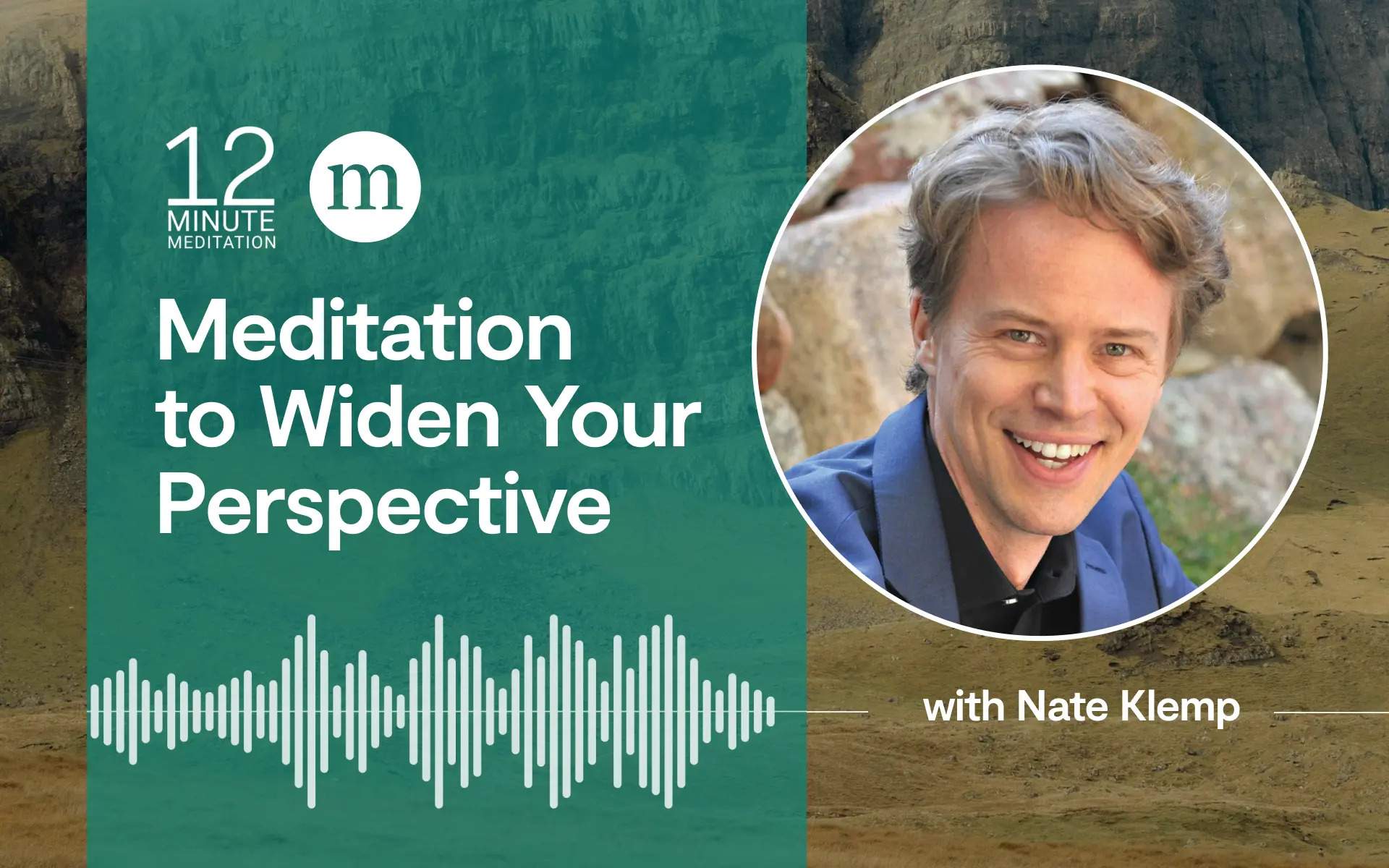
  • A 12-Minute Meditation to Widen Your Perspective

    A 12-Minute Meditation to Widen Your Perspective

    This guided mindfulness practice helps us relax and see the full scope of the possibilities in front of us.

    When we feel stressed, anxious, irritated, or angry, one of the things that happens to the mind is that it shrinks down and zooms in on the challenge at hand—the stressful moment, the emotion we don’t want to feel. There’s a researcher, Andrew Huberman at Stanford, who calls this “the soda straw view” of the mind. This is the view of stress. When we’re stressed, our perspective becomes small and possibilities fade away. All we can see is the thing that we want to get rid of, or that we want to change, or that we wish wasn’t happening in our lives, or even in the world. 

    One of the most powerful mindfulness practices we can do is intentionally and consciously expand our perspective, expand the size of our awareness.

    One of the most powerful mindfulness practices we can do is intentionally and consciously expand our perspective, expand the size of our awareness. Research shows that we can do this by adjusting our visual focus. When we shift from an intensely focused stare to something more like a relaxed gaze, taking in a panoramic awareness of our environment,  we’re actually shifting the nervous system itself. It has a similar effect as taking a few deep breaths. 

    We’re going to play with this shift in this guided meditation. You can think of this shift as going from a small, contracted, tight mind to a relaxed, wide open, big mind. From here, we can begin to create this habit in our lives, intentionally creating an experience of relaxation, especially during tense moments. Stress, moments of discomfort, irritation, and anxiety, are often like looking up into the sky at a dark thundercloud, and all we can focus on is the dark cloud. What we’re going to do in this practice is zoom out from that one small cloud and begin to see that surrounding that one small dark cloud in the sky is miles beautiful, clear blue sky. 

    A Guided Meditation to Expand Perspective and Let Go of Stress

    1. Find a comfortable seat. For this practice, unlike many other forms of mindfulness practice, I actually find that it’s very helpful to keep your eyes open. In addition to that, it can be very helpful to align yourself somewhere where you have a view of something. It could just be a view of your house, a view of your room. Maybe you have a window you can look out of. We’re kind of giving ourselves this visual field that’s going to become part of the practice. This practice is unbelievable when done on the top of a mountain, or sitting at a beach, or at a park, or at sunset—but we’ll take whatever we’ve got. 
    2. As always, I like to start by just feeling the sensations in the body. Feeling a sense of relaxation trickle down from your head, through your neck, into your torso, your hips, your legs, all the way down into your feet. Relaxation, it turns out, is the key to this practice. You might also notice the breath. Notice the sensations happening with each inhale and exhale. 
    3. Now let’s turn our attention to the first element of this bigger view: the big mind. And that is the visual field. So just for fun, let’s start by picking an object in your visual field. One small, tiny object. Maybe it’s a tree outside. Maybe it’s a chair in your room. It doesn’t matter what it is, but we’re going to start with the opposite of the wide view that we’re trying to cultivate. Focus in on this one small thing as intently as you possibly can. Bringing all of your visual perception to this one small dot of awareness. Let’s do it for about ten more seconds…and now drop all effort. 
    4. Let your eyes relax. Notice that almost automatically, after a moment of focus like that, the mind just sort of relaxes into this wider, bigger view. Notice what it’s like now to see the panoramic view of whatever’s in front of you. You’re not trying, you’re not effort-ing. You’re just allowing yourself to take in this view, to gaze at what’s in front of you. In a relaxed way, you can even imagine the edges of your visual field slowly expanding. It’s like you’re now the wide-angle camera on your phone. And we do this from a spirit of allowing and receptivity. You’re just allowing yourself to be in this state where you’re gazing at the world in panoramic awareness. The big view. 
    5. Now let’s add one more piece to this. Begin to notice sound. We’re now going to add auditory perception. Just notice sounds that are close by from this open, receptive, relaxed state. You might even notice the sound of each breath. And now allow the scope of your hearing to expand. Noticing sounds in the room. Maybe there’s the sound of ventilation. 
    6. And now in a relaxed and gentle way, allowing yourself to notice sounds even further off into the distance. Maybe the sound of the breeze outside, the sound of birds, just relaxing into this wide, big view. Eyes relaxed and open. Ears relaxed and open. And now we might add one more sense. As you hold this wide open gaze and you hear the sounds you might also notice that sensation is happening in the body. That’s also part of this view. 
    7. Now see what happens when you just allow the sensations of the body to be part of this view. Noticing that your awareness, the scope of your mind, keeps getting bigger, broader, wider, vast. Noticing the visual field. Noticing sounds. Noticing sensations. No attempt to change. Relaxing into things as they are. Seeing this moment with this totally fresh, wide open view. 
    8. Chances are, if you’re new to a practice like this, it takes a little bit of effort and concentration to stay with this kind of a wide open perspective. So the invitation for the next minute or two is to drop that effort. Don’t try. But see if you can still stay connected in some way to this wide open view. If you feel even the slightest part of yourself wanting to push your eyes open or your ears open, or expand the size of your mind, let that go. No effort, but staying in this relaxed, receptive view. Now see if you can just stay in this effortless open view for the next 30 seconds or so. And now, before we come back, I want to give you a few moments just to explore and investigate this bigger perspective.
    9. Staying where you are, just noticing any differences between the way you ordinarily see life or the world, and the way you’re seeing it now. Comparing and contrasting the big mind that we’ve been trying to cultivate to the small mind, which, for most of us, is our home base. 
    10. Now you can bring yourself here. We never really left. For me, when I enter that state of mind, or that mindfulness practice around opening awareness, the scope of the mind, it often feels like my mind becomes almost like a security camera, that I’m just watching the feed of this camera, listening to the feed of the microphones, watching whatever’s happening. It tends to be really boring and not very interesting, but it starts to become incredibly interesting the more my perspective widens. 
    11. One of the things I’d like to do before you go is to give you a practice that you can take with you for the rest of the day, a way of integrating this shift from the small mind to the big mind into your everyday life. The way to do this is really quite simple. It’s to imagine several times throughout the rest of the day that you’re seeing whatever it is that you’re seeing from the perspective of a mountain top. Or maybe it’s the perspective of a beach. Pick your favorite natural metaphor. The basic idea is that if you catch yourself feeling stressed out, or if you notice that you’ve spent the last 45 minutes scrolling Instagram on your phone with a tight-gripped stare, just take 10 seconds, 15 seconds, 30 seconds, to see whatever’s happening from the mountain top. In fact, it can be quite interesting to bring this big perspective into something like email, or the document you’re working on, or surfing the news, or whatever it is. It’s actually so radically different that it can change your entire perspective of some of these things that make up a big part of our day. So that’s the homework for the rest of the day: three moments where you are seeing whatever’s happening in life from the mountaintop, and then see what happens.

    Never Miss a Meditation

    Enter your email below to get new podcast episodes delivered straight to your inbox! You’ll also get insights from expert mindfulness teachers and exclusive deals on Mindful Shop products, events, and more.


    Source link