Tag: sick

  • Feeling Sick After a Flight? The Real Causes Behind Jet Lag and Airplane Sickness

    Feeling Sick After a Flight? The Real Causes Behind Jet Lag and Airplane Sickness

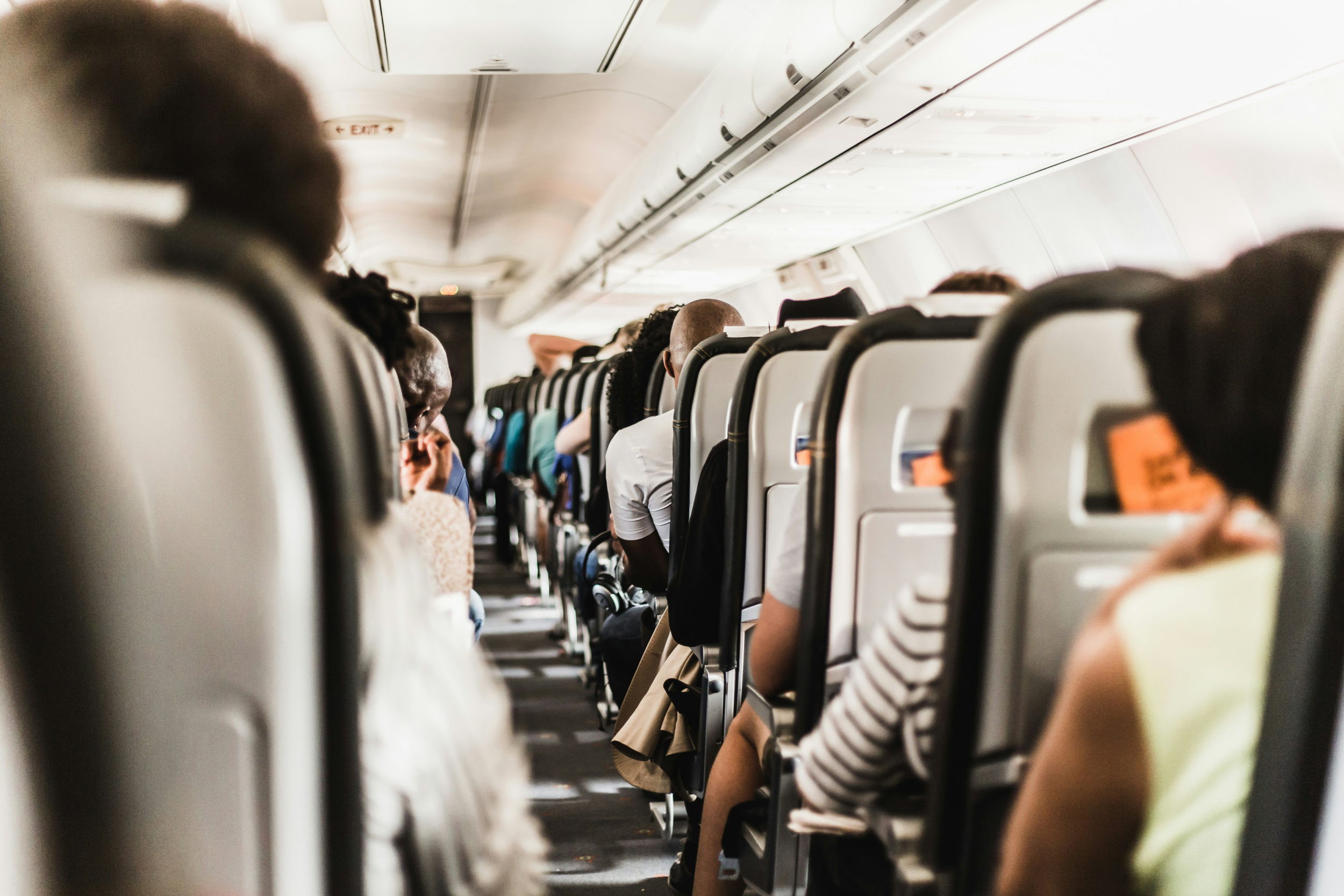
    Many travelers step off a plane feeling nauseous, tired, dizzy, or simply “off,” and it’s more than just fatigue from a long trip. A combination of airplane sickness, shifting cabin pressure, dehydration, and jet lag symptoms can throw the body out of balance. These reactions are extremely common and can affect even experienced flyers.

    Understanding why these symptoms happen is an important part of maintaining good travel health. Flights expose the body to unnatural environments—high altitude, low humidity, limited movement, altered time zones, and sensory mismatches—that can strain the nervous system and internal body clock. Learning how these factors interact helps travelers prepare better and recover faster, especially on long-distance or frequent flights.

    Airplane Sickness and Its Symptoms

    Airplane sickness is a type of motion sickness triggered when the brain receives conflicting signals from the body. During a flight, your inner ear senses movement from turbulence or changes in altitude, while your eyes may see a still environment inside the cabin. This mismatch confuses the brain, which can trigger nausea and dizziness. According to the Centers for Disease Control and Prevention , motion sickness occurs when the inner ear and visual system send conflicting information to the brain, causing symptoms such as nausea, cold sweats, and vomiting.

    Common Symptoms of Airplane Sickness

    • Nausea or stomach discomfort
    • Dizziness or a feeling of imbalance
    • Cold sweats
    • Headache or pressure in the temples
    • Vomiting in more severe cases
    • Increased heart rate or anxiety

    Why Some People Are More Prone to Airplane Sickness

    Several risk factors influence susceptibility, including:

    • Seat location: Sitting in the back of the plane amplifies movement and turbulence.
    • Anxiety: Nervous system sensitivity heightens awareness of motion.
    • Genetic predisposition: Some people naturally have a more reactive vestibular system.
    • Reading or screen use during turbulence: Creates stronger sensory mismatches.

    Individuals with heightened vestibular sensitivity are significantly more likely to experience motion sickness in environments where visual cues contradict physical movement. In addition, low cabin humidity can worsen symptoms. Dry air dehydrates the mucous membranes and makes dizziness and head pressure feel more intense.

    Jet Lag Symptoms and Why They Occur

    While airplane sickness hits during or shortly after a flight, jet lag symptoms often appear several hours—or even days—later. Jet lag occurs when a traveler crosses multiple time zones, disrupting the body’s natural circadian rhythm, which regulates sleep, digestion, body temperature, and hormone cycles. According to the Sleep Foundation, jet lag is a form of circadian misalignment that causes fatigue, poor concentration, digestive issues, and insomnia after long-distance travel.

    Common Jet Lag Symptoms

    • Overwhelming daytime fatigue
    • Difficulty falling or staying asleep
    • Irritability or mood swings
    • Trouble concentrating
    • Loss of appetite or digestive discomfort
    • Headaches and general malaise

    Why Jet Lag Happens

    1. Circadian Rhythm Disruption Your internal clock can only shift 1–2 hours per day, so crossing six or more time zones overwhelms it.
    2. Hormonal Shifts Melatonin release becomes dysregulated, causing insomnia or early waking.
    3. Digestive Disturbances The gut operates on a rhythm too; sudden schedule changes lead to bloating, nausea, or constipation.
    4. Flight Direction
      • Flying east shortens the natural day and causes more severe jet lag.
      • Flying west lengthens the day, and symptoms are often milder.

    Based on research from Harvard Medical School, eastbound travel typically results in stronger circadian disruption because the body struggles more to shorten its day than extend it.

    How Sleep Patterns Affect Jet Lag

    People who already struggle with sleep are more sensitive to circadian rhythm disruptions, making jet lag harder to manage. Short sleepers, shift workers, and individuals with insomnia may take longer to adjust to new time zones because their internal clocks are already irregular or overstressed. Poor sleep habits—such as inconsistent bedtimes, excessive screen use before sleep, or chronic sleep deprivation—can also amplify jet lag symptoms by weakening the body’s ability to reset its natural rhythm.

    Environmental and Physical Factors That Contribute to Post-Flight Sickness

    Aside from motion-related discomfort and circadian rhythm disruptions, several environmental factors inside the aircraft can also trigger post-flight sickness. These conditions often intensify airplane sickness and make jet lag symptoms feel more severe once travelers land.

    Low Cabin Humidity and Dehydration

    Airplane cabins maintain humidity levels around 10–20%, far lower than the average indoor environment. This dry air rapidly dehydrates the body, leading to headaches, fatigue, dry eyes, and increased dizziness. Dehydration can also make the blood thicker, contributing to sluggishness and lightheadedness after landing.

    Reduced Cabin Pressure and Mild Hypoxia

    Commercial aircraft are pressurized to the equivalent of 6,000–8,000 feet above sea level. At this altitude, the body receives less oxygen, which can cause mild hypoxia—leading to headaches, nausea, or a feeling of mental fog. While safe for healthy individuals, sensitive travelers may notice symptoms more intensely.

    Prolonged Sitting and Poor Circulation

    Limited movement during long flights restricts blood circulation, potentially causing:

    • Leg stiffness
    • Swelling of the feet and ankles
    • Lightheadedness upon standing
    • Higher risk of vein-related issues for at-risk passengers

    This reduced circulation contributes to the “heavy” or “unwell” feeling many experience after landing.

    Exposure to Germs in Confined Spaces

    Aircraft cabins are enclosed spaces where viruses can circulate more easily—especially during long flights. While filtration systems like HEPA filters remove high percentages of airborne particles, close proximity to other passengers still increases exposure. This contributes to feeling sick after flying and can mimic or worsen existing travel health symptoms.

    Noise, Vibration, and Sensory Stress

    Continuous engine noise, cabin vibration, and seat discomfort heighten nervous system stress. These factors make the brain more sensitive to nausea signals, increasing the likelihood of airplane sickness during turbulence or descent.

    Conclusion

    Feeling sick after flying is extremely common, and understanding why it happens is the first step toward preventing it. Airplane sickness typically results from sensory conflict between what the eyes see and the inner ear feels, while jet lag symptoms arise from circadian rhythm disturbances caused by crossing time zones. Stress, dehydration, seat location, hormone shifts, and underlying medical conditions can all intensify these travel-related challenges.

    Improving travel health requires preparation before the flight and smart habits during the journey. Staying hydrated, choosing seats wisely, regulating sleep schedules, and supporting the body’s natural rhythms can significantly reduce discomfort. With the right strategies, travelers can minimize the effects of airplane sickness and jet lag and arrive at their destination feeling refreshed, balanced, and ready to enjoy their trip.

    Frequently Asked Questions

    1. How long does jet lag usually last?

    Most travelers feel relief within 2–4 days, but recovery depends on the number of time zones crossed. On average, your body needs one day per time zone to fully adjust.

    2. What can help prevent motion sickness on planes?

    Sit over the wings, look at the horizon, avoid reading during turbulence, and keep your head still. Ginger supplements, acupressure wristbands, and anti-nausea medications may also help.

    3. Are there medical treatments for jet lag and airplane sickness?

    Yes. Doctors may prescribe anti-nausea medications, sleep aids, or melatonin supplements. Always consult a healthcare provider before using medication for travel health.

    4. Can hydration affect these travel-related symptoms?

    Absolutely. Dehydration worsens both airplane sickness and jet lag symptoms. Drink water regularly and avoid excessive caffeine or alcohol before and during flights.


    Source link

  • Months Before the ByHeart Recall, Babies Were Already Sick — Parents Ask Why Early Warning Signs Were Missed

    Months Before the ByHeart Recall, Babies Were Already Sick — Parents Ask Why Early Warning Signs Were Missed

    The manufacturer ByHeart issued a voluntary recall of all its powdered infant formula products earlier this November, following a multistate outbreak of infant botulism linked to the brand’s Whole Nutrition Infant Formula.

    However, several families say their babies fell ill months earlier, between late 2024 and mid-2025, after being fed the same product. This has raised concerns about whether early warning signs were overlooked.

    According to the United States Food and Drug Administration (FDA) and the Centers for Disease Control and Prevention (CDC), at least 31 infants across 15 states are suspected or confirmed to have developed botulism after consuming ByHeart formula during the period from 9 August to 13 November.

    Symptoms of infant botulism to watch for in babies who may have consumed the affected product include poor feeding, loss of head control, difficulty swallowing and decreased facial expression.

    Early Cases Spark Questions Over Outbreak Timing

    In California, the state health department confirmed that six babies who consumed ByHeart formula between November 2024 and June 2025 were hospitalised with infant botulism or suspected cases. A parent, in a conversation with the Associated Press, said they did not believe it was a coincidence.

    Despite these earlier illnesses, health officials say they could not establish a clear connection to the outbreak due to missing lot numbers and insufficient product samples. Dr Jennifer Cope of the CDC clarified that this does not necessarily mean the cases were unrelated.

    Expanded Recall After Bacteria Detected in Formula

    The investigation revealed that unopened cans of ByHeart formula have tested positive for Clostridium botulinum.

    On 8 November, California officials announced the confirmation of type A botulinum bacteria in an opened can linked to a recent case. ByHeart subsequently informed the FDA that tests conducted by independent laboratories on unopened cans also detected the bacterium. This prompted an expanded recall covering all lots, regardless of whether a specific illness had been reported.

    The FDA noted that while ByHeart accounts for roughly 1 percent of US formula sales, it has been associated with a disproportionately high number of the cases under investigation.

    Why Initial Cases Failed to Trigger Investigation

    For affected families, the situation has prompted frustration and confusion. As one mother asked: ‘Why did the cases beginning in August flag an investigation, but the cases that began in March did not?’

    The delay in linking the early cases to the broader outbreak appears to stem from several factors. Infant botulism is extremely rare, which complicates monitoring and trend detection. Symptoms can take weeks to appear and may initially resemble other conditions.

    Health authorities also stressed that many of the early cases lacked product lot details or retained formula containers, both of which are essential for laboratory testing and tracing the source. As a result, early clusters did not have enough statistical support to trigger a formal investigation until cases surged dramatically after August.

    Parents Urged to Stay Vigilant Amid Recall

    Ongoing enquiries by the FDA and CDC now focus on determining how contamination occurred, identifying any manufacturing or distribution issues and understanding why earlier illnesses were not flagged sooner.

    Parents are urged to remain vigilant and monitor babies closely for any symptoms, while staying informed about recall alerts.

    The incident underscores the need for stringent quality-control measures, robust supply-chain tracking and rapid regulatory action, particularly for high-risk products such as infant formula.

    While botulism linked to powdered formula is rare, this outbreak highlights how contamination in even small-market brands can lead to widespread risk.

    Authorities anticipate that the situation will lead to heightened scrutiny of formula manufacturing practices and environmental safety standards across the industry.

    Originally published on IBTimes UK

    Source link

  • What Type of Cancer Was He Diagnosed With and Is He Still Sick?

    What Type of Cancer Was He Diagnosed With and Is He Still Sick?

    James Van Der Beek’s unexpected cameo during the Dawson’s Creek reunion concert has fans once again asking tough questions: what type of cancer is the actor battling, and is he still fighting the disease?

    The 48-year-old star, forever remembered as Dawson Leery in the hit ’90s teen drama, first revealed in 2024 that he was facing a serious health battle.

    Though he couldn’t join the live event in New York, his virtual appearance reignited speculation and worry among fans, many of whom took to social media to express both concern and support.

    What Does James Van Der Beek Have?

    In an interview with People in November 2024, James Van Der Beek confirmed that he is battling Stage 3 colorectal cancer.

    ‘I have colorectal cancer. I’ve been privately dealing with this diagnosis and have been taking steps to resolve it, with the support of my incredible family,’ the actor said.

    This form of cancer affects the colon or rectum and is often detected during routine screenings such as colonoscopies. According to Mayo Clinic, symptoms can include persistent changes in bowel habits, abdominal discomfort, and weight loss without trying.

    Colorectal cancer is one of the most common cancers diagnosed worldwide, and early detection is considered key in improving survival rates. Van Der Beek’s openness about his illness has drawn attention to the importance of awareness, especially among younger adults who might overlook potential symptoms.

    James Van Der Beek’s Illness Timeline

    The actor first went public with his diagnosis in 2024, stating that he was undergoing treatment while continuing to focus on his family life. Van Der Beek and his wife, Kimberly, share six children, and he has often credited them as his motivation during his health struggles.

    In September 2025, Van Der Beek was due to appear at a one-night-only live reading of the Dawson’s Creek pilot script at the Richard Rodgers Theatre in New York. The event was organised as a reunion for fans and a fundraiser for the charity F Cancer. Just days before the reunion, Van Der Beek announced that he would not be attending in person after suffering from separate stomach viruses on top of his cancer battle.

    Although unable to take the stage, he surprised fans with a pre-recorded video appearance. In the clip, he thanked the audience, cast, and organisers, introducing Lin-Manuel Miranda as his understudy for the evening.

    @goss.ie #JamesVanDerBeek made an unexpected virtual appearance during the #DawsonsCreek reunion charity event on Monday night, after previously withdrawing due to illness. The star-studded charity event featured a live reading of the show’s pilot episode and brought together beloved Dawson’s Creek cast members including Michelle Williams, Katie Holmes, Joshua Jackson, Mary Beth Peil, John Wesley Shipp, Mary-Margaret Humes, Nina Repeta, Kerr Smith, Meredith Monroe, and Busy Philipps ❤️ Directed by Dawson’s Creek alum Jason Moore, the event supported F Cancer and also honored Van Der Beek, who was diagnosed with stage 3 colorectal cancer last year. 🎥 @backtoyoubobpod #dawsonscreekreunion ♬ original sound – Goss.ie


    Is James Van Der Beek Still Sick?

    The question ‘is James Van Der Beek sick?’ has become a trending search as fans follow his health updates. His absence from the reunion highlighted that he is still managing illness alongside treatment. While the actor has not disclosed specific details of his current medical regimen, his comments and public appearances confirm that his fight with cancer is ongoing.

    Support from his wife Kimberly and their children has been central to his journey. The family have shared glimpses of their life on social media, showing both the challenges and moments of hope as he continues treatment.

    Dawson’s Creek Reunion and Public Support

    The Dawson’s Creek reunion drew significant attention not only for nostalgia but also for its charitable cause. The event raised funds for F Cancer, an organisation dedicated to cancer education and early detection.

    Fans responded with strong messages of support for Van Der Beek after his video message was played at the theatre.

    Lin-Manuel Miranda’s appearance as Dawson Leery was also widely discussed, but it was Van Der Beek’s heartfelt words that left a lasting impression. Many fans took to social media to express admiration for his strength and resilience.

    Originally published on IBTimes UK


    Source link