Kate Middleton, the Princess of Wales, has shared new details about one of the most unexpected challenges she faced during her cancer treatment: the cognitive difficulties commonly known as “chemo fog” or “chemo brain.”
Speaking candidly during a visit to a cancer treatment center, she described struggling to read and concentrate while undergoing chemotherapy, offering a glimpse into a side effect that many cancer patients experience but is often overlooked.
Her remarks have resonated with patients, healthcare professionals and supporters alike, bringing renewed attention to the lasting mental and emotional effects that can accompany cancer treatment, even after therapy has ended.
The Royal’s Reflection On Her ‘Chemo Fog’ Experience and an Unexpected Hobby She Gained
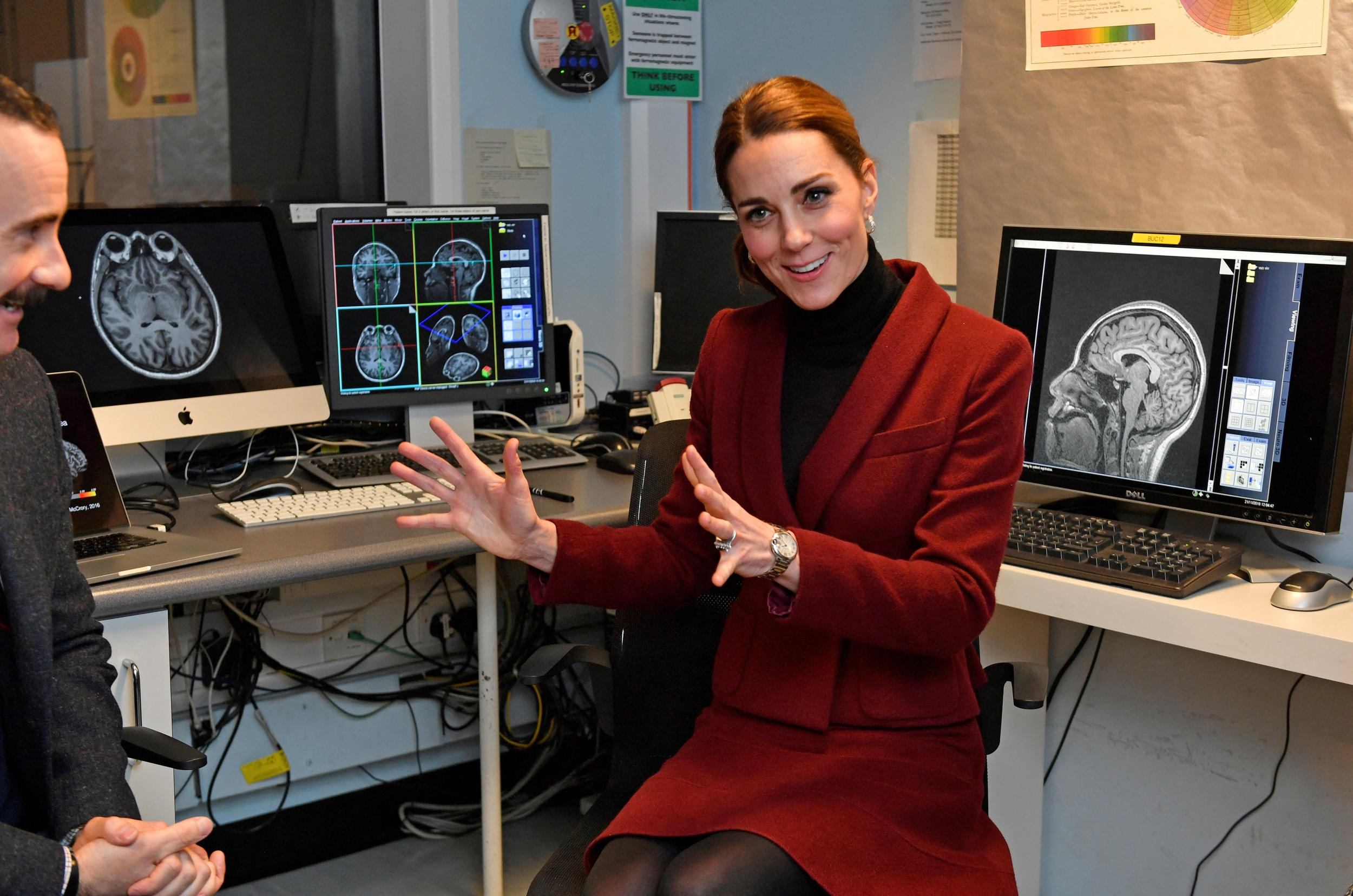
While visiting patients at The Christie NHS Foundation Trust in Manchester, Kate reflected on the cognitive changes she experienced during chemotherapy. She explained that one of the most difficult aspects of treatment was her inability to focus on activities she had previously enjoyed.
“I don’t know about you, but I didn’t have the ability to read or really focus on anything,” she shared while speaking with fellow patients.
Instead of reading, Kate said she found comfort in an unexpected hobby: coloring. She explained that coloring allowed her to remain creative without the pressure of producing a finished piece.
“[Coloring] was my way of exploring interesting things and being able to do something that did not require an end product, or an end finished piece,” she said.
Kate, who announced she was in remission following her cancer treatment, has increasingly spoken about the realities of recovery, emphasizing that the journey does not end when chemotherapy is completed. Her openness has been widely praised by patients and advocacy groups, many of whom say it helps normalize conversations about the less visible side effects of cancer treatment.
Peering Through the Chemo Fog
According to the Mayo Clinic and the Cleveland Clinic, chemo fog, also known as chemo brain or cancer-related cognitive impairment, describes a collection of thinking and memory problems that may occur during or after cancer treatment.
Although chemotherapy is commonly associated with the condition, experts believe cognitive changes may also result from several overlapping factors, including the cancer itself, radiation therapy, hormonal treatments, medications, fatigue, poor sleep, stress, anxiety, and depression.
Common Symptoms
People experiencing chemo fog may notice:
Difficulty concentrating
Memory lapses
Trouble finding the right words
Slower thinking or information processing
Difficulty multitasking
Problems staying organized
Shortened attention span
Mental fatigue
Symptoms vary considerably between individuals. Some experience mild, temporary changes, while others continue to notice cognitive difficulties for months or even years after treatment.
How Is It Diagnosed?
There is no single test that confirms chemo fog.
Healthcare providers typically diagnose it by:
Reviewing symptoms and medical history
Performing neurological and physical examinations
Assessing memory, attention, and executive function
Ruling out other possible causes such as thyroid disorders, vitamin deficiencies, depression or medication side effects
Treatment and Management
There is currently no specific cure for chemo fog, but many patients improve over time.
Doctors often recommend strategies such as:
Treating underlying conditions like anemia or sleep disorders
Regular physical activity
Maintaining consistent sleep habits
Keeping calendars, reminders, and written notes
Completing mentally demanding tasks when energy levels are highest
Brain-training exercises and cognitive rehabilitation
Stress reduction through mindfulness or relaxation techniques
Creative hobbies, which include drawing, coloring, puzzles or music, may also help some patients stay mentally engaged while reducing frustration, much like Kate described during her own recovery.
A Hopeful Way to Cope With ‘Chemo Fog’ and Treating Cancer
The Princess’ experience shines a light on a side effect of cancer treatment that many patients quietly endure. While hair loss, nausea and fatigue are widely recognized, cognitive changes can be equally disruptive, affecting work, family life and everyday activities long after treatment ends.
Her willingness to discuss struggling with concentration and finding comfort through coloring may help reassure patients that these experiences are both common and valid. It also reinforces the importance of comprehensive cancer care that addresses emotional and cognitive recovery in addition to physical health.
For the general public, Kate’s story offers greater understanding of the long-term challenges cancer survivors may face. For people undergoing chemotherapy, it serves as a reminder that recovery is often gradual, and seeking support for cognitive symptoms is just as important as managing the physical effects of treatment. With appropriate coping strategies, medical guidance, and patience, many individuals are able to regain confidence and improve their cognitive function as they continue their recovery journey.
As someone who has been sober for 26 years, and in my work as a recovery coach, I’ve come to understand there is more to recovery and wellness than being substance- free. While it may begin there, what is equally, if not more important, is our emotional sobriety.
When I first heard the term emotional sobriety, it sounded like an unattainable, distant experience reserved for Buddhist monks. Heroines of mine like Tara Brach and Pema Chödrön seemed like they might have it nailed, but it felt well out of reach for someone like me. It wasn’t until I went through a particularly emotionally challenging time —one that ultimately became a portal—that I truly came to understand its significance and have since been able to share this important facet of recovery with my clients.
When I first heard the term emotional sobriety, it sounded like an unattainable, distant experience reserved for Buddhist monks.
One day my son announced he was moving from New York City to Los Angeles. On the surface his decision seemed exciting and full of promise, but he didn’t have a job or a place to live; he was going to figure it out once he got there. The ongoing uncertainty around his well-being pitched me over the edge. I was an anxious, nervous wreck. For weeks, I checked my phone to see if he had texted me, and scrolled through Instagram and Facebook, furtively scanning for little snippets of his life, trying to confirm if he was okay.
His life had been my favorite TV show, and I couldn’t get my fix. I couldn’t stop thinking about him, couldn’t stop worrying, and I felt emotionally hijacked.
Noticing When Your Past Shows Up In Your Present
As the saying goes: When it’s hysterical, it’s historical. When I took a deeper dive in therapy, I began to understand why his departure had hit me so hard. It mirrored something much older. When I was in college, my mother abruptly moved to Switzerland. No long goodbye, no gradual adjustment — she was simply gone. Decades later, my nervous system didn’t know the difference between then and now.
My body was grieving an old loss through a new one. I knew enough to attend Al-Anon meetings to try to unhook emotionally, but my peace of mind remained elusive.
My body was grieving an old loss through a new one. I knew enough to attend Al-Anon meetings to try to unhook emotionally, but my peace of mind remained elusive.
The shift came when I learned to meditate. As a novice, I was first encouraged to turn my attention to my breath, and to notice the moment, the pause, between my in-breath and my out-breath.
As I practiced that awareness, an insight bubbled to the surface. My breath, the singular most subtle physical experience, was my life force. This quiet activity that happened without my making it happen—it was the defining characteristic between life and death. I felt a reverence for my breath that I had never had before. Slowly but surely, I developed the ability to observe how my mind, like a cricket, jumped from thought to worry to thought—and eventually, it began to settle.
For many, substances helped to numb their feelings and had been a type of escape hatch. So when we put substances down, and come into a more intimate relationship with ourselves, being still and quieting our minds might not feel safe. We no longer have something to shut off the noise or dampen the fears.
Over time, I felt at peace—I felt emotionally sober. I wasn’t scrambling for something outside of myself to ease my discomfort.
Making the Mind a Quieter Place
In my work with people who struggle with substance use disorders and/or eating disorders, many clients share with me that they continue to struggle with quieting their minds. For many, substances helped to numb their feelings and had been a type of escape hatch.
So when we put substances down, and come into a more intimate relationship with ourselves, being still and quieting our minds might not feel safe. We no longer have something to shut off the noise or dampen the fears.
In my coaching sessions, we discuss the concept of emotional sobriety, and I offer a variety of entry points, like:
In all these small practices, I am gently guiding them to reconnect with themselves through curiosity rather than judgment. Given there is no single path to stillness, we find one that fits, and we go at the client’s pace.
Being emotionally un-sober can look like checking out, endless distraction, mindless scrolling. Mindfulness practices help us, over time, to understand that we can be with our uncomfortable emotions without lurching for that escape hatch.
What I’ve come to understand is that insight and self-awareness are essential, but even with the best intentions we can still get emotionally hijacked, triggered in an instant—and suddenly the urge to escape those uncomfortable feelings feels overwhelming.
And while we might not reach for the substance or the activity that brought us to recovery in the first place—which is in itself, of course, a marvelous accomplishment—we might reach for other, perhaps more innocuous activities that serve a similar purpose. Being emotionally un-sober can look like checking out, endless distraction, mindless scrolling. Mindfulness practices help us, over time, to understand that we can be with our uncomfortable emotions without lurching for that escape hatch.
What mindfulness and meditation offer, and what my clients tell me again and again, is a way to reset the emotional thermostat, regardless of what’s happening around them.
A pause between the in-breath and the out-breath. A moment of choice where there used to be none.
That is emotional sobriety.
Stephanie Hazard is a certified peer recovery specialist (CPRS) as well as a certified Carolyn Costin Institute eating disorder recovery coach (CCIEDC). Her debut book, Making Sobriety Stick: A Recovery Coach’s Guide to Sustainable Change, will be released September 22nd during National Recovery Month, and can be pre-ordered at www.pathtowardrecovery.com.
Recovery today goes beyond protein shakes and ice baths. The real limiter for many athletes isn’t muscle soreness—it’s nervous system fatigue. As training intensity climbs, so does the stress on your autonomic system. That’s where key recovery markers like heart rate variability (HRV), sleep quality, inflammation, and overall fatigue start to break down.
A new wave of recovery tools is focused on directly activating the body’s “rest and recover” response through the vagus nerve. Among them, Nuropod is built on auricular vagus nerve stimulation research developed by Parasym, a neurotechnology company that has invested over $10 million in studying non-invasive vagal stimulation and collaborated with more than 100 academic and medical institutions.
What truly sets it apart is the strength and consistency of the outcomes. Across randomized studies using Parasym-developed AVNT technology, researchers have reported a broad range of improvements, including a 61% increase in vagus nerve activity and HRV, a 48% reduction in fatigue, a 31% improvement in sleep quality, and up to a 78% reduction in inflammation markers. These findings highlight the importance of shifting the body out of high-output mode and into true recovery as a key factor in supporting long-term performance.
Why Recovery Isn’t Just About Muscles Anymore
For years, recovery meant protein intake, ice baths, massage guns, and rest days. But athletes are starting to realize something important: your nervous system recovers slower than your muscles.
You can feel physically fine and still be neurologically cooked.
Hard training drives the sympathetic nervous system—your fight-or-flight response. That’s great for lifting heavy, sprinting hard, or pushing conditioning work. But if you stay in that state too long, recovery stalls. Sleep quality drops. Resting heart rate climbs. HRV tanks. You wake up tired even after eight hours in bed.
This is where the vagus nerve becomes relevant
The vagus nerve is the main highway of your parasympathetic nervous system—the “rest and recover” side of the equation. It helps slow heart rate, improve heart rate variability, regulate inflammation, and shift your body out of high-stress mode.
For athletes, that shift matters.
Better parasympathetic activation can mean:
Faster recovery between sessions
Improved HRV scores
Deeper sleep
Better heart rate recovery after intense effort
Reduced nervous system burnout
This is why vagus nerve stimulation devices are gaining traction in the performance world. They aren’t muscle tools. They’re nervous system tools.
And that distinction changes how you evaluate them.
What Makes the Best Vagus Nerve Stimulation Device for Athletes?
Not all vagus nerve stimulation devices are built with performance in mind. The market includes medical tools, relaxation-focused gadgets, and high-intensity stimulators designed for very specific uses. But athletes operate under a different standard.
Some are designed for medical use.
Some are relaxation gadgets.
Some are intense neck stimulators meant for short bursts.
When training volume is high and recovery windows are tight, every tool must justify its place. A vagus nerve stimulation device for athletes is not about novelty or sensation. It is about measurable recovery support, improved HRV trends, better sleep quality, and the ability to consistently shift the body out of high-output mode.
But if you’re an athlete, lifter, or high-output professional, the criteria are different.
The best vagus nerve stimulation device for recovery should check a few key boxes:
1. It Supports HRV and Autonomic Balance
If you track HRV, you already know it’s one of the most useful metrics for gauging recovery, resilience, and training readiness. A device worth using should be built around protocols that align with improvements in vagal tone and heart rate variability—not just “feeling relaxed.”
2. It’s Built for Daily Use
Recovery isn’t a once-a-week event. Nervous system regulation works best when applied consistently. The right device should be comfortable enough to use multiple times per week—ideally daily.
If it’s too intense, too inconvenient, or too complicated, you won’t stick with it.
3. It Doesn’t Add More Stress
Some neck-based stimulators create strong pulses or muscle contractions. For certain use cases, that makes sense. But for recovery, you don’t want another stress spike—you want controlled parasympathetic engagement.
4. It Fits into a Real Training Schedule
Athletes don’t have time for 30-step setups. The best device should:
Be wearable or easy to apply
Require minimal prep
Not depend on consumables Integrate into post-workout or pre-sleep routines
5. It’s Backed by More Than Hype
Performance tools should have some grounding in actual neuromodulation research—particularly around HRV, fatigue, sleep, and recovery markers.
When you evaluate devices through that lens, the category narrows quickly.
And that’s where Nuropod enters the conversation.
It’s worth noting that vagus nerve stimulation isn’t a magic switch. It works best alongside fundamentals like sleep, nutrition, and training load management. But for athletes already dialing those in, it can act as a multiplier—helping the body shift into recovery mode more efficiently.
Nuropod Review: Best for Daily Nervous System Recovery
If your goal is consistent nervous system recovery, not a quick jolt or a novelty gadget, Nuropod stands out. Recovery tools should not spike the system. They should help shift it.
Nuropod in the US and its CE-marked version, Nurosym, available across the UK and EU, are built on auricular vagus nerve stimulation research developed by Parasym, a neurotechnology company that has invested over $10 million into studying non-invasive vagal stimulation and collaborated with more than 100 academic and medical institutions.
But Nuropod is not a lab instrument. It is the wearable translation of that research.
Unlike neck-based stimulators, Nuropod targets the ear. The outer ear contains sensory fibers connected to the vagus nerve, allowing low-level electrical stimulation to engage parasympathetic pathways without the intense pulses often associated with cervical devices.
For athletes and high-output individuals, that distinction matters. Recovery tools should not spike the system. They should help shift it.
Parasym
Built Around the Most Researched Auricular Protocols
Nuropod’s stimulation model is derived from over a decade of auricular VNS research. Across more than 50 published and ongoing studies examining ear-based vagus nerve stimulation, researchers have explored effects on:
Heart rate variability (HRV)
Autonomic balance
Fatigue scores
Sleep quality metrics
Inflammatory markers
Cognitive performance under load
In randomized, placebo-controlled trials using Parasym-developed auricular stimulation protocols, researchers have reported:
Up to 67% acute increases in vagal activity markers
61% improvement in vagus nerve activity and HRV
Up to 48% reductions in fatigue scores
Improvements of approximately 31% in sleep quality metrics*
For athletes tracking HRV and readiness, those numbers aren’t abstract—they translate directly into measurable recovery indicators.
What It Feels Like
Nuropod doesn’t hit you with aggressive pulses.
The sensation is mild—a controlled tingling at the ear. No muscle contraction, no sharp jolt, no need to brace. You can wear it while answering emails, working, or winding down after a workout or at night.
That subtlety is intentional. Recovery tools shouldn’t spike your nervous system. They should gently help shift it.
Designed for Real-World Use
One of Nuropod’s biggest strengths is usability.
It is:
Fully wearable and hands-free
Gel-free (no disposable pads to replace)
Adjustable across multiple intensity levels
Designed specifically for daily sessions
There are no subscription models or activation fees. You don’t need to hold it in place. You don’t need perfect positioning on the neck.
It fits into your routine instead of interrupting it.
Why It Works for Athletes
Athletes don’t need another stressor.
They need tools that:
Have measurable improvements in heart rate variability (HRV)
Support deeper sleep cycles
Improve heart rate recovery
Reduce that “wired but exhausted” feeling
Prevent nervous system burnout during heavy blocks
Nuropod isn’t a medical rescue device. It’s a structured tool for training the nervous system to improve recovery cycles. In performance, consistency beats intensity. Built for daily use, it supports autonomic balance and HRV-driven recovery.
Nuropod vs Neck-Based Vagus Nerve Stimulators for Recovery
When people first look into vagus nerve stimulation, they often see two types of devices: ear-based (auricular) and neck-based (cervical).
On the surface, they seem similar. Both deliver electrical stimulation. Both target the vagus nerve. But for recovery and performance, the difference in design changes the experience completely.
Intensity vs Consistency
Neck-based stimulators typically deliver stronger pulses to the side of the neck. Because the cervical region contains mixed nerve fibers and deeper structures, stimulation can feel more aggressive. Sessions are usually short and require manual placement.
That approach may make sense for certain clinical or symptom-specific uses.
But for athletes focused on recovery, intensity isn’t the goal—consistency is.
Nuropod’s ear-based stimulation is lower intensity and wearable. It’s designed for repeatable sessions that fit naturally into daily routines without adding stress or discomfort.
Stress Spike vs Nervous System Reset
High-output training already pushes the sympathetic nervous system hard. Adding another intense stimulus isn’t always what the body needs.
Nuropod’s auricular stimulation feels controlled and subtle. Instead of producing a jolt, it encourages a gradual shift toward parasympathetic activation—the state responsible for recovery, digestion, and sleep.
For lifters, fighters, endurance athletes, and hybrid trainers, that shift matters more than sensation.
Practicality Wins
Neck-based devices often require:
Precise placement
Holding the device in position
Replacement pads and gel (in some models)
Short, focused sessions
Nuropod, by contrast, is:
Hands-free
Gel-free
Adjustable
Built for daily use
That practicality makes consistency far more likely—and recovery tools only deliver if you actually use them. Build it into your post-workout wind-down: protein shake in hand, riding the post-training dopamine lift while your muscles rebuild and your nervous system recalibrates.
Final Verdict: The Best Vagus Nerve Stimulation Device for Recovery in 2026
If you’re an athlete looking for a vagus nerve stimulation device specifically to support recovery, HRV, sleep quality, and nervous system balance, the criteria are clear.
You want something that:
Supports parasympathetic activation
Aligns with HRV-focused protocols
Is comfortable enough for daily use
Integrates easily into your routine
Doesn’t add unnecessary complexity
Nuropod checks those boxes—with one of the strongest validation profiles and real-world track records in the auricular VNS category to date.
It isn’t built for dramatic, high-intensity bursts. It’s built for consistent nervous system training—the kind that supports recovery week after week.
In 2026, for performance-driven individuals prioritizing sustainable output and better recovery metrics, Nuropod stands out as the most practical and research-aligned auricular vagus nerve stimulation device in its category.
*Referenced scientific findings reflect published human studies in specific populations and should be interpreted within that context.
Disclaimer: These statements have not been evaluated by the U.S. Food and Drug Administration. Nuropod is not intended to diagnose, treat, cure, or prevent any disease. This content is for informational purposes only and does not constitute medical advice. Always consult a qualified healthcare professional before making decisions about your health.
Gallbladder removal surgery, also known as laparoscopic cholecystectomy, is one of the most common procedures performed to treat gallbladder conditions such as gallstones, inflammation, or infection. Often called a keyhole gallbladder operation, it’s a minimally invasive technique that allows patients to recover faster and experience less discomfort compared to traditional open surgery.
Understanding how the procedure works and what to expect during gallbladder surgery recovery helps patients prepare for a smoother healing process and informed post-operative care.
What Is Gallbladder Removal Surgery?
Gallbladder removal surgery is a medical procedure designed to remove the gallbladder — a small, pear-shaped organ located under the liver that stores bile. Bile helps digest fats, but when gallstones or inflammation occur, they can block bile ducts, causing severe abdominal pain, nausea, and digestive issues.
The most common method used today is laparoscopic cholecystectomy, which involves small incisions and the use of a thin tube fitted with a camera (a laparoscope). Surgeons perform the operation using specialized instruments, avoiding the need for one large incision typical of open surgery.
Laparoscopic surgery offers several advantages: smaller scars, reduced pain, lower risk of infection, and a quicker post-op recovery time. In most cases, patients can go home the same day or within 24 hours.
People often wonder whether gallbladder removal is a major surgery. While it is a surgical procedure requiring general anesthesia, the laparoscopic approach significantly minimizes trauma to the body, making it less invasive and easier to recover from than open operations.
How Laparoscopic Cholecystectomy Is Performed
A keyhole gallbladder operation typically follows several precise steps. Before surgery, patients undergo imaging tests such as ultrasound or CT scans to assess the gallbladder’s condition and confirm the presence of gallstones or inflammation.
Preparation and anesthesia: Patients receive general anesthesia to ensure they’re asleep and pain-free during the operation.
Creating incisions: The surgeon makes a few small cuts in the abdomen, usually around the navel and upper stomach area.
Insertion of the laparoscope: Through one incision, a thin tube with a tiny video camera (laparoscope) is inserted. This allows the surgeon to view the gallbladder and surrounding organs on a monitor.
Removal of the gallbladder: Using delicate surgical instruments inserted through other incisions, the gallbladder is carefully separated from the liver and bile duct before being removed through one of the openings.
Closing the incisions: Once the procedure is complete, the small incisions are closed with sutures or surgical tape.
The entire surgery typically takes about 45 to 90 minutes. Most patients experience mild discomfort or shoulder pain afterward, caused by the gas used to inflate the abdomen during the procedure. This discomfort usually subsides within a few days.
What Happens After Gallbladder Surgery
After a laparoscopic cholecystectomy, patients are taken to a recovery area for monitoring as they wake up from anesthesia. If the surgery is uncomplicated and vital signs remain stable, many can return home later the same day, according to Mayo Clinic.
During the first few days of gallbladder surgery recovery, mild abdominal soreness, fatigue, or bloating are common. Pain is often managed with prescribed or over-the-counter medication. Patients are encouraged to walk short distances to prevent blood clots and promote healthy circulation.
Diet plays an important role during early recovery. Doctors usually recommend starting with light, low-fat foods and gradually reintroducing a normal diet as the digestive system adjusts to the absence of the gallbladder.
Some people experience mild changes in digestion, particularly when eating high-fat or greasy meals, but this often improves over time.
Gallbladder Surgery Recovery Time and Post-Op Care
Recovery time after gallbladder removal surgery varies depending on the patient’s health, age, and whether the procedure was laparoscopic or open.
For a laparoscopic cholecystectomy, most people can resume normal activities within one to two weeks. Some may return to light work within a few days. In contrast, open surgery typically requires a hospital stay of a few days and up to six weeks for full recovery.
Key factors that influence post-op recovery time include proper wound care, following dietary advice, and avoiding heavy lifting until cleared by a doctor. Patients should also watch for warning signs such as increased pain, swelling, fever, or jaundice, which could indicate infection or complications.
Light activity, gentle walking, and rest are all crucial in the early weeks. Following the surgeon’s instructions is the best way to avoid setbacks and ensure a safe recovery.
Diet and Lifestyle After Gallbladder Removal
Living without a gallbladder is entirely possible, as the liver continues to produce bile even after surgery. However, bile flows directly into the small intestine instead of being stored, which can affect how the body digests fats at first.
During gallbladder surgery recovery, patients may notice temporary digestive changes such as frequent bowel movements or mild bloating. A balanced diet that limits fatty, spicy, and processed foods can help ease these symptoms.
Recommended foods include:
Lean proteins such as chicken, fish, and tofu
Fruits and vegetables high in fiber
Whole grains and low-fat dairy
Smaller, more frequent meals instead of large, heavy ones
Over time, most people can return to a normal diet without issue. Maintaining a healthy weight and following a balanced eating plan also supports long-term digestive health after laparoscopic cholecystectomy.
Risks and Complications of Laparoscopic Cholecystectomy
Although gallbladder removal surgery is considered safe, like all procedures it carries some risks. The most common issues include minor bleeding, infection at the incision sites, or leakage of bile from the bile ducts. Rarely, injury to nearby organs or ducts can occur.
Complications are relatively uncommon and are typically treatable when detected early. Patients should call their doctor immediately if they experience persistent pain, fever, yellowing of the skin or eyes (jaundice), or fluid leaking from the incisions, as per Johns Hopkins University.
Choosing an experienced surgical team and following all post-operative instructions greatly reduces the likelihood of complications and promotes faster healing.
When to Contact a Doctor During Recovery
During post-op recovery time, it’s important to be aware of concerning symptoms that require medical attention. These include:
Increasing abdominal pain or swelling
Redness or pus around incision sites
Fever or chills
Nausea or vomiting persisting beyond a few days
Shortness of breath or chest pain
Regular follow-up visits allow doctors to ensure that healing is on track and that there are no signs of infection or bile leakage. These appointments also provide an opportunity to discuss dietary adjustments and return-to-work plans.
Adjusting to Life After Gallbladder Removal Surgery
For most individuals, gallbladder removal surgery offers relief from painful gallstones and the digestive discomfort associated with gallbladder disease. Thanks to modern laparoscopic cholecystectomy techniques, the keyhole gallbladder operation allows for smaller incisions, shorter hospital stays, and faster gallbladder surgery recovery.
With attentive care, a gradual return to normal activities, and attention to diet, patients typically regain their energy and well-being within weeks. Understanding the post-op recovery time and knowing what to expect helps ensure a confident and healthy return to everyday life after the procedure.
Frequently Asked Questions
1. Can gallbladder removal affect your weight?
Some people notice minor weight changes after surgery, often linked to dietary adjustments. However, the procedure itself does not cause weight gain or loss.
2. How long after gallbladder surgery can you travel?
Most patients can travel within one to two weeks if recovery is smooth. Long trips should be delayed until a doctor confirms it’s safe.
3. Is it normal to feel tired weeks after surgery?
Yes, mild fatigue is common as the body heals and adapts. Rest, hydration, and balanced meals can help restore energy levels.
4. Can you drink coffee after gallbladder removal?
Yes, in moderation. However, strong or highly caffeinated coffee may cause mild digestive upset in early recovery, so it’s best reintroduced gradually.
Knee replacement surgery has become one of the most successful orthopedic procedures performed today, with millions of patients experiencing life-changing improvements in mobility and pain relief.
Whether someone is considering the procedure or preparing for an upcoming surgery, understanding what lies ahead, from recovery timelines to physical therapy requirements, can significantly ease anxiety and improve outcomes.
Understanding Total Knee Arthroplasty: The Procedure
Total knee arthroplasty (TKA), commonly known as knee replacement surgery, involves removing damaged bone and cartilage from the knee joint and replacing it with artificial components made from metal, plastic, or ceramic materials.
The procedure typically lasts 1-2 hours and is performed when arthritis, injury, or wear and tear causes severe pain and mobility limitations that conservative treatments cannot resolve.
The decision to pursue surgery usually comes after patients have exhausted non-surgical options like physical therapy, medications, and injections. Modern implants are designed to replicate the natural knee’s movement, providing patients with improved function and quality of life.
Knee Replacement Surgery Recovery Time: What the Timeline Looks Like
Understanding the recovery progression helps patients set realistic expectations and stay motivated throughout their healing journey.
Immediately After Surgery (Days 1-3)
Most patients spend 1-3 days in the hospital following knee replacement surgery. During this period, pain management and infection prevention are primary concerns. Hospital staff will begin gentle range-of-motion exercises, and patients typically start walking with assistance and supportive devices.
Early Recovery Phase (Weeks 1-6)
The first six weeks are critical for establishing foundational strength and mobility. During the initial two weeks, swelling and bruising are common. Most patients transition from a walker to crutches around week two, and many begin using a single cane by week four.
By week six, patients typically achieve approximately 110-120 degrees of knee bending, reduced dependence on pain medication, and the ability to walk independently for 10-15 minutes. Return to desk work often becomes feasible during this window.
Progressive Strengthening (Weeks 7-12)
Weeks seven through twelve represent a significant transition phase. Swelling continues to decrease, strength improves noticeably, and most patients can resume light household activities. Stairs become more manageable, and many individuals can walk 20-30 minutes without assistance.
Long-Term Recovery (Months 4-12)
While basic recovery may occur within three to six months, complete healing extends to one year post-surgery. By the six-month mark, approximately 80% of patients report substantial improvement in pain and function. Full recovery, including plateau in strength gains and pain reduction, typically occurs between nine and twelve months.
How Long Does Knee Replacement Last? Understanding Implant Longevity
A common concern for patients, particularly younger ones, involves how long their new knee will function. Research demonstrates impressive longevity: approximately 90% of replacement knees function well for 15 years, while 82% continue functioning after 25 years.
Modern implants are engineered with improved materials and biomechanics compared to earlier generations. Most patients will never require revision surgery during their lifetime.
However, individual factors like activity level, weight, and overall health influence implant durability. Younger patients may face eventual revision surgery, though advances in implant technology continue to extend lifespan.
Total Knee Arthroplasty Success Rates: The Data Behind the Numbers
Total knee arthroplasty success rates are among the highest of any surgical procedure. Approximately 95% of patients report satisfaction with their results, while 75-90% experience significant pain relief and improved mobility within the first year, according to the World Health Organization.
These impressive statistics hold across age groups. Patients over 70 show similarly high success rates, while younger patients (under 50) report even higher satisfaction levels. Pain reduction is remarkable, most patients transition from severe, limiting pain to manageable discomfort or complete pain relief within weeks of surgery.
Beyond pain relief, functional improvements matter equally. Patients regain the ability to walk longer distances, climb stairs, and participate in recreational activities previously abandoned due to knee problems. Quality of life improvements extend beyond physical function, often reducing depression and improving overall mental health.
Knee Replacement Physical Therapy Exercises: The Foundation of Recovery
Physical therapy is arguably the most important component of successful recovery. Active participation in structured exercises dramatically influences outcomes, strength development, and long-term function.
Early-Stage Exercises (Weeks 1-3)
Initial exercises focus on gentle range-of-motion and basic strength:
Ankle Pumps: Point and flex the foot to improve circulation and prevent blood clots
Quad Sets: Tighten the thigh muscle above the knee, holding for 5-10 seconds
Heel Slides: Slowly bend the knee by sliding the heel toward the buttock
Straight Leg Raises: Straighten the leg and lift it off the bed to strengthen the thigh
Short Arc Quads: Place a towel roll under the knee and straighten the leg while tightening the thigh muscle
Intermediate Exercises (Weeks 4-6)
As strength improves, exercises increase in intensity and complexity:
Step-Ups and Step-Downs: Using a low step, practice stepping up and down with careful control
Assisted Wall Squats: Lean against a wall and slowly bend the knees to 45-60 degrees
Stationary Cycling: Once range of motion allows, cycling provides excellent low-impact strengthening
Extended Walking: Gradually increase walking duration and pace
Advanced Exercises (Weeks 7-12+)
Later-stage therapy introduces more demanding movements:
Single-Leg Stance: Improve balance by standing on the operated leg for increasing durations
Swimming or Water Walking: Provides resistance without joint stress
Hiking or Varied-Terrain Walking: Challenges stability and strength with natural terrain variations
Physical therapists typically recommend 3-5 therapy sessions weekly for the first 6-12 weeks, with home exercises supplementing formal sessions.
Knee Replacement Complications & Risks: A Realistic Overview
While knee replacement surgery is generally safe, complications can occur. Overall complication rates range from 1.65-11.3%, with most being minor and manageable, as per Harvard Health.
Common Complications
Blood clots, occurring in 0.6-3% of patients, represent the most frequently discussed risk. Deep vein thrombosis (DVT) can develop in the leg after surgery, though modern prevention strategies, including compression stockings, medication, and early mobilization, significantly reduce incidence.
Infection, though rare (less than 2%), requires immediate medical attention if fever, increased swelling, or drainage occurs. Persistent pain or stiffness affects approximately 2.44% of patients and typically improves with continued therapy.
Nerve damage causing numbness or tingling is generally temporary and often resolves within months. Wound complications occur in roughly 7% of cases but usually respond well to appropriate care.
What to Expect After Knee Surgery: Getting Back to Life
Recovery extends beyond pain relief and strength. Patients wonder when they can resume normal activities, driving, working, exercising, and pursuing hobbies.
Returning to Work
Most desk workers can return within 4-6 weeks. Jobs requiring significant walking or standing may require 8-12 weeks or longer. Patients should discuss their specific work demands with their surgeon and physical therapist.
Driving After Knee Replacement
Approximately 80% of patients resume driving within 6-8 weeks, though individual timelines vary. Readiness depends on whether the right or left knee was replaced, pain control, range of motion, and knee strength. Left knee replacements typically allow earlier return to driving than right knee surgeries.
Return to Recreational Activities
Low-impact activities like swimming, walking, and cycling can usually resume at 3-4 months post-surgery. High-impact activities like running or tennis may require 6-12 months or more.
Moving Forward: Maximizing Your Knee Replacement Success
Successful long-term outcomes depend largely on patient engagement. Consistent physical therapy participation, weight management, appropriate activity selection, and regular follow-up appointments all contribute to sustained improvement.
The investment in rehabilitation during the first year pays dividends for decades. Patients who commit fully to physical therapy, gradually challenge their new knee within appropriate limits, and maintain strength through ongoing exercise experience the best long-term results.
Knee replacement surgery offers a remarkable opportunity to reclaim mobility, reduce pain, and improve overall quality of life. With realistic expectations, active participation in recovery, and proper precautions, most patients enjoy excellent outcomes lasting 15-25 years or beyond.
Frequently Asked Questions
1. Can You Fly After Knee Replacement Surgery?
Most surgeons recommend waiting 4-6 weeks before flying, as prolonged sitting increases blood clot risk. Once cleared, compression socks during flights and frequent movement help prevent complications. Always consult your surgeon before booking travel.
2. What Should You Wear After Knee Replacement Surgery?
Loose-fitting, elastic-waistband pants and slip-on shoes are ideal during recovery. Avoid tight clothing that restricts swelling and shoes that require bending or untying. Compression garments prescribed by your surgeon help manage inflammation and improve circulation.
3. How Much Does Knee Replacement Surgery Cost?
In the United States, knee replacement surgery typically costs $35,000-$60,000 without insurance, including hospital fees, surgeon fees, and implant costs. Most insurance plans cover the majority of expenses. Many hospitals offer financial assistance programs for uninsured patients.
4. Can You Get a Knee Replacement on Both Knees?
Yes, bilateral knee replacements are possible. Surgeons can perform both surgeries on the same day or schedule them weeks apart. Same-day bilateral procedures require excellent overall health, while staged surgeries (4-6 weeks apart) reduce stress on the body and allow one leg to bear weight during recovery.
All orders are protected by SSL encryption – the highest industry standard for online security from trusted vendors.
Trauma Root Recovery Program – is backed with a 60 Day No Questions Asked Money Back Guarantee. If within the first 60 days of receipt you are not satisfied with Wake Up Lean™, you can request a refund by sending an email to the address given inside the product and we will immediately refund your entire purchase price, with no questions asked.
The world of fitness is all about pushing oneself to new heights, and a crucial part of that journey is recovery. After a grueling workout, the body needs the right fuel to repair and recharge, and that’s where a post-workout smoothie comes in. A well-crafted post-workout smoothie can be the perfect way to support rapid recovery, helping to reduce muscle soreness, replenish energy stores, and even aid in muscle growth. In this article, we’ll dive into the world of post-workout smoothies and explore the 10 best recipes to fuel your fitness journey.
Understanding the Importance of Post-Workout Nutrition
When it comes to fitness, recovery is just as important as the workout itself. After a intense exercise session, the body is in a state of heightened stress, and the muscles are broken down. To support recovery, it’s essential to provide the body with the right nutrients, and that’s where post-workout nutrition comes in. A post-workout smoothie can be an excellent way to deliver these nutrients, as it’s easy to digest and can be tailored to meet individual needs.
The Benefits of Post-Workout Smoothies
So, why are post-workout smoothies so beneficial for fitness enthusiasts? For starters, they can help to reduce muscle soreness and inflammation, which can be a major obstacle to progress. By providing the body with anti-inflammatory ingredients like protein, antioxidants, and omega-3 fatty acids, a post-workout smoothie can help to mitigate this damage and support rapid recovery. Additionally, post-workout smoothies can help to replenish energy stores, which can be depleted during intense exercise. This can be especially important for athletes who need to perform at a high level, day in and day out.
10 Best Post-Workout Smoothie Recipes
Now that we’ve covered the benefits of post-workout smoothies, let’s dive into the fun part – the recipes! Here are 10 delicious and effective post-workout smoothie recipes to fuel your fitness journey:
Chocolate Banana Boost: Combine 1 scoop of chocolate protein powder, 1 frozen banana, 1 tablespoon of almond butter, and 1 cup of unsweetened almond milk for a smoothie that’s both delicious and nutritious.
Tropical Temptation: Blend 1 scoop of coconut protein powder, 1 cup of frozen pineapple, 1 cup of frozen mango, and 1/2 cup of coconut water for a smoothie that’s perfect for warm weather.
Green Goddess: Combine 1 scoop of spinach protein powder, 1/2 cup of frozen spinach, 1/2 cup of frozen pineapple, and 1 cup of unsweetened coconut water for a smoothie that’s packed with antioxidants.
Peanut Butter Cup: Blend 1 scoop of chocolate protein powder, 2 tablespoons of peanut butter, 1/2 cup of frozen banana, and 1 cup of unsweetened almond milk for a smoothie that’s creamy and indulgent.
Citrus Refresher: Combine 1 scoop of vanilla protein powder, 1 cup of frozen orange, 1/2 cup of frozen grapefruit, and 1 cup of unsweetened coconut water for a smoothie that’s perfect for post-workout hydration.
Mocha Madness: Blend 1 scoop of coffee protein powder, 1/2 cup of frozen banana, 1 tablespoon of almond butter, and 1 cup of unsweetened almond milk for a smoothie that’s perfect for coffee lovers.
Pitaya Power: Combine 1 scoop of pitaya protein powder, 1 cup of frozen pitaya, 1/2 cup of frozen pineapple, and 1 cup of unsweetened coconut water for a smoothie that’s packed with antioxidants.
Strawberry Cheesecake: Blend 1 scoop of strawberry protein powder, 1/2 cup of frozen strawberries, 1/4 cup of Greek yogurt, and 1 cup of unsweetened almond milk for a smoothie that’s creamy and delicious.
Mango Peach Delight: Combine 1 scoop of mango protein powder, 1 cup of frozen mango, 1/2 cup of frozen peaches, and 1 cup of unsweetened coconut water for a smoothie that’s perfect for warm weather.
Pineapple Coconut Cooler: Blend 1 scoop of coconut protein powder, 1 cup of frozen pineapple, 1/2 cup of frozen coconut water, and 1 tablespoon of chia seeds for a smoothie that’s refreshing and rejuvenating.
Tips for Creating the Perfect Post-Workout Smoothie
While the recipes above are a great starting point, it’s essential to remember that everyone’s nutritional needs are different. Here are a few tips for creating the perfect post-workout smoothie:
Choose a protein powder that aligns with your fitness goals, whether it’s whey, casein, or plant-based.
Experiment with different combinations of fruits and vegetables to find the perfect flavor and nutritional profile.
Don’t be afraid to add healthy fats like nuts, seeds, and avocado to support hormone production and satiety.
Keep your smoothie simple and easy to digest, especially after a intense workout.
Conclusion
In conclusion, a post-workout smoothie can be a game-changer for fitness enthusiasts looking to support rapid recovery and fuel their fitness journey. By providing the body with the right nutrients, a post-workout smoothie can help to reduce muscle soreness, replenish energy stores, and even aid in muscle growth. With the 10 recipes outlined above, you’ll be well on your way to creating the perfect post-workout smoothie to fuel your fitness goals. Remember to experiment with different ingredients, keep it simple, and always choose a protein powder that aligns with your fitness goals.
Frequently Asked Questions
Q: What’s the best time to consume a post-workout smoothie?
A: The best time to consume a post-workout smoothie is within 30-60 minutes after exercise, when the body is most receptive to nutrient uptake.
Q: Can I use a post-workout smoothie as a meal replacement?
A: While a post-workout smoothie can be a nutritious and convenient option, it’s not recommended to use it as a meal replacement. Instead, focus on using it as a supplement to support recovery and fuel your fitness journey.
Q: What’s the best type of protein powder to use in a post-workout smoothie?
A: The best type of protein powder will depend on your individual fitness goals and dietary needs. Some popular options include whey, casein, and plant-based protein powders like pea and rice.
Q: Can I add other ingredients to my post-workout smoothie, like supplements or superfoods?
A: Yes, you can add other ingredients to your post-workout smoothie, but be sure to choose options that align with your fitness goals and dietary needs. Some popular additions include creatine, branched-chain amino acids (BCAAs), and superfoods like spinach and kale.
She’s been hitting the gym hard for weeks, pushing her body to its limits, and seeing some impressive gains. However, she’s starting to feel the strain, and her muscles are screaming for a break. This is where the concept of rest days comes in – an essential component of any effective workout routine. Rest days are crucial for muscle recovery, allowing the body to repair and rebuild muscle tissue, leading to increased muscle growth. In fact, rest days are just as important as the actual workout itself, and neglecting them can lead to injury, fatigue, and a plateau in progress.
Understanding Muscle Recovery
When she engages in physical activity, especially resistance training, she causes micro-tears in her muscle fibers. This damage signals her body to repair and rebuild the affected area, making it stronger and more resilient over time. However, this process takes time, and without adequate rest, her muscles won’t have the opportunity to fully recover. This can lead to a range of negative consequences, including decreased performance, increased risk of injury, and a slower rate of muscle growth. By incorporating regular rest days into her routine, she allows her body to undertake the necessary repairs, laying the foundation for continued progress and growth.
The Science Behind Rest Days
Rest days are not just about lounging on the couch, although that can be a nice bonus. During this time, her body is hard at work, undertaking a range of processes that are critical for muscle recovery and growth. One of the key players in this process is a hormone called testosterone, which plays a crucial role in muscle protein synthesis. When she’s resting, her testosterone levels surge, helping to stimulate the growth and repair of muscle tissue. Additionally, rest days allow her body to replenish energy stores, rebuild muscle glycogen, and reduce muscle soreness. All of these factors combined create an environment that is conducive to muscle growth, making rest days an essential component of any effective workout routine.
The Importance of Active Recovery
While complete rest is essential, it’s not the only way to recover. Active recovery, which involves light, low-intensity exercise, can also be beneficial for muscle recovery. Activities like yoga, stretching, or a leisurely walk can help promote blood flow, reduce muscle soreness, and improve range of motion. This type of recovery can be especially useful for athletes or individuals who are engaging in high-intensity training, as it allows them to maintain some level of activity while still giving their muscles a break. By incorporating active recovery into her routine, she can enhance the recovery process, reduce muscle soreness, and improve overall performance.
Creating a Rest Day Routine
So, how can she make the most of her rest days? First and foremost, it’s essential to listen to her body and take rest days as needed. If she’s feeling fatigued, sore, or struggling to recover, it’s likely time for a rest day. During this time, she can focus on relaxation techniques like meditation, deep breathing, or reading. She can also use this opportunity to catch up on sleep, aiming for 7-9 hours per night to help her body recover. Additionally, she can prioritize nutrition, fueling her body with a balanced diet that includes plenty of protein, complex carbohydrates, and healthy fats. By making rest days a priority, she can enhance the recovery process, support muscle growth, and come back stronger and more resilient than ever.
Common Mistakes to Avoid
While rest days are essential, there are some common mistakes that can undermine their effectiveness. One of the most significant errors is not taking enough rest days. If she’s consistently pushing herself without giving her body time to recover, she’ll eventually burn out, leading to injury, fatigue, and a decline in performance. Another mistake is not listening to her body. If she’s feeling tired, sore, or struggling to recover, it’s essential to take an extra rest day or modify her workout routine to avoid exacerbating the issue. Finally, she should avoid using rest days as an excuse to indulge in unhealthy habits, like overeating or skipping workouts altogether. By avoiding these common mistakes, she can get the most out of her rest days and support ongoing muscle growth and recovery.
The Benefits of Rest Days
So, what are the benefits of incorporating rest days into her workout routine? For starters, rest days can help reduce the risk of injury, allowing her body to recover and rebuild before she pushes herself again. Rest days can also improve performance, as a well-rested body is stronger, faster, and more resilient. Additionally, rest days can enhance muscle growth, as her body is able to undertake the necessary repairs and rebuild muscle tissue. Finally, rest days can improve mental health, reducing stress and anxiety while promoting relaxation and overall well-being. By prioritizing rest days, she can experience these benefits firsthand, taking her fitness journey to the next level.
Conclusion
Rest days are a critical component of any effective workout routine, allowing the body to recover, repair, and rebuild muscle tissue. By incorporating regular rest days into her routine, she can support muscle growth, reduce the risk of injury, and improve overall performance. Whether she’s a seasoned athlete or just starting out, rest days are essential for making progress and achieving her fitness goals. So, the next time she’s feeling tired, sore, or struggling to recover, she should remember that rest days are not a luxury, but a necessity. By prioritizing rest and recovery, she can come back stronger, faster, and more resilient than ever, ready to take on her next challenge.
Frequently Asked Questions
Q: How many rest days should I take per week?
A: The number of rest days needed can vary depending on the individual and their workout routine. As a general rule, it’s recommended to take at least 1-2 rest days per week, although this may increase or decrease depending on the intensity and frequency of her workouts.
Q: What can I do on rest days?
A: On rest days, she can focus on relaxation techniques like meditation, deep breathing, or reading. She can also use this opportunity to catch up on sleep, prioritize nutrition, and engage in light, low-intensity exercise like yoga or stretching.
Q: Will taking rest days affect my muscle growth?
A: No, taking rest days will not affect muscle growth. In fact, rest days are essential for muscle recovery and growth, as they allow the body to repair and rebuild muscle tissue.
Q: How can I know if I need a rest day?
A: If she’s feeling tired, sore, or struggling to recover, it’s likely time for a rest day. She should also listen to her body and take rest days as needed, rather than pushing herself too hard and risking injury or burnout.
Q: Can I still lose weight if I take rest days?
A: Yes, rest days will not hinder weight loss efforts. In fact, rest days can help support weight loss by allowing the body to recover and rebuild muscle tissue, which can help increase metabolism and burn fat more efficiently.
When it comes to working out, everyone knows that the real magic happens after the gym session is over. That’s right, folks, we’re talking about muscle recovery. It’s the process by which your body repairs and rebuilds those muscles you’ve been pushing to their limits, and it’s essential for seeing real workout results. One way to give your body a helping hand is by incorporating muscle recovery supplements into your routine. But with so many options out there, it can be tough to know where to start. That’s why we’ve put together this list of the top 10 supplements for muscle recovery, to help you boost your workout results and take your fitness journey to the next level.
Understanding Muscle Recovery
Before we dive into the supplements, let’s take a quick look at what muscle recovery actually is. When you work out, you’re causing micro-tears in your muscles. This might sound bad, but it’s actually a good thing – it’s how your muscles grow and get stronger. The problem is, if you don’t give your body the tools it needs to repair those tears, you can end up with sore, tired muscles that are slow to recover. This is where muscle recovery supplements come in. By providing your body with the necessary building blocks, you can help speed up the recovery process, reduce muscle soreness, and get back to your workout routine faster.
Top 10 Muscle Recovery Supplements
So, without further ado, let’s take a look at the top 10 muscle recovery supplements that can help boost your workout results.
Protein Powder: This one’s a no-brainer. Protein is essential for muscle growth and repair, and a good protein powder can help ensure you’re getting enough. Look for a whey protein or casein protein powder, and aim to consume it within an hour of your workout.
Creatine: Creatine is a naturally occurring substance that helps supply energy to your muscles. Supplementing with creatine can help increase strength, power, and endurance, making it a great addition to your muscle recovery routine.
Branched-Chain Amino Acids (BCAAs): BCAAs are three essential amino acids – leucine, isoleucine, and valine – that play a critical role in muscle recovery. They can help reduce muscle soreness, improve recovery time, and even boost muscle growth.
Glutamine: Glutamine is an amino acid that’s essential for immune function and muscle recovery. Supplementing with glutamine can help reduce muscle soreness, improve recovery time, and even support immune function.
HMB (beta-Hydroxy beta-Methylbutyrate): HMB is a metabolite of the amino acid leucine, and it’s been shown to have a range of benefits for muscle recovery. It can help reduce muscle soreness, improve recovery time, and even boost muscle growth.
L-Carnitine: L-carnitine is an amino acid that plays a critical role in energy production. Supplementing with L-carnitine can help improve endurance, reduce muscle soreness, and even support weight loss.
L-Glutathione: L-glutathione is an antioxidant that helps protect your muscles from damage. Supplementing with L-glutathione can help reduce muscle soreness, improve recovery time, and even support overall health.
Omega-3 Fatty Acids: Omega-3 fatty acids are essential for heart health, but they also have a range of benefits for muscle recovery. They can help reduce inflammation, improve recovery time, and even support muscle growth.
Vitamin D: Vitamin D is essential for bone health, but it also plays a critical role in muscle recovery. Supplementing with vitamin D can help improve recovery time, reduce muscle soreness, and even support overall health.
Ashwagandha: Ashwagandha is an adaptogenic herb that’s been shown to have a range of benefits for muscle recovery. It can help reduce stress, improve recovery time, and even boost muscle growth.
How to Choose the Right Muscle Recovery Supplements
With so many options out there, it can be tough to know which muscle recovery supplements are right for you. Here are a few tips to keep in mind:
Always consult with a healthcare professional before starting any new supplement routine.
Look for supplements that are backed by scientific research and have a clear list of ingredients.
Start with a small dose and gradually increase as needed.
Be patient – muscle recovery supplements can take time to start working.
Conclusion
Muscle recovery is a critical part of any workout routine, and incorporating the right supplements can help boost your workout results. By providing your body with the necessary building blocks, you can help speed up the recovery process, reduce muscle soreness, and get back to your workout routine faster. Remember to always consult with a healthcare professional before starting any new supplement routine, and be patient – muscle recovery supplements can take time to start working. With the right combination of supplements and a solid workout routine, you can take your fitness journey to the next level and achieve the results you’ve always wanted.
Frequently Asked Questions
Q: What are the best muscle recovery supplements for beginners?
A: For beginners, it’s best to start with the basics – protein powder, creatine, and BCAAs. These supplements are well-studied and can help provide a solid foundation for muscle recovery.
Q: How long does it take to see results from muscle recovery supplements?
A: The amount of time it takes to see results from muscle recovery supplements can vary depending on the individual and the specific supplement. Some supplements, like protein powder, can start working within a few days, while others, like creatine, may take a few weeks to start producing noticeable results.
Q: Are muscle recovery supplements safe?
A: Generally, muscle recovery supplements are safe when taken as directed. However, it’s always important to consult with a healthcare professional before starting any new supplement routine, especially if you have any underlying health conditions or are taking medications.
Q: Can I take muscle recovery supplements with other supplements?
A: Yes, many muscle recovery supplements can be taken with other supplements. However, it’s always important to consult with a healthcare professional before combining supplements, as some may interact with each other or have adverse effects.
Q: How much do muscle recovery supplements cost?
A: The cost of muscle recovery supplements can vary widely depending on the specific supplement and brand. Generally, you can expect to pay anywhere from $20 to $50 per month for a basic supplement routine.
The importance of sleep cannot be overstated, especially when it comes to muscle recovery and growth. While hitting the gym and pushing oneself to new limits is crucial for building strength and endurance, it’s equally important to give the body time to rest and recover. This is where sleep comes in – the often-overlooked but crucial component of the recovery process.
The Science of Sleep and Muscle Recovery
When we sleep, our body gets to work repairing and rebuilding muscle tissue that’s been damaged during exercise. This process is made possible by the release of hormones such as growth hormone and testosterone, which are essential for muscle growth and repair. During deep sleep, our body also experiences a surge in protein synthesis, which helps to rebuild and strengthen muscle fibers. This is why getting enough sleep is so crucial for athletes and individuals who engage in regular physical activity – without it, they may not be able to recover properly, leading to decreased performance and increased risk of injury.
How Sleep Affects Muscle Growth
Sleep plays a critical role in muscle growth, and research has shown that getting enough sleep is essential for maximizing muscle hypertrophy. When we don’t get enough sleep, our body’s ability to build new muscle tissue is impaired, leading to decreased muscle growth and strength gains. This is because sleep deprivation can lead to a decrease in the production of growth hormone and testosterone, making it harder for our body to build new muscle tissue. On the other hand, getting enough sleep can help to increase the production of these hormones, leading to increased muscle growth and strength.
The Importance of REM Sleep for Muscle Recovery
REM sleep is a critical component of the sleep cycle, and it plays a crucial role in muscle recovery. During REM sleep, our body experiences a surge in brain activity, and our muscles are able to recover and rebuild at an accelerated rate. This is because REM sleep is when our body is able to clear out waste products that have built up in our muscles during exercise, such as lactic acid and other metabolic byproducts. When we don’t get enough REM sleep, our body’s ability to recover from exercise is impaired, leading to decreased performance and increased risk of injury.
Sleep and Inflammation: The Key to Reducing Muscle Soreness
Sleep also plays a critical role in reducing inflammation, which is a major contributor to muscle soreness. When we exercise, our muscles experience micro-tears, which can lead to inflammation and soreness. However, during sleep, our body is able to reduce inflammation by releasing anti-inflammatory hormones such as cortisol. This helps to reduce muscle soreness and improve recovery. Additionally, sleep has been shown to reduce oxidative stress, which can also contribute to muscle soreness and impaired recovery.
The Consequences of Sleep Deprivation on Muscle Recovery
Sleep deprivation can have serious consequences on muscle recovery, and can lead to a range of negative effects. When we don’t get enough sleep, our body’s ability to recover from exercise is impaired, leading to decreased performance and increased risk of injury. Additionally, sleep deprivation can lead to a decrease in the production of growth hormone and testosterone, making it harder for our body to build new muscle tissue. This can lead to decreased muscle growth and strength gains, and can even lead to muscle loss over time.
Tips for Improving Sleep for Better Muscle Recovery
So, how can we improve our sleep to enhance muscle recovery and growth? Here are a few tips:
Establish a consistent sleep schedule: Going to bed and waking up at the same time every day can help regulate our body’s internal clock and improve the quality of our sleep.
Create a sleep-conducive environment: This can include things like keeping the room cool, dark, and quiet, and investing in a comfortable mattress and pillows.
Avoid screens before bed: The blue light emitted by smartphones, tablets, and computers can suppress the production of melatonin, making it harder to fall asleep.
Avoid stimulating activities before bed: Activities like exercise, watching TV, or engaging in intense conversations can stimulate our brain and make it harder to fall asleep.
Conclusion
Sleep is a critical component of the recovery process, and it plays a vital role in muscle recovery and growth. By prioritizing sleep and making it a priority, individuals can improve their overall health and fitness, and enhance their athletic performance. Whether you’re a professional athlete or just starting out on your fitness journey, getting enough sleep is essential for achieving your goals. So, make sure to get plenty of rest and give your body the time it needs to recover – your muscles will thank you.
Frequently Asked Questions
Q: How much sleep do I need for optimal muscle recovery?
A: The amount of sleep needed for optimal muscle recovery varies from person to person, but most adults need 7-9 hours of sleep per night.
Q: What happens if I don’t get enough sleep?
A: If you don’t get enough sleep, your body’s ability to recover from exercise is impaired, leading to decreased performance and increased risk of injury.
Q: Can I make up for lost sleep by sleeping more on the weekends?
A: While sleeping more on the weekends can help to make up for lost sleep, it’s not a substitute for consistent sleep habits. Establishing a regular sleep schedule is essential for optimal recovery.
Q: How can I improve the quality of my sleep?
A: Establishing a consistent sleep schedule, creating a sleep-conducive environment, avoiding screens before bed, and avoiding stimulating activities before bed can all help to improve the quality of your sleep.
Q: Is it true that sleep is more important than nutrition for muscle recovery?
A: While nutrition is certainly important for muscle recovery, sleep is equally important. Without enough sleep, our body’s ability to recover from exercise is impaired, regardless of how well we’re eating.