Tag: Muscle

  • Return To Prime – Reset Your Muscle Clock Back 20 Years

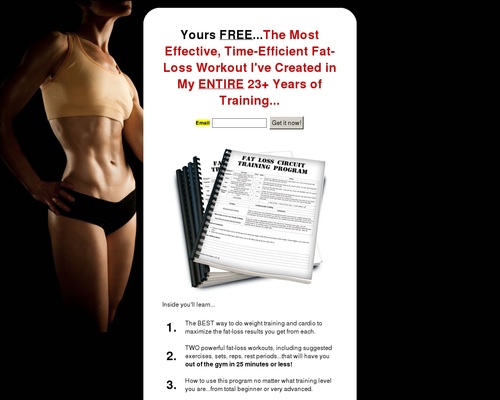
    Return To Prime – Reset Your Muscle Clock Back 20 Years

    Product Name: Return To Prime – Reset Your Muscle Clock Back 20 Years

    Click here to get Return To Prime – Reset Your Muscle Clock Back 20 Years at discounted price while it’s still available…

    All orders are protected by SSL encryption – the highest industry standard for online security from trusted vendors.

    Return To Prime – Reset Your Muscle Clock Back 20 Years is backed with a 60 Day No Questions Asked Money Back Guarantee. If within the first 60 days of receipt you are not satisfied with Wake Up Lean™, you can request a refund by sending an email to the address given inside the product and we will immediately refund your entire purchase price, with no questions asked.

    (more…)

  • Recover Faster: Why Rest Days Are Crucial for Muscle Growth and Repair (Target keywords: rest days, muscle recovery, muscle growth)

    Recover Faster: Why Rest Days Are Crucial for Muscle Growth and Repair (Target keywords: rest days, muscle recovery, muscle growth)

    She’s been hitting the gym hard for weeks, pushing her body to its limits, and seeing some impressive gains. However, she’s starting to feel the strain, and her muscles are screaming for a break. This is where the concept of rest days comes in – an essential component of any effective workout routine. Rest days are crucial for muscle recovery, allowing the body to repair and rebuild muscle tissue, leading to increased muscle growth. In fact, rest days are just as important as the actual workout itself, and neglecting them can lead to injury, fatigue, and a plateau in progress.

    Understanding Muscle Recovery

    When she engages in physical activity, especially resistance training, she causes micro-tears in her muscle fibers. This damage signals her body to repair and rebuild the affected area, making it stronger and more resilient over time. However, this process takes time, and without adequate rest, her muscles won’t have the opportunity to fully recover. This can lead to a range of negative consequences, including decreased performance, increased risk of injury, and a slower rate of muscle growth. By incorporating regular rest days into her routine, she allows her body to undertake the necessary repairs, laying the foundation for continued progress and growth.

    The Science Behind Rest Days

    Rest days are not just about lounging on the couch, although that can be a nice bonus. During this time, her body is hard at work, undertaking a range of processes that are critical for muscle recovery and growth. One of the key players in this process is a hormone called testosterone, which plays a crucial role in muscle protein synthesis. When she’s resting, her testosterone levels surge, helping to stimulate the growth and repair of muscle tissue. Additionally, rest days allow her body to replenish energy stores, rebuild muscle glycogen, and reduce muscle soreness. All of these factors combined create an environment that is conducive to muscle growth, making rest days an essential component of any effective workout routine.

    The Importance of Active Recovery

    While complete rest is essential, it’s not the only way to recover. Active recovery, which involves light, low-intensity exercise, can also be beneficial for muscle recovery. Activities like yoga, stretching, or a leisurely walk can help promote blood flow, reduce muscle soreness, and improve range of motion. This type of recovery can be especially useful for athletes or individuals who are engaging in high-intensity training, as it allows them to maintain some level of activity while still giving their muscles a break. By incorporating active recovery into her routine, she can enhance the recovery process, reduce muscle soreness, and improve overall performance.

    Creating a Rest Day Routine

    So, how can she make the most of her rest days? First and foremost, it’s essential to listen to her body and take rest days as needed. If she’s feeling fatigued, sore, or struggling to recover, it’s likely time for a rest day. During this time, she can focus on relaxation techniques like meditation, deep breathing, or reading. She can also use this opportunity to catch up on sleep, aiming for 7-9 hours per night to help her body recover. Additionally, she can prioritize nutrition, fueling her body with a balanced diet that includes plenty of protein, complex carbohydrates, and healthy fats. By making rest days a priority, she can enhance the recovery process, support muscle growth, and come back stronger and more resilient than ever.

    Common Mistakes to Avoid

    While rest days are essential, there are some common mistakes that can undermine their effectiveness. One of the most significant errors is not taking enough rest days. If she’s consistently pushing herself without giving her body time to recover, she’ll eventually burn out, leading to injury, fatigue, and a decline in performance. Another mistake is not listening to her body. If she’s feeling tired, sore, or struggling to recover, it’s essential to take an extra rest day or modify her workout routine to avoid exacerbating the issue. Finally, she should avoid using rest days as an excuse to indulge in unhealthy habits, like overeating or skipping workouts altogether. By avoiding these common mistakes, she can get the most out of her rest days and support ongoing muscle growth and recovery.

    The Benefits of Rest Days

    So, what are the benefits of incorporating rest days into her workout routine? For starters, rest days can help reduce the risk of injury, allowing her body to recover and rebuild before she pushes herself again. Rest days can also improve performance, as a well-rested body is stronger, faster, and more resilient. Additionally, rest days can enhance muscle growth, as her body is able to undertake the necessary repairs and rebuild muscle tissue. Finally, rest days can improve mental health, reducing stress and anxiety while promoting relaxation and overall well-being. By prioritizing rest days, she can experience these benefits firsthand, taking her fitness journey to the next level.

    Conclusion

    Rest days are a critical component of any effective workout routine, allowing the body to recover, repair, and rebuild muscle tissue. By incorporating regular rest days into her routine, she can support muscle growth, reduce the risk of injury, and improve overall performance. Whether she’s a seasoned athlete or just starting out, rest days are essential for making progress and achieving her fitness goals. So, the next time she’s feeling tired, sore, or struggling to recover, she should remember that rest days are not a luxury, but a necessity. By prioritizing rest and recovery, she can come back stronger, faster, and more resilient than ever, ready to take on her next challenge.

    Frequently Asked Questions

    Q: How many rest days should I take per week?
    A: The number of rest days needed can vary depending on the individual and their workout routine. As a general rule, it’s recommended to take at least 1-2 rest days per week, although this may increase or decrease depending on the intensity and frequency of her workouts.

    Q: What can I do on rest days?
    A: On rest days, she can focus on relaxation techniques like meditation, deep breathing, or reading. She can also use this opportunity to catch up on sleep, prioritize nutrition, and engage in light, low-intensity exercise like yoga or stretching.

    Q: Will taking rest days affect my muscle growth?
    A: No, taking rest days will not affect muscle growth. In fact, rest days are essential for muscle recovery and growth, as they allow the body to repair and rebuild muscle tissue.

    Q: How can I know if I need a rest day?
    A: If she’s feeling tired, sore, or struggling to recover, it’s likely time for a rest day. She should also listen to her body and take rest days as needed, rather than pushing herself too hard and risking injury or burnout.

    Q: Can I still lose weight if I take rest days?
    A: Yes, rest days will not hinder weight loss efforts. In fact, rest days can help support weight loss by allowing the body to recover and rebuild muscle tissue, which can help increase metabolism and burn fat more efficiently.

    recover-faster-why-rest-days-are-crucial-for-muscle-growth-and-repair-target-keywords-rest-days-muscle-recovery-muscle-growth

  • Top 10 Supplements for Muscle Recovery: Boost Your Workout Results (Target keywords: muscle recovery supplements, workout results)

    Top 10 Supplements for Muscle Recovery: Boost Your Workout Results (Target keywords: muscle recovery supplements, workout results)

    When it comes to working out, everyone knows that the real magic happens after the gym session is over. That’s right, folks, we’re talking about muscle recovery. It’s the process by which your body repairs and rebuilds those muscles you’ve been pushing to their limits, and it’s essential for seeing real workout results. One way to give your body a helping hand is by incorporating muscle recovery supplements into your routine. But with so many options out there, it can be tough to know where to start. That’s why we’ve put together this list of the top 10 supplements for muscle recovery, to help you boost your workout results and take your fitness journey to the next level.

    Understanding Muscle Recovery
    Before we dive into the supplements, let’s take a quick look at what muscle recovery actually is. When you work out, you’re causing micro-tears in your muscles. This might sound bad, but it’s actually a good thing – it’s how your muscles grow and get stronger. The problem is, if you don’t give your body the tools it needs to repair those tears, you can end up with sore, tired muscles that are slow to recover. This is where muscle recovery supplements come in. By providing your body with the necessary building blocks, you can help speed up the recovery process, reduce muscle soreness, and get back to your workout routine faster.

    Top 10 Muscle Recovery Supplements
    So, without further ado, let’s take a look at the top 10 muscle recovery supplements that can help boost your workout results.

    1. Protein Powder: This one’s a no-brainer. Protein is essential for muscle growth and repair, and a good protein powder can help ensure you’re getting enough. Look for a whey protein or casein protein powder, and aim to consume it within an hour of your workout.

    2. Creatine: Creatine is a naturally occurring substance that helps supply energy to your muscles. Supplementing with creatine can help increase strength, power, and endurance, making it a great addition to your muscle recovery routine.

    3. Branched-Chain Amino Acids (BCAAs): BCAAs are three essential amino acids – leucine, isoleucine, and valine – that play a critical role in muscle recovery. They can help reduce muscle soreness, improve recovery time, and even boost muscle growth.

    4. Glutamine: Glutamine is an amino acid that’s essential for immune function and muscle recovery. Supplementing with glutamine can help reduce muscle soreness, improve recovery time, and even support immune function.

    5. HMB (beta-Hydroxy beta-Methylbutyrate): HMB is a metabolite of the amino acid leucine, and it’s been shown to have a range of benefits for muscle recovery. It can help reduce muscle soreness, improve recovery time, and even boost muscle growth.

    6. L-Carnitine: L-carnitine is an amino acid that plays a critical role in energy production. Supplementing with L-carnitine can help improve endurance, reduce muscle soreness, and even support weight loss.

    7. L-Glutathione: L-glutathione is an antioxidant that helps protect your muscles from damage. Supplementing with L-glutathione can help reduce muscle soreness, improve recovery time, and even support overall health.

    8. Omega-3 Fatty Acids: Omega-3 fatty acids are essential for heart health, but they also have a range of benefits for muscle recovery. They can help reduce inflammation, improve recovery time, and even support muscle growth.

    9. Vitamin D: Vitamin D is essential for bone health, but it also plays a critical role in muscle recovery. Supplementing with vitamin D can help improve recovery time, reduce muscle soreness, and even support overall health.

    10. Ashwagandha: Ashwagandha is an adaptogenic herb that’s been shown to have a range of benefits for muscle recovery. It can help reduce stress, improve recovery time, and even boost muscle growth.

    How to Choose the Right Muscle Recovery Supplements
    With so many options out there, it can be tough to know which muscle recovery supplements are right for you. Here are a few tips to keep in mind:

    • Always consult with a healthcare professional before starting any new supplement routine.
    • Look for supplements that are backed by scientific research and have a clear list of ingredients.
    • Start with a small dose and gradually increase as needed.
    • Be patient – muscle recovery supplements can take time to start working.

    Conclusion
    Muscle recovery is a critical part of any workout routine, and incorporating the right supplements can help boost your workout results. By providing your body with the necessary building blocks, you can help speed up the recovery process, reduce muscle soreness, and get back to your workout routine faster. Remember to always consult with a healthcare professional before starting any new supplement routine, and be patient – muscle recovery supplements can take time to start working. With the right combination of supplements and a solid workout routine, you can take your fitness journey to the next level and achieve the results you’ve always wanted.

    Frequently Asked Questions

    Q: What are the best muscle recovery supplements for beginners?
    A: For beginners, it’s best to start with the basics – protein powder, creatine, and BCAAs. These supplements are well-studied and can help provide a solid foundation for muscle recovery.

    Q: How long does it take to see results from muscle recovery supplements?
    A: The amount of time it takes to see results from muscle recovery supplements can vary depending on the individual and the specific supplement. Some supplements, like protein powder, can start working within a few days, while others, like creatine, may take a few weeks to start producing noticeable results.

    Q: Are muscle recovery supplements safe?
    A: Generally, muscle recovery supplements are safe when taken as directed. However, it’s always important to consult with a healthcare professional before starting any new supplement routine, especially if you have any underlying health conditions or are taking medications.

    Q: Can I take muscle recovery supplements with other supplements?
    A: Yes, many muscle recovery supplements can be taken with other supplements. However, it’s always important to consult with a healthcare professional before combining supplements, as some may interact with each other or have adverse effects.

    Q: How much do muscle recovery supplements cost?
    A: The cost of muscle recovery supplements can vary widely depending on the specific supplement and brand. Generally, you can expect to pay anywhere from $20 to $50 per month for a basic supplement routine.

    top-10-supplements-for-muscle-recovery-boost-your-workout-results-target-keywords-muscle-recovery-supplements-workout-results

  • Snooze to Reboot: How Sleep Impacts Muscle Recovery and Growth

    Snooze to Reboot: How Sleep Impacts Muscle Recovery and Growth

    The importance of sleep cannot be overstated, especially when it comes to muscle recovery and growth. While hitting the gym and pushing oneself to new limits is crucial for building strength and endurance, it’s equally important to give the body time to rest and recover. This is where sleep comes in – the often-overlooked but crucial component of the recovery process.

    The Science of Sleep and Muscle Recovery

    When we sleep, our body gets to work repairing and rebuilding muscle tissue that’s been damaged during exercise. This process is made possible by the release of hormones such as growth hormone and testosterone, which are essential for muscle growth and repair. During deep sleep, our body also experiences a surge in protein synthesis, which helps to rebuild and strengthen muscle fibers. This is why getting enough sleep is so crucial for athletes and individuals who engage in regular physical activity – without it, they may not be able to recover properly, leading to decreased performance and increased risk of injury.

    How Sleep Affects Muscle Growth

    Sleep plays a critical role in muscle growth, and research has shown that getting enough sleep is essential for maximizing muscle hypertrophy. When we don’t get enough sleep, our body’s ability to build new muscle tissue is impaired, leading to decreased muscle growth and strength gains. This is because sleep deprivation can lead to a decrease in the production of growth hormone and testosterone, making it harder for our body to build new muscle tissue. On the other hand, getting enough sleep can help to increase the production of these hormones, leading to increased muscle growth and strength.

    The Importance of REM Sleep for Muscle Recovery

    REM sleep is a critical component of the sleep cycle, and it plays a crucial role in muscle recovery. During REM sleep, our body experiences a surge in brain activity, and our muscles are able to recover and rebuild at an accelerated rate. This is because REM sleep is when our body is able to clear out waste products that have built up in our muscles during exercise, such as lactic acid and other metabolic byproducts. When we don’t get enough REM sleep, our body’s ability to recover from exercise is impaired, leading to decreased performance and increased risk of injury.

    Sleep and Inflammation: The Key to Reducing Muscle Soreness

    Sleep also plays a critical role in reducing inflammation, which is a major contributor to muscle soreness. When we exercise, our muscles experience micro-tears, which can lead to inflammation and soreness. However, during sleep, our body is able to reduce inflammation by releasing anti-inflammatory hormones such as cortisol. This helps to reduce muscle soreness and improve recovery. Additionally, sleep has been shown to reduce oxidative stress, which can also contribute to muscle soreness and impaired recovery.

    The Consequences of Sleep Deprivation on Muscle Recovery

    Sleep deprivation can have serious consequences on muscle recovery, and can lead to a range of negative effects. When we don’t get enough sleep, our body’s ability to recover from exercise is impaired, leading to decreased performance and increased risk of injury. Additionally, sleep deprivation can lead to a decrease in the production of growth hormone and testosterone, making it harder for our body to build new muscle tissue. This can lead to decreased muscle growth and strength gains, and can even lead to muscle loss over time.

    Tips for Improving Sleep for Better Muscle Recovery

    So, how can we improve our sleep to enhance muscle recovery and growth? Here are a few tips:

    • Establish a consistent sleep schedule: Going to bed and waking up at the same time every day can help regulate our body’s internal clock and improve the quality of our sleep.
    • Create a sleep-conducive environment: This can include things like keeping the room cool, dark, and quiet, and investing in a comfortable mattress and pillows.
    • Avoid screens before bed: The blue light emitted by smartphones, tablets, and computers can suppress the production of melatonin, making it harder to fall asleep.
    • Avoid stimulating activities before bed: Activities like exercise, watching TV, or engaging in intense conversations can stimulate our brain and make it harder to fall asleep.

    Conclusion

    Sleep is a critical component of the recovery process, and it plays a vital role in muscle recovery and growth. By prioritizing sleep and making it a priority, individuals can improve their overall health and fitness, and enhance their athletic performance. Whether you’re a professional athlete or just starting out on your fitness journey, getting enough sleep is essential for achieving your goals. So, make sure to get plenty of rest and give your body the time it needs to recover – your muscles will thank you.

    Frequently Asked Questions

    Q: How much sleep do I need for optimal muscle recovery?
    A: The amount of sleep needed for optimal muscle recovery varies from person to person, but most adults need 7-9 hours of sleep per night.

    Q: What happens if I don’t get enough sleep?
    A: If you don’t get enough sleep, your body’s ability to recover from exercise is impaired, leading to decreased performance and increased risk of injury.

    Q: Can I make up for lost sleep by sleeping more on the weekends?
    A: While sleeping more on the weekends can help to make up for lost sleep, it’s not a substitute for consistent sleep habits. Establishing a regular sleep schedule is essential for optimal recovery.

    Q: How can I improve the quality of my sleep?
    A: Establishing a consistent sleep schedule, creating a sleep-conducive environment, avoiding screens before bed, and avoiding stimulating activities before bed can all help to improve the quality of your sleep.

    Q: Is it true that sleep is more important than nutrition for muscle recovery?
    A: While nutrition is certainly important for muscle recovery, sleep is equally important. Without enough sleep, our body’s ability to recover from exercise is impaired, regardless of how well we’re eating.

    snooze-to-reboot-how-sleep-impacts-muscle-recovery-and-growth

  • Maximize Muscle Growth: The Ultimate Guide to Protein Intake and Nutrition (Target keywords: protein intake, muscle growth, nutrition)

    Maximize Muscle Growth: The Ultimate Guide to Protein Intake and Nutrition (Target keywords: protein intake, muscle growth, nutrition)

    She’s always been fascinated by the world of fitness and muscle growth, and one thing she’s learned is that protein intake is crucial for achieving those gains. When it comes to maximizing muscle growth, having a solid understanding of nutrition is essential. It’s not just about consuming enough protein, but also about ensuring that overall nutrition is on point. In this article, we’ll delve into the world of protein intake and nutrition, providing readers with a comprehensive guide on how to fuel their bodies for optimal muscle growth.

    Understanding the Importance of Protein Intake

    He knows that protein is often referred to as the building block of muscle tissue, and for good reason. Protein provides the necessary amino acids that muscles need to grow and repair themselves. When it comes to muscle growth, protein intake is critical. Without sufficient protein, muscles won’t have the necessary tools to rebuild and grow, making it challenging to achieve those gains. Generally, it’s recommended that individuals seeking to maximize muscle growth consume between 1.2 and 1.6 grams of protein per kilogram of body weight daily.

    The Role of Nutrition in Muscle Growth

    She’s aware that nutrition plays a vital role in muscle growth, and it’s not just about protein intake. A well-balanced diet that includes a mix of carbohydrates, healthy fats, and protein is essential for providing the body with the necessary energy and nutrients to support muscle growth. Carbohydrates, for example, provide the energy needed for intense workouts, while healthy fats support hormone production and overall health. Aiming to consume a balanced diet that includes a mix of whole foods, such as lean meats, fish, eggs, dairy, whole grains, and plenty of fruits and vegetables, is vital for supporting muscle growth.

    Macronutrient Breakdown for Optimal Muscle Growth

    He recommends that to maximize muscle growth, it’s essential to have a solid understanding of macronutrient breakdown. Generally, a diet that consists of 25-30% protein, 40-50% carbohydrates, and 25-30% healthy fats is recommended. Of course, this can vary depending on individual needs and goals, but as a general guideline, it provides a solid foundation for supporting muscle growth. Additionally, ensuring that overall calorie intake is sufficient to support muscle growth is crucial. A calorie surplus, which means consuming more calories than the body burns, is necessary for providing the energy needed to build new muscle tissue.

    The Benefits of Meal Frequency and Timing

    She knows that meal frequency and timing can also play a role in supporting muscle growth. Eating smaller, more frequent meals throughout the day can help keep the body in a positive nitrogen balance, which is essential for muscle growth. Additionally, consuming a meal or snack that includes protein and carbohydrates within 30-60 minutes after a workout can help promote muscle recovery and growth. This is often referred to as the "anabolic window," and it’s a critical period for providing the body with the necessary nutrients to support muscle growth.

    Supplementation and Protein Intake

    He’s aware that supplementation can also play a role in supporting muscle growth. Protein supplements, such as whey protein or casein protein, can be a convenient way to increase protein intake, especially for those who struggle to consume enough protein through whole foods. Additionally, other supplements like creatine and HMB can help support muscle growth by providing additional energy and reducing muscle damage. However, it’s essential to note that supplements should not replace a healthy diet, but rather complement it.

    Common Mistakes to Avoid in Protein Intake and Nutrition

    She’s seen that one of the most common mistakes individuals make when it comes to protein intake and nutrition is not consuming enough protein. This can lead to muscle loss and a lack of progress in muscle growth. Another common mistake is not eating enough overall calories, which can lead to a lack of energy and a decrease in muscle mass. Additionally, not consuming enough healthy fats can lead to hormone imbalances and a lack of overall health. By avoiding these common mistakes, individuals can ensure they’re providing their bodies with the necessary tools to support muscle growth.

    Creating a Personalized Nutrition Plan

    He recommends that to maximize muscle growth, it’s essential to create a personalized nutrition plan. This involves taking into account individual needs and goals, such as daily protein intake, calorie needs, and macronutrient breakdown. Working with a registered dietitian or nutritionist can be helpful in creating a personalized plan that takes into account individual needs and goals. Additionally, using online resources or nutrition planning tools can also be helpful in creating a personalized plan.

    Conclusion

    In conclusion, maximizing muscle growth requires a solid understanding of protein intake and nutrition. By consuming enough protein, overall calories, and a balanced mix of macronutrients, individuals can provide their bodies with the necessary tools to support muscle growth. Additionally, meal frequency and timing, supplementation, and avoiding common mistakes can also play a role in supporting muscle growth. By following the guidelines outlined in this article, individuals can create a personalized nutrition plan that supports their muscle growth goals.

    Frequently Asked Questions

    Q: How much protein do I need to consume daily to support muscle growth?
    A: Generally, it’s recommended to consume between 1.2 and 1.6 grams of protein per kilogram of body weight daily.

    Q: What’s the best source of protein for muscle growth?
    A: The best source of protein for muscle growth includes lean meats, fish, eggs, dairy, and plant-based options like legumes and tofu.

    Q: Do I need to consume supplements to support muscle growth?
    A: While supplements can be helpful, they should not replace a healthy diet. Consuming enough protein and overall calories through whole foods is essential for supporting muscle growth.

    Q: How often should I eat to support muscle growth?
    A: Eating smaller, more frequent meals throughout the day can help keep the body in a positive nitrogen balance, which is essential for muscle growth.

    Q: What’s the importance of meal timing after a workout?
    A: Consuming a meal or snack that includes protein and carbohydrates within 30-60 minutes after a workout can help promote muscle recovery and growth.

    maximize-muscle-growth-the-ultimate-guide-to-protein-intake-and-nutrition-target-keywords-protein-intake-muscle-growth-nutrition

  • Building Muscle 101: A Step-by-Step Guide to Safe and Effective Muscle Gain (Target keywords: building muscle, muscle gain, safe)

    Building Muscle 101: A Step-by-Step Guide to Safe and Effective Muscle Gain (Target keywords: building muscle, muscle gain, safe)

    She’s always been fascinated by the idea of building muscle, but never quite knew where to start. With so many conflicting opinions and misinformation out there, it’s easy to get overwhelmed. However, with a solid understanding of the fundamentals, anyone can achieve safe and effective muscle gain. In this comprehensive guide, we’ll take a step-by-step approach to building muscle, covering everything from the basics to advanced techniques.

    Understanding the Basics of Building Muscle

    Before diving into the nitty-gritty of muscle gain, it’s essential to understand the underlying principles. Building muscle, also known as hypertrophy, occurs when the body is subjected to progressive overload, causing the muscles to adapt and grow. This process requires a combination of proper nutrition, consistent training, and adequate rest. It’s crucial to prioritize safe muscle gain, as improper techniques and excessive strain can lead to injury or burnout.

    Setting Realistic Goals and Expectations

    When it comes to building muscle, it’s vital to set realistic goals and expectations. This means having a clear understanding of what can be achieved in a given timeframe and being patient with the process. Safe muscle gain is a gradual process that requires dedication and persistence. Aiming to gain 0.5-1 kg of muscle mass per week is a realistic and sustainable target. Anything more than this can be unrealistic and may lead to unhealthy habits.

    Nutrition for Building Muscle

    Proper nutrition plays a critical role in building muscle. To support muscle gain, it’s essential to consume a caloric surplus, meaning you need to eat more calories than you burn. This can be achieved by focusing on protein-rich foods, complex carbohydrates, and healthy fats. Aim to consume 1.6-2.2 grams of protein per kilogram of body weight daily, spread across 3-5 main meals and 2-3 snacks. Additionally, ensure you’re getting enough carbohydrates to support energy production and muscle recovery.

    Training for Building Muscle

    When it comes to training, it’s essential to focus on resistance exercises that target multiple muscle groups at once. This can include compound exercises like squats, deadlifts, and bench press. Aim to train each major muscle group 3-4 times per week, with at least 48 hours of rest in between. Progressive overload is critical for building muscle, so aim to increase the weight or resistance you’re lifting over time.

    Safe Training Techniques

    Safe training techniques are vital for avoiding injury and ensuring effective muscle gain. This includes using proper form and technique, warming up before each workout, and cooling down afterwards. It’s also essential to listen to your body and take regular breaks to avoid burnout. Avoid overtraining, as this can lead to plateaus and decreased motivation.

    Supplementation for Building Muscle

    While supplementation is not necessary for building muscle, it can be beneficial for supporting muscle gain. Protein powder, creatine, and HMB are popular supplements that can help support muscle recovery and growth. However, it’s essential to approach supplementation with caution and consult with a healthcare professional before adding any new supplements to your routine.

    Rest and Recovery for Building Muscle

    Rest and recovery are just as important as training and nutrition when it comes to building muscle. Adequate sleep and rest allow your muscles to repair and grow, making them essential for muscle gain. Aim for 7-9 hours of sleep per night and take regular rest days as needed. Additionally, prioritize stress management techniques like meditation and deep breathing to help regulate cortisol levels and support muscle recovery.

    Advanced Techniques for Building Muscle

    Once you’ve mastered the basics, it’s time to explore advanced techniques for building muscle. This can include techniques like periodization, where you alternate between different training phases to avoid plateaus. Blood flow restriction training and eccentric training are also effective techniques for building muscle, as they increase time under tension and stimulate muscle growth.

    Common Mistakes to Avoid

    When it comes to building muscle, there are several common mistakes to avoid. These include overtraining, inadequate nutrition, and poor form and technique. Additionally, be wary of unrealistic expectations and comparison to others. Everyone’s journey is unique, and it’s essential to focus on your own progress and celebrate small victories along the way.

    Conclusion

    Building muscle is a journey that requires patience, dedication, and persistence. By understanding the basics of muscle gain, setting realistic goals and expectations, and prioritizing safe training techniques, you can achieve effective and sustainable muscle gain. Remember to focus on proper nutrition, consistent training, and adequate rest and recovery. With time and effort, you’ll be on your way to a stronger, leaner, and healthier physique.

    FAQs

    Q: How long does it take to build muscle?
    A: Building muscle is a gradual process that can take several months to a year or more to achieve noticeable results.

    Q: What’s the best way to build muscle quickly?
    A: There’s no shortcut to building muscle quickly. Focus on proper nutrition, consistent training, and adequate rest and recovery for safe and effective muscle gain.

    Q: How much protein do I need to build muscle?
    A: Aim to consume 1.6-2.2 grams of protein per kilogram of body weight daily to support muscle growth and recovery.

    Q: Can I build muscle without weights?
    A: Yes, bodyweight exercises and resistance band training can be effective for building muscle, but weights and progressive overload are often necessary for significant gains.

    Q: How often should I train to build muscle?
    A: Aim to train each major muscle group 3-4 times per week, with at least 48 hours of rest in between.

    Q: What supplements are best for building muscle?
    A: Protein powder, creatine, and HMB are popular supplements that can support muscle recovery and growth, but always consult with a healthcare professional before adding new supplements to your routine.

    building-muscle-101-a-step-by-step-guide-to-safe-and-effective-muscle-gain-target-keywords-building-muscle-muscle-gain-safe

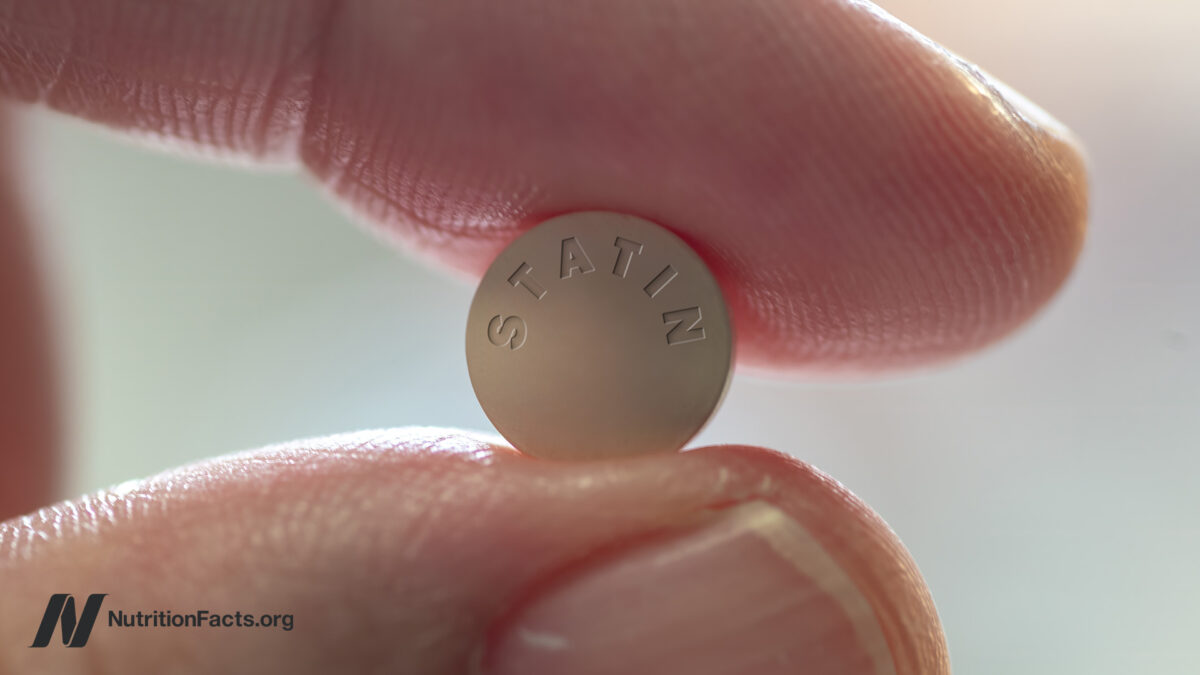
  • Statins and Muscle Pain Side Effects 

    Statins and Muscle Pain Side Effects 

    Why is the incidence of side effects from statins so low in clinical trials while appearing to be so high in the real world?

    “There is now overwhelming evidence to support reducing LDL-C (low-density lipoprotein cholesterol)”—so-called bad cholesterol—to reduce atherosclerotic cardiovascular disease (CVD),” the number one killer of men and women. So, why is adherence to cholesterol-lowering statin drug therapy such “a major challenge worldwide”? Researchers found “that the majority of studies reported that at least 40%, and as much as 80%, of patients did not comply fully with statin treatment recommendations.” Three-quarters of patients may flat out stop taking them, and almost 90 percent may discontinue treatment altogether.

    When asked why they stopped taking the pills, most “former statin users or discontinuers…cited muscle pain, a side effect, as the primary reason…” “SAMSs”—statin-associated muscle symptoms—“are by far the most prevalent and important adverse event, with up to 72% of all statin adverse events being muscle-related.” Taking coenzyme Q10 supplements as a treatment for statin-associated muscle symptoms was a good idea in theory, but they don’t appear to help. Normally, side-effect symptoms go away when you stop the drug but can sometimes linger for a year or more. There is “growing evidence that statin intolerance is predominantly psychosocial, not pharmacological.” Really? It may be mostly just in people’s heads?

    “Statins have developed a bad reputation with the public, a phenomenon driven largely by proliferation on the Internet of bizarre and unscientific but seemingly persuasive criticism of these drugs.” “Does Googling lead to statin intolerance?” But people have stopped taking statins for decades before there even was an Internet. What kinds of data have doctors suggested that patients are falsely “misattribut[ing] normal aches and pains to be statin side effects”?

    Well, if you take people who claim to have statin-related muscle pain and randomize them back and forth between statins and an identical-looking placebo in three-week blocks, they can’t tell whether they’re getting the real drug or the sugar pill. The problem with that study, though, is that it may take months not only to develop statin-induced muscle pain, but months before it goes away, so no wonder three weeks on and three weeks off may not be long enough for the participants to discern which is which.

    However, these data are more convincing: Ten thousand people were randomized to a statin or a sugar pill for a few years, but so many more people were dying in the sugar pill group that the study had to be stopped prematurely. So then everyone was offered the statin, and the researchers noted that there was “no excess of reports of muscle-related AEs” (adverse effects) among patients assigned to the statin over those assigned to the placebo. But when the placebo phase was over and the people knew they were on a statin, they went on to report more muscle side effects than those who knew they weren’t taking the statin. “These analyses illustrate the so-called nocebo effect,” which is akin to the opposite of the placebo effect.

    Placebo effects are positive consequences falsely attributed to a treatment, whereas nocebo effects are negative consequences falsely attributed to a treatment, as was evidently seen here. There was an excess rate of muscle-related adverse effects reported only when patients and their doctors were aware that statin therapy was being used, and not when its use was concealed. The researchers hope “these results will help assure both physicians and patients that most AEs associated with statins are not causally related to use of the drug and should help counter…exaggerated claims about statin-related side effects.”

    These are the kinds of results from “placebo-controlled randomised trials [that] have shown definitively that almost all of the symptomatic adverse events that are attributed to statin therapy in routine practice are not actually caused by it (ie, they represent misattribution.)” Now, “only a few patients will believe that their SAMS are of psychogenic origin” and just in their head, but their denial may have “deadly consequences.” Indeed, “discontinuing statin treatment may be a life-threatening mistake.”

    Below and at 4:46 in my video How Common Are Muscle Side Effects from Statins?, you can see the mortality of those who stopped their statins after having a possible adverse reaction compared to those who stuck with them. This translates into about “1 excess death for every 83 patients who discontinued treatment” within a four-year period. So, when there are media reports about statin side effects and people stop taking them, this could “result in thousands of fatal and disabling heart attacks and strokes, which would otherwise have been avoided. Seldom in the history of modern therapeutics have the substantial proven benefits of a treatment been compromised to such an extent by serious misrepresentations of the evidence for its safety.” But is it a misrepresentation to suggest “that statin therapy causes side-effects in up to one fifth of patients”? That is what is seen in clinical practice; between 10 to 25 percent of patients placed on statins complain of muscle problems. However, because we don’t see anywhere near those kinds of numbers in controlled trials, patients are accused of being confused. Why is the incidence of side effects from statins so low in clinical trials while appearing to be so high in the real world? 

    Take this meta-analysis of clinical trials, for example: It found muscle problems not in 1 in 5 patients, but only 1 in 2,000. Should everyone over a certain age be on statins? Not surprisingly, every one of those trials was funded by statin manufacturers themselves. So, for example, “how could the statin RCTs [randomized controlled trials] miss detecting mild statin-related muscle adverse side effects such as myalgia [muscle pain]? By not asking. A review of 44 statin RCTs reveals that only 1 directly asked about muscle-related adverse effects.” So, are the vast majority of side effects just being missed in all these trials, or are the vast majority of side effects seen in clinical practice just a figment of patients’ imagination? The bottom line is we don’t know, but there is certainly an urgent need to figure it out.


    Source link

  • Pump Up Your Gains: Top 10 Strength Training Exercises for Beginners to Build Muscle Fast

    Pump Up Your Gains: Top 10 Strength Training Exercises for Beginners to Build Muscle Fast

    When it comes to strength training, many beginners feel overwhelmed by the plethora of exercises available. But, with a solid foundation in the basics, anyone can start building muscle fast and achieve their fitness goals. In this article, we’ll explore the top 10 strength training exercises that are perfect for beginners looking to pump up their gains.

    Getting Started with Strength Training
    Before we dive into the exercises, it’s essential to understand the importance of strength training. Not only does it help build muscle, but it also improves overall health, increases bone density, and boosts metabolism. As a beginner, it’s crucial to start with exercises that work multiple muscle groups at once, allowing for efficient and effective workouts.

    Top 10 Strength Training Exercises for Beginners
    Here are the top 10 strength training exercises that are perfect for beginners looking to build muscle fast:

    1. Squats: This exercise works the quadriceps, hamstrings, glutes, and core muscles. To perform a squat, stand with feet shoulder-width apart, then bend knees and lower body until thighs are parallel to the ground.
    2. Deadlifts: Deadlifts work the entire back, glutes, and legs. Stand with feet shoulder-width apart, bend down and grab a weight or barbell, then lift up to hip level, squeezing glutes and pushing hips back.
    3. Bench Press: This exercise targets the chest, shoulders, and triceps. Lie on a flat bench, grip the barbell with hands shoulder-width apart, and press upwards, extending arms fully.
    4. Pull-ups: Pull-ups work the back, shoulders, and arms. Hang from a pull-up bar with hands shoulder-width apart, then pull yourself up until chin clears the bar.
    5. Lunges: Lunges target the legs, glutes, and core. Stand with feet together, take a large step forward with one foot, lower body until back knee almost touches the ground, then push back up to starting position.
    6. Rows: Rows work the back, shoulders, and arms. Hold a dumbbell or barbell with hands shoulder-width apart, bend knees slightly, and lift the weight up to chest level, keeping elbows close to body.
    7. Shoulder Press: This exercise targets the shoulders and triceps. Stand or sit with feet shoulder-width apart, hold a dumbbell or barbell at shoulder height, then press upwards, extending arms fully.
    8. Bicep Curls: Bicep curls work the biceps and forearms. Stand with feet shoulder-width apart, hold a dumbbell with hands shoulder-width apart, then curl the weight up towards shoulders, keeping upper arms still.
    9. Tricep Dips: Tricep dips target the triceps and chest. Sit on the edge of a bench or chair, place hands shoulder-width apart, lower body until arms are bent at a 90-degree angle, then push back up to starting position.
    10. Leg Press: The leg press works the legs, glutes, and core. Sit in a leg press machine, push the platform away from you with feet, then lower the weight down until legs are bent at a 90-degree angle, and push back up to starting position.

    Tips for Building Muscle Fast
    To build muscle fast, it’s essential to remember a few key tips:

    • Start with lighter weights and gradually increase the weight as you become stronger.
    • Focus on proper form and technique to avoid injury and ensure effective muscle engagement.
    • Incorporate progressive overload, increasing the weight or reps over time to challenge muscles and stimulate growth.
    • Rest and recovery are crucial, allowing muscles to repair and rebuild after intense workouts.
    • Eat enough protein to support muscle growth and repair, aiming for 1-1.5 grams of protein per kilogram of body weight daily.

    Creating a Workout Routine
    To pump up your gains, it’s essential to create a well-structured workout routine that includes a mix of these top 10 strength training exercises. Aim to work out 3-4 times per week, targeting different muscle groups each day. For example:

    • Day 1: Chest and triceps (bench press, tricep dips, bicep curls)
    • Day 2: Back and biceps (pull-ups, rows, bicep curls)
    • Day 3: Legs (squats, lunges, leg press)
    • Day 4: Shoulders and core (shoulder press, rows, planks)

    Conclusion
    Building muscle fast requires dedication, patience, and a solid understanding of strength training principles. By incorporating these top 10 strength training exercises into your workout routine and following the tips outlined above, you’ll be well on your way to pumping up your gains and achieving your fitness goals. Remember to stay consistent, listen to your body, and make adjustments as needed to ensure a safe and effective workout routine.

    Frequently Asked Questions

    Q: What is the best way to build muscle fast?
    A: The best way to build muscle fast is to combine a well-structured workout routine with a balanced diet and sufficient rest and recovery.

    Q: How often should I work out to pump up my gains?
    A: Aim to work out 3-4 times per week, targeting different muscle groups each day.

    Q: What is the importance of progressive overload?
    A: Progressive overload is essential for building muscle fast, as it challenges muscles and stimulates growth by increasing the weight or reps over time.

    Q: How much protein should I eat to support muscle growth?
    A: Aim to eat 1-1.5 grams of protein per kilogram of body weight daily to support muscle growth and repair.

    Q: Can I build muscle fast without weights?
    A: While weights are an effective way to build muscle, it’s also possible to build muscle using bodyweight exercises or resistance bands. However, weights are generally more effective for building muscle fast.

    pump-up-your-gains-top-10-strength-training-exercises-for-beginners-to-build-muscle-fast

  • Snooze Control: How Sleep Affects Muscle Recovery and Growth

    Snooze Control: How Sleep Affects Muscle Recovery and Growth

    Muscle recovery and growth are crucial aspects of any fitness routine, and sleep plays a significant role in both processes. While many individuals focus on their exercise regimens and diets, they often neglect the importance of rest and recovery. Snooze control, or the ability to regulate and control sleep, is essential for optimal muscle recovery and growth. In this article, we will explore the complex relationship between sleep, muscle recovery, and growth, and provide valuable insights on how to improve snooze control to maximize results.

    The Science of Sleep and Muscle Recovery

    Sleep is a critical aspect of the body’s recovery process, as it provides an opportunity for muscles to repair and rebuild. During sleep, the body releases hormones such as human growth hormone (HGH) and testosterone, which are essential for muscle growth and repair. Additionally, sleep helps to reduce inflammation and cortisol levels, both of which can impede muscle recovery.

    Research has shown that sleep deprivation can lead to significant impairments in muscle function and recovery. A study published in the Journal of Strength and Conditioning Research found that sleep-deprived individuals experienced a significant decline in muscle strength and power compared to well-rested individuals. Another study published in the Scandinavian Journal of Medicine & Science in Sports found that sleep deprivation reduced muscle protein synthesis, leading to decreased muscle growth and repair.

    The Role of Deep Sleep in Muscle Recovery

    Deep sleep, also known as slow-wave sleep, is a critical phase of sleep that plays a significant role in muscle recovery. During deep sleep, the body releases hormones such as growth hormone, which helps to stimulate muscle growth and repair. This phase is also characterized by a decrease in cortisol levels, which can impede muscle recovery.

    Research has shown that deep sleep is essential for muscle recovery and growth. A study published in the Journal of Clinical Sleep Medicine found that individuals who experienced more deep sleep showed improved muscle recovery and reduced muscle soreness compared to those who experienced less deep sleep. Another study published in the Journal of Sleep Research found that deep sleep was associated with increased muscle protein synthesis, leading to improved muscle growth and repair.

    The Importance of Snooze Control

    Snooze control, or the ability to regulate and control sleep, is critical for optimal muscle recovery and growth. When individuals can control their sleep, they can better regulate their body’s recovery process, leading to improved muscle function and growth.

    Research has shown that individuals who have difficulty controlling their sleep, such as those who experience chronic sleep deprivation, can experience impaired muscle recovery and growth. A study published in the Journal of Sleep Research found that chronic sleep-deprived individuals experienced impaired muscle function and reduced muscle growth compared to well-rested individuals. Another study published in the Journal of Clinical Sleep Medicine found that sleep disorders, such as insomnia, were associated with reduced muscle strength and power.

    Ways to Improve Snooze Control

    Fortunately, individuals can improve their snooze control by implementing several simple strategies. Here are some tips to help improve snooze control:

    • Establish a consistent sleep schedule: Go to bed and wake up at the same time every day, including weekends.
    • Create a sleep-conducive environment: Make your bedroom dark, quiet, and cool to promote better sleep.
    • Avoid caffeine and electronics before bedtime: Both can interfere with sleep quality and disrupt snooze control.
    • Practice relaxation techniques: Techniques such as deep breathing, progressive muscle relaxation, and meditation can help to reduce stress and promote better sleep.

    Conclusion

    Sleep plays a critical role in muscle recovery and growth, and snooze control is essential for optimal results. By understanding the science behind sleep and muscle recovery, individuals can take steps to improve their snooze control and maximize their fitness results. Remember, a good night’s sleep is essential for muscle recovery and growth, so prioritize rest and recovery to achieve optimal results.

    FAQs

    Q: How much sleep do I need for optimal muscle recovery and growth?
    A: The American Academy of Sleep Medicine recommends 7-9 hours of sleep per night for optimal muscle recovery and growth.

    Q: Can I still get a good workout if I’m sleep-deprived?
    A: While you can still exercise while sleep-deprived, your performance may be impaired, and your muscles may not recover as effectively.

    Q: How can I improve my snooze control if I have a hard time falling asleep?
    A: Try establishing a consistent sleep schedule, creating a sleep-conducive environment, and avoiding caffeine and electronics before bedtime. If you continue to struggle with sleep, consider consulting with a healthcare professional.

    Q: Can I still make progress with my workout routine if I’m not getting enough sleep?
    A: While you can still make progress, your progress may be slower, and you may not be able to recover as effectively from intense workouts. Prioritize sleep to maximize your fitness results.

    Q: How does sleep affect muscle soreness?
    A: Sleep helps to reduce muscle soreness by reducing inflammation and cortisol levels, both of which can impede muscle recovery.

    Q: Can I use sleep aids like melatonin or prescription sleep medications?
    A: Consult with a healthcare professional before using sleep aids. While they may help with sleep onset, they can also have negative side effects and interact with other medications.

    By incorporating these tips and strategies into your daily routine, you can improve your snooze control and optimize your muscle recovery and growth. Remember, sleep is a critical component of your overall fitness routine, so prioritize rest and recovery to achieve optimal results.

    snooze-control-how-sleep-affects-muscle-recovery-and-growth

  • Mind Over Muscle: How Meditation Can Take Your Fitness to the Next Level

    Mind Over Muscle: How Meditation Can Take Your Fitness to the Next Level

    Meditation and physical fitness are two practices that are often seen as separate entities, each with its own benefits and challenges. However, what if we told you that these two disciplines can combine to create a more powerful, more effective, and more holistic approach to achieving our fitness goals? Enter Mind Over Muscle, the phenomenon where meditation meets physical fitness.

    The Science Behind Mind Over Muscle

    In recent years, the benefits of meditation have become increasingly well-documented. Studies have shown that regular meditation can reduce stress, improve focus, and increase overall well-being. But what’s less well-known is the impact that meditation can have on physical performance. By activating the brain’s natural reward centers, meditation can actually boost our motivation and drive to engage in physical activity. This is where Mind Over Muscle comes in – by combining the power of meditation with physical exercise, we can create a synergy that elevates our fitness to new heights.

    The Mechanics of Mind Over Muscle

    So, how exactly does Mind Over Muscle work? Simply put, it’s all about harnessing the brain’s ability to rewire and adapt. When we exercise, our brains are capable of reorganizing themselves to optimize performance. This process is facilitated by the release of neurotransmitters like dopamine, which helps to fuel our motivation and enjoyment of physical activity. Meditation, in turn, can stimulate the production of these neurotransmitters, creating a cognitive-environmental feedback loop that amplifies our motivation and enthusiasm for exercise.

    Breathing It In, Sweating It Out

    So, how can you start to incorporate Mind Over Muscle into your fitness routine? The first step is to establish a consistent meditation practice. This can be as simple as dedicating 10-15 minutes each day to sitting quietly, focusing on the breath, and allowing your mind to wander. Once you’ve established this foundation, you can start to integrate exercise into your routine, using the calmness and clarity of your mind to enhance your performance.

    Mindful Movement

    But what exactly does mindful movement look like? It’s not about moving your body in a specific way, but rather about cultivating a sense of awareness and intention. By paying attention to your breath and your body, you can begin to tune into your natural rhythm and flow. This can help to reduce internal resistance and increase your overall sense of enjoyment and engagement.

    Case Study: The Power of Mind Over Muscle

    Meet Sarah, a 35-year-old entrepreneur who struggled with exercise-related anxiety and self-doubt. After starting a daily meditation practice, Sarah noticed a significant shift in her relationship with fitness. She found that her workouts were no longer a source of stress, but rather an opportunity to cultivate calmness and clarity. As a result, she began to push herself to new heights, tackling challenges that had previously seemed insurmountable.

    Conclusion

    Mind Over Muscle is more than just a buzzword – it’s a revolutionary approach to fitness that has the potential to transform your body and your mind. By combining the cognitive benefits of meditation with the physical benefits of exercise, you can unlock a level of performance and motivation that was previously unimaginable. So, take the first step towards unlocking your full potential and start your Mind Over Muscle journey today.

    FAQs

    Q: I’m new to meditation – is it too late to start?
    A: Absolutely not! Meditation is a practice that can be started at any time, regardless of age or experience level.

    Q: Will I have to give up my favorite exercises?
    A: Not at all! The beauty of Mind Over Muscle is that it’s flexible and adaptable, allowing you to incorporate it into your existing routine.

    Q: Is meditation just for yoga enthusiasts or spiritual types?
    A: Not at all! Meditation is for anyone looking to improve their physical and mental performance, regardless of background or beliefs.

    Q: Can I do Mind Over Muscle with a workout buddy?
    A: Absolutely! Having a workout buddy or personal trainer who’s also committed to the practice can be a great way to stay motivated and accountable.

    By incorporating Mind Over Muscle into your fitness routine, you’re not just exercising your body – you’re exercising your mind and spirit as well. So, are you ready to take your fitness to the next level?

    mind-over-muscle-how-meditation-can-take-your-fitness-to-the-next-level