Tag: good

  • New Toothpaste May Stop Gum Disease Without Killing Good Mouth Bacteria

    New Toothpaste May Stop Gum Disease Without Killing Good Mouth Bacteria

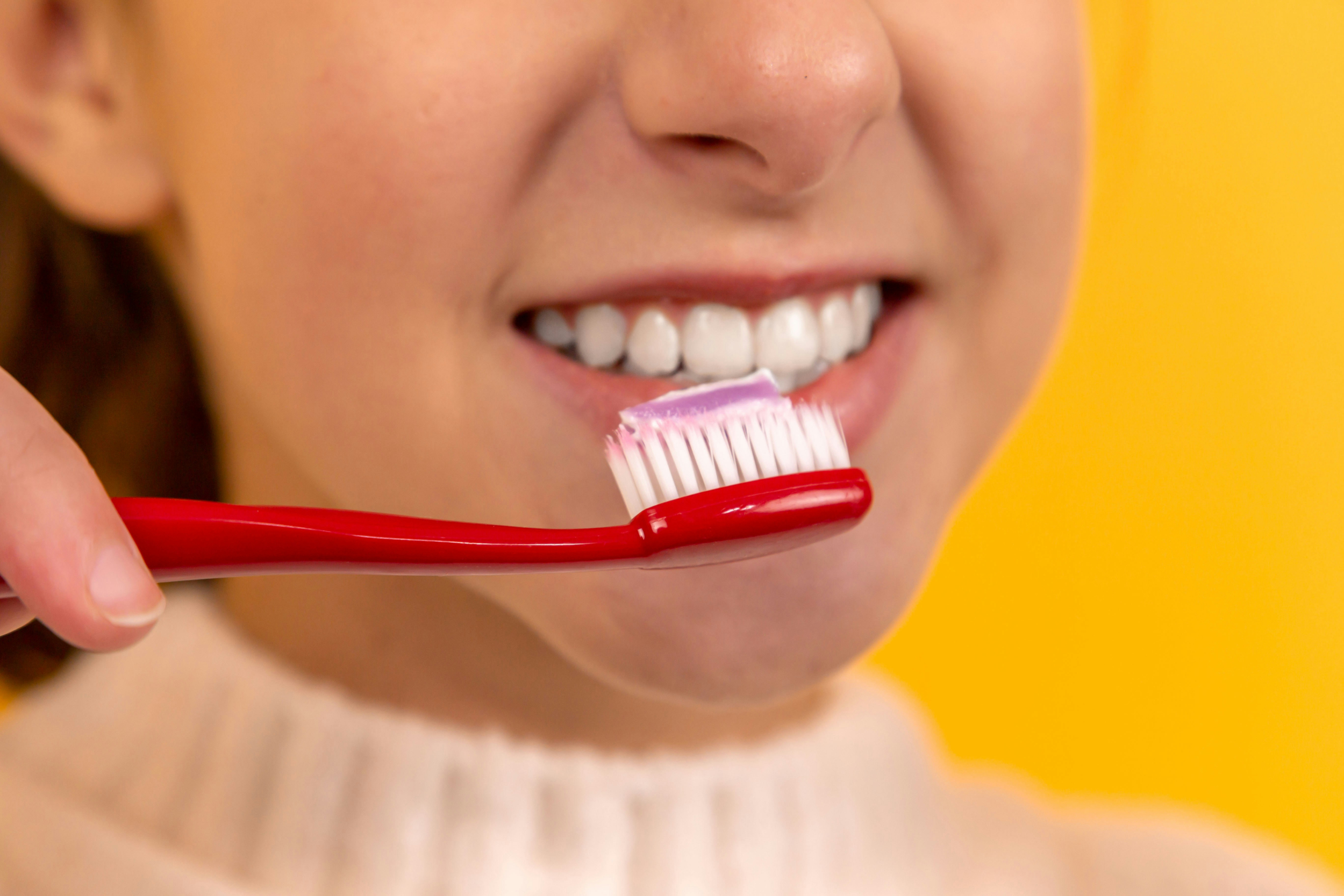
    A new toothpaste developed by German researchers is gaining attention for its different approach to gum disease care. Instead of using broad antimicrobial ingredients that wipe out many bacteria in the mouth, this formula is designed to target harmful microbes linked to periodontitis while preserving beneficial bacteria. That shift may help improve oral microbiome health while still supporting daily brushing routines.

    Traditional oral care products often focus on killing bacteria as widely as possible. While that can reduce harmful germs, it may also disturb the natural balance of the mouth. This new direction in periodontitis treatment aims to reduce damage caused by bad bacteria like Porphyromonas gingivalis while helping good bacteria remain active for better gum disease prevention.

    New Toothpaste: Targeted Pathogen Inhibition Mechanism

    The science behind this new toothpaste centers on selective action. Instead of sterilizing the mouth, it uses targeted pathogen inhibition to interfere with harmful bacteria associated with periodontitis. That means microbes tied to inflammation and gum tissue damage may lose their ability to thrive, while beneficial bacteria can continue supporting normal oral balance.

    According to ScienceDaily, researchers from Fraunhofer developed a compound that blocks disease-causing bacteria without harming healthy microbes in the mouth. Their work led to toothpaste products through PerioTrap Pharmaceuticals, a spin-off focused on microbiome-friendly oral care. This approach may reduce the rebound effect sometimes seen after aggressive antibacterial rinses.

    For consumers, that could mean a brushing product that supports fresher breath, cleaner teeth, and healthier gums while respecting the mouth’s natural ecosystem. As awareness grows around oral microbiome health, more people are looking for products that balance effectiveness with gentler long-term care.

    Gum Disease: Traditional Treatments vs Microbiome-Friendly Alternatives

    Gum disease treatment has long relied on professional cleanings, scaling and root planing, and antiseptic rinses. These methods can be effective, especially when infection is advanced. However, some chemical rinses may remove both harmful and beneficial bacteria, creating a temporary imbalance in the oral environment.

    Based on information from the CDC, gum disease ranges from gingivitis to more severe periodontitis, which can lead to bone loss and tooth loss if not managed. Good oral hygiene and regular dental visits remain essential parts of prevention and treatment.

    That is why microbiome-friendly toothpaste options are attracting interest. Rather than replacing professional dental care, they may serve as an added daily tool that supports healthier plaque control. Keeping beneficial bacteria present may also help reduce inflammation triggers and encourage a more stable oral environment between dental visits.

    Periodontitis Treatment: Clinical Evidence and Product Availability

    The future of periodontitis treatment may involve products that work with the body instead of against it. Researchers studying oral microbiomes have found that some toothpaste formulas can shift bacterial communities toward healthier patterns when used consistently.

    Based on a clinical study available through PerioTrap, participants using microbiome-supportive toothpaste showed measurable changes in oral bacteria associated with better gum health. These findings suggest that brushing products can influence microbial balance, not just surface cleanliness.

    Products linked to Fraunhofer IZI PerioTrap have entered parts of the European market, with wider availability expected to depend on regulatory approvals and distribution plans. As more evidence emerges, consumers may see more options focused on preserving beneficial bacteria while controlling pathogens such as Porphyromonas gingivalis.

    Additional Information About New Toothpaste for Gum Disease

    New research around microbiome-friendly oral care gives readers useful context beyond the main story. These added sections can strengthen the article by explaining practical benefits, risks, and what users should know before trying a new toothpaste.

    • Who May Benefit Most From New Toothpaste: People with early signs of gum disease, bleeding gums, recurring plaque buildup, or sensitivity may benefit from a formula that targets harmful bacteria without disrupting healthy microbes. It may also help those looking for gentler long-term oral care.
    • How to Use New Toothpaste for Best Results: Brush twice daily using the new toothpaste and maintain regular flossing habits for better gum disease prevention. Consistent use is often necessary to support oral microbiome balance over time.
    • What Makes It Different From Regular Toothpaste: Traditional toothpaste often focuses on cleaning, whitening, or broad antibacterial action. A microbiome-friendly toothpaste is designed to support oral microbiome health while selectively addressing harmful bacteria.
    • When to See a Dentist for Gum Disease: If symptoms like bleeding gums, swelling, bad breath, loose teeth, or gum recession continue, professional care is important. Toothpaste can help daily care, but advanced periodontitis treatment usually requires dental treatment.
    • Possible Long-Term Benefits of Oral Microbiome Health: A balanced oral microbiome may help lower inflammation, reduce plaque buildup, and improve gum comfort. Supporting healthy bacteria may also reduce the chance of recurring gum issues.
    • Can New Toothpaste Replace Dental Treatments?: No toothpaste can fully replace professional cleanings or deep cleaning procedures for severe gum disease. It works best as a supportive product alongside dentist-recommended care.
    • How Fraunhofer IZI PerioTrap Stands Out: Fraunhofer IZI PerioTrap products focus on targeted pathogen inhibition, aiming to control bacteria like Porphyromonas gingivalis while preserving beneficial species. This approach differs from older broad-spectrum methods.
    • What to Expect After Switching Toothpaste: Some users may notice fresher breath, less gum irritation, or cleaner-feeling teeth after regular use. Results vary depending on oral hygiene habits and the severity of existing gum problems.

    Revolutionize Gum Disease Prevention With Microbiome-Friendly Toothpaste

    Daily brushing habits are changing as science learns more about the oral microbiome. A new toothpaste that targets harmful bacteria while preserving healthy ones may offer a smarter route to gum disease prevention. Instead of creating imbalance, it aims to support a naturally healthier mouth.

    While no toothpaste replaces regular dental checkups or professional treatment, microbiome-focused products could become valuable additions to home care. For people concerned about bleeding gums, recurring plaque, or long-term oral microbiome health, this new category may represent one of the most promising advances in modern oral hygiene.

    Frequently Asked Questions

    1. How does new toothpaste help gum disease?

    This new toothpaste is designed to target harmful bacteria connected to gum disease instead of killing all bacteria in the mouth. That selective action may help maintain a healthier microbial balance. Good bacteria can continue supporting normal oral conditions. It may become a useful tool alongside brushing and flossing.

    2. Can toothpaste cure periodontitis?

    Toothpaste alone cannot cure advanced periodontitis treatment needs. Severe gum disease often requires professional dental cleaning, deep cleaning, or specialist care. However, the right toothpaste may support gum health between visits. It can be part of a complete treatment plan.

    3. Why is oral microbiome health important?

    The mouth contains helpful bacteria that assist in maintaining balance and resisting harmful microbes. If that balance is disrupted, inflammation and plaque problems may increase. Strong oral microbiome health may help reduce gum issues over time. It also supports overall oral comfort and cleanliness.

    4. Is microbiome-friendly toothpaste safe for daily use?

    Many microbiome-friendly toothpaste products are created for regular brushing use. Safety depends on ingredients, manufacturer standards, and local approvals. It is wise to follow label directions and ask a dentist if you have sensitive gums or dental concerns. Choosing reputable brands is always recommended.




    Source link

  • Are Ice Baths Really Good for You or Just a Social Media Trend?

    Are Ice Baths Really Good for You or Just a Social Media Trend?

    Cold plunges and ice baths have moved from niche recovery tools to mainstream wellness practices, and the phrase “cold plunge benefits” appears everywhere online. With so many bold claims circulating, it is useful to look at what is genuinely supported by research and what may be driven more by trend than evidence. This shortened article focuses on the most important, well-supported points.

    What Are Cold Plunges and Ice Baths?

    Cold plunges and ice baths involve immersing most of the body in cold water, typically around 10–15 degrees Celsius (50–59 degrees Fahrenheit), for a few minutes. Some people use dedicated cold plunge tubs, while others rely on a standard bathtub with ice and cold tap water. The goal is controlled exposure to cold as a deliberate stressor.

    Athletes have used ice baths for decades to support recovery after intense training. Traditional cultures in colder regions have also practiced cold-water immersion in lakes, rivers, or plunge pools.

    The modern surge in interest, however, comes from social media and wellness communities highlighting a wide range of cold plunge benefits, from muscle recovery to improved mood and metabolism.

    Key Physical Cold Plunge Benefits

    Muscle soreness and recovery

    One of the most established cold plunge benefits is reduced muscle soreness after hard exercise. Many people report that cold water immersion lessens pain and stiffness in the 24–48 hours after intense training. This can help them feel more prepared for the next workout and may be useful during heavy training periods or competitions.

    However, less soreness does not always equal better long-term results. Some research suggests that frequent, very cold plunges immediately after strength training might slightly blunt muscle growth and adaptation by dampening the normal inflammatory response.

    For those focused on maximal strength and hypertrophy, it may be better to reserve ice baths for particularly tough sessions rather than daily use.

    Circulation, swelling, and inflammation

    Cold water causes blood vessels near the skin to constrict, which can temporarily reduce swelling and fluid buildup. Once out of the water and warming up, blood vessels dilate and circulation increases again. This is one reason cold plunge benefits are often associated with decreased inflammation and faster recovery.

    These effects seem most relevant for local soreness, minor injuries, and post-exercise recovery. They should not be viewed as a primary treatment for chronic inflammatory conditions, but they can play a supportive role when used in a balanced recovery routine that includes sleep, nutrition, and appropriate training.

    Metabolism and weight management

    Cold exposure can activate brown fat, a type of tissue that burns calories to generate heat. This has led to claims that cold plunge benefits include significant fat loss. While cold can increase short-term calorie burn, the overall impact on body weight appears modest compared with diet, activity level, and sleep, according to Mayo Clinic.

    Cold plunges may offer a small metabolic boost, but they are unlikely to drive major changes in body composition without broader lifestyle adjustments. They work best as a complementary tool, not a replacement for established approaches to weight management.

    Mental Health and Mood Benefits

    Acute mood and alertness

    Many people describe feeling energized, clear-headed, and uplifted after a cold plunge. The sudden cold triggers a stress response that increases alertness and can produce a rush of endorphins and other chemicals linked to mood. For some, this becomes a reliable way to “reset” mentally at the start or end of the day.

    The ritual around cold plunging, preparing the water, controlling breathing, staying calm in discomfort, also contributes to a sense of accomplishment and resilience. These experiences form an important part of the perceived cold plunge benefits, especially for stress management.

    Longer-term mental health support

    There is early but limited evidence that regular cold exposure might help some individuals with mood regulation or symptoms of depression and anxiety.

    However, current research is not strong enough to treat cold plunges as a standalone mental health intervention. At best, they can serve as one supportive practice alongside therapy, medication when needed, social connection, and physical activity.

    Trend vs. Evidence

    Cold plunges are highly visible on social media because they look dramatic, align with ideas of toughness and discipline, and are easy to capture in short videos. This can make cold plunge benefits seem almost universal and essential, when in reality the science is more nuanced.

    Research supports some clear positives: reduced muscle soreness, improved perceived recovery, and short-term mood and alertness boosts.

    Other frequently advertised benefits, like large changes in body composition, powerful immune system enhancement, or major mental health effects, are not yet backed by strong evidence. The practice is promising but not a magic solution, as per Cleveland Clinic.

    Safety and Who Should Be Careful

    Cold plunges are not risk-free. Entering very cold water can cause a strong “cold shock” response: rapid breathing, gasping, and spikes in heart rate and blood pressure.

    For healthy individuals using moderate temperatures and short durations, this is usually manageable. For people with heart disease, uncontrolled high blood pressure, or certain circulatory issues, this stress could be dangerous.

    Those with conditions like Raynaud’s phenomenon, cold urticaria, or other cold sensitivities should be cautious and seek medical advice before experimenting. Pregnant individuals, children, and older adults should also consult a healthcare professional.

    Even healthy people can run into trouble if they stay in frigid water too long, increasing the risk of hypothermia and impaired judgment.

    Listening to the body, avoiding extreme temperatures or extended sessions, and having a plan to warm up gradually afterward all reduce risk. A moderate, consistent approach is more likely to deliver the desired cold plunge benefits without unnecessary danger.

    Are Cold Plunges Worth Trying?

    From an objective standpoint, cold plunge benefits are real but specific. The strongest evidence supports reduced muscle soreness, better perceived recovery, and short-term improvements in mood and alertness. Potential effects on metabolism, immune function, and long-term mental health are interesting but still developing.

    Cold plunges and ice baths can be a useful option for athletes, highly active individuals, and people who enjoy the mental challenge and invigorating feeling of cold exposure. They are not essential for health and are not a cure-all. For some, the risks or discomfort may outweigh the benefits.

    Framing cold plunges as one optional tool among many helps keep expectations realistic. When applied safely and thoughtfully, in line with personal goals and health status, cold plunge benefits can complement a broader approach to well-being rather than replace proven basics like sleep, nutrition, movement, and social connection.

    Frequently Asked Questions

    1. Is it better to do a cold plunge before or after a workout?

    Most people use cold plunges after a workout to help with soreness and perceived recovery; doing them right before intense strength training could slightly dampen performance for some.

    2. Are cold showers enough to get similar cold plunge benefits?

    Cold showers can provide some of the same alertness and mood effects, but full-body immersion in consistently cold water usually creates a stronger and more controlled stimulus.

    3. How quickly can someone expect to notice benefits from cold plunges?

    Acute effects like feeling more awake or less sore can appear after the first few sessions; potential longer-term changes in mood or stress resilience usually take weeks of consistent practice.

    4. Does the time of day matter for doing a cold plunge?

    Many prefer mornings for an alertness boost, while others use evenings after training, but timing mainly depends on personal preference and how the cold affects sleep and energy.


    Source link

  • What’s Good About Being You: How Mindfulness Helps You Get to Know Yourself

    What’s Good About Being You: How Mindfulness Helps You Get to Know Yourself

    The Connection Between Presence and Knowing

    The sitting practice of meditation is a powerful means to get to know yourself, to introduce yourself to yourself. Meditation is a discipline, a technique to transcend technique. You sit down on a cushion or a chair and simply experience yourself: your body, your breath, and your thoughts. You just be there, very simply.

    There are several aspects to meditation that are part of establishing friendship with yourself. One is mindfulness. Mindfulness is keeping track, or keeping a pulse, of being here, in a nonjudgmental way. There is no good or bad. Everything is allowed to be. Among other things, mindfulness is a stabilizing or pacifying influence. The panic of everyday life and every expectation laid on life can subside. This is a huge relief. It is called the discovery of peace.

    Awareness is being in a bigger space, recognizing that there is always an environment around our thoughts and feelings. When you begin to sense that atmosphere, there is both intelligence, or sharpness, and relaxation.

    Finding peace in the practice of meditation involves slowing down. Physically, you call a halt. You park your body somewhere, and you stay put. Your mind may continue to race for a while, maybe for a long time, but you become aware of the mind racing. Awareness is being in a bigger space, recognizing that there is always an environment around our thoughts and feelings. When you begin to sense that atmosphere, there is both intelligence, or sharpness, and relaxation. You begin to see things much more precisely and your native intelligence begins to awaken.

    The Courage to Be Aware

    Becoming more aware is a very courageous thing to do. You allow yourself to look honestly at your experience. And that solid sense of self—of who you are—is revealed as being not so solid. You begin to experience gaps, holes in your suit of armor. You realize that you are really more like Swiss cheese than Cheddar.

    When you are there, just there, without trying to hold everything solidly together, you also begin to find that you don’t need to sustain a storyline about yourself and your life. Who is it for anyway?

    When you are there, just there, without trying to hold everything solidly together, you also begin to find that you don’t need to sustain a storyline about yourself and your life. Who is it for anyway? You can afford to relax with yourself, get to know yourself. You don’t have to put on makeup for yourself; you don’t have to put on a smile. You can leave the mental toupee on the shelf and like yourself just as you are.

    There is something genuinely good about being you. You may not like every little thing about yourself, but overall you have an honest heart and you can connect with it through the practice of meditation. You have the courage to face yourself. From that connection with yourself and from actually liking yourself without conditions, you begin to see how brilliant and available life can be when it is without preconceptions or adornments.

    As you open yourself to yourself, you become more aware of the world you’re living in. The development of awareness here is a bit like having cataracts removed, or getting a hearing aid: you didn’t know your vision was so obscured until you finally see a brilliant yellow daffodil in the field. You couldn’t hear the first bird of spring singing in the meadow. You couldn’t taste the bitter onion flavor of chives by the stream. You didn’t see the face of your beloved, until you ran right into him. Then suddenly you begin to feel your world. You begin to understand love in an entirely new way.

    Noticing the Hall of Mirrors

    At that point, as you become more open, you also may begin to see where you’re stuck, how you’re often living in a hall of mirrors that you create for yourself. You see your speed and how that has produced panic. We may actually recognize and experience ourselves as the monkey bouncing off the walls in our house of mirrors. What you’re bouncing off of is often simply the reflections that you project. When you bounce off yourself, this can take the form of self-hatred or it can be twisted into some kind of false arrogance and pride. Unfortunately, your dearest friends, lovers, relatives, and partners are often the mirrors you project your reflections onto most intensely.

    We demand a lot from intimacy, often more than it can possibly deliver. We ask ourselves and our closest friends to confirm us by reflecting some things and not others. Essentially, we ask, “Mirror, mirror, on the wall, who’s the fairest one of all?” And we expect the answer, “You, my love!” This a burden to others and to us, and ultimately it doesn’t work. The mirrors crack.

    If you want to live in a hall of mirrors, this is a disaster. If you’re willing to find a true relationship with yourself and others, this is welcome relief from your self-imposed isolation. It reveals the tremendous space that is there when the myth of satisfaction is seen to be a fraud.

    Facing reality is not creating something new. It’s allowing a barrier to dissolve.

    Over the course of time, if we are committed to meditation as an ongoing practice, then it can provide us with this honest feedback. Although we might try to filter information, if we sit long enough, reality wells up in us and breaks through. This is inevitable, because it is just discovering what is there and we can’t block what is there forever. Facing reality is not creating something new. It’s allowing a barrier to dissolve. It unlocks in us the power of loving-kindness and is the beginning of real warmth toward ourselves and others.


    Source link

  • Why Mindfulness Helps Us Feel Good About Helping

    Why Mindfulness Helps Us Feel Good About Helping

    People often use the words empathy and compassion interchangeably—and certainly they share important qualities. But there is a subtle difference between empathy and compassion, and studies show that mindful attention might be key to making sure that our efforts to help are coming from a healthy, aligned place. Here’s a deeper look at how mindful qualities like present-moment attention can help us genuinely be of greater service to others, and how mindfulness can help us feel good about helping.

    People naturally tend to empathize with others, report C. Daryl Cameron and Barbara Fredrickson in the January issue of the journal Mindfulness. But empathy can go wrong when it leads to distress. We might help out of guilt, obligation, or co-dependence. Or, the help might cause resentment, which could lead us to avoid helping people in the future. Or sometimes, in the absence of strong boundaries, we might unknowingly absorb the feelings of someone in trouble, and if we can’t deal with those feelings of suffering, we might turn away altogether.

    There is another possible response: compassion, which leads people to try to alleviate distress in others.

    The Way to Healthier Helping

    As the authors speculate, “Helping should be most common among people who are able to maximize compassion while minimizing distress.” Previous research has found that cultivating mindfulness—the moment-to-moment awareness of thoughts, feelings, and surroundings—can lead to greater compassion. But what specific components of mindfulness predict real-world helping behavior? In other words, what skills could we develop that would make us more likely to help each other out?

    The study examined two mindful traits—a focus on the present moment (aka, “present-focused attention”) and a non-judgmental acceptance of thoughts and experiences (“non-judgmental acceptance”). Cameron and Fredrickson assessed the mindfulness of 313 adults, asking if, for example, they “pay attention to how my emotions affect my thoughts and behaviors” or often criticize themselves “for having irrational or inappropriate emotions.”

    The researchers confirmed their hypothesis: Present-focused attention and non-judgmental acceptance both predicted more helping behavior … Mindful participants were more likely to experience emotions like compassion, joy, or elevation while giving help. That could mean that they just felt better when helping others, which could lead them to engage in more helping behavior in general.

    Next, the survey asked if they had recently helped someone out. If they had, participants answered questions about how they felt while helping. Did they feel positive emotions like gratitude, hopefulness, inspiration, or joy? Or did they have negative ones, like irritation, contempt, disgust, distaste, guilt, or nervousness?

    In analyzing the answers, the researchers found that 85 percent of participants had engaged in some kind of helping behavior during the previous week, like listening to a friend’s problems, babysitting, giving someone a car ride, donating to charity, or volunteering. In the process, they uncovered some incidental but interesting facts:

    • Men were marginally less likely than women to report engaging in helping behavior;
    • Age did not predict helping; and
    • Participants with higher income were more likely to report helping others.

    However, the biggest predictor of helping behavior had nothing to do with these demographic traits. In fact, the researchers confirmed their hypothesis: Present-focused attention and non-judgmental acceptance both predicted more helping behavior. This link between mindfulness and helping might be traced to the fact that the mindful participants were more likely to experience emotions like compassion, joy, or elevation while giving help. That could mean that they just felt better when helping others, which could lead them to engage in more helping behavior in general.

    What Makes Us Want to Keep On Helping?

    The study also revealed a scientifically important nuance: Participants who scored higher in present-focused attention were more likely to experience positive emotions—and participants high in non-judgmental acceptance experienced fewer negative emotions, like stress, but weren’t necessarily more likely to experience more positive emotions. In other words, acceptance may only clear the way for helping; it’s the present-focus that could actually make the helping an emotionally rewarding experience. Together, the takeaway seems to be that approaching these situations with mindfulness helps us feel good, or at least better, about extending ourselves in service.

    Insights from this study have obvious practical implications for teaching helping behavior to children. This line of research could also help people in helping professions who are at risk for burnout, or people whose mental illnesses make it hard for them to connect with others.

    The study also carries hugely helpful implications for the rest of us, because anyone can feel worn down by helping other people. There’s an invitation to look at our motivations for stepping in, our boundaries and limitations and need for real rest. And there’s an opportunity to enter into opportunities for service with deeper compassionate attention and an open heart. Isn’t it nice to know there are ways we can help ourselves feel better when we do something nice for someone else?


    A version of this article originally appeared on Greater Good, the online magazine of UC Berkeley’s Greater Good Science Center, one of Mindful’s partners. To view the original article, click here.


    Source link

  • We’re Hardwired to Doubt—And It’s a Good Thing

    We’re Hardwired to Doubt—And It’s a Good Thing

    Doubt helps us avoid acting on every passing idea which can prevent us from participating in certain types of risk.

    The post We’re Hardwired to Doubt—And It’s a Good Thing appeared first on Mindful.

    Source link

  • The Gratitude Advantage: How Focusing on the Good Can Give You an Edge in Life

    The Gratitude Advantage: How Focusing on the Good Can Give You an Edge in Life

    Introduction to The Gratitude Advantage

    The concept of gratitude has been widely recognized as a powerful tool for improving one’s quality of life. Focusing on the good things in life, no matter how small they may seem, can have a profound impact on both mental and physical well-being. This approach is often referred to as the gratitude advantage, where cultivating a sense of gratitude gives individuals an edge in life, helping them navigate challenges with greater ease and achieve their goals more effectively. In this article, we will explore the benefits of gratitude, how it can be practiced, and the advantages it offers in various aspects of life.

    Understanding Gratitude

    Gratitude is the feeling of appreciation or thanks for something. It involves recognizing and appreciating the good things in life, whether they are big or small, tangible or intangible. This mindset can be developed and strengthened over time through conscious effort and practice. Unlike other positive emotions that are often linked to achieving something or succeeding at an endeavor, gratitude can be felt regardless of one’s circumstances. It’s about shifting the focus from what’s lacking to what’s already present and good.

    The Science Behind Gratitude

    Research in psychology has shown that practicing gratitude can lead to significant improvements in mental health, relationships, and overall life satisfaction. Studies have found that individuals who regularly practice gratitude tend to have lower levels of stress and anxiety, better sleep quality, and a stronger immune system. The neurological basis of gratitude suggests that it activates areas of the brain associated with moral and social cognition, which can lead to increased feelings of empathy, altruism, and social bonding.

    Practices for Cultivating Gratitude

    Cultivating gratitude is a personal and ongoing process that can be achieved through various practices. One of the most common methods is keeping a gratitude journal, where individuals write down things they are thankful for each day. This could range from good health, supportive relationships, to simple pleasures like a beautiful sunset or a good cup of coffee. Other practices include sharing gratitude with others, whether through verbal appreciation or acts of kindness, and meditation or prayer focused on gratitude.

    The Gratitude Advantage in Personal Life

    In personal life, the gratitude advantage can manifest in several ways. It can improve relationships by fostering a sense of appreciation and respect for others, leading to stronger, more meaningful connections. Gratitude can also enhance personal growth by helping individuals focus on their strengths and the opportunities available to them, rather than their weaknesses and limitations. Furthermore, a gratitude mindset can increase resilience, helping people cope better with adversity and bounce back from challenges.

    The Gratitude Advantage in Professional Life

    The benefits of gratitude are not limited to personal life; they also extend into professional settings. A culture of gratitude in the workplace can boost employee morale, encourage teamwork, and increase productivity. When employees feel valued and appreciated, they are more likely to be engaged, motivated, and committed to their work. Gratitude can also enhance professional relationships, building trust and respect among colleagues and between employees and management. Additionally, it can lead to better decision-making, as a positive and appreciative mindset can broaden one’s perspective and foster creative problem-solving.

    Overcoming Challenges to Gratitude

    Despite its benefits, cultivating gratitude can be challenging, especially in difficult circumstances. Negative emotions and thoughts can overwhelm the ability to feel grateful, and it’s easy to get caught up in focusing on what’s going wrong rather than what’s going right. To overcome these challenges, it’s essential to start small, focusing on even the smallest blessings. Consistency is also key; making gratitude a daily habit can help shift one’s perspective over time. Moreover, seeking support from others, whether through gratitude groups or sharing gratitude practices with friends and family, can provide motivation and encouragement.

    Conclusion

    The gratitude advantage is a powerful concept that can significantly improve one’s life by focusing on the good, cultivating a positive mindset, and appreciating the present moment. Through practices such as journaling, sharing gratitude, and meditation, individuals can develop a stronger sense of gratitude, leading to better mental and physical health, stronger relationships, and greater success in both personal and professional life. By embracing gratitude and making it a part of daily life, individuals can gain an edge, navigating life’s challenges with greater ease, resilience, and joy.

    FAQs

    1. What is the gratitude advantage?

      • The gratitude advantage refers to the benefits and positive outcomes that individuals experience when they cultivate and practice gratitude in their daily lives.

    2. How can I start practicing gratitude?

      • You can start practicing gratitude by keeping a gratitude journal, sharing your gratitude with others, or incorporating gratitude into your meditation or prayer.

    3. Can gratitude really improve my mental health?

      • Yes, numerous studies have shown that practicing gratitude can lead to lower levels of stress and anxiety, improved mood, and better overall mental health.

    4. How does gratitude affect relationships?

      • Gratitude can strengthen relationships by fostering appreciation, respect, and empathy towards others, leading to more meaningful and lasting connections.

    5. Is it possible to feel grateful even in difficult times?

      • Yes, while it may be more challenging, it’s possible to find aspects to be grateful for even in hard times. Focusing on the smallest blessings and practicing consistency can help.

    6. Can gratitude be beneficial in a professional setting?

      • Absolutely, cultivating a culture of gratitude in the workplace can improve morale, encourage teamwork, increase productivity, and lead to better professional relationships and decision-making.

    7. How long does it take to see the benefits of gratitude?

      • The benefits of gratitude can be experienced almost immediately, but like any practice, the more consistent and long-term the effort, the more profound and lasting the advantages will be.

    8. Do I need to buy any special materials to practice gratitude?

      • No, while tools like gratitude journals can be helpful, they are not necessary. What’s most important is the intention and effort to cultivate gratitude in your daily life.

    9. Can children practice gratitude?

      • Yes, teaching children to practice gratitude can help them develop a positive outlook on life, stronger relationships, and better coping mechanisms from an early age.

    10. Is gratitude a replacement for seeking help when needed?

      • No, while gratitude can improve mental and emotional well-being, it is not a substitute for professional help when dealing with serious mental health issues or significant life challenges.
  • The 4 Qualities of a Good Listener

    The 4 Qualities of a Good Listener

    A good listener not only focuses on your words, but what’s on your mind. Do you have the following qualities of a good listener?

    When we’re constantly fixated on what we’re going to say next, or how people have interpreted what we’ve already said, we forget that honing the qualities of a good listener is equally important to the conversation. This video from The London School of Life reminds us how a good listener inspires quietly instead of nagging endlessly.

    4 Qualities of a Good Listener

    1) A good listener asks: “What’s on your mind?”

    When we’re trying to make tough decisions, a good listener uses gentle encouragement to help tease out what’s really at the heart of our anxieties.

    It’s not always easy for us to know what’s bothering us—a gentle and constructive push with a good question can encourage us to explore what’s on our minds, and help clarify what might be causing us trouble.

    2) Good listeners go beyond anecdotes

    It’s hard to find the root of where our feelings comes from, but easy to simply mention that something is lovely or terrible, nice or annoying.

    A good listener can help us clarify it.

    They look for the bigger picture by taking your piecemeal thought or complaint and turning it into solid ideas by connecting it with your broader history, bringing anecdotal thoughts up against underlying issues.

    3) The good listener is acutely aware of how unique we all are

    Good listeners allow us to be vulnerable—they don’t invite us to open up and then immediately reject us for our follies.

    Instead, their skillful and useful small feedback can make tense moments of dialogue easier. For example, the little positive strategic sounds, like “MMMMMM……” that delicately signals sympathy without intruding on what we’re trying to say.

    Good listeners allow us to be vulnerable—they don’t invite us to open up and then immediately reject us for our follies.

    Without judgement and criticism, we can feel free and safe to express our feelings without worrying about losing our dignity—or a friendship.

    4) Good listeners separate disagreement from criticism

    A friend who possesses the qualities of a good listener is willing to build a safe environment for you and help you to be yourself. You don’t need to be afraid losing them if you have any disagreement with them—they make it clear that their company is not dependent upon an unattainable state of perfection.


    Source link

  • Are Mycoprotein (Quorn) Products Good for Us?

    Are Mycoprotein (Quorn) Products Good for Us?

    Clinical trials on Quorn show that it can improve satiety and help control cholesterol, blood sugar, and insulin levels.

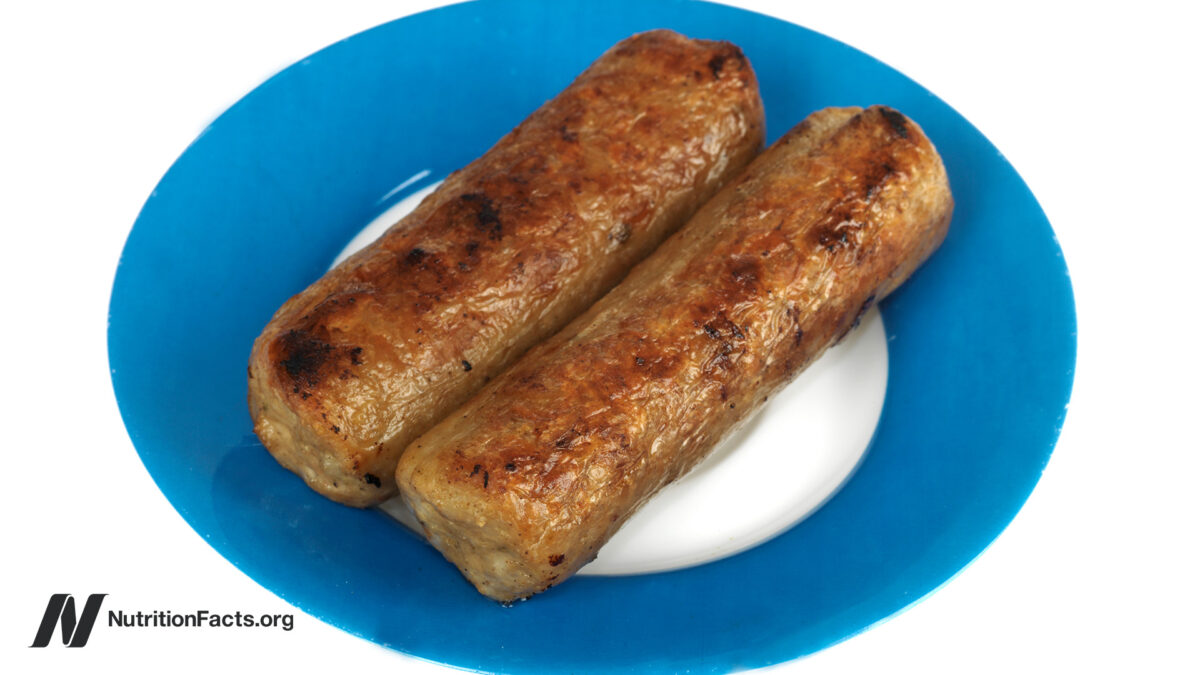
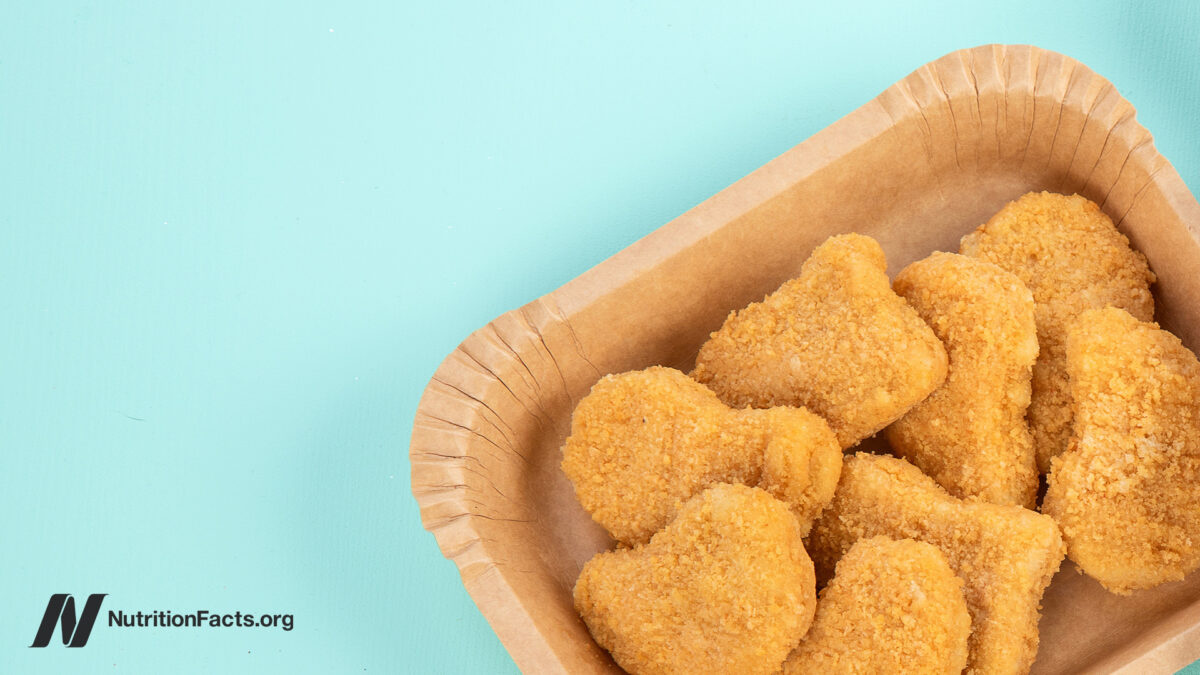
    You may have heard about meats made from wheat protein (like Field Roast sausages and Upton’s bacon seitan), meats made from soybean protein (like the Impossible Whopper and Gardein’s wings), and meats made from pea protein (like Beyond Sausage and Good Catch’s fish-free tuna), but what about meats made from mycoprotein? A relatively new addition, meats made from the mushroom kingdom are popular in Europe and have been introduced into the U.S. marketplace, commercialized as Quorn, which makes cow-free beef, chicken-free chicken, fish-free fish, and pig-free pork, as seen here and at 0:35 in my video The Health Effects of Mycoprotein (Quorn) Products vs. BCAAs in Meat

    In terms of environmental impact, Quorn beef has a carbon footprint that’s at least ten times smaller than conventional beef, and Quorn chicken is at least four times lower than conventional chicken. Health-wise, “mycoprotein is high in protein and fiber, and low in fat, cholesterol, sodium, and sugar,” as one would expect. Most importantly, there have been clinical trials showing it may help control cholesterol, blood sugar, and insulin levels, as well as improve satiety. No surprise given that the fiber and the mycoprotein itself are fermentable by our good gut bugs, so it can also act as a prebiotic for our friendly flora.

    There have been rare, authenticated reports of people with mycoprotein allergies and even more with unvalidated complaints, but, given how many billions of packages have been sold, the rate of allergic reactions may be on the order of around 1 in 9 million.

    The cholesterol data, as seen below and at 1:40 in my video, have been converted into U.S. numbers. There were significant drops in total and LDL cholesterol—more than 30 points within eight weeks. 

    In terms of satiety, as I noted in my Evidence-Based Weight Loss presentation, both tofu and Quorn have been found to have stronger satiating qualities than chicken. Consumption of Quorn, for instance, cut down on subsequent meal intake hours later for lean subjects, as well as reduced it for overweight and obese individuals.

    You know, it’s funny when the meat industry funds obesity studies on chicken. For its head-to-head comparison foods, it chooses items like “shortbread cookies and sugar-coated chocolates.” This is a classic drug industry trick where you make your product look better by comparing it against something worse. (Apparently, regular chocolate wasn’t bad enough to make chicken look better, so had to be chocolate coated in sugar.) But what happens when a chicken is pitted against a real control, like a chicken without the actual chicken? Chicken chickens out, as it was “clearly demonstrated that a Quorn-based meal has greater satiating efficiency than a chicken-based meal.” For example, when study participants ate a chicken and rice lunch, they ate 18 percent more of a dinner buffet four and a half hours later than those who had instead eaten a lunch of Quorn and rice and cut about 200 calories on average.

    As seen here and a 3:01 in my video, part of the reason plant-based meats may be less fattening is that they cause less of an insulin spike. A meat-free chicken like Quorn causes up to 41 percent less of an immediate insulin reaction. 

    It turns out that animal protein causes almost exactly as much insulin release as pure sugar, as you can see below and at 3:03 in my video.

    Just adding some egg whites to your diet can increase insulin output by 60 percent within four days, as seen here and at 3:16.

    And fish may be even worse, as shown below, and at 3:21.

    Why would adding tuna to mashed potatoes spike up insulin levels, but adding broccoli instead drop the insulin response by about 40 percent? It’s not the fiber, since giving the same amount of broccoli fiber alone provided no significant benefit. So, why does animal protein make things worse, but plant protein makes things better?

    Plant proteins tend to have lower levels of the branched-chain amino acids, which are associated with insulin resistance—the cause of type 2 diabetes. You can show this experimentally. Give some vegans branched-chain amino acids, and you can make them as insulin-resistant as omnivores. Or, take omnivores and put them through a 48-hour vegan diet challenge, and within two days, you can see the opposite—significant improvements in metabolic signatures. Why? As the study is titled, “Decreased Consumption of Branched-Chain Amino Acids Improves Metabolic Health.” Those randomized to restrict their protein intake were averaging intake of literally hundreds more calories per day, so they should have gotten heavier, right? But, no. They actually lost more body fat. Restricting their protein enabled them to eat more calories, while at the same time, they lost more weight. More calories, yet a loss of body fat. And this magic “protein restriction”? The study participants were just eating the recommended amount of protein. So, maybe the researchers should have called the “protein-restricted” group the “normal protein” group or the “recommended protein” group, and the control group eating more typical American protein levels—and suffering because of it—the “excess protein” group.

    Given the “restoration of metabolic health by decreased consumption of branched-chain amino acids,” leaders in the field have suggested the invention of drugs to block their absorption to “promote metabolic health and treat diabetes and obesity without reducing caloric intake.” Or we can just try not to eat so many branched-chain amino acids in the first place.

    They are found mostly in meat, including chicken and fish, dairy products, and eggs, which may help explain why animal protein has been associated with higher diabetes risk, whereas plant protein appears protective. So, “defining appropriate upper limits” of animal protein intake “may offer a great chance for the prevention of T2D [type 2 diabetes] and obesity.”

    This is part of a nine-part series on plant-based meats. If you’ve missed any of the previous installments, check out the related posts below.

    Up next: 

    I mentioned my Evidence-Based Weight Loss presentation, which you can watch here


    Source link

  • Are Plant-Based Meats Good for Us?

    Are Plant-Based Meats Good for Us?

    What are the different impacts of plant protein versus animal protein, and do the benefits of plant proteins translate to plant protein isolates?

    Are plant-based burgers healthy or not? The answer is: Compared to what? Eating is kind of a zero-sum game where every food has an opportunity cost. Each time we put something in our mouth, it’s a lost opportunity to eat something even healthier. So, if we want to know if something is healthy, we have to compare it to what we’d be eating instead. For example, are eggs healthy? Compared to a breakfast sausage link, yes, but compared to oatmeal? Not even close. Sausage is considered a Group 1 carcinogen. We know that consumption of processed meat causes cancer. Each 50-gram serving a day (equal to about one or two breakfast sausages) has been linked to an 18 percent higher risk of colorectal cancer. In fact, the risk of getting colorectal cancer from eating those daily sausages is about the same as the increased risk of lung cancer we’d get from breathing in secondhand cigarette smoke living with a smoker. So, compared to sausage, eggs are healthy, but compared to oatmeal, eggs are not.

    When it comes to Beyond Meat and Impossible Foods plant-based burger patties, they may be better in that they have less saturated fat than conventional meat burgers, but if you really want less saturated fat, plant-based meats are no match for unprocessed plant foods, such as lentils and beans. And lentil soup or a bean burrito could certainly fill the same culinary niche as a lunchtime burger. But, if you are going to have some kind of burger, it’s easy to argue that plant-based versions are more healthful, as seen below and at 1:43 in my video Plant-Based Protein: Are Pea and Soy Protein Isolates Harmful?.

    There is a sodium issue with those plant-based patties, though, and they aren’t that much lower in saturated fat. That is due to coconut oil, which is as bad as animal fat, so there isn’t much advantage on that front. I am excited to say that Beyond Meat has since significantly improved their formula since I made that graph for UBS. Now Beyond has 310mg of sodium and only 2 grams of saturated fat thanks to a switch from coconut oil to avocado oil.

    The total protein is similar across the board. Does that matter? Is there any advantage to eating protein from plants over animals? Let’s look at the association between plant and animal protein intake and mortality. In the twin Harvard cohorts, which followed more than 100,000 men and women over decades, researchers wrote: “After adjusting for other dietary and lifestyle factors, animal protein intake was associated with a higher risk for mortality, particularly CVD mortality,” that is, dying from cardiovascular disease, “whereas higher plant protein intake was associated with lower all-cause mortality,” meaning a lower risk of dying from all causes put together. So, “replacing animal protein of various origins with plant protein was associated with lower mortality,” especially if processed meat and egg protein were replaced, as they were the worst.

    When it comes to living a longer life, plant protein sources beat out each and every animal protein source. Not just better than bacon and eggs, but better than burgers, chicken, turkey, fish, and dairy protein, as shown here and at 2:53 in my video

    Together with other studies, these “findings support the importance of protein sources for the long-term health outcome and suggest that plants constitute a preferred protein source compared with animal foods.” Why? Well, “unlike animal protein, plant protein has not been associated with increased insulin-like growth factor 1 levels.” (IGF-1 is a cancer-promoting growth hormone.) Soy protein is similar enough to animal protein that, at high enough doses, like eating two Impossible burgers a day, our IGF-1 may get a bump. But the only reason we care about IGF-1 is cancer risk, and, if anything, “higher soy intake is associated with a decreased risk of breast and prostate cancer.”

    A recent systematic review and meta-analysis found that “soy protein intake was associated with a decreased risk in the mortality of breast cancer,” for instance. “A 12% reduction in breast cancer death was observed for each 5-g/day increase in soy protein intake.” But, as shown below and at 4:07 in my video, the high-soy groups in these studies were on the order of more than 16 grams a day, which was associated with an incredible 62 percent lower risk of dying from breast cancer. More than 10 daily grams of soy protein may be good, associated with nearly halving breast cancer mortality risk, and getting more than 16 grams a day may be better, which is like one Impossible burger a day. (We simply don’t know what happens at consumption levels far above that.) 

    Plant protein has also “been linked to lower blood pressure, reduced low-density lipoprotein [LDL cholesterol] levels, and improved insulin sensitivity. Substitution of plant protein for animal protein has been related to a lower incidence of CVD [cardiovascular disease] and type 2 diabetes.” Indeed, 21 different studies following nearly half a million people found that “high…animal protein intakes are associated with an increased risk of T2DM [type 2 diabetes], whereas moderate plant protein intake is associated with a decreased risk of T2DM.” Those were just observational studies, though. The researchers tried to control for other dietary and lifestyle factors, but cause and effect can’t be proven until it’s put to the test.

    Enter “Effect of Replacing Animal Protein with Plant Protein on Glycemic [Blood Sugar] Control in Diabetes: A Systematic Review and Meta-Analysis of Randomized Controlled Trials.” Researchers found that replacing only about a third of protein from animal sources with plant sources yielded significant improvements in long-term blood sugar control, fasting blood sugars, and insulin.

    Same with cholesterol. A systematic review and meta-analysis of randomized controlled trials on the effect of plant protein on blood fats again found that replacing animal protein with plant protein decreases LDL cholesterol. What’s more, this benefit occurs whether you start out with high or low cholesterol, whether you’re replacing dairy, or meat and eggs, and whether you’re swapping in soy or other plant proteins, as seen here and at 5:31 in my video.

    We’ve known about soy’s beneficial effects on cholesterol for nearly 40 years, but other sources of plant protein can be helpful, too. However, in the case of plant-based burgers like Beyond Beef and the Impossible Burger, beef isn’t being replaced with beans. Those products are mostly isolated plant proteins—mostly pea protein isolate in Beyond Meat products and concentrated soy protein in Impossible Foods products. If you isolate the plant proteins themselves, will you still get benefits? Surprisingly, yes. Check it out.

    The researchers concluded: “Interestingly, our…analyses did not find a significant difference between protein isolate products and whole food sources for any given endpoint, suggesting that the cholesterol-lowering effects are at least, in part, attributable to the plant protein itself rather than just the associated nutrients.” So, it isn’t just because plant protein travels with fiber or less saturated fat. Plant proteins break down into a different distribution of amino acids. So, if you give people arginine, an amino acid found more in plant foods, that alone can bring down cholesterol, for example. And the plant protein concentrates used in these meat-free products aren’t just pure protein; they retain some active compounds, such as phytosterols and antioxidants, which also can have beneficial effects.

    This is the third in a series on plant-based meats. If you missed the first two, see The Environmental Impacts of Plant-Based Meat Substitutes and Are Beyond Meat and the Impossible Burger Healthy?.

    Check the related posts below for the upcoming videos on plant-based meats.


    Source link

  • You Shouldn’t Scratch An Itch—So Why Does It Feel So Good? Are There Benefits?

    You Shouldn’t Scratch An Itch—So Why Does It Feel So Good? Are There Benefits?

    You’ve been told not to scratch that itch—but why does it feel so good? Researchers studying the science behind scratching found that while it worsens inflammation and swelling, it also has certain benefits which may explain why the natural urge feels so irresistible.

    In a recent study published in the journal Science, researchers examined how itching affected the skin of mice with allergic contact dermatitis, a type of eczema.

    “Scratching is often pleasurable, which suggests that, in order to have evolved, this behavior must provide some kind of benefit. Our study helps resolve this paradox by providing evidence that scratching also provides defense against bacterial skin infections,” said senior author Daniel Kaplan in a news release.

    For the trial, the researchers used itch-inducing allergens to induce symptoms of eczema in the ears of normal mice. While some mice were allowed to scratch, others were restricted from scratching using tiny collars, similar to those used by dogs.

    The results were striking: mice that scratched developed swollen, inflamed skin packed with immune cells called neutrophils, while those unable to scratch had much milder inflammation. This confirmed that scratching worsens skin irritation rather than relieving it.

    The researchers explain that this is because scratching an itch sets off a chain reaction in the skin. Pain-sensing nerves release a chemical called substance P, which activates mast cells or the immune cells that regulate inflammation and itching. Normally, mast cells respond to allergens, causing mild itchiness and swelling. But scratching triggers a second wave of activation through substance P, intensifying inflammation and making the itch even worse.

    However, mast cells not only cause irritation, they also help defend against bacteria and other germs. This made researchers curious to find out if scratching actually influences the skin’s microbiome.

    In further experiments, the team showed that scratching reduced the amount of Staphylococcus aureus, the most common bacteria involved in skin infections, on the skin. “The finding that scratching improves defense against Staphylococcus aureus suggests that it could be beneficial in some contexts. But the damage that scratching does to the skin probably outweighs this benefit when itching is chronic,” Kaplan said.

    Source link