Tag: Effects

  • High Humidity Health Effects on Asthma, Fatigue, and Heat You Should Know

    High Humidity Health Effects on Asthma, Fatigue, and Heat You Should Know

    Humidity affects more than daily comfort, it plays a significant role in how the body responds to heat, respiratory stress, and energy levels. High humidity health risks are often underestimated, yet they can worsen conditions like asthma, increase fatigue, and make heat feel far more intense than it actually is.

    Understanding how humidity interacts with the body can help individuals better manage these effects and protect their well-being.

    What Is Humidity and How Does It Affect the Body?

    Humidity refers to the amount of water vapor present in the air. Relative humidity, the most commonly used measure, indicates how saturated the air is with moisture compared to its maximum capacity.

    The human body relies on sweat to regulate temperature. When sweat evaporates from the skin, it cools the body down. However, in high humidity, the air is already saturated with moisture, making it harder for sweat to evaporate efficiently. As a result, the body retains heat, increasing the risk of overheating.

    This disruption in natural cooling is one of the main reasons humidity has such a strong impact on health, particularly in hot climates.

    Why High Humidity Makes Heat More Dangerous

    Heat becomes more hazardous when combined with humidity because the body struggles to release excess warmth. This is where the heat index comes into play, a measure that combines temperature and humidity to reflect how hot it actually feels.

    In high humidity conditions:

    • Sweat accumulates without evaporating
    • Core body temperature rises faster
    • The risk of heat exhaustion and heat stroke increases

    For example, a temperature of 32°C may feel like 40°C or higher when humidity is elevated. This “feels like” temperature places additional stress on the cardiovascular system, as the heart works harder to regulate internal temperature.

    This explains why high humidity health risks are often more severe than dry heat alone.

    How Humidity Triggers and Worsens Asthma

    Humidity can significantly affect people with asthma and other respiratory conditions. Moist air tends to feel heavier, making breathing more difficult for sensitive individuals.

    Several factors contribute to asthma flare-ups in humid environments:

    • High humidity promotes the growth of mold and dust mites, both common asthma triggers
    • Damp airways may become more reactive, leading to inflammation
    • Thick, moisture-laden air can restrict airflow and cause discomfort

    In some cases, sudden exposure to humid air, such as stepping outside on a hot day, can trigger immediate symptoms like wheezing, coughing, or shortness of breath.

    Managing indoor humidity levels is especially important for individuals with asthma, as prolonged exposure to damp conditions can worsen symptoms over time, according to the World Health Organization.

    The Link Between Humidity and Fatigue

    Fatigue is another common effect of high humidity. When the body struggles to cool itself, it uses more energy to maintain a stable internal temperature.

    This increased effort can lead to:

    • Physical exhaustion due to prolonged heat exposure
    • Dehydration, which reduces energy levels
    • Poor sleep quality caused by warm, sticky conditions
    • Reduced concentration and mental clarity

    In humid environments, even routine activities may feel more tiring. The body’s constant attempt to regulate heat places strain on multiple systems, contributing to both physical and mental fatigue.

    High Humidity Health Risks You Should Know

    High humidity health concerns extend beyond discomfort. Prolonged exposure can lead to several serious conditions, particularly during periods of extreme heat.

    Key risks include:

    • Heat exhaustion, characterized by dizziness, nausea, and excessive sweating
    • Heat stroke, a life-threatening condition involving dangerously high body temperature
    • Respiratory issues, especially for those with asthma or chronic lung disease
    • Skin irritation or infections due to prolonged moisture exposure

    Certain populations are more vulnerable, including older adults, young children, and individuals with pre-existing health conditions. Recognizing early warning signs is critical for preventing more severe outcomes.

    Why Does Humidity Make Asthma Worse?

    Humidity worsens asthma primarily by increasing exposure to airborne irritants and making breathing more laborious. Moist environments encourage allergens like mold spores and dust mites, which can inflame the airways.

    Additionally, humid air feels denser, which may create a sensation of restricted breathing. For individuals with asthma, this can trigger airway narrowing and exacerbate symptoms.

    Can High Humidity Cause Fatigue?

    Yes, high humidity can contribute to fatigue. The body expends more energy trying to cool itself when sweat cannot evaporate efficiently, as per Cleveland Clinic.

    This ongoing strain, combined with dehydration and poor sleep, can lead to persistent tiredness. Over time, this fatigue may affect productivity, mood, and overall health.

    What Humidity Level Is Unhealthy?

    Indoor humidity levels between 30% and 50% are generally considered healthy. When humidity rises above 60%, the environment becomes more favorable for mold growth and dust mites.

    Prolonged exposure to high humidity levels can increase the likelihood of respiratory issues and other health concerns. Monitoring indoor humidity with a hygrometer can help maintain a healthier environment.

    Why Does Humid Heat Feel Hotter?

    Humid heat feels hotter because it interferes with the body’s natural cooling system. When sweat does not evaporate, heat remains trapped on the skin.

    This leads to a higher perceived temperature, known as the heat index. Even moderate temperatures can feel extreme when humidity is high, increasing the risk of heat-related illness.

    Can Humidity Affect Breathing?

    Humidity can affect breathing, particularly for individuals with asthma or other lung conditions. High moisture levels in the air can make breathing feel more difficult and may irritate the airways.

    In some cases, both high and low humidity can trigger respiratory discomfort, but high humidity is especially associated with allergen growth and airway inflammation.

    Who Is Most at Risk in High Humidity?

    Certain groups are more susceptible to high humidity health effects:

    • Individuals with asthma or chronic respiratory diseases
    • Older adults and young children
    • Outdoor workers and athletes exposed to prolonged heat
    • People with cardiovascular conditions

    These groups may experience more severe symptoms and should take extra precautions during humid weather.

    Tips to Stay Healthy in Humid Conditions

    Managing humidity exposure can significantly reduce health risks. Simple adjustments can make a noticeable difference.

    Effective strategies include:

    • Staying hydrated throughout the day
    • Using air conditioning or dehumidifiers indoors
    • Limiting outdoor activity during peak heat hours
    • Wearing lightweight, breathable clothing
    • Improving indoor ventilation to reduce moisture buildup

    Taking proactive steps helps maintain comfort and reduces the likelihood of heat-related illness and respiratory issues.

    When to Seek Medical Attention

    It is important to recognize when symptoms go beyond mild discomfort. Medical attention may be necessary if someone experiences:

    • Signs of heat stroke, such as confusion, rapid pulse, or loss of consciousness
    • Severe asthma symptoms that do not improve with medication
    • Persistent fatigue accompanied by dizziness or dehydration
    • Difficulty breathing or chest tightness

    Early intervention can prevent complications and improve outcomes.

    Managing Humidity for Better Health and Daily Comfort

    Humidity has a direct and measurable impact on asthma, fatigue, and heat tolerance. High humidity health risks become more pronounced when the body cannot cool itself effectively, leading to increased strain on respiratory and cardiovascular systems.

    By understanding how humidity interacts with the body and taking steps to control exposure, individuals can reduce discomfort and protect their overall health, especially during periods of intense heat.

    Frequently Asked Questions

    1. Does high humidity affect indoor air quality?

    Yes. High humidity encourages mold growth, dust mites, and bacteria, which can reduce indoor air quality and trigger respiratory issues.

    2. Can low humidity also impact health?

    Yes. Low humidity can dry out the skin, irritate airways, and increase susceptibility to infections, especially in air-conditioned environments.

    3. How does humidity influence exercise performance?

    High humidity can reduce endurance and increase fatigue because the body struggles to cool itself efficiently during physical activity.

    4. Are there devices that help control humidity at home?

    Yes. Dehumidifiers, air conditioners, and hygrometers can help monitor and regulate indoor humidity levels for better comfort and health.


    Source link

  • Does Berberine Help With Weight Loss? Benefits, Side Effects, and What You Need to Know

    Does Berberine Help With Weight Loss? Benefits, Side Effects, and What You Need to Know

    Berberine has become one of the most discussed natural compounds in the world of weight loss supplements. Many people use it for support with blood sugar balance, cholesterol levels, and body weight, especially when metabolic health is a concern.

    Interest in berberine weight loss continues to rise because it may work through several pathways tied to insulin sensitivity and energy regulation. While results are usually moderate, berberine may offer useful support when paired with nutrition, movement, and consistent habits.

    Berberine Benefits: Metabolic Effects Beyond Weight Reduction

    Many people first hear about berberine benefits because of weight management, but its potential effects go beyond the number on the scale. Berberine is often linked to activation of AMPK, an enzyme involved in cellular energy use, glucose metabolism, and fat oxidation.

    This may help improve blood sugar control, particularly for individuals dealing with insulin resistance or early metabolic dysfunction. Better glucose handling can also support appetite balance and lower energy crashes that make healthy eating harder. According to the Mayo Clinic, berberine has shown promise for lowering blood sugar and cholesterol levels, though more long-term research is still needed.

    Berberine may also support lipid health by helping reduce LDL cholesterol and triglycerides. Because of this, it is often discussed in relation to metabolic syndrome, where blood sugar, cholesterol, blood pressure, and abdominal weight gain occur together. Some early research also points toward anti-inflammatory effects. Since chronic inflammation can worsen obesity and insulin resistance, this may be another reason berberine remains popular in wellness circles.

    Berberine Weight Loss: Mechanisms, Dosage, and Clinical Results

    When discussing berberine weight loss, realistic expectations are important. It is not typically associated with rapid transformations, but some people may experience modest reductions in body weight over time. One reason is that berberine may improve insulin sensitivity, making it easier for the body to regulate stored energy and hunger signals. It may also influence gut bacteria involved in digestion and metabolism.

    Researchers have also explored whether berberine affects pathways related to satiety hormones and mechanisms similar to GLP-1 agonists. While it is not equivalent to prescription GLP-1 medications, overlapping appetite and glucose benefits are often discussed.

    Based on information from WebMD, berberine is commonly used in divided doses ranging from 900 mg to 1,500 mg daily, often taken with meals to improve tolerance. Most users need several weeks before noticeable changes occur. Results are generally stronger when combined with calorie awareness, exercise, sleep improvement, and consistent routines.

    Berberine Side Effects: Safety, Interactions, and Contraindications

    Understanding berberine side effects is essential before using it regularly. While many people tolerate it well, digestive complaints are the most common issue.These may include nausea, bloating, gas, diarrhea, constipation, or stomach discomfort. Starting with smaller doses and taking berberine with food may reduce these gastrointestinal issues.

    According to the National Center for Complementary and Integrative Health (NCCIH), supplements can interact with medications and should be used carefully, especially by people with chronic conditions or those taking prescriptions.Because berberine may lower blood sugar, people using diabetes medications should be cautious. Combining treatments without guidance could increase the risk of hypoglycemia.

    It may also affect how the body processes certain drugs, including blood thinners, some cholesterol medications, and immune-related prescriptions. Berberine is generally avoided during pregnancy and breastfeeding unless approved by a healthcare professional. Quality matters too. Choosing third-party tested brands may reduce risks related to contamination or inaccurate labeling.

    Berberine Daily Habits: How to Support Better Weight and Metabolic Results

    Many people focus only on the supplement itself, but daily habits strongly influence results. If you are using berberine, combining it with smart routines may improve both weight and metabolic outcomes.

    • Take Berberine With Meals: Taking berberine with food may help reduce gastrointestinal issues such as nausea, bloating, or stomach discomfort. It may also support a steadier blood sugar response after meals.
    • Prioritize Protein and Fiber: Meals rich in protein, vegetables, legumes, and whole grains can improve fullness and support berberine weight loss goals. This combination may also reduce cravings and overeating.
    • Stay Consistent With Movement: Walking, strength training, and regular exercise can improve insulin sensitivity. Pairing movement with berberine may enhance metabolic support.
    • Monitor Blood Sugar Changes: People using berberine for blood sugar control should watch for signs of low blood sugar, especially if taking diabetes medication. Tracking levels may help identify changes early.
    • Improve Sleep Quality: Poor sleep can increase hunger hormones and worsen insulin resistance. Better sleep habits may strengthen the overall effect of weight management supplements.
    • Stay Hydrated Daily: Good hydration supports digestion, energy levels, and workout performance. It may also help reduce constipation sometimes linked to supplements.
    • Review Progress Every Few Weeks: Check body weight, waist size, energy, and eating habits instead of expecting overnight changes. Sustainable progress is usually gradual and more realistic.
    • Use Medical Guidance if Needed: If you have diabetes, heart disease, or metabolic syndrome, speak with a healthcare professional before long-term use. Personalized guidance can improve both safety and results.

    Weight Management Supplements: Where Berberine Fits Best

    Among modern weight management supplements, berberine stands out because it focuses on metabolic pathways rather than stimulant effects. That may appeal to people who want support without the jittery feeling linked to some fat burners.

    Still, no supplement replaces the fundamentals. Nutrition quality, calorie balance, stress control, movement, and sleep remain the strongest drivers of sustainable progress.

    For people with obesity, diabetes, or advanced metabolic syndrome, medical treatment may be more effective than supplements alone. In those cases, professional care can help identify better options. Berberine is best viewed as one supportive tool, not the entire strategy.

    Smarter Berberine Results Through Lifestyle and Safety

    The strongest outcomes from berberine benefits usually happen when supplement use is paired with consistent daily habits. Better food choices, regular exercise, and healthy sleep patterns create the foundation for lasting metabolic improvement.

    For anyone considering berberine weight loss, patience and safety matter more than hype. With realistic expectations and proper guidance, berberine may play a useful role in a balanced long-term plan.

    Frequently Asked Questions

    1. How much weight can berberine help you lose?

    Results vary depending on diet, activity, and health status. Many people experience modest weight loss rather than dramatic changes. Some may lose a few pounds over several weeks. Consistency matters most.

    2. How long does berberine take to work?

    Some people notice appetite or digestion changes within a few weeks. Metabolic effects often take longer. Many studies examine results over two to three months. Individual responses can differ.

    3. Is berberine safer than prescription weight loss drugs?

    Not necessarily. Natural supplements can still cause side effects and drug interactions. Prescription medications are tested differently and may be more effective for certain people. Medical guidance helps compare options safely.

    4. Can I take berberine every day?

    Many users take it daily in divided doses. Long-term use should still be monitored, especially if medications are involved. Digestive tolerance may change over time. Ask a healthcare provider before regular use.


    Source link

  • Comparing GLP‑1 Injectable Weight‑Loss Meds, Semaglutide vs Tirzepatide, and Real Side Effects

    Comparing GLP‑1 Injectable Weight‑Loss Meds, Semaglutide vs Tirzepatide, and Real Side Effects

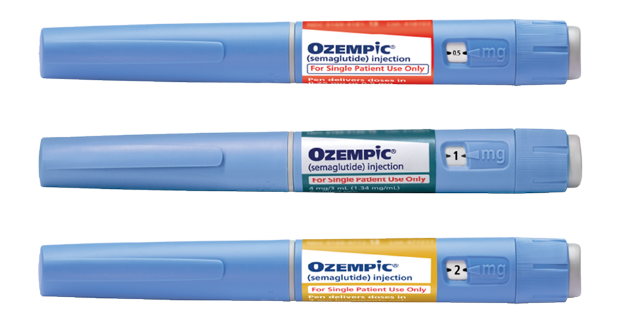
    The debate of Ozempic vs Mounjaro has become one of the most discussed topics in modern weight management. These injectable weight-loss meds, often referred to as GLP‑1 weight-loss drugs, have gained massive attention for their effectiveness in helping people lose significant weight while also improving blood sugar control.

    Both medications were initially developed to treat type 2 diabetes, but clinical results showing dramatic weight reductions sparked their evolution into tools for obesity management.

    While Ozempic and Mounjaro share some similarities, they differ in composition, mechanisms, and potential side effects. Understanding how each drug works and what distinguishes semaglutide vs tirzepatide can help individuals and clinicians make informed choices about treatment options.

    What Are GLP-1 Weight-Loss Drugs?

    GLP-1 receptor agonists are medications that mimic the natural hormone glucagon-like peptide-1 (GLP-1). This hormone helps regulate blood sugar and satiety by slowing down digestion, promoting insulin release, and reducing appetite. When administered as once-weekly injections, these drugs assist patients in feeling full longer and eating less.

    Ozempic (which contains semaglutide) and Mounjaro (which contains tirzepatide) are among the most well-known of this group. Other related drugs include Wegovy and Zepbound, versions approved specifically for weight management rather than diabetes.

    Ozempic vs Mounjaro: Key Differences

    When comparing Ozempic vs Mounjaro, the key difference lies in the drugs’ active ingredients and how they act on the body.

    • Ozempic (semaglutide) targets only the GLP‑1 receptor.
    • Mounjaro (tirzepatide), on the other hand, acts on both the GLP‑1 and GIP (glucose-dependent insulinotropic polypeptide) receptors.

    This dual mechanism allows Mounjaro to potentially offer stronger effects on both insulin control and appetite regulation. Some studies suggest that tirzepatide may lead to greater average weight loss than semaglutide, though long-term outcomes are still being studied.

    Both medications are injectable and typically used once a week. Ozempic has been FDA-approved for type 2 diabetes, while Wegovy (its higher-dose version) is approved for chronic weight management. Similarly, Mounjaro is FDA-approved for diabetes, while its twin drug Zepbound is approved for obesity.

    How Do Ozempic and Mounjaro Help You Lose Weight?

    The success of GLP‑1 weight-loss drugs such as Ozempic and Mounjaro comes down to appetite control and metabolic balance. These medications not only lower blood sugar but also trigger signals that make the body feel full sooner.

    GLP‑1 and GIP hormones play a critical role in sending satiety messages to the brain. By mimicking these hormones, semaglutide and tirzepatide slow gastric emptying (the speed at which food leaves the stomach). As a result, people consume fewer calories without feeling deprived.

    In clinical trials, individuals using semaglutide reported an average weight loss of around 15% of their body weight over 68 weeks, while tirzepatide users experienced reductions as high as 20% in some studies. These results position injectable weight-loss meds like these as some of the most effective non-surgical treatments available today.

    Side Effects of Ozempic and Mounjaro

    As with any medication, both Ozempic and Mounjaro come with potential side effects. For most people, these are temporary and mild, but understanding them helps in managing expectations and safety, according to the World Health Organization.

    Common side effects include:

    • Nausea and vomiting
    • Constipation or diarrhea
    • Bloating or indigestion
    • Mild fatigue or dizziness

    More serious side effects, though less common, can occur. These include pancreatitis, gallbladder inflammation, kidney complications, and in rare cases, thyroid-related tumors. Patients are often monitored for early signs of these conditions, especially if they have a family history of thyroid disease.

    When comparing Ozempic side effects vs Mounjaro side effects, reports suggest that Mounjaro users might experience slightly stronger gastrointestinal symptoms initially, possibly because of its dual-agonist action.

    However, gradual dose adjustments and dietary changes, like eating smaller meals and avoiding greasy foods, can minimize these effects.

    Doctors typically start patients on the lowest dosage to allow the body to adjust. Staying hydrated and taking injections on the same day each week also help reduce discomfort.

    Who Should and Shouldn’t Use Injectable Weight-Loss Meds

    These medications are designed for adults with type 2 diabetes or those classified as overweight or obese (BMI of 30 or higher, or 27 with weight-related conditions). They are not intended for short-term or cosmetic weight loss.

    People with a personal or family history of medullary thyroid carcinoma, multiple endocrine neoplasia type 2, pancreatitis, or severe gastrointestinal conditions should avoid GLP‑1 weight-loss drugs unless specifically advised by their physician.

    It’s crucial for potential users to consult their healthcare providers before starting these treatments. A comprehensive health assessment ensures safety and identifies whether related lifestyle changes may be sufficient before turning to medication.

    Cost, Accessibility, and Insurance Coverage

    Access and affordability remain major challenges. Ozempic and Mounjaro can cost anywhere from $900 to $1,300 per month without insurance, and coverage often depends on medical necessity. While insurers frequently cover these drugs for diabetes, weight-loss-only prescriptions may face denials.

    To help offset the price, both drug manufacturers offer savings programs and patient assistance plans. Prices also vary by region and dosage strength, making it worthwhile to consult pharmacies or clinics to find cost-effective options.

    For those comparing Ozempic vs Mounjaro, it’s worth noting that tirzepatide-based drugs (Mounjaro or Zepbound) might have limited availability in some areas due to high demand, as per the Centers for Disease Control and Prevention.

    Ozempic vs Mounjaro: Which One Is Better for You?

    The choice between Ozempic vs Mounjaro depends on a person’s health goals, metabolic profile, and tolerance. Clinical trials show both drugs yield significant weight loss and improved glucose control, but the response varies individually.

    • Those seeking steadier blood sugar control with proven long-term data may prefer Ozempic (semaglutide).
    • Those targeting faster or more substantial fat loss may respond better to Mounjaro (tirzepatide).

    Doctors often base their recommendation on the patient’s overall health, co-existing conditions, and potential side effect management.

    In practice, both options can be effective, success largely depends on consistency, proper dosing, and accompanying lifestyle adjustments such as balanced meals and physical activity.

    Frequently Asked Questions

    1. Can you stop taking Ozempic or Mounjaro once you reach your goal weight?

    Stopping these medications often leads to regained weight because appetite and metabolism return to baseline. Ongoing medical guidance is recommended before tapering off.

    2. Do Ozempic and Mounjaro affect muscle mass as well as fat loss?

    Some users may lose small amounts of lean muscle alongside fat, but maintaining protein intake and resistance exercise helps preserve muscle mass.

    3. Can you drink alcohol while using GLP‑1 weight-loss drugs?

    Light to moderate drinking is generally safe, but alcohol can worsen nausea or affect blood sugar control. It’s best to consult your healthcare provider for limits.

    4. Are there any natural alternatives to GLP‑1 weight-loss drugs?

    Certain lifestyle changes, like high-protein diets, fiber-rich foods, and regular exercise, can naturally boost satiety hormones, though not as powerfully as medical GLP‑1 therapy.


    Source link

  • Benefits, Side Effects, and the Truth About Long-Term Use

    Benefits, Side Effects, and the Truth About Long-Term Use

    Melatonin for sleep has become one of the most widely used sleep supplements, especially for people struggling with falling asleep or adjusting to irregular schedules. As interest in melatonin benefits grows, many users now take it nightly, assuming it is a safer long-term option than prescription sleep medications. Yet while short-term improvements are well documented, questions remain about whether regular use stays effective—or safe—over time.

    Understanding how melatonin side effects, dosage, and duration interact is essential before committing to nightly use. This article examines what research reveals about melatonin benefits, short-term risks, and long-term safety concerns, helping you decide whether melatonin fits into a sustainable sleep strategy.

    Melatonin Benefits for Sleep Quality and Circadian Timing

    Melatonin benefits are most consistent in helping users fall asleep faster rather than dramatically extending total sleep time. According to the National Center for Complementary and Integrative Health (NCCIH), melatonin supplements modestly reduce sleep-onset latency in people with insomnia, delayed sleep-wake phase disorder, and jet lag by supporting circadian rhythm alignment rather than inducing sedation.

    Clinical trials show that melatonin benefits average a 7-minute reduction in time to fall asleep and an 8-minute increase in total sleep duration, with stronger effects seen in older adults whose natural melatonin production declines with age. These gains may appear small, but they are statistically consistent across multiple placebo-controlled studies. For circadian-based sleep disorders, such as shift work sleep disorder, benefits can be more pronounced due to phase-shifting effects.

    Melatonin for sleep also shows value when paired with behavioral strategies like light exposure management. Evening dosing combined with morning bright-light therapy can advance circadian timing more effectively than supplements alone. While melatonin benefits do not match the potency of prescription hypnotics, its low dependency risk makes it appealing for short-term or situational use.

    Melatonin Side Effects During Short-Term Use

    Melatonin side effects are generally mild during short-term use, particularly at doses below 5 mg. Based on a clinical evidence review by the American Academy of Sleep Medicine (AASM), common reactions include headache, dizziness, nausea, and daytime sleepiness, typically affecting 10–15% of users during the first week.

    Daytime grogginess is the most frequently reported issue, especially with extended-release formulas that prolong melatonin’s half-life. Vivid dreams or nightmares may also occur, particularly at higher doses or when taken too close to bedtime. These effects often resolve with dose reduction or earlier administration in the evening.

    Interactions remain an under-discussed concern among sleep supplements. Melatonin may amplify sedation when combined with alcohol or other sleep aids, and theoretical interactions exist with antidepressants and blood-thinning medications. While serious adverse events are rare in short-term studies lasting up to six months, clinicians recommend caution when melatonin is used nightly rather than intermittently.

    Melatonin Long-Term Safety and Ongoing Health Risks

    Melatonin side effects over long-term use remain less clearly understood, largely due to limited extended clinical trials. Based on a population-based cohort study published in BMJ Open, prolonged melatonin use was associated with higher rates of cardiovascular events and all-cause mortality compared to non-users, though causality was not definitively established.

    The study followed adults using melatonin for over one year and observed increased rates of hospitalizations related to heart failure. While confounding factors such as preexisting illness may influence outcomes, the findings highlight the lack of long-term safety data for continuous use. This uncertainty explains why melatonin remains unapproved as a chronic insomnia treatment by regulatory agencies.

    Hormonal effects also raise questions, particularly at higher doses. Animal studies suggest prolonged melatonin exposure may suppress reproductive hormones, and limited pediatric data link extended use to delayed pubertal markers. Although tolerance does not appear to develop, experts recommend reassessment after two to three months rather than indefinite nightly supplementation.

    What This Means for Long-Term Sleep Health

    Melatonin for sleep can be useful, but its role is best defined as a short-term or situational aid rather than a permanent solution. The most consistent melatonin benefits involve helping users fall asleep faster and adjust circadian timing, not delivering deep or prolonged sleep. While melatonin side effects are typically mild at first, unanswered questions remain about cardiovascular and hormonal outcomes with extended use.

    For those considering nightly supplementation, dose moderation and periodic breaks may reduce potential risks. Combining melatonin with sleep hygiene improvements—such as consistent schedules, reduced evening light exposure, and stress management—often delivers better long-term results than supplements alone. Melatonin works best when used thoughtfully, not automatically.

    Frequently Asked Questions

    1. Is melatonin safe to take every night?

    Melatonin appears safe for short-term use, but evidence supporting nightly long-term use is limited. Some observational studies suggest possible health risks with prolonged supplementation. Medical guidance is recommended if use exceeds two to three months. Periodic reassessment helps reduce uncertainty.

    2. What is the best melatonin dose for sleep?

    Most people respond to doses between 0.5 mg and 3 mg. Higher doses do not necessarily improve sleep and may increase side effects. Starting low allows you to assess effectiveness without unnecessary exposure. More is not always better with melatonin.

    3. Does melatonin lose effectiveness over time?

    Current evidence suggests tolerance does not develop in the same way as prescription sleep medications. However, benefits may plateau, making nightly use less noticeable over time. Behavioral sleep strategies often sustain improvements more reliably. Melatonin works best as a support tool, not a replacement.

    4. Can melatonin cause heart problems?

    Some long-term observational studies show an association between melatonin use and increased cardiovascular events, but causation has not been proven. Underlying health conditions may contribute to these findings. This uncertainty is why clinicians urge caution with extended use. Monitoring becomes more important with ongoing supplementation.


    Source link

  • Are the Effects of Ochratoxin Concerning?

    Are the Effects of Ochratoxin Concerning?

    The overall cost-benefit ratio for mycotoxins depends on which food is contaminated.

    Ochratoxin has been described as toxic to the immune system, developing fetus, kidneys, and nervous system, as well as being carcinogenic, but that is in animal studies. Ochratoxin “causes kidney toxicity in certain animal species, but there is little documented evidence of adverse effects in humans.” That’s why it’s only considered a possible human carcinogen.

    Big Ag assures that current ochratoxin levels are safe, even among those who eat a lot of contaminated foods. The worst-case scenario may be young children eating a lot of oat-based cereals, but, even then, “their lifetime cancer risk is negligible.” Individuals arguing against regulatory standards suggest we can eat more than 42 cups of oatmeal a day and not worry about it. Where do they get these kinds of estimates?

    They determine the so-called benchmark dose in animals—the dose of the toxin that gives a 10% increase in pathology—then, because one would want to err on the side of caution, divide that dose by 500 as a kind of safety fudge factor to develop the tolerable daily intake. For cancer risk, you can find the tumor dose—the dose that increases tumor incidence in lab animals by 5%—and extrapolate down to the ”negligible cancer risk intake,” effectively incorporating a 5,000-fold safety factor, as seen below and at 1:28 in my video Should We Be Concerned About the Effects of Ochratoxin?.

    It seems kind of arbitrary, right? But what else are you going to do? You can’t just intentionally feed people the stuff and see what happens—but people eat it regularly. Can we just follow people and their diets over time and see if those who eat more whole grains, like oats, for example, are more likely to have cancer or live shorter lives?

    What is the association between whole grain intake and all-cause, cardiovascular, and cancer mortality? Every additional ounce of whole grains eaten a day is associated with not only a lower risk for cancer mortality but also a lower risk of dying from all causes put together. Below and at 2:05 in my video are findings from all the big cancer studies. Every single one trended towards lower cancer risk.

    The bottom line is that you don’t find adverse effects confirmed in these population studies. This is not to say ochratoxin is necessarily harmless, but “any such risk does not outweigh the known benefits of wholegrain consumption.” In fact, healthy constituents of the whole grains themselves, like their antioxidants, may directly reduce the impacts of mycotoxins by protecting cells from damage. So, eating lots of fruits and vegetables may also help. Either way, “an overall healthy diet can play a significant role in mitigating the risk of contaminants in grain.”

    In summary, healthy foods like whole grains are good, but just not as good as they could be because of ochratoxin, whereas less healthful foods, like wine and pork, are worse because of the mycotoxin, as shown below and at 2:52 in my video. Ochratoxin was detected, for example, in 44% of tested pork.

    Doctor’s Note

    This is the third video in a four-part series on mold toxins. If you missed the first two, see Ochratoxin in Breakfast Cereals and Friday Favorites: Ochratoxin and Breakfast Cereals, Herbs, Spices, and Wine.

    Should We Be Concerned About Aflatoxin? is coming up next.


    Source link

  • The Effects of Fasting on Cancer

    The Effects of Fasting on Cancer

    Ever since the days of Hippocrates, 2,400 years ago, fasting has been offered as a treatment for acute and chronic diseases, based on the observation that when people get sick they frequently lose their appetite.

    Along with fever, decreased food consumption is one of the most common signs of infection. Often regarded as an undesirable manifestation of sickness, it’s actually an active, beneficial defense mechanism. As I discuss in my video Fasting for Cancer: What about Cachexia, chronic under-nutrition can impair our defenses, but data suggest that, in the short-term, immune function can be enhanced by lowering food intake.

    Researchers have shown that the blood from starved mice was nearly eight times better at killing off the invading bacteria in a petri dish, dramatically boosting the capacity of their white blood cells to kill off the pathogens. What about people? And what about cancer?


    Does Fasting Help Our Natural Killer Cells Fight Cancer Cells?

    When study participants fasted for two weeks on an 80-calorie-a-day diet, not only did their white blood cells show the same kind of boost in bacteria-killing ability and antibody production, but their natural killer cell activity increased by an average of 24%. This is especially interesting because our natural killer cells don’t just help clear infections, but they also kill cancer cells. In fact, that’s how the researchers measured natural killer cell activity; they pitted them against K562 cells, which are human leukemia cells.

    chart showing increase in antibody production and natural killer cell activity after fasting for 15 days

    Fasting is said to improve anticancer immunosurveillance, or, more poetically, by “stimulating the appetite of the immune system for cancer.” So, why isn’t fasting used more to treat cancer? Because so much about cancer care revolves around keeping people’s weight up to try to counteract the cancer-wasting syndrome.


    What Causes Cancer Cachexia?

    Until recently, fasting therapy was not considered to be a treatment option in cancer, related to the fact that a common therapeutic goal in palliative cancer treatment is to avoid weight loss and counteract the wasting syndrome known as cachexia, which is the ultimate cause of death in many cancer cases.

    Tumors are voracious, rapidly expanding and in need of a lot of energy and protein, so cancer metabolically reprograms the body to start breaking down to feed its tumors. It does this by triggering inflammation throughout the body. It’s not just that people lose their appetite. “The fundamental difference between the weight loss observed in CC [cancer cachexia] and that seen in simple starvation is the lack of reversibility with feeding alone.”

    Therapeutic nutritional interventions to correct or reverse cachexia frequently fail. The best treatment for cancer cachexia, therefore, is to treat the cause and cure the cancer. In fact, maybe forcing extra nutrition on cancer patients could be playing right into the tumor’s hands. Like in pregnancy when the fetus gets first dibs on nutrients even at the mother’s expense, the tumor may be first in the feeding line. Maybe our loss of appetite when we get cancer is even a protective response.


    Is Chemotherapy Enough?

    As I discuss in my video Fasting Before and After Chemotherapy and Radiation, for the past 50 years, chemotherapy has been a major medical treatment for a wide range of cancers. Its main strategy has been largely based on targeting cancer cells, by means of DNA damage caused in part by the production of free radicals. Although these drugs were first believed to be very selective for tumor cells, we eventually learned that normal cells also experience severe chemotherapy-dependent damage, which can lead to dose-limiting side effects, including bone marrow and immune system suppression, fatigue, vomiting, diarrhea, and in some cases, even death.

    If you do survive chemotherapy, the DNA damage to normal cells can even lead to new cancers down the road. There are cell-protecting drugs that have been tried to reduce the side effects so you can pump in higher chemo doses, but these drugs have not been shown to increase survival––in part because they may also be protecting the cancer cells. What about instead fasting for cellular protection during cancer treatment?


    Fasting and Chemotherapy

    Many may not recognize the role fasting can play in cancer prevention and treatment. Short-term fasting before and immediately after chemotherapy may minimize side effects, while, at the same time, it may actually make cancer cells more sensitive to treatment. That’s exciting! 

    During deprivation, healthy cells switch from growth to maintenance and repair, but tumor cells are unable to slow down their unbridled growth, due to growth-promoting mutations that led them to become cancer cells in the first place. This inability to adapt to starvation may represent an important Achilles’ heel for many types of cancer cells.

    As a consequence of these differential responses of healthy cells versus cancer cells to short-term fasting, chemotherapy causes more DNA damage and cell suicide in tumor cells, while potentially leaving healthy cells unharmed. Thus, short-term fasting may protect healthy cells against the toxic assault of chemotherapy and cause tumor cells to be more sensitive––or at least that’s the theory.

    Researchers found that, in rodents, fasting alone appears to work as well as chemotherapy. What’s more, unbridled tumor growth was also knocked down by radiation therapy—and even more so after the combination of radiation and alternate-day fasting. However, alternate-day fasting alone seemed to do as well as radiation. These data are exciting, but for mice with breast cancer. What about people?


    Fasting Put to the Test Against Cancers

    As I discuss in my video Fasting Before and After Chemotherapy Put to the Test, several patients diagnosed with a wide variety of cancers elected to undertake fasting prior to chemotherapy and share their experiences. They reported a reduction in fatigue, weakness, and gastrointestinal side effects while fasting and felt better across the board, with zero vomiting. The weight lost during the few days of fasting was quickly recovered by most of the patients and did not lead to any discernable harm. So, overall, fasting under care seems safe and potentially able to ameliorate side effects.

    chart showing reduced chemotherapy side effects with fasting

    In a randomized clinical study, breast and ovarian cancer patients fasted from 36 hours before chemotherapy until 24 hours after, and fasting did appear to improve quality of life and fatigue. However, another study found no such beneficial effects. There did appear to perhaps be less bone marrow toxicity, given the higher counts of red blood cells and platelet-making cells. But no benefit when it came to saving white blood cells—the immune system cells—so that was a disappointment. Perhaps they didn’t fast long enough?

    A systematic review of 22 studies found that, overall, fasting may not only reduce chemotherapy side effects (like organ damage, immune suppression, and chemotherapy-induced death), but it may also suppress tumor progression, including tumor growth and metastasis, resulting in improved survival. But, nearly all the studies were on mice and dogs. The studies on humans were limited to evaluating safety and side effects. The tumor-suppression effects of fasting––for example, its influence on tumor growth, metastasis and prognosis––sadly, were not evaluated.


    Does Fasting Make Chemo More Effective?

    As I discuss in my video Fasting-Mimicking Diet Before and After Chemotherapy, short-term food withdrawal during chemotherapy may begin to solve the long-standing problem with most cancer treatments: how to kill the tumor without killing the patient. Short-term fasting––for example, for 48 hours before chemo and 24 hours afterwards––may reduce side effects, so-called “chemotherapy-induced toxicity.” However, the potential tumor-suppressing effects of fasting have still not been thoroughly evaluated.

    Some argue that reducing chemo’s side effects alone could improve efficacy, since patients could withstand higher doses. For example, the heart and kidney damage associated with the widely prescribed anti-cancer drugs limit their full therapeutic potential. It’s not clear, though, that maximizing the tolerated chemo dose would achieve longer survival or better quality of life. For now, I think we should just be satisfied with the fewer side effects for fewer side effects’ sake.


    How Does Fasting Work?

    Fasting can reduce the levels of insulin-like growth factor-1 (IGF-1), a cancer-promoting growth hormone. The reduced levels of IGF-1 mediate the differential protection of normal cells and cancer cells in response to fasting and improve chemo’s ability to kill cancer but spare normal cells.

    So, reducing IGF-1 signaling may provide dual benefits by protecting normal tissues while reducing tumor progression. It may even help prevent the cancer in the first place. But fasting isn’t the only way to drop IGF-1 levels: A few days of fasting can cut levels in half, but that’s largely because protein intake is being cut. Protein is a key determinant of circulating IGF-1 levels in humans––suggesting that “reduced protein intake may become an important component of anticancer and antiaging dietary interventions,” particularly a reduction in animal protein.


    Lowering Protein Intake to Lower IGF-1

    If you compare those who eat strictly plant-based diets and get about the recommended daily intake of protein (0.8 grams per kg of body weight) to individuals who are just as slender but consume the higher amount of protein more typical to Americans, going on a calorie-restricted diet may lower IGF-1 a little, but eating a plant-based diet can lower it even more than going low calorie. 

    Chart showing bigger restriction of IGF-1 concentration compared to a low calorie or western diet

    So, not only may a diet centered around whole plant foods down-regulate IGF-1 activity, potentially slowing the aging process, but it may be a way of turning anti-aging genes against cancer.


    Source link

  • The Real Benefits of Statins and Their Side Effects 

    The Real Benefits of Statins and Their Side Effects 

    A Mayo Clinic visualization tool can help you decide if cholesterol-lowering statin drugs are right for you.

    “Physicians have a duty to inform their patients about the risks and benefits of the interventions available to them. However, physicians rarely communicate with methods that convey absolute information, such as numbers needed to treat, numbers needed to harm, or prolongation of life, despite patients wanting this information.” That is, for example, how many people are actually helped by a particular drug, how many are actually hurt by it, or how much longer the drug will enable you to live, respectively.

    If doctors inform patients only about the relative risk reduction—for example, telling them a pill will cut their risk of heart attacks by 34 percent—nine out of ten agree to take it. However, give them the same information framed as absolute risk reduction—“1.4% fewer patients had heart attacks”—then those agreeing to take the drug drops to only four out of ten. And, if they use the number needed to treat, only three in ten patients would agree to take the pill. So, if you’re a doctor and you really want your patient to take the drug, which statistic are you going to use?

    The use of relative risk stats to inflate the benefits and absolute risk stats to downplay any side effects has been referred to as “statistical deception.” To see how one might spin a study to accomplish this, let’s look at an example. As you can see below and at 1:49 in my video, The True Benefits vs. Side Effects of Statins, there is a significantly lower risk of the incidence of heart attack over five years in study participants randomized to a placebo compared to those getting the drug. If you wanted statins to sound good, you’d use the relative risk reduction (24 percent lower risk). If you wanted statins to sound bad, you’d use the absolute risk reduction (3 percent fewer heart attacks).

    Then you could flip it for side effects. For example, the researchers found that 0.3 percent (1 out of 290 women in the placebo group) got breast cancer over five years, compared to 4.1 percent (12 out of 286) in the statin group. So, a pro-statin spin might be a 24 percent drop in heart attack risk and only 3.8 percent more breast cancers, whereas an anti-statin spin might be only 3 percent fewer heart attacks compared to a 1,267 percent higher risk of breast cancer. Both portrayals are technically true, but you can see how easily you could manipulate people if you picked and chose how you were presenting the risks and benefits. So, ideally, you’d use both the relative risk reduction stat and the absolute risk reduction stat.

    In terms of benefits, when you compile many statin trials, it looks like the relative risk reduction is 25 percent. So, if your ten-year risk of a heart attack or stroke is 5 percent, then taking a statin could lower that from 5 percent to 3.75 percent, for an absolute risk reduction of 1.25 percent, or a number needed to treat of 80, meaning there’s about a 1 in 80 chance that you’d avoid a heart attack or stroke by taking the drug for the next ten years. As you can see, as your baseline risk gets higher and higher, even though you have that same 25 percent risk reduction, your absolute risk reduction gets bigger and bigger. And, with a 20 percent baseline risk, that means you have a 1 in 20 chance of avoiding a heart attack or stroke over the subsequent decade if you take the drug, as seen below and at 3:31 in my video.

    So, those are the benefits. In terms of risk, that breast cancer finding appears to be a fluke. Put together all the studies, and “there was no association between use of statins and the risk of cancer.” In terms of muscle problems, estimates of risk range from approximately 1 in 1,000 to closer to 1 in 50.

    If all those numbers just blur together, the Mayo Clinic developed a great visualization tool, seen below and at 4:39 in my video.

    For those at average risk, 10 people out of 100 who do not take a statin may have a heart attack over the next ten years. If, however, all 100 people took a statin every day for those ten years, 8 would still have a heart attack, but 2 would be spared, so there’s about a 1 in 50 chance that taking the drug would help avert a heart attack over the next decade. What are the downsides? The cost and inconvenience of taking a pill every day, which can cause some gastrointestinal side effects, muscle aching, and stiffness in about 5 percent, reversible liver inflammation in 2 percent, and more serious damage in perhaps 1 in 20,000 patients.

    Note that the two happy faces in the bottom left row of the YES STATIN chart represent heart attacks averted, not lives saved. The chance that a few years of statins will actually save your life if you have no known heart disease is about 1 in 250.

    If you want a more personalized approach, the Mayo Clinic has an interactive tool that lets you calculate your ten-year risk. You can get there directly by going to bit.ly/statindecision.


    Source link

  • Statins and Muscle Pain Side Effects 

    Statins and Muscle Pain Side Effects 

    Why is the incidence of side effects from statins so low in clinical trials while appearing to be so high in the real world?

    “There is now overwhelming evidence to support reducing LDL-C (low-density lipoprotein cholesterol)”—so-called bad cholesterol—to reduce atherosclerotic cardiovascular disease (CVD),” the number one killer of men and women. So, why is adherence to cholesterol-lowering statin drug therapy such “a major challenge worldwide”? Researchers found “that the majority of studies reported that at least 40%, and as much as 80%, of patients did not comply fully with statin treatment recommendations.” Three-quarters of patients may flat out stop taking them, and almost 90 percent may discontinue treatment altogether.

    When asked why they stopped taking the pills, most “former statin users or discontinuers…cited muscle pain, a side effect, as the primary reason…” “SAMSs”—statin-associated muscle symptoms—“are by far the most prevalent and important adverse event, with up to 72% of all statin adverse events being muscle-related.” Taking coenzyme Q10 supplements as a treatment for statin-associated muscle symptoms was a good idea in theory, but they don’t appear to help. Normally, side-effect symptoms go away when you stop the drug but can sometimes linger for a year or more. There is “growing evidence that statin intolerance is predominantly psychosocial, not pharmacological.” Really? It may be mostly just in people’s heads?

    “Statins have developed a bad reputation with the public, a phenomenon driven largely by proliferation on the Internet of bizarre and unscientific but seemingly persuasive criticism of these drugs.” “Does Googling lead to statin intolerance?” But people have stopped taking statins for decades before there even was an Internet. What kinds of data have doctors suggested that patients are falsely “misattribut[ing] normal aches and pains to be statin side effects”?

    Well, if you take people who claim to have statin-related muscle pain and randomize them back and forth between statins and an identical-looking placebo in three-week blocks, they can’t tell whether they’re getting the real drug or the sugar pill. The problem with that study, though, is that it may take months not only to develop statin-induced muscle pain, but months before it goes away, so no wonder three weeks on and three weeks off may not be long enough for the participants to discern which is which.

    However, these data are more convincing: Ten thousand people were randomized to a statin or a sugar pill for a few years, but so many more people were dying in the sugar pill group that the study had to be stopped prematurely. So then everyone was offered the statin, and the researchers noted that there was “no excess of reports of muscle-related AEs” (adverse effects) among patients assigned to the statin over those assigned to the placebo. But when the placebo phase was over and the people knew they were on a statin, they went on to report more muscle side effects than those who knew they weren’t taking the statin. “These analyses illustrate the so-called nocebo effect,” which is akin to the opposite of the placebo effect.

    Placebo effects are positive consequences falsely attributed to a treatment, whereas nocebo effects are negative consequences falsely attributed to a treatment, as was evidently seen here. There was an excess rate of muscle-related adverse effects reported only when patients and their doctors were aware that statin therapy was being used, and not when its use was concealed. The researchers hope “these results will help assure both physicians and patients that most AEs associated with statins are not causally related to use of the drug and should help counter…exaggerated claims about statin-related side effects.”

    These are the kinds of results from “placebo-controlled randomised trials [that] have shown definitively that almost all of the symptomatic adverse events that are attributed to statin therapy in routine practice are not actually caused by it (ie, they represent misattribution.)” Now, “only a few patients will believe that their SAMS are of psychogenic origin” and just in their head, but their denial may have “deadly consequences.” Indeed, “discontinuing statin treatment may be a life-threatening mistake.”

    Below and at 4:46 in my video How Common Are Muscle Side Effects from Statins?, you can see the mortality of those who stopped their statins after having a possible adverse reaction compared to those who stuck with them. This translates into about “1 excess death for every 83 patients who discontinued treatment” within a four-year period. So, when there are media reports about statin side effects and people stop taking them, this could “result in thousands of fatal and disabling heart attacks and strokes, which would otherwise have been avoided. Seldom in the history of modern therapeutics have the substantial proven benefits of a treatment been compromised to such an extent by serious misrepresentations of the evidence for its safety.” But is it a misrepresentation to suggest “that statin therapy causes side-effects in up to one fifth of patients”? That is what is seen in clinical practice; between 10 to 25 percent of patients placed on statins complain of muscle problems. However, because we don’t see anywhere near those kinds of numbers in controlled trials, patients are accused of being confused. Why is the incidence of side effects from statins so low in clinical trials while appearing to be so high in the real world? 

    Take this meta-analysis of clinical trials, for example: It found muscle problems not in 1 in 5 patients, but only 1 in 2,000. Should everyone over a certain age be on statins? Not surprisingly, every one of those trials was funded by statin manufacturers themselves. So, for example, “how could the statin RCTs [randomized controlled trials] miss detecting mild statin-related muscle adverse side effects such as myalgia [muscle pain]? By not asking. A review of 44 statin RCTs reveals that only 1 directly asked about muscle-related adverse effects.” So, are the vast majority of side effects just being missed in all these trials, or are the vast majority of side effects seen in clinical practice just a figment of patients’ imagination? The bottom line is we don’t know, but there is certainly an urgent need to figure it out.


    Source link

  • Uses and Side Effects of Ozempic and Other GLP-1 Weight Loss Drugs

    Uses and Side Effects of Ozempic and Other GLP-1 Weight Loss Drugs

    Ozempic and others in a new class of weight-loss drugs have been called “the medical sensation of the decade.” Are they worthy of all the hype?

    For a deep dive, please see my primer on this topic. OZEMPIC: Risks, Benefits, and Natural Alternatives to GLP-1 Weight-Loss Drugs is available as an ebook, audiobook, and paperback. You can also view my video series for free on the Ozempic topic page or our YouTube channel. Here are some of the key takeaways.


    What Is GLP-1?

    A naturally occurring hormone in our body, glucagon-like peptide-1 (GLP-1) plays a role in regulating our blood sugar, appetite, and digestion. Our gastrointestinal tract releases more than 20 different peptide hormones, including GLP-1. The primary stimuli for secreting GLP-1 are meals rich in fats and carbohydrates, and GLP-1’s main action is to signal satiety to the brain. It also slows our digestion. Delaying the rate at which food leaves our stomach not only helps us feel fuller for longer, but also helps with our blood sugar control. When GLP-1 or an agonist (mimic) is dripped into people’s veins, appetite is reduced, leading to markedly reduced food consumption—a decrease in caloric intake by as much as 25 to 50 percent.


    About GLP-1 Drugs

    Our GLP-1 hormone acts as an appetite suppressant by targeting parts of the brain responsible for hunger and cravings. GLP-1-secreting cells don’t only line our intestines; they’re also in our brains. These new anti-obesity drugs are GLP-1 agonists, mimicking the hormone’s action by binding to GLP-1 receptors.

    Our body breaks down GLP-1 so quickly that it hardly makes it even one time around our circulatory system, which is why we can’t just take the hormone directly. A compound was discovered—in the venomous saliva of a lizard called the Gila monster—that mimics GLP-1 but is resistant to breakdown. Using that compound as a template, the first GLP-1 agonist was created and approved for the treatment of diabetes about 20 years ago. Instead of most of it being cleared from the body within two and a half minutes, like native, natural GLP-1, much of the drug remains in the body for two and a half hours. That still means twice-daily injections, though, so then came liraglutide, which lasts all day. 


    What Is Ozempic?

    Eventually, semaglutide was developed and branded as Ozempic, which could be injected just once a week. Ozempic was approved in 2017 to treat diabetes. Within a few years, a daily oral version had been developed, again for diabetes, but researchers running those clinical trials noticed a surprising side effect: People’s appetites diminished.


    How Does Ozempic Work?

    In a way, GLP-1 agonist drugs work like birth control pills. The Pill mimics placental hormones, thereby tricking our body into thinking we’re pregnant all the time. Ozempic-type drugs mimic GLP-1, thereby tricking our body into thinking we’re eating all the time. That’s how it dials down our hunger drive.


    Ozempic for Weight Loss

    In the longest trial to date, more than 17,000 individuals were randomized to injections of either high-dose semaglutide or placebo for four years. Overall, those on the drug lost 9 percent more body weight than those in the placebo group, but all the weight was lost in the first 65 weeks. Even though they continued to get injected every week for three more years, they didn’t lose any more weight over the subsequent 143 weeks.

    Weight loss tends to plateau because the same amount of effort to cut calories—whether through willpower, drugs, or surgery—is met with growing resistance as ongoing weight loss increasingly activates our feedback control circuit, stimulating our appetite. In the case of the GLP-1 drugs, the weight loss caused by the initial drop in appetite is undercut by an apparent exponential increase in caloric intake as our body ratchets up our hunger again. Within 12 months, this resistance, combined with the decreased caloric needs from being lighter, matches the persistent effort to cut calories, and weight loss plateaus. And, as soon as we stop taking the drugs, our full appetite resumes and we start regaining the weight we initially lost.


    The Cost of Ozempic

    Wegovy, the high-dose Ozempic used for weight loss, costs up to $1,350 a month, which, again, may have to be paid in perpetuity since any lost weight can pile back on if you stop taking it. So, that could cost more than $16,000 a year if paid out-of-pocket for those whose insurance doesn’t cover it.


    Ozempic Side Effects

    The most common side effects include nausea, vomiting, diarrhea, and constipation. Gallbladder issues are another side effect; excess cholesterol shed from fat cells can crystalize in our bile like rock candy, forming gallstones.

    Rare but serious adverse effects are also emerging. The package inserts for both semaglutide and tirzepatide list a series of “warnings and precautions” that include thyroid tumors, acute inflammation of the pancreas (pancreatitis), acute gallbladder disease, acute kidney injury (that may stem from dehydration due to excess vomiting or diarrhea), allergic reactions, a heightened risk of bottoming out blood sugars while on blood sugar–lowering medications, worsening eye disease for those with type 2 diabetes, an increase in heart rate requiring monitoring, and suicidal thoughts and behaviors.


    What Is “Ozempic Face”?

    “Ozempic face” is a term used to describe a distorted facial appearance among users of the drug. (Similar accounts have been made of “Ozempic butt.”) Media reports have linked the drug with facial aging, but the sagging appearance has been ascribed simply to the accelerated loss of fat in the face. While this interpretation seems logical, a review of the phenomenon concluded that “this explanation cannot fully account for the markedly accelerated facial aging….” Other factors suspected as being responsible for the appearance of premature facial aging include the loss of facial muscle mass, diminished structural integrity of the skin, and changes in stem cell function and hormonal secretion.


    Is Ozempic Safe?

    In the first quantitative benefit-versus-harm balance analysis, the researchers concluded that those achieving a 10 percent weight loss had a more than 90 percent chance that the benefits of taking the drugs outweigh the harms, but the opposite was found for individuals achieving only a 5 percent weight loss.

    At this time, we don’t know about the long-term harms or benefits because some of these drugs and dosing schedules are so new. To complicate matters, the American Academy of Pediatrics has suggested offering these drugs for teens and even tweens as young as age 12. These drugs work by acting on the brain, so who knows what effect they might have on childhood development and beyond if young people end up taking them for the rest of their lives. Although we now have evidence of near-term benefit over a few years, we cannot assume long-term safety until it has been demonstrated.


    Ozempic Alternatives

    We don’t need to take GLP-1-mimicking drugs. Not only can the ingestion of a plant-based meal more than double GLP-1 secretion, compared to a meat meal, but plant-based diets can also cause weight loss by boosting our resting metabolic rate and incorporating “calorie-trapping” high-fiber foods that flush calories away. The largest study of people eating strictly plant-based found they are about 35 pounds lighter on average.

    When we eat a donut, its fat, sugar, and starch get absorbed quickly, high up, before reaching the part of our digestive tract where we produce most of the hormone that suppresses our appetite, GLP-1. Since the cells that produce GLP-1 in response to calorie exposure are concentrated at the end of our digestive tract, while the majority of the calories we consume are absorbed early on, most calories never make it down far enough. That’s why our appetites aren’t suppressed very much these days. From a GLP-1 standpoint, when we have that donut, it’s like we never ate much of anything. No wonder we reach for donut number two.

    Our prehistoric ancestors are believed to have consumed as much as 100 daily grams of fiber, which is more than six times what most of us are getting these days. We evolved eating massive amounts of whole plant foods—the only places fiber is found in abundance. That enabled out natural satiety mechanisms to keep us from overeating. By eating the way nature intended, we can release GLP-1 the way nature intended. That helps explains why in the medical literature, compared to any other way of eating that didn’t involve portion control, a whole food, plant-based diet has been shown to lead to greater average weight loss than any other diet.


    For more in-depth information on Ozempic and GLP-1, check out these resources:


    Source link

  • Vaping Affects Circulation With Immediate Effects, Study Finds

    Vaping Affects Circulation With Immediate Effects, Study Finds

    Vaping is often promoted as a safer alternative to cigarette smoking. But is using e-cigarettes truly risk-free? Researchers have discovered that vaping impacts circulation, with noticeable effects occurring immediately.

    In the latest study that will be presented at the annual meeting of the Radiological Society of North America (RSNA) next week, researchers explored the impact of both cigarette smoking and vaping on vascular function. The study found that while vaping exposes users to fewer toxic chemicals than cigarettes, it still affects circulation and overall health. Interestingly, the effect was observed even in e-cigarettes without nicotine.

    “E-cigarettes have long been marketed as a safer alternative to regular tobacco smoking. Some believe that e-cigarettes don’t contain any of the harmful products, such as free radicals, found in regular tobacco cigarettes, because no combustion is involved,” said Dr. Marianne Nabbout, the study lead author in a news release.

    To assess the impact on brain circulation, researchers evaluated 31 healthy participants—both smokers and vapers—using MRI scans before and after exposure to tobacco cigarettes, e-cigarette aerosol with nicotine, and e-cigarette aerosol without nicotine. The participants, aged 21 to 49, were compared to baseline scans from 10 non-smokers and non-vapers, aged 21 to 33.

    The study also measured blood flow speed in the femoral artery by placing a cuff on the upper thigh to restrict circulation. Also, the venous oxygen saturation of the participants, which shows the amount of oxygen in the blood returning to the heart after supplying oxygen to the body’s tissues was tested.

    After inhaling each type of vaping or smoking, blood flow in the superficial femoral artery significantly decreased. The greatest decrease in vascular function occurred after vaping e-cigarettes with nicotine, followed by those without nicotine. Vapers also showed lower venous oxygen saturation, indicating an immediate reduction in oxygen uptake by the lungs, regardless of nicotine content.

    “This study serves to highlight the acute effects smoking and vaping can have on a multitude of vascular beds in the human body. If the acute consumption of an e-cigarette can have an effect that is immediately manifested at the level of the vessels, it is conceivable that the chronic use can cause vascular disease,” Dr. Nabbout said.

    Source link