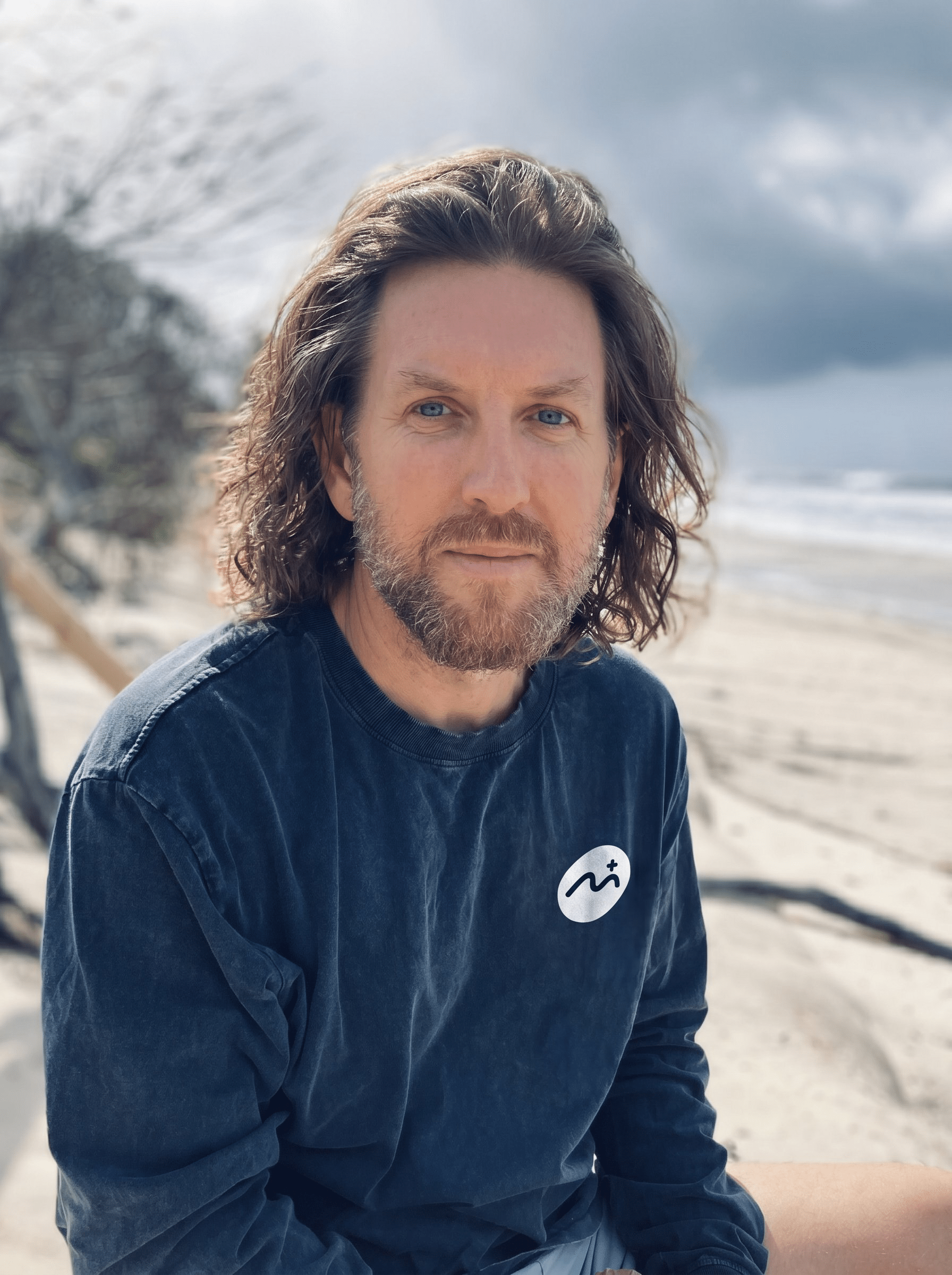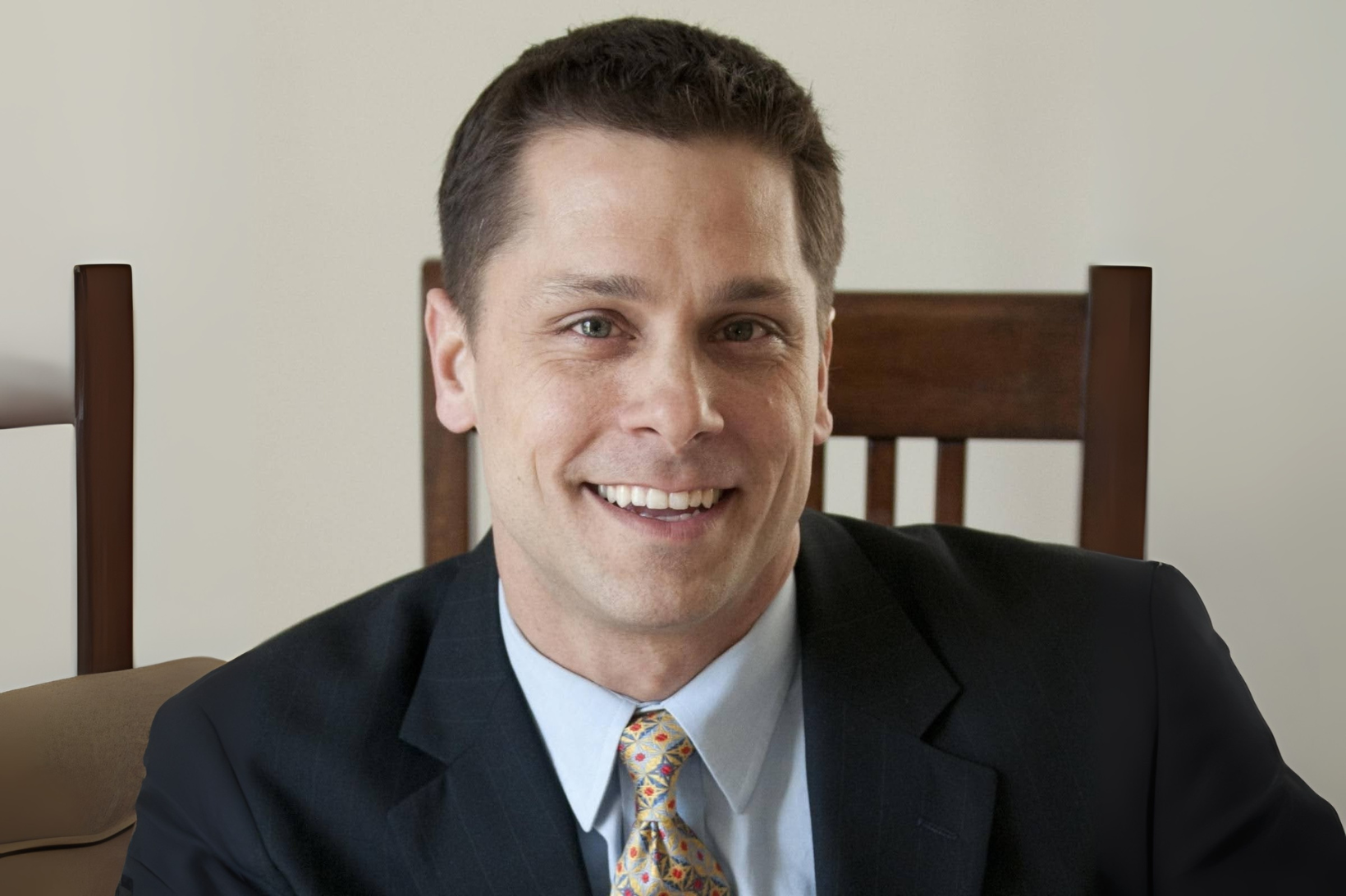
As conversations around workplace wellness continue to evolve, more organizations are examining how stress, burnout, and emotional strain influence broader health outcomes. According to Jordan Dunin, founder of HatchPath, the discussion increasingly extends beyond productivity or morale and into long-term well-being. HatchPath, which provides concierge-style wellness and coaching support for organizations and individuals, operates within that growing intersection between employee resilience and organizational sustainability.
From Dunin’s perspective, businesses are in a unique position to create impact that extends beyond internal operations. He explains that for-profit organizations can still play a meaningful role in supporting communities, particularly when wellness initiatives are tied to education, accessibility, and long-term engagement. “A company does not have to operate as a nonprofit to create real impact,” Dunin says. “Organizations have the ability to support people in ways that extend far beyond the workplace when that intention becomes part of the culture.”
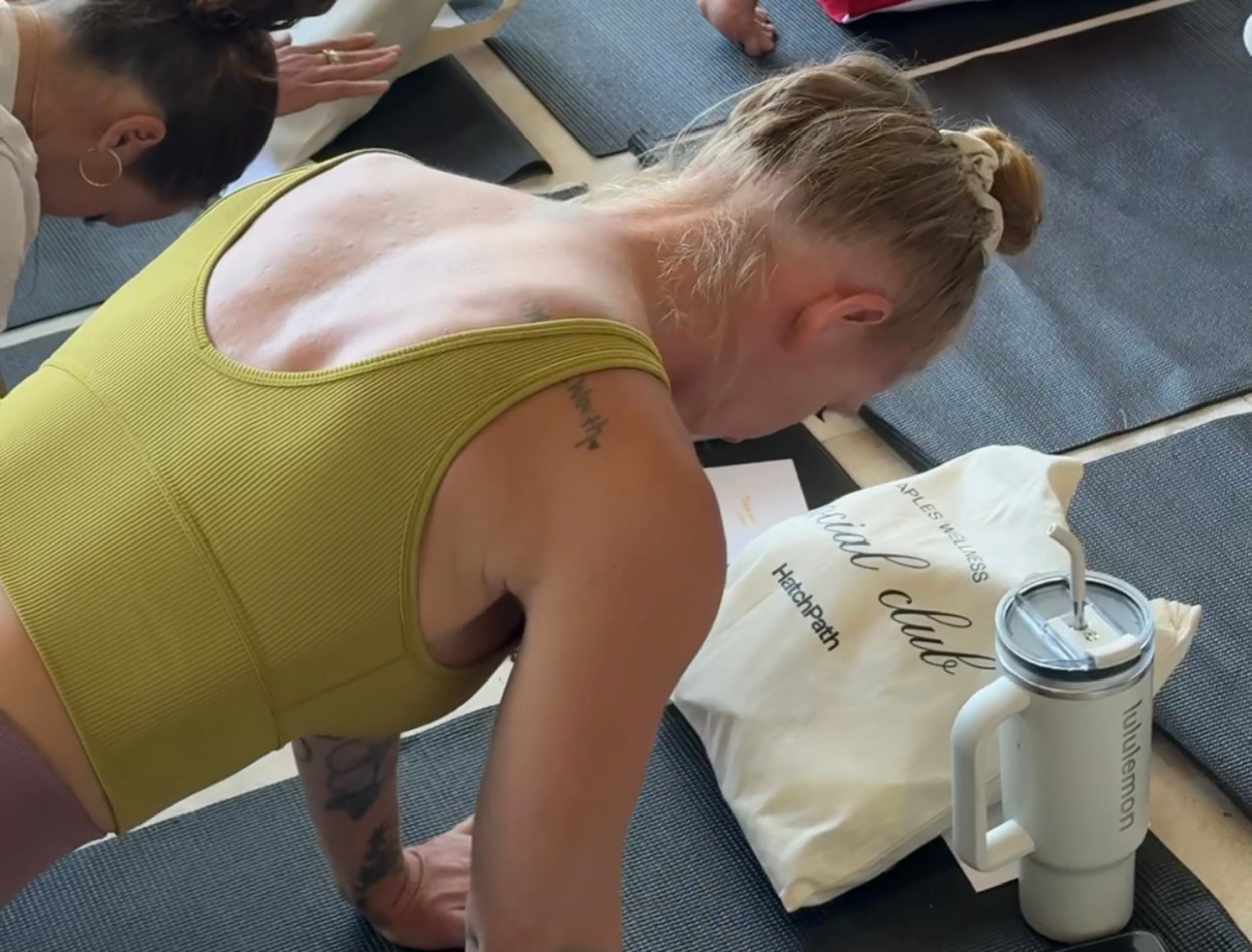
That philosophy recently shaped one of HatchPath’s community wellness events, organized in partnership with the American Heart Association. The gathering brought together local professionals, wellness practitioners, and community members for an experience centered on nervous system regulation, movement, stress management, and heart health awareness. According to Dunin, the event was intentionally designed to reflect a broader understanding of wellness and the relationship between emotional health and cardiovascular health.
“We wanted people to think differently about heart health and stress,” Dunin says. “For many people, wellness conversations focus on exercise or nutrition alone, but emotional regulation, sleep, recovery, and the state people live in every day also matter a lot.”
The event included guided breathwork sessions, movement-based activities, wellness treatments, and educational discussions focused on recovery and restoration. From Dunin’s viewpoint, the collaborative structure reflected HatchPath’s larger mission of creating environments where people can connect through healthier habits and shared experiences.
Natasha Iannone, Development Director of American Heart Association, adds, “We were incredibly pleased with the outcome of the Wellness at Home Experience in Naples and grateful for the collaboration with HatchPath. Events like these beautifully demonstrate what’s possible when wellness, community, and purpose come together. We look forward to continuing to work together and raise support for the American Heart Association’s life-saving mission and impact throughout Southwest Florida.”
The connection between stress and physical health has increasingly become part of broader workplace discussions. More than 840,000 people die each year from health conditions linked to workplace psychosocial risks, including long working hours, job insecurity, workplace harassment, and chronic stress. These risks are closely associated with cardiovascular disease and mental health disorders. From Dunin’s perspective, organizations are beginning to recognize that wellness is closely tied to sustainability, retention, and overall quality of life.
That understanding has also influenced HatchPath’s recent expansion through employee benefits platforms. According to Dunin, the model allows the company to reach a larger number of employees across multiple organizations while increasing access to wellness and coaching support. He explains that the objective is broader availability for individuals who may not otherwise seek out support independently.
HatchPath
“Our focus has always been participation and accessibility,” Dunin says. “When support becomes easier to access, more people are willing to engage with it consistently.”
Beyond corporate partnerships, HatchPath has continued organizing wellness initiatives tied to different community causes, including mental health, children’s well-being, and environmental awareness efforts. Dunin notes that these events reflect a larger belief that wellness should be approached holistically rather than through isolated categories.
He also believes that conversations around stress management are gradually becoming more normalized within leadership environments. From his perspective, many professionals are beginning to acknowledge that constant connectivity and prolonged pressure can affect recovery, focus, and emotional regulation over time.
“Rest is becoming an important part of the conversation,” Dunin says. “People are realizing that recovery, boundaries, and nervous system health influence how they show up in every part of life.”
As HatchPath continues expanding its reach, Dunin views the company’s work as part of a broader shift in how businesses approach responsibility and wellness. While nonprofits continue serving an essential role within communities, he believes companies also have the opportunity to contribute in ways that create meaningful and lasting impact.
“When businesses choose to invest in people beyond performance metrics, that impact carries outward into families, communities, and everyday life,” Dunin says. “That is where long-term change begins.”
When I speak about “democracy” here, please make a distinction in your mind between what democracy once aspired to be and what it has become. Real democracy is not a political war, and it is not something we do only on election days. It is not focused solely, or chiefly, on winning expensive political campaigns.
True democracy is how people like you and me work together across disagreements and divisions to care for ourselves, for each other, and for the life we share.
And true democracy does not work without mindfulness.
Democracy demands the skills we learn by practicing mindfulness: paying attention, slowing down, listening carefully, looking deeply, pausing judgment, sitting with strong emotions.
Mindfulness is how we keep from being overwhelmed, or at least from feeling overwhelmed about being overwhelmed. Practicing mindfulness, we learn how to respond to life, not just react to it.
Mindfulness is how we reclaim the ability to make deliberate, considered choices about how we engage with life and with challenges. Mindfulness is how we recover our agency as human beings—and this is another reason why democracy does not work without mindfulness.
An Unrecognized Foundation of Democracy
Years of studying democracy as a scholar, and of teaching university students to be citizens and civic leaders, has convinced me that mindfulness is the foundation of civic education. In my new book On Mindful Democracy (Parallax, 2026), I argue that for democracy to regain its power to change lives and worlds, we the people must learn to live more mindfully.
We must learn to practice “mindful democracy.”
Start With Attention
Mindfulness begins as a practice of learning to pay attention to whatever is happening in this moment.
It’s hard to enjoy life, or to effect any kind of real change, if we’re unable to focus on what is happening. Practicing mindfulness builds the power of concentration, something that eludes many of us in the attention economy of social media. Without this foundational power of attention, democracy does not work.
Slow Down
Once we have trained ourselves to pay attention, the practice of mindfulness turns toward slowing down and looking deeply. A distracted mind is like a lake on a windy day—the waves roar, churning up the muck and making it impossible to see to the bottom of things.
By focusing and stilling the mind, it becomes possible to look deeply and gain new insights into ourselves and this life.
We Love Independence. What About Interdependence?
One profound insight of mindfulness practice is that everything is interconnected in a web of cause and effect. The world is constantly changing, and it is changing together in an intricate dance of individuals and ensembles. Everything that exists is contingent upon an infinity of other things for its existence; change one thing, and everything else changes, too. Nothing, and no one, is truly apart.
The man that introduced many people in North America and Europe to mindfulness, Thich Nhat Hanh, coined the term “interbeing” to describe this reality. Interbeing means “this is because that is.” This implies that every “I” is also a “We,” every life an example of cooperation. In the words of the great poet of democracy, Walt Whitman, “I am large, I contain multitudes.”
All being is interbeing. All independence is also interdependence.
Mindfulness and Re-Imagining Us vs. Them
Most of us have been conditioned since childhood to see the world in terms of what I call “enemyship”: friends vs. enemies.
In the process, we’ve lost track of how deeply interconnected we truly are. A jewel of mindfulness practice is that it wakes us up to our interdependence, potentially correcting one of our culture’s greatest blind spots.
It’s not enough to simply understand interdependence on an intellectual level. Mindfulness opens us to experiencing interdependence in an embodied way. Yes, we understand in our minds that our fates are bound, but we also feel it in our hearts, see it in our breath, and hear it in our words. We recognize that life is not a zero-sum game in which your joy somehow diminishes mine, and that happiness is not an apple pie with a limited number of slices.
Mindfulness shows us that, at our core, we are not opposed. This is an essential realization for democracy, which requires learning to disagree—and still work together to reduce suffering—without turning each other into enemies.
In the real world, this mindful concept of connection has profound implications for our individual and collective lives: If you suffer less, I will suffer less, for you will be less likely to inflict your suffering on me. And if we suffer less, all of us suffer less, for we will be less likely to inflict our suffering on the world. All of us benefit when there is less suffering, and more joy, in the world: which, of course, is a foundational goal of democracy.
We live in a culture that seems determined to get us down—on ourselves and on each other. Hope is in short supply. But even in moments of conflict, division, and great suffering, like this one, the conditions for transformation are also present.
We already have the things we most need to build a more loving and compassionate world: we have each other, and we have our mindfulness practice.
I usually describe a practice as something to do: get on your own side, see the being behind the eyes, take in the good, etc. This practice is different: it’s something to recognize. From this recognition, appropriate action will follow. Let me explain.
Some years ago, I was invited to give a keynote at a conference with the largest audience I’d ever faced. It was a big step up for me. Legendary psychologists were giving the other talks, and I feared I wouldn’t measure up. I was nervous. Real nervous.
I sat in the back waiting my turn, worrying about how people would see me. I thought about how to look impressive and get approval. My mind fixed on me, me, me. I was miserable.
Then I began reading an interview with the Dalai Lama. He spoke about the happiness in wishing others well. A wave of relief and calming swept through me as I recognized that the kindest thing I could do for myself was to stop obsessing about “me” and instead try to be helpful to others.
So I gave my talk, and stayed focused on what could be useful to people rather than how I was coming across. I felt much more relaxed and at peace—and received a standing ovation. I laughed to myself at the ironies: to get approval, stop seeking it; to take care of yourself, take care of others.
This principle holds in everyday life, not just in conferences. If you get a sense of other people and find compassion for them, you’ll feel better yourself. In a relationship, one of the best ways to get your own needs met is to take maximum reasonable responsibility (these words are carefully chosen) for meeting the needs of the other person. Besides being benevolent—which feels good in its own right—it’s your best odds strategy for getting treated better by others. This approach is the opposite of being a doormat; it puts you in a stronger position.
Kindness to you is kindness to me; kindness to me is kindness to you. It’s a genuine—and beautiful—two-way street.
Flip it the other way, and it is also true: being to yourself is being kind to others. As your own well-being increases, you’re more able and likely to be patient, supportive, forgiving, and loving. To take care of them, you’ve got to take care of yourself; otherwise you start running on empty. As you grow happiness and other inner strengths inside yourself, you’ve got more to offer to others.
Kindness to you is kindness to me; kindness to me is kindness to you. It’s a genuine—and beautiful—two-way street.
What Does Being Kind to Others and Yourself Look Like?
The kindness to others and to yourself that I’m talking about here is authentic and proportionate, not overblown or inappropriate.
In ordinary situations, take a moment here and there to recognize that if you open to appropriate compassion, decency, tolerance, respect, support, friendliness, or even love for others…it’s good for you as well.
See the consequences of little things. For example, earlier today, in an airport, I saw a bag on the ground and didn’t know if it had been left by someone. Thinking about this practice, it was natural for there to be some friendliness in my face when I asked the man in front of me if it was his bag. He was startled at first and it seemed like he felt criticized, then he looked more closely at me, relaxed a bit, and said that the bag was his friend’s. His response to my friendliness made me feel at ease instead of awkward or tense.
See how taking care of yourself has good ripple effects for others. Deliberately do a small thing that feeds you—a little rest, some exercise, some time for yourself—and then notice how this affects your relationships.
Imagine what the other person’s concerns or wants might be, and do what you can—usually easily and naturally—to take them into account. Then see how this turns out for you. Probably better than it would have been.
Also see how taking care of yourself has good ripple effects for others. Deliberately do a small thing that feeds you—a little rest, some exercise, some time for yourself—and then notice how this affects your relationships. Notice how healthy boundaries in relationships helps prevent you from getting used up or angry and eventually needing to withdraw.
It’s as if we are connected in a vast web. For better or worse, what you do to others ripples back to you; what you do to yourself ripples out to others.
In effect, you are running little experiments and letting the results really sink in. That’s the important part: letting it really land inside you that we are deeply connected with each other. Helping others helps you; helping yourself helps others. Similarly, harming others harms you; harming yourself harms others.
It’s as if we are connected in a vast web. For better or worse, what you do to others ripples back to you; what you do to yourself ripples out to others.
Recognizing this in your belly and bones will change your life for the better. And change the lives of others for the better as well.
This post is one in a series from Rick Hanson’s Just One Thing (JOT) newsletter, which each week offers a simple practice designed to bring you more joy, more fulfilling relationships, and more peace of mind and heart.
We can find strength and resilience in familiarity—and use those feelings to explore the unfamiliar.
At the beginning of every meditation practice that I teach, I offer up a little bit of instruction for the posture, so that you can experience this practice as being as supportive as possible to your body.
A Meditation to Approach the World With a “Don’t-Know Mind”
I would like to invite you to come to a place that is truly comfortable and supportive to your practice. For some of you, this may mean a seated position on a chair, on a sofa, or even on some cushions on the floor. This might mean standing up, if that’s more supportive to your back and your posture. And for some of you, this may mean lying down on the ground. Please take a moment to come to whatever place is going to feel most compassionate to your body.
Some of you may want to fully close your eyes for this meditation practice. And others may want to employ what I like to call a “soft gaze,” which is looking down at the ground about two inches in front of the knees or the feet.
When you’ve settled into a comfortable position, I would love to invite you to take three deep breaths with me. As you’re taking those three deep breaths, you may notice that your body may begin to relax naturally. You may start to feel a little bit more deeply connected to whatever place makes contact with the earth. For some of you that’s going to be your feet, and for others that may be your back. Notice whatever place comes into contact with the earth in this moment.
Begin to draw your attention and awareness to the connection between your body and the earth. It might feel beneficial at this point to take another deep inhale and exhale here. When you’re finished, return your breath back to a natural cadence and rhythm.
You may notice the quality of the sound in the room that you’re in. Maybe there are some ambient noises that are coming from inside of wherever you are, whatever building you’re in. Or maybe there are sounds that are coming from outside. Please feel free to make these a part of your practice.
Begin to draw your awareness to the bottoms of your feet, wherever they are landing on the earth. What do you notice? Does the right foot or the left foot feel slightly heavier than the other? As you notice the difference between the right and the left foot, perhaps you might also become aware of other micro-adjustments inside of your body.
You may notice that the mind continues to produce thoughts, and that’s OK. The point of a meditation practice is not necessarily to stop thinking the thoughts that you are thinking, but rather to just be aware of the thoughts as they flow through the body and the mind. As you draw your awareness to your thoughts, you can also bring your awareness to the rhythm of your breath as it flows in and out of your body.
I would like to invite you to bring your attention to the muscles of the belly and notice if they’ve been drawn in a little bit tightly towards the spine. Is it possible to invite a sense of relaxation, and even vulnerability, to the muscles of the belly by allowing them to be soft? Don’t worry, no one is watching. How does it feel when you invite a sense of softness and relaxation to the belly? How does the rest of the body respond?
While your attention is here, you might begin to imagine a person, place, animal, or object that is deeply familiar to you. Perhaps this animal, person, place, or object reminds you of what it feels like to be home. Can you bring them into the room with you right now?
Notice if that invitation has an impact on your breath, as it rises and falls from your chest. You might even feel a bit more safe in the space of this practice as you invite the image of what reminds you of being home, of being held.
What is familiar to you, deeply familiar, about this person, animal, place, or object, that makes you feel as though you really know them? What is the feeling of knowing? What is the feeling of familiarity, and how does it land inside of the body? The invitation is to bring your attention back to the breath anytime that you notice yourself getting caught up in the story.
Now, bring to mind an image of something that reminds you of what it means to be strong and resilient. Maybe there’s someone who you really look up to, or a place you’ve been that made you feel truly strong and resilient when you were there. Can you bring into your mind’s awareness the embodied sensations of being strong and resilient? Does your body make slight changes and shifts as you recall how this feels?
Now we’re going to do a little bit of experimenting. Hopefully this will be fun. There’s a term called “don’t know mind” that is sometimes used in meditation to invoke a sense of curiosity.
What is it like to approach the world with a “don’t know mind?” You may find that this is a bit of a contrast to the feeling of familiarity that we began to explore in the beginning of this practice. The feeling of familiarity is the feeling of, “Oh yes, I know. I know this person. I know this place. I know this animal or this object. They are deeply familiar to me.” Perhaps the way we view things, which are seemingly familiar to us, can begin to shift and change ever so slightly when we apply the pure curiosity of “don’t know mind.” How does that land in the body? This exploration of not knowing, of not being quite certain?
At this point in your practice, you may notice if there are places in the body that begin to contract when we explore the feeling of “don’t know mind,” and that’s OK. This is the body’s intelligence. Can we unite this exploration of “don’t know mind” with those same sensations of strength and resilience, so that we know that no matter what, when we encounter moments of uncertainty and not-knowing that we have all the strength and resilience inside of our body to meet with that moment? What does it feel like to meet strength and resilience with not-knowing? Can we be truly curious about what arises in our awareness with this practice? Let’s take just a few moments in silence together now and explore the way that this feels.
When you’re ready please bring your entire body into your mind’s eye and notice the difference between the way the body feels now and the way the body felt when you first entered into this space of practice. Take the time to notice the way the feet feel slightly different in the way they connect to the earth.
Let’s all take one more deep breath in here.
When you’re ready, at your own pace and rhythm, please begin to, ever so slowly and gently, open up the eyes, without staring at anything in particular. Allow color and texture to flood back into your mind’s awareness.
From here we can begin the process of reorienting to the room that we’re in. Gently begin to turn and rotate the head and the neck, and take in the colors and textures of the space you are in. Notice if there’s anything new or different or alive in the space. What has changed since you started this practice?
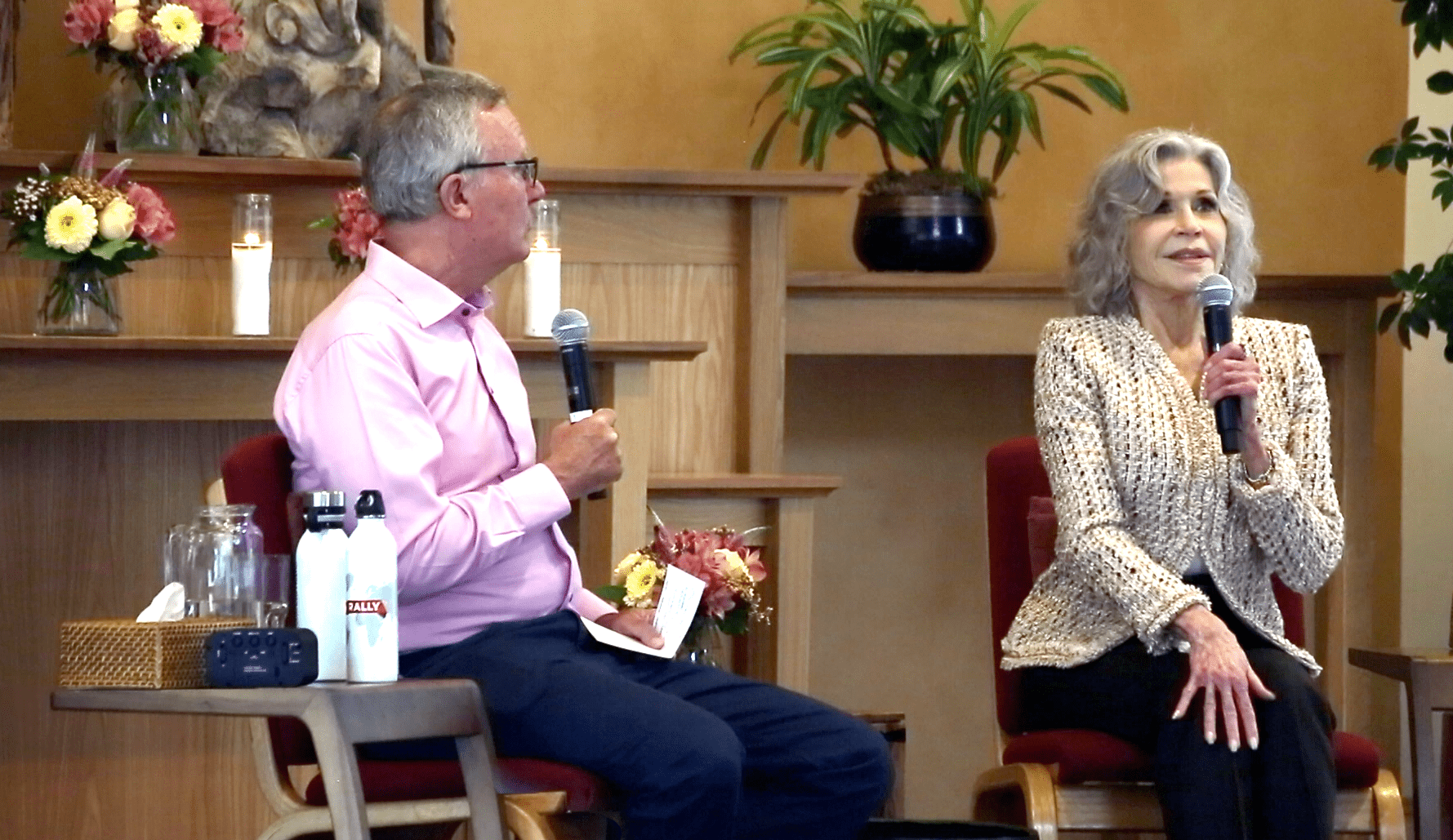
Jane Fonda did not come to Spirit Rock to offer comfort.
She came to invite attention toward what we’re inheriting, what we’re losing, and what we still have to protect.
For different generations, Jane Fonda has arrived in various forms. Some of us know her as an Oscar-winning actress whose early roles challenged cultural norms in films like Klute and Coming Home; others might remember her from her iconic fitness workouts in the early 80s (if you know, you know.)
But Jane Fonda doesn’t just redefine herself decade after decade, she reframes and rebuilds the very structures and movements she’s a part of. Whether that’s turning fitness into accessible self-care for women, relaunching the Committee for the First Amendment (free speech, anyone?), taking on the climate crisis by starting the Jane Fonda Climate PAC, or redefining vitality for anyone later in life through her role on the beloved show Grace and Frankie. These chapters, however, only hint at a deeper through-line.
Jane Fonda models a form of mindful leadership rooted not in legacy, but in invitation, showing how presence, curiosity, and connection can awaken action in every generation.
For decades, Fonda has leveraged her visibility as a platform, founding media outlets, funding grassroots organizing, lending her body to protests, and repeatedly engaging in uncomfortable conversations in service of collective change. Today, she directs that same attention toward the climate crisis, whether by forging relationships with younger artists like Maggie Rogers, who went on to more openly use her platform for climate and social advocacy after connecting with Fonda, or by studying with Roshi Joan Halifax to deepen her meditation practice and the way she shows up in the world.
One thing is for sure: Jane Fonda models a form of mindful leadership rooted not in legacy, but in invitation, showing how presence, curiosity, and connection can awaken action in every generation.
Mindfulness As Training, Not Escape
Fonda recently spoke as part of Spirit Rock’s EcoDharma & Transformational Culture Program (ETCP), a three-year initiative launched in January 2025 that explores how mindfulness and contemplative practices can support more intentional responses to climate change. While this program draws on Buddhist teachings, it is intentionally inclusive, inviting participants from diverse faiths and backgrounds.
In ETCP’s context, “spiritual” refers to practices that help cultivate awareness, compassion, and resilience—tools for understanding and responding to climate-related stress. The program addresses the intersection of mindfulness, ecological issues, and the urgent need for thoughtful, effective action.
For many readers of Mindful, meditation may feel like refuge, a place to step away from the unrelenting churn of news cycles, politics, and ecological grief. What this gathering at Spirit Rock made clear is that mindfulness was never meant to be an escape hatch. It was meant to be training.
At a moment when the climate crisis feels simultaneously overwhelming and dangerously normalized, Fonda’s presence at Spirit Rock Meditation Center landed with the weight of lived experience—decades of activism, moral reckoning, and an unshakeable belief that we cannot separate inner work from outer action. Her conversation with climate journalist Greg Dalton functioned as a deeply reflective inquiry into what it means to stay awake, empathetic, and engaged as time runs out.
For many readers of Mindful, meditation may feel like refuge, a place to step away from the unrelenting churn of news cycles, politics, and ecological grief. What this gathering at Spirit Rock made clear is that mindfulness was never meant to be an escape hatch. It was meant to be training.
Freepik.com | DC Studio
Urgent & Hopeful
Fonda spoke with respect to urgency, but not from a place of hopelessness. Instead, she framed this moment as one that demands both honesty and courage. “This is a moment when we have to bring our empathy to the fore,” she said, speaking to the deep divisions defining public life. Empathy, for her, is not a passive feeling—it is an active discipline, one she traces directly to her life in the arts.
“Acting is a profession of empathy,” Fonda explained. “We have to enter the skin of another human being and understand them … You can’t do that without empathy. And you have to have empathy even for somebody that you don’t like.”
That capacity, to stay open rather than armored, has helped to shape her activism as much as her performances. Fonda spoke candidly about how long it took her to soften what she called an “armored heart,” and how belonging to movements, rather than acting alone, made vulnerability possible. “There can come a moment in life when you enter a situation and, you know, this is where I’m supposed to be,” she said. “If you’re not alone, if you’re part of a movement, that sense allows you to become vulnerable and to open your heart.”
This insistence on collective action, grounded in relationship rather than righteousness, ran through the entire conversation.
ETCP’s mission is twofold: to support interfaith leaders and activists in meeting climate trauma with resilience and joy, and to empower a new generation of global citizens.
Over the next three years, ETCP will offer online lectures, class series, in-person retreats, and training programs designed to support communities engaging with climate change not only as a scientific or political issue, but also as a profoundly emotional and spiritual one. The program is guided by a core planning team of respected teachers and leaders, including Ayya Santacitta, Bonnie Duran, Carol Cano, James Baraz, Kirsten Rudestam, Kristin Barker, Mark Coleman, and Yong Oh, in collaboration with partners such as One Earth Sangha, Braided Wisdom, Aloka Earth Room, and Awake in the Wild.
Its mission is twofold: to support interfaith leaders and activists in meeting climate trauma with resilience and joy, and to empower a new generation of global citizens. At its heart is a radical proposition—that joy, mindfulness, and love for the Earth are not distractions from climate action, though essential to sustaining it.
When Mindfulness Meets the Climate Crisis
For many meditators, the connection between mindfulness and climate change is not apparent. Sitting quietly with the breath can feel worlds away from melting ice caps, polluted water systems, or data centers sprawling across the landscape.
Fonda expressed concern about AI and the rapid speed of technological advancement. “I’m horrified by it,” she admitted, acknowledging her own complicated relationship with technology. “I have ChatGPT on my phone. I feel guilty… I don’t understand it well enough to know how to combat it.”
Rather than offering easy answers, Fonda modeled something rarer: the willingness to stay with not-knowing without disengaging. Climate action, she suggested, does not begin with mastery; it starts with attention.
Her reflections on Indigenous knowledge underscored what has been lost through disconnection. Recalling time spent learning about the Ecuadorian rainforest, she talked about communities that live in conjunction with the land. “They showed us which plants heal which diseases,” she said. “We once knew how to listen to plants. We’ve forgotten how.”
Mindful engagement does not mean doing everything. It means doing something with intention, alongside others.
EcoDharma, as Spirit Rock frames it, is precisely this remembering—not as nostalgia, but as practice. And the key part of practice, when we hold both the Dharma and the environment front and center in our minds, is to understand that we all have something to do, no matter how small the task or step may be. As ETCP leaders emphasize, mindful engagement does not mean doing everything. It means doing something with intention, alongside others.
Identifying Our Unique Role to Play
A recurring question throughout the retreat was one many people quietly carry: What can I do?
Fonda’s answer was pragmatic and unsentimental. After years of protest through Fire Drill Fridays, she and a small group of collaborators recognized a gap between public pressure and policy change. “We haven’t got the legislation that’s commensurate with what science is saying we have to have,” she said. “The reason is that so many elected officials take money from the fossil fuel and petrochemical industries.”
That realization led to the creation of Jane Fonda Climate Pac, a political action committee focused on down-ballot races and state and local positions that often receive little attention but wield enormous influence over climate outcomes. “Public utilities, school boards, city councils, state legislatures, attorneys general,” Fonda noted. “All these people have huge power.”
The results have been striking: hundreds of climate champions elected, many of them women and women of color, willing to stand up publicly for environmental rights. “It’s working,” she said.
Alternate Entry Points to Climate Action
For those wary of politics, Spirit Rock’s EcoDharma program offers additional entry points and ways to engage, with an emphasis on joy-based action, interconnection, and resilience. This programming is designed precisely for people who feel overwhelmed, polarized, or exhausted by climate discourse.
Perhaps the most resonant moment of listening to Fonda speak was when she was asked about courage—how she continues to speak so openly, without becoming defensive, after decades in the public eye.
“It has been a process,” she said. “It took me a long, long time to open my heart.” What changed was not confidence, but belonging. “Being part of a movement… allows you to become vulnerable.”
She spoke about care—sleep, community, working with people she admires—as essential, not indulgent. “I’m a late bloomer,” she said with a smile. “But being a late bloomer is okay as long as you don’t miss the flower show. And I’m in the midst of a flower show.”
EcoDharma does not ask practitioners to abandon stillness. It asks them to let stillness inform their response. To allow mindfulness to widen into care, and care into action.
In that image, flowers blooming against the odds was a quiet invitation. EcoDharma does not ask practitioners to abandon stillness. It asks them to let stillness inform their response. To allow mindfulness to widen into care, and care into action.
As Fonda reminded the room, hope is not something we wait for. It is something we practice—together.
For more ways to connect, here’s a mindful action guide to use & share. Links are also provided below.
The march of mindfulness into the mainstream seems to show no sign of slowing. On balance that’s a good thing. However, I’m struck more and more how an aspect of the approach—long-considered to be crucial in order to make meditation a habit—doesn’t get mentioned very much these days.
An individualistic culture often portrays mindfulness as a solo practice. Maybe that’s no surprise. We imagine a person sitting alone, cultivating attitudes such as curiosity and gentleness. I’ve no doubt that practising mindfulness on your own can be helpful. But traditionally, learners trained in groups and communities. I suspect a large part of the therapeutic benefit of mindfulness for individuals comes from this tradition. Why? Because approaching practice this way enables us to learn with and from other people.
Why Community Can Make Meditation a Habit That Lasts
When people come together for a first session of mindfulness training, it’s common to explore what brings each individual to the approach.
In an opening session, you’ll likely hear others speak of the stress arising from common problems such as:
busy, uncontrolled thoughts
physical or emotional pain
the strain of personal and professional commitments
the speed of a world that demands a dehumanizing degree of consumption and acquisition
There often dawns a first recognition that the real problem doesn’t just lie in me as an individual. Instead, people see the common burden of living a human existence, with human frailties, in a human world.
Suddenly, often from a place of feeling alienated and alone, there comes a realization: We’re all in this together, and we’re not feeling bad because we’re defective, but because this is the way of things in the world we share.
Suddenly, often from a place of feeling alienated and alone, there comes a realization. We’re all in this together. And we’re not feeling bad because we’re defective, but because this is the way of things in the world we share. It’s not all our own fault. This lessens and lightens the pressure to have it all together. The journey into mindfulness—together—has begun.
Over time, as a group of people cultivates mindfulness in this way, the feeling of connectedness and commonality usually grows. There is a sense of mutual support that enables us to learn, love, laugh at ourselves, and let go together.
It may well be that this way of being together as a group is just as, or perhaps even more important, than the formal meditation practices we undertake as part of the work.
Especially when facilitated by a good teacher, people discover it’s easier to open up to ourselves and one another. Also, as it happens, I’ve found that meditating in a group on a regular basis is also one of the best ways to encourage people to practise on their own. It’s counterintuitive, perhaps, but that togetherness makes meditation more meaningful. That, in turn, makes meditating alone more manageable. The togetherness helps make meditation a habit, whether done solo or in community.
More Research Is Needed
In my opinion, this hypothesis—that mindfulness as a group activity is much more powerful than practising on your own, with a book, with an app or a CD (good though these may be)—hasn’t been explored enough in mindfulness research.
We don’t really know what the specific benefits of learning mindfulness together are. However, related research which shows that people’s attitudes and behaviours are strongly primed by the environments in which they operate offers some clues.
It seems logical that a meditative community will be a more inspiring and influential learning zone for mindfulness than a place where speed, greed, and “going it alone” are the norm. But this isn’t what’s being offered to most people, at least not beyond the first eight weeks of a mindfulness-based stress reduction or cognitive therapy course. There are still few fully secular options for ongoing training available to graduates of such courses, and no retreat centers (so far as I know) completely devoted to a non-doctrinal mindfulness approach.
If we want the current surging interest in mindfulness to become more than a drop of sanity in an ocean of materialistic madness, we will need to create communities capable of curating the core attitudes and approaches whose preservation protects the practices from perversion, dissolution, and misappropriation. We want to make meditation a habit for more people…and we want to do it in a healthy, supported way.
This is not an easy task, and it won’t happen perfectly. We live in a messy world, with messy minds. Taking a preaching, purist line is likely to be counter-productive.
Mindfulness is entering a mainstream in which feeling like we have to go it alone is part of the problem, not the solution.
I reckon we have a better chance if we name the issue. Mindfulness is entering a mainstream in which feeling like we have to go it alone is part of the problem, not the solution. Yes, the pressure for a primarily do-it-yourself, self-help approach to mindfulness is strong. But down that road, we might actually end up with something that’s a pale imitation of the powerful force for good that mindfulness can be.
If we compassionately acknowledge the social and environmental obstacles we are all collectively responsible for, and lean on each other for support, we can make a lasting, positive impact.
Infectious diseases spread quickly when left unchecked. In low-income and underserved neighborhoods, the danger is especially real.
Spread of such diseases increased significantly after the COVID-19 pandemic, particularly in rural and least-developed communities. Most people in these communities have very limited access to care. Some delay treatment due to cost or mistrust of the healthcare system. Some do so due to a lack of health education and awareness within these communities.
This is where community health centers step in and fill a critical gap. These local clinics aren’t just about treating illnesses after they happen. They work every day to stop outbreaks before they begin.
Let’s explore the ways community health clinics or centers help prevent the spread of infectious diseases.
Access to Care When It Matters Most
Community health centers often serve people who would otherwise fall through the cracks. They act as a vital part of the health safety net in communities that lack access to high-end medical care.
Many patients do not have private insurance. Others speak little English or work jobs that make visiting a doctor difficult. In these situations, community clinics become a trusted source of regular care.
When people know they can come in for free or low-cost help, they do not wait until symptoms grow worse. These clinics offer early diagnoses for things like the flu, tuberculosis, or sexually transmitted infections. They also track patients over time, making it easier to stop the spread of infection before it reaches more people.
Health Education That Reaches Everyone
Preventing disease is not just about vaccines or medication. It also involves education.
Community health centers often run outreach programs, visiting schools, churches, and even workplaces. Their goal is to teach basic but vital habits like washing hands properly and knowing when to see a doctor.
People in these communities may not always trust big healthcare institutions. But they are more likely to listen to someone from their own neighborhood.
When a health educator speaks the same language and shares a similar background, the message carries more weight. That trust is essential to stopping infectious diseases from taking root and spreading.
Quick Response During Outbreaks
When diseases spread, every hour matters. Community health centers can move fast. Unlike larger hospitals, they are already embedded in the neighborhood. They know the people, the patterns, and the risks. That allows them to act quickly, offering testing, treatment, and isolation when needed.
During the COVID-19 pandemic, many of these clinics turned into vaccination hubs. They also provided masks, hygiene kits, and reliable information. Their deep roots in the community made them a vital part of the public health response. Their swift action likely saved thousands of lives.
Trained Nurses on the Front Lines
One reason these clinics succeed is the people who work there. Nurses, in particular, play a major role. They are often the first point of contact for patients. They know how to identify symptoms early, calm fears, and deliver life-saving care. Their training allows them to act quickly and with compassion.
Infectious diseases don’t wait for a doctor to be available. Trained nurses can screen patients, administer vaccines, and educate families. Many are also involved in contact tracing or follow-up visits. Their ability to work under pressure while maintaining a personal touch is what sets these clinics apart.
To keep up with growing demand, more nurses are preparing for this kind of work through online accelerated nursing degrees. These nursing degrees allow students to finish a nursing program in less time without compromising on quality. Many choose an online accelerated BSN program, which combines flexible coursework with essential clinical rotations.
As noted by Cleveland State University, such accelerated programs are often community-focused. Hence, these nursing students are eager to join the workforce and make a difference. Their training prepares them for hands-on nursing practice, including in community health centers, where they can directly help prevent disease outbreaks.
Routine Services That Make a Big Difference
It’s easy to overlook routine care, but it plays a huge role in disease prevention. Annual checkups, vaccinations, and screenings can uncover health problems early.
A patient who comes in for a cough might be tested for something more serious. In catching infections early, clinics reduce the chance of a wider spread.
These visits also give providers a chance to talk to patients about staying healthy. That includes managing chronic illnesses that can make infections worse, such as diabetes or asthma.
By keeping these conditions under control, community health centers help people avoid serious complications when exposed to infectious diseases.
Support for Vulnerable Populations
Some groups are more at risk for infection than others. Homeless individuals, the elderly, and people with substance use disorders face higher risks. Community health centers often offer targeted services for these groups. They provide clean syringes, STI testing, and mobile care units.
This targeted approach keeps infections like hepatitis C or HIV from spreading through the broader population. It also gives these vulnerable individuals a chance to improve their overall health.
Data Collection That Supports Public Health
Another overlooked role of community clinics is data gathering. They track illnesses by zip code, age group, and symptom. This information is crucial for larger public health agencies trying to predict outbreaks. Without these localized numbers, health officials are flying blind.
In return, community health centers often receive updates and alerts. This two-way street ensures they can adjust their services based on real-time data.
For example, if flu cases rise in a nearby neighborhood, the clinic might offer walk-in flu shots all week. That kind of coordination is only possible with solid data.
Frequently Asked Questions (FAQs)
Where are community health centers mostly set up?
Community health centers are typically set up in underserved or low-income areas where access to healthcare is limited. These include rural towns, inner-city neighborhoods, and regions with high rates of uninsured or underinsured populations. Their main goal is to bridge healthcare gaps by offering affordable, accessible services close to where people live and work.
What kind of personnel do community health centers have?
Community health centers employ a mix of healthcare professionals including general physicians, nurses, mental health counselors, dentists, and social workers. They often include administrative staff, interpreters, and health educators to serve diverse populations. Many also partner with local universities and training programs to bring in interns, residents, or volunteer providers to expand services.
How do community health centers help educate people regarding infectious diseases?
These centers educate communities through workshops, brochures, one-on-one counseling, and outreach events. They simplify complex health information about symptoms, transmission, and prevention, making it more accessible to the public. Staff often conduct vaccination drives and collaborate with schools, faith groups, or local leaders to spread awareness and combat misinformation.
Community health centers are not just medical buildings. They are lifelines that keep entire neighborhoods safe from infectious diseases. By offering care, education, and trust, they build a wall of protection that benefits everyone.
As our world faces new health threats, these clinics will remain essential. Their local presence, trained staff, and deep relationships make them uniquely effective.
In a society where health inequality still exists, community health centers quietly save lives every day. Their work deserves support, attention, and investment because disease prevention starts with people who care.
Faisal Bin Iqbal is a writer, journalist, and digital content and SEO strategist based in Bangladesh. He has years of experience in content and feature writing covering areas including, but not limited to, academics, career and skill development, tech, healthcare, and business. Faisal is currently working as a sub-editor and digital coordinator for The Daily Star, Bangladesh’s largest English daily.
For decades, the conversation around suicide prevention has been largely dominated by clinical procedures and emergency interventions. But Dr. Kent Corso, a clinical psychologist and founder of PROSPER Together, believes it’s time to shift that narrative and the responsibility back to where it belongs: the community.
Dr. Corso, whose organization partners closely with rural states like Wyoming to train everyday citizens in evidence-based suicide prevention and intervention, is on a mission to close the 30-year gap between research and practice. “We’ve spent half a century trying to apply a one-size-fits-all solution to a deeply personal and cultural issue,” this board-certified behavior analyst says. “And it’s not working.”
A key insight Dr. Corso underscores is that suicide isn’t only a mental health problem. “It’s a social issue,” he says. “People in distress are less likely to seek help, especially in areas where doing so violates cultural norms.” In rural America, this often means men like ranchers or farmers who take pride in self-reliance and helping their neighbors but who rarely, if ever, ask for help themselves.
This ethos is both a challenge and an opportunity. “These are communities that may never walk into a therapy office,” Dr. Corso notes. “But they’ll show up for a neighbor. That’s where our work begins: empowering those neighbors to reduce risk.”
One of the biggest barriers to timely help is access. In some rural areas, the wait time for a therapist or psychiatrist can be months. Dr. Corso warns: “Nothing we do in, maybe four months from now, will help someone in crisis today.”
Prosper Logo
But rather than seeing this as a dead end, PROSPER Together sees it as a call to action. The organization trains all community members to recognize distress, ask meaningful questions, and implement evidence-based tools like Crisis Response Plans (CRPs). These simple but effective plans are personalized action plans people can follow during moments of acute distress. When used in person, CRPs have been shown to reduce suicide attempts by up to 76%. Even via telehealth, according to a 2024 study, they can lower risk by 41%. “These aren’t complicated interventions. They’re just unfamiliar to the general public,” Dr. Corso says. “But anyone can learn them.” And that’s the point.
Dr. Corso argues that the traditional model of suicide intervention—when someone reports they are in crisis and escalates to the highest level of care—often does more harm than good. “We’re punishing help-seeking behavior with a ‘better safe than sorry’ approach and a system that’s broken. People have such a negative experience that they won’t speak up the next time they’re in distress,” he says.
Instead, he advocates for a long-game approach: instill comfort, confidence, and competence in communities so they can care for themselves and each other. PROSPER Together’s training programs consistently show that most participants report significant improvements in those three areas. “When people feel ready to help, they’re more likely to help,” Dr. Corso says.
And readiness doesn’t require a degree. “We don’t need more doctors,” he adds. “We need more neighbors.”
Another key issue Dr. Corso highlights is the years-long lag between what research shows is effective and what’s implemented in practice. Part of that delay stems from human nature. “The further you get from your postgraduate training, the further you drift from current research,” he explains. “Clinicians trust their anecdotal experience more than a study.”
Another reason? Fear. Dr. Corso shares, “Providers are afraid of losing their license, so they refer out rather than address it themselves. But that just feeds the system’s dysfunction.” This extends to clinicians not asking every patient about suicidal history. He further explains, “They say they’re not confident or trained enough. That’s exactly what we focus on: training for comfort, confidence, and competence.”
Progress is happening, albeit slowly. Missouri was the first state to formally acknowledge mental health in its Good Samaritan law. Now, Wyoming is leading as the second state which declared mental health emergencies, including suicide, equally important as physical ones. “This legitimizes mental health and empowers citizens,” Dr. Corso says. “It encourages people to act and lets them know they’re authorized to help.”
He compares this attainable shift to cardiopulmonary resuscitation (CPR): 65% of Americans have been trained in it, even though it’s barely effective outside hospital settings. Meanwhile, something like a CRP, which can reduce suicide attempts by more than 70%, remains relatively unknown to the public. Dr. Corso further states, “Let’s train people to do what works. Let’s meet people where they are, within their culture, values, and communities. That’s how we reduce risk. That’s how we change the trajectory.”
A single question, asked at the right time, can be the difference between another tragedy and another chance.
“Fake news” is now a common phrase, but we can understand gossip as frequently-fake news on a personal level.
If you want to challenge your habit of gossiping, it is helpful to cultivate awareness both of how you speak and of how you listen.
In this 10-minute audio meditation, you’ll practice shifting from an in-the-moment urge to gossip toward a state of appreciation and gratitude.
We live in a political moment where we don’t just disagree about matters of policy—we disagree about reality. To some degree, this has always been the case.
Writing in 1922, the American philosopher Walter Lippmann, described the modern human condition as one of living in “pseudo-environments”—mental worlds that define our values, beliefs, and opinions. As a result, he observed that citizens “live in the same world, but they think and feel in different ones.”
More than 100 years later, we are experiencing this kind of polarization like never before. 24-hour cable news, Facebook, blogs, Twitter, and the fracturing of media have made it so that we can each filter our news, entertainment, and social interactions to reinforce our existing beliefs and shield ourselves from oppositional views—not to mention the fake news out there deliberately trying to separate us.
This catchphrase has come to define the modern moment—“fake news.” Anything that doesn’t fit with our reality is now seen as unreal, make-believe, and at the same time, some of the news in our feeds is actually made up. These are crazy days.
There is a serious conversation to be had around how to restructure the media and political institutions to mitigate this problem.
Gossip is rarely based on fact, it’s more of an expression of the stories we make up in our heads about other people.
In the meantime, we wanted to explore a different landscape of “fake news.” Sure, there are many people out there consciously spreading “fake news.” But it’s also interesting to look at how we might be doing it every day without really recognizing it.
That’s right, we’re talking about gossip—our ordinary habit of talking about others behind their back. Gossip is rarely based on fact, it’s more of an expression of the stories we make up in our heads about other people.
What is Gossip?
The habit of gossiping can be defined in any number of ways. Webster’s defines it as “rumor or report of an intimate nature.” In the book The 15 Commitments of Conscious Leadership, the authors define gossip as: “any statement about another that the speaker would be unwilling to share in exactly the same way if that person were in the same room.”
This definition points to the contextual nature of gossip. If I tell my co-worker Gena that “Dave’s feedback on my presentation today was incredibly disrespectful,” it may or may not be gossip. If I don’t share this feedback with Dave, then it’s a clear case of gossip. But if I do share it with Dave, with the same emotional tone, then it is not gossip.
Why bring greater awareness to your gossip habit? After all, it’s often entertaining, even pleasurable, to talk about the faults of celebrities, political leaders, or that person in your social circle who drives you crazy.
Another reason is that gossip often involves a subtle breach of integrity. In the language of the philosopher Immanuel Kant, when we gossip about someone, we’re treating them as a “mere means” to our own sense of pleasure or superiority. If I tell a humiliating story about someone, I’m using their misfortune as a way to generate laughter, titillate my audience, or make myself feel like I’m better than them.
And while it may be pleasurable in the moment, it almost always leaves a moral stain. For the speaker of gossip, there’s a subtle feeling of guilt that arises. For the people listening, there’s a sense of distrust that follows in the wake of gossip. “If he talks that way about others when they’re not in the room,” they are left thinking, “how does he talk about me when I’m not in the room?”
Need proof? Conduct a quick experiment. In your next interaction with a friend or colleague, dish out some juicy negative tidbit about a mutual colleague or acquaintance. Then check in to see how you feel. If they respond in kind, notice how you feel about their trustworthiness and the strength of your relationship.
2 Key Ways to Shift the Habit of Gossiping
So how can we become more aware of our gossip habit? The key is mindfulness–training the skill of Notice-Shift-Rewire each time we’re tempted to gossip or each time others begin gossiping. This awareness takes two forms: awareness of speech and awareness of listening.
1) Awareness of Speech
The practice here is simple. Notice when you feel the urge to say something negative about another person – a friend, a co-worker, or even a political figure. And when you notice, pay attention to the physical sensations of gossip. We have found that the urge to gossip often corresponds to an energetic state–a subtle pattern of sensations in the body.
In fact, the urge to gossip is, in many ways, similar to the urge to read about gossip in the form of celebrity tabloids or political chatter. In both cases, we’re drawn to the momentary burst of pleasure that arises from speaking or hearing gossip. And yet it’s a behavior that is always unsatisfying, leaving us with the desire for more.
Noticing the urge to gossip opens the space to Shift your speech. This could be as simple as not saying anything at all or reframing your statement to something you would be willing to share with the other person, were they in the room.
The Shift might also be to follow through on the urge to gossip but to do it with awareness – to gossip consciously. This sounds strange but you may find that it’s impossible and, at times, undesirable to get rid of all gossip. In conversations with your spouse or partner, for instance, saying things about others that you wouldn’t share with them in the room might play an essential role in building trust and intimacy with your partner. Talking through a difficult situation with another family member or a problem at work, for example, may require talking candidly about others in ways that you would not were this other person in the room. In these cases, the goal might not be to end gossip but to simply be more aware and mindful of it.
The final move is to Rewire. Savor the experience of bringing greater awareness to this ordinary habit of gossip.
2) Awareness of Listening
Even if we refrain from gossip, we will undoubtedly encounter it in the speech of others. Whether it’s neighbors, co-workers, or family members, the habit of gossip is so common that it’s impossible to avoid. Awareness of listening is the practice of noticing gossip whenever it arises in conversations with others.
Of course, this leads to an important question: when we notice the person we’re talking to gossiping, what are we to do? How are we to respond?
The authors of The 15 Commitments of Conscious Leadership liken this situation to a game of ping-pong: “the speaker and the listener each hold a paddle. If a listener says he doesn’t want to listen and symbolically puts down his paddle, the game is over.”
This is sound advice. And yet it requires discernment and skillful means to figure out how to put down your paddle without shaming the other person. It might involve injecting a positive comment into the conversation, changing the subject, or, at times, making the outright request to not gossip.
A 10-Minute Practice on Gossip Awareness
To begin, find a comfortable seat. Sitting, if possible, with a straight spine. Close your eyes and begin by relaxing. Feel how the chair supports the weight of your body. Feel your feet as they rest against the support of the floor. Notice how you’re supported by each inhale and exhale. Allow yourself to breathe. Allow yourself to be. Let your breath move in and out effortlessly and without any attempt to control it. The goal of this practice is to create more awareness around the effect of gossip.
With that in mind, as you relax deeply, see if you can bring to mind a moment in the past. A moment when you heard something about a friend or a coworker, another parent at school, a neighbor. Or when you dished it out to someone else. I know it’s not the most glamorous thing, but we’ve all had those moments when we had that juicy piece of gossip. So, see if you can just travel back in time to a moment like that, you can go back to childhood if nothing is coming up from adulthood.
Observe any feelings or sensations that arise as you go back to that moment in time when you offered that juicy tidbit of gossip. You might notice a mixture of emotions. Excitement. Shame. Fear. Curiosity.
Now, let’s imagine we had the opportunity to go back in time and experience this very same moment. With a slight twist. This time, I want you to think of a statement of gratitude for this person. Rather than a juicy piece of gossip about them, think of what you would say. If you were forced to tell someone why you appreciate this person or why you’re grateful for them.
Now, imagine saying a word of appreciation instead of a piece of gossip.I appreciate Hank for always being there on timeand for the intensity he brings to each conversation. I appreciate my mother-in-law, for how passionate she is about bringing us all together.
Notice again, with this statement of gratitude, what are the emotionsthat arise in your body? See if you can pay close attention to any differences between the impact of gossip and gratitude for you in your experience. See if you can keep this experience and remain aware of the difference in your emotional state between gossip and gratitude and mind? And see if you can bring this midst of everyday life.
Notice moments when you hold that juicy piece of gossip and there’s a part of you that wants to tell someone and dish it out. In those moments, see what happens when you shift to appreciation or gratitude instead
To close this practice on the habit of gossiping, take a few more breaths. Bring your attention back to each inhale and exhale sensation of breath. And then when you feel ready, slowly open up your eyes. Coming back into the room. And see what happens when you bring this spirit of gratitude with you. Throughout the rest of your day.
The 24-Hour Gossip Challenge:
To experience this first hand, see what happens when you bring greater awareness to gossip over the next 24 hours. Pay special attention to your speech and the speech of those around you. See if you can go an entire day without the habit of gossiping.
You may find that it’s an almost impossible task to eliminate the habit of gossiping entirely. But that’s not really the goal of this experiment. The goal is to bring awareness to the urge to gossip – to notice where you are contributing to the spread of “fake news.” This simple sense of awareness may not lead you to stop gossiping altogether. But it will help you bring greater compassion, care, and awareness into even the most ordinary conversations.
Share your experiences in the comments below.
This article was originally published on Mindful.org in March 2018.
Researchers who study mindfulness and autism have found that, for neurodiverse communities, mindfulness may have unexpected and adverse effects that are different from neurotypical people.
While mindfulness teachings are slowly becoming more inclusive, people with autism and other kinds of neurodiversity are often left behind.
We can learn to teach mindful practices in an accessible, inclusive way that considers each person’s unique brain wiring.
“When I’m told to focus on sensations of my breath, I feel like there is a noose wrapped around my neck, getting tighter and tighter as I keep paying attention.”
This comment comes from a brilliant young autistic woman who was told by her doctor that mindfulness would be good for her anxiety. She said it did the opposite: Mindfulness worsened her anxiety. In fact, it was a very negative experience that left her feeling like a failure.
It’s never anyone’s fault when mindfulness doesn’t work for them. They were just not taught mindfulness in an accessible, inclusive way that considers any unique needs.
Unfortunately, I hear things like this often. I am part of a mindfulness research program at the Azrieli Adult Neurodevelopmental Centre at the Centre for Addiction and Mental Health (CAMH) in Toronto, where in the course of the research, a large number of neurodiverse people have told me they are mindfulness “drop-outs.” In neurodiverse communities, people report having a range of sensory experiences that can produce different, and often adverse responses to common mindfulness techniques such as the body scan, breath practices, and loving-kindness. People with neurodevelopmental disabilities such as autism, ADHD, or cerebral palsy confide that they’ve tried it and “failed” at it. Similarly, in the education system, some teachers have told me that they can’t use the term mindfulness with students because, from prior experiences, some students already feel like they have failed at it.
It’s never anyone’s fault when mindfulness doesn’t work for them. They were just not taught mindfulness in an accessible, inclusive way that considers any unique needs. Accessibility and neurodiversity are rarely discussed in the mindfulness world, but this discussion holds huge potential for both neurodiverse communities and mindfulness. As a mindfulness teacher, I want to ensure that all people can access mindfulness teachings in a way that works for them.
What is Neurodiversity?
As author Jenna Nuremberg shares in her 2020 book Divergent Mind: Thriving in a World That Wasn’t Designed for You, neurodiversity means “recognizing and celebrating the diversity of brain makeups instead of pathologizing some as normal and others as abnormal.” Similarly, the Autism Awareness Centre defines it as “the concept that humans don’t come in a one-size-fits-all neurologically ‘normal’ package,” and that all variations of human neurological function are worthy of respect. Not so differently, mindfulness encourages us to recognize what is going on inside of us—observing our inner world and experience with nonjudgment and acceptance.
As mindfulness teachers, if we are not accepting and celebrating ALL brain makeups in our teaching, then we are not making mindfulness accessible. The story above—with the experience of the noose tightening—is one example of the mindfulness experience of an autistic person (autism being just one example of a neurodiverse mind).
Autism occurs in all racial, ethnic, and socioeconomic groups, and 1 in 42 males, and 1 in 165 females were diagnosed with autism in 2018. Autism is not the only kind of neurodiverse brain that is often invisibly present in mindfulness groups. Dyslexia, ADHD, mild cerebral palsy, and mild intellectual disability may be unseen. All of these neurodevelopmental disabilities are often undiagnosed, and many people who come to mindfulness for the first time may not realize there is a reason why they are not connecting with the practices in the way they are being taught. This makes it really important for teachers to be aware of how inclusive their teaching practices are.
What Makes Mindfulness Inaccessible
Why is it so challenging for mindfulness teachers to adopt truly accessible practices? One important reason is that the way of teaching most of us are taught to deliver was designed for the neurotypical population.
Developed in the 1970s at the Centre for Mindfulness at the University of Massachusetts Medical School, with Jon Kabat-Zinn at the helm, Mindfulness-Based Stress Reduction (MBSR) introduced mindfulness to much of the healthcare community. However, the program was designed primarily without modifications for neurodiverse folks. This has significant consequences today: Many mindfulness teachers, though they may be highly trained and capable in MBSR and other mindfulness-based therapies, have usually not been trained to recognize neurodiversity among their students.
Fortunately, mindfulness research and teaching is beginning to evolve—one instance is the embrace of trauma-sensitive practices, aided by David Treleaven’s work. Yet we still fall short when it comes to inclusive practices that truly provide accessible forms of mindfulness.
Mindfulness research is beginning to evolve, yet we still fall short when it comes to inclusive practices that truly provide accessible forms of mindfulness.
For example: The concept of interoception—an area of science that is being written about in literature related to neurodiversity—is the act of really feeling the physical sensations in the body. Knowing that feeling of when you are hungry, or need to go to the bathroom, are examples of interoceptive processing; being able to discriminate between different feelings in the body connected with emotions is another. Mindfulness can play a key role in developing interoceptive skills—for example, when we practice noticing the movement of our inhale and exhale at our nostrils or in the belly. However, interoception is not a universal ability. Some brains are wired to feel physical sensations, while some are wired to visualize easily.
Still others don’t really visualize: Aphantasia (phantasia being Greek for fantasy) refers to the inability to picture those images in one’s mind. Research conducted at the University of Exeter Medical School found that 2% of the population are non-visual thinkers. That doesn’t mean you are doing something wrong if you can’t picture your loved one in front of you when practicing loving-kindness, it just means you need a modified technique. These different ways that the brain is wired are key when it comes to understanding our experience of mindfulness practice.
In the last ten years, the Azrieli Adult Neurodevelopmental Centre at CAMH has been studying how mindfulness can better serve the autism community. I’ve been involved as a lead mindfulness facilitator in this research, both leading the groups with advisors and developing modifications to MBSR practices to make them accessible. Importantly, autistic people hold advisory roles in this work as a central part of the research. Mindfulness for the caregivers of neurodiverse people is also being studied by Azrieli’s neurodevelopmental disability community.
Dr. Yona Lunsky, Director of the Azrieli Adult Neurodevelopmental Centre and a professor of psychiatry at the University of Toronto, has been leading teams to research mindfulness in this community for almost a decade. “The best way for us to adapt our approach when it comes to mindfulness is to work in partnership, and use our mindfulness skills when we do: Approach how we teach with presence to what is happening, with curiosity, without judgment, and with loving-kindness,” Dr. Lunsky says. “Being open to changing our approach is fundamental to developing something meaningful. It takes time and it evolves. And that is what makes it so exciting.”
Mindfulness teachers use a lot of metaphors and abstract language that some autistic people struggle with. Some of the sensory exercises pose huge problems for autistic people.
Bringing mindfulness to neurodiverse communities inspires me to dig deep into my mindfulness training and get creative, so that I can offer traditional mindfulness teachings in ways that are helpful for a wide diversity of brains. As a teacher, it’s my job to teach in a way that is going to help the person in front of me. If I’m stuck to a script, or clinging to delivering mindfulness in a certain way, I risk not being accessible to the unique person’s mind. I need to be rooted enough in the teachings to be able to share them in a customized way.
Daniel Share-Strom, an autistic man and champion of mindfulness meditation, is an advisor in our mindfulness research program at CAMH. Daniel’s popular TED Talk “Dear Society…Signed, Autism” shares Daniel’s humorous style of sharing his experience living as an autistic man on communication, learning, and interaction with the environment. Here are some thoughts Daniel has shared with me on mindfulness:
“In my own mental health journey I discovered mindfulness, and it was one of the first things that ever really helped me with anxiety. …I think it’s so important to adapt mindfulness from its original ways of being taught for neurodiverse groups. There are certain things autistic people bring to the table that aren’t compatible with the ways mindfulness is being presented. Mindfulness teachers use a lot of metaphors and abstract language that some autistic people struggle with. Some of the sensory exercises pose huge problems for autistic people.
Autistic people experience high rates of mental health challenges–from feeling anxiousness to having an adult suicide rate up to nine times the rate of the typical population. That is simply a result of growing up in a world that wasn’t designed for us—in a lot of ways. From the sensory world, to social protocols that neurotypical people developed that we didn’t really get much say in. That can all cause a lot of challenges. Mindfulness is an amazing tool to help autistic people cope with all of that. People just need to understand how to adapt it so it’s effective.”
The work and feedback of Daniel and others makes it clear that we need to explore new ways of teaching mindfulness that honor neurodiversity, and that truly individualize mindfulness for each person.
Lessons for Teaching Mindfulness Inclusively
When people ask me how mindfulness can help autistic adults, I say we need to invert the question to “How can autism help mindfulness?” In my experience, it took many, many neurodiverse people patiently (and sometimes not so patiently) giving feedback on how I was teaching mindfulness before I started landing at more inclusive and accessible methods. Getting to know how autistic people connect best with mindfulness has helped me completely re-examine how I teach. It’s taught me to remain open to the vast differences of those in front of us, and explore with them ways for mindfulness to be useful. When we individualize the practice, the path truly belongs to each person.
Mindfulness has something to offer the world. Neurodiversity has something to offer mindfulness. Let’s imagine together how a more inclusive mindfulness culture can contribute to a more inclusive world, one that can be truly accessible and beneficial to all.