Tag: busy

  • Preventive Care for Busy Schedules with Essential Checkups, Vaccines, and Screenings

    Preventive Care for Busy Schedules with Essential Checkups, Vaccines, and Screenings

    Preventive care is often overlooked by people managing busy schedules, yet it remains one of the most effective ways to maintain long-term health. Preventive checkups, vaccines, and screenings help detect potential issues early, reducing the risk of serious conditions and minimizing disruptions to daily life. By staying consistent with preventive care, individuals can save both time and healthcare costs in the long run.

    What Is Preventive Care and Why Is It Important?

    Preventive care includes routine checkups, vaccines, and screenings designed to prevent illness or detect conditions early. Instead of reacting to symptoms, this approach focuses on maintaining health before problems arise.

    For those with busy schedules, preventive care provides stability. Early detection often leads to simpler treatments, shorter recovery periods, and fewer interruptions to work and personal responsibilities. It also supports overall productivity by reducing the likelihood of unexpected health issues.

    Essential Preventive Checkups You Shouldn’t Skip

    Preventive checkups are the foundation of a healthy routine. Annual physical exams help assess overall health and identify potential concerns early.

    Blood pressure and cholesterol checks are essential for detecting heart-related risks, which often develop without symptoms. Routine lab tests, including blood work, provide insights into blood sugar levels and organ function.

    Dental and eye exams should not be neglected, as they can reveal underlying health issues beyond oral and vision concerns. For people with busy schedules, combining multiple checkups into one visit can make preventive care more manageable.

    Vaccines Adults Need to Stay Protected

    Vaccines are a key part of preventive healthcare, helping protect individuals and communities from infectious diseases.

    The flu vaccine is recommended annually, especially for those frequently exposed to public environments. COVID-19 vaccines and boosters may still be advised depending on current health guidance.

    The Tdap vaccine, which protects against tetanus, diphtheria, and pertussis, is typically required every ten years. Other vaccines, such as HPV and shingles, are recommended based on age and risk factors.

    Keeping track of preventive vaccines through reminders or digital records can help individuals stay consistent despite busy schedules.

    Recommended Screenings by Age and Risk

    Preventive screenings help detect diseases before symptoms appear. Cancer screenings, including breast, cervical, colorectal, and prostate exams, are among the most important.

    Screenings for diabetes and heart disease are also essential, particularly for those with risk factors such as family history or lifestyle habits. Mental health screenings play a growing role in preventive care, helping identify stress, anxiety, or depression early.

    For older adults, bone density screenings can detect osteoporosis and reduce the risk of fractures. Following recommended preventive screenings ensures timely intervention and better health outcomes, according to Johns Hopkins Medicine.

    How to Fit Preventive Care Into a Busy Schedule

    Time constraints are a common barrier, but preventive care can still fit into busy schedules with proper planning.

    Bundling appointments allows multiple checkups and screenings to be completed in one visit. Telehealth offers a convenient option for consultations that do not require physical exams.

    Setting reminders through digital calendars or health apps helps ensure that appointments and vaccines are not missed. Choosing clinics with extended hours, including evenings or weekends, also improves accessibility.

    Planning ahead and scheduling appointments early can prevent conflicts and reduce cancellations.

    What Preventive Care Should Adults Get Regularly?

    Adults should prioritize annual preventive checkups, routine lab tests, and recommended vaccines. Preventive screenings, including blood pressure, cholesterol, and cancer screenings, should be completed based on age and individual risk factors.

    Dental and eye exams are also essential parts of a consistent preventive care routine.

    How Often Should You Go for a Health Checkup?

    Most adults benefit from yearly checkups, although some may require more frequent visits depending on their health status. Preventive screenings and vaccines follow different schedules, with some occurring annually and others every few years.

    Which Vaccines Do Adults Need Every Year?

    The flu vaccine remains the primary annual recommendation. COVID-19 boosters may also be advised periodically. Other vaccines, such as Tdap or shingles, follow longer timelines but remain important for preventive care.

    What Screenings Are Recommended for Different Age Groups?

    Preventive screenings vary by age and risk level. Younger adults typically focus on baseline health checks, while older adults require more comprehensive screenings for chronic conditions and cancer.

    Healthcare providers tailor recommendations to ensure screenings remain relevant and effective, as per UCLA Health.

    Common Mistakes Busy People Make About Preventive Care

    Many people skip preventive checkups due to time constraints, assuming they are healthy without regular monitoring. Others delay vaccines and screenings, increasing the risk of undetected conditions.

    Failing to track appointments and medical records can also lead to missed preventive care opportunities. Consistency is key to making preventive healthcare effective.

    Quick Preventive Care Checklist

    • Schedule annual preventive checkups
    • Stay updated on vaccines
    • Complete recommended screenings
    • Track medical records and results
    • Set reminders for appointments

    Why Preventive Care Matters for Busy Schedules

    Preventive care is a practical and time-saving approach for individuals with busy schedules. Staying consistent with preventive checkups, vaccines, and screenings helps reduce health risks and avoid unexpected medical issues.

    By making preventive care a priority, individuals can maintain control over their health while managing daily responsibilities more effectively.

    Frequently Asked Questions

    1. Can preventive care be done without health insurance?

    Yes, many clinics, community health centers, and pharmacies offer low-cost preventive checkups, vaccines, and screenings.

    2. Are at-home health tests reliable for preventive screenings?

    Some at-home tests can be useful for initial screening, but results should still be confirmed by a healthcare provider.

    3. What time of year is best to schedule preventive checkups?

    Early in the year is ideal so follow-up screenings or treatments can be completed without delays.

    4. Do lifestyle habits count as part of preventive care?

    Yes, habits like balanced nutrition, regular exercise, and adequate sleep are essential components of preventive care alongside checkups, vaccines, and screenings.


    Source link

  • 10 Quick and Easy Meal Prep Ideas for Busy Professionals: Boost Energy and Productivity (Target keywords: meal prep, busy professionals, quick and easy)

    10 Quick and Easy Meal Prep Ideas for Busy Professionals: Boost Energy and Productivity (Target keywords: meal prep, busy professionals, quick and easy)

    For busy professionals, finding the time and energy to cook healthy meals can be a daunting task. Between meetings, deadlines, and endless to-do lists, it’s easy to rely on convenience foods or takeout. However, a well-planned meal prep strategy can be a game-changer, providing a quick and easy way to boost energy and productivity. In this article, we’ll explore 10 quick and easy meal prep ideas that are perfect for busy professionals.

    The Importance of Meal Prep for Busy Professionals

    Meal prep is a simple yet effective way to ensure that busy professionals are fueling their bodies with the nutrients they need to perform at their best. By preparing meals in advance, individuals can save time, money, and stress, while also improving their overall health and wellbeing. For busy professionals, meal prep is not just a convenience, but a necessity. It allows them to prioritize their health and energy levels, even on the most chaotic of days.

    Quick and Easy Meal Prep Ideas for Busy Professionals

    When it comes to meal prep, the key is to keep things quick and easy. Busy professionals don’t have time to spend hours in the kitchen, so it’s essential to focus on simple, efficient meal prep ideas that can be prepared in no time. Here are 10 quick and easy meal prep ideas that are perfect for busy professionals:

    1. Overnight Oats: Prep a jar or container with rolled oats, milk, and your choice of toppings, such as fruit or nuts. In the morning, you’ll have a delicious, healthy breakfast ready to go.
    2. Salad Jars: Prepare a week’s worth of salad jars by layering greens, vegetables, and proteins in a jar. Add a simple vinaigrette, and you’re good to go.
    3. Chicken and Rice Bowls: Cook chicken and rice in bulk, then portion out individual servings in containers. Add your favorite vegetables, such as broccoli or carrots, for a quick and easy meal.
    4. Lentil Soup: Cook lentils and vegetables in bulk, then portion out individual servings in containers. This hearty, comforting soup is perfect for a busy professional’s lunch.
    5. Mason Jar Meals: Layer ingredients such as quinoa, vegetables, and proteins in a mason jar for a quick and easy meal. Add a simple sauce or seasoning, and you’re good to go.
    6. Breakfast Burritos: Prep a batch of breakfast burritos by filling tortillas with scrambled eggs, cheese, and your choice of fillings, such as sausage or black beans. Freeze for up to 3 months.
    7. Quesadillas: Prep a batch of quesadillas by filling tortillas with cheese, beans, and your choice of fillings, such as chicken or steak. Freeze for up to 3 months.
    8. Veggie and Hummus Wraps: Prep a batch of veggie and hummus wraps by filling tortillas with hummus, vegetables, and your choice of fillings, such as chicken or tofu. Freeze for up to 3 months.
    9. Slow Cooker Meals: Prep a slow cooker meal, such as chili or stew, and portion out individual servings in containers. This is a great way to come home to a hot, healthy meal after a long day.
    10. Muffin Tin Frittatas: Prep a batch of muffin tin frittatas by filling muffin tins with eggs, cheese, and your choice of fillings, such as vegetables or meats. Freeze for up to 3 months.

    Benefits of Meal Prep for Busy Professionals

    Meal prep offers a range of benefits for busy professionals, including:

    • Increased productivity: By having healthy, nutritious meals readily available, busy professionals can focus on their work and tasks without distraction.
    • Improved energy levels: Meal prep ensures that busy professionals are fueling their bodies with the nutrients they need to perform at their best.
    • Time savings: Meal prep saves time during the week, as individuals can simply grab and go, rather than spending hours cooking and preparing meals.
    • Cost savings: Meal prep can help busy professionals save money by reducing food waste and avoiding last-minute takeout or convenience foods.
    • Stress reduction: Meal prep can help reduce stress and anxiety, as individuals know that they have a healthy, nutritious meal ready to go.

    Tips for Successful Meal Prep

    To make meal prep a success, busy professionals should keep the following tips in mind:

    • Plan ahead: Take some time on the weekend or a day off to plan and prep meals for the week.
    • Keep it simple: Focus on simple, quick, and easy meal prep ideas that can be prepared in no time.
    • Use a variety of ingredients: Mix and match different ingredients to keep meals interesting and prevent boredom.
    • Label and date containers: Label and date containers so that you know what you have and how long it’s been in the fridge or freezer.
    • Reheat safely: Reheat meals safely by following proper food safety guidelines.

    Overcoming Common Meal Prep Challenges

    Despite the many benefits of meal prep, busy professionals may face a range of challenges, including:

    • Lack of time: Finding the time to plan and prep meals can be a challenge for busy professionals.
    • Lack of ideas: Running out of meal prep ideas can lead to boredom and frustration.
    • Food safety concerns: Ensuring that meals are stored and reheated safely can be a concern for busy professionals.

    To overcome these challenges, busy professionals can try the following:

    • Start small: Start with simple meal prep ideas and gradually build up to more complex recipes.
    • Find inspiration online: Follow meal prep bloggers, Instagram accounts, or Pinterest boards for inspiration and ideas.
    • Use a meal prep planner: Use a meal prep planner or app to help plan and organize meals.

    Conclusion

    Meal prep is a quick and easy way for busy professionals to boost energy and productivity. By incorporating meal prep into their daily routine, individuals can save time, money, and stress, while also improving their overall health and wellbeing. With these 10 quick and easy meal prep ideas, busy professionals can prioritize their health and energy levels, even on the most chaotic of days. Whether you’re a seasoned meal prepper or just starting out, the benefits of meal prep are clear: increased productivity, improved energy levels, time savings, cost savings, and stress reduction.

    FAQs

    Q: What is meal prep, and how does it work?
    A: Meal prep is the process of planning, preparing, and portioning out meals in advance. It involves cooking meals in bulk, then portioning out individual servings in containers for easy reheating.

    Q: What are the benefits of meal prep for busy professionals?
    A: The benefits of meal prep for busy professionals include increased productivity, improved energy levels, time savings, cost savings, and stress reduction.

    Q: How can I get started with meal prep?
    A: To get started with meal prep, start by planning and preparing simple meals in advance. Use a meal prep planner or app to help plan and organize meals, and focus on quick and easy meal prep ideas that can be prepared in no time.

    Q: What are some common meal prep challenges, and how can I overcome them?
    A: Common meal prep challenges include lack of time, lack of ideas, and food safety concerns. To overcome these challenges, start small, find inspiration online, and use a meal prep planner or app to help plan and organize meals.

    Q: Can I customize meal prep to suit my dietary needs and preferences?
    A: Yes, meal prep can be customized to suit your dietary needs and preferences. Simply choose ingredients and recipes that align with your dietary goals, and adjust portion sizes and ingredients as needed.

    10-quick-and-easy-meal-prep-ideas-for-busy-professionals-boost-energy-and-productivity-target-keywords-meal-prep-busy-professionals-quick-and-easy

  • Get More Done in Less Time: The Top Productivity Hacks for Busy Professionals

    Get More Done in Less Time: The Top Productivity Hacks for Busy Professionals

    Introduction

    In today’s fast-paced and competitive business world, maximizing productivity is crucial for busy professionals who aim to achieve their goals and stay ahead of the curve. With an increasing number of tasks, meetings, and responsibilities, it can be challenging to manage time effectively and get more done in less time. However, by incorporating the right productivity hacks and strategies into your daily routine, you can significantly boost your efficiency and achieve more in less time. In this article, we will explore the top productivity hacks for busy professionals, helping you to optimize your workflow, prioritize tasks, and make the most of your time.

    Understanding the Importance of Productivity

    Before diving into the productivity hacks, it’s essential to understand why productivity is crucial for busy professionals. In today’s competitive business environment, being productive can make all the difference between success and failure. When you’re productive, you can accomplish more in less time, which enables you to take on more responsibilities, pursue new opportunities, and achieve your career goals. Moreover, being productive can also lead to reduced stress levels, improved work-life balance, and increased job satisfaction.

    Top Productivity Hacks for Busy Professionals

    Here are some of the most effective productivity hacks that busy professionals can use to get more done in less time:

    Prioritize Tasks Using the Eisenhower Matrix

    The Eisenhower Matrix is a simple yet powerful tool for prioritizing tasks based on their urgency and importance. This matrix consists of four quadrants:

    • Urgent and important (Do First)
    • Important but not urgent (Schedule)
    • Urgent but not important (Delegate)
    • Not urgent or important (Eliminate)
      By using the Eisenhower Matrix, you can quickly categorize your tasks and focus on the most critical ones first.

    Use the Pomodoro Technique

    The Pomodoro Technique is a time management method that involves working in focused, 25-minute increments, followed by a five-minute break. After four cycles, you take a longer break of 15-30 minutes. This technique can help you stay focused, avoid distractions, and maintain a sustainable work pace.

    Implement a “Stop Doing” List

    In addition to a to-do list, consider keeping a “stop doing” list to identify tasks, habits, or activities that are no longer necessary or that are wasting your time. By eliminating these non-essential tasks, you can free up time and energy for more important activities.

    Leverage Technology and Automation

    Technology can be a significant productivity booster when used effectively. Consider automating repetitive tasks, using project management tools to streamline your workflow, and leveraging apps that help you stay organized and focused.

    Schedule Downtime and Self-Care

    While it may seem counterintuitive, scheduling downtime and self-care activities is essential for maintaining productivity in the long run. Make sure to include activities that help you relax and recharge, such as exercise, meditation, or hobbies, into your daily or weekly schedule.

    Managing Distractions and Minimizing Procrastination

    Distractions and procrastination are two of the most significant obstacles to productivity. Here are some strategies to help you manage distractions and minimize procrastination:

    Create a Conducive Work Environment

    Your work environment can significantly impact your productivity. Consider creating a dedicated workspace that is quiet, comfortable, and free from distractions. Invest in a good chair, a large monitor, and a reliable computer to help you stay focused.

    Use the “2-Minute Rule”

    If a task can be done in less than two minutes, do it immediately. This rule can help you avoid procrastination and get small tasks out of the way quickly.

    Avoid Multitasking

    Multitasking can be a significant productivity killer. Instead of trying to do multiple things at once, focus on a single task and give it your undivided attention.

    Use Music to Your Advantage

    Music can be a great productivity booster. Listen to music that helps you focus, and avoid music with lyrics or distracting melodies.

    Time Management Strategies

    Effective time management is critical for busy professionals. Here are some time management strategies to help you get more done in less time:

    Set Clear Goals and Objectives

    Setting clear goals and objectives is essential for effective time management. Make sure your goals are specific, measurable, achievable, relevant, and time-bound (SMART).

    Use a Calendar or Planner

    A calendar or planner can help you stay organized and on track. Write down all your tasks, appointments, and deadlines, and make sure to review your schedule regularly.

    Learn to Say No

    Learning to say no is an essential time management skill. Be mindful of your workload and avoid taking on too much. Learn to say no to non-essential tasks that can derail your focus and productivity.

    Batch Similar Tasks

    Batching similar tasks can help you save time and increase efficiency. Group similar tasks, such as checking email or making phone calls, and complete them in one session.

    Conclusion

    Getting more done in less time requires a combination of the right mindset, strategies, and tools. By incorporating the productivity hacks and time management strategies outlined in this article, you can significantly boost your efficiency and achieve more in less time. Remember to prioritize your tasks, manage distractions, and take care of yourself to maintain your productivity levels. With practice and consistency, you can develop the habits and skills necessary to succeed in today’s fast-paced business environment.

    FAQs

    Q: What is the most effective way to prioritize tasks?
    A: The most effective way to prioritize tasks is to use the Eisenhower Matrix, which categorizes tasks based on their urgency and importance.

    Q: How can I avoid distractions and stay focused?
    A: To avoid distractions and stay focused, create a conducive work environment, use the Pomodoro Technique, and avoid multitasking.

    Q: What is the best way to manage my time?
    A: The best way to manage your time is to set clear goals and objectives, use a calendar or planner, and learn to say no to non-essential tasks.

    Q: How can I avoid procrastination?
    A: To avoid procrastination, use the 2-minute rule, break down large tasks into smaller ones, and create a schedule with regular breaks.

    Q: What role does self-care play in productivity?
    A: Self-care plays a significant role in productivity, as it helps you recharge and maintain your energy levels. Make sure to schedule downtime and self-care activities into your daily or weekly routine.

  • Self-Care for Busy Lives: Quick and Easy Tips to Reduce Stress and Increase Productivity

    Self-Care for Busy Lives: Quick and Easy Tips to Reduce Stress and Increase Productivity

    Introduction to Self-Care for Busy Lives

    In today’s fast-paced world, it’s easy to get caught up in the hustle and bustle of daily life. With work, family, and social obligations, it can be challenging to find time for oneself. However, neglecting self-care can lead to burnout, decreased productivity, and a weakened immune system. The good news is that self-care doesn’t have to be time-consuming or expensive. With a few quick and easy tips, you can reduce stress and increase productivity, even with a busy schedule.

    Understanding the Importance of Self-Care

    Self-care is not just a luxury, it’s a necessity. It’s essential to take care of your physical, emotional, and mental well-being to maintain a healthy work-life balance. When you prioritize self-care, you’ll experience improved mood, increased energy, and enhanced focus. Self-care is not selfish; it’s essential to being the best version of yourself. By incorporating self-care into your daily routine, you’ll be better equipped to handle the demands of your busy life.

    Quick and Easy Self-Care Tips

    Here are some quick and easy self-care tips to help you reduce stress and increase productivity:

    • Take a few deep breaths: When you’re feeling overwhelmed, take a few minutes to breathe deeply and slowly. This simple technique can help calm your mind and reduce stress.
    • Get moving: Exercise is a great way to reduce stress and increase energy. Even a short walk or some stretching exercises can make a big difference.
    • Practice gratitude: Take a minute each day to reflect on the things you’re grateful for. This helps shift your focus to the positive aspects of your life.
    • Connect with nature: Spend time outdoors, whether it’s walking in a park, hiking, or simply sitting in a garden or on a balcony with plants.
    • Use positive self-talk: Be kind to yourself and practice positive affirmations. This helps to boost your mood and confidence.

    Time Management for Self-Care

    Effective time management is crucial for incorporating self-care into your busy schedule. Here are some tips to help you make time for self-care:

    • Schedule self-care: Treat self-care as a non-negotiable part of your daily routine, just like brushing your teeth or taking a shower.
    • Start small: Begin with small, manageable self-care activities, such as taking a few deep breaths or going for a short walk.
    • Prioritize: Identify the most important self-care activities for you and prioritize them.
    • Use your commute: Use your commute to practice self-care, such as listening to a podcast, meditating, or reading a book.

    Self-Care for the Mind

    Taking care of your mental health is essential for overall well-being. Here are some self-care tips for the mind:

    • Meditate: Meditation is a powerful tool for reducing stress and increasing focus. Even a few minutes a day can make a big difference.
    • Practice mindfulness: Be present in the moment and focus on your thoughts, feelings, and sensations.
    • Read: Reading can be a great way to relax and escape from the stresses of daily life.
    • Learn something new: Engage in a hobby or activity that challenges your mind and helps you learn something new.

    Self-Care for the Body

    Taking care of your physical health is essential for overall well-being. Here are some self-care tips for the body:

    • Get enough sleep: Aim for 7-8 hours of sleep per night to help your body and mind recharge.
    • Eat a healthy diet: Fuel your body with a balanced diet that includes plenty of fruits, vegetables, whole grains, and lean protein.
    • Stay hydrated: Drink plenty of water throughout the day to help your body function at its best.
    • Exercise regularly: Aim for at least 30 minutes of moderate-intensity exercise per day to help reduce stress and increase energy.

    Self-Care for the Soul

    Taking care of your emotional and spiritual well-being is essential for overall happiness. Here are some self-care tips for the soul:

    • Connect with loved ones: Spend quality time with family and friends to help you feel connected and supported.
    • Practice self-compassion: Be kind and understanding with yourself, just as you would with a close friend.
    • Engage in activities that bring you joy: Whether it’s painting, playing music, or cooking, make time for activities that bring you happiness and fulfillment.
    • Practice forgiveness: Let go of grudges and forgive yourself and others to help you move forward and find peace.

    Conclusion

    Self-care is not a luxury, it’s a necessity. By incorporating quick and easy self-care tips into your daily routine, you can reduce stress and increase productivity, even with a busy schedule. Remember to prioritize self-care, schedule it into your daily routine, and start small. Take care of your physical, emotional, and mental well-being, and make time for activities that bring you joy and fulfillment. By prioritizing self-care, you’ll be better equipped to handle the demands of your busy life and live a happier, healthier, and more balanced life.

    FAQs

    Here are some frequently asked questions about self-care:

    Q: What is self-care?
    A: Self-care is the practice of taking care of one’s physical, emotional, and mental well-being.

    Q: Why is self-care important?
    A: Self-care is essential for maintaining a healthy work-life balance, reducing stress, and increasing productivity.

    Q: How can I incorporate self-care into my busy schedule?
    A: Start small, schedule self-care into your daily routine, and prioritize activities that bring you joy and fulfillment.

    Q: What are some quick and easy self-care tips?
    A: Take a few deep breaths, get moving, practice gratitude, connect with nature, and use positive self-talk.

    Q: How can I prioritize self-care when I’m feeling overwhelmed?
    A: Start by taking a few minutes each day to breathe deeply and slowly, and then gradually add more self-care activities into your routine.

    Q: Is self-care selfish?
    A: No, self-care is not selfish. It’s essential to taking care of oneself to maintain a healthy and balanced life.

    Q: How can I make self-care a habit?
    A: Schedule self-care into your daily routine, start small, and be consistent. Remember, self-care is a non-negotiable part of maintaining a healthy and happy life.

  • Busy Times, or Anytime: Nine Ways Mindfulness Reduces Stress

    Busy Times, or Anytime: Nine Ways Mindfulness Reduces Stress

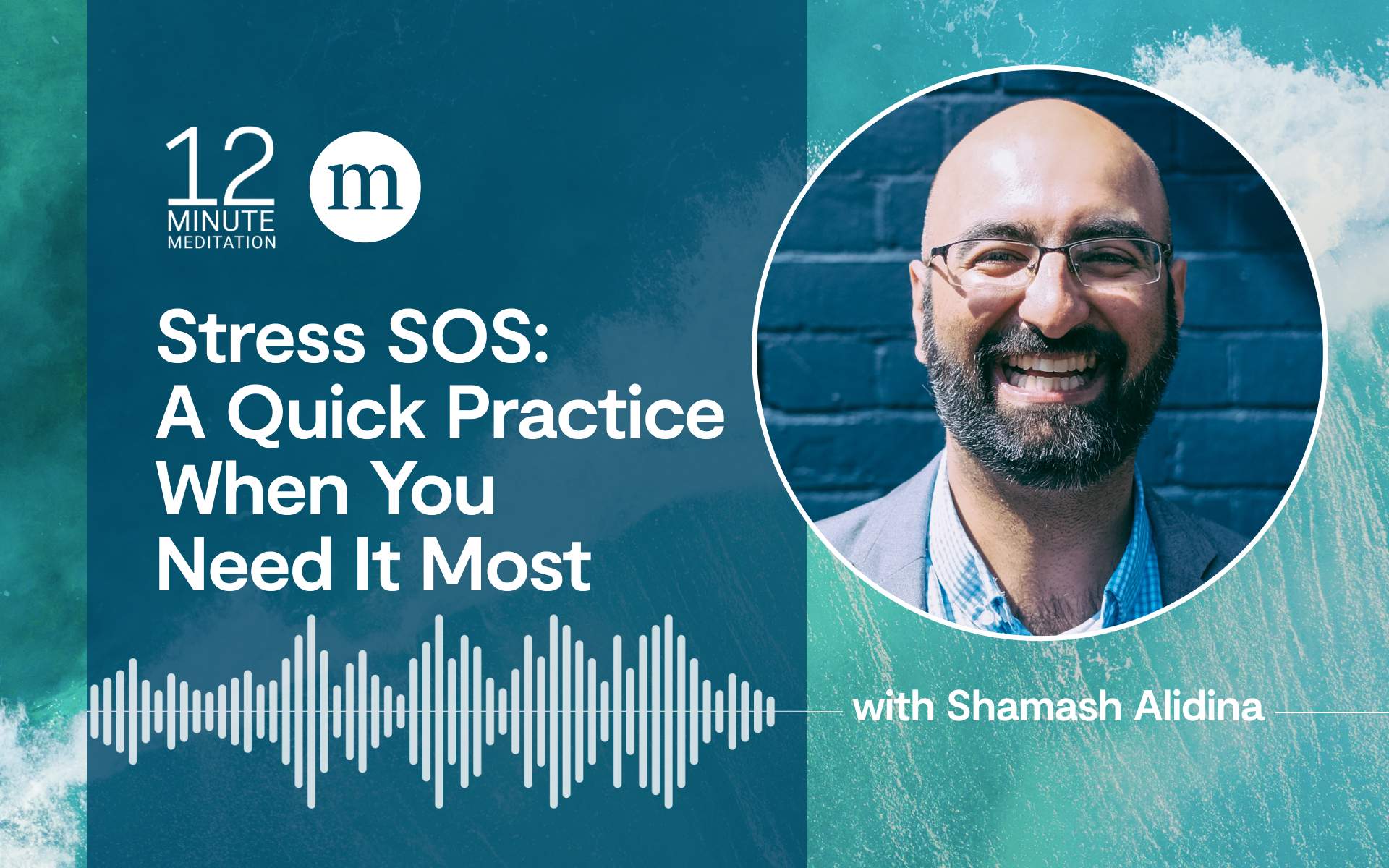
    You’ve probably heard that mindfulness reduces stress levels. But how does it help? Shamash Alidina shares the research—plus, a meditation you can turn to anytime.

    You’ve probably heard that mindfulness reduces stress. But how does it actually help you do that?

    Mounting scientific evidence from hundreds of universities—including dedicated centers at the University of Massachusetts Medical School in the United States and the University of Oxford in the United Kingdom—strongly suggests that mindfulness gently builds an inner strength, so that future stressors have less impact on our happiness and physical well-being.

    Here are nine ways mindfulness can help you manage stress, plus a guided meditation to start experiencing the natural calm that mindfulness can bring:

    Nine Ways Mindfulness Reduces Stress

    1. You become more aware of your thoughts. You can then step back from them and not take them so literally. That way, your stress response is not initiated in the first place.
    2. You don’t immediately react to a situation. Instead, you have a moment to pause and then use your “wise mind” to come up with the best solution. Mindfulness helps you do this through the mindful exercises.
    3. Mindfulness switches on your “being” mode of mind, which is associated with relaxation. Your “doing” mode of mind is associated with action and the stress response.
    4. You are more aware and sensitive to the needs of your body. You may notice pains earlier and can then take appropriate action.
    5. You are more aware of the emotions of others. As your emotional intelligence rises, you are less likely to get into conflict.
    6. Your level of care and compassion for yourself and others rises. This compassionate mind soothes you and inhibits your stress response.
    7. Mindfulness practice reduces activity in the part of your brain called the amygdala. The amygdala is central to switching on your stress response, so effectively, your background level of stress is reduced.
    8. You are better able to focus. So you complete your work more efficiently, you have a greater sense of well-being, and this reduces the stress response. You are more likely to get into “the zone” or “flow,” as it’s termed in psychology by Mihaly Csikszentmihalyi.
    9. You can switch your attitude to the stress. Rather than just seeing the negative consequences of feeling stressed, mindfulness offers you the space to think differently about the stress itself. Observing how the increased pressure helps energize you has a positive effect on your body and mind.

    Try It Yourself—Stress SOS: A Quick Practice When You Need It Most

    1. Bring to mind a current challenge in your life that is the cause of some stress. A situation that you’re willing to work with at the moment. Not your biggest challenge but not so small that it causes no stress at all. A 3 on a scale of 1–10 is a good guide.
    2. Bring the situation vividly to mind. Imagine being in the situation and all the difficulties associated with it.
    3. Notice whether you can feel the stress in your body. Physical tension, faster heart rate, a little bit of sweating, butterflies in your stomach, tightness in the back or shoulders or jaw, perhaps. Look out for your stress signals.
    4. Tune in to your emotions. Notice how you feel. Label that emotion if you can, and be aware of where you feel the emotion, exactly, in your body. Just try to spot it as best you can. The more precisely you can locate the emotion and the more you notice about the sensation, the better. With time and experience, you’ll keep getting better at this.
    5. Bring mindful attitudes to the emotion. These include curiosity, friendliness, and acceptance.
    6. Try placing your hand on the location of the sensation—a friendly hand representing kindness. Do it the way you would place your hand on the injured knee of a child, with care and affection.
    7. Feel the sensation together with your breathing. This can promote a present-moment awareness and mindful attitudes to your experience.
    8. When you’re ready, bring this meditation to a close.
    This article was adapted from Shamash Alidina’s book The Mindful Way Through Stress


    Source link

  • The 5-Minute Fashion Fix: Quick Style Tips for Busy Lives

    The 5-Minute Fashion Fix: Quick Style Tips for Busy Lives

    Introduction to The 5-Minute Fashion Fix

    In today’s fast-paced world, time is of the essence. Between juggling work, social life, and personal responsibilities, it can be challenging to find the time to focus on one’s fashion sense. However, looking good and feeling confident can greatly impact one’s day-to-day life. That’s where the 5-minute fashion fix comes in – quick, easy, and effective style tips that can be implemented in no more than a few minutes. In this article, we’ll explore the best ways to upgrade your style without sacrificing your busy schedule.

    Understanding the Importance of Fashion in Daily Life

    Fashion is often seen as a hobby or an interest, but it plays a significant role in our daily lives. The way we dress can influence how others perceive us, and more importantly, how we perceive ourselves. When we look good, we feel good, and that confidence boost can translate into various aspects of our lives, from our careers to our social interactions. However, for those with busy lives, finding the time to put together an outfit or follow the latest trends can seem daunting. The 5-minute fashion fix is designed to bridge this gap, providing practical advice for incorporating fashion into a hectic lifestyle.

    Simplifying Your Wardrobe: The Foundation of Quick Style

    Before diving into quick style tips, it’s essential to have a solid foundation – a simplified wardrobe. A cluttered and disorganized closet can make getting dressed in the morning a frustrating experience. The first step in the 5-minute fashion fix is to streamline your wardrobe. This involves paring down your clothes to the essentials: pieces that are versatile, fit well, and can be mixed and matched to create multiple outfits. Consider adopting a capsule wardrobe approach, where you focus on a limited number of high-quality, timeless items that can be easily combined.

    5-Minute Morning Routines for a Stylish You

    The morning is often the most challenging time for those with busy lives, as it sets the tone for the rest of the day. Implementing a quick and effective morning routine can make a significant difference in how you look and feel. Here are a few 5-minute morning routines to get you started:

    • The 5-Minute Face: Focus on enhancing your natural features with a quick skincare routine and minimal makeup. A moisturizer, a swipe of mascara, and a lip balm can work wonders.
    • Hair in a Hurry: For a stylish and easy hairdo, consider a low bun or a simple ponytail. These styles are not only quick but also versatile and suitable for most occasions.
    • Dress to Impress: Keep a few outfits ready in your simplified wardrobe. These can be mixed and matched to create new looks. Aim for outfits that can be dressed up or down, depending on your schedule for the day.

    Quick Style Tips for Any Occasion

    Not every day is the same, and our outfits should reflect the activities and events we have planned. Here are some quick style tips for common occasions:

    • Workwear in a Flash: Invest in a few statement pieces like a quality blazer or a classic watch. These can instantly elevate a simple outfit and make it more professional.
    • From Work to Play: Transitioning from a day at the office to a night out with friends doesn’t have to be complicated. Adding a bold piece of jewelry or changing into a pair of heels can quickly transform your look.
    • Casual Chic: For those laid-back weekends, focus on comfortable yet stylish pieces. A good pair of jeans, a crisp white shirt, and sneakers can create a chic and effortless look.

    Accessories: The Ultimate 5-Minute Fix

    Accessories have the power to completely transform an outfit. They can add a pop of color, texture, and interest to even the simplest of ensembles. When it comes to the 5-minute fashion fix, accessories are your best friend. Here are some tips on how to use accessories to elevate your style quickly:

    • Bags and Purses: A good bag can make or break an outfit. Consider investing in a few high-quality, versatile bags that can be used for different occasions.
    • Jewelry: A statement piece of jewelry can instantly elevate a simple outfit. Whether it’s a bold necklace, earrings, or a watch, jewelry can add a touch of personality to your look.
    • Shoes: Shoes can completely change the vibe of an outfit. Keep a few pairs of versatile shoes in your wardrobe, such as loafers, boots, and sneakers, to quickly adapt your look to different situations.

    The Power of Layering

    Layering is a simple yet effective way to add depth and interest to an outfit. It’s also a great strategy for adapting to changing temperatures or dressing for different occasions. Here’s how you can use layering as part of your 5-minute fashion fix:

    • Start with a Base: A simple tee or tank top is a great base layer. Look for high-quality, breathable fabrics that will keep you comfortable.
    • Add a Mid-Layer: A sweater, cardigan, or denim jacket can add a versatile mid-layer to your outfit. These pieces can be easily added or removed as needed.
    • Finish with a Statement: A leather jacket, blazer, or coat can make a great final layer. These statement pieces can elevate your outfit and add a touch of sophistication.

    Conclusion

    The 5-minute fashion fix is all about incorporating quick, easy, and effective style tips into your busy life. By simplifying your wardrobe, adopting quick morning routines, and utilizing accessories and layering, you can look and feel great without sacrificing too much of your valuable time. Remember, fashion is about expressing yourself and feeling confident in what you wear. With these tips, you can achieve a stylish and chic look in no more than a few minutes, making it possible to enjoy the benefits of fashion even on the most hectic of days.

    FAQs

    Q: How can I simplify my wardrobe for the 5-minute fashion fix?

    A: Start by paring down your clothes to the essentials: pieces that are versatile, fit well, and can be mixed and matched. Consider adopting a capsule wardrobe approach for a more streamlined and efficient wardrobe.

    Q: What are some essential accessories for a quick style fix?

    A: Essential accessories include a good watch, quality handbags, versatile shoes, and statement pieces of jewelry. These can instantly elevate an outfit and add a touch of personality to your look.

    Q: How can I layer my clothing for a stylish look?

    A: Start with a base layer such as a tee or tank top, add a mid-layer like a sweater or denim jacket, and finish with a statement piece like a blazer or coat. Layering can add depth and interest to an outfit and is a great way to adapt to different occasions and temperatures.

    Q: Are there any specific style tips for transitioning from work to a night out?

    A: Yes, adding a bold piece of jewelry, changing into a pair of heels, or swapping your bag for a smaller, more evening-appropriate option can quickly transform your workwear into a night-out look.

    Q: How can I ensure my 5-minute fashion fix is also budget-friendly?

    A: Focus on investing in high-quality, timeless pieces rather than trendy items. Also, consider shopping during sales, looking for discounts, and mixing high-end pieces with more affordable options to create a budget-friendly yet stylish wardrobe.

  • Fitness for the Rest of Us: A Low-Impact Workout for Busy Lives

    Fitness for the Rest of Us: A Low-Impact Workout for Busy Lives

    Introduction to Fitness for the Rest of Us

    In today’s fast-paced world, it’s easy to get caught up in the hustle and bustle of daily life and neglect our physical health. Many of us lead busy lives, juggling work, family, and social responsibilities, leaving little time for exercise. However, regular physical activity is essential for maintaining our overall health and wellbeing. The good news is that you don’t have to be a fitness enthusiast or have hours to spare to reap the benefits of exercise. A low-impact workout can be a great way to get started, and it’s perfect for busy lives.

    What is Low-Impact Exercise?

    Low-impact exercise refers to physical activities that are easy on the joints and don’t require high-impact movements, such as jumping or running. These types of exercises are perfect for people who are new to exercise, have mobility issues, or are recovering from an injury. Low-impact exercises can be modified to suit different fitness levels, making them accessible to everyone. Some examples of low-impact exercises include walking, swimming, cycling, and yoga.

    Benefits of Low-Impact Exercise

    Low-impact exercise offers numerous benefits, including improved cardiovascular health, increased strength and flexibility, and weight management. Regular physical activity can also reduce the risk of chronic diseases, such as heart disease, diabetes, and some types of cancer. Additionally, exercise can boost mood, reduce stress, and improve sleep quality. Low-impact exercise is also a great way to improve balance and coordination, reducing the risk of falls and injuries.

    Getting Started with Low-Impact Exercise

    Getting started with low-impact exercise is easy. You don’t need any special equipment or a gym membership. Here are a few tips to help you get started:

    • Schedule it in: Treat exercise as a non-negotiable part of your daily routine, just like brushing your teeth or taking a shower.
    • Start small: Begin with short, manageable sessions, and gradually increase the duration and intensity as you become more comfortable.
    • Find an activity you enjoy: Experiment with different types of low-impact exercises to find what works best for you.
    • Make it a habit: Incorporate exercise into your daily routine, such as first thing in the morning or right after dinner.

    Low-Impact Exercise Options for Busy Lives

    There are many low-impact exercise options that are perfect for busy lives. Here are a few examples:

    • Brisk walking: Walking is a great way to get some exercise, and it’s easy to incorporate into your daily routine. Try taking a short walk during your lunch break or after dinner.
    • Bodyweight exercises: Bodyweight exercises, such as squats, lunges, and push-ups, are a great way to improve strength and flexibility. You can do them anywhere, at any time.
    • Yoga: Yoga is a low-impact exercise that can help improve flexibility, balance, and strength. It’s also a great way to reduce stress and improve mood.
    • Swimming: Swimming is a low-impact exercise that’s easy on the joints. It’s a great way to improve cardiovascular health and build endurance.
    • Cycling: Cycling is a low-impact exercise that’s easy on the joints. You can cycle indoors or outdoors, making it a great option for people with busy lives.

    Creating a Low-Impact Workout Routine

    Creating a low-impact workout routine is easy. Here are a few tips to help you get started:

    • Set realistic goals: Define your fitness goals and set realistic targets. This will help you stay motivated and focused.
    • Mix it up: Vary your routine to avoid boredom and prevent plateaus. Try different types of low-impact exercises to keep things interesting.
    • Listen to your body: Rest and recovery are just as important as exercise. Listen to your body and take rest days as needed.
    • Make it a habit: Incorporate exercise into your daily routine, such as first thing in the morning or right after dinner.

    Overcoming Common Barriers to Exercise

    There are many common barriers to exercise, including lack of time, lack of motivation, and lack of energy. Here are a few tips to help you overcome these barriers:

    • Schedule it in: Treat exercise as a non-negotiable part of your daily routine, just like brushing your teeth or taking a shower.
    • Find an exercise buddy: Exercising with a friend or family member can be a great motivator.
    • Reward yourself: Set small rewards for yourself after reaching fitness milestones.
    • Focus on how you feel: Regular exercise can boost mood, reduce stress, and improve sleep quality. Focus on how you feel, rather than the number on the scale.

    Staying Motivated and Accountable

    Staying motivated and accountable is crucial for maintaining a regular exercise routine. Here are a few tips to help you stay on track:

    • Track your progress: Keep a fitness journal or use a mobile app to track your progress.
    • Set reminders: Set reminders on your phone or calendar to remind you to exercise.
    • Find a workout community: Join a fitness group or find a workout buddy to stay motivated and accountable.
    • Celebrate milestones: Celebrate your fitness milestones, no matter how small they may seem.

    Conclusion

    Regular physical activity is essential for maintaining our overall health and wellbeing. A low-impact workout can be a great way to get started, and it’s perfect for busy lives. With so many low-impact exercise options available, there’s no excuse not to get moving. Remember to schedule it in, start small, and find an activity you enjoy. With consistency and patience, you can achieve your fitness goals and improve your overall health and wellbeing.

    FAQs

    Q: What is low-impact exercise?
    A: Low-impact exercise refers to physical activities that are easy on the joints and don’t require high-impact movements, such as jumping or running.
    Q: What are the benefits of low-impact exercise?
    A: Low-impact exercise offers numerous benefits, including improved cardiovascular health, increased strength and flexibility, and weight management.
    Q: How do I get started with low-impact exercise?
    A: Getting started with low-impact exercise is easy. Schedule it in, start small, and find an activity you enjoy.
    Q: What are some low-impact exercise options for busy lives?
    A: There are many low-impact exercise options that are perfect for busy lives, including brisk walking, bodyweight exercises, yoga, swimming, and cycling.
    Q: How do I create a low-impact workout routine?
    A: Creating a low-impact workout routine is easy. Set realistic goals, mix it up, listen to your body, and make it a habit.
    Q: How do I overcome common barriers to exercise?
    A: There are many common barriers to exercise, including lack of time, lack of motivation, and lack of energy. Schedule it in, find an exercise buddy, reward yourself, and focus on how you feel.
    Q: How do I stay motivated and accountable?
    A: Staying motivated and accountable is crucial for maintaining a regular exercise routine. Track your progress, set reminders, find a workout community, and celebrate milestones.

  • The 5-Minute Skincare Routine for Busy Mornings

    The 5-Minute Skincare Routine for Busy Mornings

    In today’s fast-paced world, maintaining a skincare routine can seem like a daunting task, especially during busy mornings when time is of the essence. However, skincare is an essential part of our daily hygiene and overall health. A well-crafted skincare routine not only helps in maintaining the health and appearance of the skin but also boosts confidence and sets a positive tone for the day. The challenge for many is finding a balance between effective skincare and the constraints of a busy lifestyle. This is where the concept of a 5-minute skincare routine comes into play, designed to be quick, effective, and adaptable to busy mornings.

    Understanding the Basics of Skincare

    Before diving into the specifics of a 5-minute skincare routine, it’s crucial to understand the basics of skincare. Skincare is not just about applying products to the skin; it’s about creating a habit that nurtures and protects the skin from environmental stressors, pollution, and the natural aging process. A basic skincare routine typically involves cleansing, moisturizing, and protecting the skin from the sun. However, for a busy morning routine, simplicity and efficiency are key.

    The Importance of a Morning Skincare Routine

    A morning skincare routine is essential for several reasons. Firstly, it helps in removing any overnight products or residues, preparing the skin for the day ahead. Secondly, it provides an opportunity to apply products that offer protection against daily environmental stressors, such as sunscreen and antioxidants.Lastly, a consistent morning skincare routine can significantly improve the appearance and health of the skin over time, contributing to a more radiant and youthful complexion.

    Components of a 5-Minute Skincare Routine

    Given the time constraint, a 5-minute skincare routine must be streamlined and focused on the most essential steps. Here are the key components:

    1. Cleansing: Start with a gentle, effective cleanser that suits your skin type. For a quick routine, a cleanser that can be used on damp skin without the need for rinsing can be ideal.
    2. Toning: A toner helps in balancing the skin’s pH and removing any remaining impurities. Look for a toner that is hydrating and soothing.
    3. Moisturizing: Apply a lightweight moisturizer that absorbs quickly into the skin. For busy mornings, a moisturizer with SPF can kill two birds with one stone by providing both hydration and sun protection.
    4. Eye Care: The skin around the eyes is delicate and often shows the first signs of aging. A quick application of an eye cream or serum can help in reducing puffiness and dark circles.
    5. Sunscreen: Even on cloudy days, UV rays can cause significant damage to the skin. Applying a broad-spectrum sunscreen with at least SPF 30 is crucial for daily skin protection.

    Tips for a Quick and Effective Routine

    To ensure your 5-minute skincare routine is both quick and effective, consider the following tips:

    • Simplify Your Products: Limit your routine to multi-tasking products that serve more than one purpose, such as a moisturizer with SPF.
    • Choose Quick-Absorbing Products: Opt for serums, moisturizers, and sunscreens that are labeled as "quick-dry" or "non-greasy" to save time.
    • Prepare the Night Before: Lay out your skincare products in an accessible place the night before to save time in the morning.
    • Focus on Key Areas: If you’re really short on time, prioritize the face and neck, ensuring these areas are cleansed, moisturized, and protected.

    Customizing Your Routine

    Every individual’s skin is unique, with its own set of needs and challenges. Customizing your 5-minute skincare routine based on your skin type (normal, dry, oily, or combination) and concerns (acne, aging, hyperpigmentation) is essential for its effectiveness. For example:

    • Dry Skin: Use a gentle cleanser and a rich, non-comedogenic moisturizer to lock in moisture.
    • Oily Skin: Opt for oil-free products and consider a clay-based mask once or twice a week to control oil production.
    • Acne-Prone Skin: Incorporate products containing salicylic acid or benzoyl peroxide, which are known for their acne-fighting properties.

    Conclusion

    A 5-minute skincare routine is not just a compromise for busy mornings; it’s a thoughtful approach to skincare that prioritizes effectiveness, simplicity, and adaptability. By understanding the basics of skincare, focusing on essential steps, and customizing your routine to fit your skin’s unique needs, you can achieve healthier, more radiant skin even on the most hectic of mornings. Remember, consistency is key, and the benefits of a well-executed skincare routine can be seen over time with commitment and patience.

    FAQs

    Q: Is a 5-minute skincare routine enough for my skin?

    A: While a more elaborate skincare routine might offer additional benefits, a well-structured 5-minute routine can effectively cleanse, moisturize, and protect the skin, especially for those with busy lifestyles.

    Q: How do I choose the right products for my skin type in a 5-minute routine?

    A: Look for products labeled according to your skin type (dry, oily, combination) and consider multi-tasking products that can serve more than one purpose, such as a moisturizer with SPF, to save time and streamline your routine.

    Q: Can I skip sunscreen if I’m staying indoors?

    A: Even if you’re staying indoors, UV rays can pass through windows, and indoor lighting can also cause skin damage. Applying sunscreen daily, regardless of your plans, is a crucial step in protecting your skin’s health and appearance.

    Q: How often should I adjust my 5-minute skincare routine?

    A: Your skincare needs can change seasonally, with age, or due to changes in your environment. It’s a good idea to reassess your routine every few months and make adjustments as necessary to ensure it continues to meet your skin’s evolving needs.

    Q: Are there any specific skincare products that are recommended for a 5-minute routine?

    A: While specific product recommendations can vary based on individual skin types and needs, look for products that are quick-absorbing, non-comedogenic, and offer multiple benefits, such as hydration and sun protection, to maximize the efficiency of your routine.

  • 10 Simple Ways to Sneak in Exercise During a Busy Day: Boost Energy and Fitness (Target keywords: sneak in exercise, busy day, boost energy, fitness)

    10 Simple Ways to Sneak in Exercise During a Busy Day: Boost Energy and Fitness (Target keywords: sneak in exercise, busy day, boost energy, fitness)

    She knows that exercising during a busy day can be challenging, but it’s not impossible. With a little creativity, one can easily sneak in exercise and boost energy levels, even on the most chaotic of days. The key is to incorporate physical activity into daily routines, making it a seamless part of a busy lifestyle. In this article, we’ll explore 10 simple ways to sneak in exercise during a busy day, helping to boost energy and fitness.

    ### Understanding the Importance of Exercise

    Regular exercise is essential for maintaining physical and mental health. It helps to increase energy levels, improve mood, and reduce stress. However, with increasingly busy schedules, it can be difficult to find time for a traditional gym workout. This is where sneaking in exercise comes in – by incorporating physical activity into daily routines, individuals can stay active and healthy, even on the most hectic of days. Sneaking in exercise can be as simple as taking the stairs instead of the elevator or doing a few jumping jacks during commercial breaks while watching TV.

    ### 1. Start with Small Moments

    One of the easiest ways to sneak in exercise during a busy day is to start with small moments. This can be as simple as taking a few deep breaths and stretching in the morning, or doing a quick 5-minute workout during a lunch break. By incorporating small moments of physical activity into daily routines, individuals can boost energy levels and set themselves up for a healthier day. For example, she can try doing a few push-ups or squats during commercial breaks while watching her favorite TV show, helping to sneak in exercise and boost fitness.

    ### 2. Take a Walking Break

    Taking a walking break is another great way to sneak in exercise during a busy day. Whether it’s a short walk around the block or a longer walk during a lunch break, getting outside and moving can help to boost energy levels and improve mood. She can try scheduling a walking break into her daily planner, or simply taking a few minutes to stretch her legs and get some fresh air. By incorporating walking into her daily routine, she can sneak in exercise and improve her overall fitness.

    ### 3. Use Household Chores as Exercise

    Household chores can be a great way to sneak in exercise during a busy day. Activities like vacuuming, mopping, and gardening can all be considered forms of physical activity, helping to boost energy levels and improve fitness. She can try turning household chores into a workout by adding music and moving quickly, or by incorporating strength training exercises into her cleaning routine. By using household chores as exercise, she can sneak in physical activity and stay healthy, even on the most chaotic of days.

    ### 4. Try Desk Exercises

    Desk exercises are another great way to sneak in exercise during a busy day. Whether it’s chair squats, desk push-ups, or leg raises, there are plenty of exercises that can be done from the comfort of a desk. She can try incorporating desk exercises into her daily routine, doing a few reps during commercial breaks or while waiting for a meeting to start. By sneaking in exercise at her desk, she can boost energy levels and improve her overall fitness.

    ### 5. Use Stairs Instead of Elevators

    Using stairs instead of elevators is a simple way to sneak in exercise during a busy day. By opting for the stairs, individuals can get their heart rate up and work on their leg strength, all while boosting energy levels. She can try making a conscious effort to take the stairs whenever possible, whether it’s at work or in her home. By incorporating stair climbing into her daily routine, she can sneak in exercise and improve her overall fitness.

    ### 6. Try Bodyweight Exercises

    Bodyweight exercises are a great way to sneak in exercise during a busy day. Activities like push-ups, squats, and lunges can all be done without any equipment, making them perfect for a quick workout at home or in the office. She can try incorporating bodyweight exercises into her daily routine, doing a few reps during commercial breaks or while waiting for a meeting to start. By sneaking in exercise with bodyweight exercises, she can boost energy levels and improve her overall fitness.

    ### 7. Take the Long Way

    Taking the long way is another great way to sneak in exercise during a busy day. Whether it’s walking to a coworker’s desk instead of sending an email or taking a longer route to a meeting, individuals can easily incorporate more physical activity into their daily routines. She can try making a conscious effort to take the long way whenever possible, using the extra time to get some exercise and boost energy levels. By incorporating more physical activity into her daily routine, she can sneak in exercise and improve her overall fitness.

    ### 8. Try Active Commuting

    Active commuting is a great way to sneak in exercise during a busy day. Whether it’s walking, biking, or taking public transportation, individuals can easily incorporate more physical activity into their daily routines. She can try making a conscious effort to use active commuting methods, using the extra time to get some exercise and boost energy levels. By incorporating active commuting into her daily routine, she can sneak in exercise and improve her overall fitness.

    ### 9. Use Waiting Time

    Using waiting time is another great way to sneak in exercise during a busy day. Whether it’s waiting in line, waiting for a meeting to start, or waiting for a coffee, individuals can easily incorporate more physical activity into their daily routines. She can try doing a few jumping jacks, stretching, or doing some leg raises while waiting, helping to boost energy levels and improve fitness. By incorporating physical activity into waiting time, she can sneak in exercise and stay healthy, even on the most chaotic of days.

    ### 10. Make it Fun

    Finally, making exercise fun is a great way to sneak in physical activity during a busy day. Whether it’s putting on music and dancing, playing with kids, or trying a new workout routine, individuals can easily incorporate more physical activity into their daily routines. She can try finding activities that she enjoys and making them a part of her daily routine, helping to boost energy levels and improve fitness. By making exercise fun, she can sneak in physical activity and stay healthy, even on the most hectic of days.

    ### Conclusion

    In conclusion, sneaking in exercise during a busy day is easier than one might think. By incorporating physical activity into daily routines, individuals can boost energy levels, improve mood, and reduce stress. Whether it’s taking the stairs, doing desk exercises, or using household chores as exercise, there are plenty of ways to sneak in exercise and stay healthy. By making a conscious effort to incorporate physical activity into daily routines, individuals can improve their overall fitness and well-being, even on the most chaotic of days. So, the next time she’s feeling busy and overwhelmed, she can try sneaking in some exercise and seeing the difference it can make.

    ### FAQs

    Q: How can I sneak in exercise during a busy day?
    A: There are plenty of ways to sneak in exercise during a busy day, including taking the stairs, doing desk exercises, using household chores as exercise, and incorporating physical activity into daily routines.

    Q: What are some simple exercises I can do at my desk?
    A: Some simple exercises that can be done at a desk include chair squats, desk push-ups, and leg raises. Individuals can also try incorporating stretching and movement into their daily routine.

    Q: How can I make exercise more enjoyable?
    A: Making exercise more enjoyable is all about finding activities that one enjoys and making them a part of daily routines. Whether it’s putting on music and dancing, playing with kids, or trying a new workout routine, individuals can easily incorporate more physical activity into their daily routines and make exercise more fun.

    Q: Can I really boost energy levels by sneaking in exercise?
    A: Yes, sneaking in exercise can really help to boost energy levels. By incorporating physical activity into daily routines, individuals can improve their overall fitness and well-being, reducing stress and improving mood.

    Q: How often should I sneak in exercise during a busy day?
    A: The frequency of sneaking in exercise will depend on individual schedules and routines. However, incorporating physical activity into daily routines, even if it’s just a few minutes a day, can make a big difference in overall fitness and well-being. She can try aiming to sneak in exercise at least a few times a day, and seeing how it can improve her energy levels and overall health.
    10-simple-ways-to-sneak-in-exercise-during-a-busy-day-boost-energy-and-fitness-target-keywords-sneak-in-exercise-busy-day-boost-energy-fitness

  • The 5 Minute Fix: Quick and Easy Gardening Tricks for Busy Homeowners

    The 5 Minute Fix: Quick and Easy Gardening Tricks for Busy Homeowners

    The 5 Minute Fix: Quick and Easy Gardening Tricks for Busy Homeowners

    As a homeowner, maintaining a beautiful and thriving garden can seem like a daunting task, especially when life gets busy. But what if we told you that you don’t need to dedicate hours each week to your garden to keep it looking its best? In this article, we’ll share quick and easy gardening tricks that can be completed in just 5 minutes a day, giving you the flexibility to tend to your garden on even the busiest of schedules.

    I. Watering Wisely

    When it comes to gardening, water is one of the most crucial elements for healthy plant growth. However, overwatering is a common mistake that can lead to root rot, fungus, and other issues. Here are a few quick and easy 5-minute tricks to ensure you’re watering wisely:

    • Check the soil daily: Take a quick glance at the soil by sticking your finger into the soil up to the first knuckle. If it feels dry, it’s time to water. If it’s already moist, you can skip watering that day.
    • Use a moisture meter: If you’re not sure what to do, consider investing in a moisture meter. These handy devices provide an instant reading of the soil’s moisture levels, giving you peace of mind and saving you time in the long run.
    • Water deeply but infrequently: Instead of watering lightly every day, water your plants deeply but infrequently. This encourages deep root growth and makes your plants more resistant to drought.

    II. Mulching Magic

    Mulching is one of the easiest and most effective ways to maintain a healthy and thriving garden. Here are a few quick 5-minute mulching tricks:

    • Spread a thin layer: Apply a thin layer of mulch around your plants, taking care not to pile it too high. Aim for a layer about 1-2 inches thick.
    • Use the right materials: Opt for organic materials like bark chips, straw, or newspaper instead of synthetic mulches, which can attract pests and repel beneficial insects.
    • Edge your beds: Take a few minutes to edge your garden beds using a gardening rake or a hose with a gentle spray setting. This keeps mulch from washing away and makes your garden beds look neat and tidy.

    III. Pruning Primer

    Pruning is essential for maintaining healthy and productive plants, but it doesn’t have to take hours of your time. Here are a few quick and easy 5-minute pruning tricks:

    • Trim deadhead flowers: Remove dead flowers and spent blooms from plants like roses, lavender, and marigolds. This encourages new blooms to grow and prevents seed production, which can attract pests.
    • Pinch tips: Take a few minutes to pinch off the tips of growth on plants like tomatoes, cucumbers, and peas. This promotes bushy growth and prevents them from becoming leggy.
    • Clean up stray shoots: Use your pruning shears to trim back stray shoots or suckers that are competing with the main stem of the plant.

    IV. Weeding Whirlwind

    Weeds are the bane of many gardeners’ existence, but with a few quick 5-minute weeding tricks, you can keep them under control:

    • Get the timing right: The best time to weed is in the early morning or late afternoon when the sun isn’t beating down. This prevents weeds from re-seeding themselves.
    • Pull, don’t dig: Pull weeds by their roots, making sure to grab as much of the root system as possible to prevent regrowth.
    • Remove weeds regularly: Set a timer for 5 minutes each day and take a quick walk around your garden to pull any weeds you see.

    V. Pest Patrol

    Pests are a natural part of gardening, but they can quickly take over if not kept under control. Here are a few quick 5-minute pest patrol tricks:

    • Inspect your plants daily: Take a few minutes to inspect your plants for signs of pests, such as aphids, whiteflies, or slugs. Catching infestations early prevents them from getting out of control.
    • Hand-pick pests: Take a few minutes each day to hand-pick pests like slugs, snails, and caterpillars off your plants.
    • Encourage beneficial insects: Plant flowers and herbs that attract beneficial insects like ladybugs and lacewings, which can help control pests naturally.

    Conclusion

    As you can see, maintaining a beautiful and thriving garden doesn’t have to be a daunting task. With a few quick and easy 5-minute gardening tricks, you can keep your garden looking its best even on the busiest of days. By implementing these tricks, you’ll save time, reduce stress, and enjoy the rewards of a well-tended garden.

    FAQs

    Q: Can I still get a beautiful garden if I’m not an experienced gardener?

    A: Absolutely! Gardening is a skill that can be learned, and with practice and patience, anyone can achieve beautiful results. Start with a small garden and work your way up as you gain confidence and knowledge.

    Q: What are some common gardening mistakes that busy homeowners make?

    A: Some common mistakes include overwatering, not providing enough sunlight, and not deadheading flowers. Remember to always follow the specific growing instructions for your plants, and don’t be afraid to ask for advice at your local nursery or gardening store.

    Q: How often should I water my plants?

    A: Water your plants based on the weather. If it’s hot and dry, water deeply but infrequently. If it’s cool and rainy, water lightly but more frequently. The key is to find the right balance for your specific climate and plants.

    Q: What are some ways to make gardening easier for busy homeowners?

    A: Consider implementing a drip irrigation system, which can save you time and water by delivering moisture directly to the roots of your plants. You can also automate watering and fertilization schedules with a smart watering controller. Additionally, consider growing compact or dwarf varieties of plants that require less space and maintenance.

    By following these quick and easy 5-minute gardening tricks, you can maintain a beautiful and thriving garden without sacrificing your precious time. So go ahead, get out there, and get gardening!