When it comes to happiness, says Elisha Goldstein, there’s a simple but important tool we often forget about: play.
For years now, I’ve been studying what helps create more resilience and happiness within us. I’ve looked at my own life, the life of my clients and students, and the psychological and neuroscience research. What I’ve found is that within each and every one of us are a core set of natural anti-depressants. When we intentionally tap into these resources, it shifts our brain activity in ways that can lend itself to shaping an anti-depressant brain. One of the natural anti-depressants that I’ve come to find that helps break a bad mood and create positive neural activity is Play!
In Uncovering Happiness: Overcoming Depression with Mindfulness and Self-Compassion I describe play as “a flexible state of mind in which you are presently engaged in some freely chosen and potentially purposeless activity that you find interesting, enjoyable, and satisfying.”
Here’s a great video that shows adults playing and the results. Take a look and see what you notice.
When adults were put in an enriched environment where the cues elicited play, they became more engaged, open, and most seemed to be genuinely enjoying themselves.
Research from Marion Diamond out of UC Berkeley shows that rats who had a more enriched environment with toys and playmates showed growth in their cerebral cortex. This is the part of the brain that’s involved with cognitive processing and those rats actually ran mazes quicker than others who had less enriched environments. This type of research has been repeated over and over again with similar results. (Note: Rats that had a depleting environment absent of toys and playmates showed a reduction in the thickness of their cerebral cortex).
The reality is engaging play reduces stress, promotes creativity, productivity, openness, and revitalizes our sense of aliveness. It is literally a natural anti-depressant.
The question for us is how can we create more enriching environments?
One answer lies in understanding how our brain responds to cues. Most of the time our brain is automatically making decisions beneath our consciousness and the cues in our environments are influencing those decisions. If we’re often alone and there’s a lack or nourishing things and people in our environment it’s more likely to lead to depression and anxiety. On the other hand, if our environments are more engaging and we have access to more playmates it creates more resiliency. So we have to consider: Do the environments we currently live in, at home and at work, elicit cues of play?
If so, it’s a good practice to be conscious of those cues. If not, how can you create more cues in your environment that elicit a more playful neural response?
Encourage play at home and at work
Many companies are starting to create more enriching environments because the research is clear that it leads to happier, less stressed, more loyal and productive employees. If your workplace doesn’t you can take it into your own hands, create a joke board, or take mini-breaks where you intentionally watch a short video like the one above or hang out with nourishing people as a source of connection.
At home you can consider what play means to you? This is usually something that you have been thinking of doing that your mind said was unimportant. Maybe you want to pick up the camera more, reconnect with old friends, read a pleasurable book, or take a 2-hour date with yourself weekly and do something out of your routine that feeds you. That’s how I got started.
In our culture we see this as a luxury because we prize working over playing and our minds often say that “playing is unproductive.” This is one the biggest lies our brain tells us. The research is clear, those that integrate play into their lives are more likely to run the mazes faster and more efficiently.
There are other tricks to uncovering a more playful life and even to finding playmates, but the first step is looking to your cues and starting to create more enriching playful environments. Then we need to actively create this for ourselves even in the face of the voices in our heads that say “I don’t deserve it” or “There are more important things to do.” In Uncovering Happiness, I call these “Negative Unconscious Thoughts” or NUTs as we often feel nuts when they’re around.
The message here is:
Being mindful of play and engaging it in your life can act as a natural anti-depressant, creating positive neural shifts that when practiced and repeated can contribute to an anti-depressant brain.
Take a moment and share, what does play mean to you? How do you bring it into your life? Your interaction creates a living wisdom for us all to benefit from.
Sometimes, the simplest approach may be the most effective. Scientists at Texas A&M University have developed an experimental nasal spray that could one day help reverse brain aging and restore memory. The promising research is raising hopes for future treatments targeting dementia and age-related cognitive decline.
The study found that the nasal therapy produced significant and long-lasting effects after just two doses. According to the researchers, the treatment showed highly promising results in brain activity, including reduced inflammation in the brain, improved memory performance, and restored cellular energy systems associated with aging.
The nasal therapy works by delivering microscopic particles known as extracellular vesicles through the nostrils and into the sinuses. This approach allows the particles to bypass the brain’s protective barrier and travel directly into brain tissue. The spray contains microRNAs—tiny molecules designed by scientists to help regulate genes and cellular activity. These particles specifically target chronic brain inflammation, a condition long associated with aging, dementia, and neurodegenerative disease.
To provide background on persistent low-grade brain inflammation associated with aging, often referred to as neuroinflammaging, it is an inflammatory process within the brain and spinal cord, primarily driven by immune cells such as microglia and astrocytes. Over time, this process may gradually impair memory, learning, and cognitive flexibility.
The nasal spray appears to work by reducing and suppressing inflammatory pathways linked to this process while also reviving mitochondrial activity—the energy-producing systems inside cells that tend to weaken with age.
Beyond reducing neuroinflammaging, researchers said the treatment helped brain cells regain their “spark.” This effect was achieved by lowering oxidative stress and restoring energy production. Behavioral testing also showed significant improvements in memory and object recognition tasks compared with untreated subjects.
The findings, published in the Journal of Extracellular Vesicles, add to growing scientific interest in whether certain aspects of aging can be slowed—or even partially reversed—at the cellular level. Other recent studies have explored ways to target aging-related inflammation, senescent cells, and metabolic dysfunction to improve long-term brain health.
Researchers believe the approach could eventually have applications beyond normal aging, including conditions such as Alzheimer’s disease, stroke recovery, and other disorders linked to cognitive decline. They also noted that the therapy produced similar effects across both sexes, something that remains relatively uncommon in biomedical research.
Humankind has long sought ways to reverse aging, both of the mind and the brain. With the development of this nasal spray therapy—and, hopefully, with more in-depth research, further findings, and additional testing—researchers may have taken a step toward addressing this long-standing challenge. While aging has long been considered unavoidable, this medical breakthrough presents an intriguing possibility: brain aging may not be as irreversible as once believed.
All orders are protected by SSL encryption – the highest industry standard for online security from trusted vendors.
Mind Armor – The Brain Defense System is backed with a 60 Day No Questions Asked Money Back Guarantee. If within the first 60 days of receipt you are not satisfied with Wake Up Lean™, you can request a refund by sending an email to the address given inside the product and we will immediately refund your entire purchase price, with no questions asked.
Creating a healthy evening routine is one of the simplest yet most effective ways to prepare the body and mind for restful sleep. Modern lifestyles often expose people to stress, digital distractions, and irregular eating patterns that interfere with relaxation and recovery.
A structured nighttime ritual calms the brain, supports digestive balance, and helps regulate essential hormones that drive the body’s internal clock. By aligning these elements, individuals can experience deeper, more restorative sleep and improved overall well-being.
What Is a Healthy Evening Routine?
A healthy evening routine refers to a consistent set of actions that signal to the body that it’s time to rest. Unlike morning routines that focus on alertness and productivity, evening habits aim to slow down the day’s pace, allowing the mind and body to transition smoothly into sleep mode.
Healthy routines commonly include turning off electronic devices, adjusting lighting, engaging in relaxing activities, and avoiding stimulating foods or beverages. When followed regularly, these small actions create a rhythm that enhances sleep consistency, improves mood stability, and boosts morning energy levels.
A well-crafted routine acts as a nightly reset, helping the body restore itself physically while giving the mind space to process, unwind, and recover from cognitive fatigue.
Why a Sleep Wind-Down Routine Matters
A proper sleep wind-down routine prepares the nervous system for rest by easing the transition from wakefulness to sleep. Without it, the brain often remains in a state of alertness, especially after exposure to blue light from screens or after engaging in demanding mental tasks. This overstimulation delays melatonin release, the hormone responsible for inducing sleepiness.
Scientific studies show that individuals who dedicate 20–30 minutes to relaxation before bed fall asleep faster and experience better sleep quality. Techniques such as deep breathing, meditation, or listening to calm music help lower cortisol levels, promoting a sense of safety and calm.
Avoiding stimulants like caffeine or intense exercise within two hours before bed also enhances the body’s ability to enter deeper sleep stages more efficiently. A consistent sleep wind-down routine becomes a biological signal that it’s time to power down, physically, mentally, and emotionally.
Understanding the Gut-Brain Connection and Its Impact on Sleep
The gut-brain connection plays a crucial role in how the body transitions to rest. This bidirectional communication system links emotional and cognitive centers of the brain with intestinal functions, mainly through the vagus nerve and neurotransmitters.
When the gut’s microbiome is healthy and diverse, it produces compounds such as serotonin and gamma-aminobutyric acid (GABA), both essential for regulating mood and sleep. Poor diet, stress, or irregular eating patterns can disrupt this communication, leading to sleep disturbances and anxiety.
Supporting the gut-brain connection before bed involves eating nutrient-rich foods that feed beneficial bacteria, such as yogurt, kefir, bananas, and oatmeal, and avoiding heavy or sugary meals late at night. Herbal teas like chamomile or peppermint can also soothe digestion while promoting relaxation signals to the brain.
The Role of Nighttime Hormone Balance
Several hormones govern the body’s ability to fall asleep and stay asleep. The balance among melatonin, cortisol, and serotonin directly influences the quality of nighttime rest, according to the World Health Organization. Maintaining proper nighttime hormone balance ensures that energy, appetite, and mood function in harmony with the body’s natural circadian rhythm.
Melatonin levels rise in response to darkness, signaling that it’s time for sleep. Blue light exposure delays this release, so dimming lights at least an hour before bed helps prepare the body.
Cortisol, the stress hormone, should gradually decrease at night. However, prolonged stress or irregular sleeping hours can keep levels high, making it difficult to relax.
Serotonin serves as a precursor to melatonin. Eating foods rich in tryptophan, such as eggs, nuts, or turkey, and getting enough daylight exposure during the day boosts its production.
Mindful lifestyle choices, such as limiting caffeine after midday and minimizing emotional strain in the evening, naturally encourage better nighttime hormone balance.
Bedtime Habits for Better Sleep
Developing sustainable bedtime habits for sleep helps train the body to anticipate rest. These habits do not need to be complex, consistency is what matters most.
Effective bedtime behaviors include:
Maintaining a set sleep schedule even on weekends.
Turning off electronics 30–60 minutes before lying down.
Reading or journaling to clear mental clutter.
Practicing mindful relaxation, such as deep breathing or light stretching.
Setting the environment for comfort: cool temperature, dim light, and minimal noise.
Incorporating routines like aromatherapy or soft background sounds can further enhance relaxation. Over time, these bedtime habits for sleep build strong associations between the environment and the act of resting, improving both sleep onset and duration.
What to Eat or Avoid Before Bed
Nutrition strongly influences the gut-brain connection and the overall sleep-wake rhythm. Eating the right foods can promote stable blood sugar levels and enhance hormone production, while heavy or caffeinated meals can cause discomfort and restlessness.
Foods that support relaxation include:
Whole grains and nuts for magnesium, which aids muscle relaxation.
Greek yogurt or bananas for tryptophan and serotonin support.
Herbal tea blends like chamomile or lavender to calm the nervous system.
It’s best to avoid large, fatty, or spicy foods as they slow digestion and can cause heartburn during the night. Similarly, alcohol and caffeine, even in the afternoon, may reduce rapid eye movement (REM) sleep, the stage essential for memory and emotional processing.
Light, nutrient-balanced snacks, like oatmeal with walnuts, can help maintain both the gut-brain connection and nighttime hormone balance naturally.
Creating a Personalized Sleep Wind-Down Routine
Everyone’s ideal sleep wind-down looks slightly different, but the principles remain consistent: minimize stimulation, focus on relaxation, and maintain regularity. Tailoring the process ensures higher adherence and better results.
Here’s a sample 30-minute plan:
10 minutes: Prepare the sleep environment, dim lights, lower the room temperature, and set aside devices.
10 minutes: Engage in a calming activity like reading, journaling, or guided meditation.
10 minutes: Practice mindfulness or breathing exercises while seated or lying comfortably.
Those with demanding schedules can adapt this to their needs, parents might include short stretches or a warm shower, while professionals might prefer quiet reflection or aromatherapy, as per the Centers for Disease Control and Prevention. By aligning the routine with personal preferences, individuals reinforce the rhythm of a healthy evening routine with minimal effort.
Mistakes That Disrupt Sleep and Hormone Balance
Even small missteps can interfere with sleep quality and disrupt the body’s hormonal rhythm. Common mistakes include:
Eating late dinners or skipping relaxation before bed.
Using phones or bright screens close to bedtime.
Maintaining irregular sleep and wake times.
Bringing work or emotional stress into the bedroom.
These behaviors elevate cortisol levels and interfere with melatonin release, directly harming nighttime hormone balance. Recognizing and correcting such habits often makes a noticeable difference in mood, focus, and energy after just a few nights.
When to Seek Help for Persistent Sleep Problems
If consistent routines still fail to improve rest, underlying issues like hormonal imbalances, anxiety, or digestive dysfunction might be contributing factors. Consulting a sleep specialist, endocrinologist, or nutritionist can help identify the root cause.
They can offer insights into optimizing the gut-brain connection and restoring hormonal equilibrium through testing, diet adjustments, and targeted therapy.
Professional support becomes valuable when poor sleep begins affecting daily concentration, mood, or long-term health.
A Calmer Night Starts with a Healthy Evening Routine
A truly healthy evening routine integrates mental relaxation, digestive care, and natural hormonal rhythms. It’s less about strict discipline and more about intentional self-care that aligns with the body’s design for rest.
Through consistent sleep wind-down rituals, balanced eating, and mindful bedtime habits for sleep, individuals can nurture both mind and body toward genuine restoration.
The harmony between the gut, brain, and hormonal systems forms the foundation of sustained well-being. With patience and regular practice, every evening can become an opportunity to recharge, rebalance, and prepare for the day ahead.
Frequently Asked Questions
1. Can evening exercise affect nighttime hormone balance?
Yes. Intense workouts right before bed can raise cortisol and adrenaline, delaying sleep. Light stretching or yoga in the early evening supports calmer hormone activity.
2. How does screen time interfere with the gut-brain connection?
Prolonged screen exposure increases stress and disrupts melatonin release, which can indirectly affect digestion and gut signaling. Reducing blue light helps both the gut and brain relax.
3. Are naps harmful to a healthy evening routine?
Short power naps earlier in the day are fine, but late or long naps can make it harder to fall asleep at night and disrupt sleep drive.
4. Can supplements help improve bedtime habits for sleep?
Some people benefit from natural aids like magnesium, L-theanine, or melatonin, but they work best when combined with consistent wind-down habits and good sleep hygiene.
In the fast-paced rhythm of modern life, skipping meals has become a common habit. Whether it’s rushing to work, managing tight deadlines, or trying to cut calories, many people forgo breakfast or delay lunch without realizing the physiological consequences.
Yet each missed meal can subtly influence body energy, metabolism, and even cognitive performance. Understanding what happens inside the body during these gaps reveals how fundamental regular nourishment is to physical stamina and mental clarity.
What Happens to Your Body When You Skip Meals?
When a person skips a meal, the body immediately begins to adapt. The primary energy source, glucose, starts to drop after a few hours without food. In response, the liver releases stored glycogen to maintain blood sugar levels.
However, once glycogen reserves run low, the body shifts toward breaking down fat and muscle protein for energy.
This process triggers hormonal changes. Levels of cortisol (the stress hormone) and adrenaline rise to keep energy production going.
While effective in the short term, this reaction often causes irritability, lightheadedness, and fatigue. Over time, frequent meal skipping can lead to slower metabolism, nutrient deficiencies, and weakened immune function.
The combination of these factors highlights a central issue: skipping meals’ effects are not limited to hunger pangs, they influence every system that depends on steady energy and balanced nutrition.
Does Skipping Meals Affect Your Energy Levels?
Energy regulation depends largely on blood sugar stability. When food intake stops for too long, glucose levels drop, leaving the body without its main energy fuel. This is particularly noticeable during morning hours when the body expects fuel after an overnight fast.
People who skip breakfast often experience mid-morning fatigue or brain fog. Their bodies switch into an energy-conserving mode, slowing physical and mental activity to protect remaining stores. As insulin, cortisol, and adrenaline fluctuate, feelings of sluggishness, dizziness, or low motivation emerge.
The link between skipped meals and tiredness also stems from disrupted glycogen cycles. Muscles rely on glycogen for physical strength, while the brain depends on consistent glucose to function efficiently.
Without these, people typically describe feeling drained or unable to concentrate, a direct example of how low energy causes often trace back to erratic eating habits.
How Skipping Meals Impacts Brain Function
The brain consumes about 20 percent of the body’s total energy output, almost entirely powered by glucose. When that supply drops, neurons react quickly. Low blood sugar can impair cognitive processes like focus, memory recall, and decision-making. Even short-term fasting may make it harder to stay on task or maintain emotional balance.
A lack of steady fuel can also alter neurotransmitter production. Chemicals like serotonin, dopamine, and acetylcholine depend on amino acids and micronutrients derived from food, accordion to News Medical.
Missing meals limits these resources, affecting mood and attention span. Some studies link chronic undernutrition to higher irritability and reduced cognitive performance.
In essence, nutrition and brain health are inseparable. The pattern of regular, balanced meals ensures that neural circuits continue to communicate efficiently and that mental endurance remains stable throughout the day.
Is Skipping Meals Bad for Mental Health?
Beyond immediate fatigue, hunger can influence emotional stability. When blood sugar drops too low, the brain triggers stress responses similar to those activated during anxiety. Cortisol levels rise, producing tension, restlessness, and sensitivity to minor frustrations, sometimes referred to as “hanger.”
Skipping meals habitually may also disrupt the brain’s neurotransmitter balance. Serotonin, the “feel-good” chemical, requires certain amino acids and carbohydrates to remain at optimal levels. When these nutrients are missing, mood dips can follow.
Over time, meal skipping may exacerbate symptoms of stress or depression, particularly in individuals already susceptible to mood fluctuations. Researchers studying nutrition and brain health consistently find that undernourishment or inconsistent eating patterns correlate with poorer emotional resilience and reduced cognitive flexibility.
Common Low Energy Causes Beyond Skipping Meals
While skipping meals is a major factor in fatigue, it’s not the only one. Several overlapping conditions can lead to persistent tiredness or burnout:
Dehydration: Even mild dehydration slows metabolism and impairs focus, mimicking the sensation of low energy.
Sleep deprivation: Insufficient rest reduces glucose tolerance and lowers alertness, compounding the effects of a missed meal.
Nutrient deficiencies: Iron, B vitamins, and magnesium are critical to energy production. Lacking these minerals limits oxygen transport and mitochondrial efficiency.
Stress and inactivity: Chronic stress elevates cortisol levels while sedentary routines weaken metabolism, leading to persistent lethargy.
These low energy causes often interact. For instance, skipping meals while running on little sleep can amplify brain fog and diminish reaction speed. Understanding overlapping lifestyle factors helps distinguish between temporary fatigue and systemic nutritional issues.
How to Maintain Energy and Brain Health Throughout the Day
A stable daily rhythm of balanced eating is the foundation for consistent energy and mental performance, as per the World Health Organization. Here are science-backed strategies to support both body and mind:
Eat breakfast within two hours of waking. This replenishes glycogen depleted overnight and jumpstarts metabolism.
Combine macronutrients at every meal. Include complex carbohydrates (whole grains, oats, or fruits), lean protein (fish, poultry, tofu), and healthy fats (avocado, nuts, olive oil) to sustain glucose release.
Incorporate brain-boosting nutrients. Omega-3 fatty acids from salmon or chia seeds enhance cognition, while antioxidants from berries protect neural tissue.
Stay hydrated. Water assists in nutrient transport and temperature regulation, directly affecting concentration.
Plan smart snacks. Pairing protein and carbs, such as yogurt and fruit, provides quick refueling without spiking blood sugar.
Prioritize meal regularity. Eating every three to four hours prevents dramatic energy crashes and minimizes cravings later in the day.
Even simple planning, like carrying a compact meal or healthy snack, prevents the downward spiral of hunger, distraction, and low motivation. These approaches promote sustainable patterns that strengthen both physiological energy cycles and mental clarity, a tangible benefit of supporting nutrition and brain health jointly.
Why Balanced Nutrition Fuels Body and Mind
Eating is more than satisfying hunger; it’s an energy management system that keeps the body and brain performing in harmony. When meals are skipped, hormone balance shifts, glucose control weakens, and emotional resilience declines. Over time, fatigue, irritability, and slower cognition become familiar companions.
Maintaining steady nourishment, on the other hand, supports every aspect of well-being.
Glucose keeps muscles active and neurons firing. Essential nutrients replenish neurotransmitters that influence focus and mood. Hydration sustains endurance. These interconnected processes highlight why consistent nutrition is fundamental to long-term brain and body vitality.
The modern world may reward productivity and speed, but sustainable energy relies on respect for biological rhythms. Regular meals, mindful hydration, and nutrient-dense food choices provide the stable foundation for sharper thinking, elevated energy, and improved emotional balance.
By viewing eating habits not as chores but as essential maintenance for both brain performance and physical resilience, the full picture of skipping meals’ effects becomes clearer, and far more manageable.
Frequently Asked Questions
1. Can skipping meals slow down metabolism permanently?
Occasionally skipped meals won’t cause lasting damage, but repeated fasting without proper nutrition can lower metabolic rate over time as the body adapts to conserve energy.
2. What should you eat first after skipping a meal?
Choose foods that are easy to digest and rich in nutrients, such as fruit, yogurt, or whole-grain toast with protein. Avoid heavy, greasy foods that can strain digestion.
3. Does drinking coffee replace the need for breakfast?
No. Coffee may suppress appetite temporarily, but it doesn’t supply essential nutrients or glucose the brain needs for energy and focus.
4. Are there benefits to planned intermittent fasting?
When done safely and with balanced meals during eating windows, intermittent fasting may improve insulin sensitivity and focus. However, it isn’t suitable for everyone and should be guided by a healthcare professional.
Daily walks can transform your physical health in ways that go far beyond just burning calories. Thirty minutes of daily exercise like brisk walking strengthens your heart, stabilizes blood sugar, and elevates mood through natural endorphins. These walking benefits compound over time—improving joint function, boosting immunity, and even supporting longer life expectancy for people of all ages.
Regular walking requires no special equipment and fits into most schedules, whether it’s a lunchtime stroll, a pre-dinner walk, or an early morning routine. As a form of daily exercise, walking offers both immediate sensations of well‑being and long‑term physiological gains that support overall health and quality of life.
Walking Benefits for Heart and Brain Health
Walking doesn’t simply help you move more—it actively lowers your risk for chronic disease. According to the Cleveland Clinic, walking briskly for about 30 minutes a day reduces the risk of heart disease by lowering blood pressure and LDL (“bad”) cholesterol while strengthening the heart muscle.
Regular walking also supports mental clarity and mood regulation. As an aerobic activity, it increases circulation, delivers more oxygen to the brain, and releases endorphins that may ease symptoms of anxiety and depression. This combination of cardiovascular and neurochemical effects makes walking a potent, low-impact way to protect both your heart and brain through simple daily movement.
Daily Exercise for Weight, Digestion, and Metabolism
Consistent daily exercise like walking can support weight management and metabolic health in multiple ways. Based on a study conducted by University College London, post-meal walking stimulates intestinal muscles, reduces bloating, and enhances glucose absorption in muscles, improving insulin sensitivity and preventing type 2 diabetes.
Walking burns roughly 150–300 calories per 30-minute session and boosts metabolism for hours afterward. Joint health also improves: low-impact walking lubricates synovial fluid, maintains flexibility, and preserves cartilage, reducing osteoarthritis risk and chronic pain. Daily walking ensures both calorie expenditure and improved metabolic balance.
Walking Benefits Longevity, Immunity, and Bone Strength
Walking plays a significant role in long‑term health, beyond immediate cardiovascular and metabolic improvements. According to a pooled analysis in PLOS Medicine, leisure time physical activity—such as regular walking—was associated with longer life expectancy. At recommended activity levels (150+ minutes per week), walking can improve survival and support overall disease prevention.
Weight‑bearing motion like walking also contributes to bone strength, which helps prevent fractures later in life. Research shows that regular walking correlates with lower hip fracture risk among older women, likely due to improved bone density and balance.
Daily walks also act as immune system boosters, helping regulate inflammation and promote efficient immune responses. While exercise alone isn’t a guarantee against illness, regular walking is associated with overall better defense activity and lower infection rates compared with inactivity.
How Walking Improves Mood and Mental Focus
One of the compelling walking benefits people notice first is improved mood and reduced stress. Moving at a moderate pace releases endorphins—natural chemicals in the brain that elevate mood and reduce pain sensations. This effect makes daily walking an effective, low‑barrier tool to combat feelings of anxiety and mild depression.
Walking also improves mental clarity and focus by increasing blood flow to the brain. Many people report feeling more creative and energized after a walk, especially in nature or green spaces. This simple physical activity acts as both a physical and cognitive reset, enhancing attention, memory, and mood regulation throughout the day.
Practical Walking Tips You Can Start Today
Incorporating walking into your routine doesn’t require dramatic lifestyle changes. Aim for at least 30 minutes of brisk walking per day, or break it into shorter sessions—such as two 15‑minute walks—to fit your schedule. Walking briskly enough to raise your heart rate, yet still allow conversation, is an easy way to get meaningful daily exercise.
Use walk breaks during the day, such as after meals or during phone calls, to accumulate steps without setting aside large time blocks. Consistency matters more than pace or distance, and even modest increases in daily steps can lead to measurable health benefits.
Make Walking a Daily Habit for Lifelong Health
Incorporating walking into your routine is one of the most accessible ways to prioritize physical health and daily exercise without needing equipment or gym access. Whether it’s heart health, weight management, or cognitive wellbeing, walking benefits your body and mind in meaningful ways. Consistent walking supports long‑term wellness, stronger muscles and bones, improved immunity, and potentially longer life. By making walking a daily habit, you unlock a powerful tool for better overall health and quality of life.
Frequently Asked Questions
1. How much walking is needed each day for health benefits?
Walking about 30 minutes daily or accumulating 150 minutes per week of brisk walking qualifies as moderate intensity exercise. This amount is associated with lower risk of heart disease, improved blood sugar, and better mood. Ten minutes or shorter sessions throughout the day also contribute to overall benefits. Ultimately, consistency matters most for long‑term health.
2. Can walking help me lose weight?
Yes, walking burns calories and helps support weight management when combined with a healthy diet. A brisk 30‑minute walk can burn approximately 150–300 calories, depending on pace and body weight. Long‑term walking routines can help sustain a calorie deficit for weight loss. Regular walking also boosts metabolism, making it easier to maintain weight loss.
3. Is walking beneficial for older adults?
Absolutely—walking is excellent for older adults because it’s low impact and accessible. It supports cardiovascular health, bone density, balance, and joint flexibility. Studies link walking with lower risk of hip fractures and improved longevity. It’s also associated with fewer respiratory infections and better overall resilience.
4. Does walking improve mental health?
Yes, walking releases endorphins that boost mood and reduce stress and anxiety. Regular walks are linked to better sleep quality and less fatigue. Physical activity can also improve cognitive function, memory, and creative thinking. Walking outdoors also adds benefits from sunlight and nature exposure.
Wilson’s disease is a rare genetic disorder that disrupts the body’s ability to properly process copper, leading to dangerous accumulation in vital organs. This inherited condition affects approximately 1 in 30,000 people worldwide and stems from mutations in the ATP7B gene mutation copper metabolism pathway.
Without proper treatment, excess copper builds up primarily in the liver and brain, causing progressive damage that can become life-threatening. Early recognition of Wilson’s disease copper accumulation symptoms and prompt intervention with chelation therapy can help patients live normal, healthy lives.
What Is Wilson’s Disease?
Wilson’s disease is an autosomal recessive genetic disorder characterized by the body’s inability to eliminate excess copper. In healthy individuals, the liver processes copper from food and releases any surplus into bile for excretion.
However, people with Wilson’s disease lack functional ATP7B protein, which normally transports copper out of liver cells. This deficiency causes copper to accumulate in the liver initially, then overflow into the bloodstream and deposit in other organs, particularly the brain, eyes, and kidneys.
The condition typically manifests between ages 5 and 35, though symptoms can appear earlier or later. Because both parents must carry the defective gene for a child to develop the disease, many cases occur in families with consanguinity or in populations where the carrier rate is higher.
The Role of ATP7B Gene Mutation in Copper Metabolism
The ATP7B gene provides instructions for creating a protein that acts as a copper transporter in liver cells. This protein performs two critical functions: incorporating copper into ceruloplasmin (a copper-carrying protein in blood) and moving excess copper into bile for elimination.
When ATP7B gene mutation copper metabolism pathways malfunction, copper cannot exit liver cells properly, leading to toxic accumulation.
Scientists have identified over 500 different mutations in the ATP7B gene that can cause Wilson’s disease. The specific mutation affects disease severity and progression, explaining why symptoms vary considerably among patients.
Some mutations completely eliminate ATP7B function, while others allow partial activity, resulting in milder disease courses.
The clinical presentation of Wilson’s disease varies depending on which organs accumulate the most copper. Wilson’s disease copper accumulation symptoms generally fall into three categories: hepatic, neurological, and psychiatric.
Liver symptoms often appear first, particularly in children and adolescents. Patients may experience fatigue, loss of appetite, abdominal pain, and jaundice as copper damages hepatocytes.
Some individuals develop acute liver failure without warning, while others experience chronic hepatitis that slowly progresses to cirrhosis. The Wilson’s disease liver brain damage sequence typically begins with hepatic involvement before neurological symptoms emerge.
Neurological manifestations usually affect young adults and include tremors, muscle stiffness, difficulty speaking or swallowing, and problems with coordination, according to Mayo Clinic.
These symptoms result from copper deposits in the basal ganglia, brain regions responsible for movement control. Patients may develop a characteristic “wing-beating” tremor when holding their arms outstretched.
Psychiatric symptoms accompany neurological signs in many cases. Depression, anxiety, personality changes, and psychosis can occur, sometimes before other symptoms appear. These mental health changes reflect copper’s toxic effects on brain tissue.
One of the most distinctive signs is Kayser-Fleischer rings copper deposits, which appear as golden-brown or greenish rings around the cornea’s outer edge.
These rings form when copper accumulates in Descemet’s membrane of the eye and are present in nearly all patients with neurological symptoms, though they may be absent in those with purely hepatic disease.
How Copper Accumulation Damages Vital Organs
Understanding Wilson’s disease liver brain damage mechanisms helps explain the condition’s serious nature. Copper generates reactive oxygen species that damage cell membranes, proteins, and DNA.
In the liver, this oxidative stress causes inflammation, cell death, and eventually cirrhosis. Liver damage can progress to hepatocellular carcinoma in some cases.
Brain damage from copper accumulation particularly affects the basal ganglia, causing the movement disorders characteristic of Wilson’s disease.
The lenticular nuclei show the most severe changes, with tissue loss and cavitation visible on brain imaging. Unlike liver tissue, neurological damage may be partially irreversible even with treatment, making early diagnosis crucial.
Other organs affected by copper toxicity include the kidneys, where copper damages tubules and can cause kidney stones, and the heart, though cardiac involvement is less common. Some patients develop hemolytic anemia when copper damages red blood cells.
Diagnosing Wilson’s Disease
Physicians diagnose Wilson’s disease through a combination of clinical findings and laboratory tests. Low ceruloplasmin levels in blood suggest the condition, as the defective ATP7B protein cannot properly incorporate copper into this carrier protein.
However, ceruloplasmin can be low in other conditions, so additional testing is necessary.
Elevated 24-hour urine copper excretion confirms excessive copper in the body. Ophthalmological examination using a slit lamp can detect Kayser-Fleischer rings copper deposits, which are diagnostic when present with other signs.
Liver biopsy showing elevated copper content provides definitive evidence, though it’s invasive and not always necessary.
Genetic testing for ATP7B mutations confirms the diagnosis and helps with family screening. This test is particularly valuable when clinical findings are ambiguous or when identifying carriers in at-risk relatives.
Treatment aims to remove excess copper from tissues and prevent further accumulation. Wilson’s disease treatment chelation therapy involves medications that bind copper and facilitate its excretion through urine.
Penicillamine was the first chelating agent used and remains effective, though it can cause side effects including skin reactions and kidney problems. Trientine represents an alternative chelator with fewer adverse effects.
Zinc acetate or zinc sulfate works differently by blocking copper absorption in the intestines. The digestive tract absorbs zinc preferentially over copper, and zinc also induces production of metallothionein in intestinal cells, which binds copper and prevents its entry into the bloodstream.
Zinc is often used as maintenance therapy after initial chelation reduces copper levels, or as first-line treatment in asymptomatic patients, according to Cleveland Clinic.
Dietary modifications complement medical therapy. Patients should avoid high-copper foods like shellfish, liver, mushrooms, nuts, and chocolate, particularly during the first year of treatment. Most people can liberalize their diet somewhat once copper levels stabilize.
In cases of acute liver failure or decompensated cirrhosis that doesn’t respond to medical therapy, liver transplantation offers a cure. The transplanted liver contains normal ATP7B genes and can process copper correctly, eliminating the underlying defect.
Understanding Long-Term Management Needs
Wilson’s disease requires lifelong treatment and monitoring. Patients must take medications consistently, as stopping therapy allows copper to reaccumulate rapidly. Regular blood tests monitor copper levels, liver function, and medication side effects. Neurological examinations track symptom progression or improvement.
With proper treatment started before irreversible damage occurs, most patients experience normal life expectancy and quality of life. Liver function typically improves within months to years of starting therapy.
Neurological symptoms may take longer to improve and can worsen initially before stabilizing, a phenomenon called neurological deterioration. Some neurological damage proves permanent, emphasizing the importance of early diagnosis.
Family members of diagnosed patients should undergo screening, as early treatment of asymptomatic individuals prevents organ damage entirely. Siblings have a 25% chance of inheriting the disease if both parents are carriers.
Protecting Your Health Through Early Detection
Wilson’s disease demonstrates how genetic disorders affecting metabolism can have profound health consequences when undiagnosed.
The contrast between treated and untreated patients is stark—those receiving appropriate Wilson’s disease treatment chelation therapy generally live normal lives, while untreated individuals face progressive disability and early death from liver failure or neurological deterioration.
Anyone experiencing unexplained liver problems, movement disorders, or psychiatric symptoms, especially with a family history of Wilson’s disease, should discuss screening with their healthcare provider.
Early recognition of Wilson’s disease copper accumulation symptoms and the characteristic Kayser-Fleischer rings copper deposits enables timely intervention that preserves organ function and prevents the devastating progression of Wilson’s disease liver brain damage.
Frequently Asked Questions
1. Can Wilson’s disease skip a generation?
No, Wilson’s disease cannot skip generations. It follows an autosomal recessive pattern, requiring two mutated genes to cause symptoms. Carriers with one mutated gene remain asymptomatic but can pass the mutation to their children.
2. Does copper cookware worsen Wilson’s disease?
Copper cookware is generally safe when used properly, as minimal copper leaches into food. Patients should focus on avoiding high-copper foods like shellfish and organ meats rather than worrying about cookware.
3. Can pregnancy affect Wilson’s disease or its treatment?
Pregnancy is possible with Wilson’s disease but requires careful monitoring. Chelation therapy typically continues at reduced doses to prevent copper reaccumulation. Zinc therapy is considered the safest treatment option during pregnancy.
4. Are there different types or stages of Wilson’s disease?
Wilson’s disease is classified by presentation: hepatic (liver-predominant), neurological, or mixed. Early stage disease is reversible with treatment, while advanced neurological damage may be permanent.
All orders are protected by SSL encryption – the highest industry standard for online security from trusted vendors.
Sound Trick Unlocks The "Genius Part" Of Your Brain is backed with a 60 Day No Questions Asked Money Back Guarantee. If within the first 60 days of receipt you are not satisfied with Wake Up Lean™, you can request a refund by sending an email to the address given inside the product and we will immediately refund your entire purchase price, with no questions asked.
Meditation is an ancient practice that has been used for thousands of years to cultivate mental, emotional, and physical well-being. The practice involves training your mind to focus, relax, and become more aware of your thoughts, feelings, and bodily sensations. Meditation has been used by various cultures and spiritual traditions to achieve a range of benefits, from reducing stress and anxiety to increasing focus, creativity, and overall sense of well-being. In recent years, the scientific community has taken a keen interest in the effects of meditation on the brain, and the results have been nothing short of remarkable.
The History of Meditation
Meditation has its roots in ancient Eastern cultures, where it was used as a spiritual practice to achieve enlightenment and inner peace. The practice was first mentioned in the Hindu scriptures, the Vedas, around 1500 BCE. From there, it spread to other Eastern cultures, including Buddhism, Taoism, and Confucianism. In the Western world, meditation was initially met with skepticism, but as the scientific community began to study its effects, it has become increasingly popular as a tool for improving mental and physical health.
The Science Behind Meditation
So, what happens in the brain when we meditate? Research has shown that meditation can alter the structure and function of the brain in several ways. One of the key areas affected by meditation is the prefrontal cortex, which is responsible for decision-making, planning, and problem-solving. Regular meditation has been shown to increase the thickness of the prefrontal cortex, leading to improved cognitive function and better emotional regulation. Meditation also affects the default mode network, which is responsible for our tendency to ruminate and worry. By reducing activity in this network, meditation can help reduce stress and anxiety.
The Benefits of Meditation
The benefits of meditation are numerous and well-documented. Some of the most significant advantages of regular meditation practice include:
Reduced stress and anxiety: Meditation has been shown to decrease the production of stress hormones like cortisol, leading to a sense of calm and relaxation.
Improved sleep: Meditation can help regulate sleep patterns and improve the quality of sleep.
Increased focus and concentration: By training the mind to focus, meditation can improve attention and reduce mind-wandering.
Boosted mood: Meditation has been shown to increase the production of neurotransmitters like serotonin and dopamine, which can help alleviate symptoms of depression.
Improved emotional regulation: Meditation can help us become more aware of our emotions and thoughts, making it easier to manage stress and anxiety.
Types of Meditation
There are many different types of meditation, each with its unique benefits and techniques. Some of the most popular types of meditation include:
Mindfulness meditation: This type of meditation involves paying attention to the present moment, without judgment or distraction.
Loving-kindness meditation: This type of meditation involves cultivating feelings of love, compassion, and kindness towards oneself and others.
Transcendental meditation: This type of meditation involves the use of a mantra to quiet the mind and access a deeper state of consciousness.
Movement meditation: This type of meditation involves combining physical movement, such as yoga or tai chi, with a meditative state of mind.
How to Start a Meditation Practice
Starting a meditation practice can be intimidating, but it’s easier than you think. Here are some tips to get you started:
Start small: Begin with short meditation sessions, such as 5-10 minutes, and gradually increase the duration as you become more comfortable with the practice.
Find a quiet space: Identify a quiet, comfortable space where you can meditate without distractions.
Use a guided meditation: Guided meditations can be a great way to get started, as they provide a gentle and soothing voice to lead you through the practice.
Be consistent: Try to meditate at the same time every day, so it becomes a habit.
The Role of Meditation in Mental Health
Meditation has been shown to have a positive impact on mental health, particularly in the treatment of anxiety and depression. By reducing stress and anxiety, meditation can help alleviate symptoms of these conditions. Additionally, meditation can help improve emotional regulation, which can be particularly beneficial for individuals with borderline personality disorder or post-traumatic stress disorder (PTSD).
The Impact of Meditation on Physical Health
Meditation has also been shown to have a positive impact on physical health. Regular meditation practice has been linked to:
Lower blood pressure: Meditation has been shown to decrease blood pressure and reduce the risk of heart disease.
Improved immune function: Meditation has been shown to boost the immune system, reducing the risk of illness and infection.
Reduced chronic pain: Meditation has been shown to reduce chronic pain by increasing the production of natural painkillers in the brain.
Improved cognitive function: Meditation has been shown to improve cognitive function, particularly in older adults.
Conclusion
Meditation is a powerful tool that can transform your brain and improve your overall well-being. By reducing stress and anxiety, improving emotional regulation, and boosting mood, meditation can have a significant impact on both mental and physical health. With its rich history, scientific backing, and numerous benefits, meditation is an practice that is worth exploring. Whether you’re looking to reduce stress, improve focus, or simply feel more calm and relaxed, meditation is a practice that can help you achieve your goals.
FAQs
Q: What is meditation, and how does it work?
A: Meditation is a practice that involves training your mind to focus, relax, and become more aware of your thoughts, feelings, and bodily sensations. It works by altering the structure and function of the brain, leading to improved cognitive function, emotional regulation, and overall well-being.
Q: What are the benefits of meditation?
A: The benefits of meditation include reduced stress and anxiety, improved sleep, increased focus and concentration, boosted mood, and improved emotional regulation.
Q: How do I start a meditation practice?
A: Start by finding a quiet space, using a guided meditation, and beginning with short sessions. Be consistent and try to meditate at the same time every day.
Q: Can meditation help with mental health conditions?
A: Yes, meditation has been shown to have a positive impact on mental health, particularly in the treatment of anxiety and depression.
Q: Can meditation improve physical health?
A: Yes, meditation has been linked to lower blood pressure, improved immune function, reduced chronic pain, and improved cognitive function.
Q: How long does it take to see the benefits of meditation?
A: The benefits of meditation can be seen after just a few weeks of regular practice, but consistent practice is necessary to experience long-term benefits.
Q: Can anyone meditate?
A: Yes, anyone can meditate, regardless of age, background, or experience. Meditation is a practice that can be adapted to suit individual needs and goals.
Most people associate the sex hormones with puberty and reproduction. But estrogen, testosterone, and progesterone serve a much greater purpose in human health.
Numerous studies demonstrate how the sex hormones act like a master switch for every organ and tissue of the body, regulating cognitive function, mood, sleep, and all the neurotransmitters. In fact, brain health hinges completely on hormonal balance.
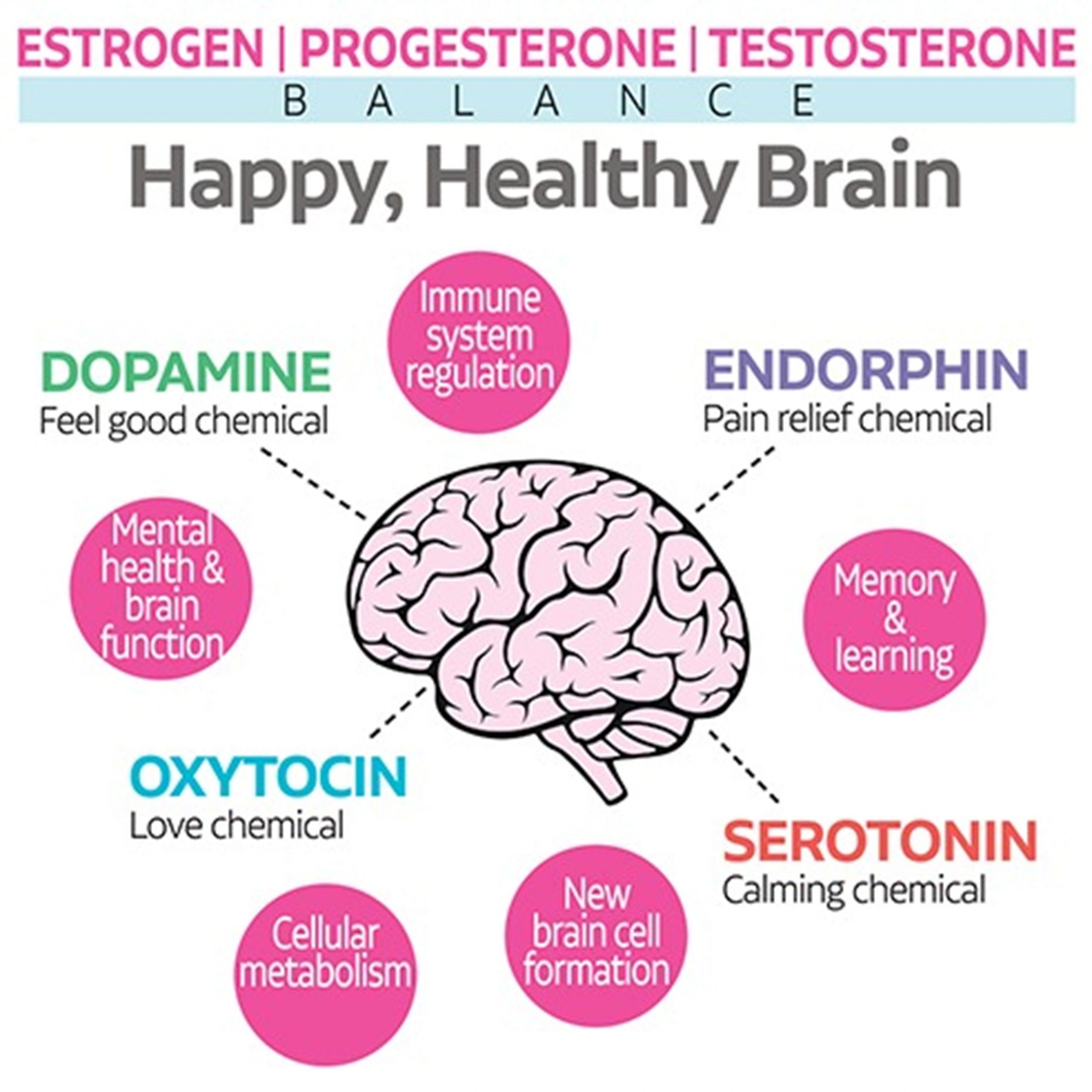
Neuroscientific researchers have identified thousands of receptors in various brain regions for testosterone, progesterone, and estrogen. These hormones manage the flow of the “feel good” biochemical messengers, including serotonin, dopamine, oxytocin, and endorphins. The neurotransmitters, or “happiness hormones,” signal every brain cell to perform its specific job.
Sex hormones regulate brain functions through neurotransmitters. (Illustration by Andrade Design, California/Andradedesign.com)
As people age, hormonal imbalances can result in cognitive disorders, neurodegenerative diseases, memory loss, mental health conditions, sleep disruption, and neurotransmitter imbalances that often lead to dementia and depression.
Think of the sex hormones like a remote-control device influencing every thought, movement, behavior, action, and emotion. If the buttons don’t operate, neither will the main screen, and the hormones go haywire. This, in turn, can deteriorate brain health and lead to Alzheimer’s (AD, especially in women as their hormone levels drop when entering menopause.
According to a 2023 Columbia University Irving Medical Center study, a woman’s risk for developing AD is one in five versus one in ten for a man. The Alzheimer’s Society reports that more than 65 percent of AD patients are women over 45.
Numerous studies dating over 30 years provide scientific proof for the role of estrogen, progesterone, and testosterone replacement therapy in preventing AD and other neurodegenerative conditions. A 2024 collaboration concluded: “Multiple lines of evidence suggest that loss of estrogens in the aging brains of both women and men may play a significant role in the cognitive decline associated with AD.”
While it’s no secret that hormones protect the brain, doubt and confusion prevail among some researchers who still question the role and use of hormones in cognitive well-being. Few identify the difference between synthetic hormones and the natural bioidentical kind, similar to those produced by the body.
Unlike pellets, pharmaceutical hormone pills, patches, creams, gels, and sublinguals result in rollercoaster surges that lack the efficacy of pellets to sustain the 24-7 support that neurotransmitters require.
Further research shows that the hormone delivery method makes all the difference, with subcutaneous pellets maintaining the optimal physiological hormone levels necessary to protect the brain from AD and other diseases.
A 2025 report in the New York Times, “Sex Hormones Are Brain Hormones. What Does This Mean for Treating Brain Diseases?” states: “A growing understanding of how reproductive hormones sculpt the brain could transform the management of neurological conditions.”
Despite all the reports and evidence, why are scientists still struggling to correlate hormones and the brain?
One visionary medical team already connected the dots over 30 years ago, pioneering a safe, effective method for body and brain health. CarolAnn Tutera, president and CEO of SottoPelle®/Tutera Medical®, co-founded the company with her late husband, Dr. Gino Tutera, a medical pioneer renowned for his groundbreaking innovations using bioidentical hormone pellets.
Backed by 87 years of scientific research and slipped under the skin, subcutaneous pellets demonstrate the greatest efficacy in penetrating the blood-brain barrier for consistent hormone distribution.
The Tuteras began using pellet therapy over a decade ago to treat patients with Parkinson’s, Alzheimer’s, and other neurodegenerative symptoms, including former NFL players with concussions.
Now, CarolAnn continues this medical legacy by collaborating with neuroscientific researchers at the Amen Clinics for a new study tracking how pellet therapy may improve brain health and prevent debilitating diseases.