Tag: Americans

  • What is CKM Syndrome? Severity, Symptoms, and Other Details About the Condition Affecting 90% of Adult Americans

    What is CKM Syndrome? Severity, Symptoms, and Other Details About the Condition Affecting 90% of Adult Americans

    Doctors in the United States are sounding the alarm as a recently recognised health condition called cardiovascular-kidney-metabolic (CKM) syndrome now affects nearly all American adults. The American Heart Association (AHA) reported in October 2025 that around 240 million adults have at least one health issue linked to CKM, including high blood pressure, diabetes, obesity, or kidney disease.

    What has shocked experts is that 88% of surveyed adults said they had never heard of CKM syndrome. Health officials fear this lack of awareness could make the condition worse nationwide.

    What is CKM Syndrome?

    CKM syndrome, short for cardiovascular-kidney-metabolic syndrome, is a medical condition describing how heart disease, kidney disease, and metabolic problems like diabetes interact. The AHA officially named the condition in October 2023 to help doctors address these illnesses as one rather than separate issues.

    Hospitals such as the Cleveland Clinic and Mass General Brigham describe CKM as a ‘full-circle disorder’ because poor function in one system can cause damage in another. This constant cycle can lead to serious long-term health decline.

    According to the AHA, damage in one area can trigger worsening conditions across all three systems, putting people at major risk for CKM.

    Is CKM Syndrome Deadly?

    CKM syndrome itself does not kill directly but raises the chance of heart attack, stroke, and heart failure — the main causes of death in the US. Johns Hopkins Medicine found that people with diabetes are up to four times more likely to develop cardiovascular disease, one of the main results of CKM.

    The AHA warns that when multiple risk factors exist together, they multiply the danger levels. Cardiologist Dr Nidhi Kumar told CBS New York that chronic illnesses tied to CKM are now among the leading causes of death and disability across the country.

    CKM Syndrome Symptoms

    CKM symptoms vary because they develop through several systems. The Cleveland Clinic lists common warning signs such as:

    • High blood pressure
    • Abnormal cholesterol levels
    • High blood sugar or insulin resistance
    • Weight gain or obesity
    • Fatigue and poor kidney function
    • Swelling of hands, feet, or face
    • Shortness of breath or chest pressure

    Doctors classify CKM in five stages, ranging from no visible risk (Stage 0) to severe, symptomatic heart disease (Stage 4).

    Who Are Most Vulnerable?

    Data from the AHA and American Kidney Fund show that older adults face the greatest risk. Black Americans and those aged 20–44 also show high vulnerability due to obesity and diabetes. Sedentary habits, poor diets, and family history increase the chance of developing CKM.

    The AHA noted that these groups face higher rates of serious illness and require early screening to prevent complications.

    Is CKM Syndrome Curable?

    CKM syndrome cannot be cured, but it can be managed or reversed with early action. The AHA said three in four adults could reverse CKM through medical care and lifestyle adjustments.

    Recommended steps include balanced meals, regular exercise, and careful monitoring of blood sugar, blood pressure, and cholesterol. Dr Sanchez urged people to check their health numbers regularly since early intervention can stop further damage.

    How To Prevent CKM Syndrome

    Experts say prevention depends on healthy daily habits. Eating more vegetables, fruits, and whole grains while cutting salt, sugar, and processed food helps protect vital organs. Regular physical activity and maintaining a healthy weight further reduce risks.

    Doctors also stress routine screenings for cholesterol, blood sugar, and kidney function. Avoiding smoking and limiting alcohol intake can ease pressure on the heart and metabolic systems.

    The AHA stated that most adults can control CKM through diet, exercise, and medical guidance — a reminder that prevention remains the strongest defence against this widespread condition.

    Originally published on IBTimes UK

    Source link

  • Vaccine Expert Warns ‘Americans Are Going to Die’ as RFK Jr. Seeks to Replace Advisers He Fired

    Vaccine Expert Warns ‘Americans Are Going to Die’ as RFK Jr. Seeks to Replace Advisers He Fired

    A senior vaccine expert at the Centers for Disease Control and Prevention (CDC) has resigned in protest, warning that Health Secretary Robert F. Kennedy Jr.‘s sweeping changes to vaccine policy and leadership are endangering public health.

    Widely respected infectious disease specialist Dr. Fiona Havers stepped down after 13 years at the CDC on Monday, citing Kennedy’s decision to fire all 17 members of the vaccine advisory panel last week. Of the eight replacements named so far, half are known to be skeptical of vaccines.

    “If it isn’t stopped, and some of this isn’t reversed, like, immediately, a lot of Americans are going to die as a result of vaccine-preventable diseases,” Havers told The New York Times in her first public remarks since resigning.

    Her departure marks the second high-profile resignation from the CDC in recent weeks, following that of Dr. Lakshmi Panagiotakopoulos, another vaccine policy leader.

    Kennedy’s purge targeted the Advisory Committee on Immunization Practices (ACIP), a key body that reviews data and helps determine national vaccine guidelines. The committee has enormous influence: its recommendations affect insurance coverage and school vaccine mandates.

    “It’s a very transparent, rigorous process, and they have just taken a sledgehammer to it in the last several weeks,” Dr. Havers said. “CDC processes are being corrupted in a way that I haven’t seen before.”

    Dr. Havers had been preparing to present new data to the committee when she tendered her resignation. “I could not be party to legitimizing this new committee,” she said. “I just no longer had confidence that the data that we were generating was going to be used objectively.”

    Dr. Yvonne Maldonado, a Stanford pediatrician fired from the committee by Kennedy, warned that losing voices like Havers further weakens the nation’s ability to respond to infectious disease threats. “It also demonstrates the chaos and lack of support our federal health agencies are currently experiencing,” Maldonado added.

    Dr. Camille Kotton, who left the ACIP last year, echoed their concerns. “It seems increasingly likely that we will not be able to trust information coming from the CDC,” she said.

    Kennedy has claimed “97%” of the ACIP had conflicts of interest, and dismissed extensive research available on vaccine safety. “Nobody has any idea what the risk profiles are on these products,” he said on Fox News last week. Despite fact checkers disputing his claims, Kennedy asserts his actions should inspire trust, not degrade it.

    “Vaccine policy decisions will be based on objective data, transparent analysis and evidence — not conflicts of interest or industry influence,” HHS spokesman Andrew Nixon said.

    While Dr. Havers says last week’s firings were “the last straw” for her, she commended those who continue to serve. “I have utmost respect for my colleagues at CDC who stay and continue to try and limit the damage from the inside,” she said.

    Originally published on Latin Times

    Source link

  • GOP Senator Ridiculed for Insisting Americans ‘Transitioning From Medicaid’ Will Get Insurance From Employers: ‘Do Employers Know?’

    GOP Senator Ridiculed for Insisting Americans ‘Transitioning From Medicaid’ Will Get Insurance From Employers: ‘Do Employers Know?’

    A Republican Senator is being ridiculed online for stating that the millions of people that will be removed from Medicaid if President Donald Trump’s “one big, beautiful bill” passes will then transition to employer-provided healthcare.

    Oklahoma Senator James Lankford appeared on CNBC’s ‘Squawk Box’ in conversation with host Rebecca Quick on Thursday, where he discussed the potential impacts of the Trump-back GOP spending bill.

    “People are screaming and saying, ‘It’s kicking people off Medicaid.’ It’s not kicking people off Medicaid. It’s transitioning from Medicaid to employer-provided healthcare. So yes, we’ve got 10 million people that are not gonna be on Medicaid, but they then are gonna be on employer-provided healthcare,” said Lankford.


    Social media users reacted incredulously, mocking Lankford for assuming that millions of people would immediately have access to employer provided healthcare options.

    “Do the employers who don’t provide health insurance know??” said one user.


    “Except when your minimum wage job has no healthcare,” said another.


    “So it’s kicking people off medicaid,” wrote a third.


    “That’s IF the employer provides healthcare that is affordable! These are working poor who live paycheck to paycheck and have little left to afford healthcare!” concurred a fourth.


    Lankford, who is a member of the Finance Committee, met with Trump to discuss the tax and spending bill on Wednesday. He continued to outline what exactly legislators discussed with Trump in the meeting.

    “About a two hour conversation about what’s happening on taxes, what are agreements going to be, what direction we’re going to try and take. It was broad in many areas. The House has already passed their piece, the Senate has got to pass our piece then that’s going to line up with the House and the President has got to sign. It’s very important that we align all three right now, so it was a coordination meeting yesterday quite frankly,” said Lankford.

    Originally published on Latin Times


    Source link

  • Colorectal Cancer Before 50 Linked To Common, Often-Missed Condition Affecting Millions Of Americans

    Colorectal Cancer Before 50 Linked To Common, Often-Missed Condition Affecting Millions Of Americans

    Colorectal cancer cases are spiking, especially among younger adults, leaving scientists racing to uncover the hidden culprits behind this troubling trend. While poor diets, sedentary lifestyles, and environmental factors have long been in the spotlight, a new study reveals a surprising contributor, a condition that is both widespread and frequently missed.

    Researchers have identified a striking link between non-alcoholic fatty liver disease (NAFLD), a silent condition that affects an estimated one in four people globally and millions of Americans, and a significantly increased risk of early-onset colorectal cancer (diagnosed before the age of 50). Despite its prevalence, NAFLD often goes undetected in routine medical care and progresses without obvious symptoms.

    To understand the link between NAFLD and early-onset colorectal cancer, researchers conducted a large-scale, population-based cohort study using data from the Korean National Health Insurance Service involving over 4.6 million adults.

    The participants were between the ages of 20 and 49 who underwent routine health checkups in 2009, with health outcomes tracked through 2019. NAFLD was identified using a validated measure known as the Fatty Liver Index (FLI), with scores of 60 or higher indicating the presence of NAFLD.

    Participants were then grouped based on their FLI scores: those with NAFLD (FLI ≥ 60), borderline NAFLD (FLI between 30 and 59), and no NAFLD (FLI

    Researchers noted that individuals with NAFLD had a 24% higher risk of developing early-onset colorectal cancer compared to those without fatty liver, while those in the borderline NAFLD category had a 12% increased risk.

    Interestingly, the study also found a dose–response relationship between the severity of fatty liver and cancer risk in cancers, in those located in the left colon and rectum. The association was particularly strong among males, younger individuals aged 20–29, and those without diabetes, highlighting the need for targeted early screening and liver health monitoring in these higher-risk populations.

    “These findings highlight the need for multifaceted preventive strategies, including lifestyle interventions and expanded screening for younger populations with NAFLD,” the researchers wrote in the study published in the journal Clinical Gastroenterology and Hepatology.

    Source link

  • Dr Oz Mocked for Insisting It’s Americans’ ‘Patriotic Duty’ to Stay Healthy: ‘Cutting Medicare is Unpatriotic’

    Dr Oz Mocked for Insisting It’s Americans’ ‘Patriotic Duty’ to Stay Healthy: ‘Cutting Medicare is Unpatriotic’

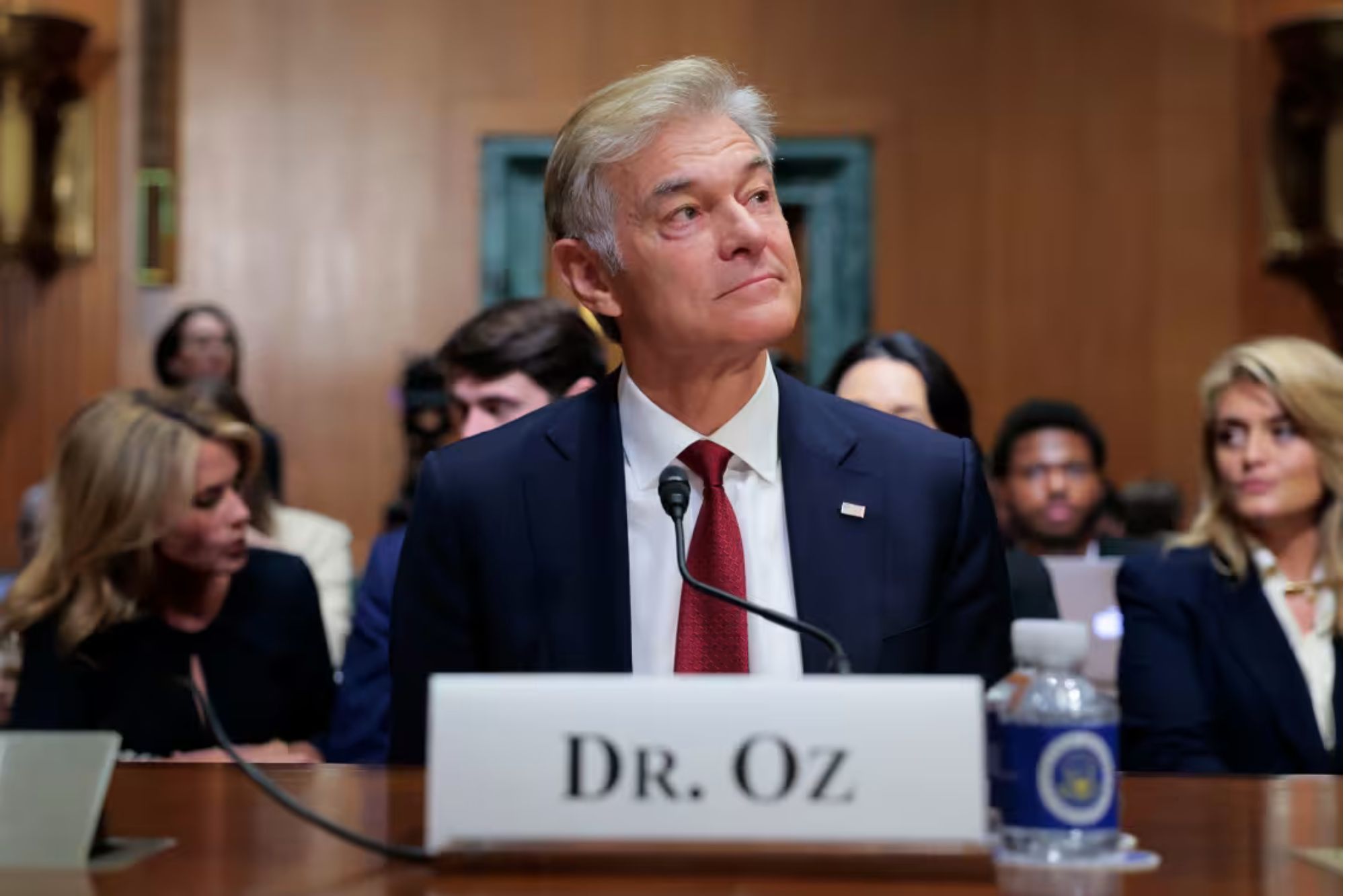
    Dr. Mehmet Oz believes it is the “patriotic duty” of Americans to stay healthy, but hearing the assertion from the head of Medicare and Medicaid, which are currently facing potential cuts, did not inspire patriotism in all Americans.

    “Seventy percent of the money we spend is on chronic illness, and we’re not getting our money’s worth,” Oz said Fox News Thursday. “So for folks listening right now, it’s your patriotic duty to be as healthy as you can.”


    Critics bristled to the comment, accusing Oz of blaming patients for illness while ignoring health determinants like affordability, access and socioeconomic barriers.

    “Then make health care affordable and reinstate not having medical debt affect credit scores,” one user replied.

    Others pointed to recent GOP-led policies—such as proposed cuts to Medicare and Medicaid and tariffs on prescription drugs—as counterproductive and hypocritical. “Cutting Medicare, Medicaid, and putting tariffs on prescription drugs hardly makes us healthier,” wrote one. “In fact, I would say that is unpatriotic.”


    Some pushed back against the idea that individuals should carry patriotic responsibility for chronic or congenital illness. “Cancer doesn’t care if you’re healthy or not,” one post read, while another sarcastically added, “I guess I just chose Type 1 diabetes when I was young—what an unAmerican a**hole I am.”

    Healthcare advocates and progressives also took issue with the lack of systemic solutions. “Then why don’t we have universal healthcare, you know, so we can all fulfill our patriotic duty?” a user asked.

    Many resented the statement’s framing, even if they agreed with his message. “Being healthy is important, but calling it a ‘patriotic duty’ is just a convenient way to shame people while ignoring the systemic healthcare issues that make wellness inaccessible for many,” read another comment.


    Oz made similar comments when he was sworn in last month, going on to suggest that Americans should save money on drugs by staying healthy.

    Originally published on Latin Times


    Source link

  • Starting A New Diet For 2025? Nearly Half Of Americans Make It Their New Year’s Resolution

    Starting A New Diet For 2025? Nearly Half Of Americans Make It Their New Year’s Resolution

    It’s already the first week of the New Year, and many of us are kicking off our resolutions. Was starting a new diet, one of yours for 2025? If so, you’re not alone— nearly half of U.S. adults have made it their top New Year’s resolution, according to a recent survey.

    The survey conducted by the Physicians Committee for Responsible Medicine/Morning Consult revealed that 46% of U.S. adults plan to start a new diet for the New Year. Among those adopting a new diet, 40% aim to reduce calories, while 26% are opting for low-carbohydrate diets such as keto, Atkins, or South Beach.

    Although studies have highlighted the benefits of plant-based diets for weight loss, disease prevention, and environmental protection, the survey reveals that only 7% of respondents plan to switch to a plant-based or vegan diet, with another 7% choosing a vegetarian diet.

    “Counting calories can be time-consuming and create a negative relationship with food for some people. And low-carbohydrate diets come with a range of side effects. Research has shown that plant-based diets are effective for weight loss without purposefully restricting or counting calories. This is because plants tend to be naturally lower in calorie density and higher in fiber, which promotes a feeling of fullness,” said Roxanne Becker with the Physicians Committee in a news release.

    Several studies support plant-based diets as an effective tool for weight loss. In the 2017 BROAD Study, overweight or obese participants in New Zealand lost an average of 26.6 pounds and saw significant reductions in body mass index after six months on a whole food, plant-based diet. The results were largely sustained after one year. In the 2013 GEICO study, overweight employees with type 2 diabetes who followed a low-fat vegan diet for 18 weeks lost an average of 9.5 pounds, lowered cholesterol levels, and improved blood sugar control. Similarly, a 2018 study showed that overweight individuals on a plant-based diet for 16 weeks lost an average of 14.3 pounds, while those in a control group saw no significant change.

    According to Becker, a plant-based diet is not just effective for weight loss, but it also reduces the risk of obesity-related diseases such as heart disease, hypertension, high cholesterol, and certain cancers. It can save money and is better for the environment. So why, then, are so few people planning to try a plant-based diet? “It could be that they don’t know where to start,” Becker suggested.

    Source link

  • Americans Share Devastating Healthcare Horror Stories in Wake of UnitedHealthcare CEO Assassination

    Americans Share Devastating Healthcare Horror Stories in Wake of UnitedHealthcare CEO Assassination

    Users have taken to social media platforms such as Reddit and X to share horror stories relating to UnitedHealthcare, including situations in which people were left with massive bills or even denied care.

    One user took to Reddit to share how one of their patients was denied neurosurgery for chronic migraines.

    “Just had a letter sent denying my patient who has chronic migraines from an enlarging meningioma + neuritis. They asked me to monitor for expansion. It’s literally expanding you f—ing piece of dog sh-t… it has nothing to do with the fact that they are 64 and will be Medicare’s problem next year, right?” wrote the user.

    The user continued to talk about how they agreed to perform the surgery on their patient for free, and got a free anesthesia service for them as well.

    Another user on Reddit shared a story of how they were charged $275,000 for the death of their mother after her insurance was denied for no coverage posthumously.

    “I got an early Christmas gift from the hospital where my mom passed 10 months ago. She aspirated while in the hospital for cancer treatment, they did CPR – no pulse and called to tell me she passed, she came back for a few hours but was unconscious of course, then passed again. (Fun fact – she had a DNR. They missed it.)” wrote the user.

    “Since they sat on submitting it to her insurance, it was denied for no coverage…. because she was now deceased. Makes sense,” they continued. “So I got this nice little bill. Called the billing department to tell them to shove it. They ask if I want to pay the balance today. Then they tell me ‘we’ll’ go to collections if not.”

    Many of these instances and stories have resulted in users ridiculing the late CEO and celebrating his death after they or a close loved one was negatively impacted by their UHC insurance.

    Such ridicule made its way to the replies of a post made by Thompson on LinkedIn.

    “We work every day to find ways to make #healthcare more affordable, including reducing the cost of life-saving prescription drugs,” Thompson wrote.

    One user responded to Thompson’s post with a personal experience of his own relating to UHC.

    “Hey Brian. I just spent an hour on the phone battling to get information for my wife with stage 4 cancer. She’s a 45-year-old mother of 4 with an abnormal EGFR gene. I’d love to share my experience with you,” he wrote.

    “This message is an example of hypocrisy at its finest. You are denying claims for people who need it,” wrote another user.


    Another user chimed in to share how they were charged $20,000 for care as their wife’s pregnancy progressed. They talked about how their employer switched them over to UHC when their wife was already eight months pregnant.

    “Just after our baby was born (mid Jan), we filed for reimbursement. To our shock, UHC denied our claim, initially alleging we had failed to notify them. Determined to resolve the issue, we provided evidence of our communication with their representatives, and stating the fact that we got the form posted from UHC to our address. After much back and forth, UHC admitted they were notified but then claimed they never received the form(We posted it back via USPS),” they wrote.

    “We turned to the Department of Managed Health Care (DMHC) for help, hoping for a fair resolution. Sadly, they sided with UHC, stating there was no ‘proof’ of their agreement. Left without options, we faced a $20,000 bill, which went to collections,” they continued.

    One X user shared how UHC denied hip replacement procedures as “pre-existing conditions’, pointing out how this was in violation of the law.

    “So now, @UHC is just blatantly breaking the law by denying a hip replacement as a ‘pre-existing condition.’ He was never seen for his hip prior to seeing me and never diagnosed with arthritis so they just lied. Appeal filed and also denied. This has to stop,” they wrote.


    One woman shared the outrageous cost of her son’s life saving medication even with insurance.

    “My 9 year old son needs a medication that even when approved will cost us $9800 a month. I don’t know whether it’s the insurance company’s or the pharma company’s fault, but either way what am I supposed to do as a parent for a medically necessary medication?” she wrote.


    Another X user shared the story of how his son with cerebral palsy was denied a wheelchair to assist with mobility as UHC determined that the additional features that the user requested for the wheelchair were unnecessary.

    “TBT to when@UHC#UnitedHealthcare repeatedly denied my son’s wheelchair,” they wrote.


    Many users shared stories where medical supplies or procedures were denied for patients undergoing palliative care. One such story includes a patient with ALS who was denied a saline nebulizer solution.

    “Had UHC refuse the saline nebulizer solution I ordered for an ALS patient on palliative care. Had to waste 45 minutes both with an online form then a call to get it approved so the poor patient could thin their secretions enough to help them suction… it would have cost under twenty dollars for the thirty saline neb vials I ordered,” shared a Reddit user.

    Horror stories of unaffordable and poor healthcare continue to flood social media in the wake of the UnitedHealthcare CEO’s death.

    Originally published by Latin Times.


    Source link

  • Dietary Guidelines for Americans 2020 released – The Nutrition Source

    The 9th edition of the Dietary Guidelines for Americans 2020-2025 is out, with the tagline to Make Every Bite Count. Intended for policy makers, healthcare providers, nutrition educators, and Federal nutrition program operators, the new edition has expanded to almost 150 pages, providing nutrition guidelines for even more age groups throughout the life cycle. As in the previous edition, the Dietary Guidelines emphasize dietary patterns rather than promoting specific nutrients or foods. This allows for greater flexibility in food choices, as health benefits are achieved by consuming a wide variety of nutrient-dense foods across different food categories, rather than a few “superfoods.” In addition, the Dietary Guidelines again emphasize how nutrition educators need to be aware that food choices are strongly impacted by age, race, cultural traditions, environment, food access, budget, and personal beliefs and preferences. [1]

    Highlights from the Guidelines

    What’s new:

    • Recommended dietary patterns for infants and toddlers (birth to 23 months).
    • Food allergy prevention in infants; for example, the guidelines recommend introducing peanut-containing foods as early as 4-6 months in infants at high risk for peanut allergy, to lower the risk of developing a peanut allergy.
    • An expanded comprehensive section on healthy dietary patterns and food safety during pregnancy and lactation, and recommendations for breast feeding.
    • New sections on overweight and obesity in children and pregnant women.
    • Addressing health problems stemming from obesity-related stigma and discrimination.
    • More user-friendly graphics, such as how to modify meals to be higher in nutrients while controlling calories, sugar, and sodium; sample menus; and interpreting the Nutrition Facts label.

    The key players in the “Healthy U.S.-Style Dietary Pattern” remain unchanged from the previous edition of the Guidelines:

    • Vegetables of all types—dark green; red and orange; beans, peas, and lentils; starchy; and other vegetables
    • Fruits, especially whole fruit
    • Grains, at least half of which are whole grain
    • Dairy, including fat-free or low-fat milk, yogurt, and cheese, and/or lactose-free versions and fortified soy beverages and yogurt as alternatives
    • Protein foods, including lean meats, poultry, and eggs; seafood; beans, peas, and lentils; and nuts, seeds, and soy products
    • Oils, including vegetable oils and oils in food, such as seafood and nuts

    Dietary components to limit:

    The guidelines carry over the same limits for saturated fat, added sugars, and sodium, but this time include a specific age range:

    • For added sugars, the limit is 10% or less of total calories starting at age 2. For context, drinking even one 20-ounce bottle of soda would exceed this recommended 10% limit. A new advisory suggests that infants and toddlers younger than 2 years avoid all foods and beverages containing added sugars.
    • For saturated fat, the limit is less than 10% of total calories starting at age 2.
    • For sodium, the limit is less than 2,300 milligrams daily for older teenagers and adults, and less for children younger than age 14 (1,200 mg/day for ages 1-3; 1,500 mg/day for ages 4-8; and 1,800 mg/day for ages 9-13).
    • Although the recommended amounts for alcohol have not changed, the messaging is subtly different, placing an emphasis on limiting drinks rather than drinking in moderation. The prior edition suggested up to two drinks daily for men and one drink for women. The new guidelines emphasize a limit of two drinks or less for men and 1 drink or less for women, followed by a statement that drinking less is better for health than drinking more.

    Where the Guidelines fall short

    While the Guidelines include dietary patterns that remain examples of healthy diets (“Healthy Mediterranean-Style Pattern,” and “Healthy Vegetarian Pattern”), the dietary targets for the “Healthy U.S.-Style Pattern” emphasize a diet relatively high in meat, eggs, and dairy foods. Dr. Walter Willett, Professor of Epidemiology and Nutrition in the Department of Nutrition at Harvard T.H. Chan School of Public Health said this about the new Guidelines:

    In general, there was minimal change from the last edition of the Guidelines, which did include many positive suggestions. However, guidance that considers scientific evidence on specific protein sources and health, and also the environmental consequences of dietary patterns, is needed to provide Americans with advice and policies for healthy and sustainable diets. The current Dietary Guidelines fail to do this.

    Like the previous edition, the Guidelines are silent on the environmental impacts of their dietary targets, which other analyses show would have serious impacts on climate change and other environmental footprints because of the relatively large amounts of meat and dairy foods recommended. [2] Along with varying impacts on human health, different foods also have differing impacts on the environment. The production of animal-based foods tends to have higher greenhouse gas emissions than plant-based foods—and red meat (especially beef) and dairy stand out for their disproportionate impact.

    Willett points out that the Guidelines’ continued dairy recommendation of 3 servings per day has never been justified by evidence for health outcomes, and the guidance for low-fat and fat-free dairy products doesn’t detail a plan for disposal of the fat naturally present in milk:

    Because the disposal of dairy fat would be hugely wasteful, it would almost certainly remain in the food supply, which makes this recommendation somewhat of a fantasy. The report does appropriately mention that soy milk is an alternative to cow milk, but to avoid the large greenhouse gas emissions associated with dairy food consumption at three servings per day, the majority of milk and dairy foods would need to be plant-based.

    Similarly, the Guidelines also recommend lean meats, but don’t discuss the fate of cuts of meat that are not lean. Willett says that realistically, they would almost certainly be consumed, “probably as cheap cuts and processed meats, especially by low-income groups who already experience excess rates of obesity and diabetes.”

    It’s notable that the overall protein recommendation leads with “lean meats,” which could be interpreted by consumers as including “lean” or “low-fat” cuts of bacon or other processed meats. Although further guidance clarifies that “most intake of meats and poultry should be from fresh, frozen, or canned, and in lean forms (e.g., chicken breast or ground turkey) versus processed meats (e.g., hot dogs, sausages, ham, luncheon meats),” [1] this statement is buried within the chapters of the guidelines, rather than emphasized within the summarized protein recommendation. This is a particularly important distinction, since consuming healthy protein sources like beans, nuts, fish, or poultry in place of red meat and processed meat can lower the risk of several diseases and premature death.

    Source link