Tag: Aging

  • Scientists Develop Nasal Spray That May Help Reverse Brain Aging

    Scientists Develop Nasal Spray That May Help Reverse Brain Aging

    Source: Science Daily

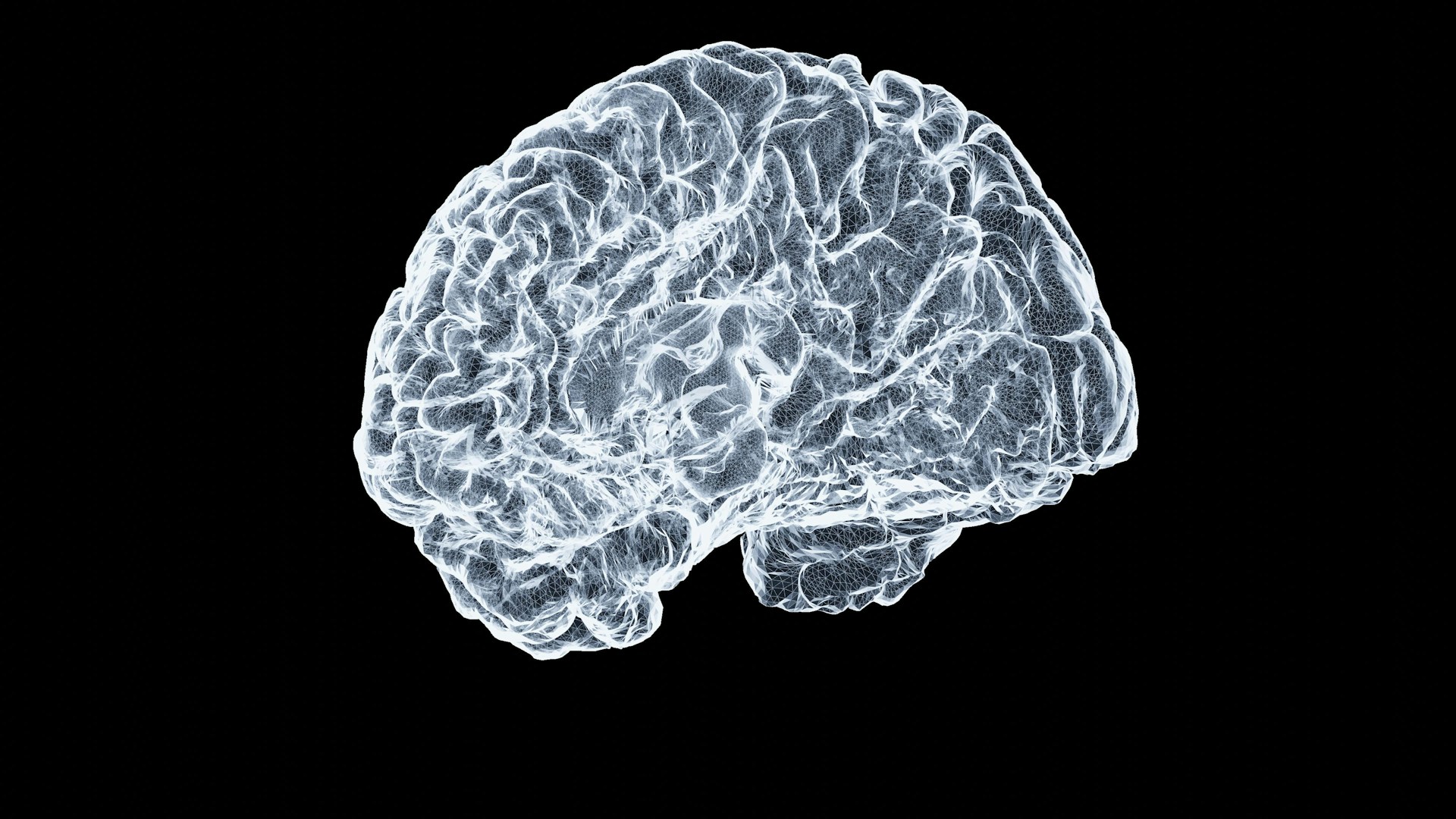
    Sometimes, the simplest approach may be the most effective. Scientists at Texas A&M University have developed an experimental nasal spray that could one day help reverse brain aging and restore memory. The promising research is raising hopes for future treatments targeting dementia and age-related cognitive decline.

    The study found that the nasal therapy produced significant and long-lasting effects after just two doses. According to the researchers, the treatment showed highly promising results in brain activity, including reduced inflammation in the brain, improved memory performance, and restored cellular energy systems associated with aging.

    The nasal therapy works by delivering microscopic particles known as extracellular vesicles through the nostrils and into the sinuses. This approach allows the particles to bypass the brain’s protective barrier and travel directly into brain tissue. The spray contains microRNAs—tiny molecules designed by scientists to help regulate genes and cellular activity. These particles specifically target chronic brain inflammation, a condition long associated with aging, dementia, and neurodegenerative disease.

    To provide background on persistent low-grade brain inflammation associated with aging, often referred to as neuroinflammaging, it is an inflammatory process within the brain and spinal cord, primarily driven by immune cells such as microglia and astrocytes. Over time, this process may gradually impair memory, learning, and cognitive flexibility.

    The nasal spray appears to work by reducing and suppressing inflammatory pathways linked to this process while also reviving mitochondrial activity—the energy-producing systems inside cells that tend to weaken with age.

    Beyond reducing neuroinflammaging, researchers said the treatment helped brain cells regain their “spark.” This effect was achieved by lowering oxidative stress and restoring energy production. Behavioral testing also showed significant improvements in memory and object recognition tasks compared with untreated subjects.

    The findings, published in the Journal of Extracellular Vesicles, add to growing scientific interest in whether certain aspects of aging can be slowed—or even partially reversed—at the cellular level. Other recent studies have explored ways to target aging-related inflammation, senescent cells, and metabolic dysfunction to improve long-term brain health.

    Researchers believe the approach could eventually have applications beyond normal aging, including conditions such as Alzheimer’s disease, stroke recovery, and other disorders linked to cognitive decline. They also noted that the therapy produced similar effects across both sexes, something that remains relatively uncommon in biomedical research.

    Humankind has long sought ways to reverse aging, both of the mind and the brain. With the development of this nasal spray therapy—and, hopefully, with more in-depth research, further findings, and additional testing—researchers may have taken a step toward addressing this long-standing challenge. While aging has long been considered unavoidable, this medical breakthrough presents an intriguing possibility: brain aging may not be as irreversible as once believed.

    Source link

  • Is Aging Gracefully the New Anti-Aging? Brandon Hyatt on Science-Backed Aesthetics for Preventive Healthcare

    Is Aging Gracefully the New Anti-Aging? Brandon Hyatt on Science-Backed Aesthetics for Preventive Healthcare

    The human body has often been perceived as a canvas, and for many years, humans have modified, adorned, and cared for it as an act of identity and intention. Today, that same attention, which was occasionally deemed as vanity, has become an extension of preventive healthcare, embraced under the label of aesthetic and regenerative medicine.

    Brandon Christopher Hyatt, BSN, RN, LHP, founder of The Wellness Lab, has spent his career serving that precise conviction. A former critical care nurse turned advanced aesthetic practitioner, Hyatt challenges industry convention from the ground up, his foundational premise being that the goal of any intervention should never be to override the body’s biology, but to reinforce it.

    Brandon Christopher Hyatt, BSN, RN, LHP, Founder of The Wellness Lab

    “My goal is enhancing your own natural beauty rather than changing who you are,” Hyatt says. “In my view, aesthetics and wellness are intertwined; it’s not just about looking good, it’s about feeling good as well.”

    The numbers validate his orientation. The global aesthetics market is projected to exceed $191 billion by 2032, yet Hyatt argues that the segments leading that growth aren’t cosmetic surgery or injectables, but regenerative and cellular wellness. This belief informs Hyatt’s clinical philosophy at The Wellness Lab, where treatments expand into NAD+ therapy, platelet-rich plasma, stem cell treatments, exosomes, and peptide therapy.

    Hyatt believes this shift signals that consumers are no longer purchasing aesthetic services solely to change how they look. They are investing in how they thrive, and that drives how he approaches regenerative medicine in itself. His focus is centered around enhancing physiological efficiency so that visible outcomes reflect internal health.

    Collagen and elastin regeneration, fibroblast activation, and improved cellular communication form the foundation of what he refers to as reinforcing the skin’s structural matrix. “Doing treatments that reinforce that matrix will allow you to need less Botox, less filler, less of those services, but also give you more healthy, youthful-looking skin at the same time,” he says

    Misconceptions surrounding aesthetic medicine remain a consistent theme in Hyatt’s perspective. He observes that the rapid expansion of injectable treatments, particularly Botox and dermal fillers, has contributed to a saturation of minimally trained providers entering the space. He says, “The industry got flooded with people wanting to capitalize on beauty and Botox and filler.” The consequence, in his view, has been a normalization of overcorrection, where aesthetic outcomes can sometimes detach from natural facial harmony.

    Hyatt’s process begins beneath the skin. Instead of defaulting to dermal fillers or neuromodulators as primary interventions, he seeks to assess clients at a biological level, evaluating internal health markers before recommending any treatment pathway.

    “I treat clients more at a cellular level, which enhances the longevity of their aesthetic goals,” he says. “Through treatments like NAD+ and PRP, things that can build collagen and elastin, you’re actually treating aging concerns at a cellular level rather than applying superficial band-aid fixes.”

    His background in life coaching informs this methodology, particularly in the emphasis on education and trust. “I’m not here to sell people, I’m here to advise,” he states, reinforcing a clinical stance that prioritizes informed decision-making over procedural volume.

    Among the modalities Hyatt champions, peptide therapy, he believes, has emerged as particularly transformative. With its ability to stimulate collagen synthesis, inhibit inflammation, and accelerate tissue regeneration, he frames peptides as an enabler, allowing the body to work at its optimal state without the suppressive effects associated with more invasive or exogenous interventions.

    This regenerative model extends into how care plans are structured. Hyatt advocates for incorporating cellular therapies alongside daily lifestyle foundations, assessing budget, goals, and timeline with each client. “Anti-aging is not a real thing,” he states. “We don’t anti-age. But we can age gracefully, taking care of our body inside and out with nutrition, sleep, and science to support health and wellness.”

    He believes clients should begin engaging with aesthetic care as soon as they reach adulthood, even through foundational interventions such as skincare, medical-grade facials, microneedling, or early peptide support. “Just as individuals maintain dental health through routine care, aesthetic health should also be maintained through consistent biological upkeep,” he says.

    Hyatt also underscores that immediate results, while often desired, are only one part of a broader clinical equation. He explains that his role involves balancing short-term aesthetic improvements with long-term tissue health. In practice, this means combining modalities that deliver visible results with therapies that strengthen underlying skin architecture, reducing dependency on repetitive filler-based correction over time.

    Aesthetic clinics are evolving, and Hyatt believes those that will define the next decade will look more like integrative health ecosystems. He sees the model taking shape at The Wellness Lab as a preview of that trajectory, a practice where cellular health, regenerative science, cosmetic outcomes, and personal empowerment exist within a single clinical philosophy. Critically, he insists that philosophy must be designed to include everyone.

    “We all want to look and feel our best,” he says. “I don’t want to exclude people. Whether you’re a plumber or a professional, this is for you, it’s about looking good and feeling good, for you.” The practitioners leading this movement, Hyatt adds, are offering something unparalleled, grounded and valuable: the science to age on one’s own terms.

    Source link

  • 5 Lessons on Vanity: An Invitation to Awareness and Letting Go

    5 Lessons on Vanity: An Invitation to Awareness and Letting Go

    I was once considered beautiful. Perhaps, by some, I still am.

    At fourteen years old, I took a modeling course with two of my girlfriends. The ultimate in turning the body into an object to be adored. After three weeks of learning how to walk, sashay, and twirl, we sat down to paint our faces. The palate consisted of endless brushes and shadows—pinks, browns, golds, and glimmering sparkles. 

    Now, I think of it as war paint. We were being trained in the art of disguise, heightening our beauty, to use sexuality as an enticing weapon, and as a means of power. But at the time, it was playing dress up, like a six-year-old getting into mum’s make up and smearing it all over her face, making garish designs that can look cute on children. I didn’t understand the implications. 

    As part of this evolution, thin eyebrows were a necessary part of the mask: pull out all those unsightly and unwanted hairs to create a narrow arch of both surprise and slight disdain, to disarm with a slight tilt of the head, gazing upward and flirtatious.

    One of the instructors, Mary-Anne, was moon-faced, large lipped, and fish-eyed, with long lashes. She came at me with relish, gleeful, saying, “I’ve been waiting for weeks to get at you.” 

    As she carefully tugged out each hair my eye muscles contracted into an excruciating spasm. The tears poured out of my tortured left eye while I endured this in the pursuit of iconic beauty. 

    Lesson One: Vanity Is Costly and Finite

    This was the first indication, although I didn’t get the message, that vanity has a price. 

    This attachment to the body, the idealizing of our skin bag, ultimately comes at great cost. 

    Women so often are defined by, and get their power from, physical characteristics that have a built-in expiry date. But at fourteen we can’t fully know this. It is impossible to feel what will become inevitable; we understand it as happening  to others but not to us. 

    Smiling, she handed me a mirror. I looked and saw that I was a little more hidden—that what I thought of as me, was not really me. 

    So, I sat very still, passive, while my eye cried, fascinated that this eye had a mind of its own. Finally, the teacher finished. She examined her creation and was proud. Smiling, she handed me a mirror. I looked and saw that I was a little more hidden—that what I thought of as me, was not really me. 

    Lesson Two: Desire Leads to Suffering

    When I was fifteen, Judy Welch, a diva of the modelling scene, and the owner of an agency, entered me in the Miss Chin Bikini contest that took place annually on Centre Island in Toronto. 

    We were twenty-two heads of cattle going up for the beauty auction. While uncomfortable, I was still too young to know what I was feeling. I still didn’t fully realize that we were up for scrutiny and judgment. Each of us was an object of comparison, to see who would be most valued. 

    It was 1971, and I wore a white crocheted bikini with daisy-like nipple coverings and brown platform strappy sandals. The contestants lined up before the judges in a back room behind the stage. We were twenty-two heads of cattle going up for the beauty auction. While uncomfortable, I was still too young to know what I was feeling. I still didn’t fully realize that we were up for scrutiny and judgment. Each of us was an object of comparison, to see who would be most valued in this competition of the female form. 

    Following this inspection, we swished along the runway in that contrived, lithe and pseudo-sexual manner to catcalls and Italian exclamations, and it was finally dawning on me that I am an object. It felt a little dangerous. I came in third place. Not the most beautiful, but still in the running. I won a bottle of Baby Duck that I was too young to drink, and my picture was in the Toronto Sun showing me walking, ash blonde hair, sharp jawed, bikini clad. I was a success.

    Obscene breathy phone calls followed this win, until they stopped. Some version of me was wanted. I was repulsed and afraid, but clearly also wishing to be seen. It was confusing to do what was being asked of me  and then putting myself at risk. 

    Thankfully, even then, the news was short-lived. Everything passes. This was the second lesson on vanity: As we attach, so do others, and this grasping is problematic. 

    Lesson Three: The Need for an Inner Life

    The third lesson came when I went to see a photographer to create my modelling portfolio. 

    Every model needs a book of photos to display her various looks to potential employers. These are her wares.

    Derek told me to go into the bathroom and ice my nipples and then put my tight black, ribbed cardigan back on. He directed me to partially undo my sweater. Dutifully, I complied. Already, I knew to do what men tell me. I was fifteen years old. The photographic image conveyed something unrecognizably coquettish in black and white: long hair, head tilted and mouth in a pouty kiss. 

    I see now how quickly we get lost in the appearance of things, hooked by the illusion of sex for sale, reinforcing the manufactured desire of the viewer. 

    It became important to cultivate an internal life so that when I ultimately arrived at the invisibility of middle age and beyond, there would be something more than the loss seen in the mirror. But this was a slow and painful learning.     

    My very brief modeling career soon ended after that experience. I didn’t have what it took to pretend in this way, to completely buy into the dream. 

    I realized early that my moment as a focus of male attention, and the power this gave, was time limited. It became important to cultivate an internal life so that when I ultimately arrived at the invisibility of middle age and beyond, there would be something more than the loss seen in the mirror. But this was a slow and painful learning.      

    At 28 and 34 years old I was pregnant, becoming a woman of substance, gaining 65 and 45 pounds respectively. I stopped traffic in the street when crossing, because I believed I was indestructible. 

    It was a fascinating time. My body was not mine. It did what it wanted and there was freedom in this choicelessness. The body was morphing while these creatures grew inside. I was a temporary accommodation for them. We were symbiotic while they were both inside and out, until they started running away. 

    Mindfulness and parenting are wonderful ways to develop an inner life. You come to know your experience inside and out.

    Lesson Four: Learn to Let Go

    Motherhood is a continual process of letting go. It is unfortunate that I didn’t let go of my attachment to my body and its changing appearance when I had that first opportunity. 

    Varicosities abounded as a result of pregnancy. I had one long, wriggling and twisting vein that traversed my lower leg removed for an obscene price. 

    In my forties, I started running long and fast away from the Grim Reaper, following my husband who is five years younger than I am, trying to hang on to a youth that was already gone. 

    I ran four marathons, culminating in Boston in a 90-degree Fahrenheit heat wave. I finished. So many do not. I have perseverance and pacing. I managed to develop a bleeding gut, from dehydration, and a bacteria called campylobacter picked up a month before in Guatemala. It turned my body into a vomiting, excretive, bloody mess. When this healed, I got pelvic cramping whenever I ran more than five kilometers.    

    Many years have been devoted to the mirror. I sometimes now think of hanging a black cloth over it so I can stop the compulsion to look and mourn the loss of my good looks. 

    I asked an esthetician friend of mine what she thinks are the best anti-aging products or techniques. She says, “Honey, hold back the hands of time and stop them before they start moving.” 

    Every day I examine myself through the looking glass and take in each tiny detail—the fine lines around the mouth, the darkening under the eyes, the fat herniation in my eye lids, and the gentle sagging of the jaw. 

    I asked an esthetician friend of mine what she thinks are the best anti-aging products or techniques. She says, “Honey, hold back the hands of time and stop them before they start moving.” 

    We could also consider accepting the inevitable. Just let go of hanging on to what is already gone. But we revere our youth and beauty, as do others, for so many reasons. If females need protection, it is much more likely we will get it if we are young, gorgeous, and reproductively viable. We can avoid presenting the reality of sickness, aging and death that we desperately want to ignore. Our culture, unlike some, hates aging and the aged. They are a frightening reminder of our end. We push away what we don’t like. We behave in defiance, avoiding the unavoidable truth: that we are mortal. 

    We push away what we don’t like. We behave in defiance, avoiding the unavoidable truth: that we are mortal. 

    I note every wrinkle that has begun to engrave its way into my face and see the effects of gravity over time. I see the development of the estrogen pouch as my waistline thickens. The varicosities increase, and my skin thins. Sunspots creep over my hands. Red dots pop up on my chest and belly. Thank medicine for liquid nitrogen. We can burn a lot away. Hairs sprout from my face.

    I make a pact with my friend that she will pull those hairs out of my chin if I am dying in a hospital bed. Why stop then? I see my nails thicken, skin dry, my hair grey, my libido decline. 

    Lesson Five: Acceptance Is More Helpful Than Resistance 

    I look good for my age. In that sentence there is the gripping on to that which is passing before my eyes, the need to look makes me feel good. I never tell people to guess my age. What if they are right? 

    Unable to let go, I hang on with hair colour, tweezing, exercise, vitamins, estrogen, testosterone, vein removal, facials, botox, and filler. I am careful not to cross the line into looking freakish. No duck lips or chipmunk cheeks for me. I want to look natural. To pretend on top of pretending. 

    A lack of willingness to embrace the impermanence and decline of the body is an expensive practice. Acceptance would be far more skillful than resistance, and this absurd continuous re-modelling of an aging bag. I am still chained to this body and an idea of who I think I am or who I think I should be. 

    What is acceptance if not resignation? I don’t understand it is not a battle.

    Three of my friends are turning fifty. I have three gifts for them. A care kit for the future. These are: a magnifying mirror, Nora Ephron’s I Feel Bad About My Neck, and Larry Rosenberg’s Breath by Breath

    The mirror is such an interesting companion on this journey, and avoidance of its reflection is as much an act of hanging on to your view of self as is the gazing at and manipulation of your image. It can also prevent eye trickery if one can see clearly. The books have two functions. One is for lightening attachment to the body with humour, and the other is an instruction for working with the truth that change can be a friend, rather than the enemy. 

    I have understood this lesson in acceptance, but there is still the looking glass, and I remain bound to its glitter and my image.

    This futile attempt to freeze the march of time on my face and body is the cause of suffering. Intellectually, I know this, but the idea of giving up on my body is currently aversive. The cosmetic surgery business is booming. Women in their 20s and 30s are taking the plunge into myriad injections, surgical removals and implants, spawning a generation of females who are more like Barbie than Barbie herself, with their immobile faces, large eyes, and protruding lips. If only the body were perfect, we would be happy—and yet another part of me knows this is not true. 

    I have understood this lesson in acceptance, but there is still the looking glass, and I remain bound to its glitter and my image.

    I am in my 60s now, still measuring myself against my cohort. I see these bulges of back fat, falling biceps, and increasing fatigue. My bones and muscles, however, carry me lithely and my sight and hearing are still almost perfect. I await the time when I can no longer keep up with the maintenance and am completely unseen. It would be a good time for a second career as a spy.

    Alternatively, as an 80-year old woman I knew once said, I could let it all go, “…wake up every morning, look in the mirror and laugh, shake my head, and say, How did I get here?


    Source link

  • How Aging Lungs Turn Respiratory Infections Into Dangerous Storms of Inflammation and Broken Immunity

    How Aging Lungs Turn Respiratory Infections Into Dangerous Storms of Inflammation and Broken Immunity

    Aging lungs do not simply get weaker with time; they undergo cellular changes that fuel inflammation, disrupt immunity, and make respiratory infections like flu and COVID more dangerous for older adults. These age‑related shifts mean that even routine viruses can trigger runaway damage instead of a controlled, protective response.

    What Happens To The Lungs As People Age?

    With aging, lungs lose some elasticity, airway walls may thicken, and the tiny air sacs where gas exchange occurs become less efficient. The chest wall can also stiffen, reducing lung capacity and leaving less reserve to cope with respiratory infections.

    Even without obvious disease, these structural changes narrow the margin of safety when flu, COVID, or other respiratory infections strike.

    Aging lung cells accumulate damage from pollution, smoke, and repeated infections. Many enter a state called cellular senescence, where they stop dividing but stay active.

    Rather than remaining quiet, senescent cells release inflammatory chemicals that irritate surrounding tissue, turning the lungs into a site of chronic, low‑grade inflammation even when no infection is present.

    This background state of “inflammaging” means inflammatory signals are already elevated before a virus appears. When infection occurs, the immune system reacts on top of this baseline, often overshooting and causing more tissue damage.

    Instead of a precise response, the lungs may experience swelling and fluid buildup that impair oxygen exchange.

    At the same time, key aspects of immunity decline with aging. Some immune cells respond more slowly and less effectively, and the barrier function of the airway lining weakens, giving pathogens easier access.

    The combination of higher inflammation and reduced immunity makes older adults more reactive yet less protected during respiratory infections.

    Why Flu And COVID Hit Older Adults So Hard

    Flu and COVID are viral respiratory infections that directly target the airways and lung tissue, placing heavy stress on aging lungs. Reduced lung reserve and inflammaging make it easier for these viruses to push the system toward failure.

    Both infections can also trigger widespread inflammation throughout the body, interacting with age‑related changes in the heart and blood vessels and increasing the risk of pneumonia, acute respiratory distress, and other severe outcomes.

    Aging lungs contain pockets of damaged or senescent cells that respond to viral invasion with a surge of inflammatory molecules. Instead of signaling for a balanced response, these cells help ignite an inflammatory cascade that draws in more immune cells and amplifies tissue injury.

    Fluid leaks into the air spaces, oxygen levels fall, and breathing becomes more difficult. In many severe cases, the virus itself is only part of the problem; much of the harm comes from the excessive inflammatory response within aging lungs.

    Underlying health conditions common in older adults, such as heart disease, diabetes, or chronic obstructive pulmonary disease, add another layer of risk. These illnesses can further narrow airways, alter blood flow, and strain the immune system, according to Harvard Health.

    When flu or COVID arrives, the combined burden of aging lungs, chronic inflammation, weakened immunity, and existing disease makes serious complications more likely.

    Immune changes with age also worsen outcomes. Older immune systems are slower to recognize new pathogens and often produce weaker antibody responses. Some immune cells release large amounts of inflammatory signals without efficiently clearing the virus.

    This imbalance allows infections to linger in the lungs while inflammation remains high, increasing the chance of lasting damage.

    How Aging Lung Cells Drive Runaway Inflammation

    Several types of lung cells contribute to heightened inflammation with aging, including epithelial cells lining the airways, fibroblasts in the supporting tissue, and resident immune cells.

    When stressed or senescent, they release pro‑inflammatory cytokines and chemokines, acting as if the lungs are under constant attack. This state increases the likelihood that respiratory infections will ignite runaway inflammation rather than a controlled response.

    Fibroblasts normally help maintain structure and repair lung tissue. In older lungs, some fibroblasts adopt a distress state, sending strong danger signals even when damage is modest.

    They secrete inflammatory factors and growth signals that drive excessive tissue remodeling and scarring. During flu or COVID, this process can escalate quickly, transforming a localized infection into widespread lung injury.

    As immune cells rush into aging lungs, they may cluster densely around damaged or infected areas. These inflammatory cell clusters concentrate the tools needed to kill viruses but also concentrate inflammatory substances that can harm healthy cells.

    When too many clusters form, or when they persist, they leave behind scars and reduce lung function. This damage increases vulnerability to future respiratory infections and slows recovery after illness, as per the Centers for Disease Control and Prevention.

    Inflammaging ensures that the lungs start from a higher baseline of inflammatory activity, so responses to infection often overshoot. Swollen tissues, leaky blood vessels, and fluid‑filled air sacs restrict oxygen transfer and increase the work of breathing.

    After infections resolve, lingering low‑grade inflammation can delay healing and contribute to long‑term declines in lung function.

    Aging, Immunity, And Safer Respiratory Seasons

    Understanding how aging lungs, inflammation, and immunity interact helps explain why respiratory infections such as flu and COVID so often hit older adults hardest. Cellular damage and senescence create an environment where infections more easily spark outsized inflammatory responses that injure lung tissue.

    At the same time, immunosenescence weakens the ability to contain and clear viruses, giving respiratory infections more time to wreak havoc in aging lungs.

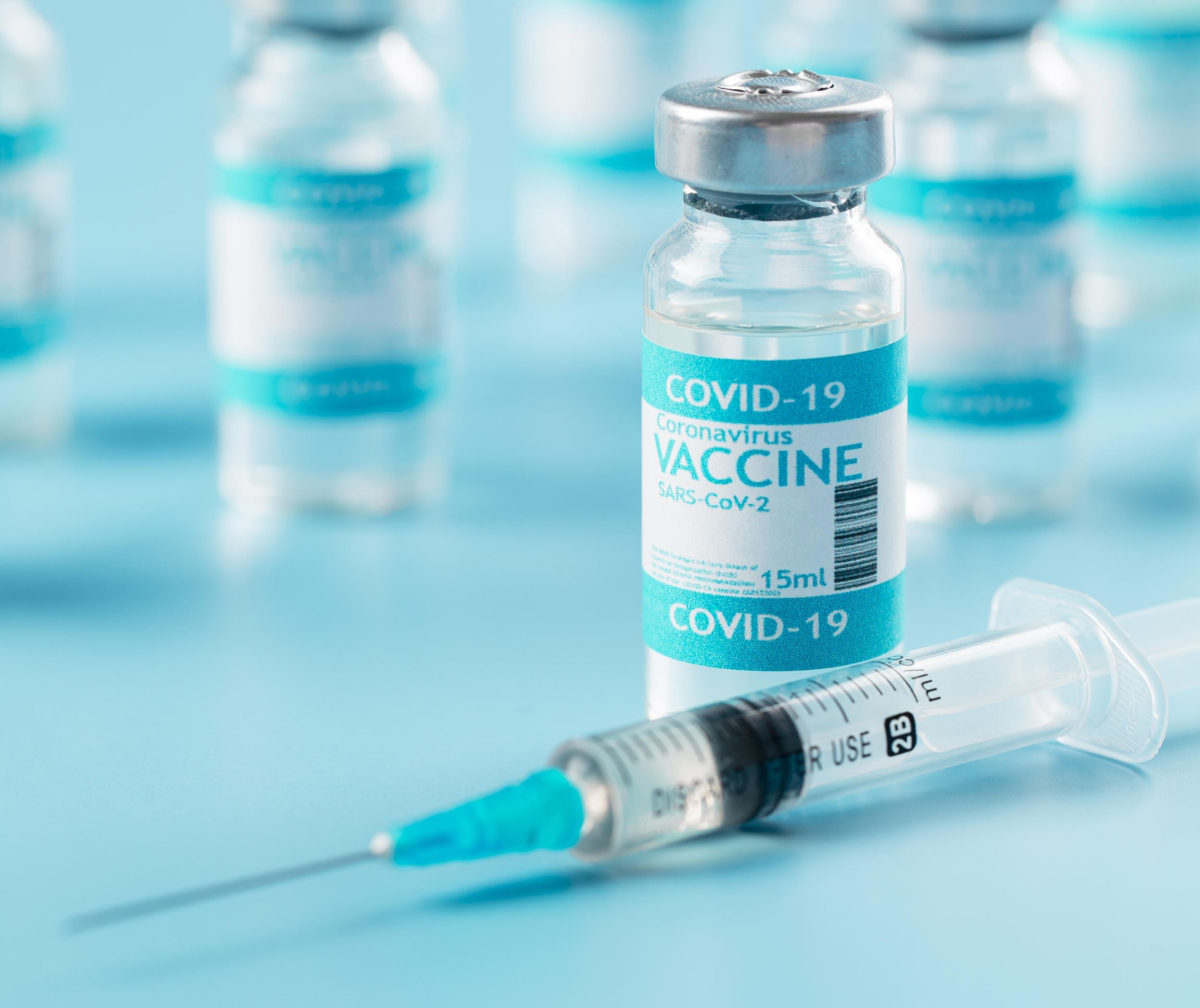
    These insights highlight the importance of preventive strategies tailored to older adults: staying up to date on flu and COVID vaccines, protecting the lungs from smoke and pollutants, and managing chronic conditions that strain the respiratory system.

    Researchers are also exploring therapies that might reduce inflammaging or support more balanced immunity in the lungs.

    By focusing on the links between aging, lungs, inflammation, immunity, and respiratory infections, it may be possible to lessen the impact of seasonal viruses and help older adults breathe more easily through future respiratory seasons.

    Frequently Asked Questions

    1. Can aging lungs recover fully after a severe flu or COVID infection?

    Some older adults regain most of their previous lung function, but others may be left with lasting scarring or reduced capacity, especially after pneumonia or intensive care.

    2. Do younger people with chronic lung disease face risks similar to older adults?

    Yes, chronic conditions like COPD or severe asthma can mimic aspects of aging lungs, increasing inflammation and reducing reserve, which raises the risk from respiratory infections.

    3. Can regular exercise really improve immunity in aging lungs?

    Moderate, consistent physical activity can support cardiovascular health, improve breathing efficiency, and modestly enhance immune function, which may help the lungs handle infections better.

    4. Are there specific nutrients that support aging lung health during respiratory seasons?

    A balanced diet rich in fruits, vegetables, healthy fats, and adequate protein supports immune cells and tissue repair, while nutrients like vitamin D and omega‑3s are often studied for additional benefits.


    Source link

  • How Cortisol Triggers Premature Aging Signs

    How Cortisol Triggers Premature Aging Signs

    Chronic stress affects the body far beyond emotional strain, activating the hypothalamic-pituitary-adrenal axis and sustaining elevated cortisol levels that disrupt cellular repair. Research into stress aging shows that prolonged exposure alters DNA maintenance, immune balance, and metabolic regulation. These biological disruptions explain why individuals under long-term stress often exhibit premature aging signs such as wrinkles, fatigue, and cognitive decline earlier than expected. Understanding the mechanisms behind stress aging provides insight into how psychological pressure translates into physical deterioration.

    Distinguishing stress-related aging from normal chronological aging is essential for prevention. While aging is inevitable, cortisol-driven stress aging accelerates decline through modifiable pathways. This article examines how chronic stress alters biological systems, the visible and internal signs linked to cortisol effects, and evidence-based strategies that may reduce long-term damage and support healthier aging outcomes.

    Biological Mechanisms of Stress Aging

    Stress aging begins at the cellular level, where prolonged exposure to stress hormones disrupts normal biological maintenance. Chronic activation of the stress response elevates cortisol, which interferes with DNA protection, mitochondrial efficiency, and inflammation control. These disruptions compound over time, accelerating biological aging beyond normal chronological processes. Based on a study conducted by the U.S. National Institutes of Health, chronic psychological stress is directly associated with measurable markers of accelerated cellular aging, making stress a scientifically recognized driver of premature aging.

    • Telomere shortening from cortisol exposure: Individuals experiencing long-term stress exhibit significantly shorter telomeres, indicating faster biological aging compared to low-stress populations.
    • Reduced telomerase activity: Elevated cortisol suppresses telomerase, limiting the body’s ability to maintain chromosome integrity during cell division.
    • Mitochondrial damage and energy decline: Oxidative stress damages mitochondrial DNA, reducing cellular energy production and accelerating functional decline.
    • Chronic inflammation activation: Persistent inflammatory signaling promotes tissue degeneration and increases susceptibility to age-related diseases.

    Cortisol Effects and Premature Aging Signs in Stress Aging

    Cortisol effects act as the biological bridge between chronic stress and visible aging outcomes. Long-term cortisol elevation alters skin structure, muscle integrity, bone density, and brain function. These premature aging signs often appear earlier than expected and worsen with prolonged exposure. According to the National Institute on Aging, sustained cortisol elevation accelerates physical and cognitive aging by disrupting collagen production, protein metabolism, and brain health, reinforcing stress as a systemic aging factor.

    • Skin thinning and wrinkle formation: Cortisol-driven collagen breakdown leads to thinner skin, fine lines, and delayed wound healing.
    • Muscle loss and bone density reduction: Protein catabolism accelerates muscle wasting, while declining bone density raises fracture risk.
    • Cognitive decline and memory impairment: Stress-related damage to the hippocampus affects memory, learning, and emotional regulation.
    • Hair graying and chronic fatigue: Oxidative damage disrupts melanocyte activity and metabolic efficiency, contributing to early graying and persistent fatigue.

    Long-Term Health Consequences and Mitigation

    The long-term consequences of stress aging extend beyond appearance, increasing the risk of chronic disease and systemic decline. Addressing cortisol effects early can significantly alter aging trajectories. According to the World Health Organization, chronic stress is a major contributor to cardiovascular disease, immune dysfunction, and metabolic disorders due to prolonged inflammatory and hormonal imbalance.

    Elevated cortisol promotes arterial inflammation, raising the risk of hypertension and atherosclerosis. The WHO also highlights that sustained stress weakens immune defenses, increasing susceptibility to infections and malignancies. Lifestyle interventions such as physical activity, stress management, and sleep regulation are emphasized as critical tools to reduce allostatic load and slow stress-related aging.

    Conclusion

    Stress aging illustrates how chronic psychological pressure transforms into measurable biological decline through sustained cortisol effects. From telomere shortening to immune dysfunction and cognitive impairment, prolonged stress accelerates aging across multiple systems. These premature aging signs are not merely cosmetic but signal deeper physiological disruption that increases disease risk. Understanding these mechanisms reinforces the importance of addressing stress as a central health priority.

    While aging itself cannot be stopped, stress-related acceleration is largely preventable. Evidence supports that lifestyle-based interventions targeting cortisol regulation can slow biological aging and preserve long-term health. Combining stress management with medical awareness empowers individuals to protect both lifespan and healthspan. Addressing stress aging early remains one of the most effective strategies for healthier aging.

    Frequently Asked Questions

    1. How does stress accelerate biological aging?

    Stress accelerates aging by maintaining high cortisol levels that impair DNA repair and immune balance. Over time, this leads to faster cellular deterioration compared to normal aging. Chronic inflammation and oxidative damage further compound these effects. Together, these mechanisms shorten biological lifespan.

    2. What are the first signs of stress-induced aging?

    Early signs include fine wrinkles, fatigue, unexplained weight gain, and reduced concentration. These symptoms often appear earlier than expected for a person’s age. They reflect deeper hormonal and cellular disruption. Early recognition allows timely intervention.

    3. Can stress aging be reversed?

    Stress aging can be slowed and partially improved through consistent lifestyle changes. Exercise, mindfulness, and proper sleep help regulate cortisol levels. Cellular damage may stabilize when stress is reduced early. Full reversal after decades of stress remains difficult.

    4. Which hormone most affects aging from stress?

    Cortisol is the primary hormone responsible for stress-related aging. It disrupts metabolism, immunity, and cellular repair when elevated long-term. While adrenaline contributes to acute stress, cortisol drives chronic damage. Managing cortisol is key to slowing stress aging.


    Source link

  • Is It Normal Aging or Early Dementia? Key Memory Loss Causes and Alzheimer’s Early Signs to Watch For

    Is It Normal Aging or Early Dementia? Key Memory Loss Causes and Alzheimer’s Early Signs to Watch For

    Memory changes happen to everyone as they age. Occasionally misplacing keys or forgetting someone’s name is part of normal aging, and these moments usually don’t interfere with daily life. Dementia symptoms, however, involve ongoing cognitive decline that affects independence, decision-making, and routine tasks. The difference lies in consistency and impact. When memory problems begin to disrupt familiar activities or relationships, they shift from typical aging into something that needs medical attention.

    Memory loss causes vary widely. Some stem from simple stress, medication effects, or lack of sleep. Others point to Alzheimer’s early signs, where changes slowly build and progress over time. Understanding the difference helps people seek care sooner, protect cognitive function, and avoid mistaking serious symptoms for minor forgetfulness. Recognizing what’s normal and what’s not allows for timely evaluation and early intervention.

    Everyday Memory Lapses vs Progressive Dementia Symptoms

    There is a clear line between everyday forgetfulness and the more serious dementia symptoms that interfere with functioning. Normal age-related lapses tend to be occasional and improve with reminders, while dementia symptoms escalate slowly and become more consistent over months or years.

    1. Forgetting recent events but recalling them later is typical aging. People might miss an appointment or overlook a detail, but the memory returns when prompted. Dementia symptoms involve forgetting the same information repeatedly and needing constant reminders.
    2. Word-finding struggles improve with cues in normal aging. A person may momentarily forget a word but quickly find it again with context. Dementia symptoms make communication difficult because language retrieval becomes unpredictable and conversations break down.
    3. Misplacing items is common, but tracing them logically is preserved. If someone loses their glasses, they can usually retrace steps. Dementia symptoms lead to placing objects in illogical locations, like keys in the refrigerator, and forgetting the reasoning behind it.
    4. According to the National Institute on Aging, normal aging does not significantly affect the ability to perform daily activities, while dementia disrupts problem-solving, routine tasks, and self-care.
    5. Judgment and reasoning differ sharply. Aging adults may take longer to make decisions but typically reach logical conclusions. Dementia symptoms cause confusion and difficulty weighing options, especially under stress.
    6. Memory decline in dementia affects safety. Wandering, leaving appliances on, or forgetting to lock doors are red flags that go beyond typical forgetfulness.

    Everyday lapses are frustrating. Dementia symptoms, however, reshape how someone navigates their entire day.

    Beyond Memory: Alzheimer’s Early Signs in Daily Functioning

    Dementia involves more than memory loss. Alzheimer’s early signs include subtle behavioral and functional shifts that others may notice first.

    1. Poor judgment and financial mistakes appear early. Adults who once managed money well may overpay bills, miss payments, or fall for scams. According to the Alzheimer’s Association, impaired judgment is one of the earliest markers of cognitive decline.
    2. Disorientation in familiar places increases. Getting lost during routine trips or feeling confused in known environments signals changes in spatial awareness linked to Alzheimer’s early signs.
    3. Personality changes emerge. Withdrawal from social activities, irritability, or decreased motivation can reflect early neurological changes rather than mood shifts.
    4. Task abandonment becomes common. People may start cooking and forget to finish, or begin a project and lose track of steps. While normal aging slows task speed, Alzheimer’s early signs interrupt the task entirely.
    5. Progression differentiates the condition. Alzheimer’s early signs worsen gradually and consistently. Normal aging plateaus, but neurodegeneration does not.
    6. Awareness declines. Individuals may deny or fail to notice changes, while family members observe increasing confusion or anxiety.

    Recognizing these early functional shifts helps prompt assessment before significant decline occurs.

    Lifestyle Factors and Memory Loss Causes You Should Know

    Memory loss causes extend beyond dementia and can be reversible. Understanding these factors helps prevent misdiagnosis and supports better cognitive health.

    1. Stress and sleep deprivation impair memory. Chronic stress elevates cortisol, which affects recall and concentration.
    2. Medications play a major role. Antihistamines, sleep aids, and certain blood pressure drugs may cause forgetfulness.
    3. Vitamin deficiencies contribute to memory problems. According to Harvard Medical School, low B12 levels can mimic early dementia symptoms but are fully treatable once identified.
    4. Depression often looks like cognitive decline. People withdraw, lose interest, and appear forgetful, but treating the mood disorder often restores clarity.
    5. Head injuries affect long-term cognition. Even mild concussions can impact memory decades later, especially in older adults.
    6. Chronic conditions matter. Thyroid disorders, infections, and uncontrolled diabetes all impact concentration, recall, and decision-making.
    7. Alcohol use affects brain function. Excessive drinking damages memory centers and accelerates cognitive aging.
    8. Lifestyle patterns influence risk. Sedentary habits, poor diet, and lack of mental stimulation increase the likelihood of cognitive decline.

    Identifying these factors helps separate benign memory loss causes from more serious dementia symptoms.

    Conclusion

    Understanding when memory lapses become concerning helps people take action sooner. While normal aging brings occasional forgetfulness, dementia symptoms disrupt independence, daily routines, and decision-making. Recognizing Alzheimer’s early signs allows families to pursue testing, treatment approaches, and safety planning when it matters most.

    Not all memory loss causes dementia. Many are reversible with lifestyle adjustments, medical care, or improved mental habits. Paying attention to patterns, changes in behavior, and early red flags supports healthier aging and ensures that anyone experiencing symptoms gets the right evaluation at the right time.

    Frequently Asked Questions

    1. What memory loss causes mimic early dementia symptoms?

    Vitamin deficiencies, thyroid problems, depression, and medication effects can all resemble dementia.

    2. How do Alzheimer’s early signs differ from normal aging?

    They affect daily functioning, increase over time, and include behavioral or judgment changes, not just forgetfulness.

    3. When does occasional forgetfulness become dementia symptoms?

    When memory problems disrupt routine tasks, repeat frequently, or interfere with independence.

    4. Can lifestyle changes reverse memory loss causes?

    Yes. Treatable conditions, improved sleep, exercise, better diet, and stress management can restore memory clarity.


    Source link

  • New Study Links COVID-19 to Accelerated Blood Vessel Aging, Particularly in Women

    New Study Links COVID-19 to Accelerated Blood Vessel Aging, Particularly in Women

    The latest research showed that coronavirus infection may accelerate the aging of blood vessels, potentially increasing cardiovascular risk by roughly the equivalent of five years. A study in the European Heart Journal reported that the effect was strongest in women and in people with Long Covid, and that the changes tended to stabilize or lessen over time.

    Researchers analyzed data from 2,390 participants recruited between September 2020 and February 2022 at 34 centers in 16 countries, including Austria, Australia, Brazil, Canada, Cyprus, France, Greece, Italy, Mexico, Norway, Turkey, the UK, and the US. Participants were grouped by COVID-19 severity (never infected, mild illness, hospitalized on a ward, or admitted to intensive care), and underwent measurements at six and twelve months after infection. Vascular age was assessed by carotid–femoral pulse wave velocity (PWV), where higher values indicate stiffer, older vessels. Analyses accounted for factors such as age and sex.

    On average, people who had COVID-19 had higher PWV than those never infected, including those with mild illness. The differences were pronounced in women, while men showed little or no statistically robust change. The effect was greater in those with Long Covid. In the intensive care group, vessel stiffness regressed toward normal by 12 months. Vaccinated individuals showed milder changes than those unvaccinated. Researchers noted that an increase of about 0.5 m/s in PWV is clinically relevant and roughly comparable to five years of vascular aging, corresponding to an estimated 3% increase in cardiovascular risk in a 60-year-old woman.

    “We know that Covid can directly affect blood vessels. We believe that this may result in what we call early vascular ageing, meaning that your blood vessels are older than your chronological age and you are more susceptible to heart disease. If that is happening, we need to identify who is at risk at an early stage to prevent heart attacks and strokes,” said Professor Rosa Maria Bruno of Université Paris Cité, according to EurekAlert. “Women have a faster and stronger immune response, which can protect them from infections. However, the same response may also increase vascular damage after the original infection,” said Bruno, according to EurekAlert. “There are several possible explanations for the vascular effects of Covid. The Covid-19 virus acts on specific receptors in the body, called the angiotensin-converting enzyme 2 receptors, that are present on the lining of the blood vessels. The virus uses these receptors to enter and infect cells. This may result in vascular dysfunction and accelerated vascular ageing. Our body’s inflammation and immune responses, which defend against infections, may be also involved,” said Bruno, according to EurekAlert.

    “This large, multicentre, prospective cohort study enrolled 2390 participants from 34 centres to investigate whether arterial stiffness, as measured by PWV, persisted in individuals with recent COVID-19 infection,” said Dr. Behnood Bikdeli and colleagues, according to EurekAlert. “Sex-stratified analyses revealed striking differences: females across all COVID-19-positive groups had significantly elevated PWV, with the highest increase (+1.09 m/s) observed in those requiring ICU admission,” said Bikdeli and colleagues, according to EurekAlert. “The CARTESIAN study makes the case that COVID-19 has aged our arteries, especially for female adults. The question is whether we can find modifiable targets to prevent this in future surges of infection, and mitigate adverse outcomes in those afflicted with COVID-19-induced vascular ageing,” said Bikdeli and colleagues, according to EurekAlert. Bruno added that vascular aging is measurable and can be addressed with lifestyle changes and blood pressure- and cholesterol-lowering therapies, and that the team planned to follow participants to determine whether accelerated vascular aging translated into more heart attacks and strokes.

    “One must look very closely whether these groups were really equal to say whether the cause of this acceleration of aging lay in COVID,” said Dominik Rath, a cardiologist at University Hospital Tübingen, according to Stern. “After the 12-month visit, the aging processes had relatively strongly regressed—what could mean that hospitalization per se or the stay in the intensive care unit also plays a relevant part,” said Rath, according to Stern.

    “Nevertheless, this study is a certain wake-up call,” said Heribert Schunkert, vice president of the German Heart Foundation, according to DW. “It is necessary to check carefully whether these groups were really the same to determine whether the coronavirus was the cause of the accelerated aging,” said Schunkert, according to DW. “Many people were affected by a COVID infection. We wanted to avoid everything to prevent aging. That makes you sit up and take notice,” said Schunkert, according to Bild.

    “The findings strongly suggest that after having COVID, the elasticity of the arteries is clearly worse than usual. It was somewhat surprising that the effect was observed only in women. However, it is difficult to say what the practical risk of arterial stiffness to arterial diseases is,” said Juhani Airaksinen, emeritus professor of cardiology, according to Iltalehti Rakkaus. “Blood pressure should therefore be managed with lifestyle changes and, if necessary, with medications,” said Airaksinen, according to Iltalehti Rakkaus. He noted that infected participants were older and generally sicker than controls and that baseline stiffness was unknown, which could influence results. “A positive aspect is that some changes partially improved within less than a year,” said Airaksinen, according to Iltalehti Rakkaus. He added that pulse wave velocity has been used for decades but is not part of routine outpatient care.

    Researchers cautioned that it was unclear whether the observed effect reflected large changes in a few individuals or small changes across many. They suggested that higher mortality in men during the pandemic could have introduced survivor bias, potentially masking effects in male participants. They also noted that many people experienced prolonged symptoms after COVID-19, including post-acute COVID-19 syndrome, which affected up to 40% of initial survivors, and called for further studies to clarify mechanisms and long-term risks.

    Source link

  • Unlocking the Fountain of Youth: The Science of Telomeres and Aging

    Unlocking the Fountain of Youth: The Science of Telomeres and Aging

    Introduction to Telomeres and Aging

    The quest for eternal youth has been a long-standing desire of humanity, with many seeking to unlock the secrets of aging and reverse its effects. In recent years, scientific research has shed light on the role of telomeres in the aging process, offering a promising avenue for understanding and potentially reversing the effects of time. Telomeres, the protective caps on the ends of chromosomes, play a crucial role in maintaining cellular health and preventing premature aging. This article delves into the science of telomeres and their relationship to aging, exploring the latest research and discoveries in this field.

    What are Telomeres?

    Telomeres are repetitive nucleotide sequences located at the ends of chromosomes, safeguarding them from deterioration and fusion with neighboring chromosomes. These protective caps are composed of repetitive DNA sequences (TTAGGG in humans) and specialized proteins, known as shelterin, which bind to the telomere DNA. Telomeres act as a molecular clock, gradually shortening with each cell division due to the inability of DNA polymerase to fully replicate the 3′ end of the chromosome. When telomeres become too short, the cell can no longer divide and becomes senescent or undergoes programmed cell death (apoptosis).

    The Role of Telomeres in Aging

    The length of telomeres has been linked to aging and age-related diseases. As we age, our telomeres naturally shorten, leading to a decrease in cellular reproductive capacity and an increase in cellular senescence. This can result in a decline in tissue function and an increased risk of age-related diseases, such as cancer, cardiovascular disease, and dementia. Research has shown that individuals with shorter telomeres are more likely to experience age-related health problems and have a shorter lifespan.

    Telomere Length and Lifestyle Factors

    Studies have identified various lifestyle factors that can influence telomere length, including diet, exercise, stress, and smoking. A healthy diet rich in fruits, vegetables, and omega-3 fatty acids, combined with regular exercise and stress management, can help maintain telomere length. Conversely, a poor diet, lack of exercise, and chronic stress can accelerate telomere shortening. Smoking, in particular, has been shown to significantly reduce telomere length, highlighting the importance of avoiding tobacco products.

    The Science of Telomerase

    Telomerase is an enzyme that lengthens telomeres by adding nucleotides to the existing telomere sequence. While telomerase is typically inactive in adult cells, it is active in certain cells, such as stem cells and cancer cells, allowing them to maintain their telomeres and continue dividing indefinitely. Researchers have been exploring the potential of telomerase activators to increase telomere length and promote healthy aging. However, the use of telomerase activators is still in its infancy, and more research is needed to fully understand their effects on human health.

    Telomere-Targeting Therapies

    Several telomere-targeting therapies are being developed to address age-related diseases and promote healthy aging. These therapies aim to maintain or increase telomere length, reduce cellular senescence, and enhance cellular function. Some promising approaches include telomerase activators, telomere-lengthening compounds, and senolytic therapy, which targets and eliminates senescent cells. While these therapies show promise, further research is needed to determine their safety and efficacy in humans.

    The Connection between Telomeres and Epigenetics

    Epigenetics, the study of gene expression and environmental influences on gene function, has been linked to telomere biology. Research has shown that epigenetic changes, such as DNA methylation and histone modification, can affect telomere length and stability. Additionally, telomere shortening can lead to epigenetic changes, creating a feedback loop that accelerates aging. Understanding the interplay between telomeres and epigenetics may provide new insights into the aging process and the development of age-related diseases.

    Telomeres and Cancer

    The relationship between telomeres and cancer is complex and bidirectional. Short telomeres can increase the risk of cancer by leading to genetic instability and promoting the development of cancer-initiating cells. Conversely, cancer cells often activate telomerase to maintain their telomeres and continue dividing. Researchers are exploring the potential of telomere-targeting therapies to prevent or treat cancer, as well as the use of telomere length as a biomarker for cancer risk and diagnosis.

    The Future of Telomere Research

    As our understanding of telomere biology continues to grow, so does the potential for developing innovative therapies to promote healthy aging and prevent age-related diseases. Future research directions include exploring the role of telomeres in specific age-related diseases, developing more effective telomere-targeting therapies, and investigating the interplay between telomeres and other hallmarks of aging, such as epigenetics and mitochondrial function.

    Conclusion

    The science of telomeres and aging has made significant progress in recent years, offering new insights into the biological mechanisms underlying aging and age-related diseases. While we are still far from unlocking the fountain of youth, research on telomeres and telomerase has the potential to revolutionize our understanding of aging and provide new avenues for promoting healthy aging and preventing age-related diseases. As research continues to advance, we may one day be able to harness the power of telomeres to live longer, healthier lives.

    FAQs

    Q: What are telomeres, and why are they important?
    A: Telomeres are the protective caps on the ends of chromosomes, safeguarding them from deterioration and fusion with neighboring chromosomes. They play a crucial role in maintaining cellular health and preventing premature aging.

    Q: How do telomeres shorten, and what are the consequences?
    A: Telomeres shorten with each cell division due to the inability of DNA polymerase to fully replicate the 3′ end of the chromosome. When telomeres become too short, the cell can no longer divide and becomes senescent or undergoes programmed cell death.

    Q: Can lifestyle factors influence telomere length?
    A: Yes, lifestyle factors such as diet, exercise, stress, and smoking can influence telomere length. A healthy diet and regular exercise can help maintain telomere length, while a poor diet, lack of exercise, and chronic stress can accelerate telomere shortening.

    Q: What is telomerase, and how does it relate to aging?
    A: Telomerase is an enzyme that lengthens telomeres by adding nucleotides to the existing telomere sequence. While telomerase is typically inactive in adult cells, it is active in certain cells, such as stem cells and cancer cells, allowing them to maintain their telomeres and continue dividing indefinitely.

    Q: Are there any therapies that target telomeres to promote healthy aging?
    A: Yes, several telomere-targeting therapies are being developed to address age-related diseases and promote healthy aging. These therapies aim to maintain or increase telomere length, reduce cellular senescence, and enhance cellular function.

    Q: How do telomeres relate to cancer?
    A: The relationship between telomeres and cancer is complex and bidirectional. Short telomeres can increase the risk of cancer by leading to genetic instability and promoting the development of cancer-initiating cells. Conversely, cancer cells often activate telomerase to maintain their telomeres and continue dividing.

  • Got Memory Issues? Here’s How To Tell If It’s Dementia Or Just Aging

    Got Memory Issues? Here’s How To Tell If It’s Dementia Or Just Aging

    Who has not forgotten a name, occasionally misplaced things, or stumbled over the right word during a conversation? However, with growing awareness about dementia, these occasional memory lapses often leave people wondering if it could be an early sign of dementia.

    As people get older, you might notice that it takes a little longer to remember things than it once did, but most of the time, there is no cause for concern. This occasional forgetfulness is called age-associated memory impairment and is a normal part of aging. Although it may feel frustrating, it does not mean you have dementia.

    Although many people confuse normal aging with dementia, the two are very different. Dementia often begins with mild memory loss but progressively worsens over time. In normal age-related memory changes, forgetfulness tends to be occasional and typically involves memories from the more distant past. In contrast, people with dementia frequently struggle with recent events, such as forgetting a conversation they had earlier that day or not recognizing someone they just met.

    Dementia is not just about memory loss. It also brings confusion, difficulty managing everyday tasks, trouble with language and understanding, and noticeable changes in behavior. Over time, these challenges interfere with a person’s ability to perform daily activities and can significantly affect their independence.

    However, it is important to remember that noticing symptoms like memory loss or confusion is not enough to diagnose dementia. Only a healthcare professional can make that diagnosis after a thorough evaluation. This typically involves medical history, cognitive tests, physical exams, and sometimes brain imaging to rule out other possible causes.

    Memory issues can also stem from a variety of other causes, including head injuries like concussions, brain tumors or infections, thyroid or organ problems, medication side effects, mental health conditions like depression and anxiety, substance misuse, sleep disturbances, or even deficiencies in key nutrients such as vitamin B12 and poor nutrition.

    When to see a doctor?

    If memory problems start interfering with daily life, it is important to see a doctor. Warning signs include repeating the same questions over and over, getting lost in familiar places, or struggling to manage personal care.

    In some cases, older adults may be diagnosed with mild cognitive impairment (MCI), a condition where memory or thinking problems are more noticeable than in others their age. However, unlike dementia, people with MCI can usually manage their daily activities independently, but it can sometimes be an early sign of Alzheimer’s disease.

    Source link

  • Eyeing A Sunny State For Retirement? You Might Experience Accelerated Aging

    Eyeing A Sunny State For Retirement? You Might Experience Accelerated Aging

    Many people dream of retiring to warmer climates, seeking the comfort of sunny skies and milder temperatures. However, there’s an unexpected twist to the plot: living in hotter environments may accelerate the aging process.

    Studies have shown that exposure to extreme heat can have adverse effects on health. In the latest study published in the journal Science Advances, the researchers explored how environmental heat affects biological aging.

    The study involved over 3,600 participants from the Health and Retirement Study (HRS), all aged 56 and older, from across the U.S. Over a six-year period, researchers collected blood samples from the participants at various points to analyze epigenetic changes. These changes occur when certain genes are turned ‘on’ or ‘off’ through a process called DNA methylation.

    Using mathematical tools known as epigenetic clocks, researchers studied methylation patterns and estimated the participants’ biological ages at different times during the study. They then compared these changes in biological age with the heat index history and number of heat days recorded by the National Weather Service from 2010 to 2016 based on each participant’s location.

    Since the study used the heat index, it took into account the combined effects of heat and humidity, rather than just air temperature, to analyze its impact. The researchers highlighted that this is especially important for older adults, as they do not sweat as effectively.

    “People in neighborhoods that experience more days of high heat show greater biological aging on average than residents of cooler regions,” said Jennifer Ailshire, senior author of the study in a news release.

    For example, just seven days of heat could result in aging about 1 year faster. Longer exposure to extreme heat, such as a year, had an even stronger effect, making aging faster by nearly 2.5 years.

    “Participants living in areas where heat days, as defined as Extreme Caution or higher levels (≥90°F), occur half the year, such as Phoenix, Arizona, experienced up to 14 months of additional biological aging compared to those living in areas with fewer than 10 heat days per year,” co-author of the study, Eunyoung Choi said.

    “Even after controlling for several factors, we found this association. Just because you live in an area with more heat days, you’re aging faster biologically,” Choi added.

    Source link