

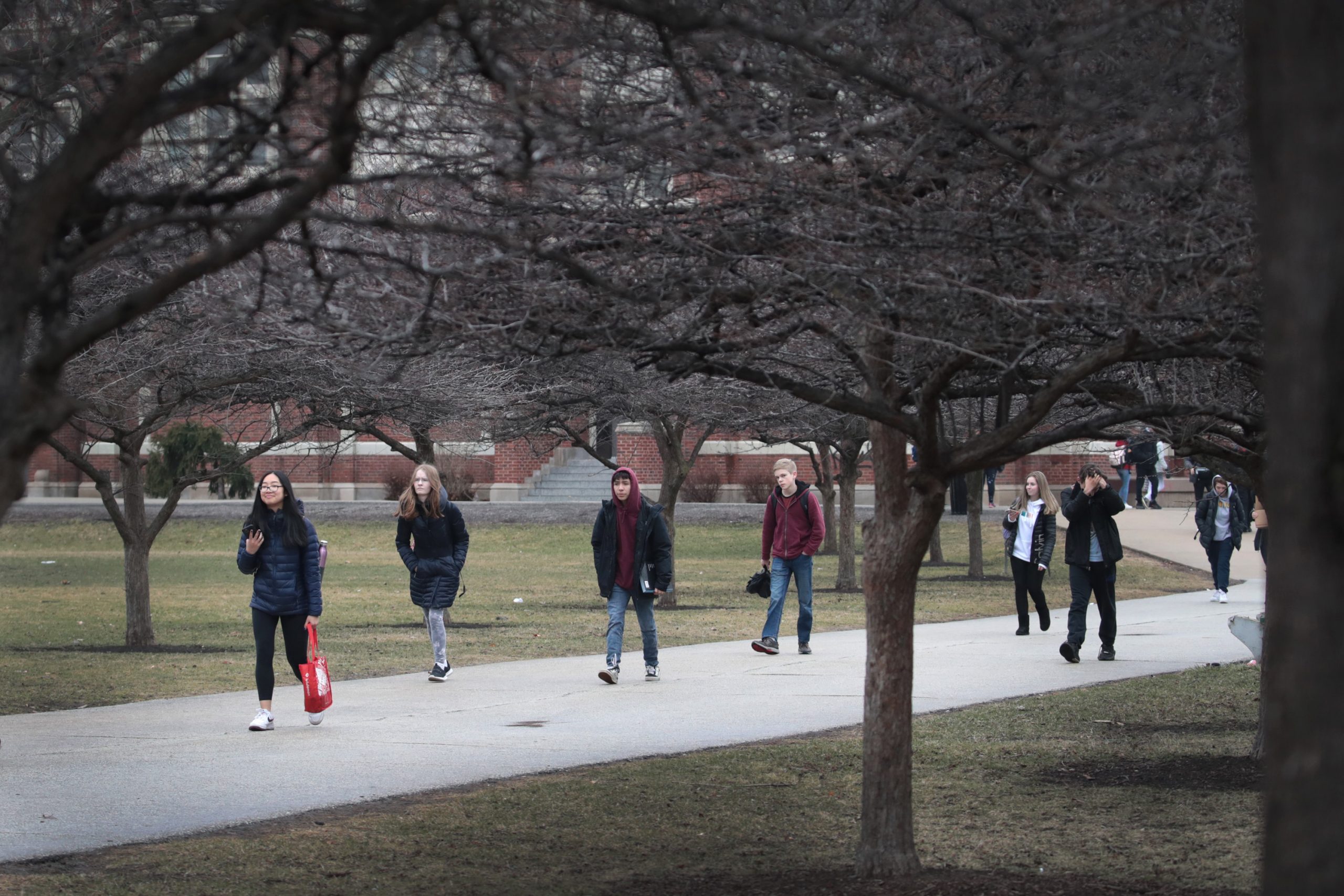
Making daylight saving time permanent could send U.S. children to school in the dark at least 2 billion more times each year, according to a University of Washington study published Oct. 29 in Current Biology. The estimate arrives days before clocks fall back an hour at 2 a.m. Sunday, Nov. 1, and while a bill to end the twice-yearly switch remains stalled in the Senate.
The House passed the Sunshine Protection Act by a 308-117 vote on July 14. The bill would keep clocks on daylight saving time year-round, pushing winter sunrises an hour later. The researchers counted how often students would leave home before sunrise under that system compared with today’s twice-yearly change.
For parents, the concern is concrete. Many children walk to school, wait at bus stops, or arrive early for breakfast programs, and a permanent shift would put more of those trips in darkness during the winter months.
Inside the School Commute Count
The team gathered school start times, enrollment, and locations for public schools in 14 of the 19 states that have preapproved permanent daylight saving time if federal law allows it. In those states alone, they estimated about 356 million additional pre-sunrise commutes a year, Popular Science reported. Extending the method nationwide produced the estimate of at least 2 billion.
Georgia showed the largest increase among the states studied, about 71 million more dark school trips a year, according to UW News. Washington would see almost 35 million more. In Alabama and Mississippi, where average school start times are earlier than 8 a.m., dark trips would each rise from about 2 million a year to more than 20 million.
In Washington, the 35 million figure reflects a jump from about 20 million dark commutes a year to about 55 million for the state’s 1.05 million public school students, the Spokesman-Review reported. Seattle students now average about 18 dark commutes a year, and about 60% never leave home before sunrise. Under permanent daylight saving time, Seattle students could average about 55 dark commutes a year.
“We wanted actual numbers, a real number of kids based on the geographic location of each school,” said lead author Guadalupe Rodríguez Ferrante, a UW postdoctoral scholar in biology.
Crash Data and the Limits of the Estimate
The researchers also reviewed U.S. traffic crash records. Fatal crashes involving school-age pedestrians were roughly twice as likely on dark mornings as after sunrise, UW said.
That finding shows an association between darkness and crash risk. It does not predict how many additional crashes permanent daylight saving time would cause, and the study did not attempt that estimate.
The 2 billion figure has its own assumptions. The team assumed students leave home around 8 a.m. “That’s pretty late, so our calculation is likely an underestimation of the real number,” Rodríguez Ferrante said. The researchers also used each school’s listed start time, though many schools offer breakfast or other activities beforehand, so some students may already be out earlier.
The national total is also an extrapolation from 14 states, not a school-by-school count everywhere. The study models how often children would be exposed to dark commutes rather than measuring health or safety outcomes.
“Nobody wants their kids to go to school in the dark,” said senior author Horacio de la Iglesia, a UW biology professor. Popular Science quoted him as saying, “Permanent DST would move the school day earlier relative to the sun without changing a single bell schedule.”
Children and Families With the Most Exposure
The heaviest burden would fall on communities at the western edges of time zones, such as Forks, Washington, where sunrise already comes late, and in districts with early school start times. Georgia also sits near the western edge of the Eastern time zone. Rodríguez Ferrante said children who walk, wait for buses, or arrive early for school breakfast programs are likely most affected, and those programs disproportionately serve lower-income families.
Teenagers face a separate problem. Their internal body clocks run later than those of younger children and adults, and some districts, including Seattle, have delayed high school start times to match. The researchers argue permanent daylight saving time would undo much of that benefit. Bright morning light helps set the body’s internal clock, which affects sleep, mood, and appetite.
The current system is not the best option for morning light either. Switching clocks twice a year produces about twice as many dark school mornings as permanent standard time would, according to News-Medical.
The researchers favor permanent standard time if Congress ends the clock change. The American Academy of Sleep Medicine and the American Medical Association have also backed year-round standard time. Supporters of permanent daylight saving time point to brighter evenings for activity and recreation, and many people simply want to stop changing clocks.
The U.S. tried year-round daylight saving time starting in January 1974 and abandoned it later that year, in large part because of concerns about children traveling to school in the dark.
Keeping Kids Visible on Dark Mornings
Even under the current system, some winter mornings will be dark in many cities. Parents can add reflective strips or lights to backpacks and jackets and review walking routes that use crosswalks and well-lit streets. Younger children should wait at bus stops with an adult or in a group, standing well back from the road.
Drivers should slow down near schools and bus stops in the early morning, when children may be hard to see. A consistent bedtime can also help children adjust after Sunday’s clock change.
The Senate has not voted on the bill, and MedicalDaily will follow any movement on the legislation or on school start times in affected states.
Key Questions Answered
What did the University of Washington study find? Permanent daylight saving time could add at least 2 billion school commutes before sunrise each year nationwide.
Which states would see the biggest change? Georgia had the largest increase among the 14 states studied, about 71 million trips a year. Washington would see almost 35 million more.
Does the study predict more child deaths? No. It found fatal crashes involving school-age pedestrians were more likely on dark mornings, but it did not estimate added crashes.
When do clocks change this year? Clocks fall back one hour at 2 a.m. Sunday, Nov. 1.
Is permanent daylight saving time law? No. The House passed the Sunshine Protection Act on July 14, but the bill remains stalled in the Senate.
How can parents keep children safer on dark mornings? Use reflective gear or lights, choose well-lit routes with crosswalks, and have young children wait at bus stops with an adult.
Published by Medicaldaily.com


