

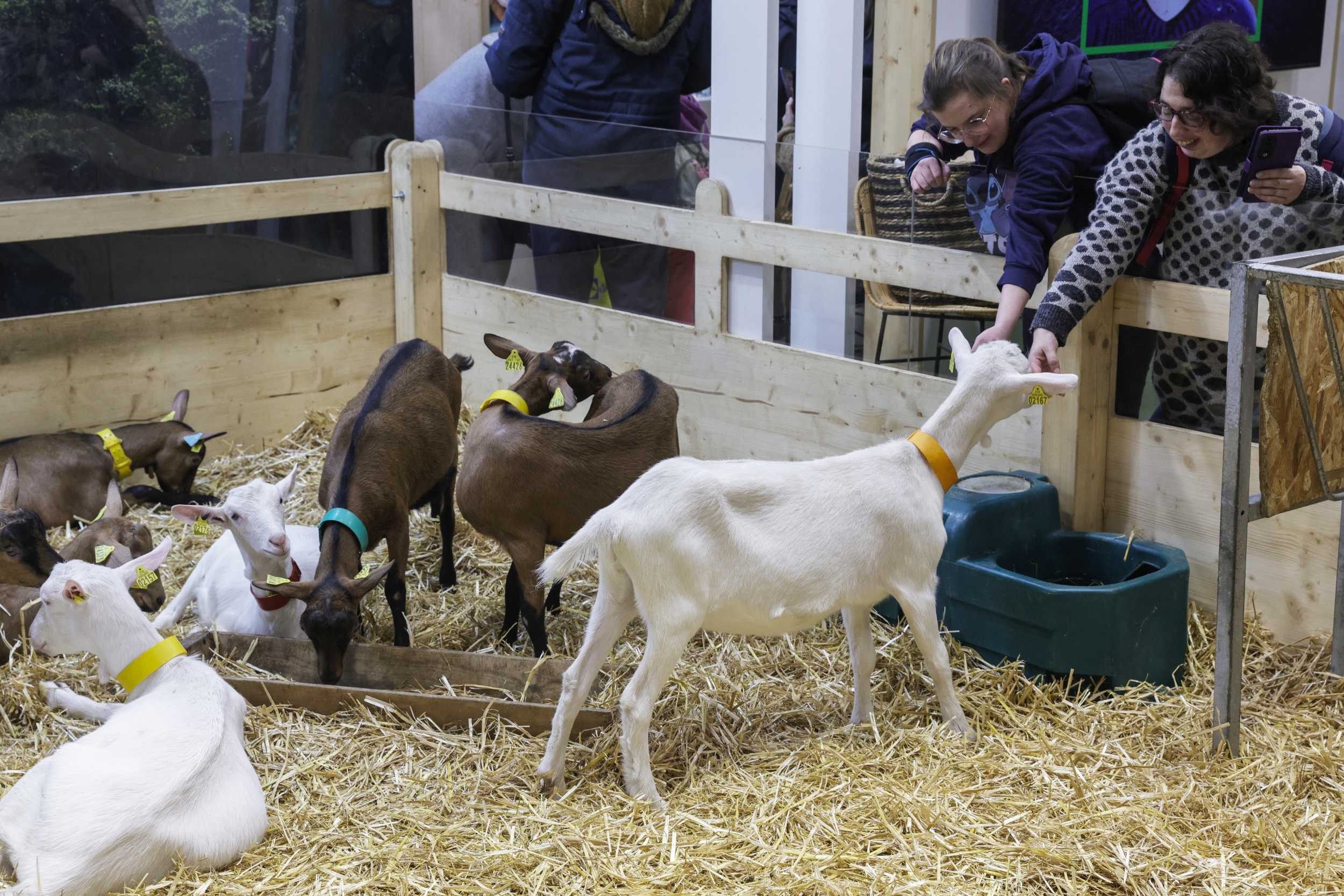
Local health departments in North Carolina have completed 284 rabies exposure risk assessments tied to a mobile petting zoo and recommended post-exposure treatment for 213 people, the state health department reported, turning a single infected pen of baby goats into one of the largest mass rabies exposure responses of the year.
Days later, the CDC issued a national health advisory on rabies post-exposure prophylaxis, citing a 17 percent increase in rabies-related inquiries from July through August compared with the same period in 2025, including reports of mass exposure events. At least eight state health departments reported increased treatment use, administration errors, or both.
The combination matters for ordinary households in a specific way. A typical course of rabies post-exposure prophylaxis can cost between $11,000 and $14,000 per person, according to the CDC. A county fair visit, a back-to-school event or an assisted living activity that seemed entirely routine has, for 213 North Carolina families, become a four-dose medical series and a set of insurance questions.
284 Assessments Across Seven Counties
The goats belonged to Farm Adventures in Harmony, Iredell County. The North Carolina Department of Health and Human Services and the state agriculture department were notified Aug. 27, and the State Laboratory of Public Health confirmed rabies virus in three baby goats the next day. A fourth was not tested but is assumed to have been infected. All four were euthanized.
Officials believe a skunk entered the pen in late July. Anyone who had contact with the goats between July 28 and Aug. 27, at the farm or at an off-site event, may have been exposed while the animals were infectious. The state said no other animals on the farm pose a risk.
The zoo made at least 10 stops in Iredell, Mecklenburg, Davidson, Watauga, Burke, Davie and Durham counties. Named public locations include Jurney’s Assisted Living in Statesville on July 28, a Community Connections back-to-school bash at the Breeden Amphitheater in Lexington on Aug. 1, Brookdale Peachtree in Statesville on Aug. 6, and the Masonic Picnic Grounds in Mocksville on Aug. 15. The rest were private events, and officials have said additional exposure locations may be released as the investigation continues.
The department said it is working with local health departments and health care systems so that post-exposure prophylaxis is available to anyone who needs it, and that the state has an adequate supply. As CNN reported, others have gone directly to a health care provider rather than a health department, so the 284 figure does not capture everyone evaluated.
The Price Tag Behind Each Recommended Course
Rabies is nearly always fatal once symptoms begin, and nearly always preventable when treatment starts promptly and correctly. For someone never previously vaccinated, the course includes wound washing, one dose of human rabies immune globulin infiltrated into and around the wounds, and four vaccine doses on days 0, 3, 7 and 14. People who were previously vaccinated receive two doses, on days 0 and 3, and no immune globulin.
That is why cost and accuracy sit at the center of the CDC’s advisory rather than at the margins. The agency listed common errors, including giving the vaccine in the gluteal area, failing to infiltrate immune globulin around wounds, and unnecessarily restarting the vaccine series after a schedule deviation. Errors mean repeat doses, additional visits, and avoidable bills, alongside the risk of a gap in protection.
Those figures sit on top of a large annual baseline. The CDC estimates that 1.4 million people in the United States seek medical care after animal contact each year and that about 100,000 receive post-exposure treatment. Weekly pharmacy data through Sept. 2 showed rabies vaccine use up an estimated 33 percent and rabies immune globulin up about 76 percent year over year. The CDC said there is currently no shortage of human rabies vaccine or human rabies immunoglobulin in the United States.
Older Adults and Children Shared the Same Rooms
The exposure list is notable for who was in it. Stops included two senior living communities and a community back-to-school gathering, meaning older adults and children were handling the same animals within the same window.
Not every animal contact requires shots. The CDC says treatment is generally not recommended when the animal is available for a 10-day observation period, rabies test results are negative, or health officials determine the encounter posed no rabies risk. That assessment is the step that prevents both a dangerous gap and an unnecessary five-figure bill. North Carolina officials have urged people to call their local health department first, before visiting an emergency department or urgent care clinic, to find out whether treatment is needed and where to get it.
After any bite, scratch, or contact with a wild or sick-acting animal, wash the wound immediately with soap and water for 15 minutes and talk with a clinician or public health professional. Describe the animal and whether it behaved abnormally. If a pet was involved, ask the owner for proof of rabies vaccination. Keep household pets current on their rabies shots and away from wildlife.
Human rabies infections are extremely rare in the United States, and North Carolina has not reported a human case since 2011. No human rabies cases have been reported in connection with the petting zoo. Further updates are posted through the NCDHHS newsroom.
Key Questions Answered
What happened? Four baby goats at a North Carolina mobile petting zoo were infected with rabies, most likely by a skunk. Local health departments completed 284 exposure assessments and recommended treatment for 213 people.
Who may have been exposed? Anyone who had contact with the baby goats at the Harmony farm or at an off-site event between July 28 and Aug. 27, 2026.
What should an exposed person do? Call the local health department before visiting an emergency department or urgent care clinic. Staff will assess risk and direct treatment if needed.
Does every animal contact require shots? No. The CDC says treatment is generally not recommended if the animal is available for a 10-day observation, tests negative, or officials determine no rabies risk existed.
What does treatment cost? The CDC estimates that a typical course runs $11,000 to $14,000 per person, which is one reason careful risk assessment matters before treatment starts.
Is there a national shortage? No. The CDC said there is currently no shortage of rabies vaccine or immune globulin, though use is up sharply.
How can households prevent exposure? Keep distance from wildlife, never approach injured or oddly behaving animals, keep pets current on rabies vaccination, and wash any bite or scratch with soap and water for 15 minutes.


