

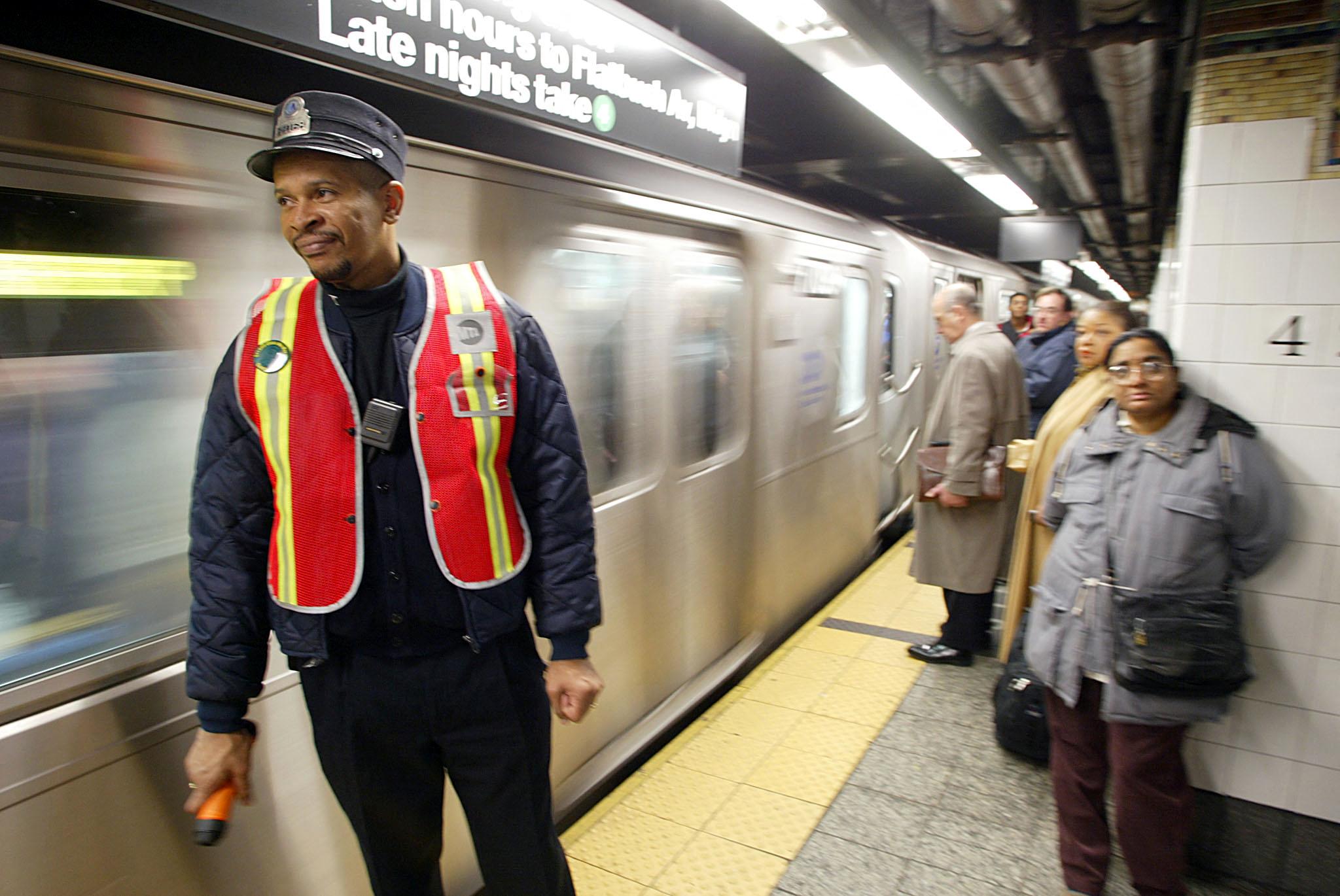
The Metropolitan Transportation Authority is pushing about 40,000 New York City Transit workers to pay a bigger share of their health insurance costs in contract talks with Transport Workers Union Local 100, Bloomberg reported on Tuesday. The union’s contract expired in mid-May.
MTA Chair and CEO Janno Lieber said at a Citizens Budget Commission breakfast on September 22 that the authority is seeking higher health care contributions and changes to work rules affecting attendance, amNewYork reported. According to amNewYork, Lieber said workers now pay about 5% of their health care costs, compared with 11% after the 2005 labor deal.
For the subway and bus workers who keep the city moving, and for their families, the outcome could affect paychecks and household budgets for years. The union says members took these jobs in part for the health benefits and argues the MTA should find savings elsewhere.
The MTA’s Case: Rebalancing Costs Amid a Deficit
The MTA frames the request as a trade. “What we always come to the table with is, in order to justify the wage increases, we ask for work rule and other improvements,” Lieber said. He described contract bargaining as the only chance to remove what he called “kooky” work rules the union won in the past.
Budget pressure is part of the argument. Bloomberg reported that the MTA, the nation’s largest transit system, faces an estimated $900 million budget deficit by 2030 and is trying to limit growth in labor costs.
Lieber also said the MTA wants some workers to show up for scheduled shifts more often, and he linked attendance problems in part to rules on unpaid sick days and overtime eligibility. When talks opened in the spring, the union said the MTA proposed requiring workers to work four days, instead of three, before becoming eligible for overtime.
The union has described the MTA’s health care proposals in some detail. In early July, Local 100 President John Chiarello said the MTA had offered 2% raises while seeking to double current members’ health insurance contributions, raise the share of health costs paid by new hires to 10%, and increase charges for emergency room visits, amNewYork reported. An MTA spokesperson described the negotiations at the time as routine and productive.
The Union’s Response: Health Benefits Are Why Members Stay
Chiarello rejected the latest push. In a statement to amNewYork, he said new money from casino licenses and congestion pricing is flowing into the MTA and state budgets, and that the agency faces fewer financial obligations after a restructuring of pension payments. He said members took their jobs for the health care and benefits and questioned why the MTA was looking to transit workers for savings. “Bargaining will continue at the table,” he said.
This fight has a history. When talks opened this spring, Chiarello called the MTA’s initial demands, including higher health insurance contributions and emergency room co-payments, a “slap in the face.”
Under New York’s Taylor Law, public transit workers are barred from striking. There has been no indication of a strike threat from Local 100. Transit workers last walked off the job in December 2005, in a strike that lasted about 60 hours and led to a large fine against the union.
What Higher Contributions Could Mean at Home
For a transit worker, a larger health contribution is effectively a pay cut unless raises make up for it. Families with a spouse and children on the plan could feel the change most, and workers already paying for dental care, prescriptions, or ongoing treatment could see total health spending climb.
Higher emergency room charges raise a separate concern. Cost-sharing can discourage some people from seeking care, but anyone with chest pain, trouble breathing, stroke symptoms, or a serious injury should still go to an emergency department right away.
Workers can take practical steps while talks continue. Reviewing current plan documents, knowing which urgent care centers and telehealth services are in network, and tracking household medical spending can help families understand what any change would mean. Questions about specific proposals are best directed to TWU Local 100 representatives.
Timeline for a Deal Remains Unclear
It is not clear when a deal might be reached. Talks have run more than four months past the contract’s expiration, and it remains uncertain how an agreement the MTA struck earlier this year with five Long Island Rail Road unions, after a three-day work stoppage, will shape the Local 100 negotiations.
Any tentative agreement would need approval from union members before taking effect. Until then, the terms of the expired contract, including current health contributions, generally remain in place. MedicalDaily will report on proposed health contribution rates and emergency room charges as they become public, and on what a final contract means for workers’ coverage.
Key Questions Answered
What is the MTA asking for? Higher health care contributions from about 40,000 New York City Transit workers represented by TWU Local 100, along with work rule changes affecting attendance and overtime.
How much do workers pay now? MTA Chair Janno Lieber said workers pay about 5% of health care costs, compared with 11% after the 2005 contract, according to amNewYork.
How has the union responded? Local 100 President John Chiarello said the MTA has new revenue from casino licenses and congestion pricing and should look elsewhere for savings.
Why is the MTA seeking changes? The MTA says it wants to rebalance costs and link wage increases to work rule changes. Bloomberg reported that the authority faces an estimated $900 million budget deficit by 2030.
Could transit workers strike? New York’s Taylor Law bars public transit strikes, and the union has not signaled a strike threat.
When will a deal be reached? No timeline has been announced. The contract expired in May, and any deal requires approval by union members.
Published by Medicaldaily.com


