

Baltimore’s City Council has given final approval to a new Department of Neighborhood Safety that would send clinicians and social workers to some 911 calls that may not need a traditional emergency response. The bill passed Monday, Nov. 9, and now needs only Mayor Brandon Scott’s signature, WYPR reported.
Outlets reported different tallies. WYPR reported a 12-1 vote, while WMAR reported 13-1. Councilman Mark Conway cast the lone no vote. Scott said he looks forward to signing the bill.
For families who have hesitated to call 911 for a relative in a mental health crisis, the change could eventually mean a different kind of responder at the door. Officials say the department may take about a year to become fully operational, so current 911 procedures stay in place for now.
Calls the New Agency Would Take
The mayor’s office estimates about 22,000 calls a year could be better handled by alternative responders. They include trespassing, welfare checks, noise complaints, public intoxication, and requests for help involving people experiencing homelessness, which account for roughly a third of those calls. Officials hope alternative responders will be able to arrive within an hour of a call.
The department would become what city leaders call a third branch of public safety, alongside police and fire. It would also absorb the Mayor’s Office of Neighborhood Safety and Engagement, which runs violence prevention programs.
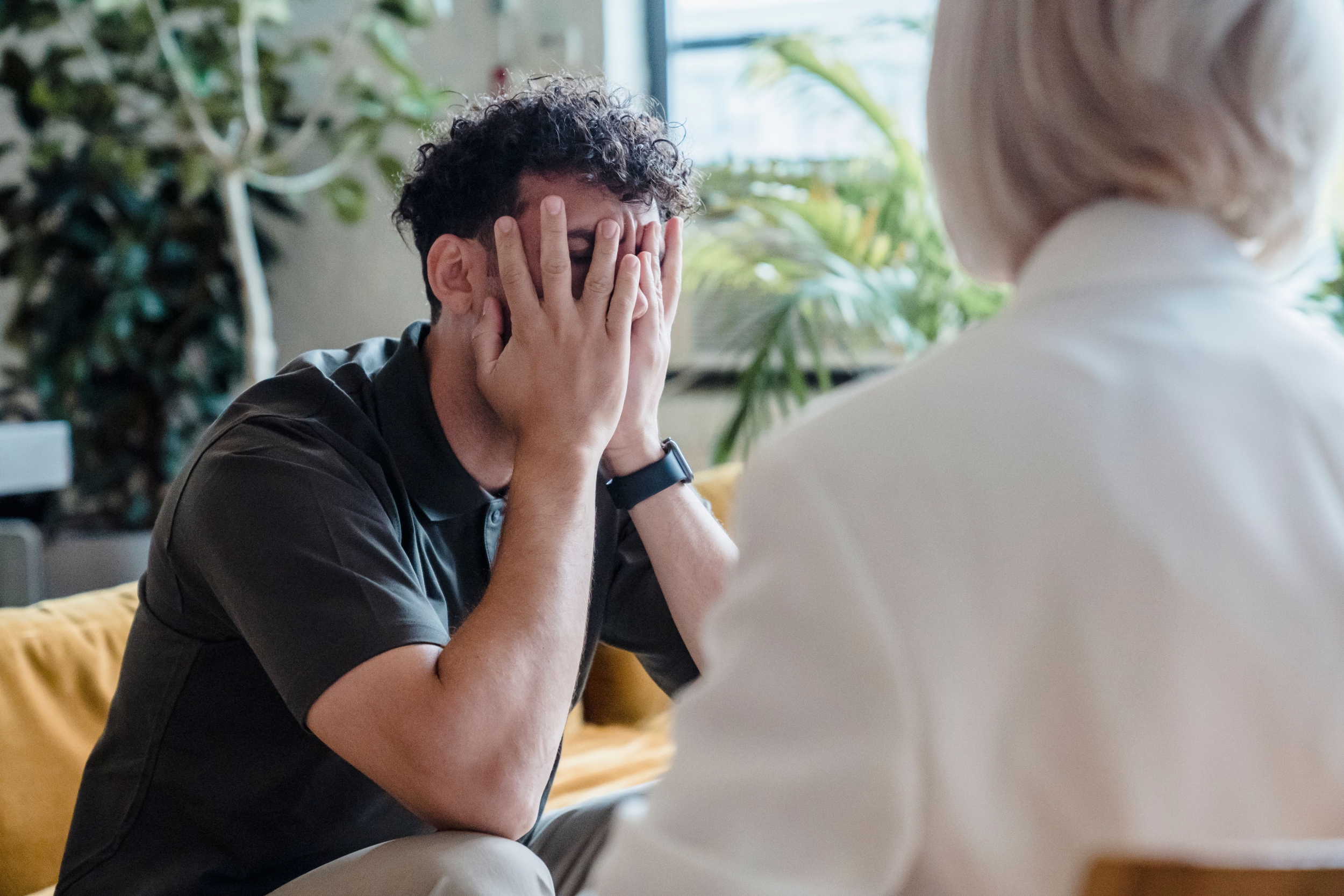
For residents, the practical change is who arrives. A family calling about an adult relative who is disoriented, intoxicated, or sleeping outside in the cold could eventually get a clinician or peer responder trained in de-escalation, someone who can connect the person to treatment or shelter instead of an arrest.
Baltimore already runs a 911 diversion pilot that sends eligible calls to a clinician in the call center, to 988, or to a co-response team that pairs police officers with a licensed clinician. The city has a consent decree obligation to provide around-the-clock 911 behavioral health crisis diversion when police are not necessary or appropriate, according to the city’s DNS page. A Baltimore Sun investigation published more than a year before the bill was introduced found problems with the city’s existing diversion system.
Council President Zeke Cohen said, “No one should lose their life to a mental health crisis.” He added that testimony showed “people calling for help with mental health emergencies are not always getting the right care fast enough.”
Paying for a Third Branch of Public Safety
The estimated start-up cost is $16.8 million, and $12.4 million of that would go toward replacing the city’s aging computer-aided dispatch system, JEMS reported. The dispatch upgrade includes $8 million in state funding. The city also identified $3.4 million from its Opioid Restitution Fund for planning and $1 million in federal funds to expand alternative response teams.
A deputy finance director’s Oct. 8 report warned that alternative response could create a “significant recurring operating cost” and projected the Opioid Restitution Fund “would be fully exhausted by Fiscal 2032,” EMS1 reported. The fund held slightly more than $239 million at the end of fiscal 2026, and the mayor’s office expects it to support the department for roughly its first four to five years.
The city has not published an estimate of the department’s yearly operating cost once it is fully staffed. That long-term gap was the core of Conway’s objection. “I think the trouble here is making sure we can pay for it,” he said when the bill advanced on second reading, FOX45 reported.
Scott has acknowledged the city will eventually pay part of the cost. “Obviously it’s going to involve city funds,” he said last month, according to CBS Baltimore.
Support and Doubts From First Responders
Johns Hopkins Hospital, the Baltimore Harm Reduction Coalition, community groups, the Office of Overdose Response and the city’s police and fire departments spoke in favor of the bill.
Firefighter union leaders raised safety and cost concerns. “If the police department is cut out entirely, that would be a significant issue,” said Josh Fannon, president of International Association of Fire Fighters Local 964. Matthew Coster, president of IAFF Local 734, said the city must “demonstrate where actual savings will occur” before redirecting money from public safety agencies.
Those concerns point to the questions that will decide whether the model works. Dispatchers will need clear rules for sending police backup, and the city has not yet released staffing numbers or a hiring timeline.
The scale of demand is large. Baltimore logged 1.68 million 911 calls in 2024, according to city data cited by KFF Health News. Tahir Duckett, a community safety expert at Georgetown Law, said tens of thousands of those calls did not need police, firefighters, or EMTs.
Calling for Help in a Mental Health Crisis
Until the department launches, residents should keep using the options that exist now. Anyone in immediate danger, or facing a situation involving a weapon, a medical emergency, or a risk of violence, should call 911.
People in emotional distress, or family members worried about someone, can call or text 988, the Suicide and Crisis Lifeline, at any time. In Baltimore, 988 can connect callers to local crisis counselors and mobile crisis teams.
When calling 911 about a relative in crisis, it helps to say clearly that the call involves a mental health emergency and to share details such as diagnoses, medications, and whether the person is armed. That information helps dispatchers choose a response, and the new department’s success will depend on getting that choice right.
The next steps are the mayor’s signature and the hiring of the department’s leadership. MedicalDaily will report when the department begins taking calls and when the city releases response and safety data.
Key Questions Answered
What did the Baltimore City Council approve? A Department of Neighborhood Safety to send non-police responders to some nonviolent 911 calls.
Is the department in effect now? No. It needs the mayor’s signature and may take about a year to be fully operational.
Which calls would it handle? About 22,000 a year, including welfare checks, trespassing, noise complaints, public intoxication and homelessness calls.
How much will it cost? About $16.8 million to start, including $12.4 million for a new 911 dispatch system.
Who raised concerns? Councilman Mark Conway cited long-term funding, and firefighter union leaders raised safety and cost questions.
What should I do in a mental health crisis now? Call or text 988 for crisis support, or call 911 if anyone is in immediate danger.
Published by Medicaldaily.com


