

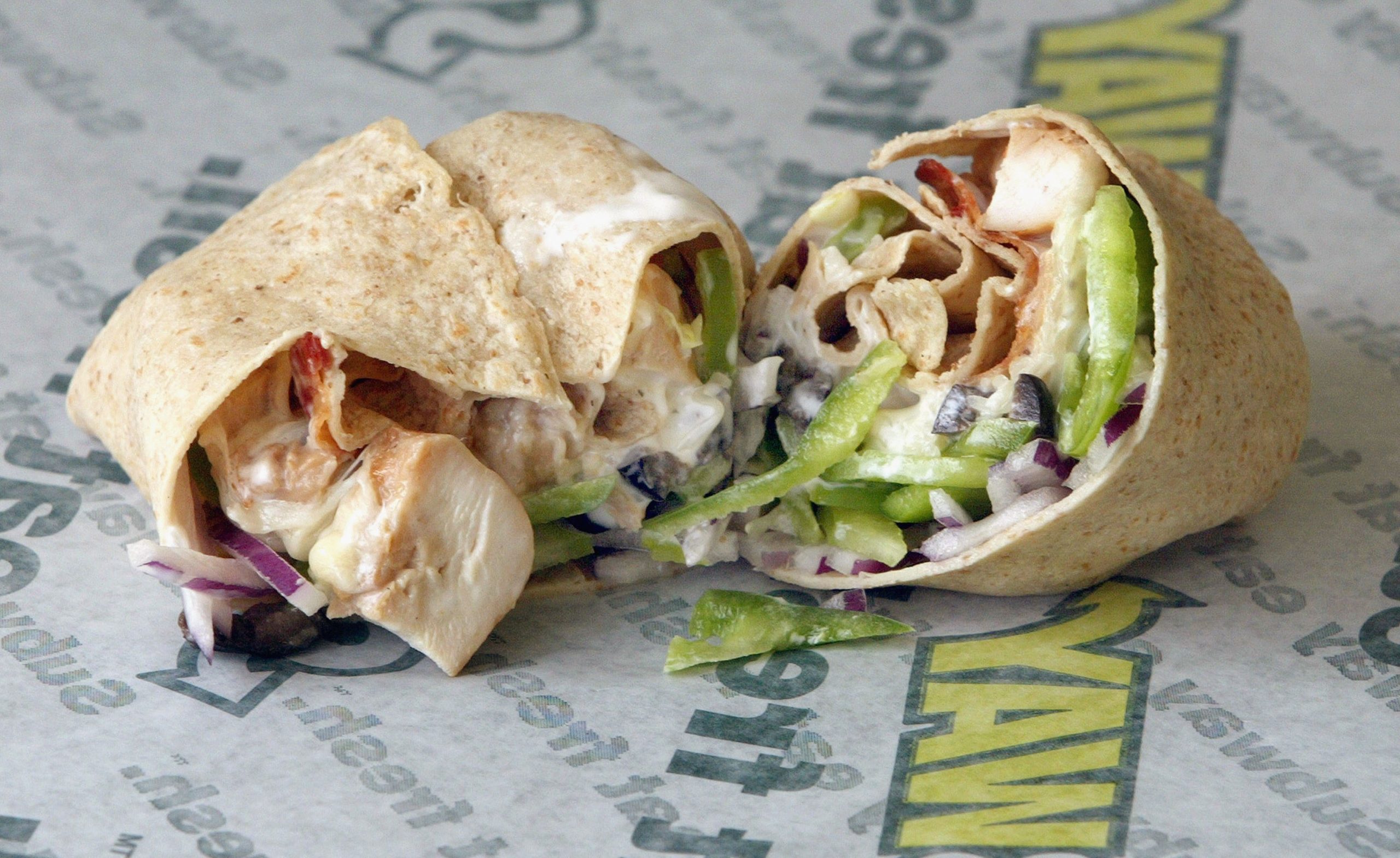
Federal food safety officials have tied a specific grocery chain to the E. coli O157:H7 outbreak that has sickened at least 50 people. The U.S. Department of Agriculture’s Food Safety and Inspection Service (FSIS) said on Oct. 23 that ready-to-eat chicken wraps from certain Trader Joe’s stores were “a common exposure among people who became sick,” according to a USA Today report republished by The Spokesman-Review. A lawsuit and state investigation records reviewed by USA Today identified the product as Trader Joe’s Tarragon Chicken Salad Wraps.
For households, the confirmation turns a vague warning into something a family can actually check. Anyone who ate the wraps in late summer and later developed severe diarrhea now has a specific food to mention to a doctor or local health department. Trader Joe’s told USA Today in an Oct. 20 email that it pulled the wraps from shelves in nine states after the FDA notified the chain in September of a possible issue, so they should no longer be in stores.
The update does not close the case. FSIS said extensive product testing has come back negative, and the contaminated ingredient has not been identified. The agency also said chicken is an unlikely culprit because it is rarely the source of this E. coli strain.
Federal Investigators Confirm the Trader Joe’s Link
FSIS gave the confirmation in an email to USA Today after the paper reported on the lawsuit and state records. The agency said Trader Joe’s removed the wraps from the market before investigators established a link to the illnesses, which is why no recall or public health alert was issued.
Until that email, neither federal agency had publicly named a retailer or brand. The FDA’s outbreak investigation table, last updated Oct. 21, still lists the source only as a suspected multi-ingredient wrap with chicken under reference number 1421. It shows 50 illnesses, notes that traceback, on-site inspections, and product sampling have begun, and lists no recall.
The FDA has not released hospitalization, kidney complication, or death counts, or the states where patients live.
MedicalDaily previously reported that the outbreak grew to 50 cases without a named brand. At that time, federal officials said only that the suspect wraps had been pulled and were past their shelf life. What is new is a named retailer and product, plus the FSIS view that chicken itself is probably not the cause.
Shoppers Who Bought the Wraps in Late August
The product name first entered the public record on Oct. 15, when two women sued Trader Joe’s in federal court in California. Their claims are allegations that have not been tested in court, but they give a sense of the timeline.
According to the federal complaint filed by the two women, Gayle Gottlieb of Pembroke, North Carolina, bought three Tarragon Chicken Salad Wraps at the Trader Joe’s in Myrtle Beach, South Carolina, on Aug. 23 and ate the first one on Aug. 27. She was in an emergency department by Aug. 30, according to her attorney, food safety lawyer Bill Marler. The second plaintiff, Meaghan Egan Bright of Somerville, Massachusetts, bought a wrap at the Trader Joe’s in Boston’s Allston neighborhood on Aug. 24, fell ill on Aug. 27, and was hospitalized at Massachusetts General Hospital from Aug. 31 through Sept. 6, Marler said.
Because the wraps were pulled weeks ago, there is little reason to search the refrigerator now. The more useful step is remembering what the household ate. If someone had a serious diarrheal illness after eating the wraps, that history is worth sharing with a clinician and with the local health department, which uses those reports to link cases.
Kidney Danger for Young Children and Older Adults
E. coli O157:H7 produces Shiga toxin, and infection can trigger hemolytic uremic syndrome (HUS), a condition that can lead to kidney failure. Children younger than 5, adults older than 65, and people with weakened immune systems are more likely to develop severe illness, according to the FDA’s overview of E. coli.
Most people with this infection have watery or bloody diarrhea and stomach cramps that can be severe, and some also have vomiting or a low fever, the CDC says. The agency advises calling a doctor for diarrhea or vomiting that lasts more than two days, bloody stool or urine, a fever higher than 102°F, or signs of dehydration.
The CDC calls HUS a medical emergency. Warning signs include little or no urine, loss of pink color in the cheeks and inside the lower eyelids, unexplained bruising, and unusual tiredness or irritability. Dehydration can develop quickly in young children, so parents should not wait to seek care when these signs appear.
Questions Investigators Have Not Answered
Several important facts remain unconfirmed. Officials have not said which ingredient carried the bacteria, which company made the wraps, which nine states sold them, or whether the same ingredient reached other foods. FSIS said it is still working with other agencies to identify the source.
The official count likely understates the outbreak. Many sick people never seek care or are not tested for E. coli, and the CDC estimates that for every confirmed patient in an E. coli outbreak, about 26 more go undetected, Food Safety News reported.
There is also a transparency question. The FDA first posted the outbreak on Sept. 23 without naming a brand. The product name surfaced through the lawsuit on Oct. 15, and FSIS confirmed the link only after USA Today asked, roughly a month after the wraps came off shelves. Marler told USA Today that agencies should name a product or processor when they can identify it, even after the food has been pulled. “The public has the right to know,” he said. FSIS said it issues recalls and public health alerts when a product is linked to illnesses, and there is actionable information for consumers.
MedicalDaily will monitor federal updates for a manufacturer name, a state list, or ingredient findings.
Related MedicalDaily Coverage
E. coli Outbreak Tied to Chicken Wraps Grows to 50 Cases, but Officials Have Not Named a Brand
Chicken Wrap Brand Behind 38 E. coli Illnesses Remains Unnamed as Listeria and Salmonella Outbreak Sources Stay Unidentified
A Salmonella Outbreak in Peppers Is Now Pulling Chicken Wraps and Burritos from Shelves Through a Second Federal Agency
Key Questions Answered
What product is linked to the E. coli outbreak? FSIS confirmed that ready-to-eat chicken wraps from certain Trader Joe’s stores were a common exposure among people who got sick. A lawsuit and state records identify them as Tarragon Chicken Salad Wraps. The contaminated ingredient has not been identified.
How many people are sick? The FDA lists 50 illnesses. Officials have not released hospitalization, HUS, or death figures, or the states where patients live.
Are the wraps still sold? No. Trader Joe’s said it pulled them from shelves in nine states in September after the FDA notified the chain of a possible issue. No formal recall was issued.
Who faces the highest risk? Children younger than 5, adults older than 65, and people with weakened immune systems are more likely to develop severe illness.
What symptoms should people watch for? Severe stomach cramps and watery or bloody diarrhea, sometimes with vomiting or a low fever. Little or no urine, pale skin, or unusual tiredness may signal HUS and needs emergency care.
What should I do if I ate the wraps and got sick? Contact a health care provider, mention the wraps and when you ate them, and report the illness to your local health department.
Published by Medicaldaily.com


