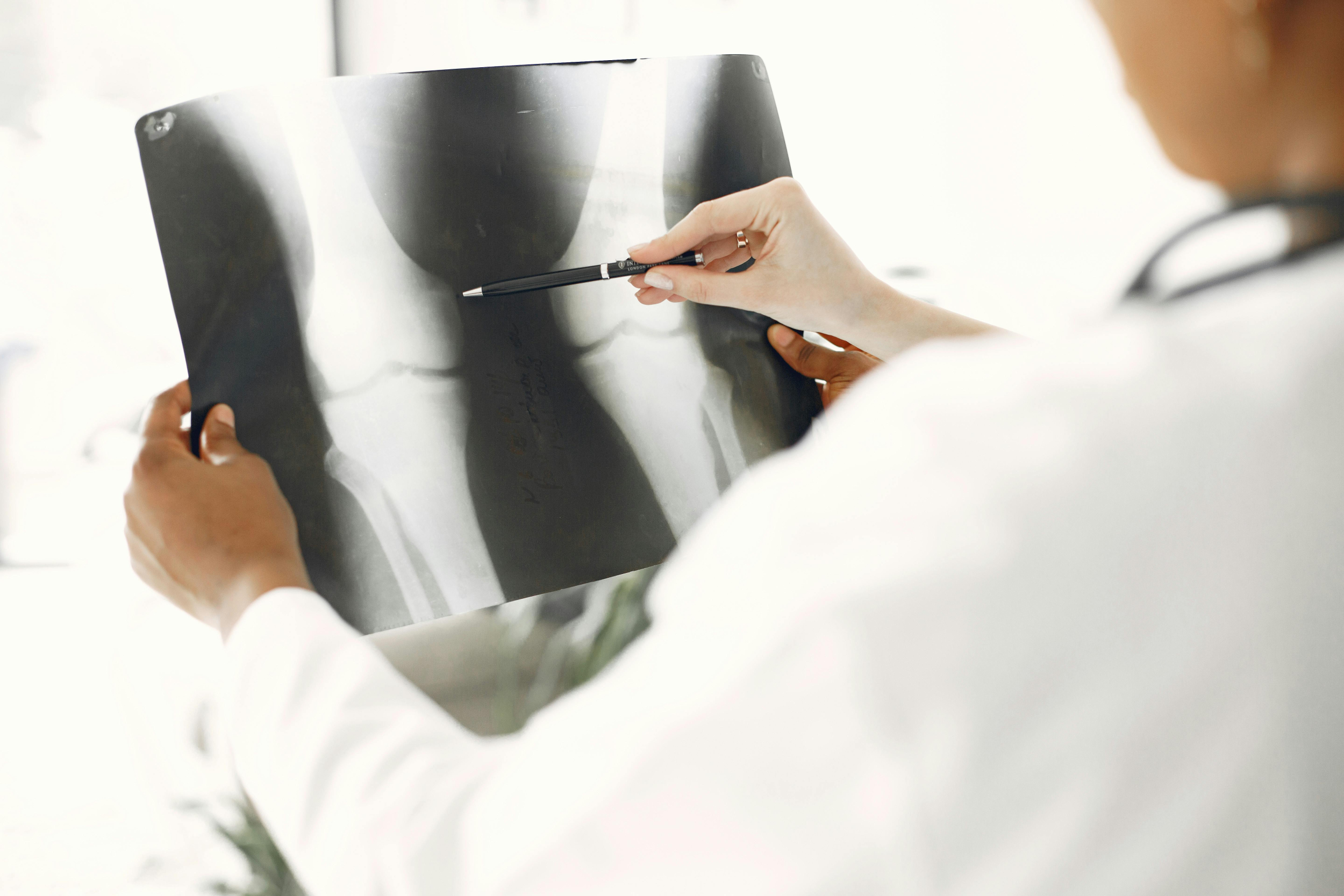
Osteoporosis is often called a silent disease because bone damage happens quietly, without early pain or obvious warning signs. Many people feel healthy for years while their bones gradually lose strength, making them fragile and prone to fractures. By the time osteoporosis symptoms appear, bone density loss may already be severe enough to affect daily life and mobility.
This condition affects millions worldwide, especially women after menopause and older adults. As bone tissue breaks down faster than it rebuilds, the skeletal structure becomes weaker and less resilient. Understanding how osteoporosis develops, what signs to watch for, and how it can be detected early is essential for protecting long-term bone health and independence.
Osteoporosis Symptoms and Early Warning Signs
Osteoporosis symptoms tend to appear only after significant bone weakening has occurred. Common signs include a gradual loss of height, a stooped posture caused by spinal compression fractures, and persistent back pain that develops without a clear injury. Fractures of the hip, wrist, or spine from minor falls or simple movements often signal advanced bone density loss.
According to the National Institute of Arthritis and Musculoskeletal and Skin Diseases (NIAMS), many people with osteoporosis do not experience symptoms until a fracture occurs, which is why routine screening is strongly recommended for high-risk individuals. The agency explains that spinal fractures can happen silently, contributing to posture changes and reduced mobility over time.
Because symptoms are subtle, osteoporosis is frequently overlooked. Paying attention to physical changes and risk factors helps prompt earlier testing before serious fractures develop.
Causes and Risk Factors Behind Bone Density Loss
Bone density loss occurs when the body breaks down bone tissue faster than it can rebuild it. Hormonal changes play a major role, particularly the drop in estrogen after menopause, which accelerates bone resorption. In men, lower testosterone levels with age also contribute to gradual bone thinning.
Based on information from the U.S. Office of the Surgeon General, lifestyle factors such as low calcium intake, vitamin D deficiency, smoking, and excessive alcohol use significantly increase osteoporosis risk. Long-term use of corticosteroids and certain medical conditions, including thyroid disorders and autoimmune diseases, further disrupt bone remodeling.
Genetics also influence peak bone mass and long-term bone strength. When multiple risk factors combine, bone density loss can accelerate rapidly, increasing fracture risk even in relatively active individuals.
How Osteoporosis Is Diagnosed Early
Diagnosing osteoporosis before fractures occur relies on imaging and risk assessment rather than physical symptoms alone. The primary diagnostic tool is a DXA scan, which measures bone mineral density at the hip and spine. A T-score of −2.5 or lower confirms osteoporosis, while scores between −1.0 and −2.5 indicate low bone mass.
According to the International Osteoporosis Foundation, DXA scanning is the most reliable method for identifying fracture risk and monitoring bone changes over time. The organization also highlights fracture risk calculators, such as FRAX, which estimate a person’s likelihood of sustaining a fracture within ten years.
Early diagnosis allows treatment to begin before irreversible bone damage occurs, reducing the likelihood of life-altering fractures.
Prevention and Treatment Options That Protect Bone Health
Preventing osteoporosis focuses on slowing bone density loss and strengthening existing bone. Weight-bearing activities such as walking, stair climbing, and resistance training stimulate bone formation and improve balance. Adequate intake of calcium and vitamin D supports mineralization and helps maintain bone structure.
Treatment options include medications that slow bone breakdown or stimulate new bone growth. Bisphosphonates reduce fracture risk by limiting osteoclast activity, while newer therapies encourage bone formation in severe cases. Lifestyle changes, fall prevention strategies, and regular monitoring work together to preserve mobility and independence as people age.
Building Stronger Bones for a More Secure Future
Protecting bone health requires awareness long before osteoporosis symptoms appear. When bone density loss is identified early, targeted lifestyle changes and medical care can dramatically reduce fracture risk. Strong bones support mobility, confidence, and quality of life well into older age.
By understanding risk factors, prioritizing screening, and committing to consistent prevention habits, individuals can stay active and resilient. Bone health is not just about avoiding fractures—it is about maintaining freedom of movement and long-term independence for years to come.
Frequently Asked Questions
1. What are the earliest osteoporosis symptoms to watch for?
Early osteoporosis symptoms are often subtle or completely absent. Some people notice gradual height loss or mild back discomfort over time. Because pain is uncommon early on, fractures may be the first noticeable sign. This is why screening is important even without symptoms.
2. Can bone density loss be reversed?
Severe bone density loss is difficult to fully reverse, but it can often be slowed or partially improved. Medications, proper nutrition, and weight-bearing exercise help strengthen bones. Early intervention produces the best results. Ongoing monitoring helps guide treatment adjustments.
3. Who should get tested for osteoporosis?
Women over age 65 and men over age 70 are commonly advised to get tested. Younger individuals with risk factors such as early menopause, steroid use, or family history may need earlier screening. Doctors may recommend testing after fractures from minor falls. Personalized risk assessment guides timing.
4. Is osteoporosis only a concern for women?
While osteoporosis is more common in women, men are also affected. Men tend to develop it later in life but face higher mortality after hip fractures. Hormonal changes, lifestyle factors, and medical conditions contribute to risk in both sexes. Awareness and prevention matter for everyone.
Leave a Reply