Tag: Health

  • Meditation and Mental Health: The Surprising Benefits for Your Wellbeing

    Meditation and Mental Health: The Surprising Benefits for Your Wellbeing

    Introduction to Meditation and Mental Health

    Meditation has been practiced for thousands of years, originating from ancient Eastern cultures as a means to cultivate mental, emotional, and spiritual well-being. In recent decades, the Western world has increasingly adopted meditation as a tool for improving mental health and overall wellbeing. The practice involves training your mind to focus, relax, and become more aware of your thoughts, feelings, and bodily sensations. As the world grapples with rising rates of anxiety, depression, and other mental health challenges, meditation has emerged as a powerful adjunctive therapy, offering a variety of benefits that can enhance mental health and promote a sense of wellbeing.

    Understanding Meditation

    Meditation is a broad term that encompasses a range of practices, including mindfulness meditation, loving-kindness meditation, transcendental meditation, and movement meditation, among others. At its core, meditation involves setting aside time to sit comfortably, close your eyes, and focus your mind on a particular object, thought, or activity. For beginners, this often starts with focusing on the breath, noticing when the mind wanders, and gently bringing it back without judgment. Regular practice can lead to a deeper understanding of oneself, reduced stress levels, and an improved ability to handle life’s challenges with grace and resilience.

    The Surprising Benefits for Mental Health

    The benefits of meditation on mental health are multifaceted and well-documented. Regular meditation practice has been shown to reduce symptoms of anxiety and depression, improve sleep quality, enhance cognitive functioning such as attention and memory, and boost the immune system. Meditation also promotes emotional regulation, allowing individuals to better manage their emotions and respond to stressful situations in a more thoughtful and less reactive manner. Furthermore, meditation cultivates self-awareness, enabling individuals to understand their thoughts, emotions, and behaviors more clearly, which is crucial for personal growth and development.

    Impact on Anxiety and Depression

    One of the most significant benefits of meditation is its impact on anxiety and depression. These are two of the most prevalent mental health disorders worldwide, characterized by persistent feelings of worry, fear, sadness, and loss of interest in activities. Meditation has been found to decrease the production of stress hormones like cortisol, leading to a reduction in the symptoms of anxiety and depression. By teaching the mind to stay present and focused on the current moment, rather than dwelling on the past or worrying about the future, meditation helps to break the cycle of negative thinking that often accompanies these conditions.

    Enhancing Cognitive Function

    Beyond its emotional benefits, meditation has a profound impact on cognitive function. Regular practice has been linked to improvements in attention, memory, and problem-solving abilities. Meditation helps to strengthen the neural networks within the brain, enhancing communication between different brain regions. This can lead to better performance in work and academic settings, as well as improved overall cognitive health. Furthermore, meditation has been shown to have neuroprotective effects, potentially reducing the risk of age-related cognitive decline and neurodegenerative diseases like Alzheimer’s.

    Promoting Better Sleep

    Sleep is a critical component of mental health, with sleep disturbances often being a symptom or cause of various psychiatric conditions. Meditation can help improve sleep quality by reducing stress and anxiety, making it easier to fall asleep and stay asleep throughout the night. Regular meditation practice before bedtime can signal to the body that it is time to sleep, creating a healthy sleep routine. Improved sleep quality, in turn, can enhance mental health, lead to better mood regulation, and reduce the risk of developing mental health disorders.

    Cultivating Emotional Regulation

    Emotional regulation is the ability to manage and modulate emotional responses to various situations. Meditation cultivates this skill by increasing self-awareness and teaching the mind to observe emotions without judgment, rather than becoming overwhelmed by them. This can lead to more harmonious relationships, improved decision-making, and a reduced tendency to react impulsively to stressors. By learning to navigate emotions in a healthier way, individuals can develop resilience and better cope with life’s challenges.

    How to Incorporate Meditation into Your Life

    Incorporating meditation into daily life can be simple and accessible. Starting with short sessions, even just a few minutes a day, can be beneficial. Using guided meditation apps, joining a meditation group, or following meditation videos can provide structure and motivation for beginners. Finding a quiet, comfortable space to meditate and making it a consistent part of your daily routine, such as right after waking up or before bedtime, can help turn meditation into a sustainable habit.

    Conclusion

    Meditation offers a wide range of benefits for mental health and wellbeing, from reducing symptoms of anxiety and depression to enhancing cognitive function and promoting better sleep. By incorporating meditation into daily life, individuals can cultivate greater self-awareness, improve their emotional regulation, and develop resilience in the face of stress and adversity. As the world continues to navigate the complexities of mental health, the ancient practice of meditation stands as a powerful tool, available to anyone, anywhere, offering a pathway to improved mental health and a deeper sense of wellbeing.

    FAQs

    • Q: What is meditation, and how does it work?
      A: Meditation is a practice that involves training your mind to focus, relax, and become more aware of your thoughts, feelings, and bodily sensations. It works by reducing stress, improving emotional regulation, and enhancing cognitive function, among other benefits.
    • Q: Do I have to be religious or spiritual to meditate?
      A: No, meditation is a practice that can be adapted to anyone’s beliefs and values. It is about cultivating mental and emotional wellbeing, and can be practiced by people of all religious and spiritual backgrounds.
    • Q: How often should I meditate to see benefits?
      A: The frequency of meditation can vary, but starting with daily practice, even if it’s just a few minutes, can be beneficial. Consistency is key, and as you continue, you can adjust the duration and frequency based on your needs and schedule.
    • Q: Can meditation help with specific mental health conditions?
      A: Yes, meditation has been shown to help with a variety of mental health conditions, including anxiety, depression, PTSD, and substance abuse. It is often used as an adjunct to traditional therapies and treatments.
    • Q: How do I get started with meditation if I’m a beginner?
      A: You can start by using guided meditation apps, following meditation videos, or joining a meditation group. Finding a quiet, comfortable space and making meditation a part of your daily routine can help you get started and maintain your practice.
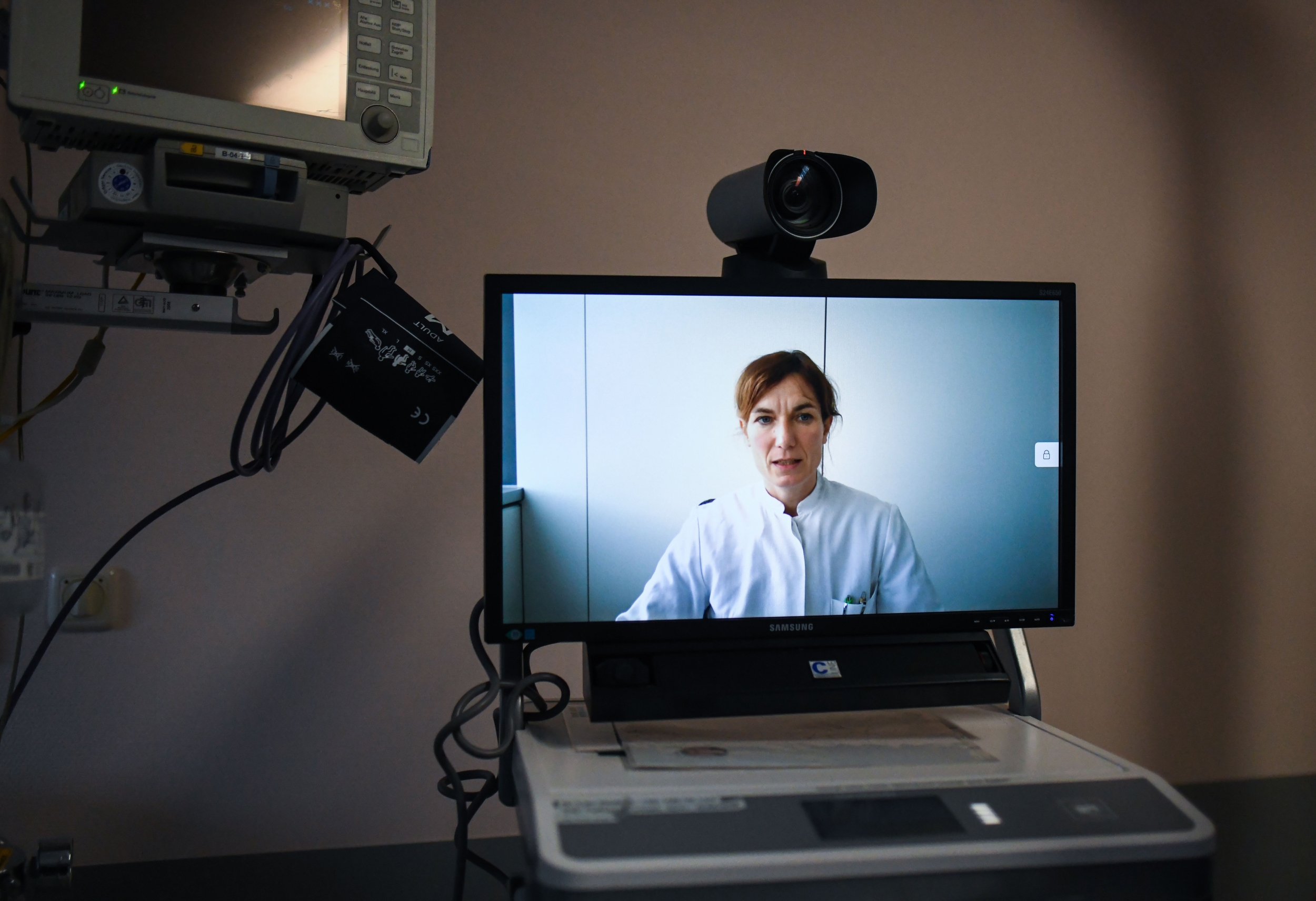
  • A Telehealth Mental Health Company Billed Medicaid for Visits That Never Happened — And It Is Not Alone

    A Telehealth Mental Health Company Billed Medicaid for Visits That Never Happened — And It Is Not Alone

    A telehealth company that provided mental health services through video appointments admitted it billed Medicare and Medicaid for patient appointments that never took place — and agreed to pay $300,000 to resolve the allegations.

    The company, Aptihealth, Inc., and Aptihealth Medical, PLLC, is based in Clifton Park, New York. According to the U.S. Department of Justice’s announcement on June 23, 2026, the settlement resolves False Claims Act allegations that included billing for patient appointments where patients did not show up, billing for patient messages without regard to whether those communications involved billable clinical content, and billing for psychological testing services that were not adequately documented.

    Aptihealth also admitted to implementing a patient incentive program involving $25 gift cards that the government contends violated the Anti-Kickback Statute.


    Why This Matters

    Telehealth mental health services have transformed access to psychiatric care for millions of Americans — reducing geographic barriers, eliminating transportation requirements, and expanding appointment availability for people who previously could not access care at all.

    That growth has attracted fraudulent billing on a significant scale. The DOJ’s 2026 National Health Care Fraud Takedown, announced simultaneously with the Aptihealth settlement, charged 455 defendants — including 90 licensed medical professionals — in connection with more than $6.5 billion in alleged fraud. Telehealth and digital health billing fraud were specifically named as one of the takedown’s key targets, with 49 defendants charged in connection with $1.17 billion in allegedly fraudulent telehealth and genetic testing claims.

    When telehealth companies bill for services that never occurred, two harms result: the federal programs are defrauded, and patients may develop billing records that do not accurately reflect their care history, with consequences for insurance, disability claims, or future treatment.


    What We Know So Far

    According to the DOJ announcement, Aptihealth’s billing violations included:

    • No-show billing: Submitting claims to Medicare and Medicaid for patient appointments that did not occur because the patient did not attend.
    • Message billing: Billing for responses to patient messages without determining whether those communications involved clinically billable content.
    • Documentation failures: Billing for psychological testing services without sufficient documentation to support the claims.
    • Anti-Kickback violation: Offering $25 gift cards to patients who attended therapy sessions — a financial incentive that the government determined violated the Anti-Kickback Statute because it could improperly influence patients’ decisions to use the service.
    • Compliance program failures: Aptihealth’s compliance program did not meet New York statutory requirements for billing oversight, compliance monitoring, and training.

    The settlement was filed as a whistleblower action by a former Aptihealth employee under the False Claims Act’s qui tam provisions. The whistleblower will receive approximately $51,000 of the settlement proceeds.


    Not an Isolated Case

    The Aptihealth settlement is one of the smaller cases in the 2026 National Health Care Fraud Takedown, but it illustrates a fraud pattern that investigators say is systemic in the telehealth sector.

    According to the DOJ’s Fraud Division, the largest telehealth fraud case in the takedown was United States v. Blackman, involving Brett Blackman, founder and CEO of HealthSplash. His company, DMERx, used foreign call centers to blast spam to Medicare beneficiaries, pressuring elderly patients to accept medically unnecessary orthotic braces. The fraud involved $1 billion in allegedly fraudulent Medicare claims for equipment that, in many cases, was never ordered by a legitimate physician or needed by the patient.

    The Southern District of Florida takedown included charges against 12 defendants in connection with more than $4 billion in allegedly fraudulent claims for community mental health services, among other categories, illustrating the scale at which telehealth billing fraud now operates.


    What the Evidence Shows — and What It Does Not

    The Aptihealth settlement involves admitted conduct — the company admitted responsibility for the billing practices described. This is a settlement, not a jury trial verdict, and the $300,000 payment is not described as encompassing the full amount billed improperly. Settlement amounts in False Claims Act cases typically do not represent the full extent of alleged fraud.

    The DOJ’s 2026 Takedown data represent alleged fraud that has been charged or settled, not a comprehensive picture of the total volume of telehealth billing irregularities that may exist in the market. Experts in health care fraud have noted that telehealth billing is particularly difficult to monitor in real time because virtual care occurs without the physical presence of oversight, and documentation standards vary widely.


    Who Is Most Affected?

    • Medicaid and Medicare beneficiaries who received mental health services through telehealth platforms and may have claims in their records for sessions they did not attend
    • Patients who were billed for message-based consultations that did not meet the clinical threshold for a billable service
    • Taxpayers and program beneficiaries generally, since telehealth billing fraud increases costs borne by the Medicare and Medicaid trust funds

    What You Can Do Now

    • If you receive mental health services through telehealth and are covered by Medicare or Medicaid, review your Explanation of Benefits (EOB) or Medicare Summary Notice carefully. Check that every listed service date corresponds to an appointment you actually attended.
    • If you see a claim for a session you did not have, contact your insurance company or 1-800-MEDICARE (1-800-633-4227) to report it.
    • If you receive telehealth care, you have the right to ask your provider for a copy of your billing records. These records should reflect only services that were actually provided.
    • Report suspected Medicare or Medicaid billing fraud to the HHS OIG Hotline at 1-800-HHS-TIPS (1-800-447-8477).
    • If you work for a telehealth company and suspect fraudulent billing, the False Claims Act’s whistleblower provisions allow you to report it and, if the case results in a recovery, receive a portion of the settlement proceeds.

    Cost and Access: What Patients Should Know

    Patients whose Medicare or Medicaid records contain claims for services they did not receive should not owe out-of-pocket costs for those fraudulent claims. If a co-payment or cost-sharing was collected for a session that did not occur, patients should request a refund from the provider. If the provider does not respond, contact your insurance plan or state Medicaid agency.

    Patients who have experienced genuine fraudulent billing should not discontinue telehealth mental health care as a result of this fraud. The fraud problem lies with the billing practices of specific providers, not with telehealth as a modality for delivering legitimate mental health services.


    What Happens Next

    The DOJ’s 2026 National Health Care Fraud Takedown is ongoing, with additional enforcement actions expected. CMS has suspended billing privileges for 1,403 providers and revoked them for 1,079 more as part of the 2026 action. A newly announced Health Care Fraud Data Fusion Center will deploy artificial intelligence and cloud computing tools to identify telehealth billing fraud patterns more rapidly. MedicalDaily will continue tracking enforcement actions in the telehealth sector.


    The Bottom Line

    A telehealth mental health company admitted it billed Medicare and Medicaid for appointments that never happened, and the DOJ’s 2026 National Health Care Fraud Takedown makes clear this is not an isolated case. Telehealth billing fraud is one of the fastest-growing categories of health care fraud. Patients who use telehealth for mental health care should review their billing records regularly, confirm that every claim in their record corresponds to an actual appointment, and report any discrepancies promptly.

    References

    Source link

  • The Most Effective Community Mental Health Clinic Model Just Received More Than 3 Million in New Federal Funding

    The Most Effective Community Mental Health Clinic Model Just Received More Than $223 Million in New Federal Funding

    The most evidence-based community mental health delivery model in the United States just received its largest single infusion of federal funding in years. On June 17, 2026, HHS Secretary Robert F. Kennedy Jr. announced more than $700 million in new behavioral health investments — including $223.1 million specifically for Certified Community Behavioral Health Clinics (CCBHCs) — during a visit to an Easterseals MORC CCBHC clinic in Clinton Township, Michigan.

    The announcement also introduced the STREETS program ($96 million), designed to connect people experiencing homelessness to addiction and mental health treatment, and $211.1 million to improve local 988 crisis line capacity. The total package represents one of the most significant federal investments in community behavioral health since the Bipartisan Safer Communities Act of 2022.


    Why This Matters

    The United States faces a profound mental health and substance use disorder crisis that costs lives and strains emergency rooms, jails, hospitals, and families. More than 57 million adults in the U.S. experienced a mental illness in the past year, and more than 28 million had a substance use disorder. Fewer than half of those with mental illness received any treatment.

    The CCBHC model was specifically designed to close that gap. Unlike traditional outpatient mental health clinics that operate on business hours and serve only those who can afford to wait, CCBHCs must provide same-day care regardless of patients’ ability to pay, 24-hour mobile crisis response, integrated treatment for both mental illness and substance use disorders, peer support services, and primary care screening.

    And unlike many promising models in mental health, CCBHCs have been rigorously studied — and the evidence works.


    What We Know So Far

    According to SAMHSA’s grants dashboard, the $223.1 million for CCBHCs breaks down as $94 million for CCBHC Planning, Development, and Implementation grants and $117.1 million for CCBHC Improvement and Advancement grants, plus $12 million for state planning grants. Individual clinic grants can reach up to $1 million per year.

    The HHS announcement specifically framed the investment as part of President Trump’s Great American Recovery Initiative, an anti-addiction and mental health policy platform.

    “Every community deserves access to effective behavioral health services that help people prevent addiction, achieve recovery, address mental health challenges, and respond to crises,” said Christopher D. Carroll, principal deputy assistant secretary of SAMHSA. “Certified Community Behavioral Health Clinics are a cornerstone of this effort, providing comprehensive, community-based care that helps people sustain recovery and rebuild their lives.”


    What the CCBHC Model Requires

    To be certified as a CCBHC, a clinic must meet nine mandatory service requirements established under Section 223 of the Protecting Access to Medicare Act of 2014 and made permanent under the 2024 Consolidated Appropriations Act. Those requirements include:

    • 24-hour mobile crisis response
    • Same-day outpatient mental health and substance use treatment
    • Screening, assessment, and diagnosis
    • Primary care screening and monitoring for chronic disease
    • Peer support and family support services
    • Targeted case management
    • Psychiatric rehabilitation
    • Community-based mental health care for veterans
    • Services for individuals experiencing a substance use disorder, including opioid use disorder

    The requirement that no patient be turned away due to inability to pay — and that same-day care must be available — distinguishes CCBHCs from most mental health providers in the current system.


    Where the Impact Would Be Greatest

    CCBHCs are concentrated in communities that have historically had the least access to behavioral health care: rural areas, low-income urban neighborhoods, and communities with significant populations of people experiencing homelessness, substance use disorders, or co-occurring mental illness and medical conditions.

    The CCBHC Medicaid Demonstration Program — which provides enhanced federal Medicaid funding to states that implement the model — now includes 10 new states following a June 2024 expansion round. Colorado submitted a new CCBHC Demonstration application in March 2026, reflecting growing state-level interest in the program.

    States that have implemented the CCBHC Demonstration have seen measurable improvements in access to care, including reductions in emergency department visits and psychiatric hospitalizations for participating patients.


    What Doctors and Experts Say

    Research on the CCBHC model has consistently shown reductions in emergency department visits, reduced psychiatric hospitalizations, improved treatment retention for both mental illness and substance use disorder, and better coordination between behavioral health and primary care.

    According to SAMHSA, the CCBHC Improvement and Advancement grants are designed to “enhance and improve CCBHCs that currently meet the CCBHC Certification Criteria,” recognizing that existing clinics benefit from sustained investment to maintain the demanding services the model requires.

    The announcement of the STREETS program — which specifically focuses on moving people from the streets into treatment and recovery — reflects the connection between untreated mental illness, substance use disorder, and homelessness that advocates have long documented.


    What the Evidence Shows — and What It Does Not

    The CCBHC model has been studied more rigorously than most community mental health approaches. Multiple evaluations of the original eight-state CCBHC Demonstration Program, which began in 2017, documented reduced emergency department visits and hospitalizations, improved access to care in underserved communities, increased treatment retention, and greater integration between behavioral health and primary care.

    The model is not a cure for the U.S. mental health crisis. There are not enough CCBHCs to serve the full population that needs them. The certification process takes 12 to 18 months, meaning new grants announced today will not produce new clinics immediately. And the model requires ongoing federal and state funding to maintain its elevated service requirements — making it more vulnerable to funding disruptions than simpler models.


    Who Faces the Greatest Risk Without Access?

    Communities and individuals most in need of CCBHC services include:

    • Adults with serious mental illness who lack insurance or are enrolled in Medicaid
    • People with co-occurring mental illness and substance use disorders
    • Veterans with PTSD, depression, or substance use disorders
    • People experiencing homelessness or housing instability
    • Residents of rural counties without local psychiatric care
    • Children and adolescents with serious emotional disturbance

    What You Can Do Now

    • Check whether a CCBHC is available in your community. SAMHSA maintains a behavioral health treatment services locator at findtreatment.gov.
    • If you or someone you know is in a mental health or substance use crisis, contact the 988 Suicide and Crisis Lifeline by calling or texting 988. The June 17 announcement also included $211.1 million for 988 capacity expansion.
    • If you are a mental health provider or community organization interested in CCBHC certification, contact your state behavioral health authority for information on the certification process.
    • Patients currently enrolled in Medicaid can ask their caseworker whether CCBHC services are available in their plan.

    Cost and Access: What Patients Should Know

    CCBHCs are required to serve patients regardless of their ability to pay. For uninsured patients, CCBHCs operate on a sliding scale and may coordinate with other federal programs including Ryan White HIV/AIDS Program services, substance use block grants, and community health centers.

    Most CCBHC services are billable to Medicaid, and the CCBHC Demonstration provides enhanced federal Medicaid matching rates to participating states, increasing the financial sustainability of the model.


    What Happens Next

    The grants announced June 17 will be awarded through SAMHSA’s competitive grant process over the coming months. New CCBHC Planning, Development, and Implementation grantees will spend their first year building toward certification, with the goal of becoming fully certified CCBHCs and eventually Medicaid Demonstration participants. MedicalDaily will track the expansion of CCBHC capacity and 988 upgrades as new clinics come online.


    The Bottom Line

    The CCBHC model works, and it just received its largest federal investment in years. These clinics provide same-day psychiatric care, round-the-clock crisis response, and integrated addiction treatment to the communities that need it most — without turning anyone away for inability to pay. For the millions of Americans who cannot access mental health care today, this funding represents a meaningful step toward closing the gap. The next step is getting people through the doors.

    References

    Source link

  • Philadelphia Declares a Heat Health Emergency — Cooling Centers Open, Field Teams Dispatched, Heatline Active

    Philadelphia Declares a Heat Health Emergency — Cooling Centers Open, Field Teams Dispatched, Heatline Active

    Philadelphia declared a Heat Health Emergency on June 19, 2026, as the Juneteenth heat wave — which has placed approximately 80 million Americans under some form of heat advisory — brought heat index values forecast to reach 103°F and potentially exceed 100°F in the city.

    The declaration — issued by Philadelphia Health Commissioner Dr. Palak Raval-Nelson — activates a comprehensive set of city services designed specifically to reach those most at risk from heat illness and death: elderly residents living alone without air conditioning, people experiencing homelessness, outdoor workers, and residents with medical conditions that impair heat tolerance. “The Health Department declares a Heat Health Emergency when the temperature gets high enough that vulnerable people — especially our elderly neighbors and family members — are at an increased risk of getting sick or dying from the heat,” Commissioner Raval-Nelson said.

    This is not Philadelphia’s first heat health emergency of the summer. The Keystone Newsroom’s June 2026 coverage documented that Philadelphia had already come through two prior heat events in early June — the city’s first and second heat waves of 2026 — with temperatures reaching 97–98°F on consecutive days. The June 19 Juneteenth declaration represents the third heat emergency activation of the season.

    What a Philadelphia Heat Health Emergency Actually Activates

    According to the City of Philadelphia’s official Heat Health Emergency services page, a declaration triggers a coordinated set of emergency programs that go significantly beyond issuing a public advisory. The full activation includes:

    The Heatline — 215-765-9040. The Philadelphia Corporation for Aging’s (PCA) Heatline opens for calls during extended hours (8:30 a.m. to 8:30 p.m. during the emergency). City Health Department nurses answer calls directly, available to discuss medical concerns related to the heat, identify whether callers are in danger, and help connect residents with appropriate services. This is not a call center with scripted responses — it is a nurse-staffed clinical support line.

    Cooling centers with extended hours. As confirmed by the Philadelphia Inquirer’s coverage of the June 11 emergency and CBS Philadelphia, dozens of cooling centers open at community centers, libraries, religious centers, and parks across the city — with extended hours specifically during Heat Health Emergencies. Residents can find cooling center locations and hours at phila.gov or by calling 311. Parks and Recreation Older Adult Centers are open specifically for elderly residents.

    Home visits by special field teams. This is perhaps the most operationally significant activation in the declaration. As the City of Philadelphia’s public health documentation confirms, home visits by specialized field teams go to elderly residents and others identified in city health databases as being at elevated risk — people who may not access general public advisories, who may not know to call the Heatline, and who may be in danger before their distress is visible to neighbors or family. This proactive outreach distinguishes Philadelphia’s response from systems that rely entirely on self-reporting.

    Homeless outreach mobilization. The city mobilizes Homeless Services personnel and street outreach teams to offer shelter and services to people sleeping outside. As documented by both Philadelphia Patch and the Philadelphia Inquirer, street teams patrol the city offering shelter and services to anyone found outside in dangerous conditions. A 24/7 outreach hotline is available at 215-232-1984 for anyone who spots a person outside in need of help.

    Utility shutoff suspension. Residential utility shutoffs for nonpayment are suspended during Heat Health Emergencies, ensuring that residents who are behind on bills are not left without power for air conditioning during the most dangerous heat period.

    Pool access expansion. Philadelphia Parks & Recreation opens more than 60 outdoor pools on a rolling basis during Heat Health Emergencies, with free swim during open hours.

    Philadelphia Heat Health Emergency — Activated Services Detail
    Declaration authority Health Commissioner Dr. Palak Raval-Nelson
    Heatline 215-765-9040 (8:30 a.m. – 8:30 p.m. during emergency)
    Cooling centers Dozens of locations; community centers, libraries, religious centers, parks; call 311
    Home visit teams Special field teams dispatched to high-risk elderly and other identified residents
    Homeless outreach Mobilized Homeless Services personnel and street outreach teams
    24/7 homeless/outreach hotline 215-232-1984
    Outdoor pools 60+ opened on rolling basis; free swim during emergency
    Utility shutoffs Suspended during emergency (no shutoffs for nonpayment)
    Older Adult Centers Open with AC during emergency hours
    Heat index forecast 103°F + possible triple digits
    2026 context Third heat wave for Philadelphia; June 11–12 and prior June events also declared emergencies

    Philadelphia’s Specific Heat Vulnerabilities

    Philadelphia is one of the most heat-vulnerable large cities on the U.S. East Coast for reasons that go beyond temperature — they are structural.

    The urban heat island effect is severe. Philadelphia’s dense urban fabric — asphalt, concrete, limited tree canopy in many low-income neighborhoods — means that the city retains significantly more heat than surrounding suburban and rural areas. During a heat wave, urban core temperatures regularly exceed surrounding area temperatures by 5–10°F. Low-income and predominantly Black and Hispanic neighborhoods consistently show less tree coverage and higher surface temperatures than wealthier neighborhoods — a documented environmental justice disparity that concentrates the health burden of heat on the populations least resourced to address it.

    Air conditioning access gaps remain. While the majority of Philadelphia households have air conditioning, significant gaps remain among elderly residents on fixed incomes who avoid running AC to limit electricity bills, low-income renters whose landlords are not required to provide adequate AC, and residents in older housing stock where window units are not feasible.

    Older adults living alone. Philadelphia has a substantial elderly population, and a significant proportion of seniors live alone. During the 1995 Chicago heat wave — which killed 739 people in six days and remains the defining case study for heat mortality in a major U.S. city — living alone was one of the single strongest predictors of death, particularly when combined with no air conditioning and social isolation. Philadelphia’s home visit program exists precisely to address this known risk pattern.

    Anyone in Philadelphia who is concerned about themselves or a family member during the heat emergency should call 311 to find the nearest cooling center, call the PCA Heatline at 215-765-9040 to speak with a nurse, or call the 24/7 outreach line at 215-232-1984 for immediate street outreach assistance.

    Frequently Asked Questions

    What does Philadelphia’s Heat Health Emergency declaration activate?

    The declaration activates: the PCA Heatline at 215-765-9040 (nurse-staffed); cooling centers with extended hours at dozens of locations; home visits by specialized field teams to high-risk residents; mobilization of Homeless Services personnel and street outreach teams; free pool access; and suspension of residential utility shutoffs for nonpayment.

    Where can I find a cooling center in Philadelphia?

    Call 311 or visit phila.gov to find the nearest cooling center. During the Heat Health Emergency, dozens of locations are open with extended hours, including community centers, libraries, religious centers, parks, and Older Adult Centers.

    How do I get help for someone who appears to be in heat distress outdoors in Philadelphia?

    Call the 24/7 outreach line at 215-232-1984 to request immediate assistance for anyone you find outside who may be in heat distress. For a life-threatening emergency, call 911.

    What is the Heatline, and when is it available?

    The Philadelphia Corporation for Aging’s Heatline (215-765-9040) is staffed by City Health Department nurses during Heat Health Emergencies. Hours are 8:30 a.m. to 8:30 p.m. Nurses can answer medical questions about heat-related health concerns and help connect callers with services.

    Is there free swimming available during the emergency? Yes. Philadelphia Parks & Recreation opens its 60+ outdoor pools on a rolling basis during Heat Health Emergencies, with free swim during open hours. Check phila.gov for current open pool locations.

    Source link

  •  Billion in Rural Health Funding Won’t Reopen Martin County’s Closed Hospital — Here’s What the Fine Print Actually Says

    $50 Billion in Rural Health Funding Won’t Reopen Martin County’s Closed Hospital — Here’s What the Fine Print Actually Says

    Stanley Sears was 50 years old when he had a heart attack in Martin County, North Carolina. Emergency crews from a neighboring town worked on him for half an hour, but couldn’t revive him for the long drive to the closest hospital. Martin County’s only hospital had closed a year before his death.

    His sister, Debra Pierce, still wonders. “The sad thing is we’ll never know if he could have been saved that night or not, because we don’t have a higher level of care in this county,” she told KFF Health News reporter Sarah Jane Tribble.

    In the political moment following the passage of the One Big Beautiful Bill Act, the story of Martin County is being told differently by different people. Republicans point to the $50 billion Rural Health Transformation Program included in the bill as evidence that rural communities will be helped. Martin County Manager Drew Batts, who has walked through the shuttered corridors of Martin General Hospital with federal and state lawmakers, has a simpler assessment: “The $50 billion is not something that is specifically going to help our situation. It’s not going to help us get this place reopened.”

    He is correct. And the reasons why are an object lesson in the gap between what a federal health fund promises and what it can actually deliver.

    What the $50 Billion Rural Health Fund Is — and What It Isn’t

    According to KFF’s comprehensive analysis of the fund, the Rural Health Transformation Program was added to the One Big Beautiful Bill Act in response to concerns from lawmakers representing rural states about the bill’s massive Medicaid cuts. The fund provides $10 billion per year over five years (fiscal years 2026–2030), for a total of $50 billion. CMS has broad discretion over distribution and — critically — those distribution decisions are not subject to administrative or judicial review.

    The fund’s structural design creates several limitations that directly affect communities like Martin County:

    Limitation 1: The fund goes to existing organizations, not to closed facilities. North Carolina distributes its $213 million first-year allocation among existing health and social service organizations. As KFF Health News reported, federal regulations set limits on how much can be spent on construction and building renovations. Martin General Hospital isn’t open — so it isn’t an existing organization that can receive funds.

    Limitation 2: The hub-and-spoke distribution model concentrates money in larger systems. North Carolina’s plan creates a hub-and-spoke model that allots money to six large regional leads, including nonprofits such as ECU Health’s affiliate Access East. Those hubs then distribute to local entities. ECU Health’s affiliate did win a portion of North Carolina’s first-year payout — but the federal money cannot be used to reopen Martin General, according to ECU Health’s Chief Operating Officer Brian Floyd.

    Limitation 3: The fund is temporary; the Medicaid cuts are not. KFF analysis shows the $50 billion could offset approximately 37% of the estimated cuts to federal Medicaid spending in rural areas ($137 billion over ten years). But while the rural health fund is limited to five years, nearly two-thirds of the ten-year reductions in federal Medicaid spending occur after fiscal year 2030 — meaning the fund’s support runs out before most of the damage it’s supposed to offset materializes.

    Limitation 4: The math doesn’t work for the most rural communities. KFF analysis shows that Connecticut (with 3 rural hospitals by one definition) could receive the same amount as Kansas (with 90 rural hospitals) if both states are approved for funding. The allocation formula gives equal weight to states regardless of rural hospital density, diluting the fund’s impact in states most desperately in need.

    $50 Billion Rural Health Fund — Key Facts Detail
    Total fund size $50 billion ($10B/year for FY 2026–2030)
    Authorizing legislation One Big Beautiful Bill Act
    CMS discretion over distribution Broad; not subject to administrative or judicial review
    NC first-year allocation $213 million
    Distribution model in NC Hub-and-spoke; six large regional lead organizations
    Can NC funds reopen Martin General? No — federal rules limit construction; hospital must be operational
    Fund’s offset of rural Medicaid cuts ~37% of estimated $137B in rural Medicaid cuts over 10 years
    Timing mismatch Fund runs FY 2026–2030; 64% of Medicaid cuts come after FY 2030
    Martin County’s situation 22,000 residents; no hospital since 2023; no paramedics on ambulances
    Distance to nearest ER 20+ miles
    ECU Health projected Medicaid cut impact $1 billion over 10 years (CEO testimony)

    What Martin County Actually Needs — and What It Would Take

    ECU Health signed a letter of intent to reopen Martin General as a rural emergency hospital (REH) — a federal designation that allows smaller facilities to operate with 24-hour emergency services and outpatient care but without inpatient beds. Under that plan, Martin County would pay to refurbish the hospital, and the North Carolina General Assembly would need to provide ECU Health with $210 million — of which $150 million would fund construction of a new inpatient tower at ECU’s Beaufort Hospital.

    That legislative appropriation has not materialized. And even if it did, Representative Don Davis, whose district encompasses Martin County, told KFF Health News the rural health fund money “is essentially putting a band-aid on a much, much broader situation that needs dire help.” Davis has introduced legislation to increase Medicaid reimbursements for rural hospitals — the structural fix that would prevent hospital closures — but it has not moved forward.

    The closure of Martin General in August 2023 was abrupt. Employees were not notified. Patients being treated were wheeled out on stretchers and transported to other facilities. The company operating the county-owned hospital, Quorum Health, did not notify local elected leaders before filing for bankruptcy.

    Martin County also does not have paramedics on its ambulances — only emergency medical technicians (EMTs), who have a more limited scope of practice. The closest emergency rooms are 20 miles or more away, often overcrowded. One woman told KFF Health News she drove 2.5 hours from a small town near the Outer Banks so her 79-year-old aunt could get care at an ECU Health ER in Greenville — and was told to wait outside because of capacity issues.

    “It’s a real healthcare crisis that has already proven itself to have lost lives that perhaps didn’t have to be lost,” said ECU Health COO Brian Floyd. “They just want to not die because there’s nowhere to go when you have an emergency.”

    Frequently Asked Questions

    What is the $50 billion rural health fund?

    The Rural Health Transformation Program, included in the One Big Beautiful Bill Act, provides $10 billion per year for five years (FY 2026–2030) for rural health. CMS has broad discretion over distribution, and distribution decisions are not subject to administrative or judicial review.

    Why won’t the fund reopen Martin County’s hospital?

    Because the fund is distributed to existing health and social service organizations, and federal regulations limit how much can be spent on construction and renovation. Martin General Hospital closed in 2023 — it is not an existing operational facility that can receive funding. Martin County’s situation requires capital investment in a closed hospital that the fund’s design specifically does not accommodate.

    Does the $50 billion offset the Medicaid cuts in the same bill?

    Only partially. KFF estimates the fund could offset approximately 37% of the $137 billion in estimated cuts to federal Medicaid spending in rural areas over ten years. Critically, the fund runs through FY 2030, but nearly two-thirds of the Medicaid cuts occur after that — meaning the fund’s support ends before most of the cuts’ impact materializes.

    What happened to Martin County’s hospital?

    Martin General Hospital, the county’s only hospital, closed abruptly in August 2023 when the company operating it (Quorum Health) filed for bankruptcy without notifying local elected leaders or staff. Patients were wheeled out on stretchers. The county has approximately 22,000 residents with no hospital, no paramedics on ambulances, and emergency rooms 20+ miles away.

    What would it take to reopen Martin General?

    ECU Health has a letter of intent to reopen it as a rural emergency hospital (REH), but the plan requires the North Carolina General Assembly to appropriate $210 million to ECU Health and Martin County to fund building refurbishment. Those appropriations have not materialized. ECU Health’s CEO has separately warned the system expects to lose $1 billion over the next 10 years from Medicaid cuts under the One Big Beautiful Bill Act.

    Source link

  • CDC June 2026 Health Outlook: COVID Summer Surge Risk, West Nile Early Season, and Salmonella Moringa Alert

    CDC June 2026 Health Outlook: COVID Summer Surge Risk, West Nile Early Season, and Salmonella Moringa Alert

    Public health surveillance data released by the CDC as of June 5, 2026 offers a mixed picture of the nation’s current disease burden heading into the height of summer. COVID-19 activity is very low nationally, RSV and influenza seasons have ended, and the emergency department burden from respiratory illness is at its lowest point of the year. But officials are tracking several developing concerns that warrant attention from residents, clinicians, and travelers over the coming weeks.

    COVID-19: Low Now, But a Summer Surge Is Possible in the South and West

    The CDC’s June 5 Respiratory Virus Data update confirms that COVID-19 activity is currently very low across the United States, with declining hospitalizations nationally over recent months. As of June 2, the CDC estimates COVID-19 infections are declining or likely declining in 41 states and growing in only 1 state, according to the agency’s epidemic trend models.

    However, the CDC’s 2026 COVID Summer Outlook specifically warns that regions which did not experience substantial COVID activity during the most recent winter months — particularly the South and West — are expected to see increases in summer. The pattern of summer COVID surges in these warmer regions has recurred in multiple years since 2020, driven by people moving indoors to escape heat and, in 2026, by the convergence of World Cup mass gatherings drawing large numbers of international visitors into cities across those exact regions.

    People at higher risk of severe COVID outcomes — adults 65 and older, immunocompromised individuals, and those with significant underlying health conditions — should remain aware of updated vaccine recommendations and discuss antiviral treatment eligibility (Paxlovid) with their physician if they test positive.

    West Nile Virus: An Unusually Early Season Beginning

    West Nile virus activity has been confirmed earlier in the 2026 season than in most prior years, raising concern that peak summer transmission — which typically occurs July through September — could be more intense than average. Positive mosquito pools were confirmed in San Antonio in May (unusually early), in Frisco, Texas in early June, and in New Orleans in early June. Louisiana’s public health response included helicopter-based aerial spraying over parts of New Orleans and surrounding parishes. California confirmed positive mosquito samples across six counties by early June.

    West Nile virus has no vaccine and no approved treatment. The CDC recommends using EPA-registered insect repellents containing DEET, picaridin, IR3535, or oil of lemon eucalyptus; wearing long-sleeved shirts and pants during peak mosquito hours (dusk to dawn); eliminating standing water around the home; and ensuring window and door screens are intact.

    Salmonella in Moringa Supplements: 119 Cases, 36 States

    The ongoing CDC alert on Salmonella in moringa leaf supplement products has expanded since initial publication in May 2026. As of the latest update, the outbreak has sickened at least 119 people in 36 states, hospitalized 32, and involves a drug-resistant strain of Salmonella linked to brands including Live it Up, TNVitamins, Doctor’s Pride, MOGO, and Why Not Natural. Anyone currently using a moringa supplement should check the FDA’s active recall list and stop use immediately if their product is on it.

    Frequently Asked Questions

    Q: What is COVID activity level in the U.S. right now?

    A: As of June 5, 2026, COVID activity is very low nationally. CDC estimates infections are declining in 41 states. However, summer surges are possible in South and West regions.

    Q: Is West Nile virus active this summer?

    A: Yes. Positive mosquito pools have been confirmed earlier than usual in 2026 in San Antonio, Frisco TX, New Orleans, and six California counties. The early season start suggests potential for above-average transmission in peak summer months.

    Q: What should I do about the Salmonella-moringa outbreak?

    A: Stop using any moringa supplement and check FDA.gov/recalls for your brand. The outbreak has sickened 119 people in 36 states, with a drug-resistant Salmonella strain linked to several supplement brands.

    Q: Who is most at risk from West Nile virus?

    A: Adults 60 and older and immunocompromised individuals face the highest risk of neuroinvasive West Nile disease. About 80% of West Nile infections cause no symptoms; approximately 1% cause severe neurological illness.

    Source link

  • Six Days Before World Cup Kickoff, New York Confronts the Most Complex Public Health Alert Landscape Ever Seen in the U.S.

    Six Days Before World Cup Kickoff, New York Confronts the Most Complex Public Health Alert Landscape Ever Seen in the U.S.

    The 2026 FIFA World Cup opens in six days. The first match at MetLife Stadium in East Rutherford, New Jersey, is scheduled for July 14 — but the tournament officially begins June 11, and within days, New York metropolitan area transportation hubs, hotels, fan festival sites, and outdoor venues will begin absorbing the first wave of what officials project will be more than one million international visitors over the 39-day tournament. Into that moment, New York City is carrying a public health burden that no American city has faced in the context of a major international event in the modern era: five simultaneous, documented disease activations, each with its own monitoring infrastructure, response protocols, and resource demands, all competing for the attention and bandwidth of the same institutional public health workforce.

    State health officials and experts quoted in CNBC’s comprehensive June 4 World Cup health analysis emphasized that the United States is well-prepared, with “a very robust system” and health departments that have been scaling up surveillance, hospital coordination, and monitoring for months. Dr. Margaret Aldrich of NYU Langone said the U.S. is “better prepared, honestly, than we ever have been for high-consequence infectious diseases.” Infectious disease physician Dr. Krutika Kuppalli, writing in STAT News, noted that the most likely infectious disease threats at the World Cup will “look much more familiar than frightening headlines suggest” — not Ebola, but the highly transmissible respiratory viruses that thrive in exactly the conditions a World Cup creates.

    The Five Simultaneous Activations New York Is Managing

    The full complexity of New York’s public health posture requires enumerating all five concurrent activations: First, the hantavirus quarantine — two New York State residents under around-the-clock state trooper surveillance at residential addresses outside NYC through June 22, representing the only U.S. exposure to Andes virus, the only hantavirus capable of human-to-human transmission, following the MV Hondius cruise ship outbreak that killed three people worldwide. Second, the active measles situation — 11 confirmed New York State cases in 2026 (6 in NYC, 5 statewide), all unvaccinated adults linked to international travel, embedded in a national outbreak of 1,974 confirmed cases. Third, the Ebola preparedness posture — the WHO’s May 17 PHEIC declaration for the Bundibugyo outbreak in DRC (344 confirmed cases, 60 deaths) with the DRC national team entering the World Cup through Houston. Fourth, the NB.1.8.1 COVID-19 subvariant generating rising wastewater signals in the Northeast. Fifth, West Nile virus surveillance activation for the summer mosquito season.

    Each of these activations is, individually, a normal and manageable public health challenge for a city with New York’s infrastructure. Their simultaneous convergence, during the most intense international visitor period in the metropolitan area’s modern history, is what makes the summer of 2026 unprecedented. New York and New Jersey conducted a 50-agency simulation exercise in June 2025 specifically modeling a high-consequence infectious disease arrival via LaGuardia Airport during a mass gathering event. That simulation was designed for exactly this scenario. But simulations are conducted one scenario at a time. Reality is running five.

    The Measles Threat Is the Science Experts Are Most Focused On

    Of all the disease risks surrounding the World Cup, infectious disease experts have most consistently emphasized measles — not Ebola — as the pathogen most likely to cause a significant outbreak. As Dr. Kuppalli wrote in STAT, the reason is transmissibility. Ebola requires direct contact with the blood or body fluids of a symptomatic person. Measles’s R0 of 12–18 means a single infectious person can spread to 12 to 18 others in a susceptible population — through the air, in enclosed spaces, for up to two hours after the infected person has left the room. At a World Cup crowd of 82,000 people at MetLife Stadium, with international visitors from Mexico (10,920 cases in 2026), Guatemala (6,209 cases), and other Americas countries experiencing active outbreaks, the mathematical exposure potential from a single unidentified infectious case in an indoor concourse is not a model projection. It is a biological certainty.

    The Good News: New York’s Infrastructure Is Genuinely Ready

    In the interest of balance: the preparations New York has made are real and scientifically sound. Bellevue Hospital’s biocontainment unit has undergone additional training for the World Cup period. The Greater New York Hospital Association has conducted multiple video trainings on measles case identification. New York State’s infectious disease surveillance system is at heightened activation. The hantavirus quarantine infrastructure — deploying state troopers as monitors and state health officials for daily symptom assessment — is a demonstration that the system can respond to novel threats rapidly and effectively. Commissioner McDonald’s office has confirmed coordination across all five activations.

    The immediate actionable guidance: New York City Health Department immunization clinics offer MMR vaccination without appointment throughout the five boroughs. For anyone who cannot document two doses of MMR vaccine — or was born between 1957 and 1968 and received the early formaldehyde-inactivated measles vaccine that provided only short-lived protection — vaccination now is the single most important health action available before the MetLife matches begin. The World Cup Final is on July 19. The window to complete two doses — which require at least 28 days between them — closed this week. A single dose now still provides 93% protection against a disease whose R0 is 18. Get vaccinated.

    Source link

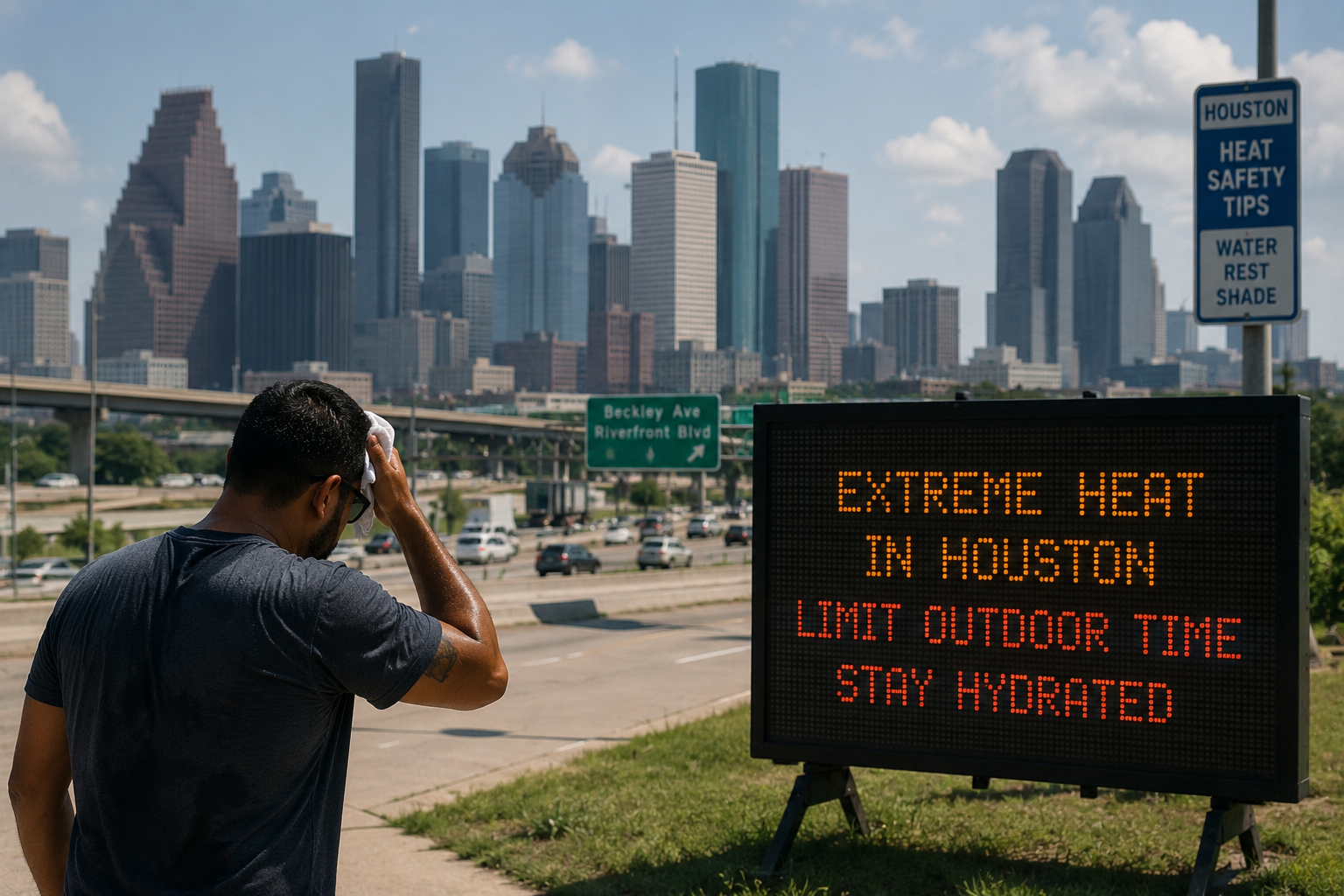
  • HEALTH ALERT: Houston’s Summer Heat Season Begins With a 329% Surge in ER Visits — And Officials Fear the Worst Is Still Ahead

    HEALTH ALERT: Houston’s Summer Heat Season Begins With a 329% Surge in ER Visits — And Officials Fear the Worst Is Still Ahead

    HOUSTON — As the first days of meteorological summer descend on Southeast Texas, the Houston Health Department (HHD) and Harris County Public Health are bracing for what is shaping up to be another potentially lethal heat season. The numbers are stark: heat-related emergency room visits in Harris County have surged 329% between 2019 and 2023, according to a landmark study by Harris County Public Health. With the 2026 summer just beginning, there is no credible reason to believe that trajectory has reversed.

    The HHD has activated its annual Summer Surveillance program, an interactive dashboard that tracks heat-related illness (HRI) across Harris, Fort Bend, and Montgomery counties on a weekly basis. The dashboard is designed to identify vulnerable populations and trigger protective interventions — but as public health advocates have repeatedly warned, surveillance is only as valuable as the policy response it generates.

    A 329% Increase: What the Data Actually Tells Us

    The Harris County Public Health study, covering 2019 through 2023, is not a projection. It is a documented record of real emergency room visits by real Houstonians who required medical care because of the heat. The 329% jump over four years represents a compounding crisis — one that accelerated dramatically in 2024, when Hurricane Beryl knocked out power for up to 2.7 million customers in the middle of a heatwave. Houston-area hospitals reported about twice their normal ER patient load during that period, with more than 320 patients suffering heat-related illness — roughly triple the seasonal norm.

    The study found that older adults accounted for 39% of heat-related illness cases — a demographic that is disproportionately likely to live alone, to lack air conditioning, or to be unaware they are overheating until it is too late. Workers who labor outdoors — construction workers, landscapers, delivery drivers — represent another heavily affected group, as do children who may be left in vehicles or who lack access to air-conditioned spaces during the day.

    Dr. Jennifer Kiger of Harris County Public Health noted that the correlation between high heat index values — when temperature and humidity combine to reach life-threatening levels — and ER visits is unmistakable. Four of the past five summers in Houston ranked among the top 10 warmest on record. The National Weather Service regularly issues Excessive Heat Warnings for the region when heat indices are expected to exceed 108°F for multiple consecutive days.

    West Nile Virus: The Additional Threat

    Heat is not the only compounding risk this summer. The Texas Department of State Health Services (DSHS) has already confirmed the state’s first West Nile virus case of 2026 in a Harris County resident — diagnosed with neuroinvasive West Nile disease, the most severe and potentially fatal form of the illness. Neuroinvasive West Nile can cause encephalitis (brain swelling), meningitis, and permanent neurological damage. There is no specific treatment or vaccine.

    West Nile spreads through the bite of infected mosquitoes, which thrive in exactly the hot, standing-water conditions that Houston’s summer reliably produces. Flooding from summer storms — a near-annual occurrence — creates breeding grounds for Culex mosquitoes throughout the Houston metro. Public health officials are urging residents to eliminate standing water on their properties, use EPA-registered insect repellents, and wear long sleeves and pants during peak mosquito activity at dusk and dawn.

    The Systemic Problem: Heat Undercounting and Infrastructure Gaps

    Experts believe Texas is significantly undercounting heat-related deaths. Medical examiners frequently list the immediate physiological cause of death — cardiac arrest, organ failure, respiratory collapse — rather than the underlying heat exposure that triggered the cascade. The CDC uses Maricopa County in Arizona as its national model for heat death investigation methodology; Texas counties vary dramatically in their capacity and willingness to code heat as a contributing cause of death, which means the true toll in Houston and across Texas is almost certainly higher than official figures reflect.

    The infrastructure problem is equally acute. After Hurricane Beryl’s 2024 devastation exposed the fragility of CenterPoint Energy’s grid — leaving half a million people without power in triple-digit heat for more than a week — calls for accountability were loud but action was slow. The city’s cooling center network, while improved, remains inadequate for the scale of need: not all centers are open 24 hours, and transportation access to them remains a major barrier for the elderly, the disabled, and the unhoused.

    What Houston Residents Must Do This Summer

    The Houston Health Department’s advice for the 2026 summer heat season is urgent and practical:

    • Never leave children, elderly persons, or pets in parked vehicles — even briefly.

    • Check on elderly neighbors, especially those living alone or without air conditioning.

    • If your home loses power during a heat event, go to a cooling center immediately. Find locations at the Houston Office of Emergency Management website.

    • Drink water consistently throughout the day — do not wait until you feel thirsty, especially during physical activity.

    • Know the signs of heat exhaustion (heavy sweating, weakness, cold/pale/clammy skin, weak pulse, nausea) and heat stroke (hot/red/dry skin, rapid/strong pulse, unconsciousness), which is a medical emergency requiring immediate 911 contact.

    Monitor the Houston Summer Surveillance dashboard at houstonhealth.org for weekly updates on heat-related illness trends across the region.

    Conclusion: Houston Is Running Out of Time to Treat Heat as a Public Health Emergency

    A 329% surge in ER visits in four years is not a weather story. It is a public health emergency with a predictable, data-confirmed trajectory. The city of Houston and Harris County have surveillance tools, a published Summer Surveillance program, and years of mortality data. What has been slower to materialize is the political will and the infrastructure investment to match the scale of the crisis — particularly for the city’s most vulnerable residents, who are disproportionately low-income, elderly, or living without stable housing.

    As June approaches, the window for preparedness is closing. Houston’s emergency rooms deserve more than a summer of predictable overcrowding. The residents who end up in them deserve more than reactive care after a preventable crisis.

    RELATED ON MEDICALDAILY.COM

    Houston’s Deadly Heat Season Is About to Begin — and the City’s ERs Are Already Behind

    • Phoenix Heat Deaths: Maricopa County Confirms First Fatality of 2026

    • West Nile Virus: What You Need to Know This Summer

    • Climate Change and Urban Heat Islands: How American Cities Are Becoming Death Traps

    Source link

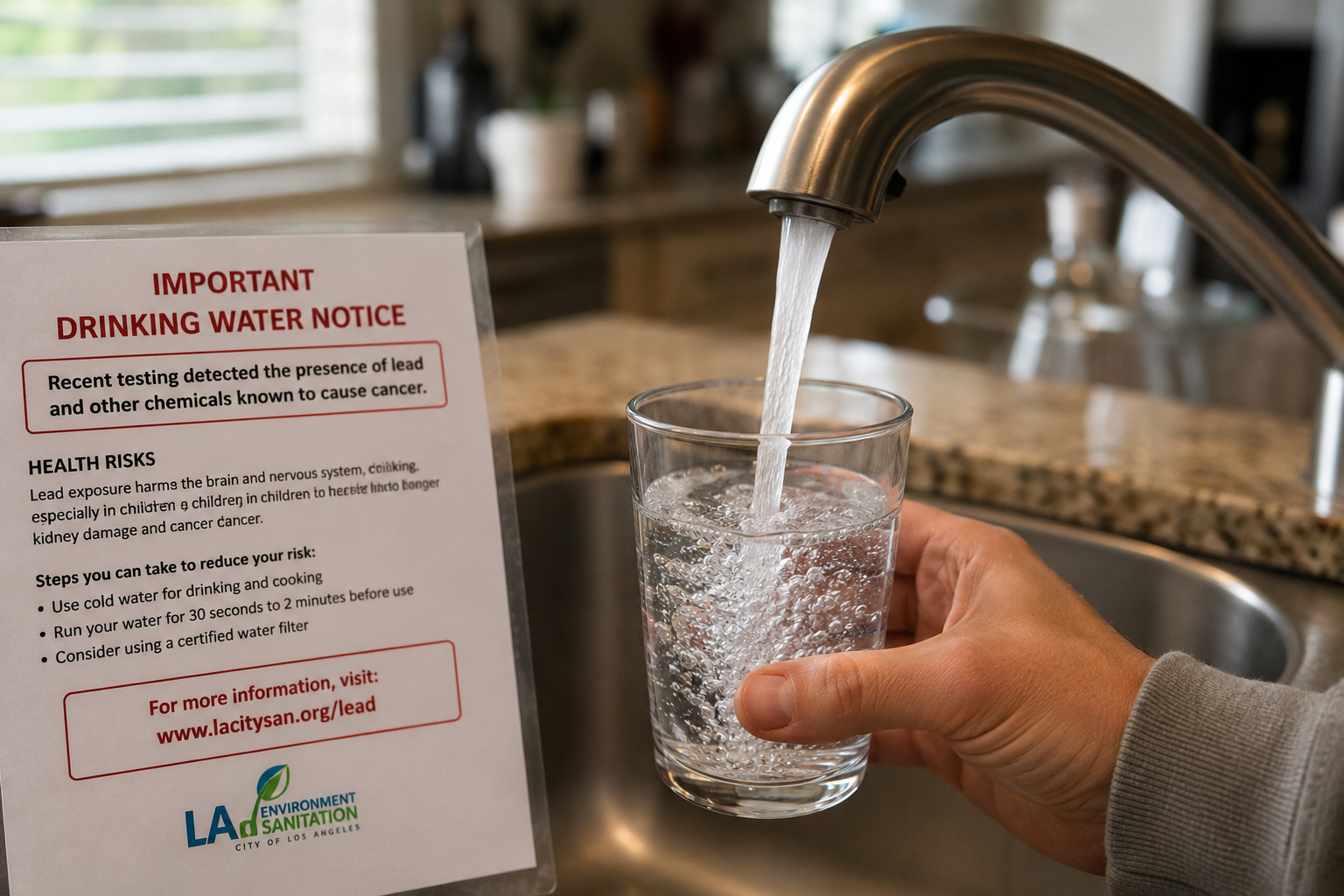
  • HEALTH ALERT: Los Angeles Drinking Water Tested Positive for Lead and Cancer-Linked Chemicals — City Council Demands Emergency Investigation

    HEALTH ALERT: Los Angeles Drinking Water Tested Positive for Lead and Cancer-Linked Chemicals — City Council Demands Emergency Investigation

    LOS ANGELES — In a unanimous 10-0 vote that sent shockwaves through City Hall, the Los Angeles City Council has demanded an immediate investigation by the Department of Water and Power (LADWP) and the city’s Housing Authority after samples of drinking water in the Watts neighborhood were found to contain elevated levels of lead. The discovery has drawn national comparisons to Flint, Michigan — where a decade-long water contamination crisis poisoned a generation of children — and has raised urgent questions about the safety of tap water across one of America’s largest and most densely populated cities.

    An analysis of LADWP’s own 2026 water quality data, reviewed by the Environmental Working Group (EWG), reveals a troubling picture: several contaminants are present at levels that exceed the EWG’s health guidelines, even if they remain within the EPA’s more permissive regulatory limits. The distinction matters enormously for public health — particularly for children, pregnant women, and communities with the least access to filtered or bottled water alternatives.

    Lead in Watts: The Crisis That Triggered a City Council Vote

    The Watts neighborhood — one of Los Angeles’s most historically marginalized communities, with a majority-Black and Latino population — has experienced chronic environmental health challenges for decades. The discovery of lead in tap water samples collected from Watts public housing units was not entirely surprising to residents who have complained about water quality for years. What was surprising was the speed and unanimity of the City Council’s response: a 10-0 vote demanding emergency action.

    Lead is a potent neurotoxin. There is no safe level of lead exposure for children, according to the CDC, which lowered its reference blood lead level threshold to 3.5 micrograms per deciliter (mcg/dL) in 2021 — acknowledging that even previously “acceptable” levels cause measurable cognitive and developmental harm. For children under 6, whose brains are still developing, lead exposure causes irreversible reductions in IQ, increased impulsivity and aggression, and long-term learning disabilities.

    The primary suspected source of the lead in Watts’s water is aging infrastructure: lead service lines and lead solder in the plumbing of older buildings. Many housing units in Watts were constructed before 1978, the year lead-based paint was banned nationally, and before the widespread replacement of lead plumbing. When water sits in lead pipes overnight, it leaches the metal, delivering it straight to the morning’s first glass or the baby’s formula.

    Beyond Lead: Chromium-6 and PFAS in LA’s Water Supply

    Lead is not the only contaminant of concern in Los Angeles’s water. The LADWP’s 2026 water quality data shows that Chromium-6 — the carcinogenic industrial chemical made internationally infamous by the Erin Brockovich case — has been detected in LADWP water at levels below California’s proposed regulatory standard of 10 parts per billion (ppb), but significantly above the EWG’s health guideline of 0.02 ppb, which is based on National Toxicology Program studies linking chromium-6 to gastrointestinal tumors.

    The sources of chromium-6 in LA’s water include natural chromium in the geology of Eastern Sierra source water areas, historical industrial use of chromium compounds in the San Fernando Valley, and regional industrial contamination that has leached into groundwater. Standard activated carbon filters — like Brita pitchers used by millions of Americans — do not remove chromium-6. Only reverse osmosis or anion exchange resin filtration systems are effective.

    PFAS (per- and polyfluoroalkyl substances, commonly called “forever chemicals”) contamination is also a growing concern in the greater LA region, particularly in groundwater sources in the San Gabriel and San Fernando Valleys. PFAS are associated with kidney cancer, thyroid disease, immune suppression, and developmental harm in children. For more information on PFAS in drinking water, visit the EPA PFAS resource page.

    Who Is Most at Risk — and What They Can Do

    The residents most at risk from LA’s water quality issues are those who lack the economic resources to purchase bottled water, install filtration systems, or move to neighborhoods with newer plumbing. That demographic overwhelmingly overlaps with the populations already bearing the greatest burden of environmental harm in Los Angeles: low-income communities of color in South LA, East LA, and the San Fernando Valley.

    For residents concerned about lead exposure specifically, the following precautions are recommended by the Los Angeles County Department of Public Health and the EPA:

    • Use only cold tap water for drinking, cooking, and making baby formula. Hot water leaches more lead from pipes.

    • Flush your tap for at least 30 seconds to 2 minutes before using it for the first time each morning, or after extended periods of non-use.

    • Consider installing an NSF-certified water filter rated specifically for lead removal. Pitcher-style filters (Brita, Pur) do NOT reliably remove lead. Look for filters certified under NSF Standard 53.

    • Have children under 6 and pregnant women tested for blood lead levels. Talk to your pediatrician or call the LA County Department of Public Health.

    Residents can also request a free lead-in-water test kit from the LA County Department of Public Health. More information is available at publichealth.lacounty.gov.

    Conclusion: The Watts Crisis Is a Preview of a Citywide Reckoning

    The Watts water contamination episode is not an isolated plumbing problem. It is a symptom of a systemic failure to prioritize infrastructure investment in communities that have long been told their concerns would be addressed “eventually.” Flint, Michigan waited years for “eventually.” The lesson from Flint — that regulatory compliance thresholds protect utilities, not people — must not be repeated in Los Angeles. The EWG’s data makes clear that LA’s water contains chemicals that exceed science-based health guidelines even when they technically comply with EPA rules.

    A city as wealthy and as large as Los Angeles has both the resources and the obligation to close the gap between what the law permits and what public health demands. The unanimous City Council vote is a first step. The work of actually replacing aging lead lines, upgrading filtration, and ensuring equitable access to clean water for all 4 million residents of the city is the much harder task that lies ahead.

    RELATED ON MEDICALDAILY.COM

    Flint Happened There. Now It’s Los Angeles: The Ongoing Lead and Toxic Chemical Crisis in LA’s Drinking Water

    What Are PFAS “Forever Chemicals” and Why Are They in Your Drinking Water?

    Lead Exposure in Children: The Invisible Epidemic Still Harming American Kids

    Chromium-6 in Drinking Water: A National Problem with Local Consequences

    Source link

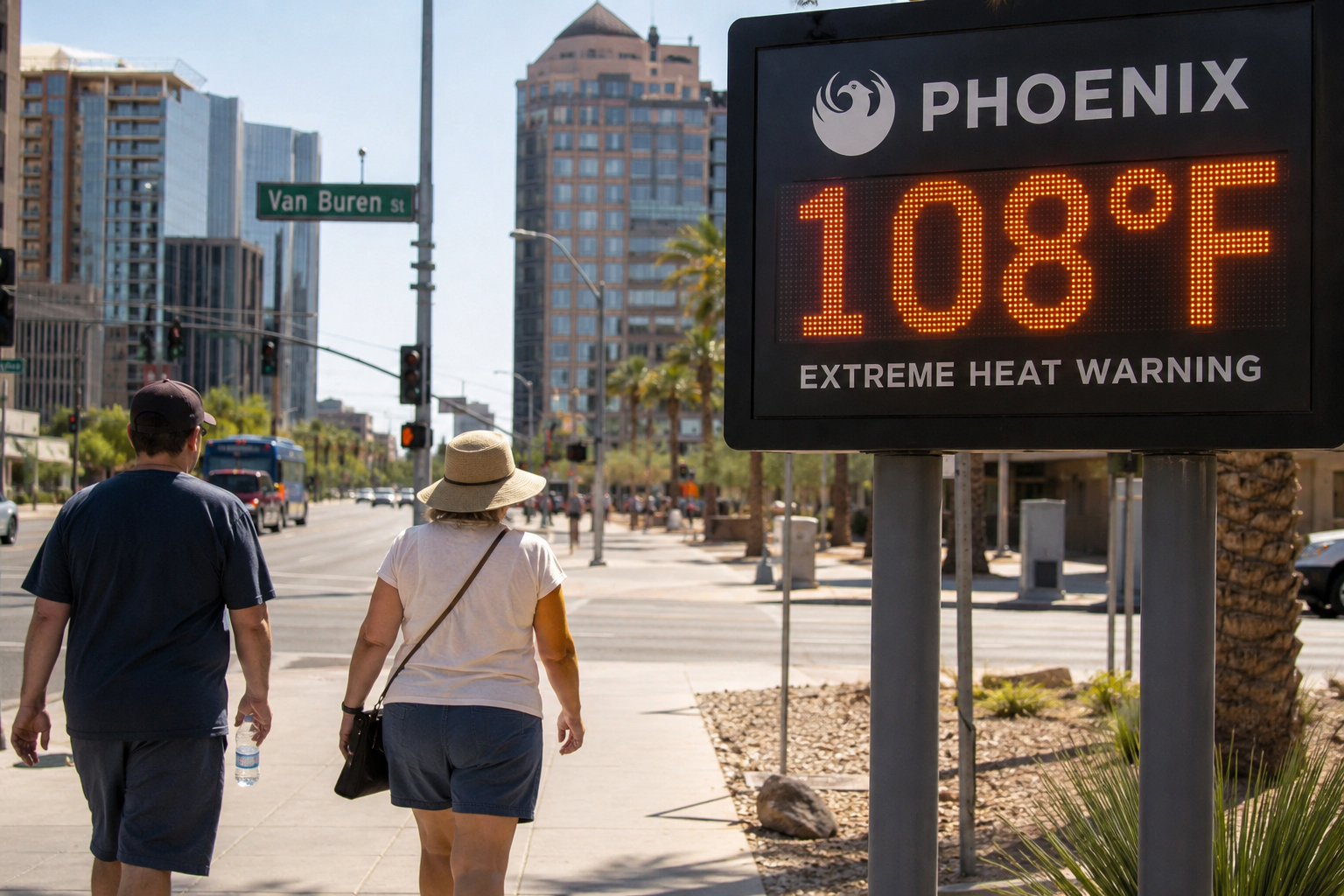
  • HEALTH ALERT: Phoenix Confirms First Heat Death of 2026 as Extreme Heat Warning Tops 108°F — Maricopa County on Track for Another Lethal Summer

    HEALTH ALERT: Phoenix Confirms First Heat Death of 2026 as Extreme Heat Warning Tops 108°F — Maricopa County on Track for Another Lethal Summer

    PHOENIX — Maricopa County health officials have confirmed the first heat-related death of 2026, an older adult male whose passing serves as a grim annual marker that the desert Southwest’s deadliest season has officially begun. The announcement came in April, following a historic March heatwave that sent multiple days above 100°F — a jarring early signal in a region where triple-digit temperatures typically don’t arrive until late May or June.

    Then, in the second week of May, the National Weather Service issued a formal Extreme Heat Warning for the entire Phoenix metro area, with forecasted highs of 104°F on Saturday, 106°F on Sunday, and 108°F on Monday, May 11–13, 2026. That event affected more than 2 million people and triggered immediate activation of emergency protocols: trail closures at Camelback Mountain and Piestewa Peak between 8 a.m. and 5 p.m., expanded cooling center hours across Phoenix, Glendale, Chandler, Mesa, and Tempe, and emergency public health messaging urging residents to hydrate constantly and seek air-conditioned shelter.

    The Death Toll in Context: A City That Has Been Here Before

    Maricopa County recorded 427 heat-related deaths in 2025, down from 608 in 2024 and 645 in 2023. That downward trend is real and reflects genuine effort: the city of Phoenix invested nearly $185 million over five years in capital projects and homeless service operations, created a dedicated Office of Heat Response and Mitigation, and added more than 1,880 temporary and permanent shelter beds since 2022. The county’s Maricopa Heat Relief Network, which launched May 1, 2026, coordinates cooling centers and water distribution points across the county.

    But even 427 deaths — the “improved” figure from 2025 — represents a staggering toll. Since 2013, more than 4,320 people have died from heat exposure in Arizona. The annual heat death toll in Maricopa County has risen approximately threefold since 2019. These are not natural disasters in the traditional sense. As public health experts consistently emphasize, heat deaths are preventable — each one represents a failure of the systems designed to protect the most vulnerable.

    The county tracks heat-related deaths and illness in near real-time through the Maricopa County Heat-Related Illness and Death Dashboard, which updates weekly and is publicly accessible. The dashboard draws on data from the county medical examiner, local hospitals, and the National Weather Service — providing a granular, transparent picture of the crisis that few other counties in the nation match.

    Who Is Dying and Where

    The demographics of Phoenix’s heat deaths tell a story about housing policy and social safety nets as much as they tell a story about weather. In 2023’s deadliest year on record, at least 45% of those who died were unhoused — sleeping behind dumpsters, in parking lots, or on sidewalks baking at temperatures above 150°F at ground level, on days when ambient air temperatures reached 115°F or higher. Senior citizens accounted for roughly one in three deaths.

    Geographic analysis of the data shows a stark pattern: neighborhoods with lower tree canopy coverage, more asphalt and concrete, and fewer green spaces — characteristics strongly correlated with lower household income — consistently record higher heat intensity than wealthier, leafier parts of the city. The urban heat island effect in Phoenix is not distributed equally.

    Outdoor workers — construction laborers, landscapers, agricultural workers, delivery drivers — represent a third major at-risk group. Arizona has no state-level outdoor heat standard for workers with the force of law; federal OSHA’s heat standard, still relatively new and being phased in, provides national-level protections that are subject to enforcement resources and political will.

    The Cooling Infrastructure Gap: What Still Isn’t Working

    Despite genuine progress, Phoenix’s heat response infrastructure has documented gaps. Not all cooling centers are accessible 24 hours — a critical problem because nighttime temperatures in Phoenix rarely drop below 90°F during peak summer, meaning overnight heat exposure is itself lethal, particularly for those sleeping outside. Transportation access to cooling centers remains a significant barrier for elderly residents, people with disabilities, and those without vehicles.

    The concern that federal pandemic-era funding supporting the heat relief network would expire in 2026 — as noted by the county’s own medical director — has materialized. The loss of that funding creates pressure on a system that, by every data point, still needs expansion, not contraction. The city of Phoenix simultaneously faces a $130 million reduction in tax revenue due to a change in Arizona state law, creating a fiscal environment hostile to scaling up heat response services.

    How to Protect Yourself During Extreme Heat Warnings in Phoenix

    • Check the Maricopa County Heat Relief Network for cooling center locations: maricopa.gov/heat.

    • Never leave children, elderly people, or pets in a parked vehicle. Car interiors can exceed 150°F within minutes.

    • Drink water before you feel thirsty — by the time thirst registers, dehydration is already underway.

    • If you see someone showing signs of heat stroke (hot, red, dry skin; confusion; loss of consciousness), call 911 immediately and move them to shade while waiting.

    • If your home lacks air conditioning and you cannot reach a cooling center, call 211 (Arizona’s social services helpline) for assistance.

    Current heat advisories and warnings for the Phoenix metro area can be accessed at weather.gov/phoenix.

    Conclusion: Phoenix Cannot Afford a “Good Enough” Heat Strategy

    Phoenix sits at the intersection of multiple accelerating crises: a warming climate, an unhoused population that grew during the pandemic and has not fully recovered, aging housing stock without central air conditioning, and now a tightening municipal budget. The tools to prevent heat deaths exist — cooling centers, early warning systems, targeted outreach to the elderly and unhoused — but they require sustained political will and adequate funding to deploy at the scale the problem demands.

    The first confirmed heat death of 2026 arrived in April. Summer doesn’t officially begin until June 21. If the pattern of recent years holds, thousands more emergency calls, hundreds more hospitalizations, and an unknown number of additional deaths lie ahead before the season ends. Maricopa County’s data-driven approach is a model worth emulating nationally — but even the best surveillance system is useless if the resources to act on what it finds are not there.

    RELATED ON MEDICALDAILY.COM

    Houston’s Deadly Heat Season Is About to Begin — and the City’s ERs Are Already Behind

    Extreme Heat and the Unhoused: America’s Most Preventable Crisis

    Urban Heat Islands: Why Some Neighborhoods Are Dramatically Hotter Than Others

    Heat Stroke vs Heat Exhaustion: Know the Difference Before It’s Too Late

    Source link