Category: Diseases & Conditions

  • Chikungunya Outbreaks Are Now Active in Three Different Countries and Territories Simultaneously — and Summer Travelers Are at Risk from the Caribbean to the Indian Ocean

    Chikungunya Outbreaks Are Now Active in Three Different Countries and Territories Simultaneously — and Summer Travelers Are at Risk from the Caribbean to the Indian Ocean

    Summer 2026 has produced an unusual public health picture on the CDC Travel Health Notices page: three simultaneous active travel notices for chikungunya — the mosquito-borne virus known for causing weeks of debilitating joint pain — across three different geographic regions. Suriname, a country on the northeastern coast of South America, has had an active chikungunya outbreak since February 2026. Mayotte, a French territory in the Indian Ocean off the coast of Mozambique, has been under a CDC chikungunya notice since March 10, 2026. And French Guiana, the French overseas territory on the northern coast of South America adjacent to Brazil, received a new CDC travel notice for chikungunya on June 4, 2026 — just 10 days ago.

    Three simultaneous active outbreaks across two continents and the Indian Ocean, all in destinations that receive American travelers during peak summer season, all involving the same virus, and all preventable by a vaccine that most American travelers have never heard of.

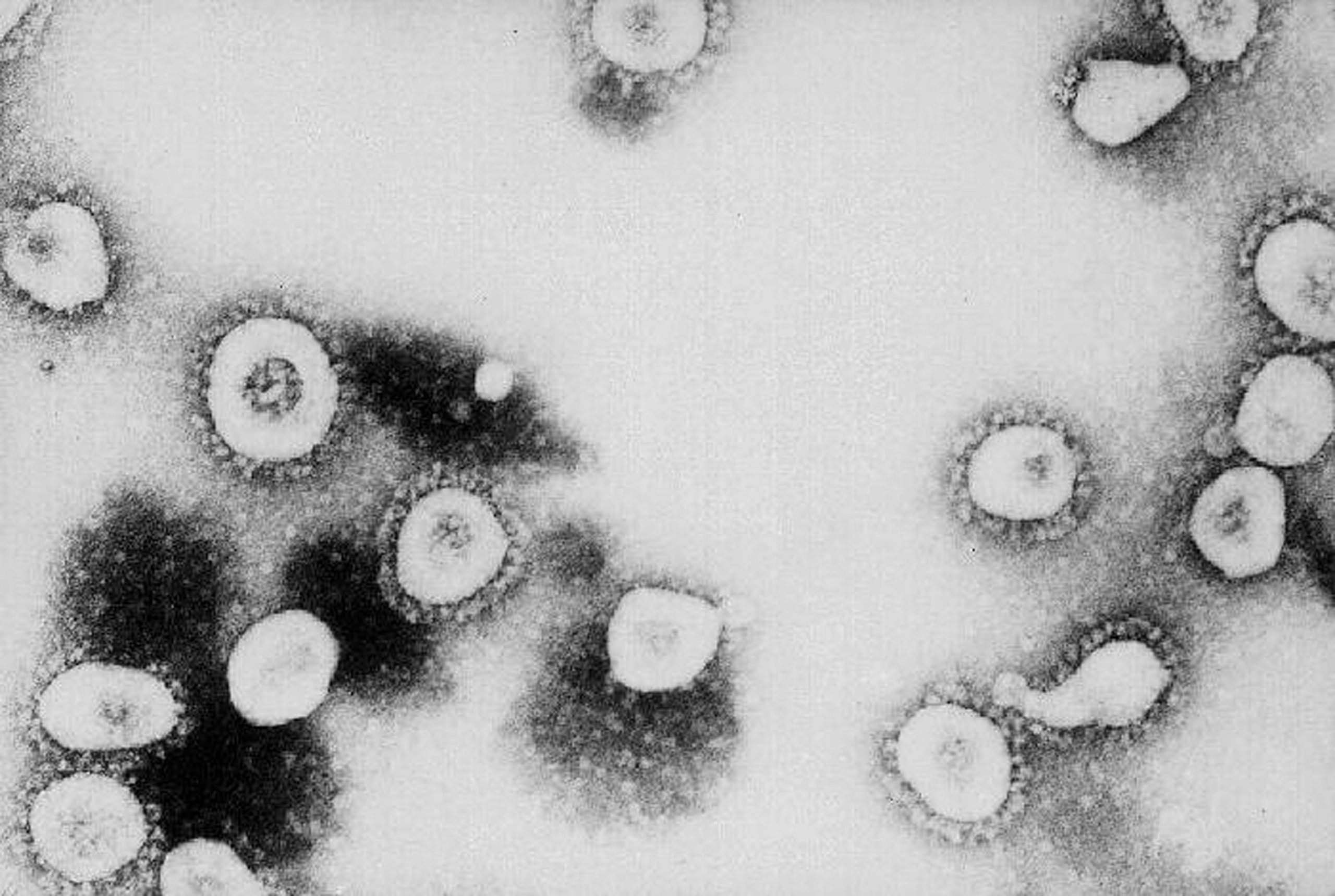
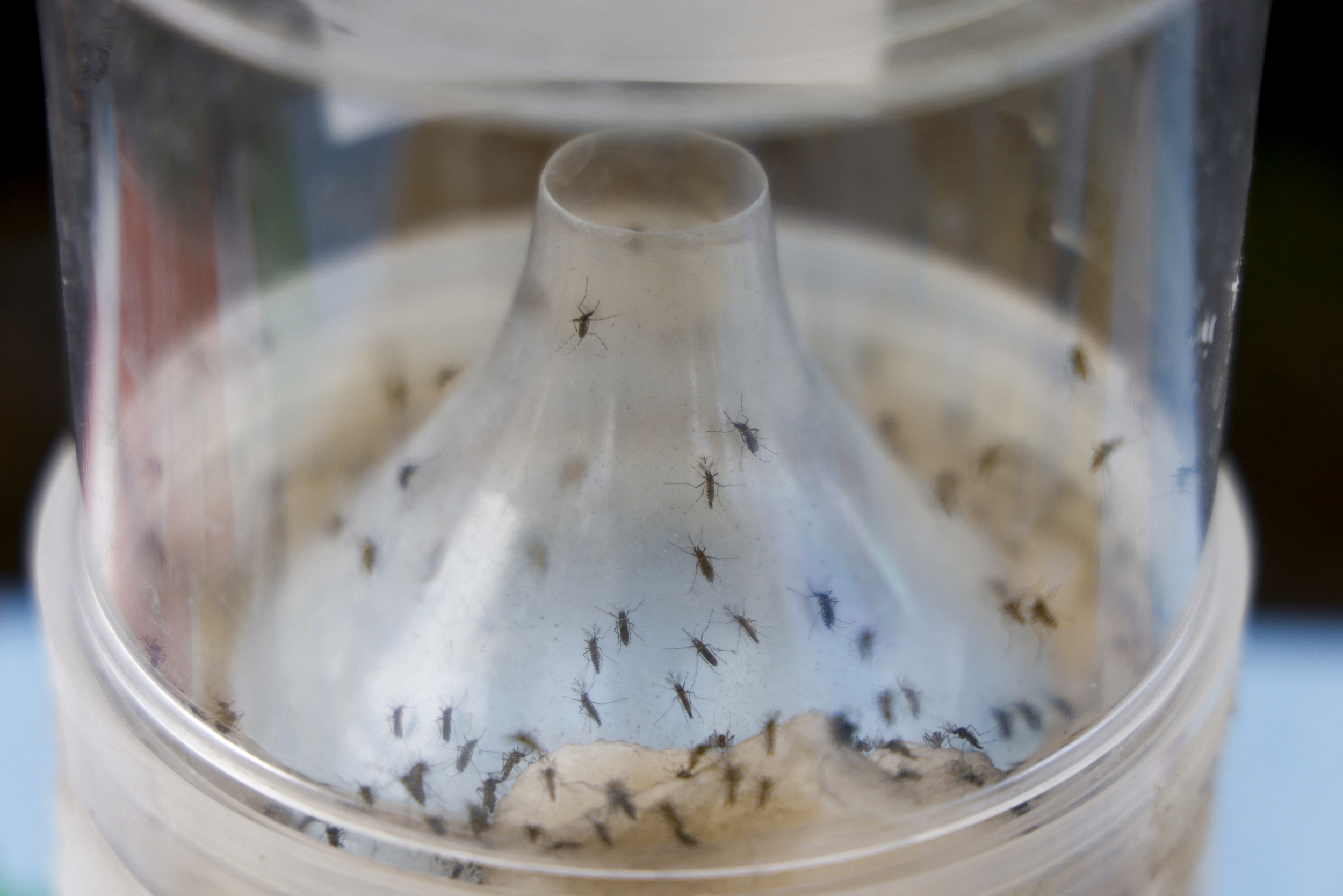
    Chikungunya is caused by the chikungunya alphavirus, transmitted primarily by Aedes aegypti and Aedes albopictus mosquitoes — the same species responsible for dengue fever and Zika virus transmission. It cannot spread person to person. It requires a mosquito bite for transmission, which means travelers who effectively prevent mosquito bites can protect themselves. But unlike dengue — for which no reliably effective, widely available vaccine existed in the U.S. until recently — chikungunya now has an FDA-approved single-dose vaccine that provides broad, durable protection.

    The Pattern of These Three Simultaneous Outbreaks

    The geographic distribution of the three current CDC chikungunya notices reflects distinct but parallel epidemiological situations. In Suriname, chikungunya has been circulating since at least February 2026, consistent with the country’s tropical climate that supports year-round Aedes mosquito activity. Suriname borders Guyana to the west, Brazil to the south, and French Guiana to the east — meaning outbreak activity in Suriname creates risk for cross-border spread to adjacent territories, and the French Guiana notice issued June 4 is likely connected to regional transmission dynamics that began in Suriname and Brazil.

    Mayotte’s chikungunya outbreak is separate in origin — the island’s subtropical Indian Ocean climate creates independent conditions for Aedes activity, and chikungunya has a well-documented history of large outbreak cycles in Indian Ocean territories, including the catastrophic 2005–2006 outbreak in La Réunion that infected nearly one-third of the island’s population.

    What these three outbreaks share is the presence of Aedes aegypti or Aedes albopictus at epidemic transmission levels, a population of susceptible individuals without prior immunity, and the current arrival of the summer travel season, which increases the probability of importation to the United States via returning travelers.

    What Chikungunya Does to the Human Body

    The word chikungunya comes from the Makonde language of Tanzania, meaning “that which bends up” — a reference to the stooped posture that patients adopt in response to severe joint pain. The description is medically accurate and experientially unforgettable. After an incubation period of 2 to 12 days following a mosquito bite, patients develop sudden high fever — often above 103°F — accompanied by polyarthralgia, the simultaneous severe painful inflammation of multiple joints. The hands, wrists, ankles, and feet are most commonly affected, and the pain is frequently described by patients as worse than anything they have experienced. Many cannot walk, dress, or grip a cup.

    The acute phase typically lasts 7 to 10 days. Most patients recover. But approximately 25 to 50 percent of people infected with chikungunya develop chronic post-chikungunya arthritis — persistent joint pain that continues for months to years after the initial infection has resolved. This is the longest-lasting and most debilitating consequence of chikungunya, and it disproportionately affects older adults and those with pre-existing joint disease.

    The Vaccine That Travelers Are Not Getting

    The FDA approved Ixchiq (chikungunya vaccine) in November 2023 for adults 18 and older at increased risk of chikungunya exposure. Ixchiq is a live-attenuated, single-dose vaccine that requires no booster and has demonstrated strong immunogenicity and an acceptable safety profile in clinical trials. It is available through travel medicine clinics and many primary care providers.

    Despite its approval, Ixchiq remains significantly underutilized among American travelers to chikungunya-endemic and outbreak-affected regions. Awareness of the vaccine’s existence is low among both patients and some general practitioners who do not specialize in travel medicine. Travelers heading to Suriname, French Guiana, Mayotte, or any of the many Caribbean and South American destinations currently experiencing elevated chikungunya activity should specifically ask about Ixchiq at their travel medicine consultation.

    The vaccine requires at least 28 days to induce full protection, so travelers should plan accordingly — those departing within 28 days should be advised to rely on intensive mosquito bite prevention while the vaccine becomes effective, or may not benefit from vaccination for their current trip. As with all mosquito-borne disease prevention, repellent use, protective clothing, air conditioning, and bed nets remain essential complements to vaccination.

    Frequently Asked Questions

    Q: Where are the current chikungunya outbreaks with CDC travel notices?

    A: As of June 2026, active CDC chikungunya travel notices cover Suriname (February 2026), Mayotte, a French Indian Ocean territory (March 10, 2026), and French Guiana (June 4, 2026).

    Q: What are the symptoms of chikungunya?

    A: Sudden high fever and severe polyarthralgia — simultaneous joint pain in multiple joints, especially the hands, wrists, ankles, and feet — beginning 2 to 12 days after a mosquito bite. The pain is frequently described as the worst the patient has ever experienced. Most cases resolve within 7 to 10 days, but 25–50% develop chronic joint pain lasting months to years.

    Q: Is there a vaccine for chikungunya?

    A: Yes. Ixchiq is an FDA-approved single-dose live-attenuated vaccine for adults 18 and older. It was approved November 2023 and is available at travel medicine clinics. It requires approximately 28 days to become fully effective.

    Q: Who should get vaccinated against chikungunya before travel?

    A: Adults 18 and older traveling to areas with active chikungunya transmission who will have outdoor exposure to mosquitoes. This currently includes travelers to Suriname, French Guiana, Mayotte, and other active outbreak areas.

    Q: How is chikungunya different from dengue fever?

    A: Both are transmitted by Aedes mosquitoes and cause fever. Chikungunya is distinguished by the severe arthralgia (joint pain) that dominates its clinical picture and can persist for months to years. Dengue more commonly causes a characteristic rash, severe headache, and potentially hemorrhagic complications.

    Source link

  • First-in-Class Drug Targeting Treatment-Resistant High Blood Pressure Wins FDA Approval — and Works Like No Existing Drug

    First-in-Class Drug Targeting Treatment-Resistant High Blood Pressure Wins FDA Approval — and Works Like No Existing Drug

    High blood pressure — hypertension — is the single most treatable risk factor for cardiovascular disease and stroke, the two leading causes of death in the United States. There are already more than a dozen classes of antihypertensive medications. For most patients, combining two or three of these drugs in appropriate doses achieves adequate blood pressure control and dramatically reduces the risk of heart attack, stroke, kidney failure, and premature death.

    But for a significant subset — estimated at 10 to 15 percent of all hypertensive patients — blood pressure remains uncontrolled despite taking two, three, or even four medications at maximum tolerated doses. This is called resistant hypertension, and it represents one of the most clinically frustrating situations in internal medicine: a patient taking a handful of pills every day, experiencing their side effects, and still not achieving the blood pressure target that determines their future risk of cardiovascular catastrophe.

    For these patients, the FDA’s May 18, 2026 approval of baxdrostat (Baxfendy) — developed by AstraZeneca — represents the arrival of a fundamentally new therapeutic option built on a mechanism of action that no previously approved drug has ever targeted in this indication.

    “We have been waiting for an innovative medication like BAXFENDY for hypertension for many years,” said Bryan Williams, MD, Chair of Medicine at University College London and a primary investigator for the pivotal BaxHTN trial. “Its novel way of lowering blood pressure has the potential to transform clinical practice by targeting a root cause of persistently uncontrolled hypertension.”

    The Aldosterone Problem and Why Existing Drugs Miss It

    Aldosterone is a steroid hormone produced by the adrenal glands that regulates sodium and water retention in the kidneys. When aldosterone levels are excessive — whether due to a benign adrenal tumor (primary aldosteronism), stress-related overproduction, or other dysregulation — the kidneys retain too much sodium and water, blood volume rises, and blood pressure increases in a way that does not respond well to most standard antihypertensive mechanisms.

    The renin-angiotensin-aldosterone system (RAAS) is already a major target of existing hypertension drugs: ACE inhibitors, ARBs, and direct renin inhibitors all interfere with the pathway that leads to aldosterone production. But these drugs do not directly target aldosterone synthase — the specific enzyme, encoded by the CYP11B2 gene, that is the final step in aldosterone manufacturing in the adrenal gland. Blocking earlier steps in the RAAS leaves aldosterone synthase activity largely intact, allowing it to produce aldosterone through compensatory mechanisms.

    Baxdrostat is a selective aldosterone synthase inhibitor — a small-molecule oral drug that directly and selectively inhibits CYP11B2, preventing aldosterone from being synthesized in the first place. This selectivity is critical: the enzyme CYP11B1, which produces cortisol and sits in a closely adjacent biochemical pathway, is not significantly affected by baxdrostat at therapeutic doses. This means baxdrostat lowers aldosterone — and therefore blood pressure — without disrupting the cortisol axis that regulates the stress response, immune function, and metabolism. AstraZeneca confirmed in clinical trials that baxdrostat lowered aldosterone levels without affecting cortisol levels.

    What the BaxHTN Phase 3 Trial Found

    The BaxHTN trial enrolled 796 patients with uncontrolled or resistant hypertension — all already on at least two antihypertensive agents, including a diuretic — and randomized them 1:1:1 to receive baxdrostat 2 mg once daily, baxdrostat 1 mg once daily, or placebo in addition to their background therapy, for 12 weeks.

    At week 12:

    • Patients on baxdrostat 2 mg had a 15.7 mmHg reduction in seated systolic blood pressure from baseline — a 9.8 mmHg placebo-adjusted reduction.
    • Patients on baxdrostat 1 mg had a 14.5 mmHg reduction — an 8.7 mmHg placebo-adjusted reduction.
    • The placebo group had a 5.8 mmHg reduction from baseline.

    Both doses met the primary endpoint of statistically significant systolic blood pressure reduction. The findings were consistent in patients with both uncontrolled hypertension (not at goal despite two or more drugs) and truly resistant hypertension (not at goal despite three or more drugs, including a diuretic). Results were also supported by a separate Phase 3 Lancet-published Bax24 trial using ambulatory blood pressure monitoring, confirming the effect on 24-hour blood pressure rather than only the clinic reading.

    A 9.8 mmHg reduction in systolic blood pressure is not a cosmetic number. Systematic reviews of blood pressure interventions consistently show that each 5 mmHg reduction in systolic blood pressure reduces the risk of major cardiovascular events by approximately 10 percent. For patients whose blood pressure has been inadequately controlled despite multiple medications — meaning they have been living with elevated cardiovascular risk despite treatment — a nearly 10 mmHg additional reduction is clinically meaningful and potentially life-extending.

    Who Will Benefit and What Comes Next

    Baxfendy is approved as an add-on oral treatment for adults with hypertension not adequately controlled on other medications. It is taken once daily in 1 mg or 2 mg doses. The key safety considerations identified in trials are hyperkalemia (elevated blood potassium), which requires periodic monitoring, and hyponatremia (low sodium) in some patients. Neither was dose-limiting in the vast majority of trial participants.

    The drug received Fast Track and Breakthrough Therapy designations from the FDA during development, signaling the agency’s recognition of the unmet need it addresses. AstraZeneca is also studying baxdrostat in additional conditions where aldosterone excess plays a mechanistic role, including chronic kidney disease and heart failure — conditions that frequently co-occur with resistant hypertension.

    Frequently Asked Questions

    Q: What is baxdrostat (Baxfendy) and who is it for?

    A: Baxdrostat is the first-ever oral aldosterone synthase inhibitor, FDA-approved May 18, 2026 as an add-on treatment for adults with hypertension not adequately controlled on other antihypertensive medications.

    Q: How does baxdrostat work differently from other blood pressure drugs?

    A: It directly and selectively inhibits aldosterone synthase (the CYP11B2 enzyme), preventing aldosterone production at its source. No previously approved drug has targeted this specific enzyme. Existing RAAS drugs act earlier in the pathway and leave aldosterone synthase partially active.

    Q: How much does baxdrostat lower blood pressure?

    A: In the BaxHTN Phase 3 trial, baxdrostat 2 mg added to background therapy produced a 9.8 mmHg placebo-adjusted reduction in systolic blood pressure at 12 weeks. The 1 mg dose achieved an 8.7 mmHg reduction.

    Q: Does baxdrostat affect cortisol levels?

    A: No. Baxdrostat selectively inhibits CYP11B2 (aldosterone synthase) without significantly affecting CYP11B1 (cortisol synthesis). Clinical trials confirmed aldosterone reductions without changes in cortisol.

    Q: What are the main side effects of baxdrostat?

    A: Hyperkalemia (elevated potassium) and hyponatremia (low sodium) are the primary safety considerations, both requiring periodic monitoring. Neither was dose-limiting in most trial participants.

    Source link

  • CRISPR Gene Editing Achieves a Functional Cure for Sickle Cell Disease in 96 Percent of Patients — RUBY Trial Results in the New England Journal of Medicine Are Historic

    CRISPR Gene Editing Achieves a Functional Cure for Sickle Cell Disease in 96 Percent of Patients — RUBY Trial Results in the New England Journal of Medicine Are Historic

    The phrase “functional cure” is used carefully in medicine — it describes an outcome in which a disease’s effects are so effectively suppressed that the patient lives as though they do not have it, even if the underlying genetic cause remains. For sickle cell disease, a condition that has caused lifelong suffering, organ damage, and premature death for 100,000 Americans and millions globally, achieving a functional cure through gene editing is one of the most profound accomplishments medicine has produced in years.

    The RUBY Trial, published in the New England Journal of Medicine on April 1, 2026, has delivered exactly that result. Of 28 patients with severe sickle cell disease who were treated with renizgamglogene autogedtemcel (reni-cel) — a CRISPR-Cas12a gene editing therapy that modifies patients’ own blood-forming stem cells — 27 (96 percent) had no painful sickle cell crises for up to two years following treatment. Their average hemoglobin levels rose to near-normal levels, effectively restoring the oxygen-carrying capacity that sickle-shaped red blood cells cannot provide.

    “We have seen that a benefit of this CRISPR/Cas12a gene-editing technology is that there is no rejection, so it’s different from traditional bone marrow transplants, which is standard treatment for sickle cell patients currently,” said Dr. Rabi Hanna, lead author and chair of the Pediatric Hematology-Oncology and Blood and Bone Marrow Transplant Division at Cleveland Clinic Children’s, who led the multicenter trial sponsored by Editas Medicine. “Our aim has been to achieve a functional cure to help prevent any future damage caused by sickle cell disease, and these latest results are compelling.”

    How Reni-Cel Works — and Why Cas12a Matters

    Reni-cel uses CRISPR-Cas12a gene editing to target the promoter regions of the HBG1 and HBG2 genes — the switches that normally suppress fetal hemoglobin production after birth. By editing these promoters, reni-cel reactivates the production of fetal hemoglobin (HbF) in adult red blood cells. Since fetal hemoglobin does not sickle, its presence in sufficient quantities effectively dilutes or displaces the dysfunctional sickle hemoglobin, preventing the cell deformation that causes sickle cell crises, organ damage, and shortened life expectancy.

    This approach is distinct from Casgevy (exa-cel) — the first approved CRISPR therapy for sickle cell disease, using CRISPR-Cas9 to target BCL11A, a different suppressor of fetal hemoglobin. Reni-cel uses CRISPR-Cas12a, which has a different molecular structure and cutting mechanism from Cas9, and targets HBG1/HBG2 directly rather than through BCL11A. The two approaches achieve similar biological endpoints — fetal hemoglobin reactivation — through different molecular pathways, meaning they may offer complementary options for patients in whom one approach is less effective.

    The 28 patients — four of whom were treated at Cleveland Clinic Children’s — underwent a procedure in which their stem cells were first collected and taken to a laboratory where the gene editing was performed. They then received chemotherapy to clear their bone marrow, making room for the repaired cells, which were infused back into their bodies. Within weeks of engraftment, fetal hemoglobin levels began rising. Most patients’ hemoglobin reached near-normal values within the first several months — and the patients themselves experienced what the data describe: two years without a painful crisis.

    Access and What Comes Next

    Reni-cel is not yet FDA-approved. The RUBY Trial data represent Phase 1/2 trial results — sufficient to demonstrate safety and early efficacy, but additional confirmatory data and FDA submission will be needed before approval. Editas Medicine, the trial sponsor, is expected to proceed with regulatory submission based on these results. The cost challenge that affects Casgevy — approximately $2.2 million per patient — will also apply to reni-cel, making equitable access a critical policy question for the approximately 100,000 Americans with sickle cell disease, most of whom are Black or Latino, a demographic that has faced persistent underinvestment in sickle cell research and treatment infrastructure for decades.

    Frequently Asked Questions

    Q: What were the RUBY Trial results?

    A: 27 of 28 patients (96%) with severe sickle cell disease had zero painful sickle cell crises for up to two years after treatment with reni-cel. Their average hemoglobin levels rose to near-normal.

    Q: How is reni-cel different from Casgevy?

    A: Reni-cel uses CRISPR-Cas12a to edit the HBG1 and HBG2 fetal hemoglobin promoters directly. Casgevy uses CRISPR-Cas9 to target BCL11A. Both reactivate fetal hemoglobin but through different molecular pathways.

    Q: Is reni-cel FDA-approved?

    A: No. The RUBY Trial is Phase 1/2. FDA submission is expected based on these results. Casgevy is already FDA-approved and represents the current available option.

    Q: How many Americans have sickle cell disease?

    A: Approximately 100,000 Americans, disproportionately African American and Latino.

    Q: Why is gene editing potentially better than bone marrow transplant for sickle cell?

    A: Because patients use their own edited cells, eliminating the need for a matched donor and removing the risk of graft-versus-host disease — the immune attack that is the major complication of donor-based bone marrow transplants.

    Source link

  • HHS Asks the Public What Works for Addiction Treatment in New Federal Request for Comment — Here Is Why It Matters

    HHS Asks the Public What Works for Addiction Treatment in New Federal Request for Comment — Here Is Why It Matters

    The U.S. Department of Health and Human Services published a Request for Information in the Federal Register on June 10, 2026, inviting public comment on which research, programs, and policies have been most successful in treating addiction, improving mental health outcomes, and supporting long-term recovery. The comment period runs through July 5, 2026, and is framed as part of HHS Secretary Robert F. Kennedy Jr.’s broader initiative, the administration has called the “Great American Recovery.”

    The RFI arrives at a sobering moment for American public health. Opioid overdose deaths have remained above 70,000 annually since 2017 and exceeded 80,000 in 2024, making drug overdose one of the leading causes of death among Americans under age 55. Fentanyl and other synthetic opioids now account for the vast majority of these deaths. The toll extends far beyond mortality statistics — addiction devastates families, communities, workforce participation, and the children of people with substance use disorders.

    The notice explicitly invites input from patients, people with lived experience of addiction and recovery, healthcare providers, community organizations, and researchers. The framing reflects a genuine uncertainty about the best path forward at the federal level — and, depending on how the administration responds to the comments received, could foreshadow significant shifts in federal drug and mental health policy.

    What the Science Says About Addiction Treatment

    The research base for addiction treatment has expanded substantially over the past two decades, and several evidence-based approaches have demonstrated consistent results. Medication-assisted treatment (MAT) for opioid use disorder — using buprenorphine (Suboxone), methadone, or naltrexone (Vivitrol) — remains the most extensively studied and most effective approach for reducing overdose deaths and helping patients maintain recovery. A landmark 2023 study in the New England Journal of Medicine found that patients receiving buprenorphine had significantly lower rates of overdose death than those who did not.

    Despite this evidence, access to MAT remains severely limited. Fewer than 20 percent of people with opioid use disorder receive it, partly due to stigma, provider reluctance to prescribe, geographic disparities, and insurance barriers. Advocacy groups and harm reduction organizations have consistently pushed for more accessible prescribing, expanded availability in emergency departments, and removal of administrative barriers to buprenorphine.

    Residential treatment, peer support specialists, contingency management (which uses positive reinforcement to promote drug-free behavior and is especially effective for stimulant use disorders), and community-based case management have all shown benefit in specific contexts. Mental health co-treatment is also increasingly recognized as essential, given that the majority of people with substance use disorders have co-occurring anxiety, depression, trauma, or other psychiatric conditions.

    Harm reduction strategies — needle exchange programs, naloxone distribution, fentanyl test strips, supervised consumption sites — have a strong evidence base for reducing overdose deaths and HIV transmission, though they remain politically controversial and are not universally available.

    What Advocates Want the Administration to Hear

    Public health advocates are watching this comment process closely. Many are hoping the RFI signals a genuine commitment to expanding evidence-based treatment access rather than a pivot toward approaches that lack a strong scientific foundation. Questions about how the Kennedy-led HHS will address the scientific consensus on MAT, harm reduction, and the role of abstinence-only models will shape the federal response for years.

    The comment process is open to all members of the public at federalregister.gov. Comments submitted by the July 5, 2026 deadline will inform HHS policy development.

    Frequently Asked Questions

    Q: What is the HHS asking for in this public comment request?

    A: HHS is seeking input on which addiction treatment programs, policies, and research approaches have been most successful — to guide future federal policy and funding priorities.

    Q: What are the most effective treatments for opioid use disorder?

    A: Medication-assisted treatment (MAT) using buprenorphine, methadone, or naltrexone has the strongest evidence base. Combined with counseling and support services, MAT significantly reduces overdose deaths.

    Q: How many Americans die of opioid overdoses each year?

    A: Opioid overdose deaths exceeded 80,000 in 2024. Fentanyl and synthetic opioids now account for the vast majority of these deaths.

    Q: How can I submit comments to the HHS RFI?

    A: Comments can be submitted at federalregister.gov by the July 5, 2026 deadline.

    Q: What is harm reduction and why is it controversial?

    A: Harm reduction includes strategies like naloxone distribution, needle exchanges, and fentanyl test strips that reduce the risks of drug use without requiring abstinence. Evidence strongly supports their effectiveness, but they remain politically controversial in some settings.

    Source link

  • CDC June 2026 Health Outlook: COVID Summer Surge Risk, West Nile Early Season, and Salmonella Moringa Alert

    CDC June 2026 Health Outlook: COVID Summer Surge Risk, West Nile Early Season, and Salmonella Moringa Alert

    Public health surveillance data released by the CDC as of June 5, 2026 offers a mixed picture of the nation’s current disease burden heading into the height of summer. COVID-19 activity is very low nationally, RSV and influenza seasons have ended, and the emergency department burden from respiratory illness is at its lowest point of the year. But officials are tracking several developing concerns that warrant attention from residents, clinicians, and travelers over the coming weeks.

    COVID-19: Low Now, But a Summer Surge Is Possible in the South and West

    The CDC’s June 5 Respiratory Virus Data update confirms that COVID-19 activity is currently very low across the United States, with declining hospitalizations nationally over recent months. As of June 2, the CDC estimates COVID-19 infections are declining or likely declining in 41 states and growing in only 1 state, according to the agency’s epidemic trend models.

    However, the CDC’s 2026 COVID Summer Outlook specifically warns that regions which did not experience substantial COVID activity during the most recent winter months — particularly the South and West — are expected to see increases in summer. The pattern of summer COVID surges in these warmer regions has recurred in multiple years since 2020, driven by people moving indoors to escape heat and, in 2026, by the convergence of World Cup mass gatherings drawing large numbers of international visitors into cities across those exact regions.

    People at higher risk of severe COVID outcomes — adults 65 and older, immunocompromised individuals, and those with significant underlying health conditions — should remain aware of updated vaccine recommendations and discuss antiviral treatment eligibility (Paxlovid) with their physician if they test positive.

    West Nile Virus: An Unusually Early Season Beginning

    West Nile virus activity has been confirmed earlier in the 2026 season than in most prior years, raising concern that peak summer transmission — which typically occurs July through September — could be more intense than average. Positive mosquito pools were confirmed in San Antonio in May (unusually early), in Frisco, Texas in early June, and in New Orleans in early June. Louisiana’s public health response included helicopter-based aerial spraying over parts of New Orleans and surrounding parishes. California confirmed positive mosquito samples across six counties by early June.

    West Nile virus has no vaccine and no approved treatment. The CDC recommends using EPA-registered insect repellents containing DEET, picaridin, IR3535, or oil of lemon eucalyptus; wearing long-sleeved shirts and pants during peak mosquito hours (dusk to dawn); eliminating standing water around the home; and ensuring window and door screens are intact.

    Salmonella in Moringa Supplements: 119 Cases, 36 States

    The ongoing CDC alert on Salmonella in moringa leaf supplement products has expanded since initial publication in May 2026. As of the latest update, the outbreak has sickened at least 119 people in 36 states, hospitalized 32, and involves a drug-resistant strain of Salmonella linked to brands including Live it Up, TNVitamins, Doctor’s Pride, MOGO, and Why Not Natural. Anyone currently using a moringa supplement should check the FDA’s active recall list and stop use immediately if their product is on it.

    Frequently Asked Questions

    Q: What is COVID activity level in the U.S. right now?

    A: As of June 5, 2026, COVID activity is very low nationally. CDC estimates infections are declining in 41 states. However, summer surges are possible in South and West regions.

    Q: Is West Nile virus active this summer?

    A: Yes. Positive mosquito pools have been confirmed earlier than usual in 2026 in San Antonio, Frisco TX, New Orleans, and six California counties. The early season start suggests potential for above-average transmission in peak summer months.

    Q: What should I do about the Salmonella-moringa outbreak?

    A: Stop using any moringa supplement and check FDA.gov/recalls for your brand. The outbreak has sickened 119 people in 36 states, with a drug-resistant Salmonella strain linked to several supplement brands.

    Q: Who is most at risk from West Nile virus?

    A: Adults 60 and older and immunocompromised individuals face the highest risk of neuroinvasive West Nile disease. About 80% of West Nile infections cause no symptoms; approximately 1% cause severe neurological illness.

    Source link

  • New York City Reports First Severe Mpox Clade I Case — A More Dangerous Strain Now Showing Up Across America

    New York City Reports First Severe Mpox Clade I Case — A More Dangerous Strain Now Showing Up Across America

    New York City has confirmed its first case of mpox caused by clade I — the more dangerous variant of the virus — raising concern among public health officials as the more infectious and more severe form of mpox continues to arrive in major U.S. cities. The NYC Health Department issued a formal advisory noting that there is no known local community transmission tied to this case, but health commissioner Dr. Alister Martin confirmed the virus is now present in the city and urged residents to be aware of symptoms and vaccination options.

    As of May 9, 2026, the NYC Department of Health reported 79 mpox cases in New York City in 2026 alone, including at least a small number of clade I cases. Nationally, the CDC confirmed more than 20 clade I mpox cases in the United States as of June 2026, all linked to recent international travel or contact with travelers from affected regions in Central and Eastern Africa or Western Europe.

    Clade I vs. Clade II: Why This Strain Is More Concerning

    Most Americans became familiar with mpox during the 2022 global outbreak, which was caused by clade II — a less severe form of the virus with a survival rate above 99.9%. Clade I is different. According to Fox News senior medical analyst Dr. Marc Siegel, “Clade I causes more severe symptoms and can be life-threatening.” In the ongoing outbreak in the Democratic Republic of the Congo, clade I has had a case fatality rate significantly higher than clade II. Complications can include severe skin lesions, pneumonia, brain inflammation, and bacterial superinfections.

    While clade I spreads through the same routes as clade II — primarily close physical contact, sexual contact, kissing, and contact with infected skin lesions or respiratory droplets at close range — it does not spread through casual airborne contact over long distances. The CDC has assessed the current risk to the general U.S. population as low, but characterizes the risk as low to moderate for men who have sex with men, who accounted for the majority of the 2022 U.S. outbreak.

    Who Should Get Vaccinated and What to Watch For

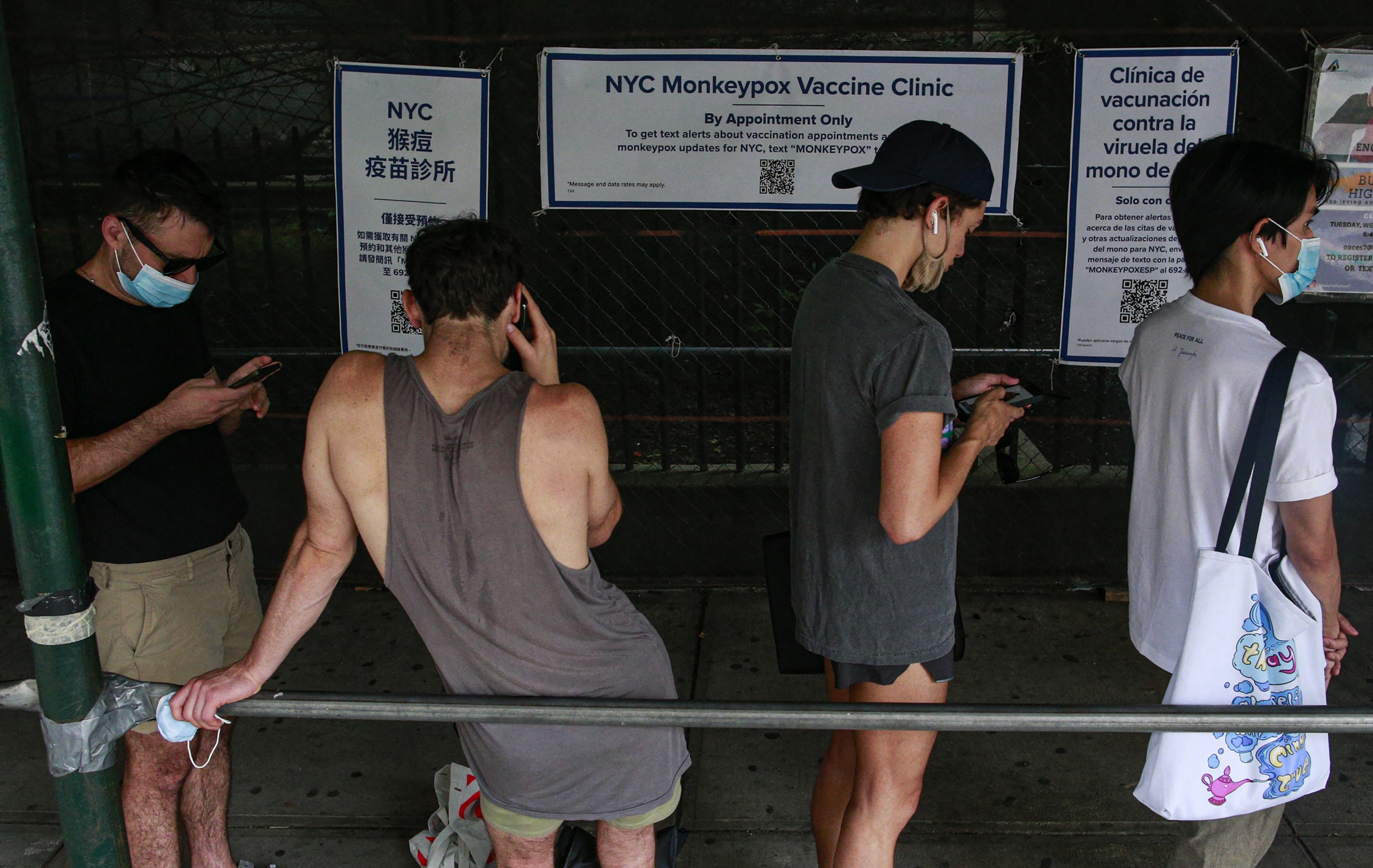
    The JYNNEOS vaccine, approved for mpox prevention, provides strong protection against both clade I and clade II. The CDC recommends the two-dose vaccine series for gay, bisexual, and other men who have sex with men aged 18 and older with specific risk factors. Anyone who traveled to or had contact with someone from the DRC, neighboring African countries, or parts of Western Europe reporting clade I cases should consult their healthcare provider immediately.

    Symptoms of mpox typically appear 3 to 17 days after exposure and begin with fever, swollen lymph nodes, muscle aches, and exhaustion, followed by a distinctive rash that progresses through several stages of fluid-filled lesions. Anyone with a new or unexplained rash — particularly after recent travel or close physical contact — should contact a healthcare provider, mention any travel history, and avoid close contact with others until evaluated. NYC offers free mpox vaccination at multiple locations across the five boroughs.

    The arrival of clade I mpox in New York City — the nation’s most densely populated metro area — is a reminder that the city’s international connectivity, while a source of enormous economic and cultural vitality, also serves as an entry point for emerging infectious diseases. Whether the public health infrastructure put in place after 2022 remains fully operational under reduced federal staffing is a question officials have not fully answered.

    Source link

  • OSHA Just Launched the Strongest Worker Heat Protection Enforcement Program in U.S. History — And It Covers Dallas’s Most Heat-Exposed Industries During World Cup Season

    OSHA Just Launched the Strongest Worker Heat Protection Enforcement Program in U.S. History — And It Covers Dallas’s Most Heat-Exposed Industries During World Cup Season

    In what workplace safety advocates are calling the most meaningful federal action on worker heat protection in American history, OSHA launched a revised and dramatically expanded National Emphasis Program (NEP) on Heat Injury and Illness Prevention on April 10, 2026 — replacing the previous NEP that had been in operation since 2022 and extending through April 2031.

    The new NEP uses Bureau of Labor Statistics injury data from 2022–2025 to target 55 high-risk industries for proactive heat-hazard inspections, expanding the program from approximately 200 heat inspections per year under its original form to approximately 2,400 per year — representing 6% of all OSHA inspections nationwide. Heat inspections have now increased twelve-fold since the program began.

    For Dallas–Fort Worth, whose construction, manufacturing, landscaping, food service, and agricultural sectors employ hundreds of thousands of workers in environments that regularly expose them to heat index readings above 100°F during June and July, this enforcement expansion is the most relevant occupational health development of the summer.

    The scale of the unprotected heat exposure in Texas’s workforce is documented in the numbers. The Groundwork Collaborative’s May 2026 report on extreme heat and workers found that in 2023 alone, high temperatures caused an additional 28,000 injuries across the United States. Between 2011 and 2021, 436 work-related deaths from heat occurred nationally. These are the officially counted cases; the true toll is documented to be substantially higher, as the same surveillance failures that produce San Antonio’s one official heat death in five years operate across the broader Texas labor system. The DFW construction boom — driven by data center expansion, commercial development, and residential growth — is creating a large and growing population of outdoor workers whose heat exposure during this summer may be the most intense in the metropolitan area’s recent history, given the AccuWeather forecast for potential triple-digit temperatures beginning as early as June 22.

    What the New NEP Actually Requires Employers to Do

    The expanded NEP does not yet create a permanent federal heat standard — the OSHA rulemaking process for a final heat standard is ongoing. But it dramatically increases enforcement risk for employers who fail to address heat hazards under the existing General Duty Clause of the Occupational Safety and Health Act. The revised NEP directs OSHA compliance officers to proactively inspect workplaces in all 55 targeted high-risk industries — including construction, landscaping, warehousing, food processing, and food service — in any geographic area where the heat index reaches 80°F. At Dallas’s summer temperatures, that threshold is crossed virtually every working day from June through September.

    In practice, the General Duty Clause enforcement means OSHA can cite employers who fail to provide water (one cup per hour for outdoor workers), rest breaks in shade or air conditioning, acclimatization protocols for new workers or workers returning from absence, and heat illness training.

    The Alert Media summary of the 2026 OSHA heat regulations confirms that even without a final rule, “enforcement risk is at an all-time high” — and employers who have not implemented documented heat illness prevention programs face significant citation liability if workers develop heat illness during the 2026 summer season.

    For Dallas-area employers in construction, agriculture, and food service — the industries with the most documented heat exposure — the April 10, 2026 NEP launch is a compliance warning that the summer of 2026 will be the most scrutinized heat safety season in Texas workplace history.

    The World Cup Dimension: Temporary Event Workers and Highest-Risk Exposures

    The World Cup’s June 14 opening in Dallas creates a specific and time-compressed occupational heat safety scenario that the expanded NEP directly addresses: the large temporary workforce deployed for event operations — security personnel, food vendors, transportation workers, equipment handlers, and cleaning staff — who will work extended shifts in outdoor environments around AT&T Stadium and associated fan festival areas during potentially record-setting June heat.

    These temporary workers are precisely the population that OSHA’s updated emphasis program identifies as high-risk: they may be new to outdoor work, may not yet be heat-acclimatized, may be working irregular hours that prevent adequate overnight recovery, and may be employed through staffing agencies whose oversight of heat safety protocols is less systematic than direct employers.

    Dallas County Health Director Dr. Philip Huang’s confirmed expansion of public health monitoring for World Cup events covers disease surveillance, but occupational heat safety for event workers falls under OSHA’s jurisdiction.

    The Texas Workers’ Compensation Commission and the Texas Department of Insurance track heat-related workers’ compensation claims — data that will be particularly scrutinized in the weeks following the World Cup matches. For workers: know your rights under the General Duty Clause — water, rest, and shade are enforceable protections even without a final OSHA heat standard. For employers: the April 10, 2026 NEP is enforcement notice that the 2026 summer will produce heat citation activity at levels not previously seen in Texas.

    Source link

  • Penn Medicine Reports 30% Drop in Breast Cancer Risk with Ozempic and Wegovy

    Penn Medicine Reports 30% Drop in Breast Cancer Risk with Ozempic and Wegovy

    A landmark study published June 2, 2026, in JCO Oncology Practice and simultaneously presented at the 2026 American Society of Clinical Oncology Annual Meeting by researchers at the University of Pennsylvania Perelman School of Medicine has produced findings that could reshape how America’s medical community thinks about GLP-1 receptor agonist drugs and how millions of women with obesity approach their own cancer risk.

    The study, led by Dr. Elizabeth McDonald, a professor of radiology at Penn and practicing breast radiologist at Penn’s Abramson Cancer Center, found that women using GLP-1 medications were approximately 30% less likely to develop breast cancer than women who were not taking these drugs. The finding comes from an analysis of 111,646 women, the largest study of its kind, and the protective effect held even after rigorous statistical matching to control for confounding factors.

    The scale and rigor of the Penn Medicine study are what elevate it above prior observational work in this area. Researchers used electronic health records from the University of Pennsylvania Health System, which includes both academic and community medical sites across Pennsylvania and New Jersey, to identify women aged 45 to 80 with a BMI of 25 or above who had undergone breast imaging between January 2022 and June 2025.

    Of the 111,646 women in the full cohort, 15,264 (13.7%) had documented GLP-1 medication prescriptions, and 96,382 (86.3%) had no documented GLP-1 exposure. The researchers examined cancer incidence in both the full cohort and a matched cohort of 30,528 women, pairing each GLP-1 user one-to-one with a control patient matched on age, race, ethnicity, BMI, breast density, and diabetes status.

    The result: 35.1% lower odds of breast cancer in the full analysis; 30.5% lower odds in the rigorously matched cohort.

    Why the 30% Reduction Is Scientifically Credible

    The breast cancer finding is consistent with what GLP-1 drugs do biologically. GLP-1 receptor agonists, the drug class that includes Ozempic (semaglutide), Wegovy (semaglutide), Mounjaro (tirzepatide), and Zepbound (tirzepatide), produce significant weight loss and improve key metabolic measures such as insulin sensitivity, inflammation levels, and sex hormone balance. Each of these changes is independently linked to lower breast cancer risk through well-established biological pathways.

    Body fat is not just storage tissue; it is hormonally active. It converts androgens into estrogens through a process called aromatization. In postmenopausal women who are overweight or obese, fat tissue becomes the main source of circulating estrogen. Most breast cancers, about 70 to 75 percent, are estrogen receptor-positive, meaning they grow in response to estrogen. When weight is reduced, fat tissue decreases, aromatization declines, estrogen levels drop, and the growth stimulus for these cancers is reduced. This mechanism is widely accepted and helps explain why obesity increases breast cancer risk and why weight loss lowers it.

    GLP-1 drugs also reduce chronic low-grade inflammation, measured through markers such as CRP, which can contribute to a tumor-friendly environment. In addition, they improve insulin resistance, lowering levels of insulin and IGF-1, both of which have been shown to directly promote breast cancer cell growth.

    “While our study was observational and does not definitively confirm an association,” Dr. McDonald said, “it does add to the growing body of evidence suggesting that it’s worth investigating these weight-loss drugs as potential cancer prevention tools.”

    The Philadelphia Context: Penn Medicine, Penn’s Abramson Center, and What This Means Locally

    The Penn Medicine research carries particular significance in Philadelphia, where the study was conducted. The Penn Abramson Cancer Center, consistently ranked among the top cancer hospitals in the United States, is home to a major breast imaging and breast oncology program. The health system spans Pennsylvania and New Jersey, and the electronic health records used in the study reflect a real-world patient population in the greater Philadelphia region, including a wide range of body weight profiles, cancer risk factors, and GLP-1 prescribing patterns.

    Philadelphia County has a breast cancer incidence rate above the national average, driven in part by higher obesity rates among women, especially in lower-income areas of North, West, and South Philadelphia. If GLP-1 drugs reduce breast cancer risk by 30% in overweight and obese women, the same group that accounts for much of the county’s burden, the public health impact could be significant. Access becomes the key issue. The women most likely to benefit are also those most likely to face insurance and cost barriers to GLP-1 treatment.

    What Women Should Discuss with Their Doctors Now

    The Penn Medicine study is observational — it does not prove causality and does not constitute a clinical recommendation to prescribe GLP-1 drugs for breast cancer prevention. Breast cancer prevention currently relies on lifestyle modification, screening adherence, chemoprevention with tamoxifen or aromatase inhibitors for high-risk individuals, and prophylactic surgical options for those with BRCA mutations.

    What the study does justify is a conversation: women aged 45 to 80 who are overweight or obese, who are considering GLP-1 therapy for obesity or diabetes management, should ask their provider whether the breast cancer risk data adds weight to the clinical rationale for their treatment. For women who are already on GLP-1 medications, this study provides additional scientific support for the value of continued treatment. For oncologists, this data adds a new dimension to the patient conversation about weight management as cancer prevention — one with a specific drug class and a quantified risk reduction.

    Source link

  • Virginia Records Highest Measles Count on Record While Major World Cup Gateway Links to Mexico’s Growing Outbreak

    Virginia Records Highest Measles Count on Record While Major World Cup Gateway Links to Mexico’s Growing Outbreak

    A detail buried in the Virginia Department of Health’s June 3, 2026, clinical advisory for healthcare providers deserves much wider attention than it has received: Virginia has seen a record number of measles cases this year, with 77 reported cases as of June 2, 2026.

    That figure — 77 confirmed cases by the first week of June — establishes Virginia as a measles hot zone that is directly relevant to the World Cup’s public health trajectory for one specific and overlooked reason: Washington Dulles International Airport in northern Virginia is the federally designated enhanced screening point for all U.S. citizens and nationals who have been present in the Democratic Republic of Congo, Uganda, or South Sudan within 21 days of U.S. arrival. Every traveler routed through Dulles for Ebola screening is moving through a state that currently has 77 active measles cases — the record annual total in the state’s modern surveillance history.

    The VDH advisory also notes that “many [World Cup fans] are likely to travel through international airports in northern Virginia” — capturing the second dimension of Virginia’s World Cup health relevance. Dulles is among the top 10 busiest international airports in the United States and serves as a major gateway for European, Latin American, and African travelers bound for East Coast World Cup venues, including Philadelphia (the closest host city, with matches June 14 through July 4) and the New York/New Jersey area (MetLife Stadium, including the July 19 Final).

    Fans arriving at Dulles from Mexico (10,920 cases), Guatemala (6,209 cases), or other measles-active countries, then connecting to domestic flights to Philadelphia or New York, are moving through one of the country’s most active measles states at a peak transmission moment.

    Virginia’s 77-Case Record in Context

    Virginia’s 77-case record requires context to fully appreciate its significance. The state was not previously considered a high-measles-burden jurisdiction — it was among the states with strong school vaccination compliance and relatively few exemptions. The appearance of 77 confirmed cases as of June 2, 2026, represents a significant outbreak driven primarily by vaccine hesitancy in specific community clusters, with the pattern seen in the VDH advisory consistent with the national picture: most cases occurring in unvaccinated or under-vaccinated individuals, with outbreak chains anchored in communities with lower-than-average MMR coverage.

    The national context as of the CDC’s latest dashboard: 1,983 confirmed measles cases across 40 U.S. jurisdictions as of May 28, 2026, with 30 active outbreaks and 93% of cases linked to ongoing outbreak chains. Virginia’s 77 cases place it above Pennsylvania (5 cases through early February) and most Northeast states, but below the outbreak epicenters of South Carolina, Utah, and Texas. The combination of a record state outbreak AND a major international gateway airport AND proximity to two World Cup host cities creates a public health exposure matrix that the VDH clinical letter addresses directly, urging providers to be alert for travel-related illnesses in patients with any connection to World Cup events, the U.S. Semiquincentennial celebrations planned for Washington D.C. this summer, or other large summer gatherings.

    The Dulles Ebola Screening Pathway — and the Measles Irony

    The designation of Dulles as the mandatory arrival airport for enhanced Ebola screening creates an unintended epidemiological dynamic that public health researchers have quietly flagged. The logic of the Dulles screening designation is sound: it concentrates enhanced health screening at a single, well-resourced airport rather than distributing it thinly across multiple airports with variable capability. But every traveler routed through Dulles for Ebola screening — who, under the current Bundibugyo outbreak’s transmission biology, is overwhelmingly unlikely to be infected — passes through a terminal environment in a state with 77 active measles cases, potentially sharing air space with other travelers who may be in the pre-rash, contagious phase of measles infection.

    The scientific irony is measurable: the disease being screened for at Dulles (Ebola) requires direct contact with blood or body fluids of a symptomatic person to transmit and kills roughly 1 in 3 of those infected. The disease circulating in the state surrounding Dulles (measles) transmits through the air, persists in enclosed spaces for two hours, and was present in 77 confirmed Virginians as of June 2. Ebola’s R0 is approximately 2. Measles’s R0 is 12 to 18. As Dr. Krutika Kuppalli wrote in STAT News: “Infectious disease threats during the World Cup will almost certainly look much more familiar than frightening headlines suggest.” Virginia’s 77-case record makes that observation locally specific and quantitatively concrete.

    What Virginia Residents and Dulles Travelers Must Know

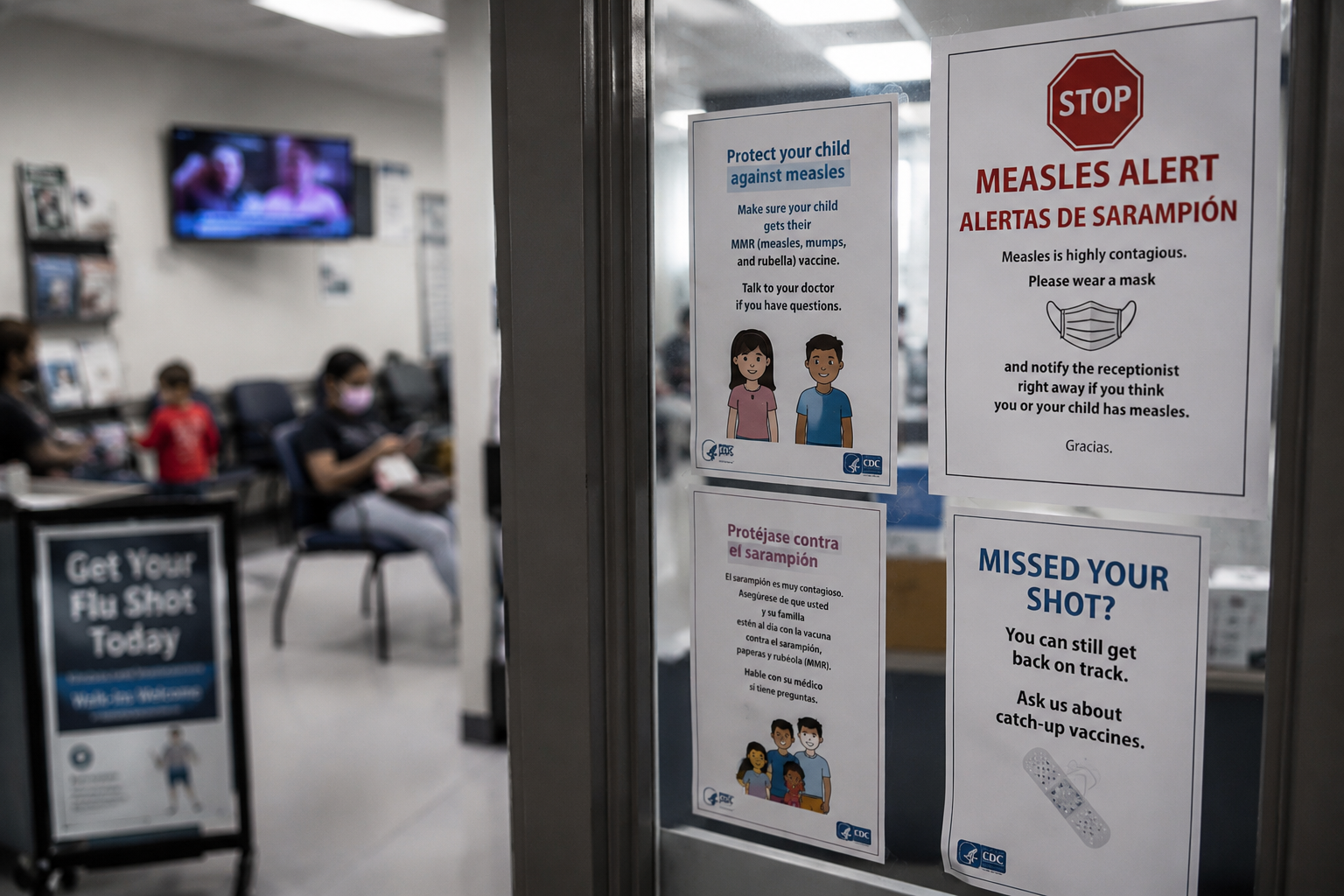
    The VDH’s directive to clinicians operating near Dulles and across the state is direct: ask patients about travel history and World Cup event attendance; maintain high suspicion for measles in unvaccinated patients with fever and rash; report suspected cases immediately. For travelers transiting Dulles: the airport’s connection to international routes from measles-active countries, combined with Virginia’s active community outbreak, makes it one of the higher-risk indoor air environments for measles exposure in the country right now. Any traveler who cannot document two doses of MMR vaccine should receive vaccination before travel, as PAHO specifically recommends a single dose at least two weeks before traveling to areas with documented transmission.

    For residents of the Washington D.C. metro area planning to travel to World Cup matches in Philadelphia — the closest host city at roughly 140 miles — verify MMR vaccination status, ensure any children over 12 months have had at least one dose, and consider that the train corridors connecting Northern Virginia, Washington, and Philadelphia pass through and between multiple states with active measles cases. The public health advice has not changed since the PAHO emergency alert: travelers aged six months and older who cannot provide proof of two MMR doses should receive vaccination, preferably at least two weeks before attending any World Cup event or traveling to areas with active transmission. At this moment, Virginia is one of those areas.

    Source link

  • Six Days Before World Cup Kickoff, New York Confronts the Most Complex Public Health Alert Landscape Ever Seen in the U.S.

    Six Days Before World Cup Kickoff, New York Confronts the Most Complex Public Health Alert Landscape Ever Seen in the U.S.

    The 2026 FIFA World Cup opens in six days. The first match at MetLife Stadium in East Rutherford, New Jersey, is scheduled for July 14 — but the tournament officially begins June 11, and within days, New York metropolitan area transportation hubs, hotels, fan festival sites, and outdoor venues will begin absorbing the first wave of what officials project will be more than one million international visitors over the 39-day tournament. Into that moment, New York City is carrying a public health burden that no American city has faced in the context of a major international event in the modern era: five simultaneous, documented disease activations, each with its own monitoring infrastructure, response protocols, and resource demands, all competing for the attention and bandwidth of the same institutional public health workforce.

    State health officials and experts quoted in CNBC’s comprehensive June 4 World Cup health analysis emphasized that the United States is well-prepared, with “a very robust system” and health departments that have been scaling up surveillance, hospital coordination, and monitoring for months. Dr. Margaret Aldrich of NYU Langone said the U.S. is “better prepared, honestly, than we ever have been for high-consequence infectious diseases.” Infectious disease physician Dr. Krutika Kuppalli, writing in STAT News, noted that the most likely infectious disease threats at the World Cup will “look much more familiar than frightening headlines suggest” — not Ebola, but the highly transmissible respiratory viruses that thrive in exactly the conditions a World Cup creates.

    The Five Simultaneous Activations New York Is Managing

    The full complexity of New York’s public health posture requires enumerating all five concurrent activations: First, the hantavirus quarantine — two New York State residents under around-the-clock state trooper surveillance at residential addresses outside NYC through June 22, representing the only U.S. exposure to Andes virus, the only hantavirus capable of human-to-human transmission, following the MV Hondius cruise ship outbreak that killed three people worldwide. Second, the active measles situation — 11 confirmed New York State cases in 2026 (6 in NYC, 5 statewide), all unvaccinated adults linked to international travel, embedded in a national outbreak of 1,974 confirmed cases. Third, the Ebola preparedness posture — the WHO’s May 17 PHEIC declaration for the Bundibugyo outbreak in DRC (344 confirmed cases, 60 deaths) with the DRC national team entering the World Cup through Houston. Fourth, the NB.1.8.1 COVID-19 subvariant generating rising wastewater signals in the Northeast. Fifth, West Nile virus surveillance activation for the summer mosquito season.

    Each of these activations is, individually, a normal and manageable public health challenge for a city with New York’s infrastructure. Their simultaneous convergence, during the most intense international visitor period in the metropolitan area’s modern history, is what makes the summer of 2026 unprecedented. New York and New Jersey conducted a 50-agency simulation exercise in June 2025 specifically modeling a high-consequence infectious disease arrival via LaGuardia Airport during a mass gathering event. That simulation was designed for exactly this scenario. But simulations are conducted one scenario at a time. Reality is running five.

    The Measles Threat Is the Science Experts Are Most Focused On

    Of all the disease risks surrounding the World Cup, infectious disease experts have most consistently emphasized measles — not Ebola — as the pathogen most likely to cause a significant outbreak. As Dr. Kuppalli wrote in STAT, the reason is transmissibility. Ebola requires direct contact with the blood or body fluids of a symptomatic person. Measles’s R0 of 12–18 means a single infectious person can spread to 12 to 18 others in a susceptible population — through the air, in enclosed spaces, for up to two hours after the infected person has left the room. At a World Cup crowd of 82,000 people at MetLife Stadium, with international visitors from Mexico (10,920 cases in 2026), Guatemala (6,209 cases), and other Americas countries experiencing active outbreaks, the mathematical exposure potential from a single unidentified infectious case in an indoor concourse is not a model projection. It is a biological certainty.

    The Good News: New York’s Infrastructure Is Genuinely Ready

    In the interest of balance: the preparations New York has made are real and scientifically sound. Bellevue Hospital’s biocontainment unit has undergone additional training for the World Cup period. The Greater New York Hospital Association has conducted multiple video trainings on measles case identification. New York State’s infectious disease surveillance system is at heightened activation. The hantavirus quarantine infrastructure — deploying state troopers as monitors and state health officials for daily symptom assessment — is a demonstration that the system can respond to novel threats rapidly and effectively. Commissioner McDonald’s office has confirmed coordination across all five activations.

    The immediate actionable guidance: New York City Health Department immunization clinics offer MMR vaccination without appointment throughout the five boroughs. For anyone who cannot document two doses of MMR vaccine — or was born between 1957 and 1968 and received the early formaldehyde-inactivated measles vaccine that provided only short-lived protection — vaccination now is the single most important health action available before the MetLife matches begin. The World Cup Final is on July 19. The window to complete two doses — which require at least 28 days between them — closed this week. A single dose now still provides 93% protection against a disease whose R0 is 18. Get vaccinated.

    Source link