

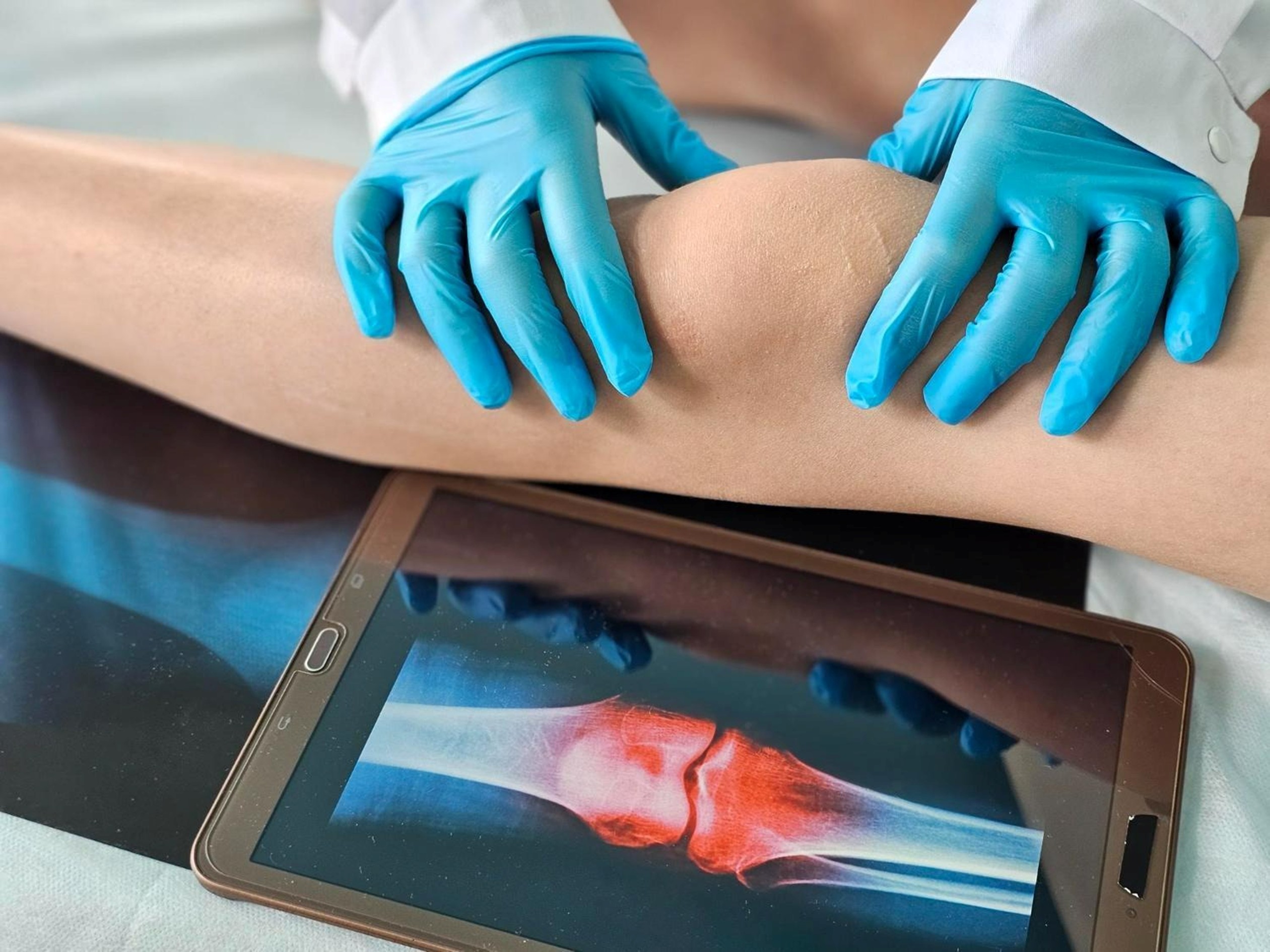
When the body experiences strain or injury, the effects are not always immediately visible. A pulled muscle, joint stress, or even minor repetitive strain can feel localized, but beneath the surface, a complex biological process begins almost instantly.
Tissue repair is not a single event. It is a coordinated response involving inflammation, cellular signaling, and gradual rebuilding. Understanding how this process unfolds provides valuable insight into why recovery takes time, and why it does not always follow a predictable path.
The Immediate Response: Inflammation as Protection
The first stage of tissue repair begins within minutes. When cells are damaged, the body initiates an inflammatory response. Blood flow increases to the affected area, bringing immune cells that help clear damaged tissue and protect against further harm.
Although inflammation is often associated with discomfort, it plays a critical role in healing. Without it, the body would not be able to initiate repair effectively.
However, this phase must remain balanced. Excessive or prolonged inflammation can slow recovery, while insufficient response can delay the healing process altogether.
Cellular Communication and Repair Signals
Once the initial inflammatory response is underway, the body shifts toward repair. Cells release signaling molecules that coordinate the rebuilding process, guiding new tissue formation and restoring function.
Fibroblasts, a type of connective tissue cell, begin producing collagen, the structural protein that helps repair damaged areas. At the same time, new blood vessels form in a process known as angiogenesis, improving circulation and nutrient delivery.
This phase is gradual. It requires time, consistency, and the right internal conditions to progress effectively.
Supporting the Body’s Natural Healing Processes
Traditional approaches to recovery have focused on rest, gradual movement, and symptom management. While these remain essential, there is growing interest in methods that support the body’s internal repair mechanisms more directly.
Rather than addressing only the surface-level effects of injury, these approaches aim to enhance the underlying biological processes that drive healing.
Within this evolving landscape, approaches such as SoftWave regenerative therapy are part of a broader category of non-invasive treatments designed to stimulate tissue response and improve circulation. By encouraging cellular activity and supporting regenerative pathways, these methods reflect a shift toward working with the body’s natural systems rather than bypassing them.
Why Recovery Isn’t Always Linear
One of the most misunderstood aspects of healing is that it rarely follows a straight line. Progress can vary depending on multiple factors, including age, activity level, overall health, and how the injury is managed.
Some days may feel like improvement, while others bring stiffness or discomfort. This variability is part of the process, reflecting the body’s ongoing adjustments as it repairs and adapts.
External factors, such as stress, sleep quality, and physical activity, can also influence how efficiently the body moves through each stage of recovery.
The Role of Circulation in Tissue Repair
Circulation is central to recovery. Blood delivers oxygen, nutrients, and signaling molecules that are essential for tissue repair. When circulation is limited, healing can slow.
This is why movement, when appropriate, often plays a role in recovery. Gentle activity helps maintain blood flow, supporting the delivery of resources needed for repair.
At the same time, therapies that enhance circulation at a targeted level are gaining attention as part of comprehensive recovery strategies.
Balancing Activity and Recovery
A key challenge in tissue repair is finding the right balance between activity and rest. Too much strain can disrupt healing, while too little movement can lead to stiffness and reduced function.
This balance is dynamic. It changes depending on the stage of recovery and the individual’s overall condition. Understanding how to adjust activity levels accordingly is an important part of supporting long-term outcomes.
Connecting Research to Everyday Health
Scientific understanding of tissue repair continues to evolve. Advances in biology, physiology, and medical technology are expanding how we approach recovery and long-term health, alongside broader healthcare shifts highlighted in initiatives like hospital nutrition and patient care reforms.
These developments are increasingly reflected in broader health discussions, where emerging treatments and research insights are explored in ways that connect scientific knowledge to everyday experience. Looking at how vitality, recovery, and performance are being addressed in modern health conversations provides valuable context for understanding how these processes translate into real-world outcomes.
A Deeper Perspective on Healing
Healing is often thought of as a return to normal, but in many cases, it is also an opportunity for adaptation. The body does not simply repair, it adjusts, reinforcing structures and improving resilience.
This perspective shifts how recovery is viewed. It is not just about fixing what was damaged, but about supporting the body as it rebuilds and strengthens over time.
By understanding what happens beneath the surface, individuals can approach recovery with greater awareness and patience, recognizing that healing is not just a process, but a progression shaped by biology, behavior, and the environment in which it occurs.


