Tag: Wellness

  • How HatchPath Is Connecting Workplace Burnout, Heart Health, and Community Impact Through Wellness Initiatives

    How HatchPath Is Connecting Workplace Burnout, Heart Health, and Community Impact Through Wellness Initiatives

    As conversations around workplace wellness continue to evolve, more organizations are examining how stress, burnout, and emotional strain influence broader health outcomes. According to Jordan Dunin, founder of HatchPath, the discussion increasingly extends beyond productivity or morale and into long-term well-being. HatchPath, which provides concierge-style wellness and coaching support for organizations and individuals, operates within that growing intersection between employee resilience and organizational sustainability.

    From Dunin’s perspective, businesses are in a unique position to create impact that extends beyond internal operations. He explains that for-profit organizations can still play a meaningful role in supporting communities, particularly when wellness initiatives are tied to education, accessibility, and long-term engagement. “A company does not have to operate as a nonprofit to create real impact,” Dunin says. “Organizations have the ability to support people in ways that extend far beyond the workplace when that intention becomes part of the culture.”

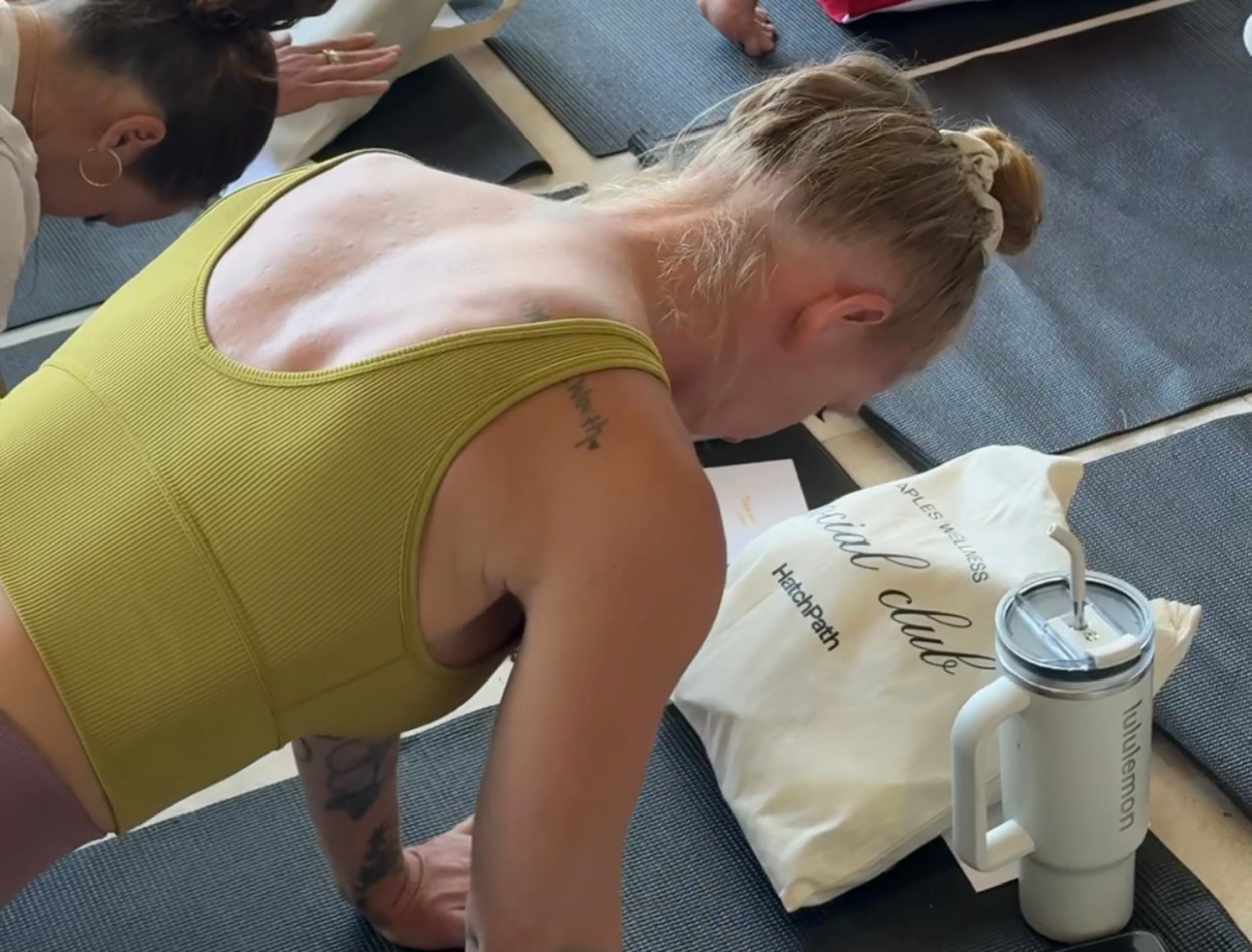
    That philosophy recently shaped one of HatchPath’s community wellness events, organized in partnership with the American Heart Association. The gathering brought together local professionals, wellness practitioners, and community members for an experience centered on nervous system regulation, movement, stress management, and heart health awareness. According to Dunin, the event was intentionally designed to reflect a broader understanding of wellness and the relationship between emotional health and cardiovascular health.

    “We wanted people to think differently about heart health and stress,” Dunin says. “For many people, wellness conversations focus on exercise or nutrition alone, but emotional regulation, sleep, recovery, and the state people live in every day also matter a lot.”

    The event included guided breathwork sessions, movement-based activities, wellness treatments, and educational discussions focused on recovery and restoration. From Dunin’s viewpoint, the collaborative structure reflected HatchPath’s larger mission of creating environments where people can connect through healthier habits and shared experiences.

    Natasha Iannone, Development Director of American Heart Association, adds, “We were incredibly pleased with the outcome of the Wellness at Home Experience in Naples and grateful for the collaboration with HatchPath. Events like these beautifully demonstrate what’s possible when wellness, community, and purpose come together. We look forward to continuing to work together and raise support for the American Heart Association’s life-saving mission and impact throughout Southwest Florida.”

    The connection between stress and physical health has increasingly become part of broader workplace discussions. More than 840,000 people die each year from health conditions linked to workplace psychosocial risks, including long working hours, job insecurity, workplace harassment, and chronic stress. These risks are closely associated with cardiovascular disease and mental health disorders. From Dunin’s perspective, organizations are beginning to recognize that wellness is closely tied to sustainability, retention, and overall quality of life.

    That understanding has also influenced HatchPath’s recent expansion through employee benefits platforms. According to Dunin, the model allows the company to reach a larger number of employees across multiple organizations while increasing access to wellness and coaching support. He explains that the objective is broader availability for individuals who may not otherwise seek out support independently.

    HatchPath

    “Our focus has always been participation and accessibility,” Dunin says. “When support becomes easier to access, more people are willing to engage with it consistently.”

    Beyond corporate partnerships, HatchPath has continued organizing wellness initiatives tied to different community causes, including mental health, children’s well-being, and environmental awareness efforts. Dunin notes that these events reflect a larger belief that wellness should be approached holistically rather than through isolated categories.

    He also believes that conversations around stress management are gradually becoming more normalized within leadership environments. From his perspective, many professionals are beginning to acknowledge that constant connectivity and prolonged pressure can affect recovery, focus, and emotional regulation over time.

    “Rest is becoming an important part of the conversation,” Dunin says. “People are realizing that recovery, boundaries, and nervous system health influence how they show up in every part of life.”

    As HatchPath continues expanding its reach, Dunin views the company’s work as part of a broader shift in how businesses approach responsibility and wellness. While nonprofits continue serving an essential role within communities, he believes companies also have the opportunity to contribute in ways that create meaningful and lasting impact.

    “When businesses choose to invest in people beyond performance metrics, that impact carries outward into families, communities, and everyday life,” Dunin says. “That is where long-term change begins.”

    Source link

  • Health Quiz | Start Your Wellness Journey

    Health Quiz | Start Your Wellness Journey

    Product Name: Health Quiz | Start Your Wellness Journey

    Click here to get Health Quiz | Start Your Wellness Journey at discounted price while it’s still available…

    All orders are protected by SSL encryption – the highest industry standard for online security from trusted vendors.

    Health Quiz | Start Your Wellness Journey is backed with a 60 Day No Questions Asked Money Back Guarantee. If within the first 60 days of receipt you are not satisfied with Wake Up Lean™, you can request a refund by sending an email to the address given inside the product and we will immediately refund your entire purchase price, with no questions asked.

    (more…)

  • SlimLeaf – Gut Health & Digestive Wellness Support

    SlimLeaf – Gut Health & Digestive Wellness Support

    Product Name: SlimLeaf – Gut Health & Digestive Wellness Support

    Click here to get SlimLeaf – Gut Health & Digestive Wellness Support at discounted price while it’s still available…

    All orders are protected by SSL encryption – the highest industry standard for online security from trusted vendors.

    SlimLeaf – Gut Health & Digestive Wellness Support is backed with a 60 Day No Questions Asked Money Back Guarantee. If within the first 60 days of receipt you are not satisfied with Wake Up Lean™, you can request a refund by sending an email to the address given inside the product and we will immediately refund your entire purchase price, with no questions asked.

    (more…)

  • The Ultimate Guide to Building a Lifestyle of Wellness

    The Ultimate Guide to Building a Lifestyle of Wellness

    Introduction to Wellness

    Building a lifestyle of wellness is a journey that requires commitment, dedication, and patience. It’s about making conscious choices that promote physical, mental, and emotional well-being. In today’s fast-paced world, it’s easy to get caught up in the hustle and bustle of daily life and neglect our own well-being. However, prioritizing wellness is essential for living a happy, healthy, and fulfilling life. In this article, we’ll provide a comprehensive guide to building a lifestyle of wellness, covering various aspects of physical, mental, and emotional well-being.

    Understanding the Importance of Wellness

    Wellness is not just the absence of disease or illness; it’s a state of complete physical, mental, and emotional well-being. It’s about feeling good in our bodies, minds, and spirits. When we prioritize wellness, we’re better equipped to handle life’s challenges, build strong relationships, and pursue our passions. A lifestyle of wellness can also improve our overall quality of life, increase our energy levels, and enhance our cognitive function.

    Physical Wellness

    Physical wellness is the foundation of overall wellness. It involves taking care of our bodies through regular exercise, healthy eating, and adequate sleep. Here are some tips for achieving physical wellness:

    • Engage in regular physical activity, such as walking, running, swimming, or yoga
    • Eat a balanced diet that includes plenty of fruits, vegetables, whole grains, and lean protein sources
    • Get at least 7-8 hours of sleep per night
    • Practice good hygiene and stay hydrated by drinking plenty of water

    Mental Wellness

    Mental wellness is just as important as physical wellness. It involves taking care of our minds and emotions through stress management, self-care, and social connection. Here are some tips for achieving mental wellness:

    • Practice stress-reducing techniques, such as meditation, deep breathing, or yoga
    • Engage in activities that bring you joy and help you relax, such as reading, listening to music, or taking a bath
    • Connect with friends and family, and build strong relationships
    • Prioritize self-care and make time for activities that nourish your mind, body, and spirit

    Emotional Wellness

    Emotional wellness involves recognizing, understanding, and managing our emotions in a healthy way. Here are some tips for achieving emotional wellness:

    • Practice self-awareness and recognize your emotions
    • Develop healthy coping mechanisms, such as journaling, talking to a friend, or seeking professional help
    • Learn to manage stress and anxiety through relaxation techniques, such as meditation or deep breathing
    • Cultivate positive relationships and surround yourself with supportive people

    Spiritual Wellness

    Spiritual wellness involves connecting with something greater than ourselves and finding meaning and purpose in life. Here are some tips for achieving spiritual wellness:

    • Practice mindfulness and presence in daily life
    • Engage in activities that bring you a sense of purpose and meaning, such as volunteering or pursuing a hobby
    • Connect with nature and appreciate its beauty
    • Cultivate a sense of gratitude and appreciation for life

    Building a Wellness Routine

    Building a wellness routine involves incorporating healthy habits into your daily life. Here are some tips for building a wellness routine:

    • Start small and set achievable goals
    • Prioritize self-care and make time for activities that nourish your mind, body, and spirit
    • Be consistent and make wellness a habit
    • Seek support from friends, family, or a wellness community

    Overcoming Obstacles to Wellness

    Despite our best intentions, we may face obstacles to wellness, such as lack of time, motivation, or resources. Here are some tips for overcoming obstacles to wellness:

    • Identify your obstacles and develop strategies to overcome them
    • Seek support from friends, family, or a wellness community
    • Be patient and kind to yourself, and don’t give up on your wellness journey
    • Celebrate your successes and progress, no matter how small

    Conclusion

    Building a lifestyle of wellness is a journey that requires commitment, dedication, and patience. By prioritizing physical, mental, emotional, and spiritual wellness, we can improve our overall quality of life, increase our energy levels, and enhance our cognitive function. Remember to start small, be consistent, and seek support from friends, family, or a wellness community. With time and effort, you can build a lifestyle of wellness that brings you joy, fulfillment, and a sense of purpose.

    FAQs

    Q: What is wellness, and why is it important?
    A: Wellness is a state of complete physical, mental, and emotional well-being. It’s essential for living a happy, healthy, and fulfilling life.
    Q: How can I prioritize wellness in my busy life?
    A: Start small by incorporating healthy habits into your daily routine, such as taking a short walk, practicing deep breathing, or eating a balanced meal.
    Q: What are some common obstacles to wellness, and how can I overcome them?
    A: Common obstacles to wellness include lack of time, motivation, or resources. To overcome them, identify your obstacles, develop strategies to overcome them, and seek support from friends, family, or a wellness community.
    Q: How can I build a wellness routine that works for me?
    A: Start by setting achievable goals, prioritizing self-care, and being consistent. Experiment with different activities and habits until you find what works best for you.
    Q: What is the importance of self-care in building a lifestyle of wellness?
    A: Self-care is essential for building a lifestyle of wellness, as it involves taking care of our minds, bodies, and spirits. Prioritizing self-care can help us manage stress, increase our energy levels, and enhance our overall well-being.

  • Wellness Washing and the Rise of Mandated Mindfulness

    Wellness Washing and the Rise of Mandated Mindfulness

    In June 2023 New York Mayor Eric Adams announced a new policy that would go into effect that fall. Every morning every public school student would engage in two to five minutes of mindful breathing unless they chose to opt out. At a time when the youth mental health crisis was a major news story, this seemed like a win. Research had suggested that mindfulness could have a beneficial impact on adolescent anxiety and depression. Now the more than one million students in NYC public schools would be getting a daily dose of it.

    Yet to those in the mindfulness world, the reaction was nuanced. While mindfulness can be a powerful tool, it is one that is typically taught by experienced practitioners. Asking overwhelmed teachers to add another lesson to their plate on a topic they might not have familiarity with had the potential to backfire. Programming that is implemented by burnt out educators going through the motions with bored students is not usually a recipe for success.

    Asking overwhelmed teachers to add another lesson to their plate on a topic they might not have familiarity with had the potential to backfire.

    Weighing Positives and Negatives

    As a PE teacher and Mindfulness Director at a PK-8 school in Massachusetts, I had my concerns from afar. I’m well aware of my own skills and limitations. If, for example, research revealed the benefits of singing, and there were a mandate to practice if for a few minutes at the start of every class, my lack of expertise would result in some seriously out of tune kiddos. There is a reason people are encouraged to teach to their strengths.

    Kimberly Daniels, a School Counselor and Mindfulness Director at The Greenwich Village School in Manhattan, saw the mandate as a positive step at first. Both Daniels and I worked with WholeSchool Mindfulness to integrate the position of Mindfulness Director at our respective schools. I wanted to get her take as someone who understands the benefits of bringing mindfulness to schools and as an expert on the thoughtful, research-backed implementation of these practices.

    “Initially, I was like, that’s actually really good,” said Daniels. “It’s being seen as something all schools should be doing. It’s a strange thing to mandate, but if it’s bringing awareness to all New York City public schools, that could be a good thing.”

    Asking More of Already-Overwhelmed Teachers

    The reaction among teachers, however, was more of a mixed bag. “I think a lot of teachers were rolling their eyes because it was one more thing they were being mandated to do,” said Daniels. 

    Once the program got underway, Daniels was able to be a thought partner with teachers at her school and provide resources and ideas. “When it first rolled out, I talked about it at a professional development session at my school,” recalled Daniels. “We were able to come up with different things that teachers could do in the classroom. A lot of teachers really loved the idea of mindful coloring.” However, her position is a rarity in the public school system, and other schools lacked the support of an educator trained in the discipline.

    Is There Needed Support?

    The other major issue was the overall lack of accountability and support from the Department of Education. It is one thing to announce a mandate and then provide training, resources, and professional development on the subject, as might happen with the introduction of a new math curriculum. It is quite another to issue a mandate without any plan for following through and supporting teachers.

    Such a mandate may serve more as a form of wellness washing: allowing the powers-that-be to gain positive press and check a box without actually creating effectual change. Is it a coincidence that Mayor Adams’ federal corruption investigation came to light only a few months after this announcement? In the end, this kind of empty mandate only serves to promote the interests of the administrators and politicians who can claim such initiatives as feathers in their cap while a generation of students becomes alienated by half-hearted wellness measures.

    Such a mandate may serve more as a form of wellness washing: allowing the powers-that-be to gain positive press and check a box without actually creating effectual change.

    Additionally, unsupported initiatives like these don’t take into account the potential pitfalls of mindfulness practice in environments not suited to it, such as unintended trauma responses. There is evidence that mindfulness practices can trigger trauma, and a classroom teacher who is forced to teach it might not have the requisite training or experience to recognize and respond to students who are in distress because of practice.

    In addition, if a teacher is not bought into mindfulness programming but has to introduce it anyways, they might do so in a way that stokes apathy in the practice rather than interest. As a basketball coach, I certainly wouldn’t want people who don’t have a passion for the game to be tasked with introducing to students, but that is precisely the case with mindfulness. Students who first encounter practice in a classroom setting where it is being rolled out without enthusiasm or knowledge might sour on it pretty quickly.

    What Now?

    So what would be a better approach? Daniels believes a much more lasting impact would come from the adoption of an Social Emotional Learning (SEL) curriculum with a focus on mindfulness. An SEL curriculum includes programs and lessons designed to help students develop “soft” skills that are actually essential for healthy functioning in relationships and in the world—things like managing emotions, setting goals, showing empathy, building positive relationships, and making responsible decisions.

    “If you don’t have your own mindfulness practice and it’s not something you’ve ever been interested in, I think it can be daunting for teachers,” said Daniels. “But if it were an actual curriculum that you’re properly trained in, that would have way more of an impact than than two to five minutes of mindfulness per day.”

    Mindfulness is an incredible tool for stoking awareness. Yet it can’t be just a means of wellness washing, and requires the same pedagogical mastery as any other discipline, whether it be art, chemistry, or social studies. All of those disciplines are taught by educators trained in a specific philosophy or curriculum.

    Despite the potential benefits of mindfulness being more accessible and widely disseminated, the reach may not be worth the risk without follow up, support, and training for teachers. In the end, to be most effective, mindfulness practice must be implemented thoughtfully by those with experience in the discipline. In other words, we need to be mindful about mindfulness programming.


    Source link

  • 5 Life-Changing Benefits of Pilates: Improve Your Body and Mind (Target keywords: Pilates benefits, body improvement, mental wellness)

    5 Life-Changing Benefits of Pilates: Improve Your Body and Mind (Target keywords: Pilates benefits, body improvement, mental wellness)

    The world of fitness is filled with various forms of exercise, each with its unique benefits and advantages. Among these, Pilates has gained immense popularity in recent years due to its incredible impact on both the body and mind. By incorporating Pilates into one’s lifestyle, individuals can experience a transformative journey that leads to improved physical health, enhanced mental wellness, and a stronger connection between the two. In this article, we will delve into the 5 life-changing benefits of Pilates, exploring how this form of exercise can improve one’s body and mind.

    Introduction to Pilates Benefits

    Pilates is a low-impact, body-weight based form of exercise that focuses on strengthening the core, improving flexibility, and enhancing posture. Developed in the early 20th century by Joseph Pilates, this method has evolved over the years, incorporating various techniques and equipment to cater to different needs and preferences. The core principles of Pilates, including centering, concentration, control, precision, breath, and flow, work together to create a holistic approach to fitness that extends beyond physical exercise. By embracing these principles, individuals can experience profound Pilates benefits that contribute to overall body improvement and mental wellness.

    Physical Transformation through Pilates

    One of the most noticeable benefits of Pilates is its impact on the physical body. Through regular practice, individuals can experience significant improvements in their physical health, including enhanced strength, flexibility, and body alignment. Pilates targets the core muscles, which are essential for maintaining good posture, balance, and overall physical stability. By strengthening these muscles, individuals can improve their body mechanics, reducing the risk of injuries and enhancing their overall physical performance. Moreover, Pilates helps in improving flexibility and range of motion, making it an excellent form of exercise for individuals looking to enhance their physical capabilities without putting excessive strain on their joints.

    Body Improvement through Core Strengthening

    The core is the foundation of the body, providing the necessary support and stability for movement. Pilates focuses extensively on core strengthening, engaging the deep muscles of the abdomen, back, and pelvis. By building a strong core, individuals can improve their posture, reduce back pain, and enhance their overall physical stability. This, in turn, contributes to better body mechanics, allowing for more efficient movement and reduced risk of injury. The core strengthening aspect of Pilates is a key component of its body improvement benefits, making it an attractive option for those seeking to enhance their physical health and wellness.

    Mental Wellness and Pilates

    Beyond its physical benefits, Pilates also has a profound impact on mental wellness. The practice of Pilates encourages mindfulness, requiring individuals to focus on their breath, movement, and body alignment. This mindful approach to exercise helps in reducing stress and anxiety, promoting a sense of calm and well-being. Moreover, the physical improvements achieved through Pilates, such as better posture and reduced pain, can significantly boost one’s self-esteem and confidence, contributing to enhanced mental health. The connection between body and mind in Pilates is profound, illustrating how physical exercise can have a direct and positive impact on mental wellness.

    Mind-Body Connection in Pilates

    The mind-body connection is a central theme in Pilates, emphasizing the interdependence of physical and mental health. By focusing on controlled movements, deep breathing, and concentration, individuals can cultivate a deeper awareness of their body and its capabilities. This heightened awareness not only improves physical performance but also enhances mental clarity and focus. The practice of Pilates encourages individuals to listen to their bodies, honoring their limitations while challenging themselves to improve. This mindful approach to exercise fosters a positive body image and promotes self-care, contributing to overall mental wellness and body improvement.

    Enhanced Flexibility and Mobility

    Another significant benefit of Pilates is its ability to improve flexibility and mobility. Through a series of flowing movements and controlled stretches, Pilates helps in increasing the range of motion, reducing stiffness, and enhancing overall flexibility. This aspect of Pilates is particularly beneficial for individuals who lead sedentary lifestyles or those who are recovering from injuries. By improving flexibility and mobility, Pilates enables individuals to move more freely and comfortably, reducing the risk of injury and enhancing their overall quality of life. This benefit of Pilates is a testament to its holistic approach to fitness, addressing not just strength and endurance but also flexibility and mobility.

    Better Posture and Reduced Pain

    Pilates is renowned for its ability to improve posture and reduce back pain. By strengthening the core and enhancing body awareness, individuals can develop better posture, reducing the strain on their muscles and joints. This, in turn, can lead to a significant reduction in back pain and other musculoskeletal issues. The focus on body alignment and movement control in Pilates helps individuals understand how to move efficiently, avoiding unnecessary strain and stress on their bodies. By adopting better movement patterns and maintaining good posture, individuals can experience a marked reduction in pain, leading to improved overall health and wellness.

    Conclusion

    In conclusion, the benefits of Pilates are multifaceted and profound, extending beyond physical health to encompass mental wellness and body improvement. Through its focus on core strengthening, flexibility, posture, and mind-body connection, Pilates offers a holistic approach to fitness that can transform one’s life. Whether individuals are seeking to improve their physical health, enhance their mental wellness, or simply feel more connected to their bodies, Pilates provides a pathway to achieving these goals. By incorporating Pilates into their lifestyle, individuals can experience the 5 life-changing benefits outlined in this article, leading to a stronger, more resilient body and mind.

    FAQs

    1. What is Pilates, and how does it differ from other forms of exercise?
      Pilates is a low-impact, body-weight based form of exercise that focuses on strengthening the core, improving flexibility, and enhancing posture. It differs from other forms of exercise in its holistic approach, combining physical movement with mindfulness and breath control.

    2. Can Pilates help with weight loss?
      While Pilates can contribute to weight loss by building muscle and improving metabolism, it is most effective when combined with a balanced diet and other forms of cardiovascular exercise.

    3. Is Pilates suitable for all ages and fitness levels?
      Yes, Pilates is highly adaptable and can be modified to suit different ages and fitness levels. It is an excellent form of exercise for beginners, as well as for those who are more advanced, due to its focus on controlled movements and body awareness.

    4. How often should I practice Pilates to see benefits?
      For noticeable benefits, it is recommended to practice Pilates at least 2-3 times a week. Consistency is key, and incorporating Pilates into your regular routine can lead to significant improvements in both body and mind.

    5. Can Pilates help with stress and anxiety?
      Yes, Pilates is known for its stress-reducing benefits. The practice encourages mindfulness, deep breathing, and controlled movement, all of which can help in reducing stress and anxiety, promoting a sense of calm and well-being.

    5-life-changing-benefits-of-pilates-improve-your-body-and-mind-target-keywords-pilates-benefits-body-improvement-mental-wellness

  • Winter Wellness: 10 Ways to Stay Active and Healthy During the Cold Months (Target keywords: winter wellness, stay active, healthy)

    Winter Wellness: 10 Ways to Stay Active and Healthy During the Cold Months (Target keywords: winter wellness, stay active, healthy)

    As the temperatures drop and the days get shorter, it can be tempting to curl up on the couch with a warm cup of tea and hibernate until spring arrives. However, neglecting one’s physical and mental health during the winter months can have negative consequences on overall wellbeing. That’s why it’s essential to prioritize winter wellness and find ways to stay active and healthy, even when the weather outside is cold and gloomy.

    Embracing Winter Wellness

    Winter wellness is all about taking care of one’s body and mind during the cold months. It’s about finding ways to stay active, eating nutritious food, and practicing self-care to maintain a healthy and balanced lifestyle. By prioritizing winter wellness, individuals can boost their mood, increase their energy levels, and reduce the risk of illnesses like the common cold and flu. Whether it’s going for a brisk walk, practicing yoga, or simply taking a relaxing bath, there are countless ways to stay active and healthy during the winter months.

    Staying Active Indoors

    One of the biggest challenges of winter wellness is finding ways to stay active when it’s cold and icy outside. However, there are plenty of indoor activities that can get the heart rate up and keep the body moving. For example, individuals can try indoor swimming, join a gym, or take a dance class. Many community centers and gyms also offer indoor sports like basketball, soccer, and volleyball, which are great ways to stay active and socialize with others. Additionally, bodyweight exercises like push-ups, squats, and lunges can be done in the comfort of one’s own home, making it easy to stay active and healthy without having to venture out into the cold.

    Winter Sports and Activities

    For those who enjoy the outdoors, there are plenty of winter sports and activities that can be enjoyed during the cold months. Skiing, snowboarding, and ice skating are all great ways to stay active and have fun, while also getting some fresh air and vitamin D. Snowshoeing and cross-country skiing are also excellent options for those who want to explore the winter landscape without the need for expensive equipment or lift tickets. And for those who prefer something a bit more low-key, winter hiking and walking are great ways to get some exercise and enjoy the peacefulness of the winter landscape.

    Healthy Eating for Winter Wellness

    Eating a healthy and balanced diet is essential for winter wellness. During the cold months, the body needs plenty of nutrients to stay warm and energized, and a diet rich in fruits, vegetables, whole grains, and lean proteins can help to boost the immune system and keep illnesses at bay. Soups, stews, and hearty casseroles are all great options for winter, as they are warm, comforting, and packed with nutrients. Additionally, incorporating winter-specific foods like citrus fruits, sweet potatoes, and dark leafy greens into one’s diet can help to support immune function and overall health.

    Staying Hydrated

    Staying hydrated is essential for winter wellness, as the cold air can dry out the skin and mucous membranes, making it easier for illnesses to take hold. Drinking plenty of water, herbal tea, and warm broth can help to keep the body hydrated and support immune function. Additionally, avoiding sugary drinks and caffeine, which can dehydrate the body, can help to support overall health and wellbeing.

    Mindfulness and Self-Care

    Mindfulness and self-care are essential components of winter wellness. During the cold months, it’s easy to get caught up in the hustle and bustle of everyday life and neglect one’s own needs. However, taking time to practice mindfulness, whether through meditation, deep breathing, or yoga, can help to reduce stress and anxiety, and promote overall wellbeing. Additionally, engaging in self-care activities like reading, taking a relaxing bath, or getting a massage can help to promote relaxation and rejuvenation.

    Getting Enough Sleep

    Getting enough sleep is essential for winter wellness. During the cold months, the body needs plenty of rest to recover from the physical and mental demands of everyday life. Aim for 7-9 hours of sleep per night, and establish a consistent bedtime routine to help regulate the body’s internal clock. Additionally, creating a sleep-conducive environment, such as keeping the bedroom cool, dark, and quiet, can help to promote better sleep and overall health.

    Staying Social

    Staying social is an essential component of winter wellness. During the cold months, it’s easy to get isolated and withdrawn, but socializing with others can help to boost mood, reduce stress, and promote overall wellbeing. Whether it’s meeting a friend for coffee, joining a book club, or volunteering in the community, there are plenty of ways to stay social and connected during the winter months.

    Managing Seasonal Affective Disorder

    For some individuals, the winter months can be a challenging time due to Seasonal Affective Disorder (SAD). SAD is a type of depression that occurs during the winter months, and is characterized by symptoms such as fatigue, lethargy, and a lack of motivation. However, there are plenty of ways to manage SAD, including light therapy, medication, and talk therapy. Additionally, engaging in regular exercise, practicing mindfulness, and staying social can help to alleviate symptoms and promote overall wellbeing.

    Conclusion

    Winter wellness is all about taking care of one’s body and mind during the cold months. By staying active, eating a healthy and balanced diet, practicing mindfulness and self-care, and staying social, individuals can promote overall health and wellbeing, and reduce the risk of illnesses like the common cold and flu. Whether it’s going for a winter hike, practicing yoga, or simply taking a relaxing bath, there are countless ways to prioritize winter wellness and stay active and healthy during the cold months.

    Frequently Asked Questions

    Q: What are some ways to stay active during the winter months?
    A: There are plenty of ways to stay active during the winter months, including indoor sports, bodyweight exercises, winter hiking, and snowshoeing.

    Q: How can I eat a healthy and balanced diet during the winter months?
    A: Eating a diet rich in fruits, vegetables, whole grains, and lean proteins can help to boost the immune system and keep illnesses at bay. Incorporating winter-specific foods like citrus fruits, sweet potatoes, and dark leafy greens can also help to support immune function and overall health.

    Q: What are some ways to prioritize mindfulness and self-care during the winter months?
    A: Practicing mindfulness through meditation, deep breathing, or yoga can help to reduce stress and anxiety, and promote overall wellbeing. Engaging in self-care activities like reading, taking a relaxing bath, or getting a massage can also help to promote relaxation and rejuvenation.

    Q: How can I manage Seasonal Affective Disorder (SAD)?
    A: Managing SAD can involve light therapy, medication, and talk therapy. Additionally, engaging in regular exercise, practicing mindfulness, and staying social can help to alleviate symptoms and promote overall wellbeing.

    Q: Why is it essential to prioritize winter wellness?
    A: Prioritizing winter wellness is essential for promoting overall health and wellbeing, and reducing the risk of illnesses like the common cold and flu. By staying active, eating a healthy and balanced diet, practicing mindfulness and self-care, and staying social, individuals can take care of their body and mind during the cold months, and set themselves up for a happy and healthy new year.

    winter-wellness-10-ways-to-stay-active-and-healthy-during-the-cold-months-target-keywords-winter-wellness-stay-active-healthy

  • VitalRize – Natural Performance Support, Energy & Wellness for Men

    VitalRize – Natural Performance Support, Energy & Wellness for Men

    Product Name: VitalRize – Natural Performance Support, Energy & Wellness for Men

    Click here to get VitalRize – Natural Performance Support, Energy & Wellness for Men at discounted price while it’s still available…

    All orders are protected by SSL encryption – the highest industry standard for online security from trusted vendors.

    VitalRize – Natural Performance Support, Energy & Wellness for Men is backed with a 60 Day No Questions Asked Money Back Guarantee. If within the first 60 days of receipt you are not satisfied with Wake Up Lean™, you can request a refund by sending an email to the address given inside the product and we will immediately refund your entire purchase price, with no questions asked.

    (more…)

  • The Great Outdoors: How Disconnecting from Technology Can Upgrade Your Social Wellness – article about the joys of unplugging and outdoor activities.

    The Great Outdoors: How Disconnecting from Technology Can Upgrade Your Social Wellness – article about the joys of unplugging and outdoor activities.

    Introduction to The Great Outdoors

    The world has become increasingly digital, with technology dominating every aspect of our lives. From the moment we wake up to the moment we go to bed, we are constantly connected to our devices, scrolling through social media, checking emails, and texting friends and family. While technology has made our lives easier and more convenient, it has also taken a toll on our mental and social well-being. The constant stream of information, the pressure to present a perfect online persona, and the fear of missing out (FOMO) can be overwhelming, leading to stress, anxiety, and depression. However, there is a way to escape the digital chaos and upgrade our social wellness: by disconnecting from technology and spending time in the great outdoors.

    The Benefits of Unplugging

    Unplugging from technology can have a significant impact on our mental and social health. When we disconnect from our devices, we are able to break free from the constant stream of information and distractions, and focus on the present moment. This can help reduce stress and anxiety, improve our mood, and increase our sense of calm and well-being. Additionally, unplugging can help us reconnect with ourselves, our thoughts, and our emotions, allowing us to develop a greater sense of self-awareness and introspection. By taking a break from technology, we can also improve our relationships with others, as we are able to engage in face-to-face interactions, listen more intently, and respond more thoughtfully.

    The Joys of Outdoor Activities

    Spending time in the great outdoors can be a powerful way to upgrade our social wellness. Outdoor activities such as hiking, camping, swimming, and biking can help us disconnect from technology and reconnect with nature. Being in nature has been shown to have a range of benefits, including reducing stress and anxiety, improving mood, and increasing feelings of happiness and well-being. Outdoor activities can also provide opportunities for social interaction, such as joining a hiking group or participating in a recreational sports team. These interactions can help us build relationships, develop social skills, and increase our sense of belonging and connection to others.

    Building Social Connections in the Outdoors

    One of the most significant benefits of spending time in the outdoors is the opportunity to build social connections. When we participate in outdoor activities, we are able to meet new people, form new relationships, and strengthen existing ones. Outdoor activities can provide a sense of community and camaraderie, as we work together to achieve a common goal, such as completing a difficult hike or participating in a group sporting event. Additionally, outdoor activities can provide opportunities for meaningful conversations and interactions, such as sharing stories and experiences around a campfire, or discussing the beauty of nature while on a hike. By building social connections in the outdoors, we can increase our sense of belonging and connection to others, and develop stronger, more meaningful relationships.

    Improving Mental Health in the Outdoors

    Spending time in the outdoors can also have a significant impact on our mental health. Being in nature has been shown to have a range of benefits, including reducing symptoms of anxiety and depression, improving mood, and increasing feelings of happiness and well-being. Outdoor activities can provide a healthy distraction from the stresses of daily life, allowing us to focus on the present moment and let go of worries and concerns. Additionally, outdoor activities can provide opportunities for mindfulness and meditation, such as paying attention to the sights and sounds of nature, or practicing yoga or tai chi in a park or other outdoor setting. By improving our mental health in the outdoors, we can increase our sense of calm and well-being, and develop greater resilience and coping skills.

    Overcoming Barriers to Outdoor Activities

    While spending time in the outdoors can be a powerful way to upgrade our social wellness, there are often barriers that prevent us from doing so. One of the most common barriers is lack of access to outdoor spaces, such as parks, trails, or other natural areas. Additionally, some people may feel intimidated or unsure about how to participate in outdoor activities, such as hiking or camping. Others may be concerned about safety, such as the risk of injury or encountering wildlife. However, there are many ways to overcome these barriers, such as finding local parks or trails, joining a recreational group or club, or taking a class or workshop to learn new skills. By overcoming these barriers, we can increase our opportunities for outdoor activities, and develop greater confidence and self-efficacy.

    Creating a Balance between Technology and Nature

    While disconnecting from technology and spending time in the outdoors can be beneficial, it is also important to create a balance between the two. Technology can be a powerful tool for connecting with others, accessing information, and improving our lives. However, when we spend too much time on our devices, we can neglect our relationships, our health, and our well-being. By creating a balance between technology and nature, we can enjoy the benefits of both, while minimizing the negative effects. This can involve setting boundaries, such as not using our devices during certain times of the day or in certain locations, or prioritizing outdoor activities and scheduling them into our daily or weekly routine. By creating a balance between technology and nature, we can upgrade our social wellness, and develop greater harmony and balance in our lives.

    Conclusion

    In conclusion, disconnecting from technology and spending time in the great outdoors can be a powerful way to upgrade our social wellness. By unplugging from our devices, we can reduce stress and anxiety, improve our mood, and increase our sense of calm and well-being. Outdoor activities can provide opportunities for social interaction, building relationships, and developing social skills. Additionally, spending time in nature can have a range of benefits for our mental health, including reducing symptoms of anxiety and depression, and improving our mood. By overcoming barriers to outdoor activities, creating a balance between technology and nature, and prioritizing outdoor activities, we can increase our opportunities for social connection, improve our mental health, and develop greater harmony and balance in our lives.

    FAQs

    Q: What are the benefits of unplugging from technology?
    A: The benefits of unplugging from technology include reducing stress and anxiety, improving mood, and increasing sense of calm and well-being. Unplugging can also help us reconnect with ourselves, our thoughts, and our emotions, and develop greater self-awareness and introspection.
    Q: How can outdoor activities improve social wellness?
    A: Outdoor activities can provide opportunities for social interaction, building relationships, and developing social skills. Participating in outdoor activities can help us meet new people, form new relationships, and strengthen existing ones, increasing our sense of belonging and connection to others.
    Q: What are some common barriers to outdoor activities?
    A: Common barriers to outdoor activities include lack of access to outdoor spaces, feeling intimidated or unsure about how to participate, and concerns about safety. However, there are many ways to overcome these barriers, such as finding local parks or trails, joining a recreational group or club, or taking a class or workshop to learn new skills.
    Q: How can I create a balance between technology and nature?
    A: Creating a balance between technology and nature involves setting boundaries, prioritizing outdoor activities, and scheduling them into our daily or weekly routine. This can involve not using our devices during certain times of the day or in certain locations, or limiting our screen time to certain hours of the day.
    Q: What are some tips for getting started with outdoor activities?
    A: Tips for getting started with outdoor activities include finding local parks or trails, joining a recreational group or club, or taking a class or workshop to learn new skills. It’s also important to start small, begin with activities that are enjoyable and manageable, and gradually increase our level of participation and challenge as we become more comfortable and confident.

  • Investing in Yourself: How Financial Wellness Can Improve Your Mental and Physical Health

    Investing in Yourself: How Financial Wellness Can Improve Your Mental and Physical Health

    Introduction

    Investing in yourself is one of the most critical investments you can make. It encompasses various aspects, including financial wellness, which is often overlooked as a vital component of overall health. Financial wellness is not just about managing your money effectively; it also plays a significant role in your mental and physical health. The stress and anxiety associated with financial instability can have debilitating effects on both body and mind. In this article, we will explore how investing in financial wellness can lead to improved mental and physical health, and provide practical tips on how to achieve financial stability.

    Understanding Financial Wellness

    Financial wellness refers to a state where an individual is able to manage their financial resources effectively, make informed financial decisions, and achieve their financial goals without undue stress. It is about having a sense of security and peace of mind when it comes to money matters. Achieving financial wellness involves several elements, including budgeting, saving! investing, managing debt, and planning for the future. It is a continuous process that requires effort, discipline, and patience.

    The Impact of Financial Stress on Mental Health

    Financial stress can have a profound impact on mental health. The constant worry about money can lead to anxiety, depression, and a range of other mental health issues. The pressure to make ends meet, pay off debt, or save for the future can be overwhelming, leading to feelings of hopelessness and despair. When individuals are preoccupied with financial concerns, they may experience decreased motivation, difficulty concentrating, and strained relationships. Furthermore, the stigma associated with financial struggles can prevent people from seeking help, exacerbating the problem.

    The Link Between Financial Wellness and Physical Health

    Financial stress not only affects mental health but also has physical consequences. Chronic stress can lead to a range of physical health problems, including hypertension, cardiovascular disease, obesity, and a weakened immune system. The body’s stress response, also known as the "fight or flight" response, is designed to be temporary, but when it becomes a chronic state, it can have devastating effects on physical health. Moreover, financial stress can lead to unhealthy coping mechanisms, such as substance abuse or poor eating habits, further compromising physical health.

    Strategies for Achieving Financial Wellness

    Achieving financial wellness requires a multifaceted approach. Here are some strategies to help you improve your financial situation and, in turn, your mental and physical health:

    • Budgeting: Start by creating a realistic budget that accounts for all your income and expenses. Prioritize your spending, ensuring that essential expenses are covered first.
    • Saving: Make saving a habit. Aim to save a portion of your income regularly, even if it’s a small amount.
    • Debt Management: Develop a plan to manage your debt. This could involve consolidating debt, negotiating with creditors, or seeking professional help.
    • Investing: Consider investing in retirement accounts, such as 401(k) or IRA, and explore other investment options to grow your wealth over time.
    • Financial Education: Continuously seek to improve your financial literacy. Read books, attend seminars, or consult with financial advisors to make informed financial decisions.

    The Role of Mindset in Financial Wellness

    Your mindset plays a crucial role in achieving financial wellness. A positive and proactive approach to finances can make a significant difference. It involves adopting a long-term perspective, being open to learning, and maintaining a growth minset. Negative beliefs and attitudes towards money can hinder your progress, making it essential to address any underlying financial biases or fears. Practicing mindfulness and self-compassion can also help in managing financial stress and making wise financial decisions.

    Building an Emergency Fund

    Having an emergency fund in place is a cornerstone of financial wellness. It provides a cushion against unexpected expenses, reducing financial stress and anxiety. Aim to save enough to cover three to six months of living expenses. This fund can help you navigate through financial shocks, such as job loss, medical emergencies, or car repairs, without going into debt.

    Investing in Personal Development

    Investing in yourself through personal development is closely linked to financial wellness. Enhancing your skills, knowledge, and personal qualities can lead to better job opportunities, increased income, and a greater sense of fulfillment. This investment can take many forms, including formal education, vocational training, health and wellness programs, and personal coaching.

    Leveraging Technology for Financial Wellness

    Technology offers numerous tools and resources to help manage finances effectively. Mobile apps, budgeting software, and online financial platforms can simplify budgeting, saving, and investing. Automated savings plans and investment apps can make managing money easier and less time-consuming. Moreover, online communities and forums provide support and valuable insights from others who are on a similar financial journey.

    Conclusion

    Investing in financial wellness is a powerful way to improve your mental and physical health. By adopting effective financial strategies, managing stress, and cultivating a positive mindset, you can achieve financial stability and enhance your overall well-being. Remember, financial wellness is a journey, not a destination. It requires patience, persistence, and a willingness to learn and adapt. By prioritizing your financial health, you are investing in a happier, healthier you.

    FAQs

    • Q: How do I start investing in myself for financial wellness?
      A: Begin by assessing your current financial situation, setting clear financial goals, and seeking out resources for financial education and planning.

    • Q: Is financial wellness only about saving money?
      A: No, financial wellness encompasses saving, but it also involves effective management of debt, wise investing, and maintaining a healthy financial mindset.

    • Q: Can financial stress really affect my physical health?
      A: Yes, chronic financial stress can lead to a range of physical health issues, including hypertension, cardiovascular disease, and a weakened immune system.

    • Q: How can I stay motivated on my journey to financial wellness?
      A: Celebrate small victories, find a support system, continuously educate yourself on personal finance, and remind yourself of your long-term goals.

    • Q: What role does emergency funding play in financial wellness?
      A: An emergency fund provides a safety net against unexpected expenses, reducing financial stress and the need for costly loans or credit card debt.