Tag: vaccines

  • Preventive Care for Busy Schedules with Essential Checkups, Vaccines, and Screenings

    Preventive Care for Busy Schedules with Essential Checkups, Vaccines, and Screenings

    Preventive care is often overlooked by people managing busy schedules, yet it remains one of the most effective ways to maintain long-term health. Preventive checkups, vaccines, and screenings help detect potential issues early, reducing the risk of serious conditions and minimizing disruptions to daily life. By staying consistent with preventive care, individuals can save both time and healthcare costs in the long run.

    What Is Preventive Care and Why Is It Important?

    Preventive care includes routine checkups, vaccines, and screenings designed to prevent illness or detect conditions early. Instead of reacting to symptoms, this approach focuses on maintaining health before problems arise.

    For those with busy schedules, preventive care provides stability. Early detection often leads to simpler treatments, shorter recovery periods, and fewer interruptions to work and personal responsibilities. It also supports overall productivity by reducing the likelihood of unexpected health issues.

    Essential Preventive Checkups You Shouldn’t Skip

    Preventive checkups are the foundation of a healthy routine. Annual physical exams help assess overall health and identify potential concerns early.

    Blood pressure and cholesterol checks are essential for detecting heart-related risks, which often develop without symptoms. Routine lab tests, including blood work, provide insights into blood sugar levels and organ function.

    Dental and eye exams should not be neglected, as they can reveal underlying health issues beyond oral and vision concerns. For people with busy schedules, combining multiple checkups into one visit can make preventive care more manageable.

    Vaccines Adults Need to Stay Protected

    Vaccines are a key part of preventive healthcare, helping protect individuals and communities from infectious diseases.

    The flu vaccine is recommended annually, especially for those frequently exposed to public environments. COVID-19 vaccines and boosters may still be advised depending on current health guidance.

    The Tdap vaccine, which protects against tetanus, diphtheria, and pertussis, is typically required every ten years. Other vaccines, such as HPV and shingles, are recommended based on age and risk factors.

    Keeping track of preventive vaccines through reminders or digital records can help individuals stay consistent despite busy schedules.

    Recommended Screenings by Age and Risk

    Preventive screenings help detect diseases before symptoms appear. Cancer screenings, including breast, cervical, colorectal, and prostate exams, are among the most important.

    Screenings for diabetes and heart disease are also essential, particularly for those with risk factors such as family history or lifestyle habits. Mental health screenings play a growing role in preventive care, helping identify stress, anxiety, or depression early.

    For older adults, bone density screenings can detect osteoporosis and reduce the risk of fractures. Following recommended preventive screenings ensures timely intervention and better health outcomes, according to Johns Hopkins Medicine.

    How to Fit Preventive Care Into a Busy Schedule

    Time constraints are a common barrier, but preventive care can still fit into busy schedules with proper planning.

    Bundling appointments allows multiple checkups and screenings to be completed in one visit. Telehealth offers a convenient option for consultations that do not require physical exams.

    Setting reminders through digital calendars or health apps helps ensure that appointments and vaccines are not missed. Choosing clinics with extended hours, including evenings or weekends, also improves accessibility.

    Planning ahead and scheduling appointments early can prevent conflicts and reduce cancellations.

    What Preventive Care Should Adults Get Regularly?

    Adults should prioritize annual preventive checkups, routine lab tests, and recommended vaccines. Preventive screenings, including blood pressure, cholesterol, and cancer screenings, should be completed based on age and individual risk factors.

    Dental and eye exams are also essential parts of a consistent preventive care routine.

    How Often Should You Go for a Health Checkup?

    Most adults benefit from yearly checkups, although some may require more frequent visits depending on their health status. Preventive screenings and vaccines follow different schedules, with some occurring annually and others every few years.

    Which Vaccines Do Adults Need Every Year?

    The flu vaccine remains the primary annual recommendation. COVID-19 boosters may also be advised periodically. Other vaccines, such as Tdap or shingles, follow longer timelines but remain important for preventive care.

    What Screenings Are Recommended for Different Age Groups?

    Preventive screenings vary by age and risk level. Younger adults typically focus on baseline health checks, while older adults require more comprehensive screenings for chronic conditions and cancer.

    Healthcare providers tailor recommendations to ensure screenings remain relevant and effective, as per UCLA Health.

    Common Mistakes Busy People Make About Preventive Care

    Many people skip preventive checkups due to time constraints, assuming they are healthy without regular monitoring. Others delay vaccines and screenings, increasing the risk of undetected conditions.

    Failing to track appointments and medical records can also lead to missed preventive care opportunities. Consistency is key to making preventive healthcare effective.

    Quick Preventive Care Checklist

    • Schedule annual preventive checkups
    • Stay updated on vaccines
    • Complete recommended screenings
    • Track medical records and results
    • Set reminders for appointments

    Why Preventive Care Matters for Busy Schedules

    Preventive care is a practical and time-saving approach for individuals with busy schedules. Staying consistent with preventive checkups, vaccines, and screenings helps reduce health risks and avoid unexpected medical issues.

    By making preventive care a priority, individuals can maintain control over their health while managing daily responsibilities more effectively.

    Frequently Asked Questions

    1. Can preventive care be done without health insurance?

    Yes, many clinics, community health centers, and pharmacies offer low-cost preventive checkups, vaccines, and screenings.

    2. Are at-home health tests reliable for preventive screenings?

    Some at-home tests can be useful for initial screening, but results should still be confirmed by a healthcare provider.

    3. What time of year is best to schedule preventive checkups?

    Early in the year is ideal so follow-up screenings or treatments can be completed without delays.

    4. Do lifestyle habits count as part of preventive care?

    Yes, habits like balanced nutrition, regular exercise, and adequate sleep are essential components of preventive care alongside checkups, vaccines, and screenings.
    Source link

  • RFK Jr. Fact-Checked for Spouting ‘Dangerous Falsehoods’ About Vaccines on Fox News: ‘I Have Receipts’

    RFK Jr. Fact-Checked for Spouting ‘Dangerous Falsehoods’ About Vaccines on Fox News: ‘I Have Receipts’

    Secretary of Health and Human Services Robert F. Kennedy Jr. made a series of inaccurate claims about vaccines during a Fox News appearance Thursday.

    Kennedy claimed that “97% of the people on the [CDC vaccine advisory] committee had conflicts of interest,” that children receive “between 69 and 92” mandatory vaccines, and that “none of them have been safety tested” — aside from the COVID-19 vaccine. He also asserted that vaccines are designed to “deregulate” the immune system, linking them to an “epidemic of chronic disease.”

    Dr. Jake Scott, a doctor specializing in infectious disease and associate professor at Stanford Medical School, issued a detailed rebuttal on social media, accusing Kennedy of spreading “egregious, dangerous falsehoods” and backing up his criticism with data from peer-reviewed studies and CDC records.


    “Fox News might not fact-check him, but I will,” Scott wrote. “I’ve reviewed the trials. I’ve catalogued them. I have receipts.”

    Scott went claim by claim.

    Kennedy said 97% of CDC vaccine committee members had conflicts of interest, but didn’t cite where he obtained that figure. Scott refuted the claim, sharing findings from a Reuter’s investigation which found that while 41% of members received a form of industry payment, it was mostly in small sums for travel or meals. Furthermore, the CDC has stringent guidelines in place requiring recusals for any conflicts.

    Even the Fox anchor commented that Kennedy’s claim that children now receive between 69 and 92 mandatory vaccines sounded quite high. It was disputed by Scott as well, who noted that vaccine mandates are set by states, and most states mandate slightly over 30 immunizations.

    Regarding Kennedy’s claim that no vaccines other than the Covid vaccine have gone through placebo-controlled trials, Scott said, “One of the most misleading claims I’ve ever seen a government official make on national television.” He went on to link to a database that contains 164 placebo-controlled vaccine trials, and specified at least one example for every routine childhood vaccine.

    Kennedy said, “Nobody has any idea what the risk profiles are on these products,” which Scott countered, noting that 90% of vaccine studies include safety outcome reports, and listing four methods of post-licensure safety monitoring. He cited three instances where safety issues with vaccines were discovered and acted upon.

    Finally, Scott dismissed Kennedy’s claim that “vaccines deregulate the immune system.”

    “This isn’t science; it’s a scary-sounding buzzword,” Scott wrote. “Vaccines don’t ‘deregulate’ anything. They educate the immune system through targeted antigen exposure so it can defend against real pathogens later.”

    Scott emphasized that while no medical intervention is risk-free, the evidence overwhelmingly supports the safety and public health benefits of routine childhood immunizations.

    “As a father of two, I’m extremely grateful,” he added, citing dramatic drops in child deaths and disease since the introduction of vaccines like Hib, hepatitis B, and rotavirus.

    Kennedy’s comments have drawn condemnation from health experts and lawmakers alike, with many warning that misinformation of this nature could further erode trust in lifesaving vaccines.

    Originally published on Latin Times

    Source link

  • CDC Warns Travelers Of Deadly Virus That Has No Approved Vaccines Or Treatment

    CDC Warns Travelers Of Deadly Virus That Has No Approved Vaccines Or Treatment

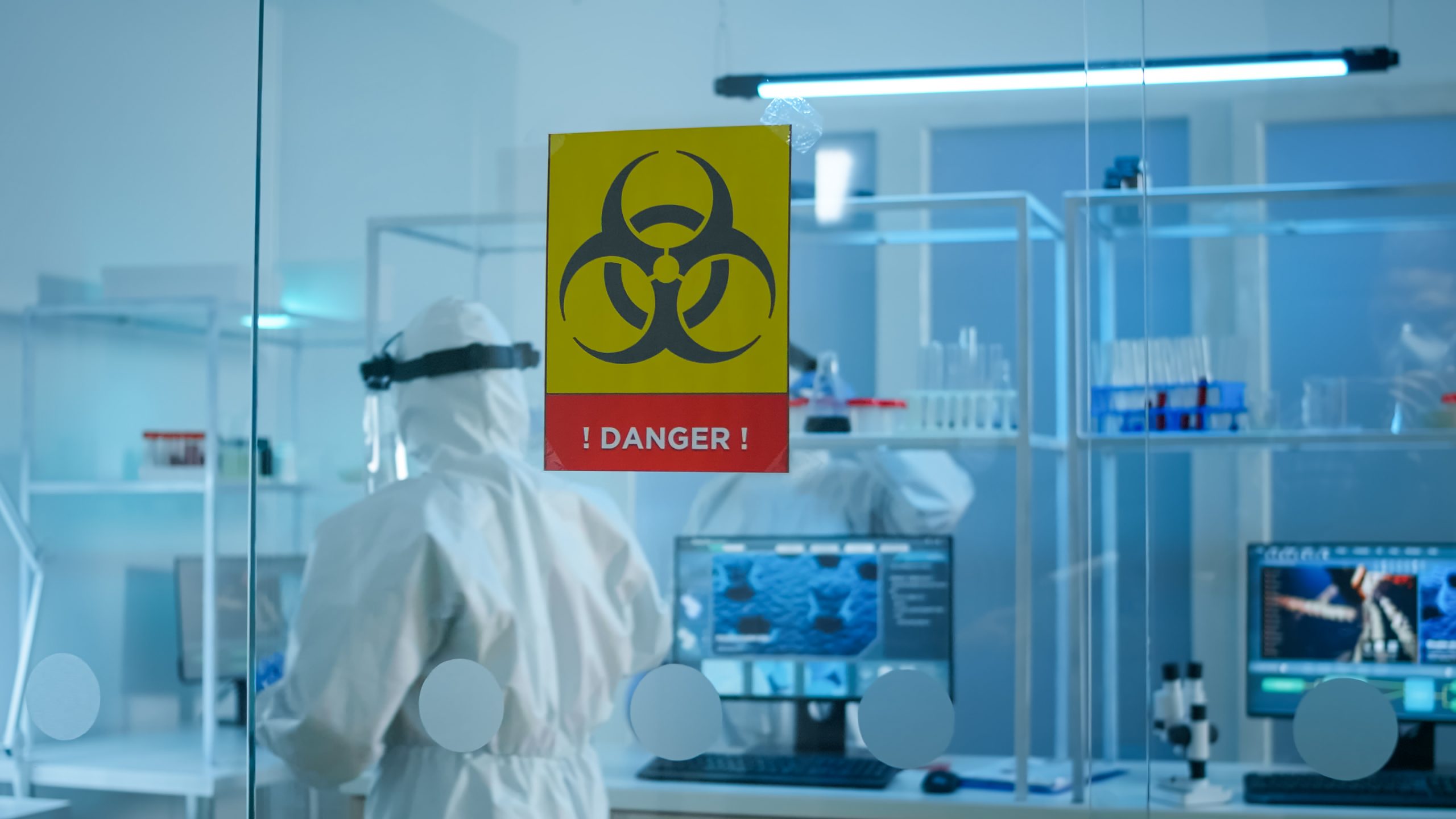
    The U.S. Centers for Disease Control and Prevention (CDC) has issued a health advisory warning travelers about an Ebola outbreak in Uganda caused by the deadly Sudan virus, which has no approved vaccines or treatments.

    The CDC raised the alert to Level 2, urging travelers to “Practice Enhanced Precautions,” according to a Health Alert Network advisory issued Thursday.

    The current outbreak of Sudan Virus Disease (SVD) has been reported in the Kampala, Mbale, and Wakiso regions of Uganda. Since 2000, the country has already experienced seven outbreaks of the virus.

    The first case of the current outbreak was identified after a male nurse died from the infection on January 29. A second case, identified as the wife of the index patient, has also developed symptoms and tested positive, according to a WHO weekly bulletin issued last week.

    While three of the man’s close contacts have developed symptoms and are in isolation for treatment and testing, a total of 234 contacts have been traced, including 118 linked to medical settings.

    Although there are no direct flights from Uganda to the United States, travelers from or passing through affected areas can enter the U.S. on flights connecting from other countries. Hence the CDC cautions health officials to be on alert and evaluate any patients suspected of having SVD.

    However, the CDC confirmed that “currently, no suspected, probable, or confirmed Ebola cases related to this outbreak have been reported in the United States, or outside of Uganda.”

    An initial investigation suggests the latest outbreak is not linked to the earlier outbreaks and officials suspect a new jump from animals to people.

    “The source of exposure remains unknown, raising concerns about undetected transmission chains or a new zoonotic spillover,” the WHO bulletin stated. Previous outbreaks have shown a case fatality rate ranging from 41% to 70%.

    As part of the “enhanced precautions” to reduce the risk of infection, the CDC recommends people who travel to Uganda avoid contact with sick individuals, their bodily fluids, and items they have touched, including those who have died. They are also advised to refrain from handling wild animals, visiting high-risk areas like caves or healthcare facilities in affected regions, and engaging in burial practices that involve touching the deceased.

    Travelers are asked to watch out for symptoms during the stay and three weeks after returning. Anyone experiencing symptoms is advised to isolate immediately and alert the local healthcare facility. Symptoms include fever, chills, headache, muscle aches, rash, chest pain, sore throat, nausea, vomiting and diarrhea. As the disease progresses, the patients may also develop unexplained bleeding or bruising.

    “Calling ahead before going to a healthcare facility helps the facility prepare for your arrival, including contacting health authorities and taking any precautions needed to protect staff and other patients,” the CDC said.

    Source link

  • Promoting Covid, Flu Vaccines to Public Quietly Banned by Louisiana Department of Health: ‘Unconscionable’

    Promoting Covid, Flu Vaccines to Public Quietly Banned by Louisiana Department of Health: ‘Unconscionable’

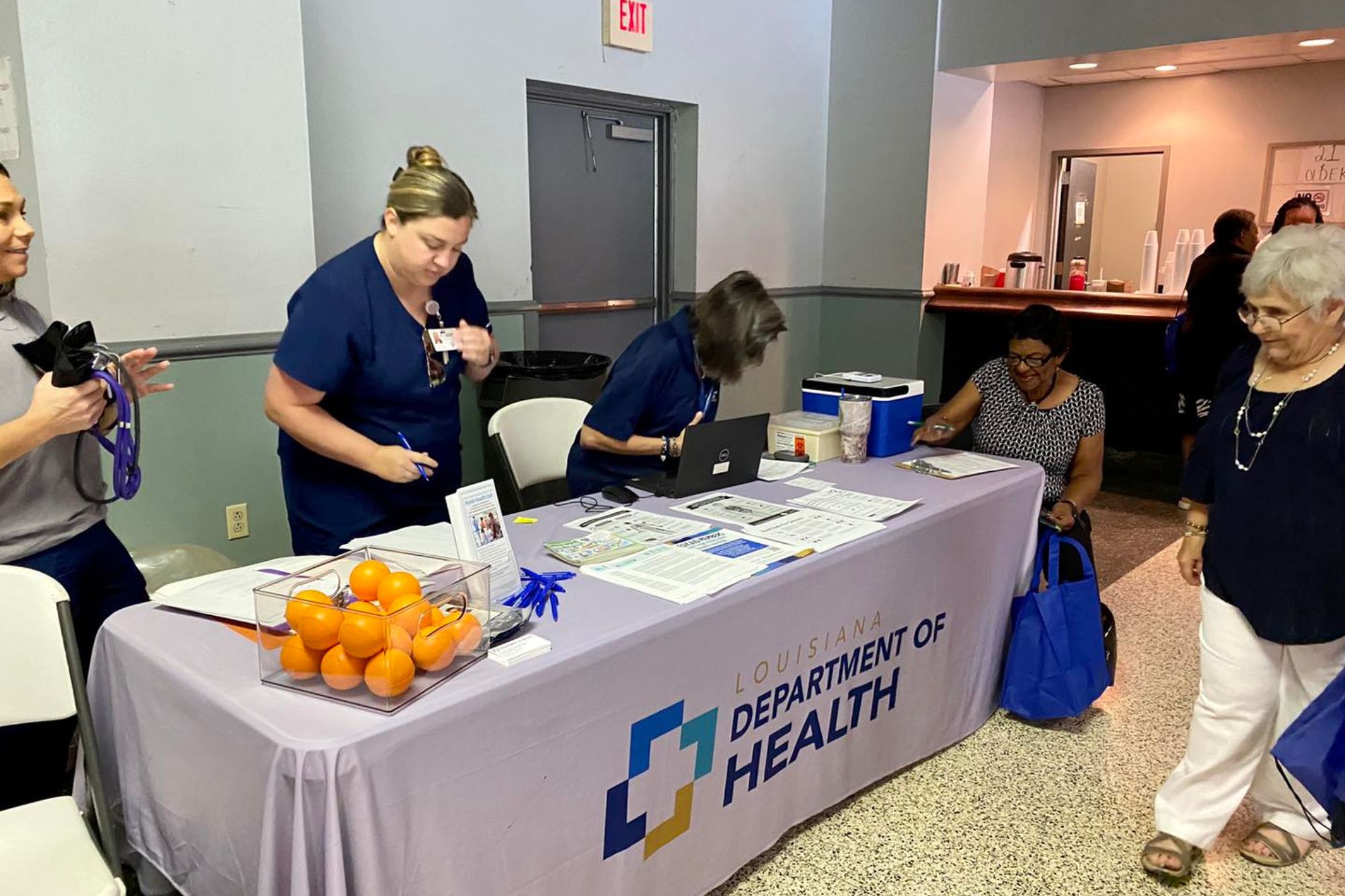
    Louisiana public health officials are no longer permitted to promote vaccines, including those against illnesses such as COVID-19 and the flu, to members of the public in a new policy that was covertly implemented in the state.

    The policy was considered during two Louisiana Department of Health meetings held on Oct. 3 and Nov. 21, reported NPR. Employees who discussed the policy under anonymity revealed that it was to be quietly implemented and was never written down.

    The limits placed upon public health employees are far-reaching. They are forbidden from distributing press releases, giving interviews, holding vaccine events, giving presentations or creating social media posts that advocate for the benefits of vaccines and encourage members of the public to get them.

    The policy comes after President-Elect Donald Trump named former presidential candidate Robert F. Kennedy Jr. as his pick to lead the Department of Health and Human Services. RFK Jr., a known anti-vaxxer, has frequently perpetuated myths about vaccines including one debunked conspiracy theory that points to vaccines as the cause of autism amongst children.


    A city in Florida voted to remove fluoride from its water supply, citing Robert F. Kennedy, Jr.’s crusade against the chemical.
    Rebecca Noble/Getty Images


    Trump has stayed firm in his nomination of RFK Jr., stating that he is “much less radical than you would think” and that he has “a very open mind.”

    Staff at Louisiana’s health department have voiced frustrations with the new policy, with many of them expressing concern about the possible spread of illness as a result of the new rule.

    “Do they want to dismantle public health?” one employee at the health department said.

    “We’re really talking about deaths,” said another. “Even a reduction in flu and COVID vaccines can lead to increased deaths.”

    “It’s a step backwards,” said Kimberly Hood, who led the Office of Public Health, a subunit of the health department, from 2021 to 2022. “It’s a medical marvel that we’re fortunate enough to live in a time where these vaccines are available to us, and to not make use of that tool is unconscionable.”

    Originally published by Latin Times.

    Source link