
Tag: vaccination

  • Travel Advisory, Symptoms, Vaccination & Prevention Guide

    Travel Advisory, Symptoms, Vaccination & Prevention Guide

    Travel plans today require more awareness as monkeypox spread continues to raise global concern. Travelers are now expected to stay informed about travel advisory updates, symptoms, and prevention measures before visiting high-risk regions. Understanding how the virus spreads and how to reduce exposure can make a significant difference in staying protected.

    With evolving outbreaks and changing vaccination recommendations, preparation goes beyond packing essentials. Knowing how to respond to symptoms, follow quarantine guidelines, and avoid risky environments helps reduce disruptions during travel. A proactive approach ensures safer trips while minimizing the chances of exposure in unfamiliar settings.

    What Are Monkeypox Symptoms and Travel Advisory Levels?

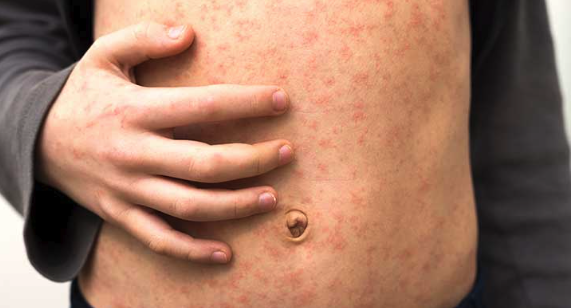
    Understanding monkeypox spread begins with recognizing early symptoms and current travel advisory levels. Symptoms typically appear within 5–21 days and include fever, chills, muscle aches, swollen lymph nodes, and a distinctive rash that progresses into pustules before scabbing. The illness can last two to four weeks, and individuals remain contagious until all lesions have healed.

    Travel advisories often highlight high-risk countries in Central and West Africa, along with areas experiencing active outbreaks. According to the Centers for Disease Control and Prevention, travelers should exercise enhanced precautions in affected regions and avoid close contact scenarios such as crowded gatherings or intimate interactions. Monkeypox spread mainly occurs through skin-to-skin contact, respiratory droplets, and contaminated materials like clothing or bedding.

    How Does Vaccination Protect Against Monkeypox Spread?

    Vaccination plays a key role in limiting monkeypox spread, especially for travelers heading to high-risk areas. The Jynneos vaccine is administered in two doses and is widely recommended for individuals at increased risk, while ACAM2000 is reserved for specific cases due to potential side effects. Post-exposure vaccination within 4–14 days can also reduce the severity of symptoms.

    Based on guidance from the World Health Organization, vaccination combined with prevention measures significantly lowers transmission risk. Travelers are advised to avoid high-risk activities, monitor their health closely, and follow quarantine guidelines when necessary. Staying updated on travel advisory alerts ensures timely decisions before and after trips.

    What Prevention Measures Work Best for Travelers?

    Effective prevention measures focus on reducing exposure and maintaining hygiene during travel. Frequent handwashing, using alcohol-based sanitizers, and wearing masks in crowded settings help minimize contact with contaminated surfaces. Avoiding shared personal items and disinfecting belongings regularly adds another layer of protection.

    According to the Mayo Clinic, limiting close physical contact and avoiding interaction with potentially infected individuals or animals are essential steps. Travelers should also monitor symptoms daily, isolate immediately if signs appear, and seek medical care. These habits significantly reduce the risk of infection while traveling.

    What Are High-Risk Countries and Travel Advisory Updates?

    Understanding travel advisory updates and identifying high-risk countries is essential as monkeypox spread continues to evolve globally. Travelers need to stay informed about outbreak locations, transmission patterns, and government-issued guidelines before booking trips. Monitoring updates helps reduce exposure risks and ensures better preparedness when entering or leaving affected regions.

    • Central and West Africa (High-Risk Countries): Regions such as Nigeria and the Democratic Republic of Congo remain endemic zones where monkeypox spread is more frequent. Travelers visiting these areas should follow strict prevention measures and avoid close contact situations. Health screenings and vaccination are strongly recommended before departure. Staying updated on local health advisories helps reduce unexpected risks.
    • Countries with Recent Outbreaks: Some regions outside Africa report sporadic outbreaks due to international travel and close contact transmission. These locations may not be endemic but still require caution and awareness. Travelers should check entry requirements, testing rules, and quarantine guidelines. Monitoring case trends helps in making informed travel decisions.
    • Travel Advisory Levels and Restrictions: Governments issue travel advisory levels to guide safety precautions in affected areas. These range from basic awareness to enhanced precautions depending on outbreak severity. Travelers may face testing, vaccination proof, or movement restrictions. Following official advisories ensures compliance and safer travel experiences.
    • Airports, Transit Hubs, and Crowded Destinations: Busy environments like airports, festivals, and public transport increase exposure risk due to close contact transmission. Wearing masks, practicing hygiene, and avoiding physical contact are key prevention measures. Travelers should remain cautious even in low-risk countries when in crowded settings. Awareness in transit zones is just as important as at the destination.

    Monkeypox Prevention Travel Safety Vaccination Guide

    Staying informed about monkeypox spread, symptoms, and prevention measures makes travel safer and more manageable. Awareness of vaccination options and updated travel advisory levels helps reduce uncertainty when planning trips. Small adjustments in behavior, such as avoiding close contact and practicing hygiene, can significantly lower risk.

    Travel today requires a balance between exploration and responsibility. By following prevention strategies and staying alert to symptoms, travelers can move confidently while protecting themselves and others. Careful planning and informed decisions remain the most effective tools for navigating this evolving health concern.

    Frequently Asked Questions

    1. How does monkeypox spread during travel?

    Monkeypox spread occurs mainly through close skin-to-skin contact with an infected person. It can also spread via respiratory droplets during prolonged face-to-face interaction. Contaminated items like bedding, clothing, or towels can carry the virus. Travelers should avoid sharing personal items and maintain hygiene to reduce risk.

    2. What are the first signs of monkeypox symptoms?

    Early symptoms include fever, chills, fatigue, and swollen lymph nodes. A rash typically follows, starting on the face or body and progressing into pustules. The rash goes through stages before scabbing over. Individuals remain contagious until all lesions heal completely.

    3. Is vaccination necessary before traveling to high-risk countries?

    Vaccination is recommended for travelers visiting high-risk areas or engaging in higher-risk activities. It provides protection and reduces the severity of infection if exposed. Some vaccines require two doses spaced weeks apart. Consulting a healthcare provider before travel is strongly advised.

    4. What should travelers do after returning from a high-risk area?

    Travelers should monitor their health for 21 days after returning. If symptoms appear, they should isolate immediately and seek medical advice. Avoiding close contact with others helps prevent potential spread. Following local health guidelines ensures proper management and safety.

    Source link

  • CDC Report Shows More Children Are Either Dying or Becoming Severely Ill With Flu Amid Declining Vaccination Rates

    CDC Report Shows More Children Are Either Dying or Becoming Severely Ill With Flu Amid Declining Vaccination Rates

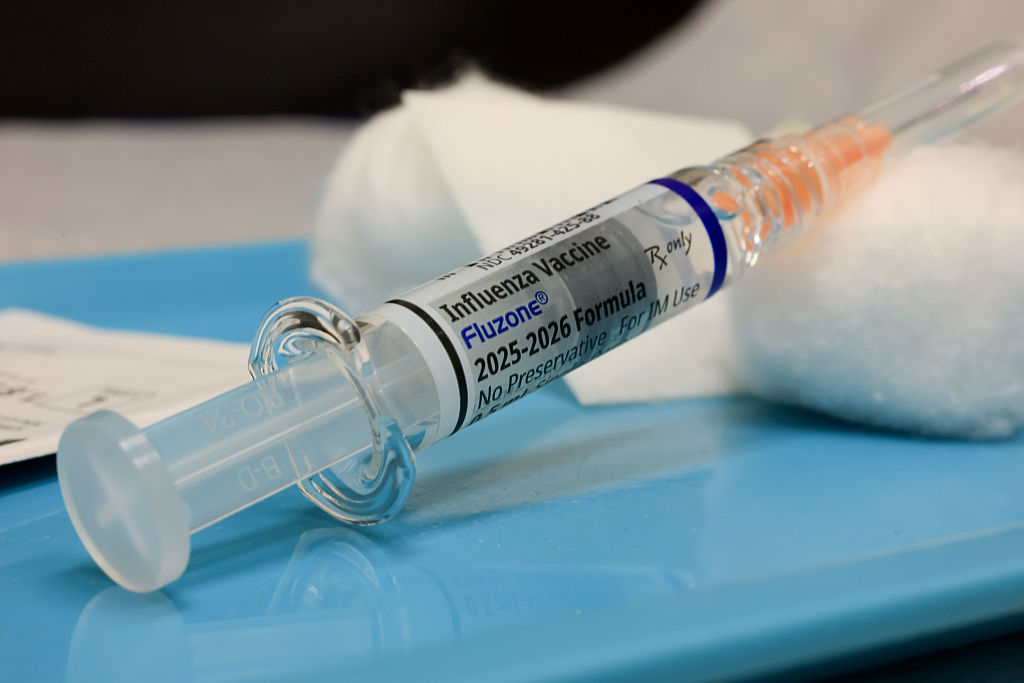
    The Centers for Disease Control and Prevention (CDC) released a report showing that more and more children are either dying or becoming severely ill with the flu amid declining vaccination rates in the United States.

    Now, cases of pediatric acute necrotizing encephalopathy (ANE) are on the rise, with 109 children being diagnosed during the 2024-25 flu season. This is a rare inflammatory brain disease caused by the illness.

    Rise in Flu-Related Deaths Among Kids

    A new report also showed that 84% of kids who have influenza-associated encephalopathy whose vaccination status was known were not vaccinated. This comes as the country recorded 280 pediatric flu deaths last year, which is the deadliest since the 2009-10 H1N1 pandemic.

    A pediatric infectious disease physician at Vanderbilt University Medical Center in Nashville, Dr. Buddy Creech, said that they do not always know how to predict which children are going to get the most severe forms of flu. This is why they recommend the vaccine for everyone, according to NBC News.

    ANE is considered a rare disease, as there are only a handful of cases recorded every year, and it has never been formally tracked. However, this year, doctors noted an increase in kids affected by the brain inflammation after suffering from the flu.

    A pediatric neurologist at Boston Children’s Hospital, Dr. Molly Wilson-Murphy, said that they are not yet sure if there really is an increase in real numbers. However, being on the ground as a physician, she was struck that it certainly is.

    The National Foundation for Infectious Diseases also underscored the crucial role that annual flu vaccinations play in preventing serious illness, particularly among children. The CDC recommends the shots for everyone aged six months and older yearly, KSTE reported.

    A Decline in Vaccination Rates

    Despite the decline in vaccination rates, the CDC continues to advocate for flu shots, saying these are the most effective way to protect kids from severe flu-related complications, as well as death.

    The situation comes after the Advisory Committee on Immunization Practices (ACIP) recently voted to change recommendations for the COVID-19 vaccine. These recommendations must still be approved by the CDC director in order to become official guidance.

    Advice on the COVID-19 vaccine differs from the flu shots, as the CDC said parents of healthy children aged six months to 17 years should talk about the benefits with a health care provider. The CDC broadly recommends the vaccine for moderately or severely immunocompromised kids, as per CBS News.


    Originally published on parentherald.com

    © {{Year}} ParentHerald.com All rights reserved. Do not reproduce without permission.

    Source link

  • RFK Jr. Pushes Unproven Measles Treatments Amid Surge; Experts Urge Vaccination

    RFK Jr. Pushes Unproven Measles Treatments Amid Surge; Experts Urge Vaccination

    As measles cases spike in Texas, affecting 159 people, hospitalizing 22, and claiming the life of a school-aged child, U.S. Health Secretary Robert F. Kennedy Jr. expressed “deep concern” about the outbreak while promoting an unconventional treatment protocol.

    “As the Secretary of the U.S. Department of Health and Human Services, I am deeply concerned about the recent measles outbreak,” Kennedy Jr. said in a statement.

    In a Fox News interview, Kennedy Jr. praised measles treatment using vitamin A, the steroid budesonide, the antibiotic clarithromycin, and cod liver oil, claiming they yield “good results.” However, health experts warn that it should not replace vaccination and caution against relying on it entirely.

    Measles is a highly contagious virus that spreads through the air when an infected person coughs or sneezes. It starts with fever, cough, and red, watery eyes before a telltale rash appears. While most cases resolve on their own, complications like pneumonia, blindness, and brain inflammation can be severe, especially for unvaccinated individuals.

    Kennedy Jr. acknowledged that vaccines not only protect individual children from measles but also contribute to community immunity, safeguarding those who cannot be vaccinated for medical reasons. However, in an opinion piece on Fox Nation, Kennedy Jr. said the decision to vaccinate kids will be a personal choice. Meanwhile, he emphasized the importance of good nutrition and the consumption of vitamins such as A, B12, C, D, and E as the “best defense against” chronic and infectious illnesses.

    He also pointed to a 2010 study showing that two doses of vitamin A treatment reduced measles mortality by 62%. The same study found that the measles vaccine is highly effective, with one dose preventing 85–95% of cases and two doses up to 98%.

    Since vaccines remain the only proven way to prevent outbreaks, some doctors worry that promoting unconventional therapies during a surge could undermine vaccination efforts and fuel misinformation online.

    The U.S. Centers for Disease Control and Prevention (CDC) reaffirmed last week that vaccination remains the strongest defense against measles, as no specific antiviral treatment exists. However, the agency acknowledged that supportive care, including vitamin A administration under the guidance of a physician may help in managing the infection.

    “Relying on vitamin A instead of the vaccine is not only dangerous and ineffective, but it puts children at serious risk,” Dr. Sue Kressly, president of the American Academy of Pediatrics, told The Washington Post.

    Experts like Dr. Amesh Adalja, a senior scholar at the Johns Hopkins Center for Health Security believes that supplementation with vitamin A helps in cases where there are deficiencies but it “really doesn’t have much of a role in the current discussion on the West Texas measles epidemic because it becomes a distraction about what we really need to focus on, which is vaccinating our kids.”

    Source link

  • Measles Outbreak in Texas County With Low Vaccination Rate Multiplies, More Cases ‘Likely’

    Measles Outbreak in Texas County With Low Vaccination Rate Multiplies, More Cases ‘Likely’

    Measles is ripping through Gaines County, Texas—cases have more than tripled, and health officials warn the worst is yet to come. The highly contagious virus is spreading fast, with more infections “likely” in the days ahead.

    The Texas Department of State Health Services (DSHS) confirmed 48 cases as of this week, up from just 14 last Friday.

    “Thirteen of the patients have been hospitalized,” the agency stated in a press release. All of the cases involve individuals who are either unvaccinated or whose vaccination status is unknown.

    “The best way to prevent getting sick is to be immunized with two doses of a vaccine against measles,” DSHS advised. The Centers for Disease Control and Prevention (CDC) notes that the measles-mumps-rubella (MMR) vaccine is 97% effective at preventing infection.

    Health officials attribute the outbreak to low vaccination rates. Only 82% of kindergartners in Gaines County public schools are up to date on their shots, well below the 95% threshold required for herd immunity. The county also has an 18% exemption rate for vaccines due to religious or personal beliefs.

    “We’re trying to get out the message about how important vaccination is,” Zach Holbrooks, executive director of the South Plains Public Health District told CNN. He stressed those exposed or symptomatic should get tested at the mobile screening unit in Seminole, Texas.

    “Measles is a serious yet preventable disease,” added Dr. Jamie Felberg of the South Plains Public Health District. “Staying up to date on vaccinations is the most effective way to safeguard yourself, your loved ones, and the community.”

    “Additional cases are likely to occur in Gaines County and the surrounding communities,” DSHS warned.

    Originally published on Latin Times

    Source link

  • Measles Outbreak in Texas County With Low Vaccination Rate Multiplies, More Cases ‘Likely’

    Measles Outbreak in Texas County With Low Vaccination Rate Multiplies, More Cases ‘Likely’

    Measles is ripping through Gaines County, Texas—cases have more than tripled, and health officials warn the worst is yet to come. The highly contagious virus is spreading fast, with more infections “likely” in the days ahead.

    The Texas Department of State Health Services (DSHS) confirmed 48 cases as of this week, up from just 14 last Friday.

    “Thirteen of the patients have been hospitalized,” the agency stated in a press release. All of the cases involve individuals who are either unvaccinated or whose vaccination status is unknown.

    “The best way to prevent getting sick is to be immunized with two doses of a vaccine against measles,” DSHS advised. The Centers for Disease Control and Prevention (CDC) notes that the measles-mumps-rubella (MMR) vaccine is 97% effective at preventing infection.

    Health officials attribute the outbreak to low vaccination rates. Only 82% of kindergartners in Gaines County public schools are up to date on their shots, well below the 95% threshold required for herd immunity. The county also has an 18% exemption rate for vaccines due to religious or personal beliefs.

    “We’re trying to get out the message about how important vaccination is,” Zach Holbrooks, executive director of the South Plains Public Health District told CNN. He stressed those exposed or symptomatic should get tested at the mobile screening unit in Seminole, Texas.

    “Measles is a serious yet preventable disease,” added Dr. Jamie Felberg of the South Plains Public Health District. “Staying up to date on vaccinations is the most effective way to safeguard yourself, your loved ones, and the community.”

    “Additional cases are likely to occur in Gaines County and the surrounding communities,” DSHS warned.

    Source link