Tag: urges

  • PROSPER Together Founder Urges a Shift Toward Community Connection

    PROSPER Together Founder Urges a Shift Toward Community Connection

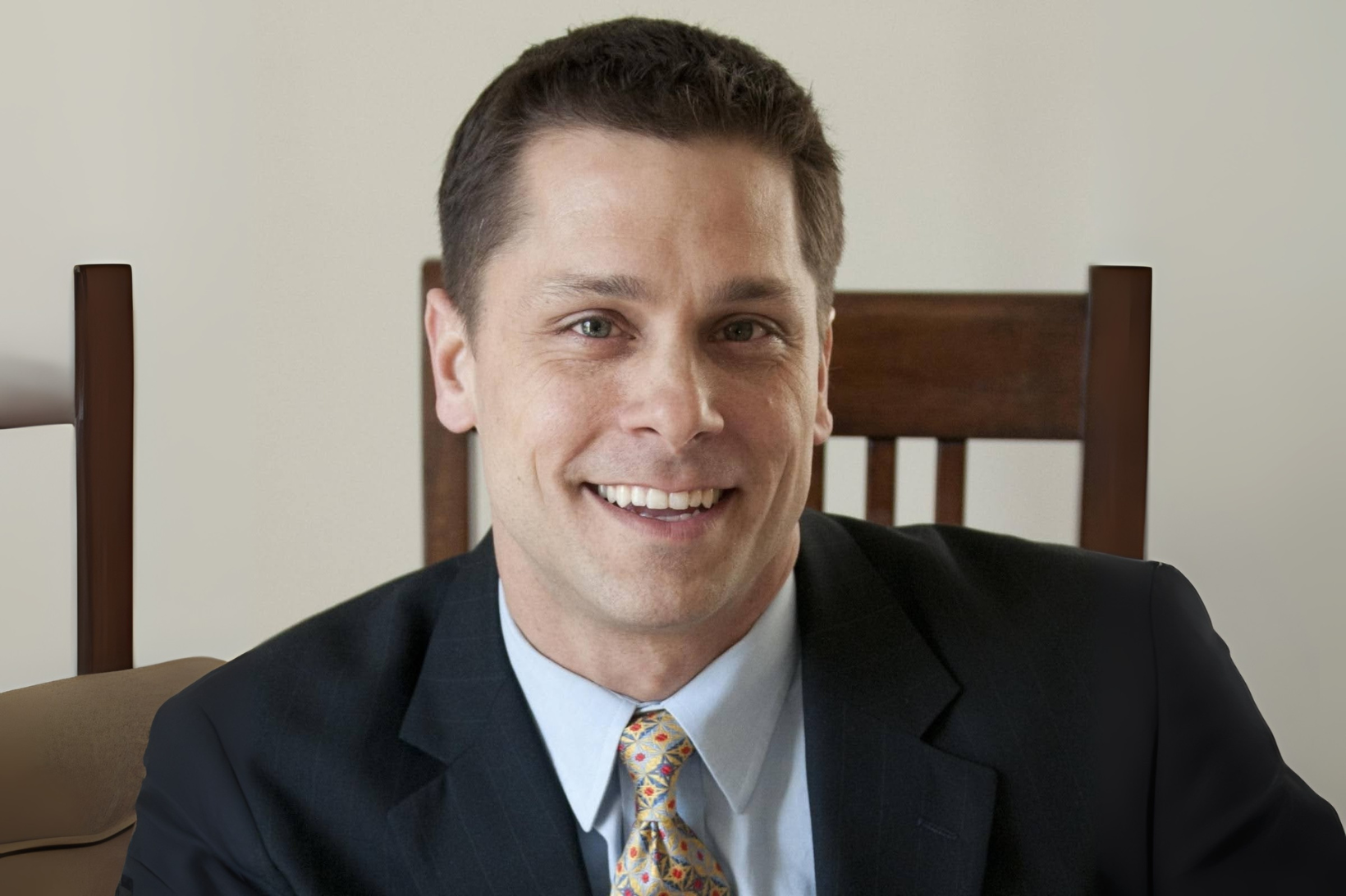
    For decades, the conversation around suicide prevention has been largely dominated by clinical procedures and emergency interventions. But Dr. Kent Corso, a clinical psychologist and founder of PROSPER Together, believes it’s time to shift that narrative and the responsibility back to where it belongs: the community.

    Dr. Corso, whose organization partners closely with rural states like Wyoming to train everyday citizens in evidence-based suicide prevention and intervention, is on a mission to close the 30-year gap between research and practice. “We’ve spent half a century trying to apply a one-size-fits-all solution to a deeply personal and cultural issue,” this board-certified behavior analyst says. “And it’s not working.”

    A key insight Dr. Corso underscores is that suicide isn’t only a mental health problem. “It’s a social issue,” he says. “People in distress are less likely to seek help, especially in areas where doing so violates cultural norms.” In rural America, this often means men like ranchers or farmers who take pride in self-reliance and helping their neighbors but who rarely, if ever, ask for help themselves.

    This ethos is both a challenge and an opportunity. “These are communities that may never walk into a therapy office,” Dr. Corso notes. “But they’ll show up for a neighbor. That’s where our work begins: empowering those neighbors to reduce risk.”

    One of the biggest barriers to timely help is access. In some rural areas, the wait time for a therapist or psychiatrist can be months. Dr. Corso warns: “Nothing we do in, maybe four months from now, will help someone in crisis today.”

    Prosper Logo

    But rather than seeing this as a dead end, PROSPER Together sees it as a call to action. The organization trains all community members to recognize distress, ask meaningful questions, and implement evidence-based tools like Crisis Response Plans (CRPs). These simple but effective plans are personalized action plans people can follow during moments of acute distress. When used in person, CRPs have been shown to reduce suicide attempts by up to 76%. Even via telehealth, according to a 2024 study, they can lower risk by 41%. “These aren’t complicated interventions. They’re just unfamiliar to the general public,” Dr. Corso says. “But anyone can learn them.” And that’s the point.

    Dr. Corso argues that the traditional model of suicide intervention—when someone reports they are in crisis and escalates to the highest level of care—often does more harm than good. “We’re punishing help-seeking behavior with a ‘better safe than sorry’ approach and a system that’s broken. People have such a negative experience that they won’t speak up the next time they’re in distress,” he says.

    Instead, he advocates for a long-game approach: instill comfort, confidence, and competence in communities so they can care for themselves and each other. PROSPER Together’s training programs consistently show that most participants report significant improvements in those three areas. “When people feel ready to help, they’re more likely to help,” Dr. Corso says.

    And readiness doesn’t require a degree. “We don’t need more doctors,” he adds. “We need more neighbors.”

    Another key issue Dr. Corso highlights is the years-long lag between what research shows is effective and what’s implemented in practice. Part of that delay stems from human nature. “The further you get from your postgraduate training, the further you drift from current research,” he explains. “Clinicians trust their anecdotal experience more than a study.”

    Another reason? Fear. Dr. Corso shares, “Providers are afraid of losing their license, so they refer out rather than address it themselves. But that just feeds the system’s dysfunction.” This extends to clinicians not asking every patient about suicidal history. He further explains, “They say they’re not confident or trained enough. That’s exactly what we focus on: training for comfort, confidence, and competence.”

    Progress is happening, albeit slowly. Missouri was the first state to formally acknowledge mental health in its Good Samaritan law. Now, Wyoming is leading as the second state which declared mental health emergencies, including suicide, equally important as physical ones. “This legitimizes mental health and empowers citizens,” Dr. Corso says. “It encourages people to act and lets them know they’re authorized to help.”

    He compares this attainable shift to cardiopulmonary resuscitation (CPR): 65% of Americans have been trained in it, even though it’s barely effective outside hospital settings. Meanwhile, something like a CRP, which can reduce suicide attempts by more than 70%, remains relatively unknown to the public. Dr. Corso further states, “Let’s train people to do what works. Let’s meet people where they are, within their culture, values, and communities. That’s how we reduce risk. That’s how we change the trajectory.”

    A single question, asked at the right time, can be the difference between another tragedy and another chance.

    Source link

  • Influencer Urges Parents to Give Kids Bleach to Treat Autism Despite Reports of Vomiting, Suffering Seizures: Report

    Influencer Urges Parents to Give Kids Bleach to Treat Autism Despite Reports of Vomiting, Suffering Seizures: Report

    A social media influencer is under fire for promoting a dangerous and discredited chemical as a so-called “autism cure,” despite alarming reports of serious harm to children.

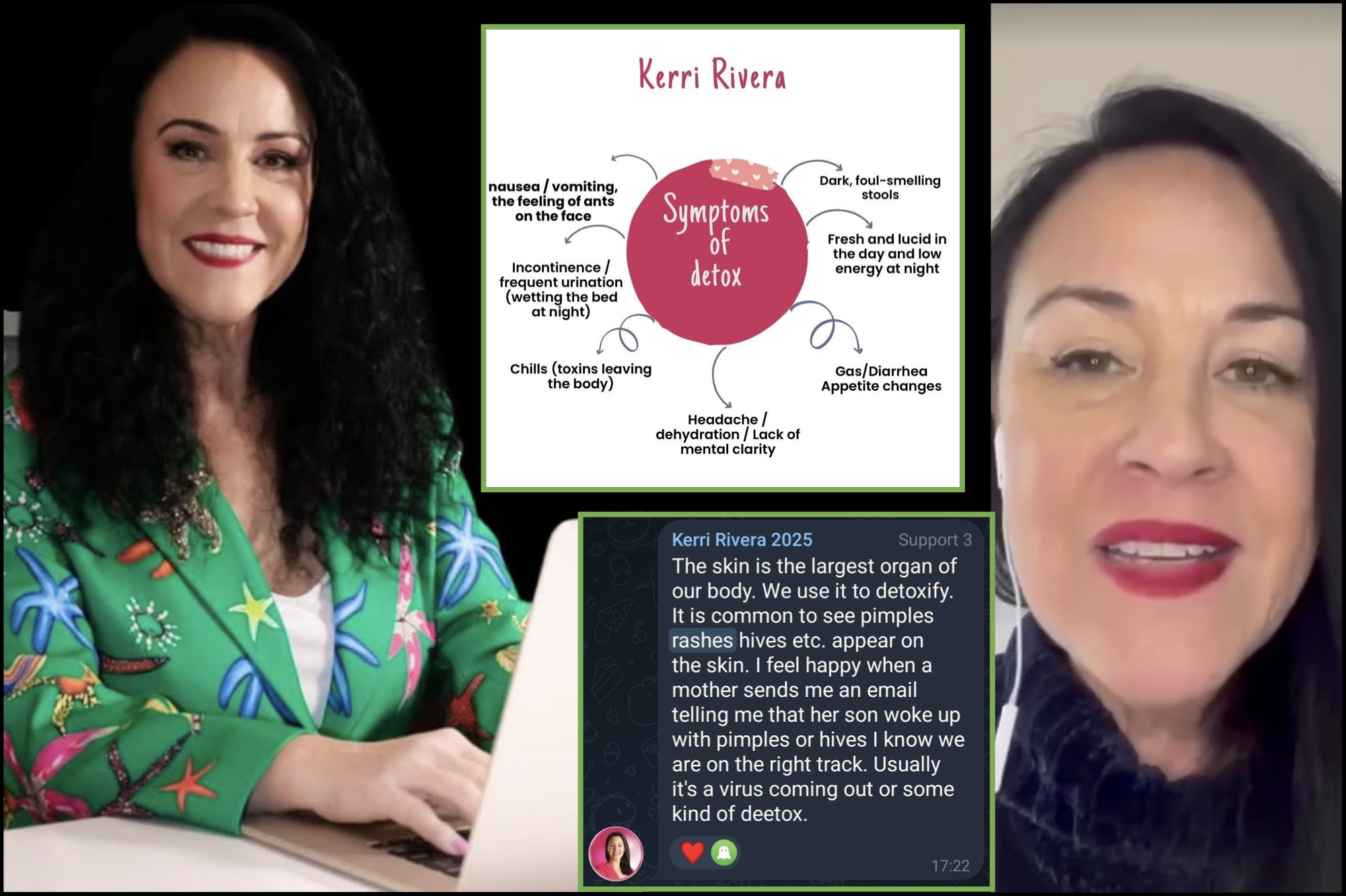
    Kerri Rivera, who has over 17,000 followers on Instagram, encourages parents to administer chlorine dioxide (CD)—an industrial bleach used in textile manufacturing and disinfection—orally and by enema to their autistic children. Rivera falsely claims this “protocol” rids the body of parasites she believes cause autism.

    Messages from Rivera’s private support group show parents reporting disturbing side effects, including vomiting, rashes, seizures, and chemical-smelling urine. Despite these symptoms, Rivera routinely reassures followers that these are signs the bleach is “working” and the body is “detoxifying.”

    Ingesting chlorine dioxide can result in severe vomiting, liver failure, respiratory problems, developmental delays and death.

    Tim Nicholls of the National Autistic Society called Rivera’s claims “sickening.”

    “This information is wrong, dangerous and harmful to autistic people and their families,” Nicholls told The Independent.

    “No autistic person, parent or carer should be told to ‘cure’ their child by administering a dangerous, potentially life-threatening chemical,” he continued. “Autism is a lifelong neurodivergence and disability, it is not a disease that can be ‘treated’ or ‘cured.’”

    TikTok has removed Rivera’s account, and Amazon removed her storefront where she earned commission on products she recommended to administer “protocols.” Her Instagram remains active.

    Advocacy groups are urging social media platforms and government agencies to take stronger action against the promotion of toxic treatments and to encourage parents to seek advice from trusted medical professionals.

    Rivera has not responded to the growing backlash.

    Originally published on Latin Times


    Source link

  • Teen Dies From Rare Brain Tumor After Unusual Symptoms; Heartbroken Mom Urges Others To Recognize Signs

    Teen Dies From Rare Brain Tumor After Unusual Symptoms; Heartbroken Mom Urges Others To Recognize Signs

    When 12-year-old Jody tripped and fell multiple times, had trouble walking straight, and struggled to fasten her shirt buttons, her mother never suspected it could be a sign of something serious—until doctors delivered the devastating news of a rare brain tumor.

    After years of battling the disease, Jody passed away in 2022, at the age of 16, and her heartbroken mother, Sarah Levett, from Surrey in South East England, now raises awareness about the condition, hoping that parents could spot the signs as soon as possible.

    Levett, who is organizing a fundraiser next month for the Brain Tumor Charity in her daughter’s memory, says she does it so no other parent or child has to endure the unimaginable heartbreak they experienced.

    When Jody first experienced symptoms like migraines, difficulty with balance, and frustration that led to screaming fits, Levett thought it might be related to her autism. But during a check-up, doctors discovered that Jody was in the advanced stages of a rare brain tumor.

    “It was absolutely terrifying. As the doctor spoke about how big the tumor was, I couldn’t take it all in,” Levett recollected the moments following the diagnosis.

    “I just wanted it gone. But I tried as hard as I could to hide how scared I was, as Jody was so young. I didn’t want her to worry – in fact, she was more bothered about the fact she was unable to go to school. She started bumping into things, like a wheelie bin on the pavement, only a few months before the diagnosis,” she said.

    Jody underwent treatment for around 10 months, including a surgery that removed 80% of the tumor, followed by chemotherapy and radiotherapy until she was stable. However, a year later, a follow-up scan revealed that the tumor had returned.

    As Jody’s condition rapidly declined, she underwent four more surgeries and doctors discovered a brain bleed before she tragically died.

    “The main aim [of the fundraiser] is to continue the awareness of brain tumors and changes needed, and the lack of mental health support for bereaved parents. I know there’s a lot of strain on healthcare at the moment, but I really don’t want any other parents or children to have to go through the unimaginable heartbreak like we have done,” Levett said.

    Brain tumors may present with symptoms such as seizures, balance issues, behavioral changes, slurred speech, fatigue, weakness, headaches, nausea, and vomiting.

    Source link