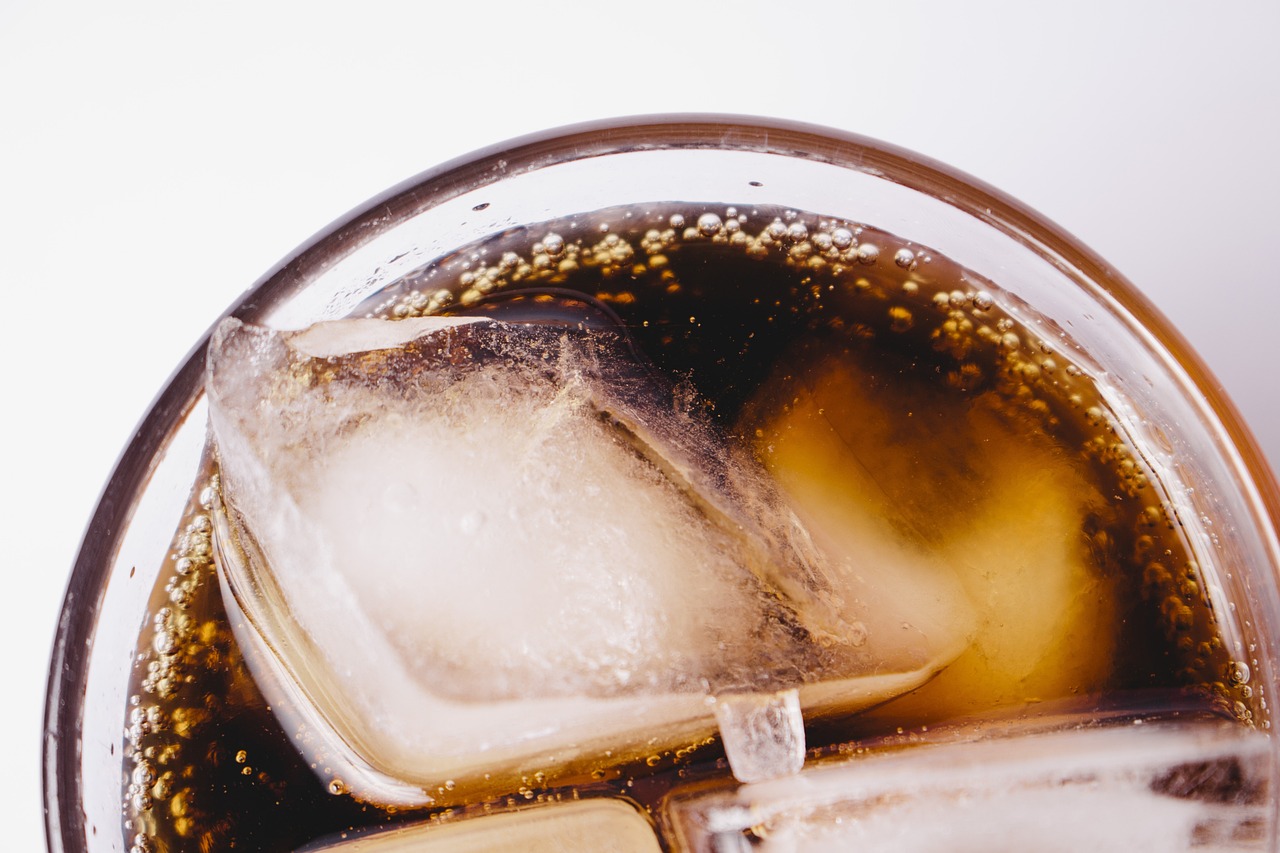
Sugary drinks are woven into many children’s daily routines, from school lunches to weekend treats, and pediatricians are increasingly concerned about sugary drinks’ children’s health risks that come with this constant exposure.
These beverages may seem like harmless rewards, but evidence links regular intake to weight gain, dental problems, sleep and behavior issues, and a higher risk of chronic diseases. Because children’s bodies are smaller and still developing, the impact of added sugars can be especially significant.
Parents often focus on food and overlook the sugar in drinks, even though beverages can quietly add a large amount of calories without providing meaningful nutrients. Understanding why pediatricians worry about sugary drinks helps families make more informed choices that support children’s health now and in the future.
What Counts as a Sugary Drink for Children?
Sugary drinks include much more than soda. Pediatricians group together regular soft drinks, fruit drinks and punches, sweetened iced teas, lemonades, energy drinks, sports drinks, and many flavored milks as part of the same problem. They share a key feature: added sugars that increase sweetness and calories, but add little nutritional value.
Some products that appear healthier still contribute to sugary drinks’ children’s health risks. Juice boxes, fruit drinks marketed with “real fruit,” flavored waters, and certain smoothies can contain several teaspoons of sugar per serving.
Packaging that highlights vitamins or natural flavors can distract from the actual sugar content. Learning to read ingredient lists and nutrition facts helps caregivers spot added sugars such as high-fructose corn syrup, cane sugar, honey, and syrups.
Natural sugar in whole fruit comes with fiber and nutrients that slow absorption and promote fullness. In contrast, the sugars in most kids’ drinks, whether added or concentrated in juice, are absorbed quickly and can disrupt appetite and metabolism.
Why Are Sugary Drinks So Bad for Kids’ Health?
Sugary drinks are often called “empty calories” because they provide energy without important nutrients like protein, fiber, or essential vitamins and minerals. When children drink these beverages regularly, they can exceed recommended daily sugar and calorie limits without feeling full.
Liquids do not trigger satiety signals as effectively as solid foods, so kids usually eat the same amount of food on top of what they drink.
This pattern is central to sugary drinks’ children’s health risks. The body absorbs liquid sugar rapidly, causing spikes and dips in blood sugar that can affect energy, mood, and hunger.
Over time, regular exposure to high-sugar drinks can promote unhealthy eating patterns and metabolic changes that increase the likelihood of weight gain and other health issues.
How Sugary Drinks Drive Childhood Obesity
Rising childhood obesity rates are closely linked to sugary beverage intake. Children who consume sugary drinks frequently are more likely to gain excess weight than those who rarely drink them. Because these drinks do not satisfy hunger well, they often add calories on top of regular meals and snacks rather than replacing them.
In pediatric clinics, doctors see these patterns reflected in higher body mass index (BMI) percentiles and early signs of weight-related concerns. Reducing sugary drink intake is often one of the first and most effective steps recommended to families working to improve a child’s weight trajectory.
The widespread availability and aggressive marketing of sugary drinks make them a normalized part of childhood, which is why pediatricians repeatedly emphasize the sugary drinks’ children’s health risks during visits.
Diabetes, Heart Health, and Long-Term Risks
Pediatricians also worry about how sugary drinks affect the body’s ability to manage blood sugar over time. Frequent spikes in blood sugar force the body to produce more insulin, and repeated strain can contribute to insulin resistance, a key risk factor for type 2 diabetes.
Doctors are seeing more children and adolescents with conditions once considered “adult” diseases, including prediabetes, type 2 diabetes, high blood pressure, and abnormal cholesterol levels, according to the Centers for Disease Control and Prevention.
While sugary drinks are only one factor, they are a concentrated and easily reduced source of added sugar, making them a practical target for prevention.
These long-term concerns underscore why sugary drinks’ children’s health risks are highlighted in professional guidelines and public health messages. Changing drink choices is a relatively simple step that can help lower a child’s risk for serious conditions later in life.
Impact on Kids’ Teeth, Sleep, and Behavior
Sugary drinks also affect oral health. Bacteria in the mouth feed on sugar and produce acids that weaken tooth enamel, leading to cavities and tooth pain.
When children sip sugary drinks throughout the day or fall asleep with sweet liquids in bottles or cups, their teeth face prolonged acid exposure. Both baby and permanent teeth can be damaged, affecting comfort, nutrition, and speech.
Behavior and sleep can be influenced as well. Rapid changes in blood sugar can contribute to irritability, restlessness, and difficulty concentrating, which may show up as school and behavior challenges. Many sugary drinks, especially colas and energy drinks, also contain caffeine.
Caffeine can interfere with falling asleep, staying asleep, and overall rest quality, which in turn affects mood, learning, and even weight. These combined effects form another layer of sugary drinks’ children’s health risks that pediatricians discuss with families.
Are Supposedly ‘Healthier’ Sugary Drinks Any Safer?
Products marketed as healthier, such as fruit drinks with added vitamins, sports drinks with electrolytes, and flavored milks, can still carry significant amounts of sugar. The added nutrients do not eliminate the risks associated with excessive sugar intake.
Even 100% fruit juice, while free of added sugar, lacks the fiber in whole fruit and can still raise blood sugar quickly.
Sports drinks are rarely necessary for most children’s routine activities, and diet or zero-sugar drinks, while lower in sugar, introduce other ingredients and are not recommended as daily staples for kids.
From a pediatric perspective, many of these beverages still fit within the broader picture of sugary drinks’ children’s health risks when used frequently.
Practical Ways to Reduce Sugary Drinks’ Children Health Risks
Health experts routinely recommend water as the main drink for children. Plain milk, within age-appropriate portion and fat guidelines, supports growth and bone development. Limited amounts of 100% fruit juice may fit some diets but are often best kept small or diluted, as per Harvard Health.
Families can make progress by changing habits gradually. Helpful strategies include: not keeping soda and sweetened drinks at home, offering water with meals, serving smaller portions of juice, and slowly diluting sweet drinks with water.
Letting children choose a favorite refillable water bottle or adding fruit slices to water can make healthier choices more appealing. When adults also choose water and unsweetened drinks, they reinforce that these habits are normal rather than restrictive.
Supporting Children’s Health by Rethinking Sugary Drinks
Paying attention to sugary drinks’ children’s health risks gives families a manageable, high-impact way to support kids’ well-being. Sugary beverages contribute to obesity, dental decay, metabolic problems, and behavior and sleep issues, yet they are one of the easiest parts of the diet to change.
Simple steps, such as replacing one sugary drink a day with water, limiting juice to small portions, and reserving sweet drinks for special occasions, can add up over time.
By rethinking what children drink and making healthier options the default, caregivers help build a stronger foundation for growth, learning, and long-term health.
Frequently Asked Questions
1. Are flavored sparkling waters better than sugary drinks for kids?
Lightly flavored sparkling waters without added sugar or sweeteners are generally a better choice than sugary drinks because they avoid excess sugar and calories. Still, plain water is the best everyday option.
2. How quickly can cutting sugary drinks improve a child’s health?
Some changes, like more stable energy and fewer cavities, may appear within weeks, while weight and long-term disease risk improve gradually over months and years.
3. Is it okay for kids to have sugary drinks only on weekends?
Occasional sugary drinks, such as limited weekend treats, are usually considered more acceptable than daily intake, as long as portions stay small and water remains the main drink.
4. Do homemade smoothies count as sugary drinks?
Homemade smoothies can be healthier if they use whole fruit, milk or yogurt, and no added sugars, but large portions with lots of juice or sweeteners can still act like sugary drinks.