Tag: U.S

  • COVID Nimbus Variant Now Leads the U.S. as Cases Grow in 27 States and Emergency Visits Rise

    COVID Nimbus Variant Now Leads the U.S. as Cases Grow in 27 States and Emergency Visits Rise

    A Summer Wave Is Taking Shape

    COVID-19 has not gone away. A new subvariant has taken over as the dominant circulating strain in the United States, emergency department visits are rising across all age groups, and federal epidemic models now show infections growing or likely growing in at least 27 states as of mid-July 2026.

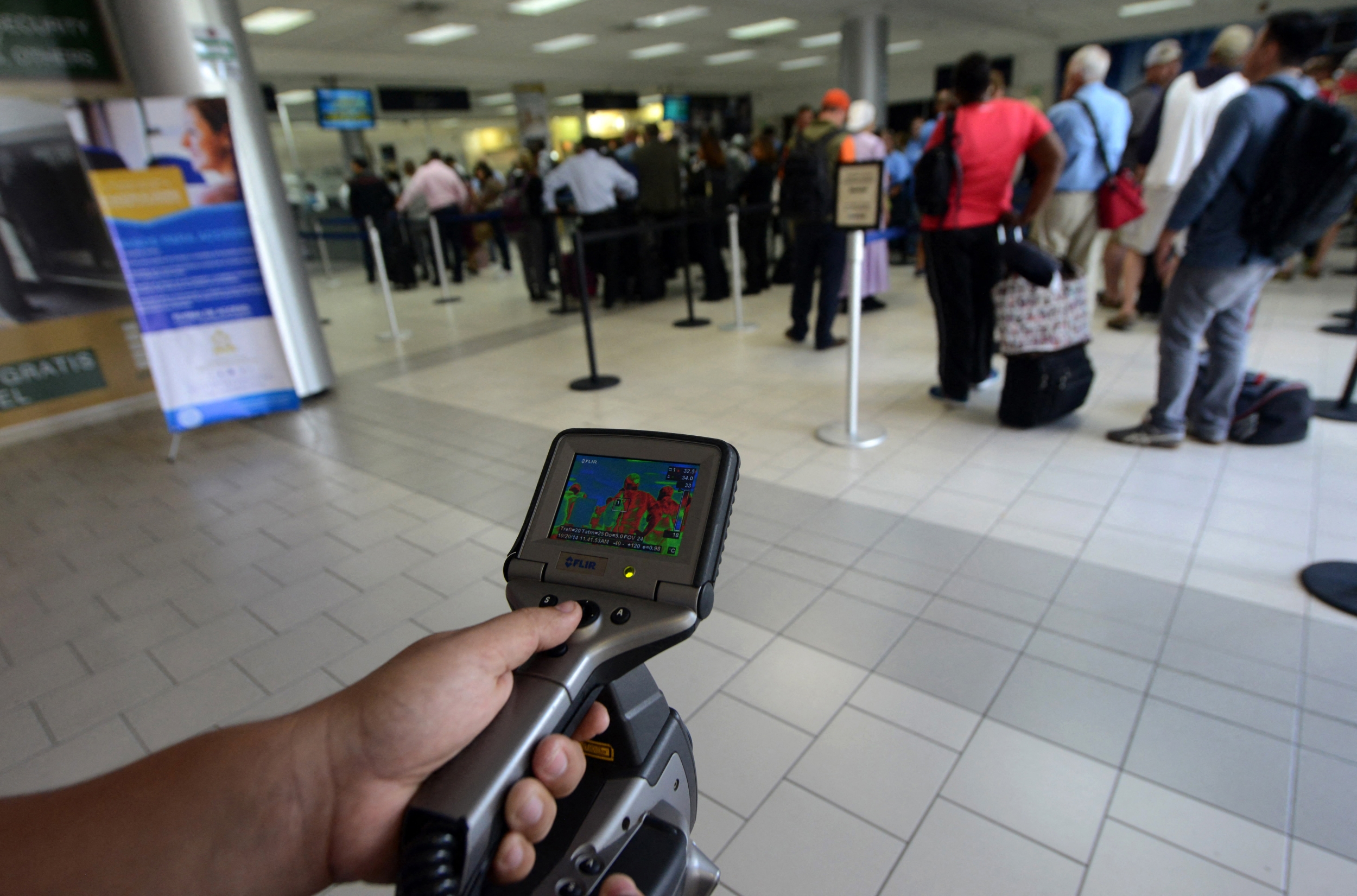
    The variant, known as NB.1.8.1 and informally called “Nimbus,” accounted for an estimated 43% of sequenced COVID cases in the U.S. during the two-week period ending late June 2026, according to CDC genomic surveillance data, surpassing all other circulating strains to become the dominant U.S. lineage. It is a descendant of the JN.1 Omicron lineage, first detected globally in early 2025 and identified in the United States through airport screening programs in March 2026.

    This variant drove earlier surges in China, Singapore, and parts of Southeast Asia before establishing itself in the U.S. — a pattern that health officials have been watching as a leading indicator of domestic wave dynamics.


    Why This Matters

    For most healthy, vaccinated adults, the Nimbus variant appears to cause illness consistent with other recent Omicron descendants: upper respiratory symptoms, sore throat, fatigue, and fever. WHO and CDC have not found evidence of vaccine escape sufficient to cause widespread serious illness in vaccinated populations. It does not appear to cause a higher rate of severe illness, hospitalization, or death compared to LP.8.1 and other recent Omicron strains.

    But transmissibility — not just severity — drives surge dynamics. In Singapore, NB.1.8.1 spread at approximately 60% weekly growth rates before becoming dominant, and a variant capable of infecting large numbers of people simultaneously always poses an elevated risk to those who are most vulnerable: older adults, immunocompromised people, and those who have not updated their COVID vaccination.

    Rising emergency department visits are now visible across all age groups — a pattern that appeared before national clinical case counts reflected the underlying trend, consistent with how COVID summer waves have developed in prior years.


    What We Know So Far

    CDC forecasting models as of July 15, 2026 estimate that COVID infections are currently growing or likely growing in at least 27 states, based on the most recent epidemiological trend modeling.

    As of July 12, 2026, COVID test positivity nationally stood at 4.8%, up 1.1% from the previous week. Emergency department visits are also rising across all age groups, according to the CDC’s respiratory illness surveillance data.

    Nine states are currently reporting moderate to very high COVID viral levels in wastewater: California, Florida, Hawaii, Idaho, Louisiana, Nevada, Oregon, South Carolina, and Texas. Wastewater surveillance detects COVID viral particles in sewage before those infections show up in clinical test counts or hospital admissions — typically providing one to two weeks of early warning of rising community transmission.

    WastewaterSCAN, which independently monitors diseases through municipal wastewater systems, reported national COVID levels in the “high” category as of its most recent available data — a more aggressive characterization than the CDC’s current “low” national wastewater reading, reflecting different measurement methodologies.


    Where the Risk Is Highest

    The geographic pattern of elevated wastewater activity — concentrated in the South and West — is consistent with the CDC’s 2026 Summer Outlook, which identified these regions as most likely to see early COVID activity this summer, citing lower recent immunity in populations that had limited COVID exposure last winter.

    Among the states with current high or very high wastewater activity, the most populous are California, Florida, and Texas — states whose combined populations exceed 90 million people. Louisiana and South Carolina, also on the elevated list, have historically had higher rates of chronic conditions that increase COVID severity risk.

    Nimbus has been detected in sequences across multiple U.S. states, with a wide geographic spread already established. The CDC has not published a detailed regional breakdown of variant proportions due to current limitations in sequencing coverage, but the 27-state growth model reflects national-level epidemiological trends.


    What Experts Say

    The Nimbus variant first demonstrated its capacity for rapid spread in Asia, where it drove surges in China, Singapore, and parts of Southeast Asia before being identified in the U.S. through airport monitoring. The pattern from those earlier waves — high transmissibility, widespread community spread, manageable severity in vaccinated populations, but significant risk for the immunocompromised and unvaccinated — is what U.S. health officials are using to calibrate their summer expectations.

    The CDC’s 2026 Summer Outlook identified the South and West as the most likely regions for early summer COVID activity. The current wastewater data is confirming that pattern. Health officials are urging high-risk individuals to verify their vaccination status before exposure opportunities increase with summer travel and large indoor gatherings.

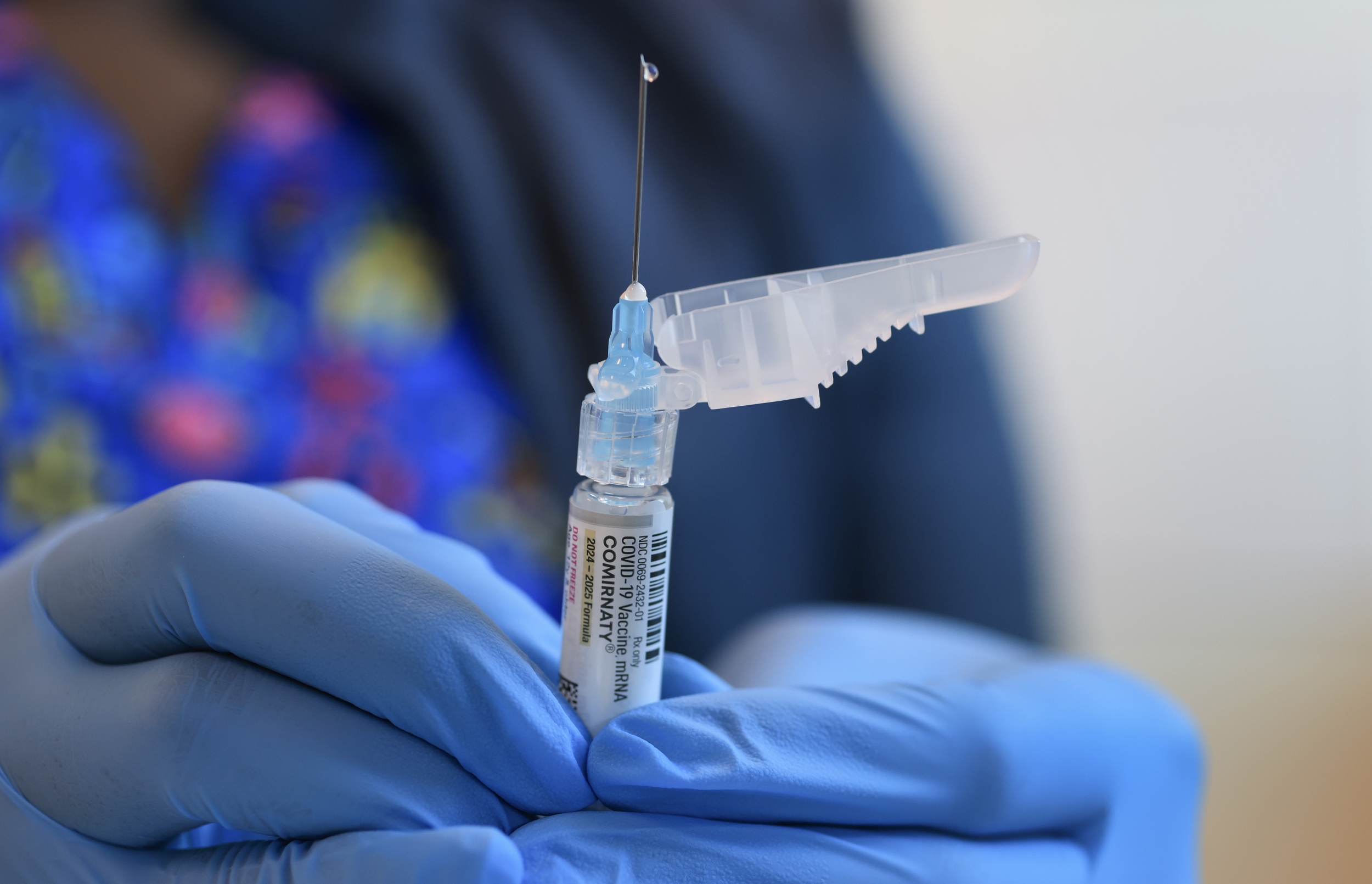
    The current 2025–2026 updated COVID vaccines target the LP.8.1 variant. Health authorities are monitoring whether an NB.1.8.1-specific update to the vaccine formulation will be needed for the fall 2026 vaccine cycle, though no announcement on that question has been made as of mid-July 2026.


    What the Evidence Shows and What It Does Not

    MedicalDaily Evidence Check

    • Variant proportion data: 43% of sequenced cases attributed to NB.1.8.1 as of late June 2026. The CDC notes that its precision in variant proportion reporting is currently “low” due to limited sequencing data; the exact proportion may shift as more samples are processed. The dominant status of the variant is well-established.
    • Severity: Available data from WHO, ECDC, and U.S. surveillance do not show increased severe disease, hospitalization rates, or case fatality compared to recent prior variants. This may change as the wave develops and more clinical data accumulates.
    • Vaccine protection: Current vaccines are expected to retain meaningful protection against severe illness and hospitalization, though their effectiveness against infection with NB.1.8.1 specifically is still being assessed.
    • What is not yet known: U.S.-specific clinical severity data for NB.1.8.1 is still accumulating. The peak of the current wave has not yet been reached in most affected states.

    Who Faces the Greatest Risk?

    COVID continues to cause serious illness and death primarily in specific vulnerable populations:

    • Adults 65 and older, who account for a disproportionate share of COVID hospitalizations and deaths in every recent wave
    • People who are immunocompromised — including those receiving cancer chemotherapy, organ transplant recipients, people with HIV, and those on biologics or corticosteroids
    • People who have not received an updated COVID vaccine in the past year
    • Individuals with multiple chronic conditions — particularly heart disease, diabetes, chronic kidney disease, and obesity
    • Pregnant people, who face elevated risk from respiratory infections
    • People in high-density settings — nursing facilities, group homes, correctional facilities — where transmission risk is amplified

    For younger, healthy, vaccinated adults, the current evidence suggests the Nimbus variant causes illness that is unpleasant but rarely severe.


    Symptoms and Warning Signs to Watch For

    Nimbus appears to cause symptoms consistent with other recent Omicron subvariants. Some patients have reported a more pronounced sore throat — described in some accounts as a “razor blade” sensation — as a notable early symptom. Other common presentations include:

    • Sore throat and upper respiratory congestion
    • Fatigue and body aches
    • Fever or chills
    • Headache
    • Runny nose or cough

    Symptoms that warrant prompt medical attention, particularly in high-risk individuals:

    • Shortness of breath or difficulty breathing
    • Persistent chest pain or pressure
    • Confusion or inability to stay awake
    • Bluish lips or face
    • Oxygen saturation below 94% if monitored at home

    What You Can Do Now

    • Check whether you are up to date on your COVID vaccination. The 2025–2026 updated vaccine is available at most pharmacies and health department clinics, many at no cost. Use vaccines.gov to find a location near you.
    • If you are immunocompromised or in a high-risk category, ask your provider whether you qualify for COVID pre-exposure prophylaxis or treatment options like Paxlovid, should you test positive.
    • Use a high-quality mask — N95 or KN95 — in crowded indoor settings if you are at high risk, particularly in airports, public transit, or large indoor gatherings.
    • If you test positive, isolate to protect others and contact your provider immediately if you are in a high-risk category to discuss whether antiviral treatment is appropriate. Paxlovid is most effective when started within five days of symptom onset.
    • Monitor CDC COVID Data Tracker and your state health department for updated local wastewater and clinical trend data.

    Cost and Access: What Patients Should Know

    Updated COVID vaccines are available at no cost at most pharmacy chains — including CVS, Walgreens, Rite Aid, and Walmart pharmacy — for people with Medicare, Medicaid, or private insurance. For uninsured patients, the CDC’s Bridge Access Program and state vaccination programs provide vaccines at no out-of-pocket cost at participating locations.

    Paxlovid, the antiviral treatment for COVID-19, requires a prescription. It is covered under most insurance plans for eligible patients with COVID-19 who are at high risk of severe illness. Patients without insurance can ask their provider or pharmacist about the Pfizer patient assistance program.

    At-home COVID tests remain available at pharmacies and continue to detect the Nimbus variant, though their sensitivity may be lower early in infection than at 48 to 72 hours after symptom onset.


    What Happens Next

    The summer COVID wave is expected to develop through July and into August in the states currently showing elevated wastewater signals. The CDC updates its COVID epidemic trend forecasts weekly; MedicalDaily will report on significant changes in wave dynamics, vaccination guidance, or variant severity data as they emerge.

    The WHO and FDA are monitoring whether the fall 2026 COVID vaccine formulation should target NB.1.8.1 or a newer variant; decisions on the fall vaccine strain typically come in late summer.


    The Bottom Line

    The Nimbus variant has made COVID the dominant public health story of midsummer 2026, with infections growing in 27 states and ER visits rising nationally. For most vaccinated, healthy adults, this wave is likely to produce an uncomfortable but manageable illness. For older adults, immunocompromised people, and those without updated vaccinations, this summer presents a genuine and preventable risk. Get vaccinated, monitor your local wastewater data, and know how to access antiviral treatment quickly if you are in a high-risk group.
    Source link

  • U.S. Airport Ebola Screening Remains Active Through July 21: What Returning Travelers Need to Know

    U.S. Airport Ebola Screening Remains Active Through July 21: What Returning Travelers Need to Know

    Enhanced Ebola screening is currently active at three major U.S. international airports, and entry restrictions for travelers from the Democratic Republic of the Congo, Uganda, and South Sudan remain in effect through approximately July 21, 2026. The measures were put in place in response to a growing outbreak of Bundibugyo virus disease — a rare and potentially fatal strain of Ebola for which no approved vaccine or specific treatment exists.

    Travelers who have recently returned from those regions, or who plan to travel there, need to understand what these measures require and what symptoms demand immediate medical attention.


    Why This Matters

    The Bundibugyo strain of Ebola is not the same as the Zaire strain responsible for West Africa’s 2014–2016 epidemic. The FDA-approved Ebola vaccine that provided protection in those prior outbreaks is not considered effective against the Bundibugyo virus. There are no approved countermeasures specific to this strain, which means containment relies on surveillance, contact tracing, isolation, and border screening.

    Case fatality rates for Bundibugyo virus disease in prior outbreaks have ranged from approximately 25% to 50%, according to the CDC — lower than Zaire Ebola but still highly serious. Patients experience fever, vomiting, severe weakness, and in some cases bleeding. Without a vaccine or treatment option, early identification of cases among arriving travelers is critical to preventing domestic spread.

    The World Health Organization has declared this outbreak a Public Health Emergency of International Concern — its highest alert designation.


    What We Know So Far

    The DRC’s Ministry of Health confirmed the Bundibugyo outbreak on May 15, 2026, after laboratory analysis identified Bundibugyo virus in samples from clusters of severe illness and deaths in Ituri Province. The affected health zones — Mongbwalu and Rwampara — are in northeastern DRC near the Ugandan border.

    By mid-June 2026, the DRC had reported 837 confirmed cases and 196 confirmed deaths. Uganda confirmed cases linked to travelers from DRC. South Sudan, which borders both countries, has not confirmed any cases but is included in U.S. entry restrictions due to the geographic risk.

    The U.S. response has been layered:

    As of the most recent CDC update, one American citizen who worked in DRC tested positive for Ebola but has since fully recovered and was released from care. High-risk contacts completed 21-day monitoring without developing symptoms. The CDC assesses the risk to the general U.S. public as low. No cases have been acquired domestically.


    Which Airports Are Conducting Screening

    The CDC and U.S. Customs and Border Protection (CBP) are conducting enhanced Ebola screening at three designated airports for travelers arriving from DRC, Uganda, or South Sudan:

    • Washington Dulles International Airport (IAD) — for flights departing affected countries after May 21, 2026
    • Hartsfield-Jackson Atlanta International Airport (ATL) — for flights after May 22, 2026
    • George Bush Intercontinental Airport, Houston (IAH) — for flights after May 26, 2026

    U.S. citizens and nationals who have been in the affected countries are permitted to return but must enter through one of these designated airports and undergo enhanced public health screening, which may include a health interview, temperature check, and review of symptoms. Travelers without symptoms will receive monitoring instructions and may continue to their final destination.

    According to the U.S. Embassy in DRC, travelers should be prepared for possible flight changes or cancellations when routing through these airports.


    Where the Risk Is Highest

    The active outbreak is concentrated in Ituri Province in northeastern DRC, particularly the Mongbwalu and Rwampara health zones. The CDC notes that the affected areas experience insecurity, population displacement, mining-related movement, and frequent cross-border traffic — all factors that increase transmission risk and complicate outbreak containment.

    In the United States, travelers and healthcare workers who have recently returned from DRC, Uganda, or South Sudan face the primary risk. International humanitarian workers, aid and medical personnel, journalists, researchers, and missionaries are the groups with the highest likelihood of having been in outbreak zones.

    Healthcare facilities in Atlanta, Houston, and the Washington D.C. metropolitan area should maintain heightened awareness given their proximity to the designated screening airports. Emergency departments and infectious disease units in these cities are most likely to encounter a returning traveler who develops symptoms during the 21-day monitoring period.


    What Doctors and Experts Say

    The CDC’s Health Alert Network advisory (HAN 00530) issued May 19, 2026, emphasized that “the risk of spread to the United States is considered low at this time” but called on clinicians to remain vigilant. The agency stated it is working through its country offices and international partners to support disease tracking, contact tracing, laboratory testing, and border health screening.

    The CDC noted a specific challenge with this outbreak: the FDA-approved vaccine (Ervebo) is effective against Zaire ebolavirus — the species responsible for major past outbreaks — but is not considered effective against Bundibugyo virus. The absence of an approved countermeasure for this strain makes infection control and early case detection especially critical.

    WHO Director-General Tedros Adhanom Ghebreyesus, in public statements cited across multiple outlets covering the outbreak’s early weeks, acknowledged that the delay in detecting the initial cluster meant response teams were “playing catch-up with a very fast-moving epidemic.” Contact tracing, treatment center establishment, and infection control measures have been scaled up since.

    For healthcare providers seeing patients who have returned from affected regions, the CDC recommends immediately placing potentially symptomatic patients under appropriate infection control precautions and contacting local or state public health departments for guidance on testing and isolation.


    What the Evidence Shows and What It Does Not

    The Bundibugyo virus has caused only two prior recorded outbreaks — Uganda in 2007 and DRC in 2012 — making it less well-studied than Zaire ebolavirus. Prior outbreaks had case fatality rates of approximately 25% to 50%, but that range reflects small sample sizes and variable outbreak conditions.

    Airport screening can identify travelers who are symptomatic at the time of arrival but cannot detect those who are infected but not yet showing symptoms. As the CDC states: “Public health entry screening cannot identify travelers who are infected but not yet showing symptoms.” The incubation period for Ebola is 2 to 21 days. Screening is therefore one component of a multilayered public health response, not a complete safeguard.

    The 21-day post-departure monitoring requirement for returning travelers exists precisely because of this gap.


    Who Faces the Greatest Risk?

    Based on current epidemiological data and CDC guidance, the highest-risk individuals in the United States are:

    • People who have traveled to or from Ituri Province, DRC, within the past 21 days
    • Humanitarian aid workers, healthcare volunteers, and missionary workers returning from DRC or Uganda
    • People who had direct contact with the blood or bodily fluids of a person confirmed or suspected to have Bundibugyo virus disease
    • Healthcare workers who treated or evaluated patients with suspected BVD without full personal protective equipment
    • Individuals who attended funerals or burial ceremonies in affected areas, where transmission risk is historically elevated

    The CDC’s Level 2 Travel Health Notice recommends avoiding nonessential travel to the specific affected provinces in DRC (Ituri, Nord-Kivu, and Sud-Kivu).


    Symptoms and Warning Signs to Watch For

    Anyone who has been in DRC, Uganda, or South Sudan within the past 21 days should monitor themselves carefully for the following symptoms, which may appear between 2 and 21 days after exposure:

    • Sudden onset of fever (often above 101.5°F / 38.6°C)
    • Severe headache
    • Muscle pain and weakness
    • Fatigue
    • Vomiting and diarrhea
    • Stomach pain
    • Unexplained bleeding or bruising (typically a later sign)

    The development of any of these symptoms in a person who has recently returned from an affected region requires immediate action. Do not travel to a hospital or clinic without calling first. Contact your local health department or call 911 and tell the dispatcher about your recent travel and symptoms so that appropriate isolation procedures can be prepared before you arrive.


    What You Can Do Now

    • If you recently returned from DRC, Uganda, or South Sudan, follow your state or local health department’s monitoring instructions for 21 days after your departure date from those countries.
    • Monitor your temperature daily and record any symptoms during the 21-day window.
    • Avoid international and domestic travel during your monitoring period, per CDC recommendations.
    • If you develop any symptoms, do not go directly to a hospital. Call your local health department and inform them of your travel history before seeking care.
    • Register with the Smart Traveler Enrollment Program (STEP) if you are a U.S. citizen in DRC, Uganda, or South Sudan, so the nearest embassy can provide updates and assistance.
    • Healthcare providers who evaluate a returning traveler with fever or other compatible symptoms should immediately implement infection control measures and notify their state health department and the CDC Emergency Operations Center at 770-488-7100.

    Cost and Access: What Patients Should Know

    If a returning traveler is identified as a potential Ebola case, isolation and evaluation will be coordinated by public health authorities. The CDC maintains a network of federal medical stations and Regional Ebola and Special Pathogen Treatment Centers (RESPTCs) capable of safely managing patients with highly infectious diseases.

    For general travelers concerned about health coverage abroad, the U.S. Department of State recommends purchasing travel insurance that includes medical evacuation coverage before traveling to high-risk regions.


    What Happens Next

    The current U.S. entry restriction order expires around July 21, 2026, but may be extended if the outbreak continues to grow. The CDC will assess the epidemiological situation and issue updates as warranted.

    WHO and international partners are working to scale up outbreak response in DRC and Uganda, including contact tracing, treatment access, and community engagement in affected areas. Given that no approved vaccine or specific treatment exists for Bundibugyo virus, containment measures remain the primary line of defense.

    MedicalDaily will follow CDC updates and the WHO outbreak situation report as they are published.


    The Bottom Line

    Ebola airport screening is active at Dulles, Atlanta, and Houston through at least July 21, 2026. The Bundibugyo strain currently affecting DRC and Uganda has no approved vaccine or treatment, and the outbreak has now surpassed 800 confirmed cases with nearly 200 deaths. The CDC assesses the risk to the general U.S. public as low.

    But low risk does not mean no risk. Travelers who have been in affected regions must monitor themselves for symptoms for 21 full days after departure and must contact health authorities — not walk into an emergency room — if symptoms develop. Following official CDC and state health department guidance is the single most important step returning travelers can take.

    Source link

  • New World Screwworm Has Reached 16 U.S. Animals as Experts Say This Is Not an Isolated Incident

    New World Screwworm Has Reached 16 U.S. Animals as Experts Say This Is Not an Isolated Incident

    A flesh-eating parasite that the United States eradicated in 1966 has returned — and the 16 confirmed animal cases represent only the beginning of what veterinary experts and public health officials are working to contain.

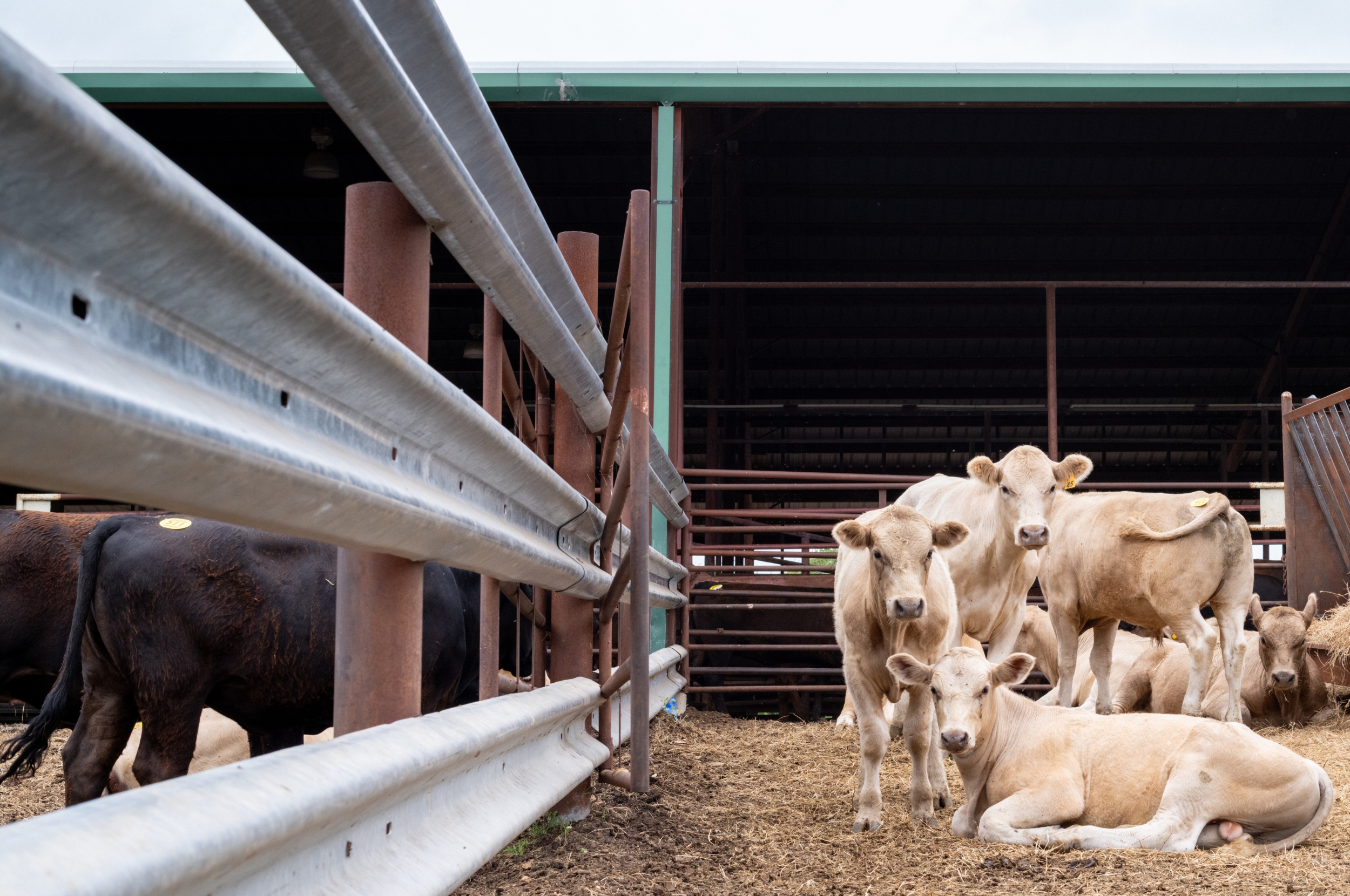
    USDA’s Animal and Plant Health Inspection Service (APHIS) confirmed the first U.S. animal case on June 3, 2026, in a three-week-old calf in Zavala County, Texas, near the Mexico border. By the CDC’s most current accounting, 16 domestically acquired animal cases have been confirmed — spread across multiple Texas counties and Lea County, New Mexico, involving cattle, goats, and at least one dog.

    There have been no confirmed human infestations with New World Screwworm acquired in the United States. The Texas Animal Health Commission has quarantined a zone covering more than 20 Texas counties, and sterile fly releases are underway. But the public health challenge now is ensuring that ranchers, pet owners, and veterinarians understand what they are looking for — because what officials can count is likely only a fraction of what is actually out there.


    Why This Matters

    The New World Screwworm is not merely an economic pest. It is a uniquely dangerous parasitic fly because it targets living tissue — not dead or decaying material. The female fly lays eggs in any open wound, body opening, or skin abrasion on a warm-blooded animal. The larvae burrow into living flesh, producing compounds that attract more female flies, which lay more eggs, which produce more larvae. An infested, untreated animal can die within one week.

    The parasite affects cattle, sheep, goats, horses, deer, feral hogs, dogs, cats, and wildlife of all kinds. It can, in rare cases, infest humans — particularly through wounds or nasal passages. While human infestations in the United States are not expected under current conditions, the risk is not zero.

    The United States eradicated NWS domestically in 1966 using the sterile insect technique — a program that has been continuously maintained in Central America to prevent northward spread. The parasite’s reappearance now reflects the northward migration of screwworm populations from Mexico, where it was detected in Chiapas in November 2024 and has been spreading ever since.


    What We Know So Far

    From USDA APHIS, CDC, Texas Animal Health Commission, and the American Farm Bureau Federation:

    • First U.S. case: June 3, 2026 — a calf in Zavala County, Texas
    • Total confirmed U.S. animal cases: 16 domestically acquired (Texas and New Mexico)
    • Species affected: Cattle, goats, and at least one dog
    • Geographic spread: Multiple Texas counties, including Zavala, La Salle, Gillespie, and others; Lea County, New Mexico
    • Quarantine zone: More than 20 Texas counties covered by Texas Animal Health Commission quarantine orders; animals cannot be moved out of the zone without prior authorization
    • Sterile fly releases: More than 129 million sterile NWS flies released in the sterile fly release zone since February 2026
    • Human cases: No locally acquired human infestations in the U.S. confirmed
    • Food safety: USDA confirms the U.S. food supply is not at risk; NWS does not infest meat

    Where the Risk Is Highest

    The primary risk zone is South Texas — specifically the ranching and farming counties near the Mexico border. The Texas Animal Health Commission’s quarantine zone includes Bandera, Coke, Crockett, Edwards, Gillespie, Jim Hogg, Kerr, Kimble, La Salle, Medina, Pecos, Schleicher, Starr, Sutton, Terrell, Tom Green, Uvalde, Val Verde, Webb, Zapata, and Zavala Counties.

    A key vulnerability that concerns veterinary parasitologists is wildlife. White-tailed deer, exotic game species, and feral hogs are abundant throughout South Texas and can serve as NWS hosts. Unlike managed livestock, these populations cannot be routinely inspected. Any infested deer or hog can carry adult flies that then lay eggs on livestock or pets within the surrounding area.

    The confirmed dog case in Lea County, New Mexico — an area outside the primary South Texas detection zone — raises specific concerns about geographic spread through pet animals that may travel or that come into contact with infested wildlife.

    The American Farm Bureau Federation noted that the South Texas detection zone includes more than 160,000 sheep and goats, and many operations involve extensive rangeland where daily animal inspection is less common than on smaller farms.


    What Doctors and Experts Say

    “Report suspicions immediately,” said Bud Dinges, executive director of the Texas Animal Health Commission, in remarks following the first confirmed detection. “Quick notification leads to quick detection. A quick response will stop the pest from spreading.”

    USDA’s Rear Admiral Michael Schmoyer, APHIS Associate Administrator and Director of the NWS Directorate, said in June that the agency had deployed 8,000 fly traps at and near the U.S.-Mexico border and collected more than 58,000 fly samples and 19,000 wild animal samples — all of which had been negative for NWS at that time. That surveillance infrastructure is expanding as confirmed cases accumulate.

    Veterinary experts and livestock industry analysts have warned that confirmed cases represent only a subset of infestations that were both detected and reported. Animals in remote rangeland, wildlife, and feral hog populations are not systematically inspected, and infestations can progress rapidly before they are identified.


    What the Evidence Shows — and What It Does Not

    The epidemiological picture is confirmed: NWS is back in the United States. The current case count reflects only what has been detected and reported through the official surveillance system — which covers managed livestock that receive veterinary attention. Wildlife and large rangeland herds without daily inspection are almost certainly carrying more cases that have not been identified.

    Scaling sterile fly production to full eradication capacity — the method that successfully eliminated NWS from the United States in the 1960s — is expected to require 18 months to two years. That means U.S. ranchers and pet owners in the affected region face an extended containment period, not a quick resolution.

    MedicalDaily Evidence Check

    • Data source: USDA APHIS, CDC, Texas Animal Health Commission
    • Confirmed U.S. animal cases: 16 domestically acquired (Texas and New Mexico, as of most recent reporting)
    • Human cases: None confirmed in the U.S.
    • Available treatments: Multiple FDA Emergency Use Authorization (EUA)-approved products exist for cattle, horses, dogs, cats, and livestock; discuss with a veterinarian
    • Key limitation: Confirmed cases are an undercount; wildlife and large rangeland herds have limited inspection capacity
    • What readers should know: Livestock owners should inspect animals daily; pet owners in affected Texas counties and southern New Mexico should check for wounds; contact a veterinarian immediately if NWS is suspected

    Who Faces the Greatest Risk?

    • Livestock producers in South Texas and southern New Mexico counties — particularly those with cattle, sheep, and goats on extensive rangeland
    • Pet owners in the affected region, particularly owners of dogs and cats that spend time outdoors or that may have wound exposure
    • Wildlife (deer, feral hogs, exotic game) that serve as unmanageable host populations
    • Newborn animals, whose umbilical area is a common wound site for initial NWS infestation
    • Animals with any wound, cut, or body opening that has not been properly cleaned and treated

    Symptoms and Warning Signs to Watch For

    On livestock and pets:

    • Draining or enlarging wounds — especially wounds that do not heal normally
    • Signs of unusual distress or pain in an animal with a wound
    • Small, cream-colored larvae (maggots) visible in or around body openings — including the nose, ears, genitalia, and navel of newborns
    • Animals shaking their heads, rubbing against fences, or scratching excessively at wound areas
    • Foul-smelling discharge from a wound

    Infestations progress rapidly. An animal showing these signs should receive immediate veterinary attention. Without treatment, NWS can kill a full-grown animal within one week.


    What You Can Do Now

    • Inspect livestock and pets daily in affected Texas and New Mexico counties — particularly any animal with a wound, cut, or recent surgery.
    • Treat all wounds promptly with an approved insecticide or wound care product. Ask your veterinarian which FDA-authorized products are appropriate for your animals — multiple EUA products are now available for cattle, horses, dogs, and cats.
    • If you suspect NWS in an animal, do not wait. Contact your veterinarian immediately and report to the Texas Animal Health Commission (1-800-550-8242) or USDA APHIS.
    • Do not move animals out of the quarantine zone without authorization from TAHC.
    • Pet owners whose dogs or cats spend time outdoors in affected counties should inspect animals after outdoor time and keep wounds covered and treated.

    Cost and Access: What Patients Should Know

    The USDA Food Safety and Inspection Service confirms that the U.S. meat supply is not at risk — screwworm does not infest meat, and affected animals would be identified before entering commerce. Consumer food safety is not a concern in this outbreak.

    Veterinary treatment of confirmed NWS cases is covered by standard livestock health insurance in most cases. For producers concerned about coverage, the USDA’s Risk Management Agency provides livestock risk protection programs. Small-scale and hobby farm owners without commercial policies should contact their county Extension office for guidance on treatment costs and emergency assistance resources.


    What Happens Next

    USDA is continuing sterile fly releases, which represent the primary long-term eradication strategy. The 18-to-24-month timeline to full eradication capacity means this will be an ongoing management challenge throughout the rest of 2026 and into 2027.

    Updated case counts and quarantine zone maps are available at Screwworm.gov. MedicalDaily will report on any expansion of the quarantine zone, new confirmed cases in additional states, or any confirmed human infestations.


    The Bottom Line

    New World Screwworm has returned to the United States for the first time in 60 years. The 16 confirmed animal cases are almost certainly a fraction of the true infestation, and the multi-year eradication timeline means ranchers, pet owners, and veterinarians in affected regions of Texas and New Mexico face a sustained public health challenge. The food supply is safe. Human risk remains very low. But animal owners in the quarantine zone need to act now — inspect daily, treat wounds immediately, and report any suspected infestation without delay.

    Source link

  • OSHA Just Launched the Strongest Worker Heat Protection Enforcement Program in U.S. History — And It Covers Dallas’s Most Heat-Exposed Industries During World Cup Season

    OSHA Just Launched the Strongest Worker Heat Protection Enforcement Program in U.S. History — And It Covers Dallas’s Most Heat-Exposed Industries During World Cup Season

    In what workplace safety advocates are calling the most meaningful federal action on worker heat protection in American history, OSHA launched a revised and dramatically expanded National Emphasis Program (NEP) on Heat Injury and Illness Prevention on April 10, 2026 — replacing the previous NEP that had been in operation since 2022 and extending through April 2031.

    The new NEP uses Bureau of Labor Statistics injury data from 2022–2025 to target 55 high-risk industries for proactive heat-hazard inspections, expanding the program from approximately 200 heat inspections per year under its original form to approximately 2,400 per year — representing 6% of all OSHA inspections nationwide. Heat inspections have now increased twelve-fold since the program began.

    For Dallas–Fort Worth, whose construction, manufacturing, landscaping, food service, and agricultural sectors employ hundreds of thousands of workers in environments that regularly expose them to heat index readings above 100°F during June and July, this enforcement expansion is the most relevant occupational health development of the summer.

    The scale of the unprotected heat exposure in Texas’s workforce is documented in the numbers. The Groundwork Collaborative’s May 2026 report on extreme heat and workers found that in 2023 alone, high temperatures caused an additional 28,000 injuries across the United States. Between 2011 and 2021, 436 work-related deaths from heat occurred nationally. These are the officially counted cases; the true toll is documented to be substantially higher, as the same surveillance failures that produce San Antonio’s one official heat death in five years operate across the broader Texas labor system. The DFW construction boom — driven by data center expansion, commercial development, and residential growth — is creating a large and growing population of outdoor workers whose heat exposure during this summer may be the most intense in the metropolitan area’s recent history, given the AccuWeather forecast for potential triple-digit temperatures beginning as early as June 22.

    What the New NEP Actually Requires Employers to Do

    The expanded NEP does not yet create a permanent federal heat standard — the OSHA rulemaking process for a final heat standard is ongoing. But it dramatically increases enforcement risk for employers who fail to address heat hazards under the existing General Duty Clause of the Occupational Safety and Health Act. The revised NEP directs OSHA compliance officers to proactively inspect workplaces in all 55 targeted high-risk industries — including construction, landscaping, warehousing, food processing, and food service — in any geographic area where the heat index reaches 80°F. At Dallas’s summer temperatures, that threshold is crossed virtually every working day from June through September.

    In practice, the General Duty Clause enforcement means OSHA can cite employers who fail to provide water (one cup per hour for outdoor workers), rest breaks in shade or air conditioning, acclimatization protocols for new workers or workers returning from absence, and heat illness training.

    The Alert Media summary of the 2026 OSHA heat regulations confirms that even without a final rule, “enforcement risk is at an all-time high” — and employers who have not implemented documented heat illness prevention programs face significant citation liability if workers develop heat illness during the 2026 summer season.

    For Dallas-area employers in construction, agriculture, and food service — the industries with the most documented heat exposure — the April 10, 2026 NEP launch is a compliance warning that the summer of 2026 will be the most scrutinized heat safety season in Texas workplace history.

    The World Cup Dimension: Temporary Event Workers and Highest-Risk Exposures

    The World Cup’s June 14 opening in Dallas creates a specific and time-compressed occupational heat safety scenario that the expanded NEP directly addresses: the large temporary workforce deployed for event operations — security personnel, food vendors, transportation workers, equipment handlers, and cleaning staff — who will work extended shifts in outdoor environments around AT&T Stadium and associated fan festival areas during potentially record-setting June heat.

    These temporary workers are precisely the population that OSHA’s updated emphasis program identifies as high-risk: they may be new to outdoor work, may not yet be heat-acclimatized, may be working irregular hours that prevent adequate overnight recovery, and may be employed through staffing agencies whose oversight of heat safety protocols is less systematic than direct employers.

    Dallas County Health Director Dr. Philip Huang’s confirmed expansion of public health monitoring for World Cup events covers disease surveillance, but occupational heat safety for event workers falls under OSHA’s jurisdiction.

    The Texas Workers’ Compensation Commission and the Texas Department of Insurance track heat-related workers’ compensation claims — data that will be particularly scrutinized in the weeks following the World Cup matches. For workers: know your rights under the General Duty Clause — water, rest, and shade are enforceable protections even without a final OSHA heat standard. For employers: the April 10, 2026 NEP is enforcement notice that the 2026 summer will produce heat citation activity at levels not previously seen in Texas.

    Source link

  • Six Days Before World Cup Kickoff, New York Confronts the Most Complex Public Health Alert Landscape Ever Seen in the U.S.

    Six Days Before World Cup Kickoff, New York Confronts the Most Complex Public Health Alert Landscape Ever Seen in the U.S.

    The 2026 FIFA World Cup opens in six days. The first match at MetLife Stadium in East Rutherford, New Jersey, is scheduled for July 14 — but the tournament officially begins June 11, and within days, New York metropolitan area transportation hubs, hotels, fan festival sites, and outdoor venues will begin absorbing the first wave of what officials project will be more than one million international visitors over the 39-day tournament. Into that moment, New York City is carrying a public health burden that no American city has faced in the context of a major international event in the modern era: five simultaneous, documented disease activations, each with its own monitoring infrastructure, response protocols, and resource demands, all competing for the attention and bandwidth of the same institutional public health workforce.

    State health officials and experts quoted in CNBC’s comprehensive June 4 World Cup health analysis emphasized that the United States is well-prepared, with “a very robust system” and health departments that have been scaling up surveillance, hospital coordination, and monitoring for months. Dr. Margaret Aldrich of NYU Langone said the U.S. is “better prepared, honestly, than we ever have been for high-consequence infectious diseases.” Infectious disease physician Dr. Krutika Kuppalli, writing in STAT News, noted that the most likely infectious disease threats at the World Cup will “look much more familiar than frightening headlines suggest” — not Ebola, but the highly transmissible respiratory viruses that thrive in exactly the conditions a World Cup creates.

    The Five Simultaneous Activations New York Is Managing

    The full complexity of New York’s public health posture requires enumerating all five concurrent activations: First, the hantavirus quarantine — two New York State residents under around-the-clock state trooper surveillance at residential addresses outside NYC through June 22, representing the only U.S. exposure to Andes virus, the only hantavirus capable of human-to-human transmission, following the MV Hondius cruise ship outbreak that killed three people worldwide. Second, the active measles situation — 11 confirmed New York State cases in 2026 (6 in NYC, 5 statewide), all unvaccinated adults linked to international travel, embedded in a national outbreak of 1,974 confirmed cases. Third, the Ebola preparedness posture — the WHO’s May 17 PHEIC declaration for the Bundibugyo outbreak in DRC (344 confirmed cases, 60 deaths) with the DRC national team entering the World Cup through Houston. Fourth, the NB.1.8.1 COVID-19 subvariant generating rising wastewater signals in the Northeast. Fifth, West Nile virus surveillance activation for the summer mosquito season.

    Each of these activations is, individually, a normal and manageable public health challenge for a city with New York’s infrastructure. Their simultaneous convergence, during the most intense international visitor period in the metropolitan area’s modern history, is what makes the summer of 2026 unprecedented. New York and New Jersey conducted a 50-agency simulation exercise in June 2025 specifically modeling a high-consequence infectious disease arrival via LaGuardia Airport during a mass gathering event. That simulation was designed for exactly this scenario. But simulations are conducted one scenario at a time. Reality is running five.

    The Measles Threat Is the Science Experts Are Most Focused On

    Of all the disease risks surrounding the World Cup, infectious disease experts have most consistently emphasized measles — not Ebola — as the pathogen most likely to cause a significant outbreak. As Dr. Kuppalli wrote in STAT, the reason is transmissibility. Ebola requires direct contact with the blood or body fluids of a symptomatic person. Measles’s R0 of 12–18 means a single infectious person can spread to 12 to 18 others in a susceptible population — through the air, in enclosed spaces, for up to two hours after the infected person has left the room. At a World Cup crowd of 82,000 people at MetLife Stadium, with international visitors from Mexico (10,920 cases in 2026), Guatemala (6,209 cases), and other Americas countries experiencing active outbreaks, the mathematical exposure potential from a single unidentified infectious case in an indoor concourse is not a model projection. It is a biological certainty.

    The Good News: New York’s Infrastructure Is Genuinely Ready

    In the interest of balance: the preparations New York has made are real and scientifically sound. Bellevue Hospital’s biocontainment unit has undergone additional training for the World Cup period. The Greater New York Hospital Association has conducted multiple video trainings on measles case identification. New York State’s infectious disease surveillance system is at heightened activation. The hantavirus quarantine infrastructure — deploying state troopers as monitors and state health officials for daily symptom assessment — is a demonstration that the system can respond to novel threats rapidly and effectively. Commissioner McDonald’s office has confirmed coordination across all five activations.

    The immediate actionable guidance: New York City Health Department immunization clinics offer MMR vaccination without appointment throughout the five boroughs. For anyone who cannot document two doses of MMR vaccine — or was born between 1957 and 1968 and received the early formaldehyde-inactivated measles vaccine that provided only short-lived protection — vaccination now is the single most important health action available before the MetLife matches begin. The World Cup Final is on July 19. The window to complete two doses — which require at least 28 days between them — closed this week. A single dose now still provides 93% protection against a disease whose R0 is 18. Get vaccinated.

    Source link

  • U.S. Halts Animal Imports From Mexico As Flesh-Eating New World Screwworm Sparks Alarm

    U.S. Halts Animal Imports From Mexico As Flesh-Eating New World Screwworm Sparks Alarm

    The New World screwworm, a parasitic fly that harms both cattle and humans and was once eradicated from the U.S. after more than three decades of effort, is raising new concerns amid an outbreak in Mexico. In response to the looming threat, the U.S. Department of Agriculture (USDA) has announced a halt on imports of cattle, bison, and horses through the southern border.

    The New World screwworm produces larvae that feed on the flesh and blood of livestock, pets, wildlife, birds, and, in some cases, humans, causing painful infestations that can lead to potentially fatal damage to their hosts. It was eradicated in the U.S. in 1966 after billions of dollars were spent on an operation that involved releasing hundreds of millions of sterile adult flies, which would mate with wild females and ultimately prevent them from laying viable eggs.

    The recent threat emerged after the maggot fly was detected on remote farms in Mexico with minimal cattle movement, reaching as far north as Oaxaca and Veracruz, about 700 miles from the U.S. border.

    “Due to the threat of New World Screwworm, I am announcing the suspension of live cattle, horse, & bison imports through U.S. southern border ports of entry effective immediately. The last time this devastating pest invaded America, it took 30 years for our cattle industry to recover. This cannot happen again,” the USDA Secretary, Brooke Rollins, announced in an X post.

    The first case of infestation in Mexico was reported to the U.S. in November 2024, following which the USDA shut down the border for live animal trade. Trade resumed in February 2025, after the U.S. Department of Agriculture’s Animal and Plant Health Inspection Service (APHIS) and Mexican authorities put in place a thorough inspection and treatment process to safely manage animal movement and reduce the risk of New World screwworm.

    The USDA announced that APHIS is deploying sterile flies by air and on the ground at key sites, focusing on southern Mexico and other parts of Central America.

    “The protection of our animals and the safety of our nation’s food supply is a national security issue of the utmost importance. Once we see increased surveillance and eradication efforts, and the positive results of those actions, we remain committed to opening the border for livestock trade. This is not about politics or punishment of Mexico, rather it is about food and animal safety,” Secretary Rollins said in a news release.

    Source link

  • Kansas Tuberculosis Outbreak That Killed Two, Sickened Dozens, Among Largest In U.S. History

    Kansas Tuberculosis Outbreak That Killed Two, Sickened Dozens, Among Largest In U.S. History

    A tuberculosis outbreak that has gripped Kansas for nearly a year, claiming two lives and infecting dozens, is among one of the largest in U.S. history.

    As of Jan. 24, the Kansas Department of Health and Environment reported 67 confirmed cases of active tuberculosis, along with 79 latent infections. However, health officials confirm there is no threat to the general public.

    “To date, most TB cases have been in Wyandotte County, with very low risk to the general public, including the surrounding counties,” the health officials from Kansas state said in a statement.

    Tuberculosis (TB) is a highly infectious disease caused by Mycobacterium tuberculosis. It primarily affects the lungs and spreads through the air when a symptomatic infected person talks, coughs, or sings. TB can take two forms: active and latent. In its active stage, it triggers a persistent cough, lasting for three weeks or longer, coughing up blood or phlegm, along with chest pain, fatigue, chills, night sweats, fever, and weight loss. In its latent stage, the bacteria remain dormant, causing no symptoms, and there is no risk of transmission. However, if not treated, the latent stage can progress into active TB.

    Both inactive tuberculosis (latent TB infection) and active TB disease are treatable, but they require different approaches. Treatment involves a combination of antibiotics taken over several months, with regimens lasting three, four, six, or even nine months, depending on the severity of the infection and the specific treatment plan.

    In 2023, TB claimed an estimated 1.25 million lives and has regained its title as the world’s deadliest infection caused by a single pathogen. As per the CDC data, there were a total of 8,700 cases of tuberculosis in the U.S. last year.

    Kansas health officials have described the recent tuberculosis outbreak reported since January 2024 as the largest documented in U.S. history since the CDC began tracking cases in the 1950s. However, the CDC has disputed that claim, pointing to at least two larger outbreaks in recent years. One of the most severe occurred between 2015 and 2017 in Georgia homeless shelters, where the disease spread rapidly, leading to more than 170 active TB cases and over 400 latent infections. Another major outbreak in 2021 was linked to contaminated tissue used in bone transplants, infecting 113 patients across the country.

    Source link

  • New Chemical Identified In U.S. Tap Water, Scientists Urge Investigation Into Its Toxicity

    New Chemical Identified In U.S. Tap Water, Scientists Urge Investigation Into Its Toxicity

    Scientists have identified a new chemical byproduct in tap water consumed by millions of Americans, solving a decades-long mystery. This compound, formed during water purification with chloramine, raises health concerns for roughly 113 million people and warrants further investigation into its potential toxicity.

    Chloramine is a disinfectant created by combining chlorine with ammonia. It is preferred over chlorine in many water treatment systems due to its greater stability, which results in lower levels of disinfectant byproducts compared to chlorine.

    Although researchers first noted the unidentified chemical byproduct in tap water treated with chloramine nearly 40 years ago, its exact details were not known. In a recent study published in Science, scientists used advanced analytical methods to uncover its structure, which is now officially named chloronitramide anion.

    The researchers detected chloronitramide anion in all 40 samples taken from 10 drinking water systems located in seven states. It was not seen in ultrapure water, or drinking water treated without chlorine-based disinfectants.

    “It’s well recognized that when we disinfect drinking water, there is some toxicity that’s created. Chronic toxicity, really. A certain number of people may get cancer from drinking water over several decades. But we haven’t identified what chemicals are driving that toxicity. A major goal of our work is to identify these chemicals and the reaction pathways through which they form,” Julian Fairey, first co-author on the paper said in a news release.

    The study represents a significant breakthrough, as it successfully identified chloronitramide anion and determined its structure.

    “It’s a very stable chemical with a low molecular weight. It’s a very difficult chemical to find. The hardest part was identifying it and proving it was the structure we were saying it was,” Fairey noted.

    Although the toxicity of chloronitramide anion remains uncertain, researchers have raised concerns due to its widespread presence and structural similarities to other toxic compounds. They stress the need for further investigation by academics and regulatory agencies, such as the U.S. Environmental Protection Agency.

    “Even if it is not toxic, finding it can help us understand the pathways for how other compounds are formed, including toxins. If we know how something is formed, we can potentially control it,” Fairey added.

    Source link