Tag: triggers

  • Common Triggers, Symptom Patterns, and Relief Strategies

    Common Triggers, Symptom Patterns, and Relief Strategies

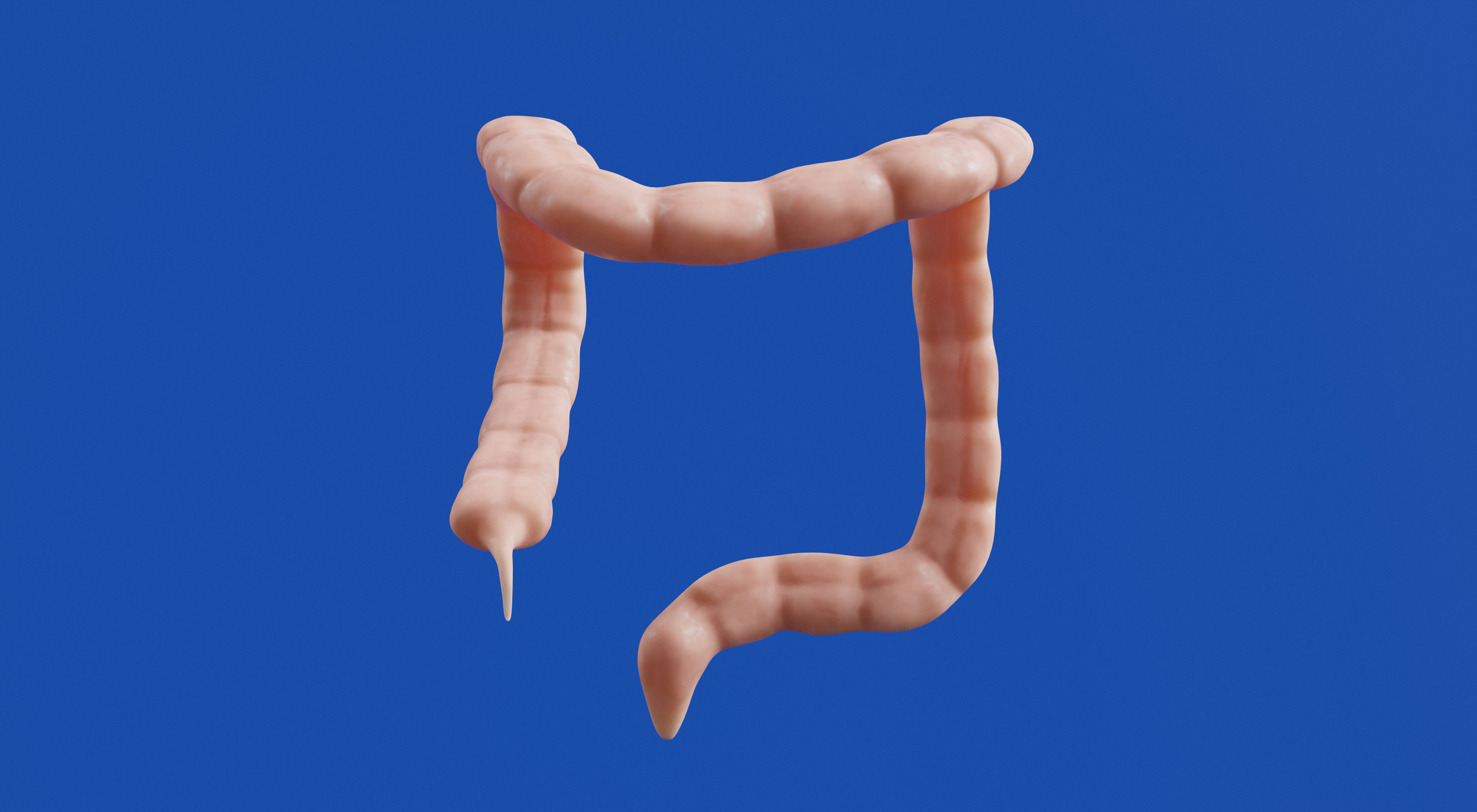
    Irritable bowel syndrome is a common digestive disorder that affects how the gut functions rather than its structure. People with IBS experience recurring symptoms that interfere with daily routines, work, and social life. Although the condition does not cause visible damage to the intestines, the discomfort and unpredictability of IBS symptoms can significantly reduce quality of life. Understanding symptom patterns is often the first step toward better management.

    IBS is defined by abdominal pain linked to bowel habit changes, as outlined in diagnostic guidelines such as the Rome criteria. Symptoms are influenced by gut sensitivity, intestinal motility, and communication between the brain and digestive system. Because triggers vary widely between individuals, identifying patterns related to food, stress, and lifestyle is central to managing this digestive disorder.

    What Are Common IBS Symptoms and Patterns?

    IBS symptoms commonly include abdominal pain or cramping that eases after a bowel movement, along with bloating, gas, and visible mucus in the stool. Bowel habits vary widely, ranging from frequent loose stools to hard, infrequent movements that require straining. These symptoms tend to follow recurring patterns rather than appearing randomly, which helps distinguish IBS from short-term digestive upset.

    Patterns often align with IBS subtypes. IBS-D features urgent, watery stools that frequently occur after meals, while IBS-C involves constipation, bloating, and incomplete evacuation. Mixed-type IBS alternates between both patterns, making daily routines less predictable. According to the National Institute of Diabetes and Digestive and Kidney Diseases (NIDDK), IBS does not cause intestinal damage, bleeding, or unexplained weight loss, helping separate it from inflammatory bowel diseases.

    What Triggers IBS Symptoms in This Digestive Disorder?

    IBS triggers often stem from diet and gut sensitivity. Foods high in fermentable carbohydrates, known as FODMAPs, commonly provoke symptoms by producing gas during digestion. Wheat, onions, legumes, some fruits, and certain dairy products are frequent offenders that can worsen bloating and abdominal discomfort.

    Daily habits and emotional stress also influence flare intensity. Caffeine, alcohol, carbonated drinks, and fatty or spicy foods may overstimulate bowel contractions. Stress affects gut-brain signaling, amplifying pain and urgency, while infections and antibiotics can disrupt gut bacteria. According to Johns Hopkins Medicine, stress and dietary triggers often interact, increasing symptom severity and reinforcing the need for personalized management strategies.

    How Do IBS Patterns Differ by Subtype?

    IBS patterns vary depending on bowel dominance. IBS-D is marked by urgency, loose stools, and concern over restroom access, particularly after eating or in the morning. Severe flares may raise dehydration concerns and interfere with work or travel.

    IBS-C centers on bloating, abdominal pressure, and difficult stool passage, often accompanied by straining and incomplete relief. IBS-M shifts between both extremes, complicating consistency. Many people with IBS experience overlapping conditions such as migraines or fibromyalgia. Based on guidance from the Mayo Clinic, identifying subtype-specific patterns allows treatments to be better tailored to bowel behavior and symptom intensity.

    Managing Triggers and Patterns for IBS Relief

    Managing IBS focuses on recognizing patterns rather than eliminating every symptom. Food and symptom tracking helps connect flares to meals, stress, or routines. Short-term low-FODMAP approaches often reduce symptoms, followed by careful reintroduction to identify tolerances.

    Stress reduction plays a key role alongside diet. Mindfulness, therapy, and regular movement help regulate gut-brain signaling. Medications are selected based on subtype, while probiotics may support recovery after infections or antibiotic use. Over time, tracking IBS symptoms and triggers in this digestive disorder supports steadier symptom control and better daily function.

    Taking Control of IBS Through Pattern Awareness

    Living with IBS requires patience and self-awareness rather than quick fixes. When individuals understand how their symptoms behave over time, flares become more predictable and manageable. Small adjustments in diet, stress handling, and daily routines often lead to meaningful improvement.

    Ongoing communication with healthcare providers helps refine strategies as symptoms evolve. IBS patterns may change with age, hormones, or life stressors, making flexibility essential. By focusing on personal triggers and symptom rhythms, many people with IBS regain confidence and reduce the daily impact of this digestive disorder.

    Frequently Asked Questions

    1. Is IBS the same as inflammatory bowel disease?

    No, IBS and inflammatory bowel disease are different conditions. IBS does not cause inflammation or damage to the intestines. Symptoms may overlap, but IBS does not lead to bleeding or permanent tissue injury. Medical evaluation helps distinguish between them.

    2. Can IBS symptoms change over time?

    Yes, IBS symptoms often change in intensity and pattern. Stress, diet, hormonal shifts, and infections can influence how symptoms present. Some people switch subtypes over time. Regular monitoring helps adjust management strategies.

    3. Does IBS cause long-term health complications?

    IBS does not increase the risk of colon cancer or cause structural intestinal damage. However, it can significantly affect quality of life. Managing symptoms reduces disruptions to work, sleep, and social activities. Emotional support is also important.

    4. Should everyone with IBS follow a low-FODMAP diet?

    Not everyone needs a strict low-FODMAP diet. It is typically used as a short-term tool to identify trigger foods. Long-term restriction is not recommended without guidance. Personal tolerance varies widely among individuals with IBS.


    Source link

  • Rewire Your Food Cravings and Triggers

    Rewire Your Food Cravings and Triggers

    This is part of a four-part mini-workshop called Train Your Brain to Break Bad Habits. You can find links to all four sessions in this series here.

    Last session we learned how to map the mechanics of our habit loops. This session, we’re using those skills to look specifically at any habits we’ve formed around food and eating.

    As a recap: our brains learn through a process that has three components: trigger, behavior, reward. There’s a trigger (perhaps stress) that moves you to behave in a certain way (maybe leaving your desk at work and going out for a cigarette); and there’s a result or reward (having that cigarette gets the initial feelings of stress to drop a bit for a short period of time). According to the brain, that’s a successful pattern that deserves to be repeated.

    Since last session, did you discover any habit loops in your life? If you didn’t get an opportunity to practice, you could pause right now to see if you can identify one or two habit loops in your own experience.

    This session we’re examining habit loops with regards to food in particular. And eating is an extremely interesting example. That’s because the habit-loop structure of getting hungry, finding food, and testing and eating that food, is designed to do something else: to aid us in locating that food again.

    Imagine being out in a wilderness: when hungry and looking for food in that sort of environment, our brains aim to record our successes because we need to eat to stay alive. We spot some bright berries (trigger); we bring that food to our mouths to test it—we eat a berry or two (behavior); and if we find that the berries don’t harm us, but instead provide us fuel in the form of calories and even taste good, we’ve set the groundwork for the habit loop that will propel us to eat those berries again whenever we find them (a reward that encourages us to not only look for that food again, but gather and store it or eat it whenever we do). Essentially, the stomach has sent a dopamine signal to the brain that says, “Remember what you ate and where you found it.”

    But most of us do not live in a wilderness anymore—unless you count coffee shops on every corner, copious numbers of fast-food joints, restaurants, and grocery stores as a new kind of wilderness. Point being, our brains don’t necessarily need this reward-based learning system to help us remember where food is anymore. In fact, though, that system is still at play—only now it operates with other types of triggers and foods. For example, if we get into the habit of reaching for ice cream every time we get stressed out, our brain starts to learn to eat when we’re stressed. Because when we do, like the person who smokes, we feel some stress relief (albeit brief) while we’re digging into that container of vanilla bean gelato.

    And triggers don’t always need to be bad to set up the potential for a habit loop to form. Maybe, like so many of us, you associate food with celebrations, whether it’s a birthday, Thanksgiving or another holiday: it’s easy to begin to associate fun social times with the array of food we get to enjoy.

    Regardless, whether it’s celebratory, stress-based or even boredom or sadness that triggers us to eat, once our brains make a habit loop that includes eating food as a go-to behavior in response to a particular trigger, and when eating makes us feel a little bit better in the moment, our brains set the tracks: “That was good; I feel a bit better; let’s do it again.” And so we do.

    So this is the focus of our practice: any types of habits we may have formed around eating. Let’s begin.

    Rewire Your Food Cravings and Triggers

    Watch the video:

    1. Get settled into a comfortable position, whether sitting, standing or lying down.Just like we did last week, anchor your awareness in your body—in the breath and the body, in your direct experience in the moment What do these physical sensations feel like? Introduce some curiosity. And go ahead and think of this as anchoring: that aware connection will serve as the point that will keep your boat from floating off. If your attention drifts away, that anchor catches so that you can come back. This helps to orient us around our mind—because if our mind is drifting off this way or that, it’s very difficult to identify, observe and map out our habit loops. We need that steady awareness, too, to map the different types of rewards that we get from those habits. Let’s focus on what’s actually happening for us in the first part of the equation: trigger and behavior.
    2. Bring to mind your favorite food. Resting in awareness in the breath and body, now simply bring to mind your favorite comfort food. You may imagine what it smells and tastes like. Take it further: what are the qualities of the sensations of that food on your tongue, in your mouth? Is it cool? Soft and delicate? Crunchy? Spend some time with these sensations.
    3. Notice the type of reaction that your body has simply by bringing up the memory of this food. What are you experiencing in your body? Maybe you notice you now have a craving for that food, even if you’ve just eaten, even if you’re not hungry at all. If you do find yourself in the midst of a craving, what does that feel like in your body and mind? Are there physical sensations associated with it? Invite curiosity into this.
    4. Try to notice any changes to the sensations associated with your craving. Is there a predominant sensation in your body right now? Are you finding tightness? Does that tightness change? Is there a sensation of heat? Does that heat move? Are you noticing any other sensations? And what happens as you bring your awareness fully to those sensations?
    5. Come back to the breath. Gently bring your attention away from your craving, and simply bring your awareness back to your body or your breath.

    Perhaps you noticed that simply bringing a memory of a food item to mind can arouse cravings. I’m hoping you noticed something else, too: that bringing awareness to the craving itself can change our relationship to it—we can be with that craving rather than be caught up in it. We can feel the trigger and pause before the behavior. If we are caught up in a craving it’s just like being on autopilot. But if we’re aware of that craving, we’re in the driver’s seat, in first gear.

    Try to notice any types of food cravings you have. And when they strike, try to drop into your body, even if it’s just for a few moments. The goal here is to really explore what that craving feels like in your body and mind. Then bring your awareness to whether or not that craving changes from moment to moment to moment.

    You might go ahead and eat the food you have in mind, and you might not. But simply start by exploring, getting comfortable and really familiar with what that craving feels like. Take a good, long, curious look at the beginning of that habit loop: from trigger to the urge to act to just before you act, and then whether you act or not. Notice that behavior and then the results of whatever that behavior is.

    Unhook From Your Phone Addiction 

    Our phones are masterfully designed weapons of mass distraction, and it’s so easy to get sucked into that distraction—Here’s how we can regain control of our attention. Read More 

    • Judson Brewer
    • April 2, 2019


    Source link

  • How Emotional Triggers and Complex PTSD Shape Adulthood

    How Emotional Triggers and Complex PTSD Shape Adulthood

    Childhood experiences profoundly influence how individuals think, feel, and behave later in life. When those early years involve neglect, abuse, or instability, the body and mind adapt in ways that can resurface as adults.

    Understanding how childhood trauma effects manifest in adulthood helps explain certain emotional reactions, relationship struggles, and even physical ailments that seem to have no obvious cause.

    What Is Childhood Trauma?

    Childhood trauma refers to deeply distressing events or prolonged adverse experiences a child cannot process or cope with effectively. These may include physical or emotional abuse, neglect, the loss of a parent, or growing up in an environment marked by addiction or conflict.

    During these formative years, the brain and nervous system are still developing, making children particularly sensitive to overwhelming stress.

    When traumatic experiences occur repeatedly or without support, the body often stays in a heightened state of alarm. This ongoing stress response can alter how the brain processes emotions and threat signals, leaving lasting imprints that shape adult thoughts and behaviors.

    What Are the Long-Term Effects of Childhood Trauma?

    The effects of childhood trauma are not limited to emotional memories; they can influence nearly every aspect of adult functioning. Emotional challenges are among the most common.

    Adults who experienced trauma in early life may struggle with chronic anxiety, depression, mood swings, or emotional numbness. They may also find it hard to trust others or manage anger effectively.

    Behaviorally, trauma can drive patterns like perfectionism, people-pleasing, or avoidance of conflict. These habits often serve as survival mechanisms, ways to maintain a sense of safety that once felt at risk. Over time, however, such patterns can stifle personal growth and healthy connection.

    Physical symptoms can also reflect unresolved trauma. Chronic pain, fatigue, and autoimmune conditions sometimes trace back to prolonged stress in childhood. The body holds onto emotional experiences, and when those experiences are painful, they can manifest as ongoing health challenges.

    Understanding these childhood trauma effects offers insight into why some adults continue to struggle even after their circumstances improve.

    How Does Childhood Trauma Affect Relationships in Adulthood?

    Intimate relationships are often where the lingering impact of childhood trauma becomes most visible. Adults who lacked stable caregiving early in life may find it difficult to trust others or to feel secure in relationships. They might oscillate between fear of abandonment and fear of closeness, both of which stem from disrupted attachment patterns.

    Attachment theory helps explain these tendencies. When caregivers were inconsistent or unresponsive, children learned that love could not be relied upon. As adults, this can translate into anxious or avoidant attachment styles, according to the Centers for Disease Control and Prevention.

    For example, someone with an anxious attachment style may need constant reassurance, while someone with an avoidant style may withdraw to protect themselves from perceived rejection.

    Even healthy relationships may trigger subconscious memories of past insecurity. This is not a sign of weakness but a reflection of how the brain learned to connect safety with detachment or control. Awareness of these patterns is the first step toward change.

    Why Do Certain Situations Trigger Strong Emotional Reactions?

    A common hallmark of unresolved trauma is the presence of emotional triggers, sights, sounds, or situations that unconsciously remind a person of past experiences. Even minor events can provoke intense reactions that seem disproportionate to the moment.

    For example, a tone of voice reminiscent of a critical parent or being ignored in conversation can reawaken the same fear or shame felt decades earlier. The rational mind knows the current threat is small, but the body responds as if it’s reliving the original event.

    This happens because the brain’s amygdala, which processes emotional memory, stores trauma in sensory and emotional form rather than in words or context. When something resembles the old experience, the nervous system fires the same survival response, fight, flight, freeze, or fawn.

    Recognizing emotional triggers can help individuals identify where their responses originate and begin to separate past danger from present reality.

    How Can Childhood Trauma Affect Self-Esteem and Identity?

    The internal landscape shaped by childhood trauma often includes distorted self-perceptions. Many adults carry an internalized sense of guilt or unworthiness rooted in early messages from caregivers. This inner critic can become relentless, reinforcing beliefs such as “I’m not good enough” or “I can’t trust myself.”

    These beliefs influence how individuals interact with the world. Low self-esteem can hinder career growth, relationships, and personal fulfillment. It can also lead to boundary issues, making it difficult to say no or to prioritize one’s well-being, as per the World Health Organization.

    When trauma occurred in the context of neglect or emotional invalidation, individuals may also struggle to identify their own preferences or values. They learned to adapt their behavior to please others, often losing touch with their authentic selves. Rebuilding self-identity involves unlearning these patterns and reconnecting with inner needs that were once silenced.

    Can You Heal from Childhood Trauma as an Adult?

    Healing from childhood trauma is not about forgetting or erasing the past, it’s about reshaping the relationship with those memories. Many therapies now focus on reconnecting the mind and body to process trauma safely and gradually.

    Trauma-focused therapies such as Eye Movement Desensitization and Reprocessing (EMDR) or somatic experiencing address the body’s lingering fight-or-flight responses. Inner child work helps individuals nurture the vulnerable parts of themselves that were once left unsupported.

    Emotional regulation techniques, including mindfulness, deep breathing, and journaling, can also help reduce reactivity to emotional triggers. Supportive relationships and community groups provide spaces where individuals can feel seen and validated, conditions that may have been missing in childhood.

    While healing takes time, it is possible to create new emotional patterns and build resilience. The adult brain retains neuroplasticity, meaning it can rewire itself through consistent practice and compassionate self-awareness.

    The Path Toward Healing and Emotional Freedom

    Childhood trauma may shape the foundation of adult life, but it does not have to define it. Awareness of how childhood trauma effects manifest in adulthood allows individuals to recognize that their reactions often stem from survival strategies, not personal failure.

    Through therapy, supportive relationships, and gradual self-understanding, people can learn to respond to emotional triggers with compassion rather than fear.

    Healing from past pain opens the door to healthier relationships, greater emotional stability, and a renewed sense of self-worth. The process can be challenging, but every step toward awareness is also a step toward freedom, the freedom to live fully in the present, guided not by old wounds but by self-knowledge and resilience.

    Frequently Asked Questions

    1. Can childhood trauma affect physical health in adulthood?

    Yes. Prolonged childhood stress can alter how the body regulates hormones and inflammation, potentially leading to chronic illnesses such as heart disease, autoimmune disorders, and digestive problems.

    Research shows that the body often “remembers” emotional pain, converting it into tension or physical symptoms long after the trauma itself.

    2. Is it possible to fully recover from complex PTSD?

    While complex PTSD may not completely disappear, individuals can experience significant improvement with consistent trauma-focused therapy and self-care.

    Over time, emotional regulation improves, triggers become more manageable, and daily functioning often returns to a balanced state. Healing is gradual but deeply transformative.

    3. Why do adults sometimes forget their childhood trauma until later in life?

    The brain can suppress traumatic memories as a protective mechanism. When a person feels safe enough, often in adulthood, these memories may resurface as flashbacks, dreams, or emotional distress. This delayed recall doesn’t mean the trauma is new; it means the mind is finally ready to process it.

    4. Are there preventive steps parents can take to reduce trauma risk in children?

    Yes. Building emotional safety through consistent attention, empathy, and open communication helps children develop resilience. Teaching children to identify and express their emotions, validating their feelings, and maintaining predictable routines all reduce the likelihood of deep emotional wounds forming from stress or conflict.


    Source link

  • How Cortisol Triggers Premature Aging Signs

    How Cortisol Triggers Premature Aging Signs

    Chronic stress affects the body far beyond emotional strain, activating the hypothalamic-pituitary-adrenal axis and sustaining elevated cortisol levels that disrupt cellular repair. Research into stress aging shows that prolonged exposure alters DNA maintenance, immune balance, and metabolic regulation. These biological disruptions explain why individuals under long-term stress often exhibit premature aging signs such as wrinkles, fatigue, and cognitive decline earlier than expected. Understanding the mechanisms behind stress aging provides insight into how psychological pressure translates into physical deterioration.

    Distinguishing stress-related aging from normal chronological aging is essential for prevention. While aging is inevitable, cortisol-driven stress aging accelerates decline through modifiable pathways. This article examines how chronic stress alters biological systems, the visible and internal signs linked to cortisol effects, and evidence-based strategies that may reduce long-term damage and support healthier aging outcomes.

    Biological Mechanisms of Stress Aging

    Stress aging begins at the cellular level, where prolonged exposure to stress hormones disrupts normal biological maintenance. Chronic activation of the stress response elevates cortisol, which interferes with DNA protection, mitochondrial efficiency, and inflammation control. These disruptions compound over time, accelerating biological aging beyond normal chronological processes. Based on a study conducted by the U.S. National Institutes of Health, chronic psychological stress is directly associated with measurable markers of accelerated cellular aging, making stress a scientifically recognized driver of premature aging.

    • Telomere shortening from cortisol exposure: Individuals experiencing long-term stress exhibit significantly shorter telomeres, indicating faster biological aging compared to low-stress populations.
    • Reduced telomerase activity: Elevated cortisol suppresses telomerase, limiting the body’s ability to maintain chromosome integrity during cell division.
    • Mitochondrial damage and energy decline: Oxidative stress damages mitochondrial DNA, reducing cellular energy production and accelerating functional decline.
    • Chronic inflammation activation: Persistent inflammatory signaling promotes tissue degeneration and increases susceptibility to age-related diseases.

    Cortisol Effects and Premature Aging Signs in Stress Aging

    Cortisol effects act as the biological bridge between chronic stress and visible aging outcomes. Long-term cortisol elevation alters skin structure, muscle integrity, bone density, and brain function. These premature aging signs often appear earlier than expected and worsen with prolonged exposure. According to the National Institute on Aging, sustained cortisol elevation accelerates physical and cognitive aging by disrupting collagen production, protein metabolism, and brain health, reinforcing stress as a systemic aging factor.

    • Skin thinning and wrinkle formation: Cortisol-driven collagen breakdown leads to thinner skin, fine lines, and delayed wound healing.
    • Muscle loss and bone density reduction: Protein catabolism accelerates muscle wasting, while declining bone density raises fracture risk.
    • Cognitive decline and memory impairment: Stress-related damage to the hippocampus affects memory, learning, and emotional regulation.
    • Hair graying and chronic fatigue: Oxidative damage disrupts melanocyte activity and metabolic efficiency, contributing to early graying and persistent fatigue.

    Long-Term Health Consequences and Mitigation

    The long-term consequences of stress aging extend beyond appearance, increasing the risk of chronic disease and systemic decline. Addressing cortisol effects early can significantly alter aging trajectories. According to the World Health Organization, chronic stress is a major contributor to cardiovascular disease, immune dysfunction, and metabolic disorders due to prolonged inflammatory and hormonal imbalance.

    Elevated cortisol promotes arterial inflammation, raising the risk of hypertension and atherosclerosis. The WHO also highlights that sustained stress weakens immune defenses, increasing susceptibility to infections and malignancies. Lifestyle interventions such as physical activity, stress management, and sleep regulation are emphasized as critical tools to reduce allostatic load and slow stress-related aging.

    Conclusion

    Stress aging illustrates how chronic psychological pressure transforms into measurable biological decline through sustained cortisol effects. From telomere shortening to immune dysfunction and cognitive impairment, prolonged stress accelerates aging across multiple systems. These premature aging signs are not merely cosmetic but signal deeper physiological disruption that increases disease risk. Understanding these mechanisms reinforces the importance of addressing stress as a central health priority.

    While aging itself cannot be stopped, stress-related acceleration is largely preventable. Evidence supports that lifestyle-based interventions targeting cortisol regulation can slow biological aging and preserve long-term health. Combining stress management with medical awareness empowers individuals to protect both lifespan and healthspan. Addressing stress aging early remains one of the most effective strategies for healthier aging.

    Frequently Asked Questions

    1. How does stress accelerate biological aging?

    Stress accelerates aging by maintaining high cortisol levels that impair DNA repair and immune balance. Over time, this leads to faster cellular deterioration compared to normal aging. Chronic inflammation and oxidative damage further compound these effects. Together, these mechanisms shorten biological lifespan.

    2. What are the first signs of stress-induced aging?

    Early signs include fine wrinkles, fatigue, unexplained weight gain, and reduced concentration. These symptoms often appear earlier than expected for a person’s age. They reflect deeper hormonal and cellular disruption. Early recognition allows timely intervention.

    3. Can stress aging be reversed?

    Stress aging can be slowed and partially improved through consistent lifestyle changes. Exercise, mindfulness, and proper sleep help regulate cortisol levels. Cellular damage may stabilize when stress is reduced early. Full reversal after decades of stress remains difficult.

    4. Which hormone most affects aging from stress?

    Cortisol is the primary hormone responsible for stress-related aging. It disrupts metabolism, immunity, and cellular repair when elevated long-term. While adrenaline contributes to acute stress, cortisol drives chronic damage. Managing cortisol is key to slowing stress aging.


    Source link

  • Hidden Gout Triggers in Purine Foods You Eat Every Day

    Hidden Gout Triggers in Purine Foods You Eat Every Day

    High uric acid levels are a growing concern as more people experience painful gout attacks linked to their everyday diets. This article explains how certain purine foods act as gout triggers and how simple nutrition changes can help manage the condition.

    High Uric Acid and Gout

    High uric acid, medically called hyperuricemia, occurs when the body produces too much uric acid or cannot effectively remove it through the kidneys. Excess uric acid can form sharp crystals in the joints, leading to gout, a form of inflammatory arthritis known for sudden, intense pain. An objective look at research and clinical guidance shows that diet, especially purine-rich foods, plays a major role as a modifiable risk factor for gout triggers.

    What Is High Uric Acid?

    Uric acid is a waste product formed when the body breaks down purines, which are natural compounds found in both body tissues and many foods. When uric acid levels become too high, either due to overproduction or poor excretion, it can build up in the blood and eventually crystallize in joints and surrounding tissues. Persistent high uric acid increases the likelihood of recurrent gout attacks and may also contribute to kidney stones and other complications.

    How Do Purine Foods Trigger Gout?

    Purine foods are not inherently harmful, but excessive intake can overload the body’s ability to process and excrete uric acid. When purine-rich foods are digested, they break down into uric acid; if intake is consistently high, blood levels can rise beyond the body’s safe threshold. Animal-based purine foods, such as certain meats and seafood, tend to be stronger gout triggers than plant-based purine sources, which usually have a milder impact on gout risk.

    Organ Meats and Red Meat: High-Purine Protein Sources

    Organ meats rank among the highest purine foods and are strongly associated with elevated uric acid levels. Regular consumption of liver, kidneys, and similar cuts can significantly increase gout risk, so many clinical diet guidelines recommend avoiding or strictly limiting them for anyone with gout or high uric acid.

    Red meat such as beef, lamb, and pork contains moderate to high levels of purines and can also act as gout triggers when eaten in large portions or on a daily basis.

    A more objective, moderate approach focuses on reducing both portion size and frequency rather than insisting on an entirely meat-free diet. For example, replacing large daily servings of red meat with smaller portions a few times a week and incorporating plant-based proteins on other days can help lower overall purine load, according to the World Health Organization.

    This strategy allows better management of high uric acid while keeping meals realistic and sustainable for most people.

    Do Alcohol and Beer Increase Uric Acid?

    Alcohol is one of the most consistent lifestyle-related gout triggers, with beer standing out as a particular concern. Beer contains purines from brewer’s yeast and also interferes with the kidneys’ ability to get rid of uric acid, which can result in elevated levels and more frequent gout flares. Spirits and wine can also contribute when consumed in excess, but beer tends to be more closely linked with gout in observational studies.

    From an objective perspective, the safest approach for individuals with high uric acid or gout is to limit or avoid alcohol, especially during or near a flare. For those who choose to drink, moderating intake and avoiding binge patterns is essential to reduce the risk of triggering acute gout attacks. Combining alcohol reduction with other dietary changes multiplies the benefit for overall uric acid management.

    Are Sugary Drinks and Fructose Gout Triggers?

    Sugary drinks, particularly those sweetened with high-fructose corn syrup, are another major dietary factor that can exacerbate high uric acid. Fructose metabolism in the liver promotes uric acid production, and frequent consumption of sodas, energy drinks, and sweetened juices has been linked to higher gout risk.

    Unlike glucose, fructose directly raises uric acid in a way that makes these beverages especially problematic for susceptible individuals, as per the Centers for Disease Control and Prevention.

    Replacing sugary drinks with water, sparkling water, or unsweetened tea can significantly reduce this source of gout triggers. Reading labels for high-fructose corn syrup and limiting processed snacks, desserts, and condiments that contain it further supports better uric acid control. These changes also have broader metabolic benefits, including weight management and improved blood sugar control.

    What Foods Help Lower Uric Acid Naturally?

    Certain foods and dietary patterns may help reduce high uric acid levels and lower the frequency of gout attacks. Low-fat dairy products such as skim milk and yogurt have been associated with a lower risk of gout, potentially because they promote uric acid excretion. High-fiber whole grains and a variety of vegetables support healthy weight management and better overall metabolic function, both of which indirectly help with uric acid control.

    Cherries and other deeply colored fruits are often highlighted for their potential anti-inflammatory and uric-acid-lowering effects. While they are not a cure, including cherries, berries, and other fruits as part of a balanced diet may help reduce gout flares for some individuals. Overall, a diet rich in plant-based foods, low-fat dairy, and moderate protein appears to be favorable for gout management.

    What Is the Best Diet Plan for Gout?

    Objectively, no single perfect diet exists for everyone with gout, but several evidence-informed patterns are consistently recommended. A low-purine diet that limits organ meats, certain seafoods, large portions of red meat, alcohol, and sugary drinks forms the foundation of many gout management plans.

    Variations of the Mediterranean or DASH-style diets, which emphasize vegetables, fruits, whole grains, legumes, nuts, and healthy fats, also align well with gout-friendly principles.

    Hydration, weight management, and regular physical activity are important companions to changes in purine foods. Drinking enough water helps the kidneys flush out uric acid, while losing excess weight can improve both uric acid levels and overall joint health. This comprehensive lifestyle approach addresses not just gout triggers but broader cardiovascular and metabolic risks too.

    When to See a Doctor for High Uric Acid or Gout

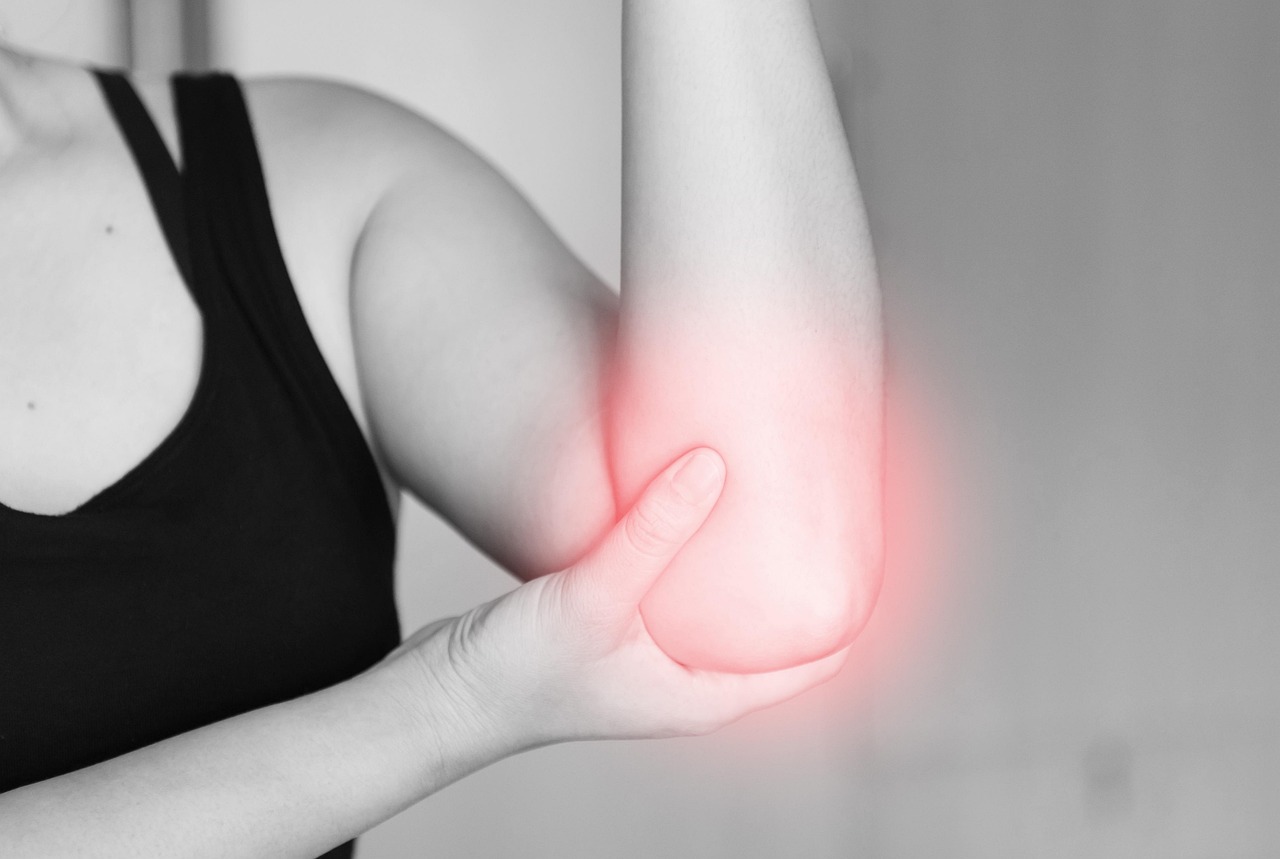
    Medical evaluation is essential when gout symptoms appear, especially during a first attack or if pain and swelling are severe. Classic signs include sudden, intense joint pain (often in the big toe), redness, warmth, and tenderness that can make even light contact unbearable. Ignoring repeated flares can allow joint damage and tophi (crystal deposits under the skin) to develop over time.

    Anyone with known high uric acid or suspected gout should seek professional advice to confirm the diagnosis and create an appropriate treatment plan. A healthcare provider can recommend blood tests, imaging, medications, and personalized dietary guidance based on individual risk factors. Prompt intervention supports better long-term outcomes and reduces the chance of permanent joint or kidney complications.

    Frequently Asked Questions

    1. Can high uric acid levels be present without any gout symptoms?

    Yes, many people have high uric acid levels (hyperuricemia) without experiencing any joint pain or gout attacks. In these cases, the condition is often discovered incidentally during routine blood tests.

    Even without symptoms, persistently high uric acid can increase long-term risk of gout, kidney stones, and kidney disease. Healthcare providers may recommend lifestyle changes, and sometimes medication, based on overall risk factors rather than symptoms alone.

    2. Does intermittent fasting affect uric acid and gout risk?

    Intermittent fasting can temporarily increase uric acid levels, particularly in the early stages, because fasting and rapid weight loss may promote breakdown of body tissues, releasing purines into the bloodstream. For some individuals prone to gout, this can potentially trigger flares if fasting is extreme or poorly managed.

    However, gradual, well-planned weight loss with adequate hydration and balanced meals during eating windows can improve metabolic health overall and may help reduce gout risk over time. Anyone with a history of gout should discuss fasting plans with a healthcare professional before making major changes.

    3. How does dehydration influence gout attacks?

    Dehydration concentrates uric acid in the blood because there is less fluid available for the kidneys to filter and excrete it. When uric acid becomes more concentrated, the likelihood of crystal formation in the joints increases, which can precipitate a gout flare.

    Staying well hydrated helps the kidneys flush out uric acid more efficiently and is a simple, non-pharmacologic strategy to support gout management. People with gout are often advised to drink water regularly throughout the day and to increase intake in hot weather or during illness.

    4. Are supplements like vitamin C or cherry extract helpful for high uric acid?

    Some research suggests that vitamin C might modestly lower uric acid levels by enhancing kidney excretion, and cherry products (juice, extract, or whole cherries) may help reduce the frequency of gout flares due to their antioxidant and anti-inflammatory properties. These effects are usually mild and work best as part of a broader lifestyle strategy rather than as stand-alone treatments.


    Source link

  • Top Hormonal Imbalance Symptoms and How Estrogen Imbalance Triggers Women’s Hormone Issues

    Top Hormonal Imbalance Symptoms and How Estrogen Imbalance Triggers Women’s Hormone Issues

    Hormonal imbalances in women occur when there is too much or too little of a hormone in the bloodstream, disrupting the body’s intricate chemical messaging system that regulates many vital functions. Recognizing the symptoms and understanding the causes of women’s hormone issuesis crucial for early diagnosis and effective management.

    This article explores common hormonal imbalance symptoms, women’s hormone issues, estrogen imbalance, and key answers to frequently asked questions, while also discussing treatment options for a well-rounded understanding.

    Hormones and Their Role in Women’s Health

    Hormones such as estrogen, progesterone, and testosterone play critical roles in regulating the menstrual cycle, reproductive functions, metabolism, mood, and overall health. Estrogen, in particular, helps maintain reproductive tissues, bone density, and skin health. These hormones interact in a delicate balance, and any disruption can trigger various symptoms and health challenges, underlying the importance of hormonal balance for women’s well-being.

    What Causes Hormonal Imbalance in Women?

    Hormonal imbalances can arise from multiple sources, according to the National Institutes of Health. These include:

    • Natural life stages such as puberty, pregnancy, perimenopause, and menopause cause fluctuating hormone levels.
    • Stress, poor diet, insufficient sleep, and lack of exercise can disrupt hormonal regulation by affecting cortisol and other hormones.
    • Medical conditions including polycystic ovary syndrome (PCOS), thyroid disorders, adrenal gland dysfunction, and insulin resistance can interfere with hormone production or processing.
    • Environmental toxins and exposure to endocrine disruptors found in plastics, pesticides, and personal care products also play a role in disturbing hormone balance.

    These causes highlight the complexity of women’s hormone issues and the need for comprehensive evaluation when symptoms appear.

    Understanding Estrogen Imbalance

    Estrogen imbalance refers to either excess or deficiency of this key hormone in the body. High estrogen levels can cause heavy or irregular menstrual bleeding, weight gain, mood swings, and breast tenderness due to its effect on the uterine lining and neurotransmitters. Low estrogen levels, common during menopause, may lead to hot flashes, vaginal dryness, osteoporosis risk, cognitive changes, and fatigue. Awareness of these estrogen imbalance symptoms helps in targeting appropriate treatment strategies and lifestyle adjustments, as per the World Health Organization.

    Recognizing Hormonal Imbalance Symptoms (Signs Your Body Is Off)

    Women may experience a diverse range of signs indicating hormonal disruption:

    • Menstrual irregularities such as missed, heavy, or unpredictable cycles.
    • Mood changes, including anxiety, irritability, depression, and mood swings.
    • Weight fluctuations and difficulty losing weight despite diet efforts.
    • Low libido and sexual dysfunction, including vaginal dryness or painful intercourse.
    • Skin problems such as acne flare-ups, dryness, hair thinning, or excessive hair growth.
    • Sleep disturbance, including insomnia, night sweats, and fatigue.
    • Digestive issues like constipation or diarrhea, sometimes linked to hormone-driven gut activity.

    Because these symptoms often overlap with other conditions, clinical investigation is advised for accurate diagnosis.

    Treatment Options for Hormonal Imbalance

    Managing hormonal imbalances symptoms involves multiple approaches tailored to the individual’s symptoms and underlying causes:

    • Hormonal birth control is frequently prescribed to regulate menstrual cycles and alleviate symptoms like heavy bleeding or painful periods. Available forms include pills, patches, rings, shots, and intrauterine devices (IUDs).
    • Hormone replacement therapy (HRT) is effective particularly for menopausal women experiencing low estrogen symptoms such as hot flashes and night sweats. Bioidentical hormone replacement therapy (BHRT) uses hormones molecularly identical to those in the body to provide personalized treatment.
    • Medications such as anti-androgens help reduce symptoms of excess male hormones in conditions like PCOS, addressing acne and unwanted hair growth.
    • Vaginal estrogen creams, tablets, or rings treat vaginal dryness and discomfort related to estrogen deficiency.
    • For women with PCOS who are trying to conceive, ovulation-inducing drugs like clomiphene (Clomid) or letrozole (Femara) and assisted reproductive technologies such as in vitro fertilization (IVF) may be utilized.
    • Thyroid hormone therapies are essential for patients with hypothyroidism or hyperthyroidism, ensuring balanced thyroid levels and improved metabolic function.
    • Lifestyle interventions are fundamental: regular exercise, such as yoga, swimming, or walking, reduces stress and supports hormone balance by boosting endorphin release.
    • Nutritional approaches include consuming adaptogenic herbs such as ashwagandha, maca root, and fenugreek, which may help regulate the endocrine system naturally.
    • Stress management techniques such as meditation and mindfulness help normalize cortisol levels and improve overall hormonal health.

    When to Seek Medical Advice

    Women noticing persistent hormonal imbalance symptoms should consult healthcare providers for hormone level testing and diagnostic evaluations. Timely intervention can prevent complications like infertility, bone loss, metabolic syndrome, or severe mood disorders. Diagnosing the specific hormonal issues enables personalized treatment plans combining medical and lifestyle measures for the best outcomes.

    Hormonal imbalance symptoms in women reflect disruptions in a complex endocrine network influenced by natural aging, medical conditions, lifestyle, and environmental factors. Estrogen imbalance significantly impacts physical, emotional, and reproductive health. Recognizing signs early and understanding the diverse causes allows women to seek appropriate care and restore hormonal balance effectively. Through a combination of targeted treatments, lifestyle changes, and ongoing care, women can maintain hormonal health and improve quality of life.

    Frequently Asked Questions

    1. How can hormonal imbalances affect long-term health in women?

    Hormonal imbalances can have significant long-term effects, including increased risk of infertility, osteoporosis due to low estrogen, pregnancy complications, and elevated risk for hormone-dependent cancers such as breast and ovarian cancer. Chronic imbalance may also contribute to metabolic disorders like diabetes and cardiovascular disease, emphasizing the importance of early diagnosis and management.​

    2. Can hormonal imbalances impact brain health and cognitive function?

    Yes, hormonal fluctuations, especially declining estrogen during menopause, are linked to neurological symptoms such as memory loss, difficulty concentrating, mood swings, and increased risk for conditions like dementia and Alzheimer’s disease. Hormones influence neurotransmitter function and brain health, making hormonal balance essential for mental well-being.​

    3. Are there natural remedies or lifestyle choices that can help prevent hormonal imbalances?

    Besides medical treatments, lifestyle factors play a strong role in hormone balance. Stress reduction techniques (meditation, yoga), consistent exercise, a balanced diet rich in whole foods, and avoiding endocrine disruptors (like certain plastics and chemicals) can support hormone health. Adaptogenic herbs such as ashwagandha and macaw may also help regulate hormones naturally when used appropriately.​

    4. How do hormonal imbalances affect pregnancy and fertility beyond menstrual irregularities?

    Hormonal imbalances can cause more than irregular cycles; they may impair ovulation and reduce fertility. Conditions like PCOS are major hormone-related causes of infertility. Hormonal disruptions during pregnancy increase risks for gestational diabetes, pre-eclampsia, miscarriages, and can affect fetal development. Timely hormonal evaluation and treatment improves pregnancy outcomes.


    Source link

  • Tumor suppressor protein Par-4 triggers unique cell death pathway in cancerous cells

    Tumor suppressor protein Par-4 triggers unique cell death pathway in cancerous cells

    A team of researchers at NYU Abu Dhabi, led by Professor Sehamuddin Galadari, has discovered that the tumor suppressor protein Prostate apoptosis response-4 (Par-4) can cause a unique type of cell death called ferroptosis in human glioblastoma — the most common and aggressive type of brain tumor — while sparing healthy cells. This new understanding has the potential to inform the development of novel treatments for various hard-to-treat cancers and neurodegenerative diseases.

    Ferroptosis is triggered by the iron-mediated production of reactive oxygen species (ROS) and subsequent lipid peroxidation, which plays a crucial role in shrinking cancerous tumors. This is the first time that Par-4, already known for killing cancer cells through apoptosis — a form of programmed cell death — has been shown to promote ferroptosis in glioblastoma cells.

    The tumor suppressor protein Par-4 is widely expressed across species, but is often reduced, mutated, or inactivated in the presence of various cancers. In the study “Tumor suppressor Par-4 activates autophagy-dependent ferroptosis,” recently published in the journal Communications Biology, the researchers identified that Par-4 plays an unanticipated role in promoting ferroptosis-mediated cancer regression. They demonstrated that Par-4 triggers the activation of ferritinophagy (autophagic degradation of ferritin) through the nuclear receptor co-activator 4 (NCOA4). This activation is necessary for the accumulation of the labile iron pool, the production of ROS, and the subsequent lipid peroxidation, all of which lead to ferroptosis.

    Ferroptosis plays a key role in various health issues, such as cancer, heart disease, brain damage, kidney failure, lung injury, and diseases like Parkinson’s, Huntington’s, and Alzheimer’s. The identification of Par-4 as a key player in ferroptosis is essential, as it is involved in the main processes and signals that make this alternative cell death pathway, ferroptosis, occur. Many types of cancer cells don’t respond to today’s treatments or have developed resistance to existing drugs therapies.

    This research was a collaborative effort between Associate Professor Mazin Magzoub’s lab at NYU Abu Dhabi and Professor Vivek M. Rangnekar from the University of Kentucky, who discovered Par-4 in 1993.

    “Our team’s discovery that Par-4 triggers ferroptosis is a breakthrough in the field of cancer treatment development,” said Galadari, who is the Senior Vice Provost for Research and Managing Director of the Research Institute at NYU Abu Dhabi. “Developing methods to activate alternative cell death pathways presents new opportunities for the creation of more potent and effective therapies for glioblastoma and other deadly and debilitating diseases.”

    “Investing in research at institutions such as NYUAD is instrumental in transforming the UAE into a knowledge-based economy that attracts local, regional, and global talent — a symbiotic relationship that creates opportunities, knowledge, and wealth,” Galadari added.

    Source link