Tag: Transform

  • The Science of Meditation: How This Ancient Practice Can Transform Your Brain

    The Science of Meditation: How This Ancient Practice Can Transform Your Brain

    Introduction to Meditation

    Meditation is an ancient practice that has been used for thousands of years to cultivate mental, emotional, and physical well-being. The practice involves training your mind to focus, relax, and become more aware of your thoughts, feelings, and bodily sensations. Meditation has been used by various cultures and spiritual traditions to achieve a range of benefits, from reducing stress and anxiety to increasing focus, creativity, and overall sense of well-being. In recent years, the scientific community has taken a keen interest in the effects of meditation on the brain, and the results have been nothing short of remarkable.

    The History of Meditation

    Meditation has its roots in ancient Eastern cultures, where it was used as a spiritual practice to achieve enlightenment and inner peace. The practice was first mentioned in the Hindu scriptures, the Vedas, around 1500 BCE. From there, it spread to other Eastern cultures, including Buddhism, Taoism, and Confucianism. In the Western world, meditation was initially met with skepticism, but as the scientific community began to study its effects, it has become increasingly popular as a tool for improving mental and physical health.

    The Science Behind Meditation

    So, what happens in the brain when we meditate? Research has shown that meditation can alter the structure and function of the brain in several ways. One of the key areas affected by meditation is the prefrontal cortex, which is responsible for decision-making, planning, and problem-solving. Regular meditation has been shown to increase the thickness of the prefrontal cortex, leading to improved cognitive function and better emotional regulation. Meditation also affects the default mode network, which is responsible for our tendency to ruminate and worry. By reducing activity in this network, meditation can help reduce stress and anxiety.

    The Benefits of Meditation

    The benefits of meditation are numerous and well-documented. Some of the most significant advantages of regular meditation practice include:

    • Reduced stress and anxiety: Meditation has been shown to decrease the production of stress hormones like cortisol, leading to a sense of calm and relaxation.
    • Improved sleep: Meditation can help regulate sleep patterns and improve the quality of sleep.
    • Increased focus and concentration: By training the mind to focus, meditation can improve attention and reduce mind-wandering.
    • Boosted mood: Meditation has been shown to increase the production of neurotransmitters like serotonin and dopamine, which can help alleviate symptoms of depression.
    • Improved emotional regulation: Meditation can help us become more aware of our emotions and thoughts, making it easier to manage stress and anxiety.

    Types of Meditation

    There are many different types of meditation, each with its unique benefits and techniques. Some of the most popular types of meditation include:

    • Mindfulness meditation: This type of meditation involves paying attention to the present moment, without judgment or distraction.
    • Loving-kindness meditation: This type of meditation involves cultivating feelings of love, compassion, and kindness towards oneself and others.
    • Transcendental meditation: This type of meditation involves the use of a mantra to quiet the mind and access a deeper state of consciousness.
    • Movement meditation: This type of meditation involves combining physical movement, such as yoga or tai chi, with a meditative state of mind.

    How to Start a Meditation Practice

    Starting a meditation practice can be intimidating, but it’s easier than you think. Here are some tips to get you started:

    • Start small: Begin with short meditation sessions, such as 5-10 minutes, and gradually increase the duration as you become more comfortable with the practice.
    • Find a quiet space: Identify a quiet, comfortable space where you can meditate without distractions.
    • Use a guided meditation: Guided meditations can be a great way to get started, as they provide a gentle and soothing voice to lead you through the practice.
    • Be consistent: Try to meditate at the same time every day, so it becomes a habit.

    The Role of Meditation in Mental Health

    Meditation has been shown to have a positive impact on mental health, particularly in the treatment of anxiety and depression. By reducing stress and anxiety, meditation can help alleviate symptoms of these conditions. Additionally, meditation can help improve emotional regulation, which can be particularly beneficial for individuals with borderline personality disorder or post-traumatic stress disorder (PTSD).

    The Impact of Meditation on Physical Health

    Meditation has also been shown to have a positive impact on physical health. Regular meditation practice has been linked to:

    • Lower blood pressure: Meditation has been shown to decrease blood pressure and reduce the risk of heart disease.
    • Improved immune function: Meditation has been shown to boost the immune system, reducing the risk of illness and infection.
    • Reduced chronic pain: Meditation has been shown to reduce chronic pain by increasing the production of natural painkillers in the brain.
    • Improved cognitive function: Meditation has been shown to improve cognitive function, particularly in older adults.

    Conclusion

    Meditation is a powerful tool that can transform your brain and improve your overall well-being. By reducing stress and anxiety, improving emotional regulation, and boosting mood, meditation can have a significant impact on both mental and physical health. With its rich history, scientific backing, and numerous benefits, meditation is an practice that is worth exploring. Whether you’re looking to reduce stress, improve focus, or simply feel more calm and relaxed, meditation is a practice that can help you achieve your goals.

    FAQs

    Q: What is meditation, and how does it work?
    A: Meditation is a practice that involves training your mind to focus, relax, and become more aware of your thoughts, feelings, and bodily sensations. It works by altering the structure and function of the brain, leading to improved cognitive function, emotional regulation, and overall well-being.

    Q: What are the benefits of meditation?
    A: The benefits of meditation include reduced stress and anxiety, improved sleep, increased focus and concentration, boosted mood, and improved emotional regulation.

    Q: How do I start a meditation practice?
    A: Start by finding a quiet space, using a guided meditation, and beginning with short sessions. Be consistent and try to meditate at the same time every day.

    Q: Can meditation help with mental health conditions?
    A: Yes, meditation has been shown to have a positive impact on mental health, particularly in the treatment of anxiety and depression.

    Q: Can meditation improve physical health?
    A: Yes, meditation has been linked to lower blood pressure, improved immune function, reduced chronic pain, and improved cognitive function.

    Q: How long does it take to see the benefits of meditation?
    A: The benefits of meditation can be seen after just a few weeks of regular practice, but consistent practice is necessary to experience long-term benefits.

    Q: Can anyone meditate?
    A: Yes, anyone can meditate, regardless of age, background, or experience. Meditation is a practice that can be adapted to suit individual needs and goals.


  • Sweat, Succeed, Repeat: 10 Fitness Challenges to Transform Your Body (Target keywords: fitness challenges, body transformation)

    Sweat, Succeed, Repeat: 10 Fitness Challenges to Transform Your Body (Target keywords: fitness challenges, body transformation)

    She’s always been fascinated by the world of fitness, and the countless ways it can transform a person’s life. For those looking to push their bodies to the limit and achieve a stunning body transformation, there’s no shortage of fitness challenges to try. From marathon running to weightlifting, the options are endless, and the sense of accomplishment that comes with completing one is unparalleled.

    One of the most significant benefits of taking on fitness challenges is the physical transformation that occurs. Regular exercise and a healthy diet can work wonders on the body, melting away fat, building muscle, and increasing overall strength and endurance. But it’s not just about the physical benefits – fitness challenges can also have a profound impact on mental health, boosting confidence, reducing stress, and improving overall wellbeing.

    For those just starting out on their fitness journey, it can be daunting to know where to begin. With so many different types of fitness challenges out there, it’s essential to choose one that’s tailored to your specific goals and fitness level. Whether you’re a seasoned athlete or a complete beginner, there’s a fitness challenge out there to suit your needs.

    Fitness Challenges for Beginners

    For those new to the world of fitness, it’s essential to start with challenges that are achievable and won’t put too much strain on the body. Some excellent options for beginners include:

    • Couch to 5K: A running program designed for complete beginners, which gradually increases in intensity over time.
    • Bodyweight exercises: A series of exercises that use the weight of your own body as resistance, such as push-ups, squats, and lunges.
    • Yoga challenges: A series of yoga poses and routines designed to improve flexibility, balance, and overall wellbeing.

    Fitness Challenges for Intermediate Athletes

    For those with a bit more experience under their belt, there are plenty of fitness challenges that can help take their training to the next level. Some excellent options include:

    • Marathon training: A structured program designed to help runners build up the endurance and stamina needed to complete a full marathon.
    • Weightlifting challenges: A series of exercises and routines designed to increase strength and muscle mass.
    • High-Intensity Interval Training (HIIT): A type of workout that involves short bursts of intense exercise, followed by brief periods of rest.

    Fitness Challenges for Advanced Athletes

    For seasoned athletes looking for a new challenge, there are plenty of options to choose from. Some excellent examples include:

    • Triathlon training: A program designed to help athletes complete a triathlon, which involves swimming, cycling, and running.
    • Ultra-marathon training: A structured program designed to help runners build up the endurance and stamina needed to complete an ultra-marathon.
    • Strength training challenges: A series of exercises and routines designed to increase overall strength and muscle mass.

    The Importance of Nutrition

    While fitness challenges are an excellent way to transform your body, a healthy diet is also essential for achieving optimal results. A balanced diet that’s rich in protein, complex carbohydrates, and healthy fats can help fuel your workouts, aid in recovery, and support overall health and wellbeing.

    Some excellent nutrition tips for those taking on fitness challenges include:

    • Eating plenty of protein: Protein is essential for building and repairing muscle tissue, making it a crucial component of any fitness diet.
    • Staying hydrated: Drinking plenty of water is essential for staying hydrated and aiding in recovery.
    • Avoiding processed foods: Processed foods are high in sugar, salt, and unhealthy fats, making them a poor choice for those looking to transform their body.

    Staying Motivated

    One of the biggest challenges of taking on a fitness challenge is staying motivated. It’s easy to get discouraged when progress is slow, or when the going gets tough. However, with the right mindset and support, it’s possible to overcome these obstacles and achieve your goals.

    Some excellent tips for staying motivated include:

    • Finding a workout buddy: Having someone to hold you accountable and share the experience with can make all the difference.
    • Tracking progress: Keeping track of your progress, whether it’s through photos, measurements, or workouts, can help you see how far you’ve come.
    • Rewarding yourself: Treating yourself to something special after reaching a milestone can help keep you motivated and engaged.

    Conclusion

    Taking on fitness challenges is an excellent way to transform your body and improve your overall health and wellbeing. With so many different types of challenges to choose from, there’s something to suit every fitness level and goal. Whether you’re a seasoned athlete or a complete beginner, the sense of accomplishment that comes with completing a fitness challenge is unbeatable. So why not give it a try? With the right mindset, support, and nutrition, you can achieve a stunning body transformation and take your fitness to the next level.

    FAQs

    • What’s the best way to get started with fitness challenges?
      The best way to get started with fitness challenges is to choose one that’s tailored to your specific goals and fitness level. Whether you’re a seasoned athlete or a complete beginner, there’s a fitness challenge out there to suit your needs.
    • How do I stay motivated during a fitness challenge?
      Staying motivated during a fitness challenge can be tough, but there are several things you can do to help. Finding a workout buddy, tracking progress, and rewarding yourself can all help keep you motivated and engaged.
    • What’s the importance of nutrition during a fitness challenge?
      A healthy diet is essential for achieving optimal results during a fitness challenge. Eating plenty of protein, staying hydrated, and avoiding processed foods can all help fuel your workouts, aid in recovery, and support overall health and wellbeing.
    • Can I do fitness challenges at home?
      Yes, many fitness challenges can be done from the comfort of your own home. Bodyweight exercises, yoga challenges, and HIIT workouts are all excellent options that can be done without any special equipment.
    • How long does it take to see results from a fitness challenge?
      The amount of time it takes to see results from a fitness challenge can vary depending on the type of challenge and your individual goals. However, with consistent effort and dedication, it’s possible to see significant results in as little as a few weeks.

    sweat-succeed-repeat-10-fitness-challenges-to-transform-your-body-target-keywords-fitness-challenges-body-transformation

  • Stand Tall: How Better Posture Can Transform Your Workout Routine

    Stand Tall: How Better Posture Can Transform Your Workout Routine

    She knows that having good posture is essential for both physical and mental well-being. When she stands tall, she exudes confidence and feels more energized throughout the day. But did she know that better posture can also transform her workout routine? It’s true – proper posture is the foundation of a safe and effective exercise program. In this article, she’ll explore how improving her posture can take her workouts to the next level.

    ## The Importance of Posture in Exercise
    He understands that posture is often overlooked in the fitness world, but it plays a critical role in maintaining proper form and preventing injuries. When she has good posture, she’s able to engage the correct muscles and maintain balance, which reduces the risk of straining or pulling something. This is especially important during strenuous exercises like weightlifting or high-impact aerobics. By standing tall and maintaining proper alignment, she can ensure that she’s getting the most out of her workout while minimizing the risk of injury.

    ## How Better Posture Can Improve Workout Performance
    She’s curious about how better posture can improve her workout performance. The answer lies in the way her body moves when she has good posture. When she stands tall, she’s able to generate more power and force, which translates to better performance in the gym. For example, during squats or deadlifts, proper posture allows her to lift heavier weights and maintain control throughout the entire range of motion. This means she can challenge herself and see greater gains in strength and muscle mass. Additionally, good posture can improve her endurance and reduce fatigue, allowing her to push herself harder and longer during cardio exercises.

    ## The Benefits of Good Posture for Common Exercises
    He wants to know how good posture can benefit common exercises like running, cycling, or swimming. The truth is, proper posture is essential for optimal performance in these activities. For runners, good posture helps to reduce the impact on joints and improve breathing, which can increase endurance and speed. Cyclists with good posture are able to generate more power and efficiency, which can improve their overall performance and reduce the risk of injury. And for swimmers, proper posture helps to reduce drag and improve stroke efficiency, which can increase speed and reduce fatigue.

    ## Tips for Improving Posture During Exercise
    She’s eager to learn some tips for improving her posture during exercise. One of the most effective ways to improve posture is to engage her core muscles. This can be done by drawing her belly button towards her spine and maintaining a slight pelvic tilt. Additionally, she should focus on keeping her shoulders relaxed and down, avoiding scrunching them up towards her ears. It’s also essential to maintain proper alignment, keeping her ears, shoulders, hips, and ankles in a straight line. By following these tips, she can improve her posture and get the most out of her workout.

    ## Exercises to Improve Posture
    He’s interested in learning about exercises that can help improve his posture. There are several exercises that can help strengthen the muscles that support good posture, including the core, shoulders, and back. One of the most effective exercises is the plank, which helps to strengthen the core and improve posture. Other exercises like shoulder rolls, chest stretches, and cat-cow stretches can also help to improve flexibility and reduce tension in the muscles that support posture. By incorporating these exercises into his routine, he can improve his posture and reduce the risk of injury.

    ## Common Posture Mistakes to Avoid
    She wants to know about common posture mistakes to avoid during exercise. One of the most common mistakes is arching the back or leaning forward, which can put strain on the spine and lead to injury. Another mistake is letting the shoulders roll forward or scrunching them up towards the ears, which can lead to tension and poor posture. Additionally, failing to engage the core muscles or maintain proper alignment can also lead to poor posture and reduce the effectiveness of the exercise. By being mindful of these common mistakes, she can avoid them and maintain good posture throughout her workout.

    ## The Impact of Poor Posture on Workout Routine
    He’s curious about the impact of poor posture on his workout routine. The truth is, poor posture can have a significant impact on the effectiveness and safety of his workouts. When he has poor posture, he’s more likely to experience fatigue, strain, and injury, which can sideline him and prevent him from reaching his fitness goals. Additionally, poor posture can reduce the effectiveness of his workouts, making it more difficult to see gains in strength and muscle mass. By improving his posture, he can avoid these negative consequences and get the most out of his workout routine.

    ## How to Maintain Good Posture Throughout the Day
    She wants to know how to maintain good posture throughout the day, not just during exercise. The key is to be mindful of her posture and make adjustments throughout the day. One way to do this is to set reminders to stand up straight and relax her shoulders. She can also incorporate posture-friendly habits into her daily routine, such as taking regular breaks to stretch and move around. Additionally, she can make adjustments to her workspace and home environment to promote good posture, such as using an ergonomic chair or placing her computer monitor at eye level. By being mindful of her posture and making these adjustments, she can maintain good posture throughout the day and improve her overall health and well-being.

    ## Conclusion
    In conclusion, better posture can transform her workout routine by improving performance, reducing the risk of injury, and increasing endurance. By incorporating good posture into her exercise routine, she can get the most out of her workouts and achieve her fitness goals. Whether she’s a seasoned athlete or just starting out, good posture is essential for optimal performance and safety. By following the tips and exercises outlined in this article, she can improve her posture and take her workouts to the next level.

    ## FAQs
    Q: What are the benefits of good posture for exercise?
    A: Good posture can improve workout performance, reduce the risk of injury, and increase endurance. It can also help to engage the correct muscles and maintain balance, which reduces the risk of straining or pulling something.

    Q: How can I improve my posture during exercise?
    A: One of the most effective ways to improve posture is to engage your core muscles and maintain proper alignment. You can also focus on keeping your shoulders relaxed and down, avoiding scrunching them up towards your ears.

    Q: What are some common posture mistakes to avoid during exercise?
    A: Common posture mistakes to avoid include arching the back or leaning forward, letting the shoulders roll forward or scrunching them up towards the ears, and failing to engage the core muscles or maintain proper alignment.

    Q: Can poor posture impact my workout routine?
    A: Yes, poor posture can have a significant impact on the effectiveness and safety of your workouts. It can lead to fatigue, strain, and injury, which can sideline you and prevent you from reaching your fitness goals.

    Q: How can I maintain good posture throughout the day?
    A: To maintain good posture throughout the day, be mindful of your posture and make adjustments throughout the day. You can set reminders to stand up straight and relax your shoulders, incorporate posture-friendly habits into your daily routine, and make adjustments to your workspace and home environment to promote good posture.
    stand-tall-how-better-posture-can-transform-your-workout-routine

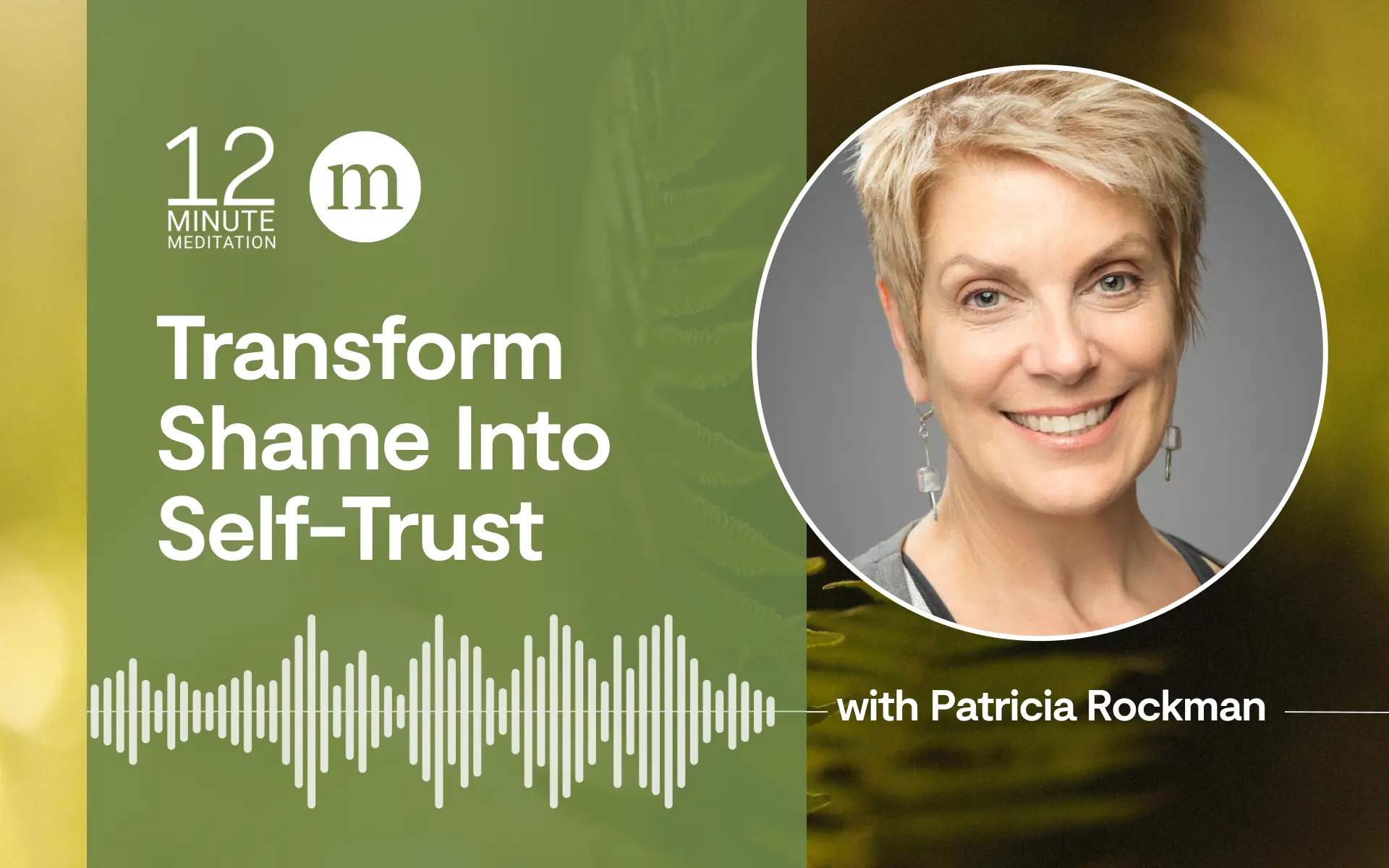
  • 12 Minute Meditation: Transform Shame Into Self-Trust

    12 Minute Meditation: Transform Shame Into Self-Trust

    Exploring difficult emotions and experiences may be the key to loosening their hold over us. Gentle awareness of our inner world allows us to transform shame in this practice from Patricia Rockman, MD.

    Becoming familiar with a difficult emotion means getting interested and curious about the experience, like you might do when visiting a new city. Take it slow, uncovering new “territory” a bit at a time instead of trying to get to know it all at once. As you navigate shame, you learn that you can sit with uncomfortable feelings, and that they will eventually pass. Over time, you develop resilience, self-knowledge, and trust in yourself—the best antidotes to the self-judgment that shame inspires.

    Thoughts and feelings are larger and scarier when they’re left unexplored and kept in the shadows.

    Whether you’re experiencing feelings of shame right now or have buried shame that you’ve been avoiding, are you willing to get to know it a bit better? Remember, thoughts and feelings are larger and scarier when they’re left unexplored and kept in the shadows.

    12-Minute Meditation: Transform Shame Into Self-Trust

    1. Take a comfortable meditation posture, eyes closed if comfortable. Begin by bringing attention to the body sitting. Attending to the base of the body as it makes contact with the surface you are resting on. Allowing the jaw to soften, shoulder blades sliding down the back and hands at rest in the lap or on your thighs.
    2. Turn your attention to the sensations of breathing at the level of the belly. Attending to the in-breath and the out-breath, the rising and falling of the abdomen. Perhaps letting the breath move in and out of the body naturally, as best you can.
    3. And now, gently bringing to mind an experience or memory, a time in which you felt shame. Maybe it was something you did or something that someone else said about you or to you. Whatever it is, turning toward this memory, experience, or situation gently, as best you can, checking in with what thoughts are present, what emotions, and what body sensations.
    4. Without needing to change or fix anything, beginning to explore what is arising or what is here right now. If there are specific thoughts, as best you can, experiencing them as sensations of the mind, as events that come and go. If there are emotions, naming or labeling them as they make themselves known. Saying to yourself, “Shame is here,” or fear, anxiety, or guilt, whatever it is, and staying with these for a few moments.
    5. And now, shifting your attention to any associated sensations in the body. Investigate these with friendly interest, getting curious about them, even if they’re unwanted or intense, really getting to know them, if that is possible in this moment.
    6. If the sensations are particularly intense or strong, saying to yourself, “This is a moment of difficulty. I can be with this, it’s already here.” If it is helpful, breathing into the sensations, expanding on the in-breath and softening on the out-breath, staying with these sensations as long as they are capturing your attention.
    7. If this is too difficult or feels overwhelming, there is always the choice to return your attention to the breath at the belly or to open your eyes, letting go of this practice. Otherwise, continuing with this attention to the sensations in the body…
    8. And now, returning to the sensations of breathing in the abdomen, to the rising and falling of the belly with each breath, breathing in and breathing out.
    9. And when you’re ready, bringing attention to the entire body, to any and all sensations, resting here in a more spacious awareness, if this is available.
    10. Then gently, with this shameful experience in the background now, asking yourself: Can I let this be as it is? (It’s already here, after all.) Can I let it go? (It’s already happened.) Does it need addressing? Do I have to take an action? If so, what? Can I shift my attitude, bringing a different perspective to this experience? And then gently opening the eyes if they have been closed and letting go of this practice.


    Source link

  • The Journaling Habit: How Writing Down Your Thoughts Can Transform Your Life

    The Journaling Habit: How Writing Down Your Thoughts Can Transform Your Life

    The Journaling Habit: How Writing Down Your Thoughts Can Transform Your Life

    In today’s fast-paced world, it’s easy to get caught up in the hustle and bustle of daily life and lose sight of what’s truly important. With the constant barrage of social media updates, email notifications, and texts, it’s a wonder we can even speak, let alone think, let alone write. But writing down your thoughts can be a powerful tool for reflecting, processing, and gaining clarity on the chaos that surrounds us.

    The Benefits of Journaling

    Research has shown that journaling can have a profound impact on both physical and mental health. By putting pen to paper (or finger to keyboard), we can:

    • Reduce stress and anxiety: Studies have shown that journaling can lower cortisol levels, blood pressure, and heart rate, leading to a overall sense of calm and relaxation.
    • Improve mood: Writing down our thoughts and feelings can help us process and release negative emotions, leading to a more positive outlook and increased self-awareness.
    • Enhance creativity: Journaling can help us tap into our inner wisdom, sparking new ideas and insights that might have otherwise gone unexplored.
    • Gain clarity and perspective: By putting our thoughts and feelings into words, we can gain a deeper understanding of ourselves, our goals, and our priorities, making it easier to make decisions and move forward.
    • Improve sleep: Writing in a journal before bed can help us wind down, clear our minds, and prepare for a restful night’s sleep.

    How to Get Started with Journaling

    So, how do we get started with this powerful practice? Here are a few simple steps to get you started:

    • Choose a journal: Pick a journal that feels comfortable to you – it can be a traditional paper journal or a digital app on your phone or computer. Choose one that you enjoy using and that fits your style.
    • Set a schedule: Commit to a regular writing routine – this could be daily, every other day, or weekly. Consistency is key to seeing benefits.
    • Start simple: Don’t worry too much about grammar, spelling, or perfection. Just write. Write whatever comes to mind, whatever is on your chest. Just get it down.
    • Don’t edit or censor: This is your space to express yourself honestly and authentically. Don’t worry about what others might think or whether what you’re writing is "good enough".

    Common Journaling Myths

    There are several myths surrounding journaling that can hold us back from embracing this powerful practice. Let’s set the record straight:

    • Myth: Journaling is only for artists or creatives: Not true! Journaling is for anyone who wants to reflect, process, and gain clarity on their thoughts and feelings.
    • Myth: Journaling is only for morning or night: Not true! You can journal at any time that works for you – in the morning, during your lunch break, or before bed.
    • Myth: Journaling is only for writing down your "deep, meaningful thoughts": Not true! Journaling is about getting your thoughts and feelings down on paper, no matter how silly, mundane, or mundane they may seem.

    Conclusion

    In conclusion, journaling is a powerful tool that can transform your life in profound ways. By setting aside time to reflect, process, and gain clarity on your thoughts and feelings, you can reap the many benefits of journaling, from reduced stress and anxiety to improved mood and creativity. So why not give it a try? Choose a journal that feels right for you, commit to a regular routine, and start writing. You might be surprised at just how transformative this simple practice can be.

    FAQs

    Q: How long should I journal for?
    A: Start with a manageable amount of time – 10-15 minutes a day. As you get into the habit, you can gradually increase the frequency or duration.

    Q: What if I struggle to write anything?
    A: That’s okay! Sometimes it’s tough to get started. Try freewriting – write whatever comes to mind, no matter how silly or mundane. This can help get your creative juices flowing.

    Q: Is it better to journal at the same time every day?
    A: Yes! Consistency is key to seeing benefits. Try to journal at the same time every day, whether it’s morning, afternoon, or evening.

    Q: Can I journal on my phone?
    A: Absolutely! There are many digital journaling apps available, including Day One, Evernote, and Penzu. Choose one that works for you and your style.

    Q: Can I use bullet points and lists in my journal?
    A: Absolutely! Sometimes a list or bullet point can be a great way to get your thoughts and feelings organized and clear. Don’t be afraid to mix it up and try different formats to see what works best for you.

  • Transform Your Career: Strategies for Achieving Professional Fulfillment

    Transform Your Career: Strategies for Achieving Professional Fulfillment

    Transform Your Career: Strategies for Achieving Professional Fulfillment

    Are you feeling stuck in your current job, wondering how to break free from the monotony and cultivate a sense of purpose and fulfillment? You’re not alone. Many of us have been there, feeling trapped, uninspired, and searching for a way out. But the good news is that it’s never too late to make a change. In this article, we’ll explore various strategies for transforming your career and achieving professional fulfillment.

    I. Identify Your Why

    Before embarking on a journey to transform your career, it’s essential to understand why you want to make a change. What drives you? What motivates you? What are your values, passions, and strengths? Take some time to reflect on your values, interests, and long-term goals. What kind of work environment do you want to be in? What kind of tasks do you want to perform? By clarifying your "why," you’ll be better equipped to make informed decisions about your career path.

    II. Explore New Opportunities

    Once you’ve identified your why, it’s time to explore new opportunities. This can mean searching for job openings, attending industry conferences, networking, or taking courses to upskill. Be open to trying new things and stepping out of your comfort zone. Consider freelancing, volunteering, or taking on a side project to gain new experiences and build your network.

    III. Build a Support Network

    Surround yourself with people who inspire and motivate you. Join online communities, attend industry events, or participate in professional associations. Having a supportive network can help you stay focused, motivated, and inspired. You can also share your goals with a mentor or accountability partner to help stay on track.

    IV. Develop a Growth Mindset

    A growth mindset is essential for career transformation. Be willing to learn, adapt, and evolve. Focus on developing new skills, taking calculated risks, and embracing failure as an opportunity for growth. Practice self-reflection, and be honest with yourself about your strengths and areas for improvement.

    V. Foster a Positive Work-Life Balance

    Achieving a positive work-life balance is crucial for overall well-being and career fulfillment. Set boundaries, prioritize self-care, and establish a routine that nourishes both your body and mind. Remember, work-life balance is not just about achieving more, but about living a more intentional life.

    VI. Cultivate a Sense of Purpose

    Finally, cultivate a sense of purpose. Ask yourself, "What am I here for?" Find ways to align your work with your values and passions. This can help you feel more fulfilled, motivated, and inspired. Celebrate small wins, and acknowledge your progress along the way.

    VII. Break Free from Fear and Perfectionism

    Fear and perfectionism can hold us back from taking the necessary steps to transform our careers. Break free from these barriers by practicing self-compassion, reframing failure as an opportunity, and focusing on progress rather than perfection.

    VIII. Conclusion

    Transforming your career requires courage, resilience, and a willingness to take calculated risks. By identifying your why, exploring new opportunities, building a support network, developing a growth mindset, fostering a positive work-life balance, cultivating a sense of purpose, and breaking free from fear and perfectionism, you can achieve professional fulfillment. Remember, it’s a journey, not a destination. Stay committed, adaptable, and open to growth, and you’ll be well on your way to a more fulfilling career.

    FAQs

    • How do I know what I want to do?

      • Start by reflecting on your values, interests, and long-term goals. What kind of work environment do you want to be in? What kind of tasks do you want to perform?
    • What if I’m running out of passion and energy for my current job?

      • It’s normal to experience burnout or flag. Take a step back, assess your situation, and consider seeking support from a therapist, coach, or career counselor.
    • How do I get started?

      • Begin by identifying your why, then start exploring new opportunities, building a support network, and developing a growth mindset. Celebrate small wins along the way, and be patient with the process.
    • What if I’m afraid to take the leap?

      • Fear is normal. Write down your fears, then challenge each one. Focus on the benefits of taking the leap, such as increased fulfillment, growth, and potential for change.

    Remember, transforming your career is a journey, and it’s okay to take it one step at a time. By embracing these strategies, you’ll be well on your way to achieving professional fulfillment and living a more intentional, purposeful life.

  • From Fear to Confidence: How Positive Thinking Can Transform Your Career

    From Fear to Confidence: How Positive Thinking Can Transform Your Career

    From Fear to Confidence: How Positive Thinking Can Transform Your Career

    Are you tired of feeling nervous, anxious, and self-doubting about your career? Do you often find yourself second-guessing your abilities and worried about making mistakes? You’re not alone. Many of us struggle with imposter syndrome, fear of failure, and self-doubt, which can hold us back from reaching our full potential. However, the good news is that positive thinking can be a game-changer in transforming your career and helping you achieve confidence and success.

    The Power of Positive Thinking

    Positive thinking is the practice of focusing on the positive aspects of a situation, rather than dwelling on the negative. It’s a powerful tool that can help you overcome self-doubt, build confidence, and achieve your goals. Research has shown that people who practice positive thinking tend to be more optimistic, resilient, and successful in their personal and professional lives.

    How Positive Thinking Can Transform Your Career

    So, how can positive thinking transform your career? Here are a few ways:

    • Boosts Confidence: When you focus on the positive, you begin to see yourself in a more positive light. You start to recognize your strengths, accomplishments, and abilities, which boosts your confidence and gives you the courage to tackle new challenges.
    • Improves Performance: With increased confidence, you’re more likely to take on new responsibilities, innovate, and try new approaches, which can lead to better performance reviews, promotions, and career advancement.
    • Buys You Time: When you’re positive and focused, you’re more likely to take calculated risks, rather than playing it safe. This can help you seize opportunities and stay ahead of the competition.
    • Enhances Resilience: Positive thinking helps you bounce back from setbacks, failures, and rejections. It allows you to learn from mistakes, and try again, rather than getting discouraged and giving up.
    • Strengthens Networks: When you exude confidence and positivity, others are more likely to notice and be drawn to you, leading to stronger professional relationships, mentorship, and potential job opportunities.

    Overcoming Fear and Self-Doubt

    So, how do you overcome fear and self-doubt to unlock the benefits of positive thinking? Here are a few strategies to help you get started:

    • Reframe Negative Thoughts: The next time you catch yourself thinking negative thoughts, challenge them by reframing them in a positive light. For example, instead of "I’ll never be good enough," try "I’ll learn and grow from this experience."
    • Practice Self-Care: Take care of your physical, emotional, and mental well-being. Get enough sleep, exercise regularly, and engage in activities that bring you joy and relaxation.
    • Set Realistic Goals: Break down large goals into smaller, achievable steps. Celebrate your successes, no matter how small, to build momentum and confidence.
    • Seek Support: Surround yourself with positive and supportive people who encourage and believe in you.
    • Ask for Help: Don’t be afraid to ask for help when you need it. Seek guidance from mentors, coaches, or peers who can offer valuable insights and advice.

    Conclusion

    From fear to confidence, positive thinking can be a powerful catalyst for transformation in your career. By reframing negative thoughts, practicing self-care, setting realistic goals, seeking support, and asking for help, you can overcome self-doubt and unlock your full potential. Remember, confidence is not the absence of fear, but the willingness to take action despite it. Start your journey towards positive thinking and confidence-building today, and watch your career soar to new heights.

    FAQs

    Q: Is positive thinking just a matter of attitude?
    A: While attitude plays a significant role, positive thinking is a practice that requires intentional effort and discipline.

    Q: Can anyone learn to think positively?
    A: Yes, anyone can learn to think positively. It’s a skill that can be developed with practice and patience.

    Q: How long does it take to see results?
    A: The time it takes to see results varies, but with consistent effort, you can start to notice improvements in your mood, energy, and performance within a few weeks.

    Q: Is positive thinking a one-size-fits-all solution?
    A: While positive thinking is a universal principle, everyone’s journey is unique, and what works for one person may not work for another. Be patient, and experiment with different approaches to find what works best for you.

    Q: Can positive thinking fix all my problems?
    A: While positive thinking can help you navigate challenges, it’s not a silver bullet. It’s just one of many tools to help you overcome obstacles and achieve success. Be realistic about the potential outcomes and challenges you’ll face.

  • The Self-Care Revolution: How Embracing Self-Love Can Transform Your Life

    The Self-Care Revolution: How Embracing Self-Love Can Transform Your Life

    The Self-Care Revolution: How Embracing Self-Love Can Transform Your Life

    What is Self-Care?

    In today’s fast-paced world, self-care is no longer a luxury, but a necessity. With the constant pressure to constantly be productive, achieving success, and maintaining a perfect image, it’s easy to neglect one’s own well-being. Self-care is the practice of intentionally taking care of oneself, encompassing physical, emotional, and mental well-being. By taking care of ourselves, we can improve our overall health, increase resilience, and enhance our capacity to live a happy and fulfilling life. The self-care revolution is about making self-love a priority, and it’s about time we started doing it.

    Why is Self-Care Important?

    Self-care is important because it:

    • Reduces stress: Chronic stress can lead to burnout, anxiety, and depression. Engaging in self-care activities helps to regulate stress levels, promoting a sense of calm and well-being.
    • Boosts self-esteem: By prioritizing self-care, we recognize our worth and value, leading to increased self-esteem and confidence.
    • Improves mental health: Self-care can help alleviate symptoms of mental health conditions, such as anxiety, depression, and post-traumatic stress disorder (PTSD).
    • Enhances relationships: When we prioritize our own well-being, we become more present, patient, and empathetic in our relationships, leading to stronger, more meaningful connections.
    • Supports physical health: Regular self-care can reduce symptoms of chronic illnesses, such as migraines, insomnia, and digestive issues, and may even reduce the risk of developing chronic diseases.

    Practical Ways to Practice Self-Care

    1. Mindfulness meditation: Practice mindfulness meditation to calm the mind, reduce stress, and increase self-awareness.
    2. Exercise: Engage in physical activities that bring you joy, such as yoga, dancing, or hiking, to reduce stress and boost mood.
    3. Journaling: Write down your thoughts, emotions, and gratitudes to process your experiences and gain clarity.
    4. Digital detox: Set boundaries with technology to reduce screen time and increase presence in your daily life.
    5. Self-compassion: Practice self-compassion by treating yourself with kindness, understanding, and patience.
    6. Boundary setting: Establish healthy boundaries with others to maintain a sense of control and self-respect.
    7. Self-care rituals: Create personal rituals, such as taking a relaxing bath, reading a book, or enjoying a cup of tea, to signal self-care.
    8. Seek professional help: When needed, seek the help of mental health professionals, such as therapists, counselors, or coaches, to support your self-care journey.

    Overcoming Obstacles to Self-Care

    1. Guilt and shame: Let go of guilt and shame associated with self-care, recognizing it’s essential for your well-being.
    2. Perfectionism: Release the pressure to be perfect, allowing yourself to make mistakes and prioritize self-care.
    3. Lack of time: Schedule self-care into your day, even if it’s just 10-15 minutes, to make it a priority.
    4. Societal pressure: Reframe societal pressures that promote self-sacrifice and perfection, recognizing your worth isn’t tied to others’ expectations.

    The Self-Care Revolution: A Call to Action

    As we envision a world where self-care is the norm, it’s essential to:

    • Acknowledge the importance of self-love: Recognize the value of self-care and its impact on our overall well-being.
    • Embrace imperfection: Embrace the idea that self-care is not a one-size-fits-all solution, and it’s okay to adjust and adapt your approach as needed.
    • Prioritize self-care: Schedule self-care into your daily routine, just as you would any other important appointment.
    • Be patient and compassionate with yourself: Practice self-compassion, recognizing that self-care is a journey, not a destination.

    Conclusion

    The self-care revolution is not just a trend; it’s a movement. By prioritizing self-love, we can transform our lives, improve our well-being, and enhance our relationships. Remember, self-care is not selfish; it’s essential. Take the first step today towards a more mindful, compassionate, and happy you.

    Frequently Asked Questions

    Q: What is self-care, and how do I get started?
    A: Self-care is the practice of intentionally taking care of oneself, which includes physical, emotional, and mental well-being. Start by scheduling time for self-care, even if it’s just 10-15 minutes a day, and try activities that bring you joy and relaxation.

    Q: How do I know what self-care activities work for me?
    A: Experiment with different activities, such as meditation, exercise, or journaling, and see what resonates with you. Reflect on what makes you feel good, relaxed, and energized.

    Q: What are some self-care tips for busy individuals?
    A: Prioritize, prioritize, prioritize! Schedule self-care into your day, even if it’s just a quick 10-minute break. Use your commute, lunch break, or spare moments to practice self-care.

    Q: How can I make self-care a habit?
    A: Start small and be consistent. Incorporate self-care into your daily routine, and make it a non-negotiable part of your day.

    Q: What if I’m struggling to find time for self-care?
    A: Re-evaluate your priorities and schedule. Self-care is essential for overall well-being, so make it a priority. Ask for help when needed, and be patient with yourself as you adjust to new habits.

    Remember, the self-care revolution is about embracing self-love and prioritizing your well-being. Take the first step today, and watch how it transforms your life.

  • The Power of Giving Back: How Volunteering Can Transform Your Life

    The Power of Giving Back: How Volunteering Can Transform Your Life

    The Power of Giving Back: How Volunteering Can Transform Your Life

    Volunteering is often seen as a way to give back to the community, help those in need, and make a positive impact on the world. However, the benefits of volunteering extend far beyond the individuals or organizations being helped. In fact, volunteering can have a profound impact on the volunteer themselves, transforming their life in ways they never thought possible.

    Physical and Mental Health Benefits

    One of the most significant benefits of volunteering is the positive impact it can have on physical and mental health. Studies have shown that volunteers tend to have lower blood pressure, cholesterol levels, and body mass index compared to non-volunteers. Volunteering has also been linked to a reduced risk of depression, anxiety, and other mental health issues.

    This is likely due to the sense of purpose and fulfillment that comes from helping others. When we volunteer, we are able to focus on something other than our own problems and worries, giving us a much-needed break from the stresses of everyday life. Additionally, the social connections we make while volunteering can help to combat loneliness and isolation, which are major risk factors for mental and physical health issues.

    Personal Growth and Development

    Volunteering can also have a profound impact on personal growth and development. When we volunteer, we are forced to step out of our comfort zones and try new things, which can help to build confidence and self-esteem. We may also be exposed to new skills and knowledge, which can help to enhance our careers and personal lives.

    Furthermore, volunteering can help us to develop important life skills such as communication, teamwork, and problem-solving. These skills can be applied to all areas of life, helping us to become more effective and successful individuals.

    Social Connections and Community

    Volunteering is also a great way to meet new people and make social connections. When we volunteer, we are surrounded by like-minded individuals who share our values and passions. This can help to create a sense of belonging and community, which is essential for our overall well-being.

    Additionally, volunteering can help us to build relationships with people from different backgrounds and cultures, which can help to broaden our perspectives and understanding of the world. This can be especially important in today’s society, where division and polarization are increasingly prevalent.

    Career Benefits

    Volunteering can also have a significant impact on our careers. When we volunteer, we are able to gain valuable experience and skills that can be applied to our professional lives. This can help to make us more competitive in the job market and increase our chances of getting hired.

    Furthermore, volunteering can help us to build a network of contacts and connections that can be beneficial in our careers. Many employers view volunteering as a positive trait, and may even offer volunteer opportunities as part of their employee benefits package.

    Conclusion

    In conclusion, volunteering is a powerful way to transform your life. Not only can it have a positive impact on physical and mental health, but it can also lead to personal growth and development, social connections and community, and career benefits. Whether you volunteer for a few hours a week or a few days a year, the benefits of volunteering are undeniable.

    So, if you’re looking for a way to make a positive impact on the world and transform your life in the process, consider volunteering. You never know the difference it could make.

    FAQs

    Q: What are some ways to get started with volunteering?

    A: There are many ways to get started with volunteering, including searching online for volunteer opportunities in your area, contacting local non-profits and charities, and reaching out to friends and family to see if they know of any volunteer opportunities.

    Q: What are some benefits of volunteering for young people?

    A: Volunteering can be especially beneficial for young people, as it can help to build confidence, develop important life skills, and provide valuable experience and skills for future careers.

    Q: Can volunteering be done remotely?

    A: Yes, many organizations offer remote volunteer opportunities, such as virtual fundraising, social media management, and data entry. This can be especially beneficial for those who have limited mobility or live in remote areas.

    Q: How can I make the most of my volunteer experience?

    A: To make the most of your volunteer experience, be sure to set clear goals and expectations, communicate with your organization and fellow volunteers, and be open to new experiences and challenges.

  • Transform Your Home with a Weekend DIY Makeover

    Transform Your Home with a Weekend DIY Makeover

    Transform Your Home with a Weekend DIY Makeover

    Are you tired of living in a space that no longer reflects your personality or meets your needs? Do you dream of a home that’s functional, beautiful, and comfortable? A weekend DIY makeover can be just what you need to give your home a fresh new look and feel. With a little creativity and elbow grease, you can transform your living space into a haven that you’ll love.

    Assess and Plan

    Before you start tearing down walls or hauling away old furniture, take some time to assess your space. Walk through each room and take note of:

    • What you like and dislike about the layout
    • What’s functional and what’s not
    • What’s working for you and what’s not
    • Any areas that need repair or replacement
    • Any design elements you want to keep or change

    Make a list of the changes you want to make and prioritize them based on importance and feasibility. This will help you create a plan of attack for your weekend makeover.

    Declutter and Purge

    The next step is to declutter and purge your space. Clear out anything you no longer need or use, and consider donating or recycling items that are still in good condition. This will help you:

    • Create a sense of calm and serenity
    • Make it easier to focus on the task at hand
    • Avoid feeling overwhelmed or stuck
    • Make room for new things and new possibilities

    Paint and Finish

    Painting and finishing is a quick and easy way to give your space a fresh new look. Choose a color that complements your new design aesthetic and appliance, and get to work. Don’t be afraid to get creative and try out new techniques, like ombre painting or stenciling.

    Update Lighting and Textiles

    Lighting and textiles can make a big impact on the look and feel of a room. Update old fixtures, add new lamps, and swap out throw pillows and blankets for fresh, trendy options. Consider shopping at thrift stores, garage sales, or second-hand shops for affordable, gently used items.

    Get Creative with Storage and Organization

    Storage and organization are essential for keeping your space functional and clutter-free. Utilize vertical space by installing shelves, hooks, or pegs, and repurpose items like crates, baskets, or bins for storage. You can also use adhesive-backed contact paper to give old furniture a fresh new coating.

    Add Some Greenery

    Adding some greenery to your space can bring in a touch of nature and create a sense of calm. Choose low-maintenance plants like succulents or air plants, or go big with a statement piece like a fiddle leaf fig tree.

    DIY Decor and Accessories

    Don’t forget about the little things! Add some personality to your space with DIY decor and accessories, like:

    • Throw pillows with a pop of color or fun pattern
    • Wall art or mirrors with a unique shape or frame
    • Candles or vases in a bold, bright color
    • A statement piece of furniture, like an oversized ottoman or a chandelier

    Conclusion

    With these simple, yet effective, DIY makeover tips, you can transform your home in just a weekend. Remember to keep things simple, be creative, and have fun! Don’t be afraid to experiment and try out new things, and don’t be too hard on yourself if things don’t turn out exactly as planned. The most important thing is to love the space you’re creating and the memories you’ll make within it.

    FAQs

    Q: What’s the best way to start a DIY makeover?
    A: Start by assessing and planning your space, decluttering and purging, and then moving on to painting and finishing.

    Q: Can I really make over my home in just a weekend?
    A: Yes! With a clear plan and a sense of determination, you can make a big impact in just a few short days.

    Q: What’s the best way to get creative with storage and organization?
    A: Look for vertical space to install shelves, hooks, or pegs, and repurpose items like crates, baskets, or bins for storage. Don’t forget about adhesive-backed contact paper for a fresh new coating on old furniture!

    Q: Are there any DIY decor and accessory ideas for my home?
    A: Yes! Try adding throw pillows with a pop of color, wall art or mirrors with a unique shape or frame, candles or vases in a bold, bright color, or a statement piece of furniture like an oversized ottoman or a chandelier.

    Q: What are the most important things to consider when making over my home?
    A: Prioritize functionality, aesthetics, and your personal style and preferences. Remember to keep things simple, be creative, and have fun!