Tag: Therapy

  • AI Therapy and AI Mental Health Tools Are Rising Fast, but the Ethics of AI in Healthcare Still Matter

    AI Therapy and AI Mental Health Tools Are Rising Fast, but the Ethics of AI in Healthcare Still Matter

    Artificial intelligence is becoming a bigger part of everyday healthcare, and mental health is no exception. AI therapy tools, chatbot counselors, and emotional wellness apps are now used by millions of people seeking quick and affordable support. Supporters believe AI mental health systems could improve access to care, especially in areas where therapists are difficult to reach. Critics, however, warn that the ethics of AI in healthcare cannot be ignored as these technologies become more advanced.

    Why AI Therapy Is Growing So Quickly

    The conversation around AI therapy has grown rapidly in recent years. Universities, psychologists, and healthcare organizations continue studying how artificial intelligence affects emotional well-being, patient safety, and privacy. A recent discussion published by The Conversation highlighted concerns that innovation in mental healthcare may be moving faster than ethical protections. Researchers emphasized that while AI can provide useful support tools, human oversight remains essential.

    AI therapy refers to digital systems that use artificial intelligence to simulate supportive conversations, analyze emotions, or guide users through mental health exercises. Many platforms rely on techniques based on cognitive behavioral therapy (CBT), mindfulness training, and mood tracking. Several factors are driving the popularity of AI mental health tools:

    1. Lower costs compared to traditional therapy
    2. 24/7 access to emotional support
    3. Faster responses during stressful moments
    4. Increased awareness about mental health
    5. Greater privacy for users uncomfortable with face-to-face conversations

    For many users, AI therapy feels less intimidating than speaking directly to another person. Some individuals also appreciate the convenience of receiving support through a smartphone at any time of day.

    Research from the National Institutes of Health has shown that certain AI-assisted CBT tools may help reduce symptoms of mild anxiety and stress for some users. Meanwhile, organizations like the American Psychological Association continue monitoring how artificial intelligence may shape the future of mental healthcare.

    Still, experts repeatedly stress that AI mental health systems should not be viewed as replacements for licensed professionals.

    The Biggest Risks Behind AI Mental Health Tools

    Although AI therapy may offer benefits, ethical concerns continue to grow. Mental health experts warn that emotional support technologies carry unique risks because users often rely on them during vulnerable moments.

    Privacy and Data Security Concerns

    Mental health conversations contain highly personal information. Users may discuss trauma, relationship struggles, medications, or suicidal thoughts with AI systems. This raises important questions:

    • Who owns the data shared with AI therapy apps?
    • Can emotional conversations be stored or sold?
    • How secure are mental health platforms from data breaches?
    • Are users fully aware of how their information is being used?

    Privacy advocates argue that emotional and psychological data deserves stronger protections than ordinary app activity. The ethics of AI in healthcare increasingly focuses on ensuring that sensitive mental health information is handled responsibly.

    According to a report discussed by Stanford’s Human-Centered Artificial Intelligence Institute, public trust in AI healthcare tools could decline if users believe their private information is being exploited.

    AI Can Still Make Harmful Mistakes

    Another major concern is the possibility of AI systems generating unsafe or inaccurate advice. Artificial intelligence can produce convincing responses even when the information is incorrect.
    Potential risks include:

    • Misinterpreting emotional distress
    • Providing inappropriate coping advice
    • Failing to recognize crisis situations
    • Encouraging emotional dependency
    • Generating misleading mental health information

    Unlike licensed therapists, AI chatbots do not truly understand human emotions or life experiences. They rely on patterns in training data rather than genuine empathy.

    Researchers from Brown University and other institutions have warned that some AI mental health tools may struggle to respond safely when users discuss self-harm or suicidal thoughts. This remains one of the biggest challenges facing AI therapy development.

    Why Human Therapists Still Matter

    One reason mental health experts remain cautious is that therapy involves far more than answering questions. Human therapists interpret body language, emotional tone, trauma history, and social context during treatment. AI mental health systems currently lack several important human qualities:

    • Emotional intuition
    • Genuine empathy
    • Cultural understanding
    • Ethical judgment
    • Real-world experience

    Mental healthcare often involves complicated emotional situations that require careful interpretation. Conditions such as severe depression, PTSD, addiction, eating disorders, or psychosis usually require trained professionals rather than automated systems.

    Many psychologists believe AI therapy works best as a support tool instead of a replacement for human care. For example, AI systems may help users track moods, complete journaling exercises, or practice CBT techniques between therapy sessions.

    Hybrid care models are becoming more common, where AI assists therapists rather than replacing them entirely. This allows technology to improve accessibility while keeping licensed professionals involved in diagnosis and treatment decisions.

    The World Health Organization has also raised concerns about ensuring that AI healthcare technologies remain ethical, transparent, and safe for patients worldwide.

    Building Ethical AI Therapy for the Future

    As AI mental health technology evolves, many experts believe stronger regulation and accountability will become necessary. Innovation alone is not enough if patient safety is overlooked. Responsible AI therapy systems should include:

    1. Clear disclosure that users are interacting with AI
    2. Human oversight from qualified professionals
    3. Strong privacy protections for mental health data
    4. Independent safety testing
    5. Crisis response safeguards for vulnerable users
    6. Fair and unbiased training data

    Another important issue involves bias in AI systems. If mental health tools are trained using limited or unbalanced datasets, they may respond unfairly to certain cultural or demographic groups. Researchers continue studying how bias may affect recommendations, diagnoses, and emotional interpretation.

    The ethics of AI in healthcare also includes transparency. Users should understand what AI systems can and cannot do. Overpromising the capabilities of AI therapy may create unrealistic expectations or delay proper medical care.

    Despite concerns, many specialists still believe AI mental health tools could provide meaningful benefits if used responsibly. In regions facing therapist shortages or overwhelmed healthcare systems, artificial intelligence may help connect more people to basic emotional support resources.

    The challenge moving forward will be balancing innovation with ethical responsibility. Mental health care requires trust, compassion, and accountability, which means technology companies, healthcare providers, and regulators must work together carefully.

    The Future of AI Mental Health Depends on Trust

    AI therapy will likely remain part of the future mental healthcare landscape. Advances in artificial intelligence may continue improving accessibility, personalization, and early emotional support tools. For some individuals, these systems may provide comfort during stressful periods or encourage people to seek professional help sooner.

    At the same time, experts continue warning that mental healthcare cannot be treated like ordinary consumer technology. Emotional well-being involves deeply personal experiences that require careful ethical consideration.

    The future success of AI mental health systems may depend less on how advanced the technology becomes and more on how responsibly it is developed. Innovation in healthcare can improve lives, but patient safety, privacy, and human dignity must remain the highest priorities.

    Frequently Asked Questions

    1. What is AI therapy?

    AI therapy refers to digital mental health tools that use artificial intelligence to simulate supportive conversations, provide coping exercises, track emotions, or guide users through techniques like cognitive behavioral therapy.

    2. Can AI replace human therapists?

    Most mental health experts do not believe AI can fully replace human therapists. AI may assist with emotional support and self-help tools, but licensed professionals are still essential for diagnosis, trauma care, and crisis intervention.

    3. Is AI mental health support safe?

    AI mental health tools may help some users manage stress or anxiety, but there are still concerns about privacy, misinformation, and unsafe responses during emotional crises. Human oversight remains important.

    4. Why is the ethics of AI in healthcare important?

    The ethics of AI in healthcare focuses on protecting patient privacy, ensuring fairness, preventing harmful outcomes, and maintaining trust as artificial intelligence becomes more involved in medical and mental health services.


    Originally published on counselheal.com

    Source link

  • Pain Relief, Hormonal Therapy and Surgical Options

    Pain Relief, Hormonal Therapy and Surgical Options

    Endometriosis Pain Relief is a major priority for people living with chronic pelvic discomfort, painful periods, pain during intercourse, and bowel-related symptoms. Common endometriosis symptoms may also include bloating, fatigue, heavy bleeding, irregular cycles, and worsening pain before menstruation. Because symptoms vary widely, treatment often combines medication, lifestyle support, and targeted therapies to improve daily comfort.

    Many patients also worry about the fertility impact of endometriosis, since inflammation, scarring, and ovarian changes can affect conception. Some studies estimate infertility may affect a significant number of people with the condition. A balanced plan using pelvic pain treatment, symptom control, and fertility-focused care can help protect long-term reproductive health while improving quality of life.

    Endometriosis Symptoms and Initial Pain Relief Strategies

    Endometriosis can cause a wide range of symptoms that affect daily comfort, energy levels, and reproductive health. According to Endometriosis UK, pain relief strategies often include anti-inflammatory medication, heat therapy, exercise, and speaking with a healthcare professional for long-term symptom management. Recognizing symptoms early and using supportive treatments may help improve quality of life.

    • Pelvic and Lower Abdominal Pain: Common endometriosis symptoms include persistent lower abdominal pain, pelvic pressure, and severe menstrual cramps that may interfere with daily activities.
    • Pain During Daily Functions: Some patients experience pain during intercourse, painful bowel movements, or discomfort during urination, especially during their menstrual cycle.
    • Cycle-Related Flare-Ups: Symptoms often worsen before or during menstruation, although some people may feel pain throughout the entire month.
    • Digestive and Energy Changes: Fatigue, spotting, constipation, diarrhea, and nausea may also occur, which can sometimes delay diagnosis.
    • Over-the-Counter Pain Relief: For early Endometriosis Pain Relief, many patients begin with medications such as paracetamol or anti-inflammatory drugs.
    • NSAIDs Dysmenorrhea Support: Ibuprofen or naproxen may help reduce inflammation and ease prostaglandin-related menstrual cramps.
    • Heat Therapy Comfort: Heat packs can relax tense muscles and provide short-term relief during painful flare-ups.
    • TENS Machine Support: TENS machines may help reduce pain signals through gentle electrical stimulation and can be useful for some patients.

    Pelvic Pain Treatment: Hormonal and Advanced Medical Options

    When pain becomes persistent, doctors may recommend pelvic pain treatment through hormonal suppression. Combined oral contraceptive pills are commonly used to reduce ovulation and slow the growth of endometriosis-related tissue. Continuous dosing may also reduce monthly flare-ups and improve day-to-day function.

    Progestin treatments are another option for Endometriosis Pain Relief. These may include pills, injections, implants, or hormonal IUDs that help thin tissue and reduce bleeding. In more severe cases, hormonal therapy GnRH agonists such as leuprolide may temporarily lower estrogen levels, which can shrink active lesions and decrease pain.

    According to the Cleveland Clinic, treatment for chronic pelvic pain may include hormone therapy, nerve pain medication, physical therapy, and multidisciplinary pain management when symptoms are ongoing or complex.

    Fertility Impact: Surgical Interventions and Long-Term Management

    The fertility impact of endometriosis depends on age, ovarian reserve, lesion severity, and scar tissue formation. Inflammation may affect egg quality or implantation, while adhesions can interfere with fallopian tube movement. Many patients still conceive naturally, but some need targeted fertility care.

    When medication is not enough, surgery may be considered. Laparoscopic excision surgery is often used to remove visible endometriosis lesions while preserving healthy surrounding tissue. Surgeons may also treat endometriomas, release adhesions, or improve pelvic anatomy to reduce pain and support fertility goals.

    Based on a study conducted by the National Institutes of Health, laparoscopic treatment of endometriosis may improve pain outcomes and may help selected patients with infertility depending on disease stage and overall reproductive factors.

    Pelvic Floor Physiotherapy for Ongoing Endometriosis Pain Relief

    Persistent endometriosis pain can affect pelvic muscles, movement patterns, and everyday comfort over time. Pelvic floor physiotherapy is often used alongside other treatments to help reduce pain and improve body function.

    • Muscle Tightness and Weakness: Ongoing pain can cause pelvic muscles to tighten, weaken, or lose coordination, which may worsen discomfort and pressure.
    • Comprehensive Physiotherapy Assessment: A physiotherapist may evaluate posture, breathing habits, muscle tension, and movement patterns connected to chronic pelvic pain.
    • Relaxation Training: Treatment may include techniques that help release muscle tension and improve pelvic floor relaxation.
    • Guided Stretching and Mobility Work: Stretching exercises can improve flexibility, reduce stiffness, and support smoother movement.
    • Muscle Release Techniques: Internal or external therapy methods may be used to reduce trigger points and improve muscle balance.
    • Improved Daily Comfort: Many patients report reduced pain during intercourse, easier bowel movements, and less guarding after regular sessions.
    • Post-Surgical Recovery Support: Pelvic floor physiotherapy may also help restore movement and comfort after surgery.
    • Exercise as Added Support: Yoga, Pilates, walking, and mobility exercises may complement physiotherapy and support long-term recovery.
    • Better Pelvic Pain Treatment Results: When combined with medication or hormonal care, physical therapy often improves overall pelvic pain treatment outcomes.

    Comprehensive Endometriosis Pain Relief and Fertility Preservation Strategies

    Managing endometriosis often requires more than one solution. Endometriosis Pain Relief may involve NSAIDs, hormonal medication, surgery, physiotherapy, and fertility planning depending on symptoms and goals. What works best can change over time, so regular follow-up remains important.

    Early attention to endometriosis symptoms, careful treatment adjustments, and support for reproductive health can improve quality of life. Whether the priority is pain control, preserving fertility, or both, a personalized plan gives patients more options and better long-term confidence.

    Frequently Asked Questions

    1. What are the most common endometriosis symptoms?

    Common endometriosis symptoms include pelvic pain, severe menstrual cramps, pain during intercourse, and bowel discomfort. Some people also experience bloating, fatigue, and irregular bleeding. Symptoms often worsen before or during periods. Severity does not always match how advanced the disease is.

    2. What is the best Endometriosis Pain Relief option?

    The best Endometriosis Pain Relief plan depends on symptoms, age, fertility goals, and disease severity. Some patients improve with NSAIDs, hormonal pills, or physiotherapy. Others may need surgery or advanced pain management. A personalized plan usually works better than a single treatment.

    3. Can endometriosis affect fertility?

    Yes, the fertility impact of endometriosis can be significant for some patients. Inflammation, scar tissue, and ovarian cysts may interfere with conception. Many people with endometriosis still become pregnant naturally or with treatment. Early fertility planning can be helpful.

    4. Is surgery always needed for endometriosis?

    No, surgery is not always required. Many patients manage symptoms through medication, lifestyle changes, and pelvic pain treatment programs. Laparoscopic excision surgery is often considered when pain is severe, fertility is affected, or imaging suggests advanced disease. The decision should be based on individual needs and medical advice.


    Source link

  • Light Therapy X

    Light Therapy X

    Product Name: Light Therapy X

    Click here to get Light Therapy X at discounted price while it’s still available…

    All orders are protected by SSL encryption – the highest industry standard for online security from trusted vendors.

    Light Therapy X is backed with a 60 Day No Questions Asked Money Back Guarantee. If within the first 60 days of receipt you are not satisfied with Wake Up Lean™, you can request a refund by sending an email to the address given inside the product and we will immediately refund your entire purchase price, with no questions asked.

    (more…)

  • Boost Your Brain with Bioidentical Hormone Pellet Therapy

    Boost Your Brain with Bioidentical Hormone Pellet Therapy

    Most people associate the sex hormones with puberty and reproduction. But estrogen, testosterone, and progesterone serve a much greater purpose in human health.

    Numerous studies demonstrate how the sex hormones act like a master switch for every organ and tissue of the body, regulating cognitive function, mood, sleep, and all the neurotransmitters. In fact, brain health hinges completely on hormonal balance.

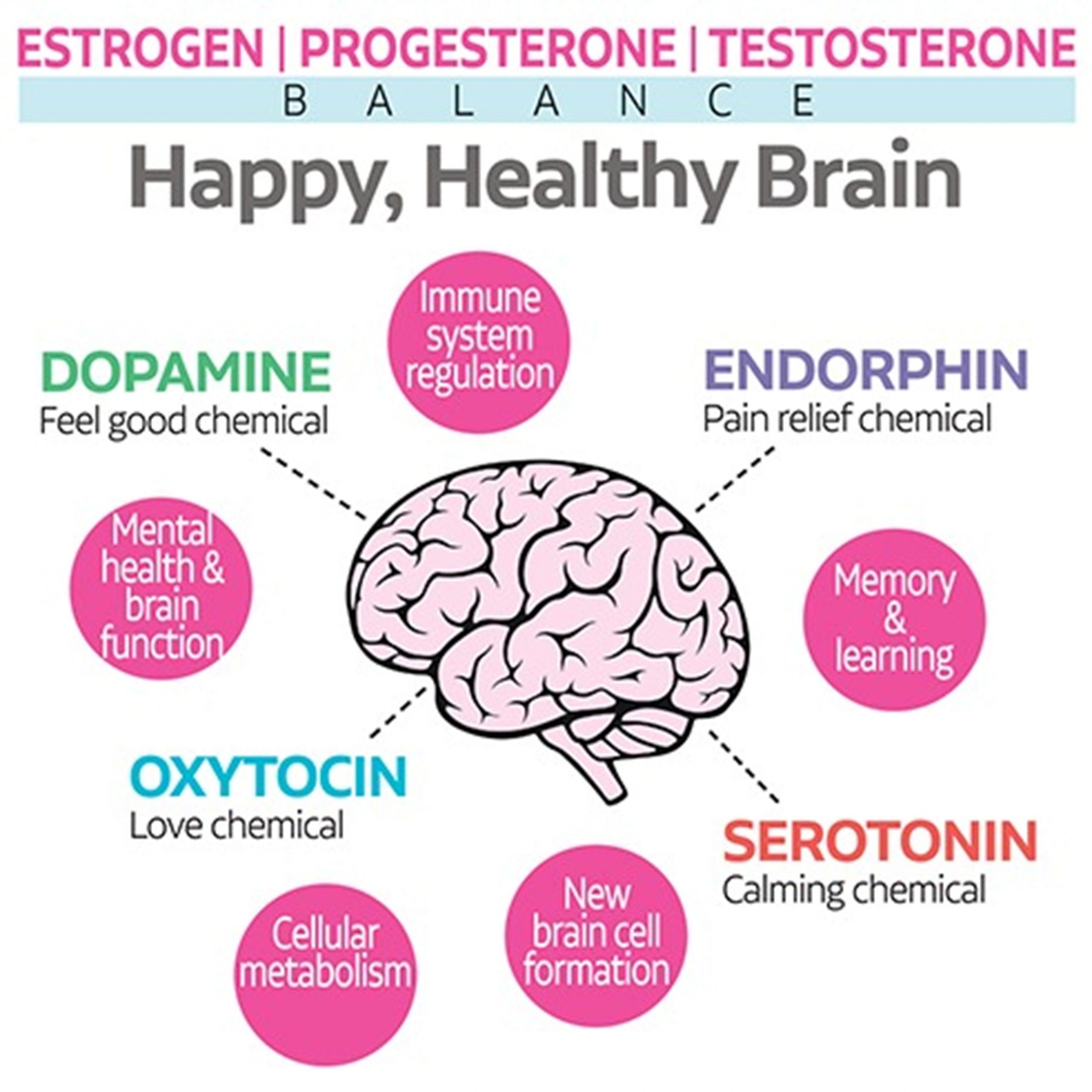
    Neuroscientific researchers have identified thousands of receptors in various brain regions for testosterone, progesterone, and estrogen. These hormones manage the flow of the “feel good” biochemical messengers, including serotonin, dopamine, oxytocin, and endorphins. The neurotransmitters, or “happiness hormones,” signal every brain cell to perform its specific job.

    Sex hormones regulate brain functions through neurotransmitters. (Illustration by Andrade Design, California/Andradedesign.com)

    As people age, hormonal imbalances can result in cognitive disorders, neurodegenerative diseases, memory loss, mental health conditions, sleep disruption, and neurotransmitter imbalances that often lead to dementia and depression.

    Think of the sex hormones like a remote-control device influencing every thought, movement, behavior, action, and emotion. If the buttons don’t operate, neither will the main screen, and the hormones go haywire. This, in turn, can deteriorate brain health and lead to Alzheimer’s (AD, especially in women as their hormone levels drop when entering menopause.

    According to a 2023 Columbia University Irving Medical Center study, a woman’s risk for developing AD is one in five versus one in ten for a man. The Alzheimer’s Society reports that more than 65 percent of AD patients are women over 45.

    Numerous studies dating over 30 years provide scientific proof for the role of estrogen, progesterone, and testosterone replacement therapy in preventing AD and other neurodegenerative conditions. A 2024 collaboration concluded: “Multiple lines of evidence suggest that loss of estrogens in the aging brains of both women and men may play a significant role in the cognitive decline associated with AD.”

    While it’s no secret that hormones protect the brain, doubt and confusion prevail among some researchers who still question the role and use of hormones in cognitive well-being. Few identify the difference between synthetic hormones and the natural bioidentical kind, similar to those produced by the body.

    Unlike pellets, pharmaceutical hormone pills, patches, creams, gels, and sublinguals result in rollercoaster surges that lack the efficacy of pellets to sustain the 24-7 support that neurotransmitters require.

    Further research shows that the hormone delivery method makes all the difference, with subcutaneous pellets maintaining the optimal physiological hormone levels necessary to protect the brain from AD and other diseases.

    A 2025 report in the New York Times, “Sex Hormones Are Brain Hormones. What Does This Mean for Treating Brain Diseases?” states: “A growing understanding of how reproductive hormones sculpt the brain could transform the management of neurological conditions.”

    Despite all the reports and evidence, why are scientists still struggling to correlate hormones and the brain?

    One visionary medical team already connected the dots over 30 years ago, pioneering a safe, effective method for body and brain health. CarolAnn Tutera, president and CEO of SottoPelle®/Tutera Medical®, co-founded the company with her late husband, Dr. Gino Tutera, a medical pioneer renowned for his groundbreaking innovations using bioidentical hormone pellets.

    Backed by 87 years of scientific research and slipped under the skin, subcutaneous pellets demonstrate the greatest efficacy in penetrating the blood-brain barrier for consistent hormone distribution.

    The Tuteras began using pellet therapy over a decade ago to treat patients with Parkinson’s, Alzheimer’s, and other neurodegenerative symptoms, including former NFL players with concussions.

    Now, CarolAnn continues this medical legacy by collaborating with neuroscientific researchers at the Amen Clinics for a new study tracking how pellet therapy may improve brain health and prevent debilitating diseases.

    Learn more: https://www.sottopelletherapy.com/hormone-therapy-brain-mental-health/

    See also: Bioidentical Pellet Therapy: A Safe Solution for Menopausal Symptoms

    Always consult your physician before beginning any treatment program.

    Source link

  • Gene Therapy for Children With Rare ‘Bubble Boy Disease’ Proves Effective After Long-Term Follow-Up

    Gene Therapy for Children With Rare ‘Bubble Boy Disease’ Proves Effective After Long-Term Follow-Up

    The 62 children who were found to have the rare “Bubble Boy disease” as babies and toddlers between 2012 and 2017 still seem cured after long-term follow-up, after being treated with a genetic therapy for severe combined immunodeficiency.

    The results of the trial noted that by 2019, 95 percent of the children, which equates to all but two of the young patients, showed complete immune system reconstruction. And now, years later, long-term follow-up results show that the therapy is still 95 percent effective.

    Treatment for Children With Rare “Bubble Boy Disease”

    In a statement, a pediatric transplant physician at the University of California, Los Angeles, Donald Kohn, MD, said that the durability of immune function, the consistency over time, and the continued safety profile among the children were all encouraging.

    Severe combined immunodeficiency due to adenosine deaminase deficiency (ADA-SCID) is typically caused by mutations in an individual’s ADA gene. This gene is responsible for creating an enzyme that is essential for a person’s immune function, according to Good News Network.

    For kids who have this rare condition, typical daily activities, such as going to school or playing with friends, can result in dangerous, life-threatening infections. If left untreated, ADA-SCID can even be fatal within an infant’s first two years of life.

    SCID suddenly became well-known in America in 1984 because of “the boy in the bubble,” David Vetter. He received a special spacesuit from NASA that allowed him to leave his total medical isolation and see the world. However, despite this suit, the boy passed away due to an infection when he was 12 years old.

    The researchers who led the multi-center program related to the cured children said that the persistence of healthy immune systems and results of long-term follow-up should be taken as signs that the approach could become a standard treatment for individuals with ADA-SCID, Science Media Centre reported.

    An Effective Approach

    The families whose lives were previously defined by the strict isolation of affected individuals are now able to describe ordinary childhood milestones that they would never have dreamed were possible.

    The gene therapy in question is a treatment that was tested by researchers at UCLA in collaboration with institutions in the United Kingdom. It takes a personalized, cell-based approach to correct an individual’s genetic defect.

    The first step in the process is doctors collecting a child’s hematopoietic stem cells from their bone marrow or blood. Then, a laboratory team uses a modified viral vector to deliver a healthy copy of the ADA gene into those stem cells. Finally, those corrected stem cells are returned to the patient, where they then engraft and produce a continual supply of functional immune cells, as per the Valley Vanguard Online.


    Originally published on parentherald.com

    © {{Year}} ParentHerald.com All rights reserved. Do not reproduce without permission.

    Source link

  • M&Y Care LLC Highlights the Role of In-Home Care and Therapy in Maintaining Independence

    M&Y Care LLC Highlights the Role of In-Home Care and Therapy in Maintaining Independence

    M&Y Care LLC understands that receiving care at home is becoming a preferred option for people seeking comfort, dignity, and personalized support in familiar surroundings. Whether someone is managing a chronic condition, recovering from surgery, or simply requiring assistance with daily routines, in-home services offer a practical alternative to institutional care.

    These services are not limited to seniors; people of all ages with disabilities or health challenges can benefit from tailored support. Families also gain peace of mind knowing their loved ones are cared for in a setting that feels safe and familiar.

    From therapy that enhances mobility to daily assistance that encourages self-reliance, home-based care offers a comprehensive approach to wellness. A coordinated blend of personal care and clinical services ensures that individuals not only get help with tasks but also make meaningful progress toward their health goals.

    Dominik Lange | Unsplash

    Independence in Daily Living

    Independence means being able to manage daily tasks and make choices without constant assistance. For older adults and individuals with disabilities, this often includes dressing, preparing meals, or moving safely around their homes.

    Health conditions such as arthritis, stroke, or memory loss can make these activities more difficult, leading to frustration or a loss of confidence. A person who once enjoyed cooking may begin to rely on frozen meals due to limited mobility. Over time, this shift can also affect emotional well-being and create a sense of isolation.

    Maintaining autonomy supports emotional well-being and gives people a sense of control over their lives. Even small adjustments, like using adaptive tools or receiving help at key times, can make a meaningful difference in maintaining daily routines.

    Services Provided Through In-Home Care

    In-home care is designed to support individuals who need help with everyday tasks but wish to remain in familiar surroundings. Services often include assistance with grooming, meal preparation, light housekeeping, and transportation to appointments or social outings.

    A caregiver might visit daily to help a person with mobility challenges get dressed and prepare a warm breakfast. Gradually, this consistent presence eases physical strain and provides dependable companionship. That social connection can be just as important as physical care in maintaining a person’s overall well-being. In some cases, the caregiver may become a reassuring presence who notices subtle changes in health early on.

    Caregivers often become trusted figures, offering encouragement and helping clients feel more secure in their routines. Their role is to promote independence, not replace it by providing the right level of support while respecting personal choices and preferences.

    How Home-Based Therapy Improves Function

    M&Y Care LLC explains that therapy delivered at home focuses on helping individuals regain or maintain their ability to perform essential tasks. Physical therapy might address balance issues to reduce fall risk, while occupational therapy can help someone relearn how to use kitchen tools after a stroke. Speech therapy may assist with communication or swallowing difficulties, depending on the person’s condition.

    Receiving therapy in a home setting allows for one-on-one attention in a familiar setting, which can increase comfort and reduce anxiety. A person recovering from hip surgery may feel more at ease practicing exercises in their own living room, leading to better participation and faster improvement. Familiar surroundings help individuals stay consistent with their routines.

    Therapists also tailor their approach to each individual’s surroundings and lifestyle, making their interventions more practical and easier to apply. This personalized care helps individuals build confidence in their abilities and stay engaged in their recovery. It also allows therapists to identify environmental hazards or suggest modifications that can prevent setbacks.

    Combining Care and Therapy for Better Outcomes

    When caregivers and therapists work together, individuals often see faster progress and more reliable results. A therapist may design exercises to strengthen leg muscles, and a caregiver can then support those routines throughout the week, ensuring consistency and safety. This type of collaboration helps bridge the gap between medical goals and day-to-day support. The continuity of care promotes better adherence to therapy plans.

    Open communication among everyone involved, including family members, means care is aligned and more responsive. Adjustments to routines or therapy plans can be made quickly if something isn’t working or if progress stalls. That shared understanding creates a smoother home environment and a more effective path toward greater independence.

    Who Benefits from In-Home Support Services

    Those recovering from illness, managing chronic health conditions, or simply facing the challenges of aging often benefit most from in-home care and therapy. Whether someone is healing after surgery or navigating early memory changes, the ability to receive help at home can reduce stress and support better outcomes. The sense of familiarity and control often leads to better emotional stability.

    Younger individuals with disabilities also find value in these services, especially when care is flexible and tailored to their specific routines. Rather than uprooting daily life, in-home support adapts to it, helping people keep their sense of identity and continue doing the things they enjoy. This adaptability makes it easier for individuals to remain active in their communities and maintain social relationships.

    Planning, Access, and Payment Options

    Finding the right in-home support starts with an assessment of needs. Professionals may evaluate mobility, safety risks, and personal goals to create a plan that fits the individual rather than forcing one-size-fits-all solutions. Involving the person receiving care in the planning process also ensures their preferences are honored.

    M&Y Care LLC suggests that many families explore a mix of funding options, such as private pay, long-term care insurance, or publicly funded programs. Medicare or Medicaid might cover certain services depending on eligibility and medical necessity. Understanding what’s available can ease the financial burden and open doors to the right level of care.

    Source link

  • M&Y Care LLC Highlights the Role of In-Home Care and Therapy in Maintaining Independence

    M&Y Care LLC Highlights the Role of In-Home Care and Therapy in Maintaining Independence

    M&Y Care LLC understands that receiving care at home is becoming a preferred option for people seeking comfort, dignity, and personalized support in familiar surroundings. Whether someone is managing a chronic condition, recovering from surgery, or simply requiring assistance with daily routines, in-home services offer a practical alternative to institutional care.

    These services are not limited to seniors; people of all ages with disabilities or health challenges can benefit from tailored support. Families also gain peace of mind knowing their loved ones are cared for in a setting that feels safe and familiar.

    From therapy that enhances mobility to daily assistance that encourages self-reliance, home-based care offers a comprehensive approach to wellness. A coordinated blend of personal care and clinical services ensures that individuals not only get help with tasks but also make meaningful progress toward their health goals.

    Dominik Lange | Unsplash

    Independence in Daily Living

    Independence means being able to manage daily tasks and make choices without constant assistance. For older adults and individuals with disabilities, this often includes dressing, preparing meals, or moving safely around their homes.

    Health conditions such as arthritis, stroke, or memory loss can make these activities more difficult, leading to frustration or a loss of confidence. A person who once enjoyed cooking may begin to rely on frozen meals due to limited mobility. Over time, this shift can also affect emotional well-being and create a sense of isolation.

    Maintaining autonomy supports emotional well-being and gives people a sense of control over their lives. Even small adjustments, like using adaptive tools or receiving help at key times, can make a meaningful difference in maintaining daily routines.

    Services Provided Through In-Home Care

    In-home care is designed to support individuals who need help with everyday tasks but wish to remain in familiar surroundings. Services often include assistance with grooming, meal preparation, light housekeeping, and transportation to appointments or social outings.

    A caregiver might visit daily to help a person with mobility challenges get dressed and prepare a warm breakfast. Gradually, this consistent presence eases physical strain and provides dependable companionship. That social connection can be just as important as physical care in maintaining a person’s overall well-being. In some cases, the caregiver may become a reassuring presence who notices subtle changes in health early on.

    Caregivers often become trusted figures, offering encouragement and helping clients feel more secure in their routines. Their role is to promote independence, not replace it by providing the right level of support while respecting personal choices and preferences.

    How Home-Based Therapy Improves Function

    M&Y Care LLC explains that therapy delivered at home focuses on helping individuals regain or maintain their ability to perform essential tasks. Physical therapy might address balance issues to reduce fall risk, while occupational therapy can help someone relearn how to use kitchen tools after a stroke. Speech therapy may assist with communication or swallowing difficulties, depending on the person’s condition.

    Receiving therapy in a home setting allows for one-on-one attention in a familiar setting, which can increase comfort and reduce anxiety. A person recovering from hip surgery may feel more at ease practicing exercises in their own living room, leading to better participation and faster improvement. Familiar surroundings help individuals stay consistent with their routines.

    Therapists also tailor their approach to each individual’s surroundings and lifestyle, making their interventions more practical and easier to apply. This personalized care helps individuals build confidence in their abilities and stay engaged in their recovery. It also allows therapists to identify environmental hazards or suggest modifications that can prevent setbacks.

    Combining Care and Therapy for Better Outcomes

    When caregivers and therapists work together, individuals often see faster progress and more reliable results. A therapist may design exercises to strengthen leg muscles, and a caregiver can then support those routines throughout the week, ensuring consistency and safety. This type of collaboration helps bridge the gap between medical goals and day-to-day support. The continuity of care promotes better adherence to therapy plans.

    Open communication among everyone involved, including family members, means care is aligned and more responsive. Adjustments to routines or therapy plans can be made quickly if something isn’t working or if progress stalls. That shared understanding creates a smoother home environment and a more effective path toward greater independence.

    Who Benefits from In-Home Support Services

    Those recovering from illness, managing chronic health conditions, or simply facing the challenges of aging often benefit most from in-home care and therapy. Whether someone is healing after surgery or navigating early memory changes, the ability to receive help at home can reduce stress and support better outcomes. The sense of familiarity and control often leads to better emotional stability.

    Younger individuals with disabilities also find value in these services, especially when care is flexible and tailored to their specific routines. Rather than uprooting daily life, in-home support adapts to it, helping people keep their sense of identity and continue doing the things they enjoy. This adaptability makes it easier for individuals to remain active in their communities and maintain social relationships.

    Planning, Access, and Payment Options

    Finding the right in-home support starts with an assessment of needs. Professionals may evaluate mobility, safety risks, and personal goals to create a plan that fits the individual rather than forcing one-size-fits-all solutions. Involving the person receiving care in the planning process also ensures their preferences are honored.

    M&Y Care LLC suggests that many families explore a mix of funding options, such as private pay, long-term care insurance, or publicly funded programs. Medicare or Medicaid might cover certain services depending on eligibility and medical necessity. Understanding what’s available can ease the financial burden and open doors to the right level of care.

    Source link

  • First Successful Gene Therapy for Huntington’s Disease Slows Disease Progression by 75%

    First Successful Gene Therapy for Huntington’s Disease Slows Disease Progression by 75%

    An experimental gene therapy developed by uniQure has, for the first time, shown a dramatic slowing of Huntington’s disease progression in human patients, offering hope for a condition long considered incurable.

    How the Trial Worked

    The therapy, called AMT-130, was administered via a one-time neurosurgical procedure lasting 12 to 20 hours using a modified viral vector to deliver corrective DNA to regions of the brain affected by the disease. Patients treated with a high dose saw their disease progress 75% more slowly over a 36-month period compared to matched external controls. Secondary outcomes showed a 60% slower decline in functional abilities. The treatment was generally well-tolerated, with no major new safety concerns reported.

    Sarah Tabrizi, director of UCL’s Huntington’s Disease Centre, said these findings mark “We now have a treatment for one of the world’s more terrible diseases. This is absolutely huge. I’m really overjoyed.” uniQure now plans to submit a Biologics License Application (BLA) to the U.S. Food and Drug Administration in early 2026.

    Regulatory Advances & Future Steps

    Earlier in 2025, the FDA granted AMT-130 Breakthrough Therapy designation, which may expedite review and regulatory pathways. In a regulatory update, uniQure disclosed that it is aligning key analytic and manufacturing plans with FDA guidance ahead of the BLA submission.

    The company intends to use external control data sets, like ENROLL-HD, for primary comparisons in its statistical analysis plan.

    Why This Breakthrough Is So Significant

    • Disease-modifying therapy: Until now, Huntington’s treatments have only addressed symptoms; AMT-130 indicates the possibility of altering disease trajectory.
    • One-time administration: Because it is delivered via a single surgical procedure, its benefits—if durable—could last years without repeated dosing.
    • High unmet need: In the U.S., about 41,000 people live with Huntington’s and over 200,000 carry risk alleles.
    • Scientific validation: The magnitude of effect in this trial is among the most convincing in neurodegenerative disease research to date.

    How AMT-130 Compares to Other Gene Therapies

    AMT-130’s approach—one-time neurosurgical delivery of a vector designed to suppress the mutant huntingtin protein—is somewhat unique among genetic therapies, in both delivery method and disease target.

    Here are some points of comparison:

    Therapy Mode of Delivery / Regimen Indication / Age Group Key Strengths Known Limitations / Risks
    AMT-130 (uniQure) Single stereotactic brain surgery (direct striatal infusion) Early-manifest Huntington’s disease Promising stabilization of function, one-time treatment, demonstrable biomarker improvements Surgical risks, inflammatory complications, durable long-term efficacy unknown
    Zolgensma (Onasemnogene abeparvovec-AVXS-101) Single intravenous or intrathecal in some trials Spinal Muscular Atrophy (infants and older children) Has shown dramatic improvements in survival, motor function; among best-known successful gene therapies Very high cost, immune reactions, limited age window, administration logistics
    Nusinersen (Spinraza) Repeated intrathecal injections (ongoing) SMA across age groups Reduces disease burden, extends life, widely used; well-understood safety profile Requires regular dosing, invasiveness, burdens on patients/caregivers, cost

    Cautions and Limitations

    • Not a cure: While the slowing is impressive, it does not reverse the disease or fully stop its course.
    • Surgery risk and cost: The invasive nature and complexity of delivery limit its applicability, especially in less capable surgical settings.
    • Long-term durability unknown: Whether the effect holds beyond three years remains to be seen.
    • Regulatory and access hurdles: Approval does not guarantee access, and pricing, reimbursement, and manufacturing scale remain major challenges.

    Source link

  • Breathe Easy Therapy Services Expands with New Space Designed for Mental, Physical, and Emotional Care

    Breathe Easy Therapy Services Expands with New Space Designed for Mental, Physical, and Emotional Care

    When Cynthia Piccini purchased a new building for both of her businesses, Breathe Easy Therapy Services and Breathe Easy Wellness, in January, it was not just a business decision; it was a declaration. A declaration that mental health deserves space. That healing is multifaceted with proactive care.

    “We needed a space where therapy and wellness could truly work hand-in-hand,” says Piccini, a marriage and family therapist. “So I designed one.”

    The newly opened building, which officially launched in June and houses both of her businesses, reflects this vision. Visitors step into a central waiting area, then enter a serene square layout that seamlessly connects wellness and therapy. There’s a yoga studio, meditation room, massage space, salt cave, and across the hall, a suite of therapy offices. “You don’t know why someone’s here,” Piccini notes. “It might be for breathwork. It might be for trauma therapy. But it’s all part of the same conversation.”

    This integrative approach responds to a significant need. According to Mental Health America, over 28 million adults in the U.S. with a mental illness do not receive treatment. And many of those who do only seek care when in crisis. “We want to change that,” Piccini emphasizes. “Therapy doesn’t have to be about fixing a problem. It can be about learning more about yourself, gaining tools, building relationships, or simply feeling good.”

    That’s why Breathe Easy Therapy Services offers far more than traditional therapy. Recent events include a “Relax, Reset, Recharge” day for educators, with group yoga, massage, skincare, and breathwork sessions. The main goal is to help teachers enter the school year grounded and emotionally equipped.

    Other offerings include a hybrid chronic illness support group, children’s yoga, a 55+ yoga class, and an upcoming premarital workshop led by Piccini herself. “We are teaching people how to have healthy conflict in a relationship,” she said. “No one teaches you that.”

    And it’s not just the offerings that make the business unique; it’s the philosophy. “We are not here to replace therapy,” Piccini says. “We are here to expand it.” Breathwork, yoga, mindfulness, and massage are not just add-ons. They are interventions, especially when therapy sessions happen just once a week. These wellness practices fill in the gaps, giving clients tools they can use daily.

    Breathe Easy also reduces the mental barrier to care. “Many people are still hesitant to ‘go to therapy,’” she explains. “But they will go to a yoga class. They will get a massage. And through that, they start to feel better. They start to open up to the idea that healing can take many forms.”

    The business has grown with intention. Every staff member, from the yoga instructors to the therapists, was handpicked for their dedication to healing. “I don’t hire for resumes alone,” Piccini says. “I hire for energy.”

    Looking ahead, Cynthia sees this building as just the beginning. “I would love to open more,” she says. “Each one can serve as a sanctuary, where people don’t come to fix themselves, but to understand themselves.”

    The expansion of Breathe Easy Therapy Services is more than a new address. It’s a new chapter in how we think about mental wellness. Therapy doesn’t start when something breaks. It starts the moment someone takes a breath and chooses to care.

    Source link

  • How Male Excel Makes Hormone Therapy Accessible and Effective

    How Male Excel Makes Hormone Therapy Accessible and Effective

    As hormone therapy becomes more personalized and accessible through telemedicine, companies are reshaping the future of preventive healthcare for men worldwide.

    In the United States, less than 3% of healthcare spending is directed toward prevention, with the vast majority devoted to reactive care. Nowhere is this more evident than in men’s health, particularly regarding the testosterone issues that continue to challenge so many men today. Fortunately, companies like Male Excel—the first online TRT clinic and a pioneer in men’s hormone optimization—are transforming access to care. Their telemedicine services remove geographical barriers, making expert hormone therapy available to more men than ever before.

    Today, more men are turning to TRT online as a convenient and effective way to manage their hormonal health without visiting a clinic in person.

    Telemedicine Solutions for Men

    Male Excel was established to meet the growing demand for accessible, personalized solutions for men facing hormonal imbalances. Its protocols and online system are designed to optimize hormones and support healthier lifestyle choices, empowering men to take a proactive approach to their health.

    At Male Excel, the team is driven to provide evidence-based solutions that challenge the misinformation surrounding HRTs. One founder says, “Our focus is on empowering members with accurate information and access to treatments that address the root causes of health concerns rather than masking symptoms. By advocating for transparency and prioritizing member education, we work to create a healthcare model that puts people first.”

    The Excel Advantage™: How Personalized Hormone Therapy Works

    Each treatment plan at Male Excel is built around the Excel Advantage™, a personalized protocol designed to address individual needs and specific symptoms. Members receive 60-day assessments to track symptom improvements, with telemedicine follow-ups ensuring continuous access to expert guidance. Comprehensive blood testing every six months monitors key markers such as testosterone, estradiol, DHEA, and triiodothyronine (T3), enabling precise adjustments that fine-tune hormone levels over time.

    This structure allows for a proactive, data-driven approach to hormone optimization, designed to deliver sustainable and individualized health outcomes for every member.

    As one team explains, “Our commitment to affordability, accessibility, and proven results positions us as a leader in delivering life-changing healthcare solutions for men.”

    Source: Freepik

    The Results Behind the Excel Advantage™

    Building on this foundation of personalized care, the Excel Advantage™ stands at the forefront of a new era in men’s health.

    Designed to deliver real, measurable change, this innovative protocol achieves a remarkable 96% success rate within just six months. It empowers men to reclaim their energy, strength, and vitality faster than ever.

    At the heart of the Excel Advantage™ is a fully customized, symptom-driven treatment plan, crafted by leading U.S.-based hormone specialists and fueled by bioidentical hormones made in the United States. Daily micro-dosing mirrors the body’s natural rhythms, creating powerful, sustainable improvements across energy levels, muscle growth, sexual health, and mental clarity.

    Critically, the program goes beyond testosterone alone by restoring essential balance among hormones like estrogen and thyroid. This broader approach unlocks lasting performance and overall well-being.

    Regular 60-day assessments and comprehensive blood testing every six months ensure that every adjustment supports continued progress toward optimal health.

    Treatment flexibility is another key advantage. Members can choose between testosterone injections or topical gels, allowing therapy to fit seamlessly into their lifestyle and goals.

    Through a blend of scientific precision and proactive care, the Excel Advantage™ is helping men experience the full potential of modern hormone therapy and change the course of their long-term health.

    Member Testimonials

    Mark, a Male Excel member, says, “Male Excel has definitely changed my life for the better. I always felt I had low testosterone and finally decided to take a test for it. Sure enough, I was right. I was extremely low. I got started on Male Excel, and things have improved constantly.”

    Another Male Excel member, Chad, says, “Since I have started with Male Excel, I sleep better, have more energy throughout the day, just feel better in general. I’ve gained muscle and lost fat, I feel closer to 25 years old instead of 49. The customer service is second to none.”

    A Brighter Tomorrow

    As the first online TRT clinic and a pioneer in proactive men’s healthcare, Male Excel continues to lead the future of hormone therapy. The team’s ultimate goal is to make hormone therapy a mainstream and accessible solution for men everywhere. More information about Male Excel’s approach to men’s healthcare can be found on the company’s website.


    Source link