Tag: Surgery

  • Inside the World of Facial Feminization Surgery with Dr. Harrison Lee

    Inside the World of Facial Feminization Surgery with Dr. Harrison Lee

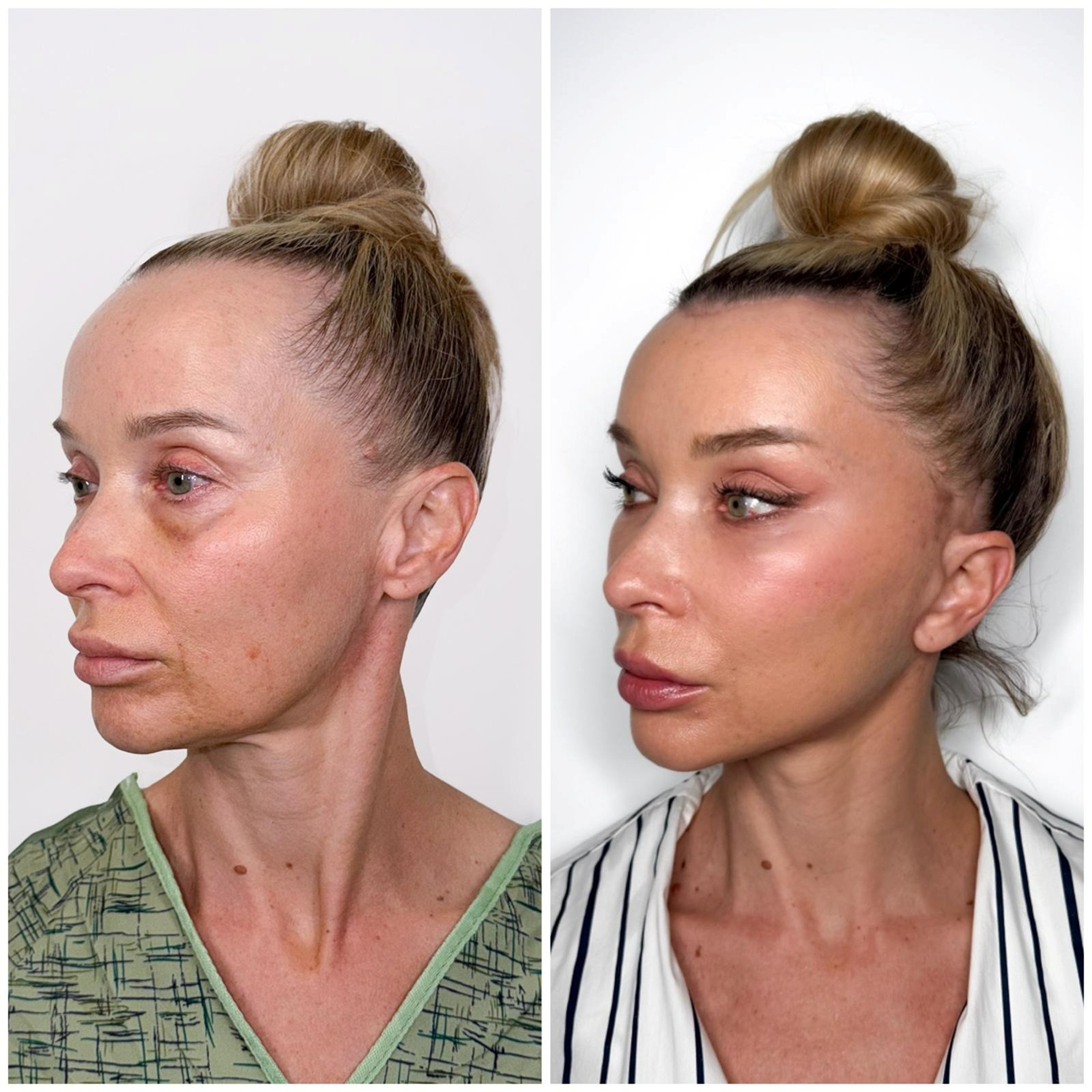
    When it comes to facial feminization surgery, few surgeons in the world bring the depth of training, precision, and expertise that Dr. Harrison Lee does to the operating room. A triple board-certified facial plastic surgeon with practices in Beverly Hills and New York City, Dr. Lee has spent nearly three decades at the intersection of surgical science and aesthetic medicine. Nowhere is that more evident than in his work in Facial Feminization Surgery (or FFS).

    A Foundation Built on Bone

    What separates a skilled FFS surgeon from others in the field is not just technique. Dr. Lee’s educational background gave him exactly the foundational knowledge of the facial skeleton needed for this specialization. After graduating from Tufts Dental School in an accelerated three-year program, he completed a four-year residency in Oral and Maxillofacial Surgery, taught at NYU as a clinical assistant professor, and then returned to school to earn his MD. Continuing on, he spent five years completing a Head and Neck Surgery residency at Mount Sinai Medical Center in New York City and a Facial Plastic Surgery Fellowship under world-renowned surgeon Dr. Frank Kamer in Beverly Hills. This extensive path to expertise produced a surgeon with a comprehensive understanding of the face, from the underlying bone structure to the overlying soft tissue. A combination quintessential in FFS.

    Dr. Harrison Lee

    What FFS Actually Involves

    At its core, FFS is the process of reshaping characteristically masculine facial features into those that read as more feminine. That process begins with a clear understanding of the structural and traditionally visible differences between the male and female face.

    Dr. Lee specifically and carefully considers the particularities that these surgeries require. The male jaw, for instance, descends sharply from the ear and typically forms a near-90-degree angle. It tends to be angular and prominent, often accentuated by a well-developed masseter muscle. The male chin is generally wider and more square. The brow bone is frequently more pronounced, sitting lower and heavier above the eyes. The hairline is another key characteristic that is commonly distinguished by an M-shaped recession at the temples in men, while women tend to have a softer, more rounded hairline along the sides.

    Addressing these features requires more than surface-level work. For jaw reduction, Dr. Lee uses a measured, surgical approach that he distinguishes from less precise methods used by other practitioners. “We don’t grind the bone,” he explains. “Once you start grinding the bone, it turns to dust and you don’t know how much you’re taking. I actually measure it and cut it off. It’s a lot more exact.”

    For the chin, his preferred technique is the T-genioplasty, performed entirely through incisions inside the mouth. He cuts the chin horizontally, removes a central vertical segment, and brings the remaining portions inward, allowing the overlying skin to follow naturally. This method avoids a cosmetic complication known as a witch’s chin, which can occur when bone is simply shaved down and the soft tissue does not retract as expected.

    The forehead is addressed with equal care. Dr. Lee reduces prominent brow bones and, where needed, advances the hairline to correct the M-shaped recession at the temples. This can be performed with a simultaneous brow lift through the same incision, minimizing additional scarring and surgical time.

    A Comprehensive Approach in a Single Surgery

    One of the defining aspects of Dr. Lee’s practice is his ability to address the full range of FFS procedures in a single operative session, and on the clock. A complete FFS package under his care can include hairline advancement, brow bone reduction, brow lift, rhinoplasty, upper lip shortening, jaw reduction, T-genioplasty, tracheal shave for Adam’s apple reduction, and cheek augmentation through fat transfer and implants. His goal is to complete the full procedure within a six to seven hour window. Any longer becomes uncomfortable and sometimes dangerous for the patient.

    Dr. Lee approaches every case without applying a standard formula. They require reading each individual face carefully and making decisions that serve both the patient’s goals and the best possible individual and aesthetic outcome.

    Trust Built Through Experience and Results

    For transgender patients, many of whom have had complex or difficult experiences within the medical system, trust is a critical part of the patient-surgeon relationship. Dr. Lee has built that trust through a combination of credentials, experience, and results. His patients have included notable public figures such as Caitlyn Jenner, Nikita Dragun, and Dylan Mulvaney, and his reputation in the FFS community is grounded in consistently natural-looking, successful outcomes.

    He is straightforward about the broader landscape of FFS care. As demand for the procedure grew, many surgeons without adequate training in facial bone surgery began offering FFS. The outcomes in those cases were often poor. “Not every surgeon is well-versed in this type of surgery,” he says. “If you’re not well-versed in these techniques, you shouldn’t be doing these procedures.”

    For Dr. Lee, Facial Feminization Surgery represents both a technical discipline and a meaningful area of medicine. It offers patients the opportunity to align their external appearance with their identity, and it demands the highest level of surgical skill to do well. With 27 years of practice and a surgical background that few in his field can match, Dr. Lee continues to be one of the most trusted and sought-after surgeons in facial feminization surgery today.

    Source link

  • The Hidden Costs of Bariatric Surgery

    The Hidden Costs of Bariatric Surgery

    Weight regain after bariatric surgery can have devastating psychological effects.

    How Sustainable Is the Weight Loss After Bariatric Surgery? I explore that issue in my video of the same name. Most gastric bypass patients end up regaining some of the fat they lose by the third year after surgery, but after seven years, 75% of patients followed at 10 U.S. hospitals maintained at least a 20% weight loss.

    The typical trajectory for someone who starts out obese at 285 pounds, for example, would be to drop to an overweight 178 pounds two years after bariatric surgery, but then regain weight up to an obese 207 pounds. This has been chalked up to “grazing” behavior, where compulsive eaters may shift from bingeing (which becomes more difficult post-surgery) to eating smaller amounts constantly throughout the day. In a group of women followed for eight years after gastric bypass surgery, about half continued to describe episodes of disordered eating. As one pediatric obesity specialist described, “I have seen many patients who put chocolate bars into a blender with some cream, just to pass technically installed obstacles [e.g., a gastric band].”

    Bariatric surgery advertising is filled with “happily-ever-after” fairytale narratives of cherry-picked outcomes offering, as one ad analysis put it, “the full Cinderella-romance happy ending.” This may contribute to the finding that patients often overestimate the amount of weight they’ll lose with the procedure and underestimate the difficulty of the recovery process. Surgery forces profound changes in eating habits, requiring slow, small bites that have been thoroughly chewed. Your stomach goes from the volume of two softballs down to the size of half a tennis ball in stomach stapling and half a ping-pong ball in the case of gastric bypass or banding.

    As you can imagine, “weight regain after bariatric surgery can have a devastating effect psychologically as patients feel that they have failed their last option”—their last resort. This may explain why bariatric surgery patients face a high risk of depression. They also have an increased risk of suicide.

    Severe obesity alone may increase the risk of suicidal depression, but even at the same weight, those going through surgery appear to be at a higher risk. At the same BMI (body mass index), age, and gender, bariatric surgery patients have nearly four times the odds of self-harm or attempted suicide compared with those who did not undergo the procedure. Most convincingly, so-called “mirror-image analysis” comparing patients’ pre- and post-surgery events showed the odds of serious self-harm increased after surgery.

    About 1 in 50 bariatric surgery patients end up killing themselves or being hospitalized for self-harm or attempted suicide. And this only includes confirmed suicides, excluding masked attempts such as overdoses classified as having “undetermined intention.” Bariatric surgery patients may also have an elevated risk of accidental death, though some of this could be due to changes in alcohol metabolism. When individuals who have had a gastric bypass were given two shots of vodka, their blood alcohol level surpassed the legal driving limit within minutes due to their altered anatomy. It’s unclear whether this plays a role in the 25% increase in prevalence of alcohol problems noted during the second postoperative year.

    Even those who successfully lose their excess weight and keep it off appear to have a hard time coping. Ten years out, though physical health-related quality of life may improve, general mental health can significantly deteriorate compared to pre-surgical levels, even among those who lost the most weight. Ironically, there’s a common notion that bariatric surgery is for “cheaters” who take the easy way out by choosing the “low-effort” method of weight loss.

    Shedding the weight may not shed the stigma of prior obesity. Studies suggest that “in the eyes of others, knowing that an individual was at one time fat will lead him/her to always be treated like a fat person.” And there can be a strong anti-surgery bias on top of that—those who chose the scalpel to lose weight over diet or exercise were rated more negatively (for example, being considered less physically attractive). One can imagine how remaining a target of prejudice even after joining the “in-group” could potentially undercut psychological well-being.

    There can also be unexpected physical consequences of massive weight loss, like large hanging flaps of excess skin. Beyond being heavy and uncomfortable and interfering with movement, the skin flaps can result in itching, irritation, dermatitis, and skin infections. Getting a panniculectomy (removing the abdominal “apron” of hanging skin) can be expensive, and its complication rate can exceed 50%, with dehiscence (rupturing of the surgical wound) one of the most common complications.

    “Even if surgery proves sustainably effective,” wrote the founding director of Yale University’s Prevention Research Center, “the need to rely on the rearrangement of natural gastrointestinal anatomy as an alternative to better use of feet and forks [exercise and diet] seems a societal travesty.”

    In the Middle Ages, starving peasants dreamed of gastronomic utopias where food just rained down from the sky. The English called it the Kingdom of Cockaigne. Little could medieval fabulists predict that many of their descendants would not only take permanent residence there but also cut out parts of their stomachs and intestines to combat the abundance. Critics have pointed out the irony of surgically altering healthy organs to make them dysfunctional—malabsorptive—on purpose, especially when it comes to operating on children. Bariatric surgery for kids and teens has become widespread and is being performed on children as young as five years old. Surgeons defend the practice by arguing that growing up fat can leave “‘emotional scars’ and lifelong social retardation.”

    Promoters of preventive medicine may argue that bariatric surgery is the proverbial “ambulance at the bottom of the cliff.” In response, proponents of pediatric bariatric surgery have written: “It is often pointed out that we should focus on prevention. Of course, I agree. However, if someone is drowning, I don’t tell them, ‘You should learn how to swim’; no, I rescue them.”

    A strong case can be made that the benefits of bariatric surgery far outweigh the risks if the alternative is remaining morbidly obese, which is estimated to shave up to a dozen or more years off one’s life. Although there haven’t been any data from randomized trials yet to back it up, compared to non-operated obese individuals, those getting bariatric surgery would be expected to live significantly longer on average. No wonder surgeons have consistently framed the elective surgery as a life-or-death necessity. This is a false dichotomy, though. The benefits only outweigh the risks if there are no other alternatives. Might there be a way to lose weight healthfully without resorting to the operating table? That’s what my book How Not to Diet is all about.

    Doctor’s Note

    My book How Not to Diet is focused exclusively on sustainable weight loss. Check it out from your library or pick it up from wherever you get your books. (All proceeds from my books are donated to charity.)

    This is the final segment in a four-part series on bariatric surgery, which includes:

    This blog contains information regarding suicide. If you or anyone you know is exhibiting suicide warning signs, please get help. Go to https://988lifeline.org for more information.


    Source link

  • Is Surgery Necessary to Reverse Diabetes?

    Is Surgery Necessary to Reverse Diabetes?

    Losing weight without rearranging your gastrointestinal anatomy carries advantages beyond just the lack of surgical risk.

    The surgical community objects to the characterization of bariatric surgery as internal jaw wiring and cutting into healthy organs just to discipline people’s behavior. They’ve even renamed it “metabolic surgery,” suggesting the anatomical rearrangements cause changes in digestive hormones that offer unique physiological benefits. As evidence, they point to the remarkable remission rates for type 2 diabetes.

    After bariatric surgery, about 50% of obese people with diabetes and 75% of “super-obese” diabetics go into remission, meaning they have normal blood sugar levels on a regular diet without any diabetes medication. The normalization of blood sugar can happen within days after the surgery. And 15 years after the surgery, 30% remained free from their diabetes, compared to a 7% remission rate in a nonsurgical control group. Are we sure it was the surgery, though?

    One of the most challenging parts of bariatric surgery is lifting the liver. Since obese individuals tend to have such large, fatty livers, there is a risk of liver injury and bleeding. An enlarged liver is one of the most common reasons a less invasive laparoscopic surgery can turn into a fully invasive open surgery, leaving the patient with a large belly scar, along with an increased risk of wound infections, complications, and recovery time. But lose even just 5% of your body weight, and your fatty liver may shrink by 10%. That’s why those awaiting bariatric surgery are put on a diet. After surgery, patients are typically placed on an extremely low-calorie liquid diet for weeks. Could their improvement in blood sugar levels just be from the caloric restriction, rather than some sort of surgical metabolic magic? Researchers decided to put it to the test.

    At a bariatric surgery clinic at the University of Texas, patients with type 2 diabetes scheduled for a gastric bypass volunteered to stay in the hospital for 10 days to follow the same extremely low-calorie diet—less than 500 calories a day—that they would be placed on before and after surgery, but without undergoing the procedure itself. After a few months, once they had regained the weight, the same patients then had the actual surgery and repeated their diet, matched day to day. This allowed researchers to compare the effects of caloric restriction with and without the surgical procedure—the same patients, the same diet, just with or without the surgery. If there were some sort of metabolic benefit to the anatomical rearrangement, the patients would have done better after the surgery, but, in some ways, they actually did worse.

    The caloric restriction alone resulted in similar improvements in blood sugar levels, pancreatic function, and insulin sensitivity, but several measures of diabetic control improved significantly more without the surgery. The surgery seemed to put them at a metabolic disadvantage.

    Caloric restriction works by first mobilizing fat out of the liver. Type 2 diabetes is thought to be caused by fat building up in the liver and spilling over into the pancreas. Everyone may have a “personal fat threshold” for the safe storage of excess fat. When that limit is exceeded, fat gets deposited in the liver, where it can cause insulin resistance. The liver may then offload some of the fat (in the form of a fat transport molecule called VLDL), which can then accumulate in the pancreas and kill off the cells that produce insulin. By the time diabetes is diagnosed, half of our insulin-producing cells may have been destroyed, as seen below and at 3:36 in my video Bariatric Surgery vs. Diet to Reverse Diabetes. Put people on a low-calorie diet, though, and this entire process can be reversed.

    A large enough calorie deficit can cause a profound drop in liver fat sufficient to resurrect liver insulin sensitivity within seven days. Keep it up, and the calorie deficit can decrease liver fat enough to help normalize pancreatic fat levels and function within just eight weeks. Once you drop below your personal fat threshold, you should then be able to resume normal caloric intake and still keep your diabetes at bay, as seen below and at 4:05 in my video

    The bottom line: Type 2 diabetes is reversible with weight loss, if you catch it early enough.

    Lose more than 30 pounds (13.6 kilograms), and nearly 90% of those who have had type 2 diabetes for less than four years can achieve non-diabetic blood sugar levels (suggesting diabetes remission), whereas it may only be reversible in 50% of those who’ve lived with the disease for eight or more years. That’s by losing weight with diet alone, though. For people with diabetes, losing more than twice as much weight with bariatric surgery, diabetes remission may only be around 75% of those who’ve had the disease for up to six years and only about 40% for those who’ve had diabetes longer, as seen below and at 4:41 in my video.

    Losing weight without surgery may offer other benefits as well. Individuals with diabetes who lose weight with diet alone can significantly improve markers of systemic inflammation, such as tumor necrosis factor, whereas levels significantly worsened when about the same amount of weight was lost from a gastric bypass.

    What about diabetic complications? One reason to avoid diabetes is to avoid its associated conditions, like blindness or kidney failure requiring dialysis. Reversing diabetes with bariatric surgery can improve kidney function, but, surprisingly, it may not prevent the occurrence or progression of diabetic vision loss—perhaps because bariatric surgery affects quantity but not necessarily quality when it comes to diet. This reminds me of a famous study published in The New England Journal of Medicine that randomized thousands of people with diabetes to an intensive lifestyle program focused on weight loss. Ten years in, the study was stopped prematurely because the participants weren’t living any longer or having any fewer heart attacks. This may be because they remained on the same heart-clogging diet but just in smaller portions.

    Doctor’s Note

    This is the third blog in a four-part series on bariatric surgery. If you missed the first two, check out The Mortality Rate of Bariatric Weight-Loss Surgery and The Complications of Bariatric Weight-Loss Surgery.

    My book How Not to Diet is focused exclusively on sustainable weight loss. Check it out from your local library, or pick it up from wherever you get your books. (All proceeds from my books are donated to charity.)


    Source link

  • Bariatric Surgery: Risks in the OR and Beyond

    Bariatric Surgery: Risks in the OR and Beyond

    The extent of risk from bariatric weight-loss surgery may depend on the skill of the surgeon.

    After sleeve gastrectomy and Roux-en-Y gastric bypass, the third most common bariatric procedure is a revision to fix a previous bariatric procedure, as you can see below and at 0:16 in my video The Complications of Bariatric Weight-Loss Surgery.

    Up to 25% of bariatric patients have to go back into the operating room for problems caused by their first bariatric surgery. Reoperations are even riskier, with up to 10 times the mortality rate, and there is “no guarantee of success.” Complications include leaks, fistulas, ulcers, strictures, erosions, obstructions, and severe acid reflux.

    The extent of risk may depend on the skill of the surgeon. In a study published in The New England Journal of Medicine, bariatric surgeons voluntarily submitted videos of themselves performing surgery to a panel of their peers for evaluation. Technical proficiency varied widely and was related to the rates of complications, hospital readmissions, reoperations, and death. Patients operated on by less competent surgeons suffered nearly three times the complications and five times the rate of death.

    “As with musicians or athletes, some surgeons may simply be more talented than others”—but practice may help make them perfect. Gastric bypass is such a complicated procedure that the learning curve may require 500 cases for a surgeon to master the procedure. Risk for complications appears to plateau after about 500 cases, with the lowest risk found among surgeons who had performed more than 600 bypasses. The odds of not making it out alive may be double under the knife of those who had performed less than 75 compared to more than 450, as seen below and at 1:47 in my video.

    So, if you do choose to undergo the operation, I’d recommend asking your surgeon how many procedures they’ve done, as well as choosing an accredited bariatric “Center of Excellence,” where surgical mortality appears to be two to three times lower than non-accredited institutions.

    It’s not always the surgeon’s fault, though. In a report entitled “The Dangers of Broccoli,” a surgeon described a case in which a woman went to an all-you-can-eat buffet three months after a gastric bypass operation. She chose really healthy foods—good for her!—but evidently forgot to chew. Her staples ruptured, and she ended up in the emergency room, then the operating room. They opened her up and found “full chunks of broccoli, whole lima beans, and other green leafy vegetables” inside her abdominal cavity. A cautionary tale to be sure, but perhaps one that’s less about chewing food better after surgery than about chewing better foods before surgery—to keep all your internal organs intact in the first place.

    Even if the surgical procedure goes perfectly, lifelong nutritional replacement and monitoring are required to avoid vitamin and mineral deficits. We’re talking about more than anemia, osteoporosis, or hair loss. Such deficits can cause full-blown cases of life-threatening deficiencies, such as beriberi, pellagra, kwashiorkor, and nerve damage that can manifest as vision loss years or even decades after surgery in the case of copper deficiency. Tragically, in reported cases of severe deficiency of a B vitamin called thiamine, nearly one in three patients progressed to permanent brain damage before the condition was caught.

    The malabsorption of nutrients is intentional for procedures like gastric bypass. By cutting out segments of the intestines, you can successfully impair the absorption of calories—at the expense of impairing the absorption of necessary nutrition. Even people who just undergo restrictive procedures like stomach stapling can be at risk for life-threatening nutrient deficiencies because of persistent vomiting. Vomiting is reported by up to 60% of patients after bariatric surgery due to “inappropriate eating behaviors.” (In other words, trying to eat normally.) The vomiting helps with weight loss, similar to the way a drug for alcoholics called Antabuse can be used to make them so violently ill after a drink that they eventually learn their lesson.

    “Dumping syndrome” can work the same way. A large percentage of gastric bypass patients can suffer from abdominal pain, diarrhea, nausea, bloating, fatigue, or palpitations after eating calorie-rich foods, as they bypass your stomach and dump straight into your intestines. As surgeons describe it, this is a feature, not a bug: “Dumping syndrome is an expected and desired part of the behavior modification caused by gastric bypass surgery; it can deter patients from consuming energy-dense food.

    Doctor’s Note

    This is the second in a four-part series on bariatric surgery. If you missed the first one, see The Mortality Rate of Bariatric Weight-Loss Surgery.

    Up next: Bariatric Surgery vs. Diet to Reverse Diabetes and How Sustainable Is the Weight Loss After Bariatric Surgery?.

    My book How Not to Diet is focused exclusively on sustainable weight loss. Check it out from your local library, or pick it up from wherever you get your books. (All proceeds from my books are donated to charity.)

    Source link

  • Bariatric Weight-Loss Surgery and Mortality

    Bariatric Weight-Loss Surgery and Mortality

    Today, death rates after weight-loss surgery are considered to be “very low,” occurring in perhaps 1 in 300 to 1 in 500 patients on average.

    The treatment of obesity has long been stained by the snake-oil swindling of profiteers, hustlers, and quacks. Even the modern field of bariatric medicine (derived from the Greek word baros, meaning “weight”) is pervaded by an “insidious image of sleaze.” Beguiled by advertising for fairy tale magic bullets of rapid, effortless weight loss, people blame themselves for failing to manifest the miracle or imagine themselves metabolically broken. On the other end of the spectrum are overly pessimistic practitioners of the opinion that “people who are fat are born fat, and nothing much can be done about it.” The truth lies somewhere in between.

    The difficulty of curing obesity has been compared to learning a foreign language. It’s an achievement virtually anyone can attain with a sufficient investment of energies, “but it always takes a considerable amount of time and trouble.” And, of those who do stick with it, most will regain much of the weight lost. To me, this speaks to the difficulty, rather than the futility. It may take smokers an average of 30 attempts to finally kick the habit. Like quitting smoking, curing obesity is just something that has to be done. As the chair of the Association for the Study of Obesity put it, it doesn’t take “will power” to do essential tasks like getting up at night to feed a baby; it’s just something that has to be done.

    Our collective response doesn’t seem to match the rhetoric or reality. If obesity is such a “national crisis” reaching alarming proportions, dubbed by the post-9/11 Surgeon General as “every bit as devastating as terrorism,” why has our reaction been so tepid? For example, governments meekly suggest the food industry take “voluntary initiatives to restrict the marketing of less healthy food options to children….” Have we just given up and ceded control?

    Our timid response to the obesity epidemic is encapsulated by a national initiative promulgated by a Joint Task Force of the American Society for Nutrition, Institute of Food Technologists, and International Food Information Council: the “small-changes approach.” Since “small changes are more feasible to achieve,” suggestions include “using mustard instead of mayonnaise” and “eating 1 rather than 2 doughnuts in the morning.” Seems a bit like bringing a butter knife to a gunfight. Proponents of the small-changes approach lament that, unlike other addictions—for example, alcohol, cocaine, gambling, or tobacco—we can’t counsel our obese patients to give up the addictive element completely, as “[n]o one can give up eating.” But just because we have to breathe, doesn’t mean it has to be through the end of a cigarette. And just because we have to eat doesn’t mean we have to eat junk.

    What about bringing a scalpel to the gunfight instead? The use of bariatric surgery has exploded from about 40,000 procedures noted in the first international survey in 1998 to hundreds of thousands performed now every year in the United States alone. The first technique that was developed, the intestinal bypass, involved carving out about 19 feet of intestines. More than 30,000 intestinal bypass operations were performed before we recognized “catastrophic” and “disastrous outcomes” resulted from these procedures. This included protein deficiency-induced liver disease, “which often progressed to liver failure and death.” This inauspicious start is remembered as “one of the dark blots in the history of surgery,” as I discuss in my video The Mortality Rate of Bariatric Weight-Loss Surgery.

    Today, death rates after bariatric surgery are considered “very low,” occurring on average in perhaps 1 in 300 to impacting 1 in 500 patients. The most common procedure is stomach stapling, also known as sleeve gastrectomy, in which most of the stomach is permanently removed. Only a narrow tube of the stomach is left so as to restrict how much food people can eat at any one time. It’s ironic that many patients choose bariatric surgery convinced that, “for them, ‘diets do not work,’” when, in reality, that’s all the surgery may be—an enforced diet. Bariatric surgery can be thought of as a form of internal jaw wiring.

    Gastric bypass, known as Roux-en-Y gastric bypass, is the second most common bariatric surgery. It combines restriction—stapling the stomach into a pouch smaller than a golf ball—with malabsorption by rearranging one’s anatomy to bypass the first part of the small intestine. It appears to be more effective than just cutting out most of the stomach, resulting in a loss of about 63% of excess weight compared to 53% with a gastric sleeve. But gastric bypass carries a greater risk of serious complications. Many are surprised to learn that new “surgical procedures…do not require premarket testing and approval by the Food and Drug Administration (FDA)” and are largely exempt from rigorous regulatory scrutiny.

    Doctor’s Note

    I didn’t know there wasn’t some kind of approval process for new surgical procedures!

    This is the first video in a four-part series on bariatric surgery. Coming up are:

    My book How Not to Diet is focused exclusively on sustainable weight loss. Check it out from your local public library or pick it up from wherever you get your books. (All proceeds from my books are donated to charity.)


    Source link

  • How Plastic Surgery Is Evolving With Science and Service

    How Plastic Surgery Is Evolving With Science and Service

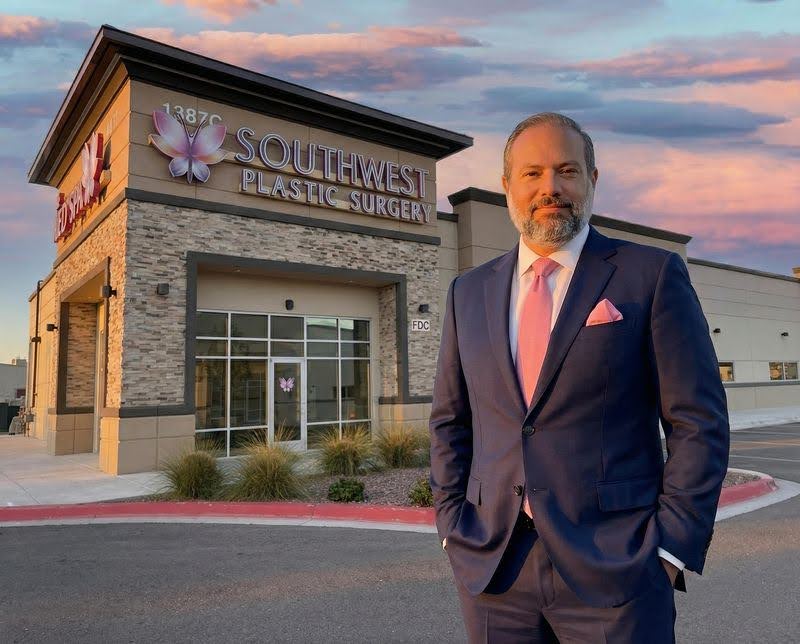
    Plastic surgery is undergoing a significant transformation. Surgical practice is no longer solely focused on delivering the most exaggerated results; surgeons are shifting to provide individualized care that promotes long-term health and procedural safety. Surgeons, like Dr. Frank Agullo at Southwest Plastic Surgery, blend global experience with innovation, using cutting-edge techniques, emphasizing transparency, and public education to drive this change.

    Evidence-Based Safety in High-Demand Procedures

    Brazilian Butt Lifts (BBLs) and body contouring are popular procedures globally, but they remain controversial surgeries due to safety risks. The NHS in the UK lists that the main risk of the procedure is a pulmonary embolism due to the fat being injected.

    The NHS also states that the fat should be injected into the subcutaneous area, not into the buttocks muscle.

    Dr. Agullo is among the first in North America to publish prospective safety data demonstrating reduced complications with ultrasound-guided fat grafting, and Southwest Plastic Surgery continues this precedent by using the technology for BBL procedures. With this practice, surgeons have greater control over where fat is injected, ensuring it is placed in the correct location and reducing potential risks.

    The Rise of Preservation Techniques in Breast Aesthetics

    According to Southwest, there has been a noticeable shift toward natural-looking breast enhancements, with tissue preservation and sensory retention being priorities. Techniques such as Motiva’s Preservé and scaffold-supported augmentation enable surgeons to deliver aesthetic enhancement while preserving functional integrity.

    The combination of smaller, lighter implants with advanced pocket‑control allows surgeons to preserve the patient’s own tissue envelope and sensation while achieving the desired volume and shape. Each of these technological advances in technique assists professionals in remedying existing issues of malpositioning, sensation loss, breast function, and scarring.

    Facial Rejuvenation Across the Lifespan

    Demand for facial procedures spans a wide age range, from thirty to seventy and beyond. With no two faces exactly alike, surgeons must address a wide variety of patients’ problems and concerns.

    Deep-plane facelifts, scarless endoscopic approaches, eyelid surgeries, and combination procedures are tailored to age, facial anatomy, and recovery goals, reflecting a shift toward subtle rejuvenation rather than more dramatic results. Results are more likely to seem like your face, but better, rather than a whole new person, if that is what a patient desires, and according to trends, it is.

    Plastic Surgery as Restorative, Not Just Cosmetic

    Plastic surgery is not all about appearance; it also has a more profound impact. Dr. Agullo’s humanitarian missions, like cleft lip/palate surgeries with Smile Network and Smile Train, emphasize surgery as a tool for function and confidence. Local initiatives like BRA Day events and support for breast cancer survivors underscore the commitment to social impact.

    Digital Transparency & Education as Differentiators

    Under his brand, Dr. WorldWide, Dr. Agullo pioneered live surgery content on Snapchat and now engages patients across Instagram, TikTok, and YouTube. These platforms function as educational tools and trust-builders, with real-time Q&A and patient journey walkthroughs that create visibility and comfort.

    Plastic surgery is not only about delivering a complete transformation of self, but also about helping patients achieve the results they desire for the body they will live in for the rest of their lives. It is individualized and health-focused, improving people, communities, and bodies.


    Source link

  • Cosmetic Surgery Costs Are Soaring, but Here’s How Patients Are Paying for It

    Cosmetic Surgery Costs Are Soaring, but Here’s How Patients Are Paying for It

    In a world shaped by filters, high-definition selfies, and social media perfection, cosmetic surgery has become increasingly mainstream and increasingly expensive. What was once reserved for celebrities and the ultra-wealthy is now a standard line item on the budgets of millennials, Gen Z, and working professionals alike. According to the American Society of Plastic Surgeons, Americans spent over $14.6 billion on aesthetic procedures in 2021, a figure that continues to rise.

    Yet as the demand rises, so do the prices. With most cosmetic procedures not covered by insurance, patients are left to foot the whole bill, often thousands of dollars out of pocket. The result? A growing number of people are seeking creative ways to afford their aesthetic goals.

    The New Normal for Cosmetic Procedures

    The stigma around plastic surgery is fading fast. Social media has helped normalize cosmetic procedures as part of routine self-care. At the same time, celebrity transparency has made it easier for everyday people to talk openly about Botox, fillers, and “tweakments.” Procedures such as lip lifts, body contouring, and nonsurgical facial rejuvenation have surged in popularity over the past five years, particularly among patients under 35.

    In a 2023 survey by the American Society of Plastic Surgeons, over 70% of surgeons reported a dramatic increase in interest from younger patients, many citing social media, video conferencing, and pandemic-era self-reflection as key motivators.

    And the rise isn’t just in major surgeries like breast augmentation or rhinoplasty. Noninvasive treatments, such as lip fillers, laser resurfacing, and injectables, have become as routine for some as a trip to the hair salon.

    But normalization doesn’t mean affordability. While procedures have become more widely accepted and accessible in terms of availability, the cost remains a significant barrier. Unlike medically necessary treatments, most cosmetic procedures aren’t covered by insurance, meaning patients have to navigate a complex financial landscape just to access the services they want.

    Sticker Shock: What Popular Surgeries Cost

    If you’re considering cosmetic work, it’s easy to underestimate the cost until the consultation.

    According to the American Society of Plastic Surgeons, the average cost of popular elective surgeries in the U.S. is:

    • Rhinoplasty (nose reshaping): $5,400
    • Breast augmentation: $4,500–$6,000
    • Liposuction: $3,600 per area
    • Facelift: $9,000
    • Brazilian Butt Lift (BBL): $8,000–$12,000
    • Eyelid surgery: $4,100
    • Botox/fillers (non-surgical): $300–$1,200 per session

    These numbers only reflect surgeon fees. So, add the costs of anesthesia, facility fees, post-op medications, or follow-up visits, and you’re looking at procedures that cost tens of thousands of dollars.

    For many, these price tags are intimidating, especially when paired with inflation, stagnant wages, and limited insurance assistance. And while some patients can save up in advance or use credit cards, others are turning to new methods of managing these rising costs.

    How People Are Paying: Credit, Savings, and Financing

    With cosmetic procedures costing thousands and insurance rarely covering them, many patients are finding creative ways to pay. Some save for months or even years. Others turn to credit cards, medical credit lines, or installment plans offered by clinics themselves.

    But increasingly, people are relying on cosmetic surgery financing options that help break up the cost over time.

    These financing programs are often similar to “Buy Now, Pay Later” services used in retail, offering promotional interest rates or short-term payment plans. Popular providers, such as CareCredit, Alphaeon Credit, and PatientFi, have partnered with plastic surgeons across the U.S., enabling patients to apply for loans or revolving credit during the consultation.

    The result? Access to procedures that once seemed out of reach, and a growing normalization of medical financing in the beauty industry.

    The Risks of Medical Debt and Deferred Interest

    While financing can make plastic surgery more accessible, it doesn’t come without risks. Medical financing through private lenders can carry high-interest rates, hidden fees, and deferred interest clauses that catch borrowers off guard. If a patient misses a payment or fails to repay within a promotional window, they could end up owing far more than they anticipated.

    For example, a $6,000 procedure might be divided into 12 payments of $500 each. And while some plans are interest-free if paid on time, others can carry steep interest rates if the balance goes unpaid. That’s why patients must understand the terms before signing on the dotted line.

    The Consumer Financial Protection Bureau (CFPB) has warned consumers about the rise of medical credit cards and third-party financing arrangements that lack adequate transparency. Some patients end up with long-term debt, especially if complications arise or additional procedures are needed down the line.

    Experts recommend treating plastic surgery financing like any other significant loan: review the terms carefully, ask about interest rates, and avoid borrowing more than you can reasonably afford to repay. Patients should also compare financing options, consider savings, and avoid making impulsive decisions based on pressure or emotion.

    Empowerment or Pressure? Navigating the Trend Ethically

    For many people, getting cosmetic work done isn’t just about changing their appearance. Instead, it is a way for individuals to feel more confident and more at ease in their own bodies. These procedures can offer a sense of control or relief, especially for individuals who have struggled with a particular issue for years.

    But as surgery becomes more accessible, with clinics offering payment plans and financing options right alongside before-and-after photos, you need to take a step back and consider the full picture before going under the knife.

    When cosmetic enhancements are presented as quick, affordable fixes, it can be hard to tell where personal choice ends and social pressure begins. What feels empowering for one person might feel like an expectation for someone else. And with financing more common than ever, the decision to have surgery can start to feel like just another financial commitment rather than a meaningful, personal choice.

    Are patients choosing these procedures freely, or feeling pushed by societal expectations and beauty standards amplified by social media?

    Platforms like Instagram and TikTok are filled with influencers and creators showcasing their glow-ups or recovery journeys, often without disclosing how they paid or what risks were involved. The pressure to conform to a certain appearance can be intense, particularly for young people. When the option to finance is just a click away, that pressure can translate into quick decisions with long-term consequences.

    That’s why many experts stress the importance of thoughtful, informed choices. Cosmetic surgery is a personal decision, but it should never feel like an obligation.

    Conclusion

    Cosmetic surgery has come a long way. It’s more accepted and more available than ever before. But just because the barriers to entry are lower doesn’t mean the decision should be taken lightly.

    Before booking a procedure, patients should take a step back and consider the full picture. Not just what the final result might look like, but also what it will cost, how it will be paid for, and whether the decision is being made for the right reasons. That means asking questions, reviewing payment options like plastic surgery financing, and understanding the long-term financial commitment involved.

    The truth is, there’s no one-size-fits-all answer when it comes to cosmetic procedures. For some, it’s a profoundly empowering experience. For others, it may not be the right move at this time. What matters most is making a choice that’s informed, intentional, and genuinely your own.


    Source link

  • Vietnam Reaches Medical Milestone With First Robotic Brain Surgery on Child with Drug-Resistant Epilepsy

    Vietnam Reaches Medical Milestone With First Robotic Brain Surgery on Child with Drug-Resistant Epilepsy

    The global medical robotics market is undergoing exponential growth. According to Frontiers, the sector was valued at approximately US$27.7 billion in 2023, with projections reaching US$127 billion by 2033, expanding at a CAGR of 16.5%.

    Adoption is most prominent in North America and Europe. In 2023, Europe alone had over 3,500 surgical robotic systems and performed more than 280,000 robotic surgeries, according to MarketGrowthReports.

    That future has now reached Southeast Asia. In July, 2025, Vinmec Central Park International Hospital in Ho Chi Minh City performed Vietnam’s first robotic-guided brain surgery on a pediatric patient with drug-resistant epilepsy, signaling a breakthrough for the region’s neurosurgical capabilities.

    A Precision-Based Intervention in Pediatric Epilepsy

    The patient, B.Q.K., a 9-year-old boy from Hanoi, had suffered from epilepsy since 2021. Despite undergoing multiple treatment regimens across Vietnam and abroad, his condition remained refractory, sometimes experiencing dozens of seizures per day. For five years, his family had been searching for a definitive treatment.

    That breakthrough came in 2025. On June 17, 2025, under the leadership of Dr. Truong Van Tri, with support from Japanese epilepsy specialist Assoc. Prof. Dr. Shunsuke Nakae, the surgical team successfully applied stereo-electroencephalography (SEEG) using the AutoGuide™ robotic guidance system. This marks the first-ever use of robotic SEEG for a pediatric patient in Vietnam.

    Vinmec made the life-changing breakthrough possible for the young boy.

    The AutoGuide™ robot enabled precise electrode implantation into high-risk brain areas. These included the orbitofrontal cortex and inferior frontal gyrus—regions dense with blood vessels and neural pathways. Using 3.0 Tesla MRI and multi-channel EEG, doctors visualized brain activity, mapped the seizure focus, and performed a minimally invasive resection.

    “For the first time, we achieved a near-perfect outcome in pediatric epilepsy surgery thanks to AutoGuide™. This is a critical milestone, especially for young patients who are highly vulnerable to major brain surgery,”said Dr. Tri.

    The patient reported no neurological deficits post-surgery and has since resumed normal activities. His seizure frequency decreased by over 95%, reflecting both the efficacy and safety of the procedure.

    Technology-Driven Medical Excellence

    According to the World Health Organization (WHO), 30% of epilepsy patients are drug-resistant, with surgery often being their best option. Yet in children, localizing the seizure-causing brain zone is especially difficult, as conventional EEG, PET, or MRI frequently yield inconclusive results.

    Robotic SEEG addresses these limitations by offering real-time, sub-millimeter accuracy, reduced invasiveness, and faster recovery times. With this breakthrough, Vinmec Central Park becomes one of the few hospitals in Asia capable of performing robotic pediatric SEEG. Recognized as Vietnam’s leading private hospital system for international patients, the robotic epilepsy surgery also reflects Vinmec’s broader strategy of developing centers of excellence.

    Vietnam’s neurological care is progressing, bringing national standards closer to global benchmarks.

    Source link

  • Colorado Man Dies During Routine Surgery After Distracted Doctors Silence Alarms to Play Music Bingo: Lawsuit

    Colorado Man Dies During Routine Surgery After Distracted Doctors Silence Alarms to Play Music Bingo: Lawsuit

    A Colorado man died during routine cataract surgery after his medical team allegedly silenced critical alarms while playing music bingo, according to a lawsuit filed by his widow.

    In February 2023, 56-year-old Bart Reiter underwent cataract surgery at InSight Surgery Center in Lone Tree, Colorado. His wife, Chris, was told she could run an errand and would be contacted when the procedure was finished, Local 12 reported. However, when Dr. Carl Stark Johnson, Reiter’s surgeon, met her in a parking lot near the hospital, he asked Chris if she believed in God and invited her to pray with him before telling her that her husband of 23 years had died.

    “It just didn’t make sense. Bart was 56. I mean, we skied every weekend. We bike together, we hike together,” Writer said, according to Atlanta News First.

    Staff noticed Reiter’s vital signs were abnormal 11 minutes into the procedure. He was rushed to a nearby medical center, where he later died.

    Although she initially believed her husband’s death was a tragic accident, Chris filed a lawsuit after another physician contacted her to raise concerns about her husband’s medical team. That doctor disclosed Dr. Johnson and anesthesiologist Dr. Michael Urban often played a game called “music bingo” during operations, a practice he described as a “major distraction.” The game involved Dr. Urban playing songs from his phone while the team guessed the tunes.


    According to depositions obtained by 9News, both doctors were playing the game during Reiter’s procedure. Further testimony revealed Dr. Urban had turned off a monitoring machine that would have alerted staff to Reiter’s deteriorating condition without informing Dr. Johnson.

    “Dr. Johnson relies on the anesthesiologist to provide the proper dose and type of anesthesia, to properly monitor the patient’s condition, and to communicate all relevant information to the surgeon including if they have elected, for whatever reason, to silence the audible alarms,” the surgeon’s attorney stated, according to 9News.

    Dr. Johnson stood by his practices and blamed the anesthesiologist for not “paying attention to the vital signs and doing his job.” Nonetheless, he and his legal team ultimately settled the lawsuit for an undisclosed amount.

    Originally published on Latin Times

    Source link

  • The Rare Surgery That Saved Their Lives

    The Rare Surgery That Saved Their Lives

    Born twice? It sounds impossible, but that’s exactly the story of miracle baby Rafferty Isaac in the U.K. At just 20 weeks, he was temporarily removed while in the womb so doctors could perform life-saving surgery on his mother, who had been diagnosed with ovarian cancer. After the complex five-hour procedure, Rafferty was placed back into the womb to finish growing and was “born again” at full term in January.

    Rafferty’s mother, 32-year-old Lucy Isaac, was just 12 weeks pregnant when she received the devastating diagnosis of ovarian cancer. The cancerous cells needed to be removed urgently, as delaying treatment until after childbirth would allow the disease to spread, threatening the life. But by then, Lucy had already entered her second trimester, so doctors ruled out the possibility of performing standard keyhole surgery.

    That’s when a team of surgeons at John Radcliffe Hospital in Oxford proposed a bold, life-saving solution: an extraordinary and rare procedure that involved temporarily removing Lucy’s womb, still carrying her unborn baby, from her abdomen to reach the cancerous cells hidden behind it, before carefully repositioning it to allow her pregnancy to continue. The surgery was risky to both mother and child and was carried out very rarely.

    However, trusting the expertise of her medical team, Lucy agreed to the high-risk surgery in October. During the operation, doctors successfully removed the tumors, which had already progressed to grade two, and began invading the tissues surrounding her ovaries.

    During the procedure, Lucy’s womb was outside for two hours, carefully wrapped in a sterile, warm saline pack to replicate the conditions inside the body and maintain the proper temperature. Throughout the operation, two medics closely monitored the child’s heart rate and temperature to ensure his safety.

    Rafferty’s birth as a healthy, full-term baby in January, weighing 6lb 5oz, was not just a medical triumph but a deeply emotional milestone for the Isaac family. Just two years earlier, Lucy’s husband, Adam, 42, had undergone a kidney transplant. “To finally hold Rafferty in our arms after everything we have been through was the most amazing moment,” Adam told the Daily Mail.

    In the weeks after the delivery, Lucy returned to John Radcliffe Hospital with her miracle baby to express their gratitude to the medical team. “It felt as if I had met him previously. It was a rare and a very emotional experience for me,” said surgeon Hooman Soleymani Majd, who led the team.

    Source link