Tag: Supplements

  • Are Health Supplements Really Safe? What Science Says About Risks and Benefits

    Are Health Supplements Really Safe? What Science Says About Risks and Benefits

    Health supplements are widely used to fill nutritional gaps, from vitamin D and omega-3 to magnesium and multivitamins. While many people rely on them for better health, concerns about supplement safety continue to grow due to inconsistent regulation, contamination risks, and possible drug interactions.

    At the same time, research shows that some supplements offer real supplements benefits, especially for people with nutrient deficiencies or specific health conditions. However, not all products are equally reliable, and quality can vary depending on manufacturing standards and verification processes. Understanding how health supplements work, their benefits, and their risks is essential for making informed decisions about daily use.

    Health Supplements Regulation and Quality Control

    Health supplements in many countries are regulated under frameworks like the FDA DSHEA, which allows products to enter the market without pre-approval as long as they are not unsafe or misbranded. This means supplement safety relies heavily on post-market monitoring rather than strict upfront testing.

    Many supplements make structure-function claims, such as “supports immunity,” but they cannot legally claim to treat or cure diseases. This creates a wide range of products with varying levels of scientific backing and consistency in labeling.

    One major issue in health supplements is contamination, where products may contain heavy metals, undeclared substances, or incorrect dosages. This is why third-party testing like USP verification is important to ensure product quality and reliability.

    Evidence-Based Supplements Benefits for Specific Populations

    Certain health supplements show clear benefits when used to correct deficiencies or support specific health needs. Vitamin D, for example, is often recommended for individuals with low blood levels, helping improve bone health and reduce fall risk in older adults.

    Omega-3 fatty acids also provide supplements for heart health, particularly in individuals with high triglycerides or previous cardiovascular events. Folic acid is another well-established supplement that significantly reduces the risk of neural tube defects when taken before and during early pregnancy.

    However, benefits are most noticeable in people who actually need supplementation rather than general use. For healthy individuals with balanced diets, multivitamin trials often show limited or neutral effects on long-term disease prevention.

    Supplement Safety Risks, Drug Interactions, and Overdose Concerns

    Supplement safety becomes a major concern when products interact with medications or are taken in high doses. Some supplements can affect how drugs are absorbed or processed in the body, leading to reduced effectiveness or increased side effects.

    Common drug interactions include vitamin K affecting blood thinners and St. John’s Wort reducing the effectiveness of certain medications. Even widely used products like fish oil or iron supplements can cause issues when combined with prescription drugs or taken in excess.

    Overdosing on health supplements can also lead to toxicity, especially with fat-soluble vitamins like A and D. This makes proper dosage and medical guidance essential, particularly for individuals taking multiple supplements or medications.

    How to Choose Safe Health Supplements

    Choosing the right health supplements requires more than just picking popular brands or trending products. Safety, quality, and scientific backing should all be considered before adding any supplement to your routine. A careful approach helps maximize supplements benefits while reducing potential risks.

    • Check for Third-Party Verification (USP verification) – Look for seals from trusted organizations like USP, NSF, or ConsumerLab to ensure the product has been tested for purity, accuracy, and safety standards.
    • Review Ingredient Transparency (FDA regulation) – Always examine the label for clear ingredient lists and avoid products with hidden blends or unclear dosages that may affect supplement safety.
    • Understand Your Health Needs – Focus on supplements that address specific deficiencies or medical needs rather than taking unnecessary products that may not provide real benefits.
    • Watch for Drug Interactions – Be aware of possible interactions with medications, especially blood thinners, diabetes drugs, or other long-term prescriptions.
    • Avoid Overdosing Risks – Follow recommended dosages carefully, as excessive intake of vitamins or minerals can lead to toxicity and unwanted side effects.

    Smarter Choices for Health Supplements Use

    Health supplements can support wellness, but they are not a substitute for a balanced diet or medical treatment. Their effectiveness depends on correct usage, product quality, and individual health needs.

    Making informed choices means checking labels, looking for third-party verification like USP, and understanding potential risks. With better awareness of supplement safety and realistic expectations of supplements benefits, users can avoid unnecessary risks while supporting their health goals.

    Frequently Asked Questions

    1. Are health supplements safe for daily use?

    Health supplements can be safe when taken correctly and in appropriate doses. However, safety depends on product quality, regulation, and individual health conditions. Some supplements may interact with medications or cause side effects. It is best to consult a healthcare professional before daily use.

    2. Do supplements really provide health benefits?

    Yes, but mainly for people with nutrient deficiencies or specific health needs. Supplement benefits are strongest in cases like vitamin D deficiency or pregnancy-related folic acid use. For healthy individuals, benefits may be limited. A balanced diet is still the primary source of nutrition.

    3. What does FDA regulation mean for supplements?

    FDA regulation means supplements are monitored for safety but are not pre-approved before selling. Manufacturers are responsible for ensuring product safety and labeling accuracy. The FDA can take action if a product is found unsafe. This makes post-market monitoring very important.

    4. How can I check if a supplement is safe?

    Look for third-party testing seals like USP, NSF, or ConsumerLab. These certifications indicate the product has been tested for quality and accuracy. Always check ingredient lists and avoid products with unclear labeling. Consulting a doctor can also help ensure safety.


    Originally published on Science Times
    Source link

  • Do Vitamin C Supplements Help Reduce Anxiety?

    Do Vitamin C Supplements Help Reduce Anxiety?

    What are the risks and benefits of using vitamin C for depression and anxiety?

    “In adults, emerging evidence suggests that higher daily intake of fiber-rich fruit and vegetable servings is associated with lower incidences of anxiety, greater happiness, higher life satisfaction, and greater social-emotional well-being,” says a review in the journal Nutrients. So, “persuading people to consume more fruits and vegetables may not only benefit their physical health in the long-run, but also their mental well-being in the short-run,” concluded a study in Social Science & Medicine. Fruit consumption, for example, has a protective association with leading killers like heart disease, stroke, diabetes, and cancer, as well as depression. The question is why?

    Several mechanisms have been proposed. For example, one posits it’s the antioxidant and anti-inflammatory properties of produce, which scavenge the free radicals that are involved in some of the inflammation associated with depression. If that’s the case, what about simply taking vitamin C supplements? The brain has some of the highest levels of vitamin C in the body, so it’s thought that if extra vitamin C is consumed, it may have some sort of therapeutic role in brain diseases, especially given that it is not just an antioxidant, but also has other critical functions in the brain, such as helping to build neurotransmitters like dopamine. But you don’t know whether it actually helps until you put it to the test.

    One study found a beneficial effect of adding vitamin C as an adjunct treatment to an antidepressant, while another study found no benefit from vitamin C supplementation.

    So, there are mixed results for vitamin C and depression. Another study found no benefit when it came to depression, but those randomized to vitamin C instead of placebo pills did show a significant decrease in anxiety level. And this wasn’t only seen in that study.

    The effects of oral vitamin C supplementation on anxiety in high school students were studied in a double-blind, randomized, placebo-controlled trial. The teens were given 500 mg a day of vitamin C or a placebo. That daily amount of vitamin C is about what you’d find in five oranges, four yellow kiwifruit or guavas, or one and a half yellow bell peppers. Within just two weeks, the vitamin C reduced anxiety levels compared to placebo, as well as provided a significant drop in heart rate.

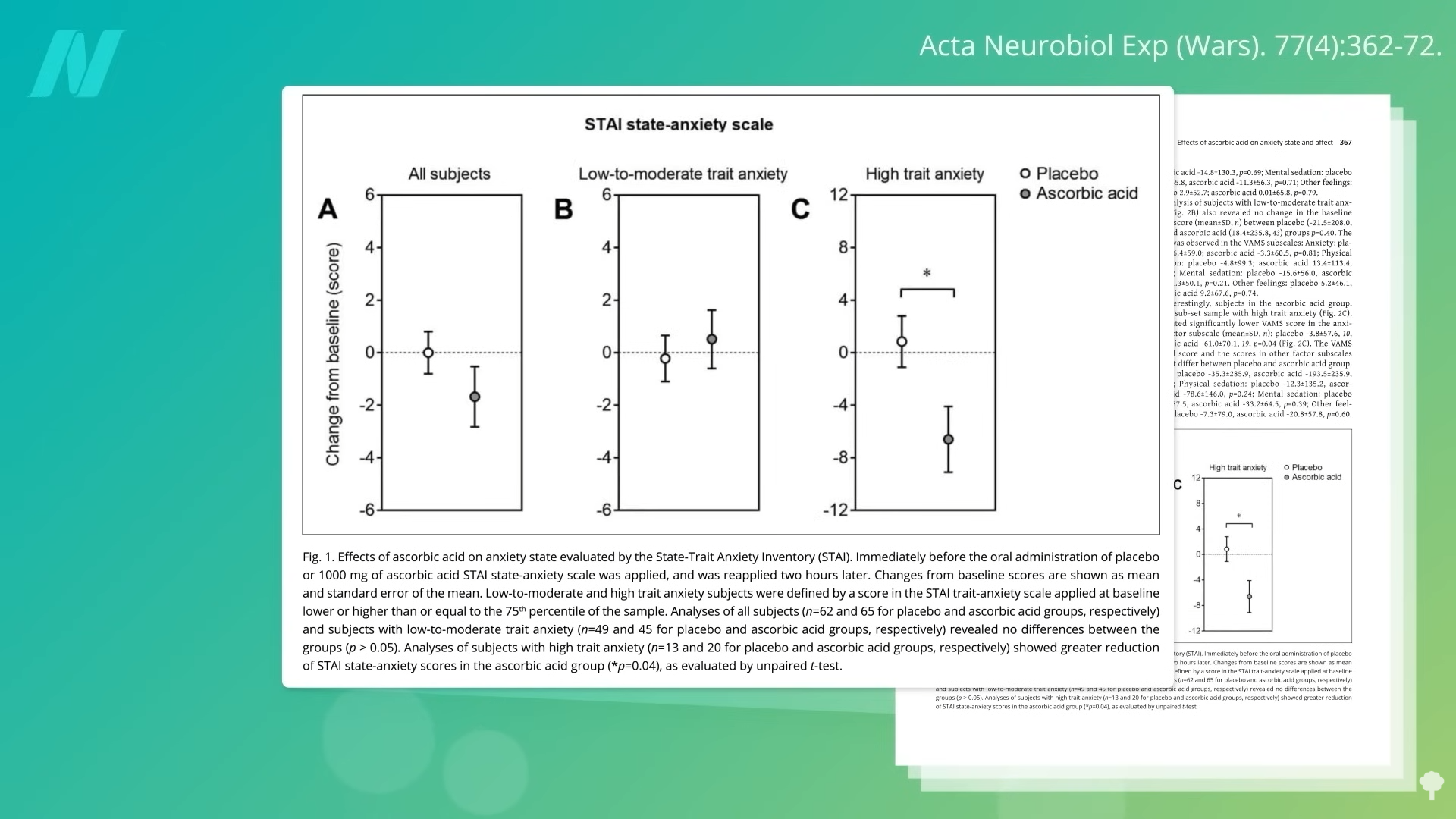
    Given these data showing that vitamin C may have an anxiety-reducing effect, researchers sought to find out if a single dose could acutely affect emotional states. And indeed, within only two hours of taking some vitamin C, study participants experienced a significant drop in anxiety compared to placebo, though only among those who started out the most anxious in the first place, as you can see below and at 2:42 in my video Do Vitamin C Supplements Help With Anxiety?.


    As a bonus, vitamin C supplementation may lower our blood pressure a few points, but whole fruits and vegetables can do the same thing—and may even do it better for those who need it the most, as shown below and at 2:53 in my video.

    As I’ve shown previously, simply adding just two servings of fruits and vegetables a day can have psychological well-being benefits within only two weeks—and without the kidney stone risk associated with vitamin C supplements, though that appears to be only a problem in men.

    Doctor’s Note

    For more on vitamin C and on anxiety, check out related posts below.


    Source link

  • Top 10 Supplements for Muscle Recovery: Boost Your Workout Results (Target keywords: muscle recovery supplements, workout results)

    Top 10 Supplements for Muscle Recovery: Boost Your Workout Results (Target keywords: muscle recovery supplements, workout results)

    When it comes to working out, everyone knows that the real magic happens after the gym session is over. That’s right, folks, we’re talking about muscle recovery. It’s the process by which your body repairs and rebuilds those muscles you’ve been pushing to their limits, and it’s essential for seeing real workout results. One way to give your body a helping hand is by incorporating muscle recovery supplements into your routine. But with so many options out there, it can be tough to know where to start. That’s why we’ve put together this list of the top 10 supplements for muscle recovery, to help you boost your workout results and take your fitness journey to the next level.

    Understanding Muscle Recovery
    Before we dive into the supplements, let’s take a quick look at what muscle recovery actually is. When you work out, you’re causing micro-tears in your muscles. This might sound bad, but it’s actually a good thing – it’s how your muscles grow and get stronger. The problem is, if you don’t give your body the tools it needs to repair those tears, you can end up with sore, tired muscles that are slow to recover. This is where muscle recovery supplements come in. By providing your body with the necessary building blocks, you can help speed up the recovery process, reduce muscle soreness, and get back to your workout routine faster.

    Top 10 Muscle Recovery Supplements
    So, without further ado, let’s take a look at the top 10 muscle recovery supplements that can help boost your workout results.

    1. Protein Powder: This one’s a no-brainer. Protein is essential for muscle growth and repair, and a good protein powder can help ensure you’re getting enough. Look for a whey protein or casein protein powder, and aim to consume it within an hour of your workout.

    2. Creatine: Creatine is a naturally occurring substance that helps supply energy to your muscles. Supplementing with creatine can help increase strength, power, and endurance, making it a great addition to your muscle recovery routine.

    3. Branched-Chain Amino Acids (BCAAs): BCAAs are three essential amino acids – leucine, isoleucine, and valine – that play a critical role in muscle recovery. They can help reduce muscle soreness, improve recovery time, and even boost muscle growth.

    4. Glutamine: Glutamine is an amino acid that’s essential for immune function and muscle recovery. Supplementing with glutamine can help reduce muscle soreness, improve recovery time, and even support immune function.

    5. HMB (beta-Hydroxy beta-Methylbutyrate): HMB is a metabolite of the amino acid leucine, and it’s been shown to have a range of benefits for muscle recovery. It can help reduce muscle soreness, improve recovery time, and even boost muscle growth.

    6. L-Carnitine: L-carnitine is an amino acid that plays a critical role in energy production. Supplementing with L-carnitine can help improve endurance, reduce muscle soreness, and even support weight loss.

    7. L-Glutathione: L-glutathione is an antioxidant that helps protect your muscles from damage. Supplementing with L-glutathione can help reduce muscle soreness, improve recovery time, and even support overall health.

    8. Omega-3 Fatty Acids: Omega-3 fatty acids are essential for heart health, but they also have a range of benefits for muscle recovery. They can help reduce inflammation, improve recovery time, and even support muscle growth.

    9. Vitamin D: Vitamin D is essential for bone health, but it also plays a critical role in muscle recovery. Supplementing with vitamin D can help improve recovery time, reduce muscle soreness, and even support overall health.

    10. Ashwagandha: Ashwagandha is an adaptogenic herb that’s been shown to have a range of benefits for muscle recovery. It can help reduce stress, improve recovery time, and even boost muscle growth.

    How to Choose the Right Muscle Recovery Supplements
    With so many options out there, it can be tough to know which muscle recovery supplements are right for you. Here are a few tips to keep in mind:

    • Always consult with a healthcare professional before starting any new supplement routine.
    • Look for supplements that are backed by scientific research and have a clear list of ingredients.
    • Start with a small dose and gradually increase as needed.
    • Be patient – muscle recovery supplements can take time to start working.

    Conclusion
    Muscle recovery is a critical part of any workout routine, and incorporating the right supplements can help boost your workout results. By providing your body with the necessary building blocks, you can help speed up the recovery process, reduce muscle soreness, and get back to your workout routine faster. Remember to always consult with a healthcare professional before starting any new supplement routine, and be patient – muscle recovery supplements can take time to start working. With the right combination of supplements and a solid workout routine, you can take your fitness journey to the next level and achieve the results you’ve always wanted.

    Frequently Asked Questions

    Q: What are the best muscle recovery supplements for beginners?
    A: For beginners, it’s best to start with the basics – protein powder, creatine, and BCAAs. These supplements are well-studied and can help provide a solid foundation for muscle recovery.

    Q: How long does it take to see results from muscle recovery supplements?
    A: The amount of time it takes to see results from muscle recovery supplements can vary depending on the individual and the specific supplement. Some supplements, like protein powder, can start working within a few days, while others, like creatine, may take a few weeks to start producing noticeable results.

    Q: Are muscle recovery supplements safe?
    A: Generally, muscle recovery supplements are safe when taken as directed. However, it’s always important to consult with a healthcare professional before starting any new supplement routine, especially if you have any underlying health conditions or are taking medications.

    Q: Can I take muscle recovery supplements with other supplements?
    A: Yes, many muscle recovery supplements can be taken with other supplements. However, it’s always important to consult with a healthcare professional before combining supplements, as some may interact with each other or have adverse effects.

    Q: How much do muscle recovery supplements cost?
    A: The cost of muscle recovery supplements can vary widely depending on the specific supplement and brand. Generally, you can expect to pay anywhere from $20 to $50 per month for a basic supplement routine.

    top-10-supplements-for-muscle-recovery-boost-your-workout-results-target-keywords-muscle-recovery-supplements-workout-results

  • NMN Supplements for Peak Performance, Prevention & Longevity

    NMN Supplements for Peak Performance, Prevention & Longevity

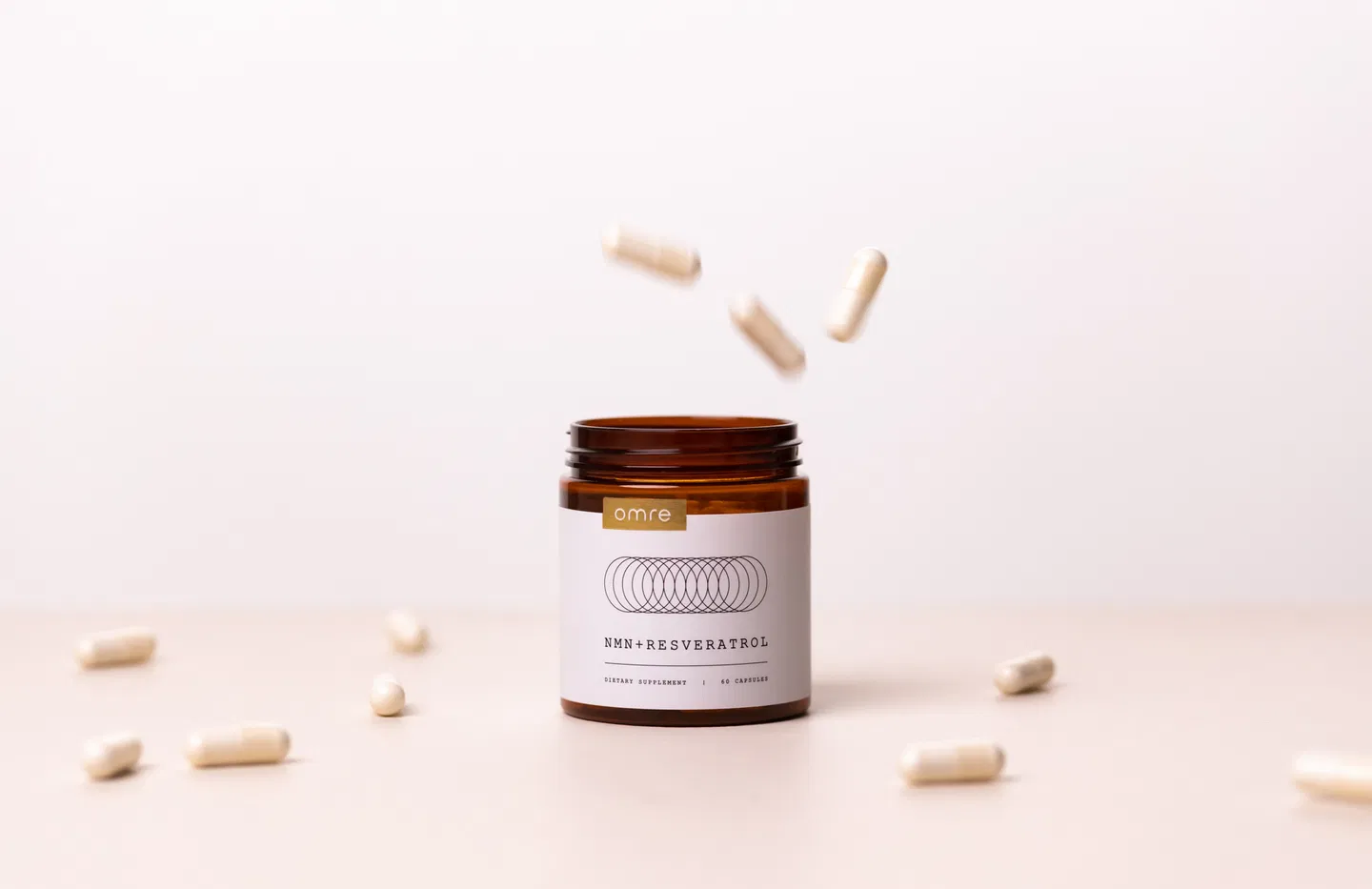
    Performance isn’t just about pushing harder, it’s about recovering smarter. Founded by Dr Pedram Kordrostami, Omre is a US-based supplement brand focused on science-backed nutrition for longevity and peak human performance.

    Omre bridges clinical science with real-world application, developing products that enhance recovery, resilience, and focus at the cellular level. Every supplement is doctor-formulated, third-party tested, and made in FDA-registered facilities, combining transparency and scientific integrity with measurable results.

    At the core of its longevity line is NMN + Resveratrol, a precision blend designed to help high achievers sustain performance while supporting long-term health.

    What Is NMN — and Why It Matters

    Nicotinamide Mononucleotide (NMN) is a key compound that supports the body’s natural production of NAD+ (nicotinamide adenine dinucleotide), a coenzyme vital for cellular energy and DNA repair. NAD+ powers mitochondrial function, essentially the body’s energy engines, and helps cells recover from daily stress.

    As NAD+ levels naturally decline with age, so does the body’s capacity for energy and recovery. NMN supplementation helps support NAD+ metabolism, allowing cells to perform efficiently and repair themselves more effectively.

    When paired with Resveratrol, a plant-based antioxidant found in grapes and berries, the combination amplifies benefits, supporting mitochondrial health, cellular protection, and longevity.

    Omre’s Doctor-Led Edge

    Omre’s NMN + Resveratrol stands out for its clinical precision and transparency.

    Key features include:

    • Doctor-Formulated: Created by Dr Pedram Kordrostami with clinically researched ingredients.
    • Pharmaceutical-Grade Purity: Manufactured in FDA-registered facilities and third-party tested for quality assurance.
    • Bioavailable Forms: Designed for optimal absorption and cellular utilisation.
    • Transparent Labelling: No fillers, additives, or misleading claims, just verified science.

    This makes Omre’s formulation ideal for athletes, biohackers, and professionals who demand peak cognitive and physical performance while prioritising long-term health.

    The Real Performance Hack: Recovery

    Recovery is increasingly recognised as the foundation of sustainable performance. Supporting NAD+ levels helps cells regenerate and maintain energy balance, allowing you to train harder, focus longer, and recover faster.

    Unlike stimulants or quick fixes, NMN works from within, aligning with how the body naturally manages energy production and repair. This cellular-level support ensures endurance today and resilience tomorrow.

    Top reasons to include NMN + Resveratrol in your daily routine:

    • Supports healthy NAD+ levels for energy metabolism.
    • Promotes DNA repair and cellular defence.
    • Aids recovery and reduces cellular stress.
    • Encourages longevity through improved mitochondrial function.

    In short, Omre’s NMN + Resveratrol is not just a supplement, it’s a longevity strategy.

    A Longevity Lifestyle Rooted in Science

    For those seeking a smarter, more sustainable edge, Omre offers a science-backed solution. Whether you’re training, working long hours, or simply striving to age well, consistent NMN supplementation can be part of a holistic longevity approach that combines exercise, rest, and precision nutrition.

    It’s about supporting your body at the most fundamental level, the cells, so you can perform, recover, and thrive across all stages of life.

    Ready to Optimise Your Energy?

    Discover how Omre’s NMN + Resveratrol can help you unlock your next level of performance and longevity.

    Shop now at Omre.co and experience recovery that starts from within.

    Source link

  • Making Brain-Health Supplements Work Day to Day

    Making Brain-Health Supplements Work Day to Day

    The role of nutritional supplementation in supporting brain health has gained increasing attention in recent years, particularly as global populations age and the burden of neurodegenerative concerns rises. While the commercial availability of “nootropic” and brain-health supplements has expanded rapidly, their clinical efficacy depends less on ingestion and more on integration into sustained, evidence-based health practices.

    Understanding the Role of Brain-Health Supplements

    Cognitive performance and neuroprotection rely on complex interactions between neurotransmitters, vascular health, and cellular resilience. Science-backed nootropic supplements for brain health are typically formulated to provide nutrients and bioactive compounds that support these processes.
    Omega-3 fatty acids (DHA and EPA)

        are essential for neuronal membrane fluidity and synaptic signaling. Meta-analyses suggest that omega-3 supplementation may improve memory, learning, and executive function and help fight age-related cognitive decline

    1

    • B vitamins (e.g., folate, B6, B12) regulate homocysteine metabolism; elevated homocysteine is associated with cognitive impairment and dementia risk 3.
    • Adaptogens such as Rhodiola rosea and Panax ginseng may modulate stress response pathways via the hypothalamic–pituitary–adrenal axis, with preliminary evidence of improved mental fatigue and resilience 4.
    • Amino acids such as L-theanine appear to influence alpha brainwave activity and GABA/glutamate neurotransmission, contributing to enhanced attention and reduced stress 5.

    No supplement acts as a pharmacological “quick fix.” Their role is adjunctive, best positioned within multimodal interventions that include nutrition, physical activity, sleep regulation, and stress reduction.

    Creating Consistency in Supplement Use

    Clinical outcomes from supplementation are contingent upon regular intake over time, as nutrient effects accumulate systemically. Strategies to enhance adherence include:

    • Habit stacking, in which supplement administration is paired with an established daily behavior (e.g., morning hygiene or coffee preparation).
    • Behavioral prompts, such as phone alarms, digital reminders, or visible placement of supplements within daily environments.
    • Structured organization (e.g., pill organizers) to reduce cognitive load and ensure dose accuracy.

    Just like any other healthy lifestyle practice, consistent supplement use brings the best potential benefits.

    Synergistic Role of Lifestyle Factors

    Supplements function optimally when biological systems are primed through foundational health practices:

    • Nutrition: Diets rich in polyphenols, flavonoids, and unsaturated fatty acids—such as the Mediterranean diet—are associated with reduced risk of cognitive decline and Alzheimer’s disease 7.
    • Hydration: Mild dehydration impairs attention, executive function, and short-term memory, with rehydration reversing deficits 8.
    • Sleep: Adequate sleep is critical for synaptic homeostasis, memory consolidation, and clearance of neurotoxic metabolites via the glymphatic system 9.
    • Exercise: Regular aerobic activity upregulates brain-derived neurotrophic factor (BDNF), enhances neurogenesis in the hippocampus, and improves executive function 10.

    Personalizing Supplementation Strategies

    Supplement selection should align with the individual’s demographic, clinical background, and cognitive objectives:

    • Students and early-career professionals: supplementation may focus on attentional control and working memory.
    • High-stress populations: adaptogens and amino acids may mitigate stress-induced cognitive fatigue.
    • Older adults: neuroprotective compounds such as omega-3s, B vitamins, and polyphenols may support healthy aging.

    The heterogeneity of formulations underscores the importance of aligning supplementation with individual risk factors and evidence-based outcomes rather than generalized claims.

    Monitoring Efficacy and Adherence

    Unlike pharmacological agents, supplement outcomes are often subtle and gradual. Clinicians and individuals may benefit from:

    • Journaling or ecological momentary assessment (EMA) of mood, energy, and cognitive performance.
    • Standardized cognitive assessments, where feasible, to detect changes in working memory, attention, or executive function.
    • Self-monitoring tools (e.g., digital health apps, wearables) that capture sleep, stress, and focus patterns.

    Longitudinal self-reporting aids motivation while also generating real-world data on supplement efficacy.

    Addressing Common Barriers

    Supplement adherence disruptions commonly include travel, workload, or simple forgetfulness. Practical mitigation strategies involve portable pill containers, weekly dose batching, and prioritization of essential interventions during periods of high demand. Evidence from behavioral science indicates that environmental design—structuring cues and reducing barriers—improves long-term adherence 11.

    Conclusion

    Brain-health supplements may contribute to cognitive resilience, but their benefits are maximized only when integrated into a broader framework of healthy living. Sustained adherence, combined with nutrition, hydration, exercise, and sleep, provides the biological substrate for these compounds to act effectively.

    Ultimately, supplement use should be considered not as a discrete intervention, but as one element in a multidimensional approach to cognitive health across the lifespan.

    References

    1. Yurko-Mauro K, Alexander DD, Van Elswyk ME. Docosahexaenoic acid and adult memory: a systematic review and meta-analysis. PLoS One. 2015;10(3):e0120391. PubMed
    2. National Institutes of Health (NIH) Office of Dietary Supplements. Omega-3 Fatty Acids – Fact Sheet for Consumers. NIH ODS
    3. Mayo Clinic. Alzheimer’s disease: Can vitamins and supplements help? Mayo Clinic
    4. Cleveland Clinic. Rhodiola (Rhodiola rosea). Cleveland Clinic
    5. Hidese S, Ogawa S, Ota M, et al. Effects of L-theanine administration on stress-related symptoms and cognitive functions in healthy adults: a randomized controlled trial. Nutrients. 2019;11(10):2362. PubMed
    6. Jimmy B, Jose J. Patient medication adherence: measures in daily practice. Oman Med J. 2011;26(3):155–159. PubMed
    7. Valls-Pedret C, Sala-Vila A, Serra-Mir M, et al. Mediterranean diet and age-related cognitive decline: a randomized clinical trial. JAMA Intern Med. 2015;175(7):1094–1103. PMC
    8. Masento NA, Golightly M, Field DT, Butler LT, van Reekum CM. Effects of hydration status on cognitive performance and mood. Br J Nutr. 2014;111(10):1841–1852. PMC
    9. Xie L, Kang H, Xu Q, et al. Sleep drives metabolite clearance from the adult brain. Science. 2013;342(6156):373–377. NIH
    10. Erickson KI, Voss MW, Prakash RS, et al. Exercise training increases size of hippocampus and improves memory. Proc Natl Acad Sci USA. 2011;108(7):3017–3022. PMC
    11. Michie S, van Stralen MM, West R. The behaviour change wheel: a new method for characterising and designing behaviour change interventions. Implement Sci. 2011;6:42. PubMed

    Source link

  • 10 Best Daily Supplements for Reducing Stress and Boosting Energy in 2025

    10 Best Daily Supplements for Reducing Stress and Boosting Energy in 2025

    Let’s face it, life in 2025 is busy, exhausting, and sometimes stressful. Nearly 40% of UK adults report feeling highly stressed, according to recent surveys, leaving many searching for ways to stay energised without endless coffee. A handful of trending daily supplements can help. From calming adaptogens to energy-boosting vitamins, here are ten options worth exploring.

    1. Ashwagandha: Calm Your Mind, Boost Your Energy

    Ashwagandha is a very popular adaptogenic herb that regulates cortisol, your body’s main stress hormone. Clinical trials show it can reduce cortisol by up to 28% over 60 days, improving sleep quality and daytime energy. Check it out at Medical News Today.

    2. Magnesium: The Muscle and Mind Ally

    Magnesium supports over 300 bodily processes, including nerve function and energy production. Around 75% of adults in the UK and US don’t get enough, which can leave you tired and irritable. Supplementation can ease muscle tension and promote a calmer state of mind.

    3. B-Complex Vitamins: Fuel for Mood and Vitality

    B12 and B6 are essential for energy metabolism and neurotransmitter production. Up to 15% of adults over 50 have low B12, which can make you feel foggy or stressed. A B-complex supplement supports energy, focus, and emotional resilience. Check availability at Vitaquest.

    4. Rhodiola Rosea: The Stress-Busting Superstar

    Rhodiola Rosea is an adaptogen that enhances focus and combats fatigue. Clinical trials report a 20–25% improvement in fatigue scores among stressed adults taking it regularly. Professionals often rely on Rhodiola during periods of high workload. Explore products at BBC Good Food.

    5. Vitamin D3 + K2: Shine Even in Winter

    Around 40% of the UK population is vitamin D deficient, especially in darker months. Pairing D3 with K2 improves calcium absorption, supports bone health, and helps maintain energy and mood when sunlight is scarce.

    6. L-Theanine: Chill Without Losing Focus

    L-Theanine, an amino acid in green tea, promotes relaxation without drowsiness. Studies suggest it can lower stress scores by up to 30% while improving attention and focus. Ideal for busy professionals or students.

    7. CoQ10: Power Your Cells

    Coenzyme Q10 fuels the mitochondria in your cells, your natural energy factories. Levels drop by around 50% by age 40, leaving many feeling sluggish. Supplementing can restore vitality and protect against oxidative stress.

    8. Ginseng: Energy with a Mental Edge

    Ginseng improves stamina and cognitive performance. Research shows it can boost energy by 12–15% for adults with mild fatigue.

    9. Omega-3 Fatty Acids: Brain Boosters

    Omega-3s from fish oil improve brain function and reduce inflammation. Daily intake of 1,000mg of EPA and DHA can improve mood in 60% of participants experiencing mild stress.

    10. Adaptogenic Blends: All-in-One Support

    Blends like Huel Daily Greens combine vitamins, minerals, and herbs for stress and energy support. Users report increased energy and improved focus within two weeks, making them ideal for a busy lifestyle.

    Take Charge of Your Stress and Energy

    Managing stress and energy in 2025 requires more than luck, it demands consistency. Incorporating these supplements into your daily routine, alongside good sleep and balanced meals, can enhance resilience, focus, and overall vitality. Always check with a healthcare professional before starting new supplements to ensure they fit your personal needs.

    Originally published on IBTimes UK

    Source link

  • Supplements

    Supplements

    Product Name: Supplements

    Click here to get Supplements at discounted price while it’s still available…

    All orders are protected by SSL encryption – the highest industry standard for online security from trusted vendors.

    Supplements is backed with a 60 Day No Questions Asked Money Back Guarantee. If within the first 60 days of receipt you are not satisfied with Wake Up Lean™, you can request a refund by sending an email to the address given inside the product and we will immediately refund your entire purchase price, with no questions asked.

    (more…)

  • Worried About Supplements Harming Your Liver? Doc Shares Tips

    Worried About Supplements Harming Your Liver? Doc Shares Tips

    Thinking of adding supplements to your wellness routine but worried about liver damage? It is good to be cautious as mindless supplement intake can harm your organs, but the good news is that you can still enjoy the benefits safely.

    Dr. Karan Rajan, a top U.K. surgeon, warns that this is because all kinds of supplements, even natural ones can affect the way the liver functions, Dr. Rajan explained in an Instagram video to more than 1.7 million viewers.

    Dr. Rajan admits that he is a fan of supplements and even takes a few himself, including omega-3, vitamin D, and fiber. But in response to a video of a woman who developed organ failure after using supplements for hair and nail growth, he offered a clear warning: “Just don’t turn your liver into a science fair project gone wrong.” “If you take supplements and want to avoid liver injury, there are a few things you should know,” he added.

    Know how it affects the liver:

    Before taking any supplement, Dr. Rajan advises checking a trusted source like LiverTox—a database that compiles case reports on how various drugs and supplements impact the liver.

    “If it’s listed under grade A,B or C, be extra cautious about the dose and what you’re taking. Even the natural ones involve liver metabolism, meaning they go through the liver’s biochemical sorting hat and get processed by liver enzymes. This can affect how hard your liver is working,” he said in the video.

    Ensure quality:

    With supplements so easily accessible, it is easy to get swept up by flashy marketing without knowing what you are really getting. That is why Dr. Rajan recommends looking for third-party certification labels on packaging, these indicate that the product has been independently tested for safety, quality, and performance. Although no testing can guarantee 100% protection from liver injury, it can at least help you know what is actually inside the capsule.

    Be mindful of dosage and interactions:

    When it comes to the dosage of supplements, Dr. Rajan emphasizes that more is not always better so it is crucial to stick to clinically recommended amounts.

    “If you’re on prescription medications like statins, blood thinners, anti-epileptics and anti-depressants, check for drug interactions with your pharmacist or doctor before starting any supplement,” he said.

    “If you are taking multiple herbal supplements, make sure there isn’t significant overlap between the active ingredients of each one. You’re creating a pharmacological cocktail with unknown synergy,” he added.


    Source link

  • The Ultimate Guide to 17 Energy-Boosting Supplements You Need in 2025

    The Ultimate Guide to 17 Energy-Boosting Supplements You Need in 2025

    As we step into 2025, the demand for natural energy boosters is higher than ever. Whether you’re an athlete, a busy professional, or simply looking to enhance your daily vitality, these 17 supplements can help you unlock your full potential and keep you energized throughout the day.

    1. CoQ10: The Cellular Powerhouse

    CoQ10: The Cellular Powerhouse

    Coenzyme Q10 (CoQ10) is a naturally occurring antioxidant that plays a crucial role in energy production at the cellular level. It helps transform the food we eat into ATP, the energy currency of our cells. By supplementing with CoQ10, you can support your body’s natural energy production processes, potentially leading to increased vitality and reduced fatigue.

    Shop Now

    2. B-Complex Vitamins: The Fatigue Fighters

    B-Complex Vitamins: The Fatigue Fighters

    B vitamins are essential for converting food into energy. A B-complex supplement typically includes vitamins B1, B2, B3, B5, B6, B9, and B12, all of which play critical roles in energy metabolism. These vitamins work synergistically to support various bodily functions, including brain health and red blood cell formation, which can contribute to overall energy levels and cognitive function.

    Shop Now

    3. Iron: The Oxygen Transporter

    Iron: The Oxygen Transporter

    Iron is crucial for the production of hemoglobin, which carries oxygen throughout your body. An iron deficiency can lead to anemia, causing fatigue and weakness. By ensuring adequate iron intake, you can support optimal oxygen transport and energy production, especially if you’re at risk of iron deficiency.

    Shop Now

    4. Rhodiola Rosea: The Adaptogenic Energizer

    Rhodiola Rosea: The Adaptogenic Energizer

    Rhodiola Rosea is an adaptogenic herb known for its ability to enhance mental and physical stamina. It has been shown to reduce fatigue, increase mental performance, and help the body adapt to stress. This makes it an excellent supplement for those looking to boost their energy levels naturally.

    Shop Now

    5. Maca Root: The Stamina Booster

    Maca Root: The Stamina Booster

    Maca root is a Peruvian superfood that has been used for centuries to increase energy and endurance. It’s believed to support hormone balance by influencing the hypothalamus-pituitary-adrenal axis. Regular consumption of maca may lead to improved stamina, enhanced libido, and better overall vitality.

    Shop Now

    6. Cordyceps Mushroom: The Endurance Enhancer

    Cordyceps Mushroom: The Endurance Enhancer

    Cordyceps is a fungus that has gained popularity among athletes for its ability to improve endurance and oxygen utilization. Studies have shown that it can increase VO2 max, allowing for greater oxygen consumption during exercise. This makes it an excellent supplement for those looking to enhance their athletic performance and overall energy levels.

    Shop Now

    7. L-Theanine + Caffeine: The Focus Duo

    L-Theanine + Caffeine: The Focus Duo

    The combination of L-Theanine and caffeine provides a unique balance of alertness and relaxation. While caffeine provides a quick energy boost, L-Theanine helps to smooth out the jittery effects, resulting in calm, focused energy. This synergistic pair is perfect for those needing mental clarity and sustained energy throughout the day.

    Shop Now

    8. Creatine: The Strength Supporter

    Creatine: The Strength Supporter

    Creatine is well-known in the fitness community for its ability to enhance strength and power output. By increasing the availability of ATP in muscle cells, creatine can help you push harder during workouts and recover faster, leading to improved energy levels both in and out of the gym.

    Shop Now

    9. Beta-Alanine: The Muscle Fatigue Reducer

    Beta-Alanine: The Muscle Fatigue Reducer

    Beta-Alanine is an amino acid that helps to buffer lactic acid in muscles, potentially delaying the onset of muscle fatigue during high-intensity exercise. This can lead to improved endurance and overall energy levels during workouts.
    Shop Now

    10. Tart Cherry Extract: The Recovery Booster

    Tart Cherry Extract: The Recovery Booster

    Tart cherry extract is rich in antioxidants and anti-inflammatory compounds that can aid in workout recovery. By reducing muscle soreness and inflammation, it can help you bounce back faster from intense physical activity, maintaining your energy levels day after day.
    Shop Now

    11. Electrolytes: The Hydration Helpers

    Electrolytes: The Hydration Helpers

    Proper hydration is crucial for maintaining energy levels and physical performance. Electrolyte supplements can help replenish essential minerals lost through sweat, ensuring optimal hydration and supporting overall energy production and utilization.

    Shop Now

    12. Beetroot Powder: The Blood Flow Enhancer

    Beetroot Powder: The Blood Flow Enhancer

    Beetroot powder is rich in nitrates, which can improve blood flow and oxygen delivery to muscles. This can lead to enhanced endurance and reduced fatigue during physical activities, making it a valuable supplement for both athletes and active individuals.

    Shop Now

    13. Spirulina: The Natural Energy Superfood

    Spirulina: The Natural Energy Superfood

    Spirulina is a nutrient-dense blue-green algae that’s packed with protein, vitamins, and minerals. Its high nutrient content can support overall energy levels and vitality, making it an excellent addition to any energy-boosting regimen.
    Shop Now

    14. Green Tea Extract: The Natural Caffeine Source

    Green Tea Extract: The Natural Caffeine Source

    Green tea extract provides a natural source of caffeine along with beneficial antioxidants like EGCG. This combination can offer a gentle energy boost without the crash often associated with coffee, making it an excellent option for sustained energy throughout the day.
    Shop Now

    15. Ginseng: The Stamina Supporter

    Ginseng: The Stamina Supporter

    Ginseng has been used for centuries in traditional medicine to boost energy and reduce fatigue. It’s believed to support both cognitive and physical stamina, making it a versatile supplement for overall energy enhancement.
    Shop Now

    16. Vitamin C: The Immunity Booster

    Vitamin C: The Immunity Booster

    While not directly an energy supplement, Vitamin C plays a crucial role in supporting the immune system. By helping to ward off illness and inflammation, Vitamin C can indirectly contribute to maintaining optimal energy levels and overall well-being.
    Shop Now

    17. D-Ribose: The Cellular Energy Enhancer

    D-Ribose: The Cellular Energy Enhancer

    D-Ribose is a type of sugar that plays a fundamental role in ATP production. Supplementing with D-Ribose may help support cellular energy production and recovery, particularly beneficial for those with high energy demands or those recovering from intense physical exertion.

    Shop Now

    By incorporating these supplements into your daily routine, you can potentially boost your energy levels, enhance your performance, and improve your overall well-being. Remember to consult with a healthcare professional before starting any new supplement regimen, especially if you have pre-existing health conditions or are taking medications.

    Source link

  • Can Supplements Increase Cancer Risk? Here’s What Cancer Dietitian Says

    Can Supplements Increase Cancer Risk? Here’s What Cancer Dietitian Says

    Turning to supplements to boost your overall health? This seemingly harmless wellness trend is now being questioned by a cancer dietitian, who advises you to evaluate whether you really need them or if whole foods might be a better choice.

    “Many of us turn to supplements like apple cider vinegar, collagen, skin/hair/nail gummies, turmeric, and Vitamin C for quick fixes, but did you know excessive doses can do more harm than good?,” Nichole Andrews, a registered dietitian and nutritionist specializing in oncology, said in a video she posted on Instagram.

    “As a cancer dietitian, I’m here to tell you that relying on supplements for health can lead to imbalances and even increase cancer risk in some cases. Whole foods should always be your go-to for nutrients!,” she said.

    Andrews suggests that supplements are essentially for those who cannot get adequate nutrients from their routine diet and she would not take them unless recommended by a doctor. The key concern she raises is the risk of consuming high doses of these nutrients from supplements, which can be harmful, while the same nutrients are absorbed safely in smaller amounts from food.

    “I do not take any supplements unless my doctor recommends it, I get all my nutrients from food. Do not seek out supplements to reduce cancer risk because in fact high doses of supplements can increase cancer risk,” she said in a viral video on TikTok. She also emphasized avoiding alcohol and processed foods to reduce the risk.

    Although Andrews does not pinpoint the specific supplements that are linked to cancer, she highlights a few that could be avoided and shares recommendations for healthier alternatives.

    1. Apple Cider Vinegar Capsules: These capsules, made from apple cider vinegar, are rich in antioxidants and are often praised for benefits like weight loss, reducing acid reflux, lowering cholesterol, and managing blood sugar levels. However, Andrews warns, “The high acidity can irritate your digestive system, and these are not regulated like food and drugs.” For those seeking alternatives, she recommends natural options like lemon water and fermented foods such as kimchi or sauerkraut.

    2. Collagen Supplements: These supplements have gained popularity for their potential benefits, ranging from building muscle mass and preventing bone loss to relieving joint pain and improving skin health. However, Andrews notes that collagen supplements are not necessary unless there is a deficiency. She also cautions that excessive collagen intake can interfere with nutrient absorption. Instead, she suggests incorporating whole foods rich in collagen, such as chicken, fish, eggs, and vitamin C-packed citrus fruits and berries, into the daily routine.

    3. Skin/Hair/Nail Gummies: “High doses of biotin can cause imbalances and interfere with lab tests. Choose eggs, nuts, leafy greens, avocados, and sweet potatoes for balanced vitamins,” Andrews noted.

    4. Turmeric Supplements: These are supplements vouched for several health benefits, such as reducing inflammation and improving metabolic syndrome. However, high doses of turmeric can irritate the stomach and affect liver function, Andrews noted.
As a healthier alternative, she suggests taking turmeric in food and choosing healthy fats like olive oil or coconut milk to improve the absorption.

    5. Vitamin C Supplements: Known for immune boosting benefits, many people take vitamin C supplements to ward off cold and flu viruses. But, taking “Over 200% of the daily value can lead to kidney stones and digestive issues,” Andrews said. “Choose: Oranges, strawberries, bell peppers, and broccoli for natural, balanced Vitamin C,” she added.


    Source link