Tag: student

  • Student Perspective: My lessons in vulnerability

    Student Perspective: My lessons in vulnerability

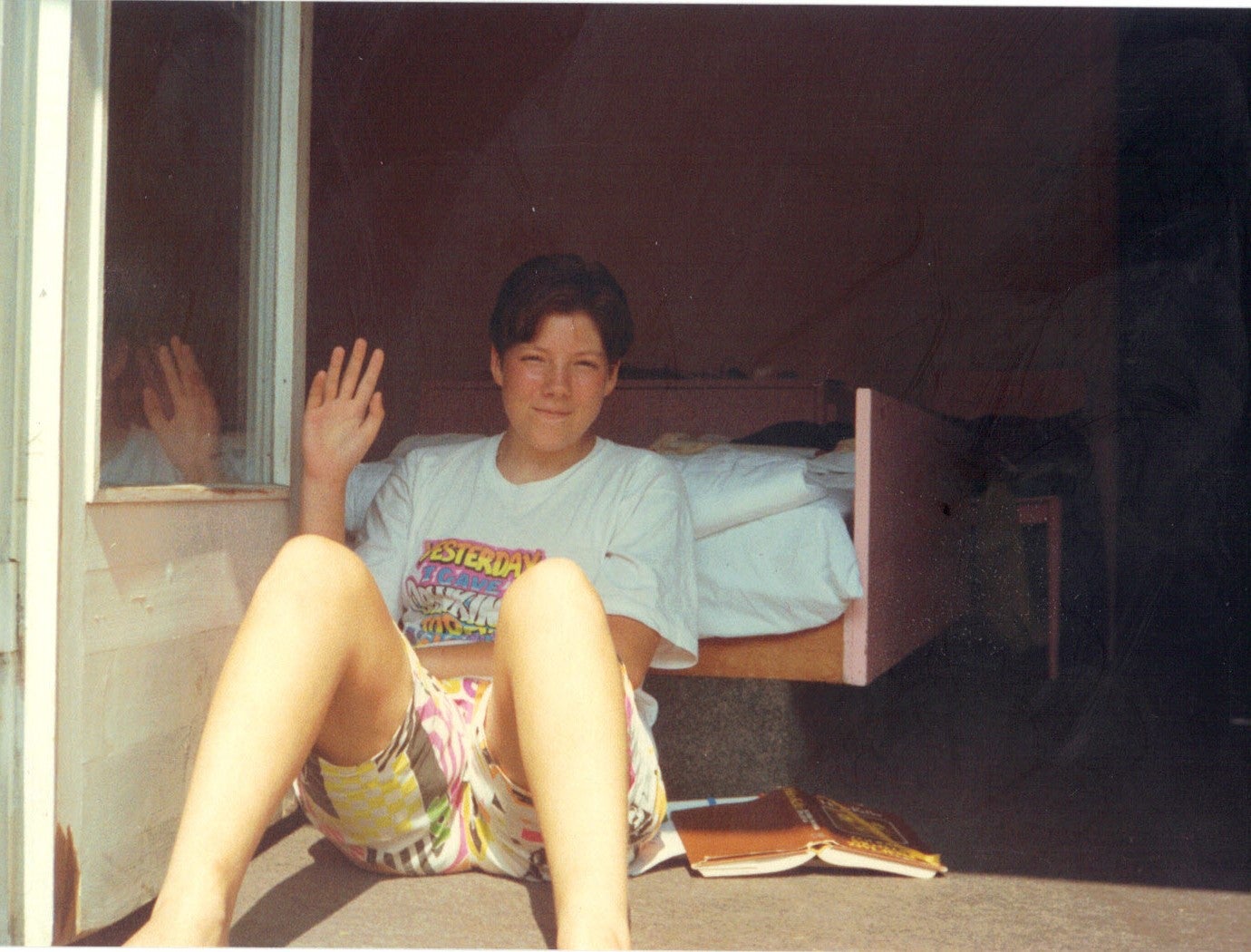
    Tina Purnat in 1991
    Tina Purnat in 1991. / Photo: Courtesy of Tina Purnat

    In July 1991, I found myself sitting in the back seat of our family car, heart pounding with a mix of excitement and apprehension.

    The 10-day war for Slovenian independence from Yugoslavia had just ended, and while the armed conflict was officially over, the atmosphere was still thick with uncertainty. The weeks prior had been marked by listening to press conferences of the national war cabinet and evacuating hurriedly to bomb shelters. I remember the fear that gripped me as both my parents left for work each day—my mother to care for patients at the regional hospital, and my father, a first responder, on site to protect a key factory from potential bombings that could lead to deadly chemical spills.

    It was against this backdrop that my parents were now driving me to Villach, Austria, where I was to attend a four-week immersive German language course. This was something I had been looking forward to all year—a chance to brush up on my German before entering my freshman year of secondary school where I’d study it as the second foreign language.

    But as we crossed the border, the thrill of the upcoming adventure was tinged with a new, deeper sense of fear.

    When we arrived in Villach, my parents helped me settle in, and then it was time for them to leave. As we stood outside the small dormitory where I would be staying, my mother turned to me with a seriousness I hadn’t seen in her before. “If the war breaks out again,” she said, her voice steady but her eyes betraying a deep worry, “don’t try to come back to Slovenia. Stay here in Austria and find a way to your uncle in Sweden.” I nodded, the gravity of her words sinking in. Suddenly, the world seemed much larger, and far less certain, than it had just moments before. Despite the bombing scares and evacuations I had endured during the brief war, it was in that moment, hearing my mother’s words, that I felt the most afraid. I realized that if conflict erupted again, I would be on my own as a 14-year-old girl in a foreign country.

    For the next four weeks, I was surrounded by other teenagers from Slovenia and various other parts of Europe. We spent our days conjugating verbs, practicing vocabulary, swimming, hiking and navigating the cultural quirks of our peers. But in the back of my mind, my mother’s words lingered. What would happen if the conflict reignited? How would I make my way to Sweden on my own? How would I even find my uncle there? The thought of being stranded in a foreign country, unable to return home, was terrifying. It was my first real encounter with the vulnerability that so many people around the world experience daily—the fear of being uprooted, of losing the safety of home.

    Thankfully, the weeks passed without incident. No more armed conflict erupted in Slovenia, and my parents returned to pick me up as planned. But I was not the same person who had arrived in Villach just four weeks earlier. The experience had left an indelible mark on me, a heightened awareness of the fragility of safety and the ever-present possibility of displacement.
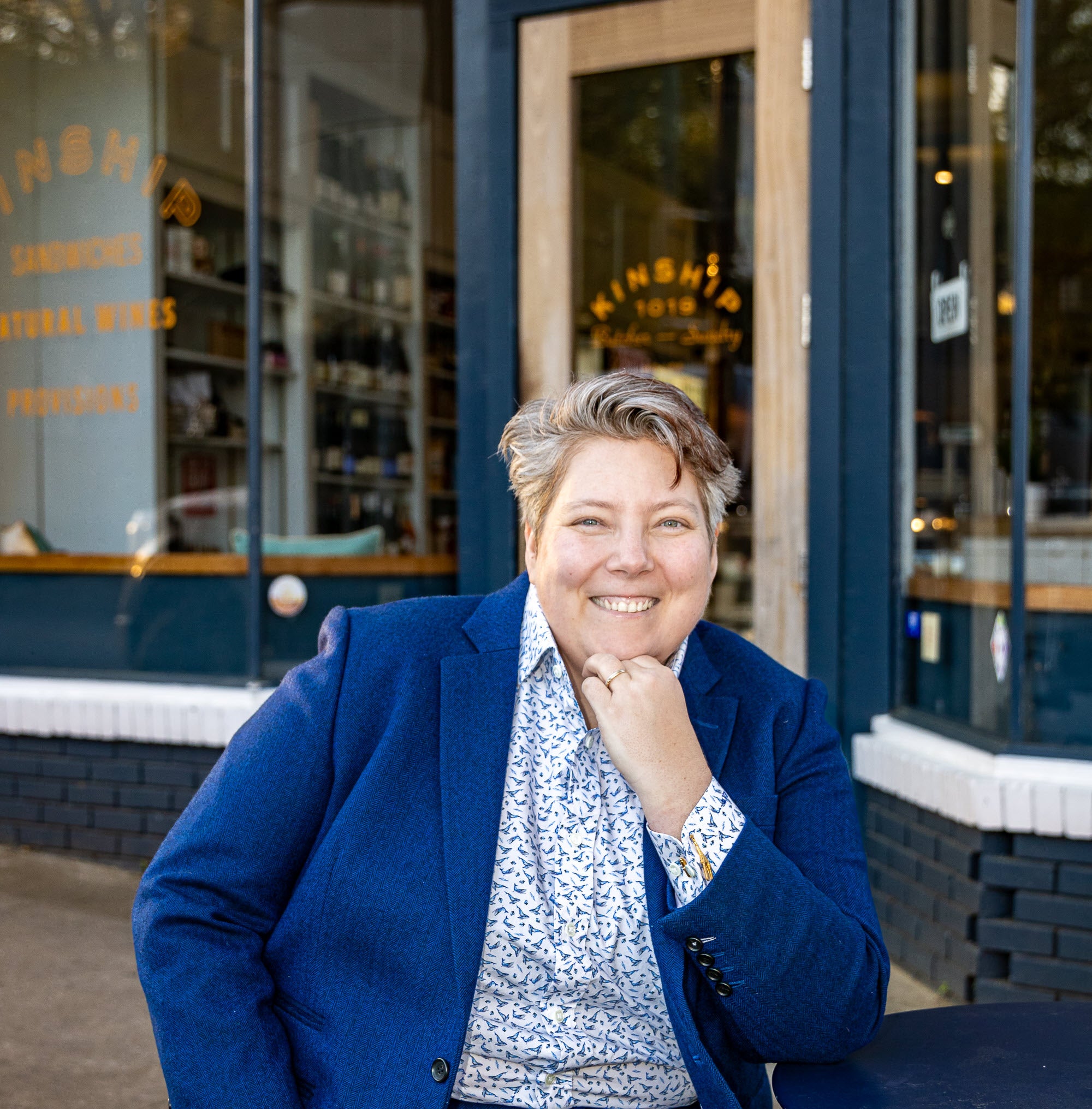
    Tina Purnat
    Tina Purnat today / Photo: Courtesy of Tina Purnat

    Back in Slovenia, I couldn’t shake the thoughts of what might have been. I imagined what it would be like to be forced to flee my home, to live in a place where I didn’t speak the language, surrounded by people who didn’t understand my culture. These thoughts only grew stronger in the following weeks and months as the war in Croatia and Bosnia and Herzegovina intensified. Refugees were fleeing their homes, seeking safety wherever they could find it, and often first in Slovenia before moving on to other countries. Many of them were children, just like me, whose lives had been upended overnight.

    Later on, I decided to volunteer as a companion and homework tutor for kids my own age at the refugee center. It wasn’t just about helping them with English homework and math; it was about being there for them, offering some semblance of normalcy in their otherwise chaotic lives.

    I remember a brother and sister, both in their early teens, who never left each other’s side. I remember thinking: we grew up in the same federation of Yugoslavia, just in different parts of it, and just because of where we were born, I had a home but they lost it. Despite their reserved demeanor, I made it my goal to connect with them. I would bring bubble gum and comic books to our meetups, hoping to break the ice. At first, our interactions were limited to simple exchanges—sharing a piece of gum, pointing out a favorite comic strip. But over time, these small gestures began to build a bond between us.

    We never talked about the war or their experiences—those topics remained unspoken, heavy in the background. But through our shared love of comic books and the simple pleasure of chewing gum, we found a way to connect. They would smile, sometimes even laugh, and in those moments, I knew I was making a difference, however small. We communicated in the language of teen friendship, where words were less important than the shared experiences that brought us a bit of lightheartedness in a difficult time.

    Then, one day, they were gone—moved on to Germany for asylum. I never got to say goodbye, but I like to think that our time together left a positive mark on their lives, just as it did on mine. I often wonder where they ended up—Canada? The U.S.? New Zealand? Sweden? Maybe they ended up settling in Germany? Wherever they are, I hope they remember those afternoons spent laughing over comic books and enjoying the small pleasures of pink bubble gum.

    These experiences shaped my understanding of vulnerability in profound ways. They led me to the profession of public health because public health, at its core, prioritizes the needs of the most vulnerable and at-risk populations. It emphasizes the values I learned from my parents and wider family—the importance of empathy, service, and resilience. My time with those refugee kids taught me that vulnerability is not just about addressing immediate needs but also about the layers of crises people experience and endure, often silently. Public health approaches cannot solve all their problems, but working in this field gives me a tangible way to address some of the critical needs of people who, like those refugee kids, experience and navigate multiple crises. It’s about creating systems, structures and solutions that support their resilience, help them find stability, and, ultimately, help them to rebuild their lives and thrive.

    Thirty-five years later, I’ve built a career in public health. The responsibility to serve and protect the most vulnerable remains at the forefront of everything I do. Whether I’m working with health information and evidence, implementing digital health solutions, combating health misinformation, pointing out deceptive marketing of vapes to youth, or responding to outbreaks, it’s never just about the policy, tools, data or the technology. It’s always about the people—the children, the families, the communities—who need health systems and public health efforts to better serve them and meet their needs.

    Returning to that summer in Villach, I realize now that it was a turning point in my life. The uncertainty I faced then is minute compared to the struggles of those who live in conflict zones or walk thousands of miles in search of a safer home, but it gave me a window into their experience. It taught me that the safety and stability I had always taken for granted could be lost in an instant, and that those who are forced to flee their homes or are displaced within their own country or even within their own city need more than just shelter and services—they need understanding, compassion, and a sense of belonging.

    As I continue my work in public health, I carry these lessons with me. My mother’s words, spoken with such quiet urgency, have stayed with me, reminding me of the responsibility we all share to protect the vulnerable.

    And every time I meet someone who has been displaced, I think back to that 14-year-old girl in Villach, standing alone in a foreign country, and I know that I am doing what I am meant to be doing—helping to build a world where no one has to face that kind of uncertainty alone.

    Tina Purnat is a DrPH student and Prajna Leadership Fellow.

    Last Updated

    Get the latest public health news

    Stay connected with Harvard Chan School

    Source link

  • UCLA Student Sues Doctors, Claims She Was Misdiagnosed Of Gender Dysphoria, And ‘Fast-Tracked’ Into Transgender Surgery

    UCLA Student Sues Doctors, Claims She Was Misdiagnosed Of Gender Dysphoria, And ‘Fast-Tracked’ Into Transgender Surgery

    A 20-year-old UCLA student has filed a lawsuit against several California doctors, claiming she was misdiagnosed with gender dysphoria at age 12 and “fast-tracked onto a conveyor belt” of irreversible gender transition treatments.

    Kaya Clementine Breen accused the Center for Transyouth Health and Development at Children’s Hospital Los Angeles of misdiagnosing her with gender dysphoria, a condition that leads to distress when the gender identity does not match the sex assigned at birth, NBC News reported.

    Breen was sexually abused while she was young, which later led to anxiety, depression, and post-traumatic stress disorder. At just 11 years old, she began struggling with the idea of growing into a woman, believing life might be easier as a boy. Seeking help, she confided in her school counselor, who told her she was transgender and directed her to the hospital where she received the diagnosis and transition care.

    At just 12 years old, Breen was prescribed puberty blockers, followed by cross-sex hormones from ages 13 to 19. At 14, she underwent a double mastectomy to remove her breasts, a series of treatments she now claims were rushed and life-altering.

    Earlier this year, Breen began dialectical behavior therapy, a form of talk therapy aimed at helping individuals manage intense emotions. It was during these sessions that she started questioning her original diagnosis.

    Breen claimed that if she had received “real, genuine therapy first, instead of gender-specific therapy,” things would have been different. This realization prompted her to file a lawsuit against multiple California healthcare providers and hospitals involved in her diagnosis and treatment.

    “This case is about a team of purported health care providers who collectively decided that a vulnerable girl struggling with complex mental health struggles and suffering from multiple instances of sexual abuse should be prescribed a series of life-altering puberty blockers and cross-sex hormones, ultimately, receive a double mastectomy at the age of 14,” the lawsuit said.

    Meanwhile, a spokesperson from the Center for Transyouth Health and Development at Children’s Hospital Los Angeles told NBC News that the treatment at the center is “patient- and family-centered, following guidelines from professional organizations such as the American Academy of Pediatrics, American Medical Association, and Endocrine Society.”

    “We do not comment on pending litigation; and out of respect for patient privacy and in compliance with state and federal laws, we do not comment on specific patients and/or their treatment,” the spokesperson reportedly said.

    Source link

  • Sweat Like a Pro, Spend Like a Student: A Budget-Friendly Guide to Creating a Home Gym

    Sweat Like a Pro, Spend Like a Student: A Budget-Friendly Guide to Creating a Home Gym

    Creating a home gym can be a daunting task, especially for those on a tight budget. However, with a little creativity and planning, it’s possible to build a functional and effective workout space that rivals those found in high-end gyms. In this article, we’ll explore the concept of "Sweat Like a Pro, Spend Like a Student" and provide a comprehensive guide on how to create a budget-friendly home gym.

    Why Create a Home Gym?

    Before we dive into the nitty-gritty of building a home gym, let’s talk about why it’s a great idea. Having a home gym can be a game-changer for those who lead busy lives or have difficulty finding time to visit a traditional gym. With a home gym, you can work out at your own pace, whenever and wherever you want. This level of flexibility is hard to come by in a traditional gym setting, where you’re often limited by equipment availability and class schedules.

    Another significant benefit of having a home gym is the cost savings. Gym memberships can be expensive, especially if you’re paying for a premium membership with access to high-end equipment and amenities. By creating a home gym, you can avoid these costs and invest your money in other areas of your life.

    Assessing Your Space

    Before you start building your home gym, it’s essential to assess the space you have available. Consider the following factors:

    • Room size: How much space do you have available for your home gym? A larger room will give you more flexibility when it comes to equipment selection.
    • Ceiling height: Make sure you have enough clearance for any equipment you plan to install, such as pull-up bars or suspension training systems.
    • Natural light: If possible, choose a room with natural light to create a more uplifting and energizing workout environment.
    • Noise level: If you live in an apartment or shared living space, consider the noise level of your workouts and choose equipment that won’t disturb others.

    Budget-Friendly Equipment Options

    When it comes to building a home gym, it’s easy to get caught up in the idea of investing in high-end equipment. However, there are plenty of budget-friendly options available that can provide an effective workout.

    • Resistance bands: These versatile bands can be used for strength training, stretching, and even as a makeshift pull-up bar.
    • Adjustable dumbbells: These compact dumbbells can be adjusted to different weights, making them a great space-saving option.
    • Kettlebells: Kettlebells are a great way to add variety to your workouts and can be used for strength training, cardio, and even as a makeshift weight for exercises like squats and lunges.
    • Folding exercise bike: A folding exercise bike is a great way to add cardio to your workouts without taking up too much space.

    DIY Projects

    One of the best ways to save money when building a home gym is to get creative with DIY projects. Here are a few ideas to get you started:

    • DIY pull-up bar: Use a sturdy wooden beam or metal rod to create a pull-up bar. You can attach it to the ceiling or a wall, depending on your space.
    • Homemade suspension training system: Use resistance bands and a few sturdy hooks to create a suspension training system. This can be used for exercises like push-ups, squats, and lunges.
    • DIY exercise ball: Fill a large exercise ball with sand or water to create a budget-friendly alternative to a traditional exercise ball.

    Setting Up Your Home Gym

    Once you have your equipment and DIY projects in place, it’s time to set up your home gym. Here are a few tips to keep in mind:

    • Create a workout station: Set up a dedicated workout station with a mirror, a water bottle, and any other essentials you need.
    • Organize your equipment: Keep your equipment organized and within reach to avoid clutter and distractions.
    • Add some motivation: Hang up motivational quotes, photos, or workout goals to keep you motivated and focused.

    Tips for Effective Workouts

    A home gym is only as effective as the workouts you put in. Here are a few tips to help you get the most out of your home gym:

    • Create a workout routine: Plan out your workouts in advance to ensure you’re getting a balanced routine.
    • Start slow: Don’t try to do too much too soon. Start with shorter workouts and gradually increase the intensity and duration.
    • Mix it up: Vary your workouts to avoid plateaus and prevent overuse injuries.

    Conclusion

    Building a home gym doesn’t have to break the bank. With a little creativity and planning, you can create a functional and effective workout space that rivals those found in high-end gyms. Remember to assess your space, choose budget-friendly equipment options, and get creative with DIY projects. By following these tips, you can create a home gym that will help you achieve your fitness goals and save you money in the long run.

    FAQs

    Q: What’s the most important thing to consider when building a home gym?
    A: The most important thing to consider is the space you have available. Make sure you have enough room for your equipment and can move around comfortably.

    Q: What’s the best way to save money when building a home gym?
    A: The best way to save money is to choose budget-friendly equipment options and get creative with DIY projects.

    Q: How can I stay motivated and focused in my home gym?
    A: Hang up motivational quotes, photos, or workout goals to keep you motivated and focused. You can also create a workout routine and track your progress to stay on track.

    Q: What’s the most effective way to use my home gym?
    A: The most effective way to use your home gym is to create a workout routine and stick to it. Vary your workouts to avoid plateaus and prevent overuse injuries.

    sweat-like-a-pro-spend-like-a-student-a-budget-friendly-guide-to-creating-a-home-gym