Tag: source

  • Progress on added sugar, protein hype, saturated fat contradictions • The Nutrition Source

    Progress on added sugar, protein hype, saturated fat contradictions • The Nutrition Source

    The 2025–2030 Dietary Guidelines for Americans (DGAs) were released this week with the tagline “eat real food,” and a stronger stance on limiting added sugars and highly processed foods. 

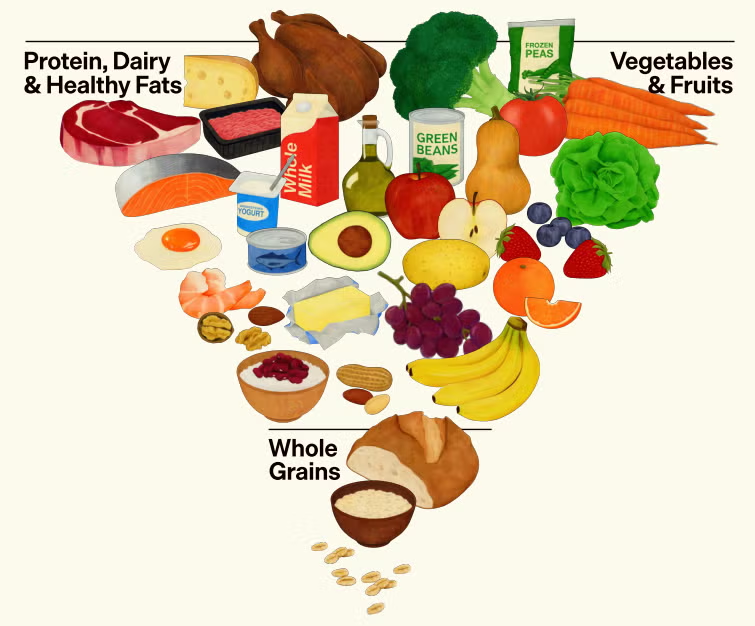
    Dietary Guidelines for Americans 2025-2030 New Food Pyramid

    But it also brought the return of a pyramid-like graphic—this time flipped on its head, emphasizing foods like steak, full-fat milk, and butter. The visual prominence of such options might have you thinking saturated fat limits were tossed out with the MyPlate graphic, but the actual Guidelines retain the longstanding upper limit of 10% of total daily calories. 

    “I think the new Guidelines move in the right direction by reinforcing the importance of reducing added sugars and cutting back on refined grains and other highly processed foods,” said Frank Hu, professor of nutrition and epidemiology and chair of the Department of Nutrition at the Harvard T.H. Chan School of Public Health. “However, there appear to be several contradictions within the DGAs and between the DGAs and the new pyramid. The mixed messages surrounding saturated-fat-rich foods such as red meat, butter, and beef tallow may lead to confusion and potentially higher intake of saturated fat and increased LDL cholesterol and cardiovascular risk.” 

    While the other largest section of the pyramid is sensibly composed of vegetables and fruits, Dr. Hu did flag the relatively smaller depiction of whole grains in the pyramid despite the Guidelines’ recommendation of 2-4 servings per day.  

    These details matter, as images and taglines may be more memorable than the nuanced details and underlying text. It’s one of the reasons why we created our Healthy Eating Plate (and the Healthy Eating Pyramid before that).  

    Below we unpack some key changes in this newest edition of the DGAs, considering both its written guidance and the “New Food Pyramid.”  

    Calling out “highly processed” foods 

    While previous DGAs have emphasized whole foods while minimizing added sugar and sodium, this edition is the first to call out a broader category of “highly processed foods.” Although this terminology is somewhat vague on the surface (food processing is a spectrum after all), the text recommends avoiding sugar-sweetened beverages as well as salty or sweet packaged snacks and ready-to-eat foods (even the illustrated yogurt container in the pyramid specifies “unsweetened”). The guidance on grains prioritizes whole, fiber-rich options while calling for a significant reduction in highly processed, refined carbohydrates, such as white bread. 

    Further reductions on added sugar 

    The new DGAs take an overall strict position on sweets, noting that “no amount of added sugars or non-nutritive sweeteners is recommended or considered part of a healthy or nutritious diet.” In practice, it recommends no one meal should contain more than 10 grams of added sugars (although meals aren’t generally how people track added sugar in their diet). This is reduction from the previous DGAs’ limit of 10% of daily calories (e.g., 50 grams of added sugar each day in a 2,000-calorie diet). It also now calls for children to avoid added sugars until age 10—a jump from age 2. The DGAs are clear on avoiding added sugar, but far less clear on how these recommendations can be implemented in everyday life. 

    Contradictory guidance on healthy fats

    When it comes to dietary fat and long-term health outcomes, what’s most important is the type of fat you eat—reducing saturated fat and replacing it with sources of unsaturated fat. As mentioned, the DGAs maintained existing consensus that saturated fat consumption should not exceed 10% of total daily calories.  

    What’s confusing is that the “healthy fat” guidance groups animal-based foods higher in saturated fat—such as meats and full-fat dairy—with plant-based foods lower in saturated fat. There is no mention as to which of these foods should be chosen more or less often to help stay within the upper limit. And on the pyramid, steak, cheese, whole milk, and butter seem to play a prominent role.  

    Saturated fat math

    What does this guidance look like in daily practice? Let’s take a 2,000-calorie diet where the 10% limit equates to roughly 22 grams of saturated fat. In the DGAs’ guidance on daily servings by calorie level, 3 servings of dairy are recommended daily. If full fat versions are selected for the examples given [one 8-oz cup of whole milk (5 grams saturated fat); ¾ cup of full-fat Greek yogurt (6 grams); 1 ounce of cheddar cheese (6 grams)], you are already at 17 grams of saturated fat. If you were to add a single tablespoon of butter (7 grams) or beef tallow (6 grams)—both suggested cooking fat options—you’re over the limit. And this isn’t even considering other foods consumed throughout the day, including some of the recommended protein options (more on that below).

    While olive oil is visualized in the pyramid and suggested as a healthy fat, it is referenced as an option with “essential fatty acids.” While olive oil is a healthy choice lower in saturated fat (2 grams per tablespoon), Dr. Hu explains how there are better sources when consuming essential fatty acids is the goal:  

    “Olive oil contains mostly oleic acid, but relatively small amounts of essential fatty acids such as alpha-linolenic acid and linoleic acid compared with other oils that are rich sources of these fatty acids, such as soybean oil and canola oil. Importantly, all these plant oils have been shown to lower LDL cholesterol and cardiovascular risk compared with animal fats such as butter or tropical fats such as coconut oil and palm oil.” 

    Hype around protein quantity 

    The new DGAs suggest that adults consume 1.2 to 1.6 grams of protein per kilogram of body weight per day, 50-100% more than what was previously recommended for minimum intake. Certainly, protein needs are highly variable—and wider ranges have been set by groups like the National Academy of Medicines—but these needs are best determined by a healthcare provider or a registered dietitian, as consuming excess protein can still be converted to fat in the body and lead to weight gain. What’s also missing from the Guidelines is clarity on the quality of different protein foods, especially when many in the U.S. are consuming more than enough protein

    “Substantially raising overall protein intake without distinguishing between different protein sources may have unintended long-term health implications,” says Dr. Hu. “Evidence continues to suggest that plant-based proteins and fish are associated with more favorable health outcomes than diets high in red meat.” 

    When we eat foods for protein, we also eat everything that comes alongside it: the different fats, fiber, sodium, and more. It’s this protein “package” that’s likely to make a difference for health. While the Guidelines recommend a “variety of protein foods” from both animal and plant sources, there’s no clear messaging about which options should be chosen more regularly. Given the DGAs’ stated saturated fat limits, this is an important consideration depending on what other foods are consumed throughout the day. For example: 

    • A 4-ounce broiled sirloin steak is a significant source of protein—about 33 grams worth. But it also delivers about 5 grams of saturated fat. 
    • A cup of cooked lentils provides about 18 grams of protein and 15 grams of fiber, and it has virtually no saturated fat.  

    “Less” Alcohol

    On alcohol, the DGAs offer a vague message to “consume less alcohol for better health,” Without concrete limits, it’s hard for people to know what “less” actually means.

    Still no consideration of environmental impacts 

    Another concern is that the DGAs do not consider the environmental and socioeconomic impact of dietary recommendations. This omission is problematic because food choices significantly affect the environment, and in turn are strongly shaped by socioeconomic and cultural factors

    Bottom line 

    Despite stronger positions on added sugars and highly processed foods, and technical alignment with the scientific consensus on saturated fat limits, certain aspects of the 2025 Guidelines send mixed signals. The New Food Pyramid graphic itself is particularly puzzling, given the visual emphasis on animal products high in saturated fat. Although DGAs are typically launched as policy documents, this edition appears more consumer-friendly, given its shorter length, associated graphics, and interactive website. Historically, research finds that Americans do not follow the dietary guidelines, so it remains to be seen if this edition will be any different. However, if you find yourself confused by some of the conflicting messaging, we recommend checking out the Healthy Eating Plate, or consulting a registered dietitian for more personalized guidance.  

    Related: A different road to this year’s DGAs

    Every five years, the DGAs are updated by the U.S. Departments of Agriculture (USDA) and Health and Human Services (HHS) for use by federal nutrition program operators, policy makers, and healthcare providers. But first, the Dietary Guidelines Advisory Committee—an independent group of nutrition science experts—summarizes the current state of nutrition science without influence from government or food industry. Members are vetted through extensive background checks, undergo ethics training, and scientific committee meetings are livestreamed. The public is also given opportunities to submit comments. After two years of evidence review and synthesis, the Committee released their Scientific Report to USDA and HHS.  

    But this time around, the Committee’s report was ultimately rejected by the current administration. Instead, a supplemental scientific analysis was conducted by a group of individuals selected through a “federal contracting process.” Although the supplemental document notes that “evidence was evaluated based solely on scientific rigor” and underwent “internal quality checks” with external peer review, some have raised concern over the lack of transparency in their process. In an Q&A with Harvard Chan News, Deirdre Tobias, assistant professor in the Department of Nutrition who served on the 2025-2030 Dietary Guidelines Advisory Committee, noted: 

    “As of today, there has not been transparency in who wrote the new DGAs. Although there are documents included in the appendices by named scientists, there is no transparency in the methodology and rigor that was employed, or why certain topics were selected to be relitigated. The reviews themselves, as well as their overall presentation and integration, deviate significantly from the rigorous process that the HHS developed for the DGAs to ensure the evidence base and its committees’ conclusions were replicable, unbiased, transparent, and free from non-scientific influences.” 

    Others have also flagged reviewers’ financial ties to the beef and dairy industries (which is disclosed in the supplemental analysis), given the prime placement of meat and dairy products in the DGAs.

    Source link

  • A Healthy, Natural Source of Iodine? 

    A Healthy, Natural Source of Iodine? 

    How much nori, dulse, or arame approximates the recommended daily allowance for iodine?

    Dairy milk supplies between a quarter and a half of the daily iodine requirement in the United States, though milk itself has “little native iodine.” The iodine content in cow’s milk is mainly determined by factors like “the application of iodine-containing teat disinfectants,” and the “iodine residues in milk originate mainly from the contamination of the teat surface…” Indeed, the teats of dairy cows are typically sprayed or dipped with betadine-type disinfectants, and the iodine just kind of leaches into their milk, as you can see at 0:35 in my video Friday Favorites: The Healthiest Natural Source of Iodine

    Too bad most of the plant-based milks on the market aren’t enriched with iodine, too. Fortified soy milk is probably the healthiest of the plant milks, but even if it were enriched with iodine, what about the effects soy may have on thyroid function? When I searched the medical literature on soy and thyroid, this study popped up: “A Cost-Effective, Easily Available Tofu Model for Training Residents in Ultrasound-Guided Fine Needle Thyroid Nodule Targeting Punctures”—an economical way to train residents to do thyroid biopsies by sticking the ultrasound probe right on top a block of tofu and get to business, as you can see below and at 1:10 in my video. It turns out that our thyroid gland looks a lot like tofu on ultrasound.

    Anyway, “the idea that soya may influence thyroid function originated over eight decades ago when marked thyroid enlargement was seen in rats fed raw soybeans.” (People living in Asian countries have consumed soy foods for centuries, though, “with no perceptible thyrotoxic effects,” which certainly suggests their safety.) The bottom line is that there does not seem to be a problem for people who have normal thyroid function. However, soy foods may inhibit the oral absorption of Synthroid and other thyroid hormone replacement drugs, but so do all foods. That’s why we tell patients to take it on an empty stomach. But you also have to be getting enough iodine, so it may be particularly “important for soy food consumers to make sure their intake of iodine is adequate.”

    What’s the best way to get iodine? For those who use table salt, make sure it’s iodized. “Currently, only 53% of salt sold for use in homes contains iodine, and salt used in processed foods typically is not iodized.” Ideally, we shouldn’t add any salt at all, of course, since it is “a public health hazard.” A paper was titled: “Salt, the Neglected Silent Killer.” Think it’s a little over the top? Dietary salt is the number one dietary risk factor for death on planet Earth, wiping out more than three million people a year, twice as bad as not eating your vegetables, as you can see here and at 2:38 in my video

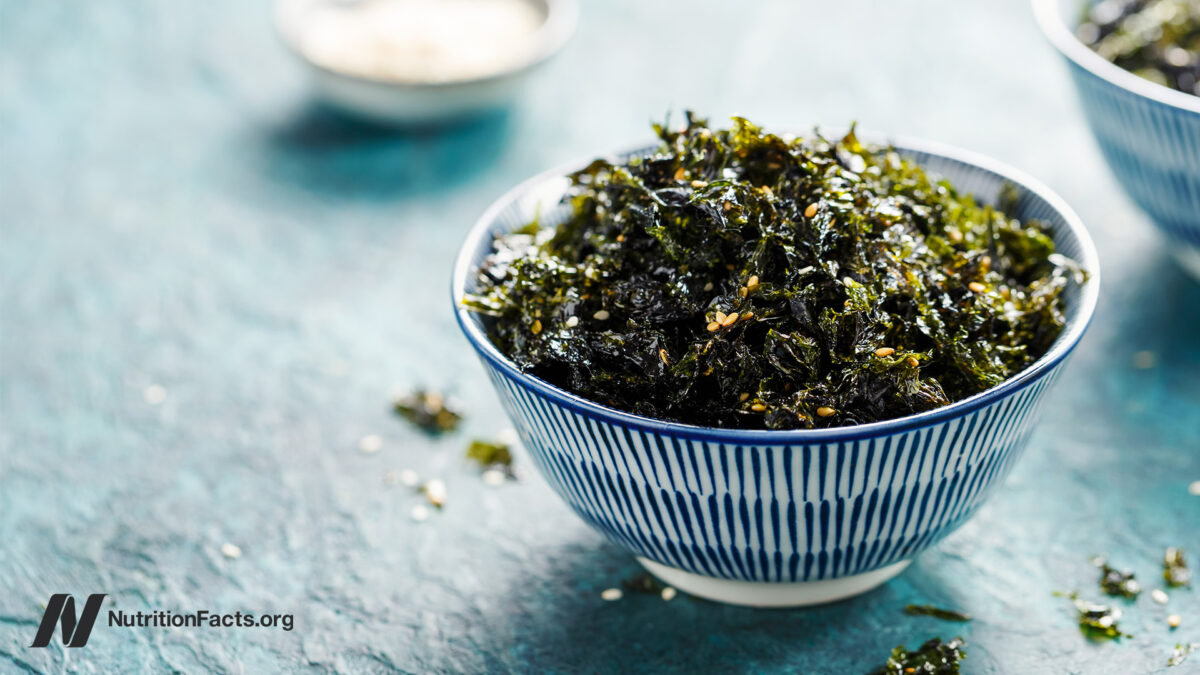
    In that case, what’s the best source of iodine then? Sea vegetables, as you can see below and at 2:50. We can get a little iodine here and there from a whole variety of foods, but the most concentrated source by far is seaweed. We can get up to nearly 2,000 percent of our daily allowance in just a single gram, about the weight of a paperclip. 

    “Given that iodine is extensively stored in the thyroid, it can safely be consumed intermittently,” meaning we don’t have to get it every day, “which makes seaweed use in a range of foods attractive and occasional seaweed intake enough to ensure iodine sufficiency.” However, some seaweed has overly high iodine content, like kelp, and should be used with caution. Too much iodine can cause hyperthyroidism, a hyperactive thyroid gland. A woman presented with a racing heartbeat, insomnia, anxiety, and weight loss, thanks to taking just two tablets containing kelp a day.

    In my last video, I noted how the average urinary iodine level of vegans was less than the ideal levels, but there was one kelp-eating vegan with a urinary concentration over 9,000 mcg/liter. Adequate intake is when you’re peeing out 100 to 199 mcg/liter, and excessive iodine intake is when you break 300 mcg/liter. Clearly, 9,437 mcg/liter is way too much. 
     
    As you can see below and at 3:57 in my video, the recommended average daily intake is 150 mcg per day for non-pregnant, non-breastfeeding adults, and we may want to stay below 600 mcg a day on a day-to-day basis, but a tablespoon of kelp may contain about 2,000 mcg. So, I’d stay away from kelp because it has too much iodine, and I’d also stay away from hijiki because it contains too much arsenic. 

    This can give you an approximate daily allowance of iodine from some common seaweed preparations: two nori sheets, which you can just nibble on them as snacks like I do; one teaspoon of dulse flakes, which you can just sprinkle on anything; one teaspoon of dried arame, which is great to add to soups; or one tablespoon of seaweed salad.

    If iodine is concentrated in marine foods, “this raises the question of how early hominins living in continental areas could have met their iodine requirements.” What do bonobos do? They’re perhaps our closest relatives. During swamp visits, they all forage for aquatic herbs.  

    Doctor’s Note:

    This is the second in a four-video series on thyroid function. If you missed the previous one, check out Are Vegans at Risk for Iodine Deficiency?.

    Coming up are The Best Diet for Hypothyroidism and Hyperthyroidism and Diet for Hypothyroidism: A Natural Treatment for Hashimoto’s Disease.

    What else can seaweed do? See the related posts below.


    Source link

  • El rol de la dieta y los suplementos nutricionales durante COVID-19 – The Nutrition Source

    El rol de la dieta y los suplementos nutricionales durante COVID-19 – The Nutrition Source

    Multivitamins in the palm of a hand

    El distanciamiento social y el lavado de manos son los métodos más eficaces y comprobados para reducir el riesgo y la propagación de la enfermedad del coronavirus (COVID-19). Sin embargo, junto con preguntas generales sobre cómo comprar y preparar alimentos de forma segura (discutidos aquí), muchos se preguntan sobre el rol específico de la dieta y la nutrición durante esta pandemia. Para entender más sobre la relación entre la nutrición y la inmunidad, y la evidencia que existe sobre el estado nutricional, la suplementación y la infección, hablamos con Dr. Wafaie Fawzi, Dr. Walter Willett, y el estudiante doctoral, Dr. Ibraheem Abioye. A medida que se disponga de más información sobre este tema, revisaremos con nuestros expertos para proveer actualizaciones adicionales. (Última actualización: 4.14.20)


    ¿Pueden resumir brevemente la relación entre nutrición e inmunidad? 

    Hemos sabido durante mucho tiempo que la nutrición está estrechamente relacionada con la inmunidad y con el riesgo y gravedad de infecciones. Los individuos mal nutridos tienen un mayor riesgo de diversas infecciones bacterianas y virales, entre otras. Por el contrario, las infecciones crónicas o severas conducen a trastornos nutricionales o empeoran el estado nutricional de las personas afectadas. Por lo tanto, es imperativo que todos prestemos atención a nuestra dieta y estado nutricional durante la actual pandemia de COVID-19. Además, el curso clínico de la enfermedad de COVID-19 tiende a ser más grave entre las personas mayores y entre las personas con enfermedades crónicas, como la diabetes, la hipertensión, y el cáncer, que están parcialmente relacionados con la nutrición. [1] Aunque todavía no se dispone de datos, las co-infecciones, como el VIH/SIDA, también pueden estar asociadas con resultados más graves, y una nutrición óptima desempeña un rol importante en el mantenimiento de la salud entre las personas con tales infecciones.

    Ciertamente, consumir dietas de buena calidad siempre es deseable, y esto es particularmente importante durante la pandemia de COVID-19. Una dieta saludable, como se muestra en El Plato Para Comer Saludable, hace hincapié en las frutas, verduras, cereales integrales, legumbres y nueces, el consumo moderado de pescado, alimentos lácteos y aves, y la ingesta limitada de carne roja y procesada, carbohidratos refinados, y azúcar. Las grasas añadidas deben ser principalmente aceites líquidos como de oliva, canola, o el aceite de soja.  Dicha dieta proporcionará cantidades adecuadas de macronutrientes saludables y minerales y vitaminas esenciales. Comer proteínas, grasas y carbohidratos de alta calidad puede ayudar a mantener un peso saludable y un buen estado metabólico; este no es un momento para dietas altamente restrictivas. Si alguien desarrolla una infección COVID-19, es importante comer lo suficiente de estas calorías saludables para prevenir la pérdida de peso no intencional. Las cantidades adecuadas de minerales y vitaminas proporcionadas por una dieta saludable ayudan a asegurar un número suficiente de células del sistema inmune y de anticuerpos, los cuales son importantes a medida que el cuerpo desarrolle una respuesta a las infecciones.

    Aunque no tenemos datos sobre factores nutricionales en relación al riesgo y la gravedad de COVID-19, ¿cuáles son algunos ejemplos de evidencia que existe sobre nutrición e infección que serían importante considerar?

    Hay muchos estudios que evalúan la ingesta de nutrientes específicos en relación con otras infecciones. Para dar algunos ejemplos:

    • El zinc es un componente presente en muchas enzimas y factores de transcripción en las células de todo el cuerpo, y los niveles inadecuados de zinc limitan la capacidad del individuo para desarrollar una respuesta inmune adecuada a las [2] Múltiples meta-análisis y análisis agrupados de estudios clínicos aleatorizados han demostrado que la suplementación oral con zinc reduce la tasa de incidencia de infecciones agudas del tracto respiratorio en un 35%, acorta la duración de los síntomas similares a la gripe en aproximadamente 2 días, y mejora la tasa de recuperación. [3,4]. Estos estudios se llevaron a cabo en los Estados Unidos, así como en múltiples países de ingresos bajos y medianos como India, Sudáfrica, y Perú. La dosis de zinc en estos estudios varió de 20 mg/semana a 92 mg/día. La dosis no parece ser el principal promotor de la eficacia de la suplementación con zinc.
    • La vitamina C es un cofactor de muchas Mejora la función de muchas enzimas en todo el cuerpo manteniendo sus iones metálicos en la forma reducida. También actúa como un antioxidante, limitando la inflamación y el daño del tejido asociado con las respuestas inmunológicas. [5] Se han llevado a cabo estudios clínicos aleatorizados en soldados, jóvenes y personas mayores en los Estados Unidos, la Unión Soviética, el Reino Unido y Japón que evalúan la eficacia de la vitamina C. En estos estudios, se demostró que la suplementación con vitamina C reduce significativamente la incidencia de infecciones del tracto respiratorio. [6] También se ha estudiado la eficacia de la vitamina C en pacientes hospitalizados en los Estados Unidos, Egipto e Irán, admitidos por una amplia variedad de condiciones incluyendo sepsis, complicaciones postoperatorias, quemaduras, contusiones pulmonares, y condiciones cardíacas. [7] Se demostró que la vitamina C reduce la duración de la estancia en la unidad de cuidados intensivos y la necesidad de ventilación mecánica en estos pacientes. [8] La dosis de vitamina C varió de 1-3 g/día, y la dosis no parece ser el principal promotor de la eficacia. Las dosis de vitamina C por encima de 2 g/día deben evitarse fuera de atención médica.
    • La evidencia de varios estudios clínicos y estudios agrupados muestra que la suplementación con vitamina D reduce las probabilidades de desarrollar infecciones agudas del tracto respiratorio (la mayoría de las cuales se asume que se deben a viruses) en un 12% a un 75%. [9-12] Estos estudios incluyeron tanto la gripe estacional como la gripe pandémica causada por el virus H1N1 en el El efecto benéfico de la suplementación se observó en pacientes de todas las edades, y en personas con enfermedades crónicas pre-existentes. [13] Entre los infectados, los síntomas de la gripe fueron menores y la recuperación fue más temprana si habían recibido una dosis de vitamina D superior a 1,000 UI. [14] Los beneficios fueron relativamente mayores en individuos con deficiencia de vitamina D que en aquellos con niveles adecuados de vitamina D.
    • Los adultos mayores tienden a ser deficientes de estos micronutrientes, y por lo tanto pueden obtener el mayor beneficio de la suplementación. [15,16]

    Ustedes mencionan que una nutrición adecuada juega un rol importante en mantener la salud en personas con infecciones como VIH/SIDA. ¿Podrían comentar algo más al respecto?

    Muchas infecciones agudas del tracto respiratorio suelen ser más severas en personas que viven con VIH/SIDA y otras deficiencias inmunológicas [17], y los esfuerzos para monitorear COVID-19 en estas poblaciones son importantes. La nutrición también juega un papel importante en esta categoría de personas. En primer lugar, la infección por VIH y la malnutrición tienden a coexistir. Conforme progresa la enfermedad, muchas personas que viven con VIH tienden a tener desnutrición. Algunos medicamentos para el VIH también pueden provocar enfermedades metabólicas. En segundo lugar, en personas con infección por VIH, un estado nutricional bajo y deficiencias de micronutrimentos empeoran la enfermedad por VIH y aumentan el riesgo de fallas en el tratamiento y muerte. Antes de que surgiera la terapia antirretroviral, los estudios demostraban que personas viviendo con VIH con dietas de alta calidad y mejor estado nutricional tendían a vivir por más tiempo y tenían menos complicaciones. Era menos probable que tuvieran anemia y tenían un conteo más alto de células CD4 (el conteo de células blancas sanguíneas que combaten la infección). Estudios clínicos aleatorizados y grandes estudios prospectivos en África y Asia han demostrado que el uso de multivitamínicos conduce a menos muertes y disminuye notablemente la progresión de la enfermedad [18-20]. Los resultados de estos estudios fueron consistentes sin importar si las personas infectadas con VIH recibían terapia antirretroviral o no. En los Estados Unidos, el consumo adecuado de vitaminas y minerales estaba asociado de igual manera a una reducción de la progresión de la enfermedad por VIH y mortalidad [21]. Por ello, una dieta de buena calidad y suplementación con multivitamínicos pueden contribuir a reducir el riesgo de infección por COVID-19 en personas con VIH y enfermedades similares.

    ¿Existe un papel para los suplementos nutricionales en la pandemia de COVID-19? 

    Las encuestas dietéticas en Estados Unidos y en otros lugares muestran que la mayoría de las personas están consumiendo dietas que no cumplen con las recomendaciones nacionales- a menudo debido a la disponibilidad o precio- y dichas dietas pueden no proveer cantidades óptimas de vitaminas y minerales esenciales. Actualmente, es probable que la pandemia de COVID-19 ponga a muchos individuos en riesgo de inseguridad alimentaria y dificulte aún más el consumo de una dieta saludable. Esto se vuelve cada vez más probable si las estrategias para reducir la infección no consideran esfuerzos para garantizar la distribución y acceso efectivos de suministros esenciales, o si la pandemia afecta la productividad del sector agrícola.

    Aunque no estamos al tanto de información de calidad sobre los efectos de suplementos nutricionales en el riesgo o gravedad de COVID-19, la evidencia existente indica que suplementos de varios nutrimentos puede reducir el riesgo o la gravedad de algunas infecciones virales, especialmente en personas con fuentes dietéticas inadecuadas. Por lo tanto, es prudente sugerir que se evite el consumo inadecuado de minerales y vitaminas, y los suplementos pueden ayudar a corregir esta situación. Algunos puntos importantes:

    • Tomar un suplemento multivitamínico o multi-mineral estándar (RDA, recomendación diaria, por sus siglas en inglés) como una medida de seguridad nutricional es razonable. Estos suplementos son relativamente accesibles (un suministro para 6 meses debe costar menos de 40 dólares) y es una forma conveniente de llenar y mantener las reservas de micronutrimentos.
    • Es especialmente importante mantener niveles adecuados de vitamina D. La vitamina D se produce normalmente en nuestra piel cuando se expone a la luz del sol, y durante el final del invierno y primavera los niveles de vitamina D en la sangre tienen a ser bajos debido a poca exposición solar. Permanecer en el interior reducirá aún más los niveles en sangre. Aunque en este momento no tenemos evidencia de que los suplementos de vitamina D reduzcan la gravedad de COVID-19, podrían hacerlo, especialmente en personas que tengan niveles bajos. Debido a que generalmente el costo de los análisis de sangre es mayor que el costo de los suplementos (y no es apropiado mientras nuestro sistema de salud está siendo sobre utilizado), y debido a que hay otros beneficios de mantener adecuados niveles de vitamina D, es razonable que la mayoría de las personas considere tomar suplementos de vitamina D.
        • Muchos de los suplementos multivitamínicos/multi-minerales que están comúnmente disponibles contienen 1000 o 2000 UI de vitamina D, lo cual es un buen objetivo.
        • Personas con piel más oscura (que tienden a tener niveles más bajos debido a que la melanina de su piel bloquea la luz ultravioleta) pueden necesitar más vitamina D; hasta 4000 UI diarias se considera seguro.
      • Si no hay suplementos de vitamina D disponibles, una opción es aprovechar un poco de la luz solar, que ahora está empezando a ser suficientemente intensa como para producir vitamina D. Exponga la mayor cantidad de piel posible durante el mediodía y comience con periodos cortos, teniendo mucho cuidado de evitar quemaduras. Quince minutos pueden producir una gran cantidad de vitamina D en piel clara; periodos 3 ó 4 veces más largos puede que se necesiten para piel oscura. Tenga en cuenta que esto es una guía a corto plazo debido a la disponibilidad limitada de suplementos de vitamina D durante la pandemia actual; y no es aconsejable a largo plazo. Dado que la exposición al sol puede contribuir al cáncer de piel, en general es importante evitar la exposición excesiva al sol o el uso de camas de bronceado.
    • En este momento, suplementos con mega dosis (mucha más cantidad que la recomendación diaria o RDA) no parecen estar justificados, y pueden resultar dañinos ocasionalmente.
    • Evite cualquier suplemento que promueva declaraciones de salud exageradas. En este momento, la Administración de Alimentos y Medicamentos de Estados Unidos (FDA, por sus siglas en inglés) ha estado monitoreando y advirtiendo a las compañías que ofrecen productos fraudulentos que pretenden prevenir, diagnosticar, tratar o curar COVID-19.
    • Los suplementos nutricionales no deben considerarse sustitutos de una dieta adecuada, debido a que ningún suplemento contiene todos los beneficios que brindan los alimentos saludables.

    Asistencia de traducción provista por Andrea López-Cepero, PhD, Ana Maafs, MEd, y Josiemer Mattei, PhD, MPH (Translation assistance provided by Andrea López-Cepero, PhD, Ana Maafs, MEd, and Josiemer Mattei, PhD, MPH).

    Source link

  • COVID-19 and Obesity – The Nutrition Source

    This page will be updated as new information becomes available. Last update: 10.24.20

    The novel Severe Acute Respiratory Syndrome coronavirus 2 (SARS-CoV-2) has created a global pandemic with its syndrome, COVID-19. The number of people affected by COVID-19 continues to increase worldwide, and information about risk factors for severe COVID-19 and mortality is emerging almost daily.

    Older adults and those who are immunocompromised due to underlying medical conditions are at higher risk for developing serious complications from COVID-19 illness. For both young and old adults, emerging data suggests that obesity may be linked to risk of severe illness and hospitalization. [1,2] A recent systematic review of 75 studies found that compared to people of healthy weight, individuals with obesity were 113% more likely to be hospitalized, 74% more likely to be admitted to the intensive care unit, and 48% more likely to die. [3] The review incorporated earlier research looking at obesity and COVID-19, including:

    • A study in France which showed that the risk for needing ventilators in patients with COVID-19 was more than 7-fold higher for individuals with a body mass index (BMI) above 35, compared to those with a BMI less than 25. [4]
    • A study in New York City which found people younger than 60 years of age with a BMI above 30 were significantly more likely to be admitted to care than individuals with a BMI less than 30. [2]
    • Additional research from New York City demonstrating that patients with obesity had significantly higher rates of admission to intensive care units or rates of death. [5]
    • A study In Mexico where COVID-19 patients with obesity had higher rates of admissions to intensive care units, were more likely to be intubated, and had a five-fold increased risk for mortality. [6]

    Currently, the mechanisms responsible for greater COVID-19 severity in individuals with obesity are unknown. However, insights from other viral infections like influenza point to potential issues including reduced immune function, chronic systemic inflammation, metabolic dysfunction, and reduced pulmonary function. [3] Also, people with obesity are more likely to have other diseases that are risk factors for severe COVID-19, including type 2 diabetes, heart disease, kidney/liver disease, and hyperlipidemia. [3,7]

    Its also important to note that COVID-19 has disproportionately affected racial/ethnic minority groups in the United States; in particular, Black, Hispanic, and Native American communities. These racial/ethnic minority populations experience higher hospitalization rates, severe illness, morbidity, and mortality from COVID-19. Long-standing systemic health and social inequities have contributed to such disparities, which increase the risk of COVID-19 severity. [8,9]

    The pandemic has highlighted several structural shortcomings of our healthcare system, and the need for coordinated federal obesity prevention funding and efforts. COVID-19 has laid bare the devastating impact of the intersection between infectious and chronic disease. Focusing efforts on policies and strategies that target the root causes of obesity and metabolic health, particularly among vulnerable and racial/ethnic minority populations, continue to be as critical as ever.

    There are some steps that everyone can take to protect their health during COVID-19, including: [10]

    • Practice social distancing, wear masks, and wash your hands often.
    • Ensure that your underlying health conditions are being well-managed with prescribed medications and according to you doctor’s recommendations. Don’t miss important medical appointments, reach out to see if telehealth visits are available, and don’t skip refills on important medications that help manage your conditions.

    Although we do not have concrete evidence regarding specific dietary factors that can reduce risk of COVID-19, we do know that eating a healthy diet, being physically active, managing stress, and getting enough sleep support our immune system. Even moderate improvements in nutrition and physical activity may improve metabolic health and reduce the severity of COVID-19 risks.

    Visit The Nutrition Source for additional tips and resources

    Related

    Source link

  • Dietary Guidelines for Americans 2020 released – The Nutrition Source

    The 9th edition of the Dietary Guidelines for Americans 2020-2025 is out, with the tagline to Make Every Bite Count. Intended for policy makers, healthcare providers, nutrition educators, and Federal nutrition program operators, the new edition has expanded to almost 150 pages, providing nutrition guidelines for even more age groups throughout the life cycle. As in the previous edition, the Dietary Guidelines emphasize dietary patterns rather than promoting specific nutrients or foods. This allows for greater flexibility in food choices, as health benefits are achieved by consuming a wide variety of nutrient-dense foods across different food categories, rather than a few “superfoods.” In addition, the Dietary Guidelines again emphasize how nutrition educators need to be aware that food choices are strongly impacted by age, race, cultural traditions, environment, food access, budget, and personal beliefs and preferences. [1]

    Highlights from the Guidelines

    What’s new:

    • Recommended dietary patterns for infants and toddlers (birth to 23 months).
    • Food allergy prevention in infants; for example, the guidelines recommend introducing peanut-containing foods as early as 4-6 months in infants at high risk for peanut allergy, to lower the risk of developing a peanut allergy.
    • An expanded comprehensive section on healthy dietary patterns and food safety during pregnancy and lactation, and recommendations for breast feeding.
    • New sections on overweight and obesity in children and pregnant women.
    • Addressing health problems stemming from obesity-related stigma and discrimination.
    • More user-friendly graphics, such as how to modify meals to be higher in nutrients while controlling calories, sugar, and sodium; sample menus; and interpreting the Nutrition Facts label.

    The key players in the “Healthy U.S.-Style Dietary Pattern” remain unchanged from the previous edition of the Guidelines:

    • Vegetables of all types—dark green; red and orange; beans, peas, and lentils; starchy; and other vegetables
    • Fruits, especially whole fruit
    • Grains, at least half of which are whole grain
    • Dairy, including fat-free or low-fat milk, yogurt, and cheese, and/or lactose-free versions and fortified soy beverages and yogurt as alternatives
    • Protein foods, including lean meats, poultry, and eggs; seafood; beans, peas, and lentils; and nuts, seeds, and soy products
    • Oils, including vegetable oils and oils in food, such as seafood and nuts

    Dietary components to limit:

    The guidelines carry over the same limits for saturated fat, added sugars, and sodium, but this time include a specific age range:

    • For added sugars, the limit is 10% or less of total calories starting at age 2. For context, drinking even one 20-ounce bottle of soda would exceed this recommended 10% limit. A new advisory suggests that infants and toddlers younger than 2 years avoid all foods and beverages containing added sugars.
    • For saturated fat, the limit is less than 10% of total calories starting at age 2.
    • For sodium, the limit is less than 2,300 milligrams daily for older teenagers and adults, and less for children younger than age 14 (1,200 mg/day for ages 1-3; 1,500 mg/day for ages 4-8; and 1,800 mg/day for ages 9-13).
    • Although the recommended amounts for alcohol have not changed, the messaging is subtly different, placing an emphasis on limiting drinks rather than drinking in moderation. The prior edition suggested up to two drinks daily for men and one drink for women. The new guidelines emphasize a limit of two drinks or less for men and 1 drink or less for women, followed by a statement that drinking less is better for health than drinking more.

    Where the Guidelines fall short

    While the Guidelines include dietary patterns that remain examples of healthy diets (“Healthy Mediterranean-Style Pattern,” and “Healthy Vegetarian Pattern”), the dietary targets for the “Healthy U.S.-Style Pattern” emphasize a diet relatively high in meat, eggs, and dairy foods. Dr. Walter Willett, Professor of Epidemiology and Nutrition in the Department of Nutrition at Harvard T.H. Chan School of Public Health said this about the new Guidelines:

    In general, there was minimal change from the last edition of the Guidelines, which did include many positive suggestions. However, guidance that considers scientific evidence on specific protein sources and health, and also the environmental consequences of dietary patterns, is needed to provide Americans with advice and policies for healthy and sustainable diets. The current Dietary Guidelines fail to do this.

    Like the previous edition, the Guidelines are silent on the environmental impacts of their dietary targets, which other analyses show would have serious impacts on climate change and other environmental footprints because of the relatively large amounts of meat and dairy foods recommended. [2] Along with varying impacts on human health, different foods also have differing impacts on the environment. The production of animal-based foods tends to have higher greenhouse gas emissions than plant-based foods—and red meat (especially beef) and dairy stand out for their disproportionate impact.

    Willett points out that the Guidelines’ continued dairy recommendation of 3 servings per day has never been justified by evidence for health outcomes, and the guidance for low-fat and fat-free dairy products doesn’t detail a plan for disposal of the fat naturally present in milk:

    Because the disposal of dairy fat would be hugely wasteful, it would almost certainly remain in the food supply, which makes this recommendation somewhat of a fantasy. The report does appropriately mention that soy milk is an alternative to cow milk, but to avoid the large greenhouse gas emissions associated with dairy food consumption at three servings per day, the majority of milk and dairy foods would need to be plant-based.

    Similarly, the Guidelines also recommend lean meats, but don’t discuss the fate of cuts of meat that are not lean. Willett says that realistically, they would almost certainly be consumed, “probably as cheap cuts and processed meats, especially by low-income groups who already experience excess rates of obesity and diabetes.”

    It’s notable that the overall protein recommendation leads with “lean meats,” which could be interpreted by consumers as including “lean” or “low-fat” cuts of bacon or other processed meats. Although further guidance clarifies that “most intake of meats and poultry should be from fresh, frozen, or canned, and in lean forms (e.g., chicken breast or ground turkey) versus processed meats (e.g., hot dogs, sausages, ham, luncheon meats),” [1] this statement is buried within the chapters of the guidelines, rather than emphasized within the summarized protein recommendation. This is a particularly important distinction, since consuming healthy protein sources like beans, nuts, fish, or poultry in place of red meat and processed meat can lower the risk of several diseases and premature death.

    Source link

  • Healthy Living Guide 2020/2021 – The Nutrition Source

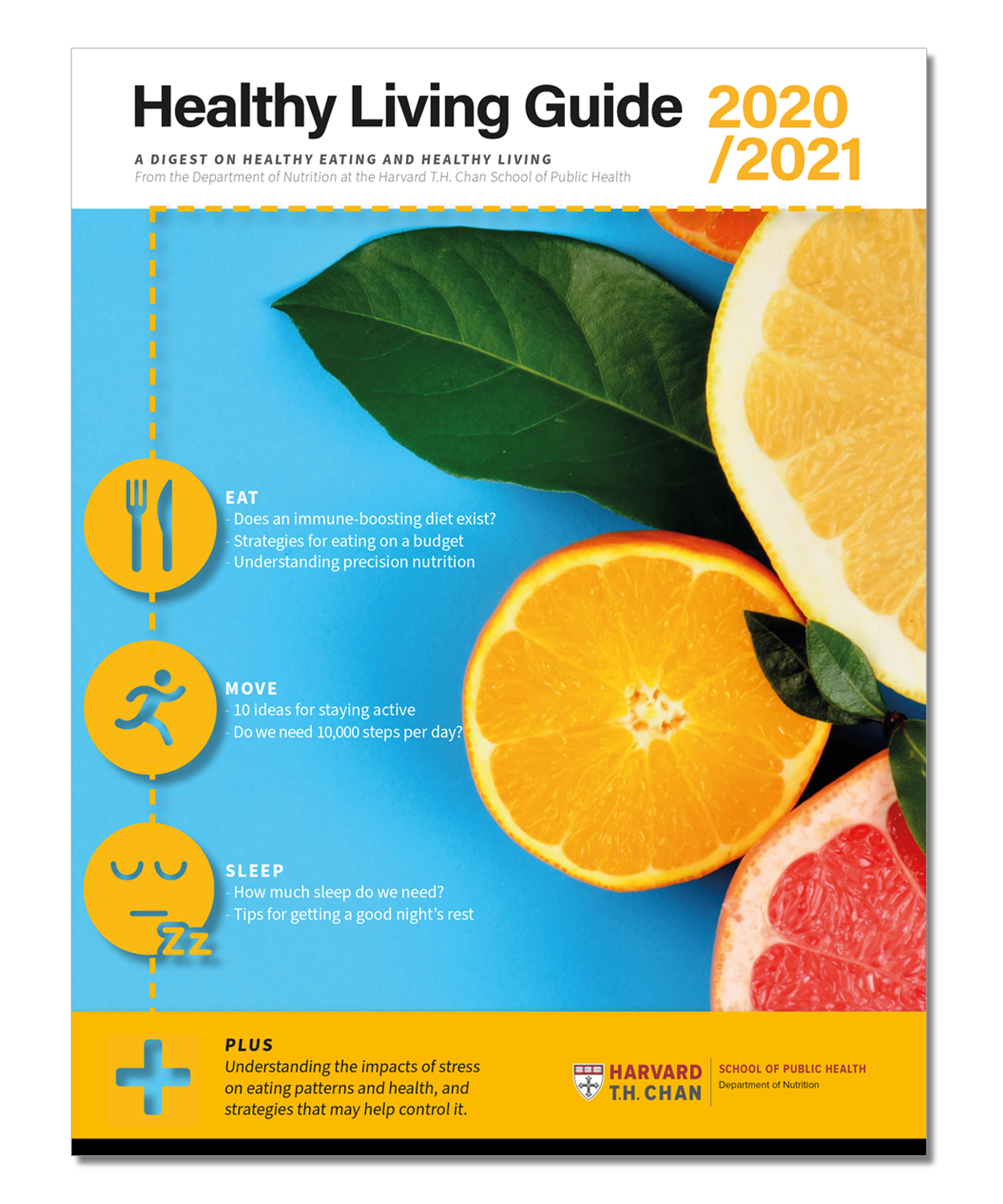
    Healthy Living Guide 2020/2021 – The Nutrition Source

    A Digest on Healthy Eating and Healthy Living

    Cover image of the Healthy Living Guide downloadable PDF
    Download the printable Healthy Living Guide (PDF)

    As we transition from 2020 into 2021, the COVID-19 pandemic continues to affect nearly every aspect of our lives. For many, this health crisis has created a range of unique and individual impacts—including food access issues, income disruptions, and emotional distress.

    Although we do not have concrete evidence regarding specific dietary factors that can reduce risk of COVID-19, we do know that maintaining a healthy lifestyle is critical to keeping our immune system strong. Beyond immunity, research has shown that individuals following five key habits—eating a healthy diet, exercising regularly, keeping a healthy body weight, not drinking too much alcohol, and not smoking—live more than a decade longer than those who don’t. Plus, maintaining these practices may not only help us live longer, but also better. Adults following these five key habits at middle-age were found to live more years free of chronic diseases including type 2 diabetes, cardiovascular disease, and cancer.

    While sticking to healthy habits is often easier said than done, we created this guide with the goal of providing some tips and strategies that may help. During these particularly uncertain times, we invite you to do what you can to maintain a healthy lifestyle, and hopefully (if you’re able to try out a new recipe or exercise, or pick up a fulfilling hobby) find some enjoyment along the way.

    Download a copy of the Healthy Living Guide (PDF) featuring printable tip sheets and summaries, or access the full online articles through the links below. 

    In this issue:

    Printable bingo card for the Healthy Living Bingo Challenge

    Source link

  • Healthy Living Guide 2021/2022 – The Nutrition Source

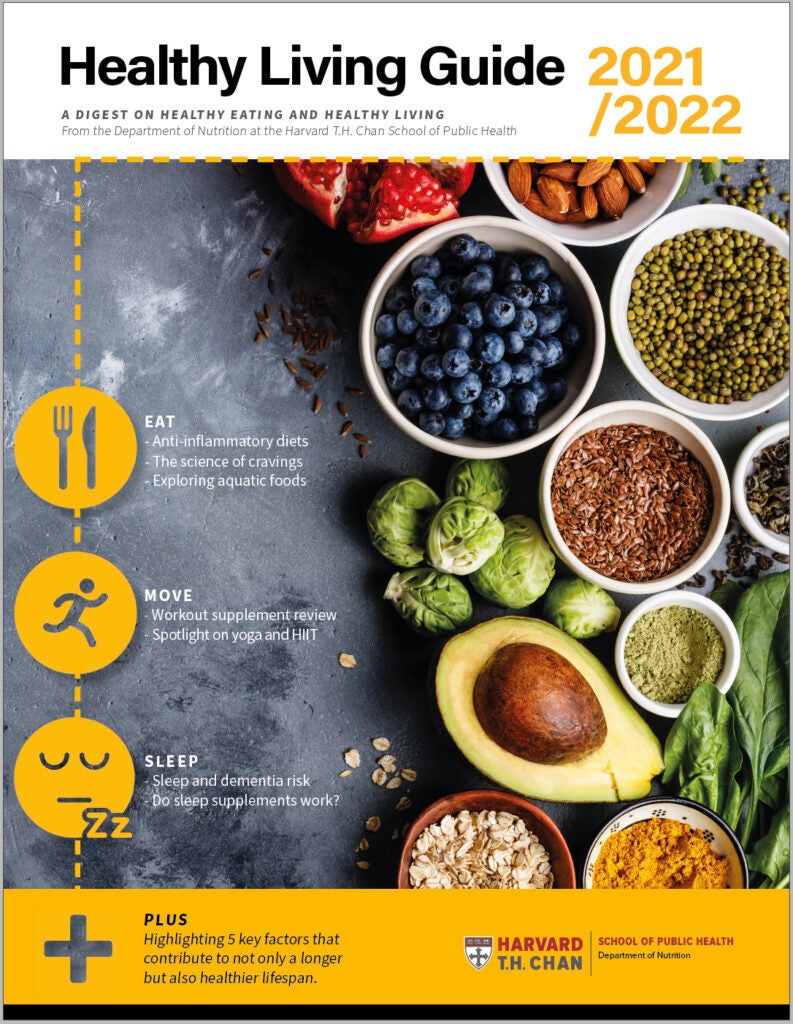
    Healthy Living Guide 2021/2022 – The Nutrition Source

    A Digest on Healthy Eating and Healthy Living

    Download the printable Healthy Living Guide (PDF)

    ” data-medium-file=”https://nutritionsource.hsph.harvard.edu/wp-content/uploads/2022/01/HLGuide21-22thumb-232×300.jpg” data-large-file=”https://nutritionsource.hsph.harvard.edu/wp-content/uploads/2022/01/HLGuide21-22thumb-793×1024.jpg” class=”wp-image-18052″ alt=”Cover image of the Healthy Living Guide downloadable PDF ” width=”296″ height=”421″/>
    Download the printable Healthy Living Guide (PDF)

    Over the course of 2021, many of us continued to adapt to a “new normal,” characterized by a return to some pre-pandemic activities mixed with hobbies or habits that have emerged since 2020’s lockdowns. On the topic of food and eating, according to one U.S. consumer survey the year marked a decrease in certain behaviors that had changed abruptly during 2020. For example, fewer Americans reported that they were “snacking more” (18% in 2021 vs. 32% in 2020) or “eating more in general” (11% in 2021 vs. 20% in 2020). However, consumers also signaled a decrease in cooking at home (47% in 2021 vs. 60% in 2020); while other survey findings underscored significant disparities in food security. Beyond food, the COVID-19 pandemic continues to generate a wide range of unique and individual impacts, and the emergence of new disease variants is a sobering reminder of the urgency for increased vaccination globally, especially in low- and lower-middle-income countries.

    As we all continue to navigate the twists and turns of this pandemic, we once again invite you to do what you can to incorporate healthy behaviors into your daily life. This year’s edition revisits the core themes of eating well, being active, and getting enough sleep with selected research highlights, as well as a closer look at some popular nutrition and lifestyle topics. We hope that you find it useful, and we wish you a very healthy and fulfilling 2022.

    Download a copy of the Healthy Living Guide (PDF) featuring printable tip sheets and summaries, or access many of the full online articles through the links below. 

    Key features this issue:

    Plus: Test your healthy living knowledge

    Hint: the answers can be found throughout last year’s Healthy Living Guide. Access the full edition here if you haven’t checked it out!

    Source link

  • Navigating infant formula shortages – The Nutrition Source

    Navigating infant formula shortages – The Nutrition Source

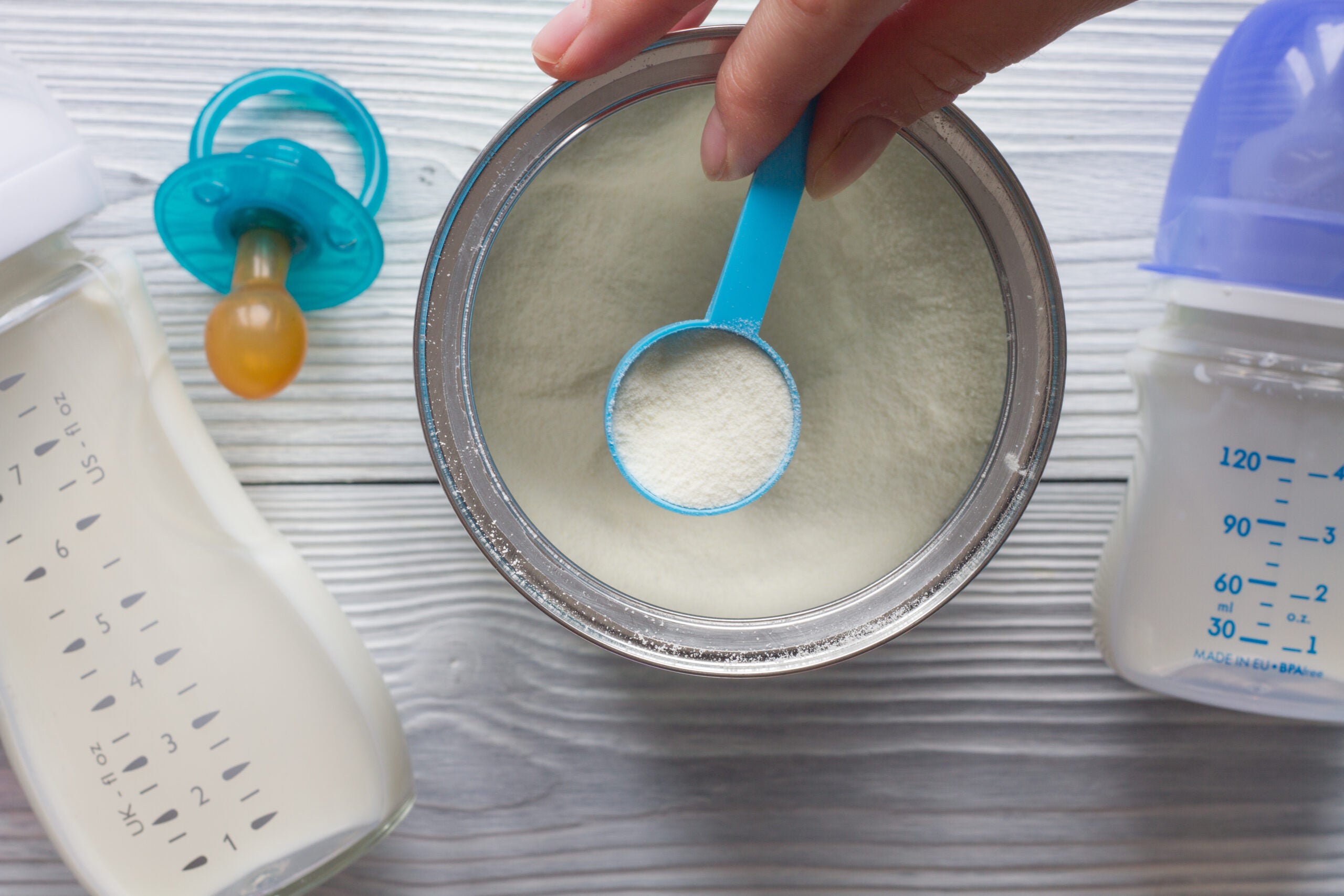
    preparation of powdered infant formula with baby bottles on the side

    Infant formula shortages in the U.S. have occurred in the past two years largely due to widespread pandemic-related supply-chain problems. A national shortage of infant formula is undoubtedly alarming for families since infants require formula when human milk is not accessible or not available in adequate amounts. Although breastfeeding is encouraged, it is not always a feasible option for mothers who return to work early or do not have access to a lactation support system. Human milk and breastfeeding may also not be possible in infants who have allergies or metabolic or gastrointestinal disorders that require special infant formulas, or who have disabilities that limit breastfeeding.

    What you can do now:

    • Consult first with your child’s pediatrician, especially if your child has allergies or special formula needs. They can inform you of safe alternative brands.
    • Be flexible in trying different brands, including generic. Many brands advertise special health benefits that have more to do with marketing than an actual difference in their nutrition content.
    • The Special Supplemental Nutrition Program for Women, Infants, and Children (WIC) offers guidelines for alternatives to brand name infant formulas and for special sensitivities in the event of a shortage.
    • If your child is older than 6 months, encourage a mixture of both infant food and formula. If they are closer to one year of age, they may be able to use toddler formula if approved by your pediatrician. After one year of age, babies no longer need formula and can be weaned off.

    What not to do:

    • Avoid hoarding commercial infant formulas, which only prolongs a shortage. The American Academy of Pediatrics advises buying no more than a 10-day to 2-week supply of formula. [1] In addition to regular supermarkets, check drugstores, smaller store chains, and reputable online sites.
    • Do not make homemade infant formulas. The U.S. Food and Drug Administration (FDA) warns that they carry a risk of bacterial contamination and may not provide appropriate amounts of nutrients and fluids required for an infant’s growth. [2] Infants have been hospitalized or even died due to use of homemade infant formula recipes lacking nutrients.
    • Do not add extra water to formula to extend its use. This will dilute the nutritional content of the formula and increase the risk for deficiencies.
    • Avoid infant formulas from other countries unless they are approved by the FDA. FDA approvals are expected soon for formulas manufactured in Europe, for instance, so contact your health care provider (pediatrician, registered dietitian) with specific questions.

    Future Directions

    Policy changes are needed to prevent a recurrence of severe formula shortages in the future. An article from the American Journal of Clinical Nutrition outlines the following action steps: [3]

    1. Completion and release of all investigative documents about formula recalls and public hearings to communicate the findings.
    2. The FDA and U.S. Department of Agriculture should create specific rules for formulas that are identified as critical for specialized use to be produced at multiple sites and preferably by multiple companies (as opposed to the current situation of specialized formulas that are produced by a small handful of companies).
    3. Establishment of a national plan related to assessment of formula needs and response to shortages, including those caused by natural disasters or recalls, especially in rural communities and for specialized and medical formulas. This should include considering the use of formulas made by reliable international manufacturers.
    4. Creation of a database of “similar” formulas (e.g., amino acid-based or partial hydrolysate formulas) easily accessible to both consumers and health care providers, so that families can easily identify similar products if their usual formula is out of stock.
    5. Changing of WIC rules to increase flexibility for families to purchase formula alternatives when a shortage occurs, with re-evaluation of the WIC state contracting processes.
    6. Strong advocacy for workplace and postpartum rules to enhance breastfeeding and increase time for breastfeeding at work and before return to work.
    7. A national policy allowing reimbursement for donor breast milk for families, especially when it is medically indicated or when formulas are in short supply.

    Source link

  • Healthy Living Guide 2022/2023 – The Nutrition Source

    Healthy Living Guide 2022/2023 – The Nutrition Source

    A Digest on Healthy Eating and Healthy Living

    Cover image of the Healthy Living Guide downloadable PDF
    Download the printable Healthy Living Guide (PDF)

    Throughout 2022, food and nutrition were often in the spotlight, perhaps most notably with the White House Conference on Hunger, Nutrition, and Health. The national strategy that emerged from the event (the first of its kind since the original conference in 1969) aims at ending hunger and increasing healthy eating and physical activity by 2030. While the plan includes many promising approaches, such as expanding nutrition assistance programs and covering medically tailored meals under Medicare, our Department of Nutrition experts also noted some major omissions, including protecting children from unhealthy food marketing, as well as transforming the food system in response to climate change. “To have a significant impact, the administration must bring together the public and private sectors, along with philanthropists, academia, and individuals to develop truly sustainable food systems that support both public and planetary health,” Drs. Frank Hu, Walter Willett, and Lilian Cheung wrote in reflection of the event.

    Indeed, there is much work to be done in creating policies that ensure there is not only enough food to sustain current and future generations, but also make optimal choices accessible and affordable to all. In the meantime, we encourage you to incorporate healthy behaviors wherever you can—no change is too small! We hope you find this Guide useful, and we wish you a fulfilling 2023.

    Download a copy of the Healthy Living Guide (PDF) featuring printable tip sheets and summaries, or access many of the full online articles through the links below. 

    Key features this issue:

    Plus: Test your healthy living knowledge

    Hint: the answers can be found throughout last year’s Healthy Living Guide. Access the full edition here if you haven’t checked it out!

    Source link

  • Unpacking WHO guidelines on non-sugar sweeteners – The Nutrition Source

    The World Health Organization (WHO) released a new guideline on non-sugar sweeteners (NSS)—often referred to as artificial or low-calorie sweeteners—that advises against use of NSS to control body weight or reduce the risk of noncommunicable diseases. After conducting a research review, they concluded that replacing sugar sweeteners with NSS did not promote weight loss in the long term in adults and children. However, clinical trial data showed that higher intakes of NSS resulted in lower calorie intake when they replaced sugar and sugar-sweetened foods/beverages. There was no significant effect of NSS on hunger or satiety levels. Some trials showed less hunger with use of NSS, but others showed a stronger appetite in participants with higher intakes of NSS-containing beverages.

    When looking at observational cohort studies, long-term use of NSS-containing beverages was associated with an increased risk of cardiovascular disease and early death in adults. A higher intake of NSS, either in beverages or added to foods, was also associated with increased risk of developing type 2 diabetes. The WHO noted that “reverse causation” may have contributed to the positive association: participants with the highest intakes of NSS tended to have a higher body mass index and obesity or metabolic risk factors, and therefore may have already been predisposed to chronic disease (for which they were choosing NSS as a health measure). No association was found with intakes of NSS-containing beverages and cancer or cancer deaths.

    Based on these findings, WHO advised that people work to lower the overall sweetness in the diet starting early in life, as NSS do not provide nutritional value. Examples of NSS include acesulfame K, aspartame, saccharin, sucralose, and stevia. Their analysis did not study sugar alcohols (polyols) such as maltitol, xylitol, and sorbitol that are added to many foods and beverages.

    Harvard Chan School experts agreed with the WHO recommendation to tame our sweet tooths, but had some criticisms that the meta-analysis excluded certain large studies. [1-3] The omitted cohort studies—which included more than 100,000 people—found that increasing consumption of artificially sweetened beverages at the expense of sugar-sweetened beverages was associated with less weight gain over time, consistent with findings from small, short-term randomized controlled trials. Based on statistical modeling, it was estimated that replacing one serving of sugar-sweetened beverage with an artificially sweetened beverage was associated with a 4% lower risk of total mortality, 5% lower risk of cardiovascular disease-related mortality, and 4% lower risk of cancer-related mortality.

    Of course, when it comes to optimal beverages for long-term health, we should look to other options. Frank Hu, Chair of the Department of Nutrition at the Harvard T.H. Chan School of Public Health, explains that “for habitual consumers of sugar-sweetened beverages, artificially sweetened beverages can be used as a temporary replacement, although the best choices would be water and unsweetened coffee or tea.”

    Related

    The International Agency for Research on Cancer, the World Health Organization, and the Joint Expert Committee on Food Additives recently released a risk assessment of aspartame and cancer. It classified aspartame as a Group 2B carcinogen having “limited evidence” for cancer in humans, specifically liver cancer. Their prior recommendation of an acceptable daily intake of aspartame of 40 mg/kg of body weight did not change, as they acknowledged that their research review did not provide differing evidence to alter this guideline, and affirmed that an intake within this range is safe. For a 150-pound (68 kg) woman, this would mean a limit of 2,727 mg of aspartame daily, equivalent to about eleven 12-ounce cans of diet soda (one can contains about 250 mg). They stated that the evidence on cancer risk in humans based on animal and human studies was not convincing, and that more research, specifically longer-term studies with follow-up and randomized controlled trials, were needed.

    Learn more about aspartame and other sweeteners

    Source link