Tag: Set

  • How to Set an Intention for Your Future

    How to Set an Intention for Your Future

    When we use our imaginations to envision the future life we most hope, we can bring ourselves one step closer to that actual life. This mindfulness practice is called “imagine if.” 

    If you joined me for Module 1, or even if you haven’t, let’s just recap: we’ve explored how to uncover the meaning in our lives, how to touch in with our core values. So, today, I want to build on that and really think about how to set an intention based on the things that are important to us. In order to do that, I always like to begin by taking a moment to arrive. As you’re listening to this, you may be just starting your day or arriving from a busy day. Whatever the circumstances, I always find it really nourishing to just take a moment to allow our mind and heart and body to catch up with one another—inviting all parts of us into the same moment and taking a moment to arrive here.

    How to Set an Intention for Your Future

    Watch the video:

    Listen to the audio:

    Read the practice:

    1. If you’re comfortable, I invite you to close your eyes or simply direct your gaze downward, softening the visual field. Sit or find a comfortable position for your body. Allow your attention to settle. 

    2. Collect your attention and become aware of your body. Feel the places where your feet make contact with the ground or the chair. Tune into the felt sense of your body wherever you find yourself—perhaps sitting in a way that’s alert but relaxed at the same time; sitting in a way that embodies this quality of alertness, of clarity, that we will be practicing today. 

    3. Now gently but firmly gather your attention and direct it towards the sensation of breathing. Note the sense of the air moving in and out of your body. Bring your full, undivided attention in a firm but gentle way to this experience of breathing. 

    4. And just as you are, let’s continue this meditation on intention by considering something you hope for in your life. More specifically, what you may hope your life will look like at some future date and time. It could be near-term: the next six months or a year; or longer-term: three years, five years, 10 years. Choose whatever time horizon is useful for you at this moment.

    5. Now, really consider what you envision for your life, with vividness and clarity. I invite you to imagine you living your best life. And to take this further, I’d like you to imagine you living your best life in a way as though it’s already happened. So, what are you hoping for? Imagine it’s five years from now, or 10, and you’re living your best life. What does that look like? Let’s pause here and really envision what this future life looks like. Who are you? What are you doing? Who is there with you? What conditions exist, what circumstances? 

    6. Continuing now, call into your mind and heart and sense in your body what it feels like to be living this future life that you most hope for. The easiest way to envision this is to simply imagine what it would feel like. What would it feel like to be living this future life? 

    7. As we end this meditation I invite you to take a few deeper breaths at your own pace. And then rejoin: Open your eyes, if you have your eyes closed. 

    Reflecting on your intention practice:

    So, this is really an exercise in “imagine if.” And again, this is part of an intention-setting exercise. And the reason I’m inviting you to envision a future life that you most hope for is because imagining it, and thinking and acting as though we’ve already experienced it, we can bring ourselves one step closer to that actual life. If that doesn’t seem clear, here’s another simple prompt you can either use as a meditation or reflection, or you can write or journal about. It’s a kind of fill-in-the-blank: I am living my best life, and I am ….

    If there’s something that you’re hoping for—a change, a difference in your life—begin with that. An example of this reflection would be: It is three years from now, and I’m living my best life, and I am …. I invite you to fill in that blank. 

    It’s 10 years from now, I am living my best life, and I am writing and teaching—that would be mine. And I am a published author of three books.

    So I invite you to try this out for yourself: imagine your future life because this is the intention-setting exercise at the heart of this module. 

    I invite those who aren’t writing to just meditate on that prompt. And if you’re comfortable writing, please go ahead and take a minute or so and write this out: I’m living my best life and I am …. Fill in the blank. 

    Continue that reflection by considering how you feel. What does it feel like in this future place? Write that down, or inhabit that feeling. What are you doing? How do you feel? What’s happening in this best version of your life?

    Just remember this vision, this felt sense, as we end the reflection. If you’re doing this as a meditation, take a couple of deep breaths at your own pace and then rejoin us. 

    Thank you for that thought exercise, that meditation. This is intention-setting: imagining the way forward and setting the intention around it. I specifically wanted to invite you to reflect on your own life, perhaps your life and work, and then consider how all of this would look in the best life you could hope for—and then, write it down. Or you can really get clear on the qualities of that best life and then live your way forward into that life. That is the intention-setting invitation. Have a great day.


    Source link

  • Set Yourself Up for Success: A Guide to Setting Realistic Fitness Goals

    Set Yourself Up for Success: A Guide to Setting Realistic Fitness Goals

    When it comes to setting realistic fitness goals, it’s easy to get caught up in the excitement of a new workout routine or diet plan. However, if these goals are not realistic, it can be a recipe for disaster. She has seen it time and time again – individuals who start out strong, only to fizzle out a few weeks or months down the line. The reason for this is often due to unrealistic expectations and a lack of planning. In this article, we will explore the importance of setting realistic fitness goals and provide a step-by-step guide on how to do it.

    Understanding the Importance of Realistic Fitness Goals

    Before diving into the nitty-gritty of setting realistic fitness goals, it’s essential to understand why it’s so crucial. When goals are realistic, it sets an individual up for success, rather than failure. Unrealistic expectations can lead to disappointment, frustration, and a lack of motivation. On the other hand, realistic goals provide a sense of accomplishment and motivation to continue working towards a healthier lifestyle. For instance, if someone’s goal is to lose weight, having a realistic timeline and plan in place can make all the difference in achieving this goal.

    Assessing Current Fitness Level

    The first step in setting realistic fitness goals is to assess current fitness level. This involves taking an honest look at one’s current physical activity level, diet, and overall health. It’s essential to consider factors such as age, weight, and any health conditions that may impact fitness goals. For example, someone who is just starting out with exercise may need to begin with shorter, more manageable sessions and gradually increase duration and intensity over time. This will help prevent injury and burnout, setting them up for long-term success.

    Setting SMART Fitness Goals

    When it comes to setting realistic fitness goals, it’s essential to make sure they are SMART. This acronym stands for Specific, Measurable, Achievable, Relevant, and Time-bound. Specific goals are clearly defined, such as “I want to lose 10 pounds in the next 3 months.” Measurable goals can be tracked, such as “I will exercise for 30 minutes, 3 times a week.” Achievable goals are realistic, taking into account current fitness level and lifestyle. Relevant goals align with overall health and wellness goals, such as improving overall health. Finally, Time-bound goals have a specific deadline, such as “I will run a 5K in 6 months.” By making sure fitness goals are SMART, individuals can set themselves up for success and create a roadmap for achieving their objectives.

    Creating a Workout Plan

    Once realistic fitness goals are in place, it’s time to create a workout plan. This involves choosing exercises and activities that align with fitness goals and current fitness level. For example, someone who wants to build muscle may focus on strength training, while someone who wants to improve cardiovascular health may focus on cardio exercises. It’s also essential to consider factors such as schedule, budget, and access to equipment or a gym. A workout plan should be realistic and flexible, allowing for rest days and adjustments as needed.

    Nutrition and Recovery

    In addition to a workout plan, nutrition and recovery play a critical role in achieving fitness goals. A healthy diet provides the necessary fuel for exercise and supports overall health and wellness. This includes focusing on whole, unprocessed foods such as fruits, vegetables, whole grains, and lean proteins. Recovery is also essential, as it allows the body to repair and rebuild muscle tissue. This includes getting enough sleep, staying hydrated, and taking rest days as needed. By prioritizing nutrition and recovery, individuals can support their fitness goals and set themselves up for long-term success.

    Overcoming Obstacles and Staying Motivated

    Despite the best intentions, obstacles and setbacks are inevitable. It’s essential to have a plan in place for overcoming these challenges and staying motivated. This includes finding a workout buddy or accountability partner, tracking progress, and rewarding oneself for milestones achieved. It’s also essential to be kind and compassionate, remembering that fitness goals are a journey, not a destination. By staying positive and focused, individuals can overcome obstacles and stay motivated, even when the going gets tough.

    Celebrating Progress and Achieving Success

    Finally, it’s essential to celebrate progress and acknowledge success along the way. This includes tracking progress, reflecting on accomplishments, and rewarding oneself for milestones achieved. By acknowledging success, individuals can stay motivated and encouraged, even when faced with challenges and setbacks. Celebrating progress also provides an opportunity to reflect on what’s working and what areas need improvement, making adjustments as needed to stay on track.

    Conclusion

    In conclusion, setting realistic fitness goals is crucial for achieving success and maintaining a healthy lifestyle. By assessing current fitness level, setting SMART goals, creating a workout plan, prioritizing nutrition and recovery, overcoming obstacles, and celebrating progress, individuals can set themselves up for long-term success. Remember, fitness goals are a journey, not a destination, and it’s essential to be patient, kind, and compassionate along the way. With the right mindset and approach, anyone can achieve their fitness goals and enjoy the many benefits that come with a healthy and active lifestyle.

    FAQs

    Q: What is the most important thing to consider when setting realistic fitness goals?
    A: The most important thing to consider is to make sure goals are SMART (Specific, Measurable, Achievable, Relevant, and Time-bound).

    Q: How often should I work out to achieve my fitness goals?
    A: The frequency and duration of workouts will depend on individual fitness goals and current fitness level. It’s essential to start slow and gradually increase intensity and duration over time.

    Q: What role does nutrition play in achieving fitness goals?
    A: Nutrition plays a critical role in achieving fitness goals, providing the necessary fuel for exercise and supporting overall health and wellness.

    Q: How can I stay motivated and overcome obstacles?
    A: Staying motivated and overcoming obstacles requires a combination of finding a workout buddy or accountability partner, tracking progress, and rewarding oneself for milestones achieved.

    Q: How long will it take to see results and achieve my fitness goals?
    A: The time it takes to see results and achieve fitness goals will depend on individual factors such as current fitness level, consistency, and overall health and wellness. It’s essential to be patient and focus on progress, rather than perfection.

    set-yourself-up-for-success-a-guide-to-setting-realistic-fitness-goals

  • Blurred Lines: How to Set Healthy Boundaries Between Work and Personal Life

    Blurred Lines: How to Set Healthy Boundaries Between Work and Personal Life

    Introduction

    In today’s fast-paced, technologically driven world, the lines between work and personal life have become increasingly blurred. With the rise of remote work, social media, and constant connectivity, it’s easy to get sucked into a never-ending cycle of work-related tasks and responsibilities, leaving little time for personal activities, self-care, and relaxation. However, failing to set healthy boundaries between work and personal life can lead to burnout, decreased productivity, and a negative impact on overall well-being. In this article, we’ll explore the importance of setting healthy boundaries and provide practical tips on how to achieve a better work-life balance.

    The Importance of Setting Healthy Boundaries

    Setting healthy boundaries between work and personal life is crucial for maintaining a healthy work-life balance. When the lines between work and personal life are blurred, it can lead to an always-on mentality, where work becomes an all-consuming aspect of life. This can result in physical, emotional, and mental exhaustion, decreased motivation, and a decrease in overall job satisfaction. Furthermore, a lack of boundaries can also lead to an expectation of constant availability, making it difficult to disconnect from work-related tasks and responsibilities.

    Identifying the Signs of Blurred Lines

    Before we can start setting healthy boundaries, it’s essential to recognize the signs of blurred lines between work and personal life. Some common signs include:

    • Consistently working long hours, including evenings and weekends
    • Checking work emails and taking work calls during personal time
    • Feeling guilty or anxious when not working or checking work-related tasks
    • Neglecting personal activities, hobbies, and self-care
    • Feeling overwhelmed, stressed, and burnt out

    Setting Boundaries at Work

    Setting boundaries at work is essential for maintaining a healthy work-life balance. Here are some practical tips to help you set boundaries at work:

    • Establish clear work hours and stick to them
    • Set boundaries around your work tasks and responsibilities
    • Learn to say no to non-essential tasks and responsibilities
    • Take regular breaks and practice self-care during work hours
    • Set boundaries around technology use, such as not checking work emails or taking work calls during personal time

    Setting Boundaries at Home

    Setting boundaries at home is just as important as setting boundaries at work. Here are some practical tips to help you set boundaries at home:

    • Create a dedicated workspace and keep work-related tasks and materials out of personal spaces
    • Establish a routine and stick to it, including set times for work, personal activities, and relaxation
    • Set boundaries around technology use, such as not checking work emails or taking work calls during personal time
    • Prioritize personal activities, hobbies, and self-care
    • Communicate your boundaries with family and friends, and ask for their support and respect

    Communicating Boundaries with Others

    Communicating your boundaries with others is essential for maintaining healthy boundaries. Here are some practical tips to help you communicate your boundaries:

    • Be clear and direct when communicating your boundaries
    • Use “I” statements instead of “you” statements, which can come across as accusatory
    • Set boundaries proactively, rather than reactively
    • Be respectful and empathetic when communicating your boundaries
    • Be prepared to negotiate and find compromise when necessary

    Managing Technology

    Technology can be both a blessing and a curse when it comes to setting healthy boundaries. On the one hand, technology can provide flexibility and convenience, allowing us to work from anywhere and stay connected with colleagues and clients. On the other hand, technology can also blur the lines between work and personal life, making it difficult to disconnect from work-related tasks and responsibilities. Here are some practical tips to help you manage technology and maintain healthy boundaries:

    • Set boundaries around technology use, such as not checking work emails or taking work calls during personal time
    • Use technology to your advantage, such as setting reminders and notifications to help you stay on track and maintain boundaries
    • Prioritize face-to-face communication and connection, rather than relying solely on technology
    • Take regular breaks from technology, such as taking a digital detox or practicing digital mindfulness

    Prioritizing Self-Care

    Prioritizing self-care is essential for maintaining healthy boundaries. When we prioritize self-care, we’re better equipped to manage stress, maintain energy and motivation, and make healthy choices. Here are some practical tips to help you prioritize self-care:

    • Schedule self-care activities into your daily and weekly routine
    • Prioritize activities that bring you joy and relaxation, such as exercise, meditation, or reading
    • Get enough sleep and maintain a healthy diet
    • Practice self-compassion and self-forgiveness, rather than self-criticism and self-judgment

    Conclusion

    Setting healthy boundaries between work and personal life is crucial for maintaining a healthy work-life balance. By recognizing the signs of blurred lines, setting boundaries at work and home, communicating boundaries with others, managing technology, and prioritizing self-care, we can achieve a better balance between our work and personal life. Remember, setting healthy boundaries is a process that takes time, effort, and practice. Be patient, be kind to yourself, and don’t be afraid to ask for help and support when you need it.

    FAQs

    Q: What are the consequences of not setting healthy boundaries between work and personal life?
    A: The consequences of not setting healthy boundaries between work and personal life can include burnout, decreased productivity, and a negative impact on overall well-being.
    Q: How can I prioritize self-care when I’m feeling overwhelmed and stressed?
    A: Prioritizing self-care when feeling overwhelmed and stressed can be challenging, but it’s essential for maintaining healthy boundaries. Start by scheduling self-care activities into your daily and weekly routine, and prioritize activities that bring you joy and relaxation.
    Q: How can I communicate my boundaries with others, such as my boss or colleagues?
    A: Communicating your boundaries with others can be challenging, but it’s essential for maintaining healthy boundaries. Be clear and direct when communicating your boundaries, use “I” statements instead of “you” statements, and be respectful and empathetic.
    Q: What are some practical tips for managing technology and maintaining healthy boundaries?
    A: Some practical tips for managing technology and maintaining healthy boundaries include setting boundaries around technology use, using technology to your advantage, prioritizing face-to-face communication and connection, and taking regular breaks from technology.
    Q: How can I maintain healthy boundaries when working from home?
    A: Maintaining healthy boundaries when working from home can be challenging, but it’s essential for maintaining a healthy work-life balance. Create a dedicated workspace, establish a routine and stick to it, set boundaries around technology use, and prioritize personal activities, hobbies, and self-care.

  • Fit for Success: How to Set Realistic Fitness Goals for a Sustainable Journey (Target keywords: fitness goals, realistic expectations, sustainable journey)

    Fit for Success: How to Set Realistic Fitness Goals for a Sustainable Journey (Target keywords: fitness goals, realistic expectations, sustainable journey)

    When it comes to achieving fitness goals, many individuals often set themselves up for disappointment by aiming too high, too fast. They envision a perfect physique, a certain number on the scale, or a specific athletic feat, only to become discouraged when reality sets in. The truth is, setting realistic expectations is crucial for a sustainable journey towards fitness success. By understanding what it means to have realistic fitness goals, individuals can embark on a path that is not only achievable but also enjoyable and long-lasting.

    Understanding Realistic Expectations

    Realistic expectations are about being honest with oneself about what can be accomplished in a given timeframe. It’s about recognizing that fitness is a journey, not a destination. Having realistic expectations means acknowledging that progress may be slow, but it’s progress nonetheless. It’s about celebrating small victories along the way, rather than fixating on an unattainable ideal. When individuals have realistic expectations, they are more likely to stay motivated, as they are able to see and feel the progress they are making.

    For instance, a person who has never exercised before may set a goal to run a marathon in a month. While this may seem like an exciting and ambitious goal, it’s not a realistic one. A more realistic goal would be to start with short walks, gradually increasing the distance and intensity over time. This approach allows the individual to build a foundation of fitness, reducing the risk of injury and burnout. By setting realistic expectations, individuals can avoid the frustration and disappointment that comes with trying to achieve an unrealistic goal.

    Setting Realistic Fitness Goals

    Setting realistic fitness goals is not about being pessimistic or settling for mediocrity. It’s about being smart and strategic. When setting fitness goals, individuals should consider their current fitness level, lifestyle, and available time. They should also consider their motivations and what drives them to want to achieve their goals. By taking a holistic approach to goal-setting, individuals can create a roadmap for success that is tailored to their unique needs and circumstances.

    For example, a busy working mom may set a goal to exercise for 30 minutes, three times a week. This goal is realistic because it takes into account her busy schedule and allows her to start small, gradually increasing the frequency and duration of her workouts over time. On the other hand, a goal to exercise for an hour, five times a week, may be unrealistic, given her current commitments. By setting realistic fitness goals, individuals can ensure that they are making progress, without sacrificing their overall well-being.

    The Importance of Sustainability

    A sustainable journey is one that is maintained over time, without burnout or exhaustion. When individuals set realistic fitness goals, they are more likely to create a sustainable routine that they can maintain in the long term. Sustainability is key to achieving lasting results, as it allows individuals to make progress without feeling overwhelmed or deprived. By focusing on progress, rather than perfection, individuals can create a healthy and balanced lifestyle that they can enjoy for years to come.

    For instance, a person who sets a goal to lose a certain amount of weight may become so focused on the end result that they neglect their overall health and well-being. They may adopt extreme dieting habits or overexert themselves at the gym, only to burn out and give up. On the other hand, a person who focuses on making sustainable lifestyle changes, such as eating a balanced diet and exercising regularly, is more likely to achieve their weight loss goals and maintain them over time.

    Creating a Supportive Environment

    Having a supportive environment is crucial for achieving fitness goals. This means surrounding oneself with people who encourage and motivate, rather than discourage or sabotage. It also means creating a physical environment that promotes fitness, such as having a well-equipped home gym or a safe outdoor space to exercise. By creating a supportive environment, individuals can increase their chances of success and make their fitness journey more enjoyable.

    For example, a person who wants to start a running routine may join a running group or find a running buddy. This provides them with accountability, motivation, and support, making it more likely that they will stick to their routine. On the other hand, a person who tries to start a running routine alone, without any support or accountability, may struggle to stay motivated and consistent.

    Overcoming Obstacles

    Despite the best intentions, obstacles will inevitably arise. It’s how individuals respond to these obstacles that will determine their success. By having a plan in place for overcoming obstacles, individuals can stay on track and achieve their fitness goals. This may involve seeking support from a friend or family member, finding alternative workout routines, or simply taking a break and coming back to their fitness routine when they are feeling refreshed.

    For instance, a person who is recovering from an injury may need to modify their workout routine to avoid exacerbating the injury. This may involve finding low-impact exercises or working with a physical therapist to develop a rehabilitation plan. By being flexible and adaptable, individuals can overcome obstacles and stay on track with their fitness goals.

    Tracking Progress

    Tracking progress is essential for staying motivated and achieving fitness goals. By monitoring progress, individuals can see how far they have come and make adjustments as needed. This may involve using a fitness tracker, keeping a workout log, or taking progress photos. By tracking progress, individuals can celebrate their successes and identify areas for improvement.

    For example, a person who is trying to increase their strength may track their progress by monitoring the amount of weight they can lift over time. This allows them to see their progress and make adjustments to their workout routine as needed. On the other hand, a person who doesn’t track their progress may feel like they are not making progress, even if they are, which can lead to frustration and discouragement.

    Conclusion

    Achieving fitness goals is not about being perfect; it’s about being consistent and patient. By setting realistic expectations, creating a supportive environment, and tracking progress, individuals can embark on a sustainable journey towards fitness success. Remember, fitness is a journey, not a destination. It’s about making progress, not achieving perfection. By focusing on progress, rather than perfection, individuals can create a healthy and balanced lifestyle that they can enjoy for years to come.

    Frequently Asked Questions

    Q: How do I set realistic fitness goals?
    A: Setting realistic fitness goals involves considering your current fitness level, lifestyle, and available time. It’s also important to consider your motivations and what drives you to want to achieve your goals.

    Q: What is a sustainable journey?
    A: A sustainable journey is one that is maintained over time, without burnout or exhaustion. It involves making progress, rather than trying to achieve perfection.

    Q: How can I create a supportive environment?
    A: Creating a supportive environment involves surrounding yourself with people who encourage and motivate you, as well as creating a physical environment that promotes fitness.

    Q: How do I overcome obstacles?
    A: Overcoming obstacles involves having a plan in place, such as seeking support from a friend or family member, finding alternative workout routines, or taking a break and coming back to your fitness routine when you are feeling refreshed.

    Q: Why is tracking progress important?
    A: Tracking progress is essential for staying motivated and achieving fitness goals. It allows you to see how far you have come and make adjustments as needed.

    fit-for-success-how-to-set-realistic-fitness-goals-for-a-sustainable-journey-target-keywords-fitness-goals-realistic-expectations-sustainable-journey

  • Trump Admin Set to Burn  Million of Birth Control Instead of Distributing It: Report

    Trump Admin Set to Burn $10 Million of Birth Control Instead of Distributing It: Report

    Nearly $10 million worth of contraceptives already paid for by the US are en route from Belgium to France for incineration.

    The pills, intrauterine devices and condoms have been held at a warehouse in Antwerp, Belgium, since January, following President Donald Trump’s decision to freeze foreign aid. The family planning supplies will be burnt in France following transport — an operation that will cost taxpayers an additional $167,000, according to a state department spokesperson who confirmed the decision with The Guardian.

    The administration has reportedly denied offers from family planning organizations and the United Nations to purchase and distribute the supplies to women in need. According to MSI Reproductive Choices associate director of advocacy Sarah Shaw, the government would only accept full price for the products, which her global family planning organization could not afford on top of transport.

    “It’s not just about an empty shelf,” Shaw told the Guardian. “It’s about unfulfilled potential. It’s about a girl having to drop out of school. It’s about someone having to seek an unsafe abortion and risking their lives.”

    The halt in aid is part of a broader DOGE initiative dismantling USAID .

    Earlier this month, reports revealed the Trump administration’s plans to incinerate 500 metric tons of emergency food aid—enough to feed 1.5 million starving children in Gaza for a week. The food, stored in the UAE, was deemed expired but, according to career USAID staff, could still have been distributed safely.

    The freeze in aid has also delayed delivery of mpox vaccines promised to African countries experiencing outbreaks. A Politico report found nearly 800,000 doses will expire in less than six months, making them ineligible for shipment.

    Despite objections from humanitarian organizations who argue the rigid application of the administration’s policy is hurting vulnerable populations, the White House maintains that it is protecting taxpayer funds and adhering to legal restrictions on aid to agencies that offer abortion.

    Originally published on Latin Times

    Source link

  • Respect and Boundaries: How to Set Healthy Limits in Your Relationship

    Respect and Boundaries: How to Set Healthy Limits in Your Relationship

    Introduction to Respect and Boundaries

    Setting healthy limits in any relationship is crucial for maintaining respect, trust, and understanding between partners. Respect and boundaries are the foundation upon which successful relationships are built, ensuring that both individuals feel valued, heard, and understood. Without these boundaries, relationships can become unhealthy, leading to feelings of resentment, frustration, and even emotional or physical harm. In this article, we will delve into the importance of respect and boundaries, how to communicate them effectively, and why they are essential for a thriving relationship.

    Understanding Respect in Relationships

    Respect is a fundamental aspect of any relationship. It involves valuing and considering the feelings, thoughts, and rights of your partner. When both partners respect each other, they create an environment where open communication, trust, and mutual support can flourish. Respect is not just about grand gestures; it’s also about the small, everyday actions and considerations that show you care about your partner’s well-being and feelings. This can include respecting their time, their decisions, and their personal space.

    Understanding Boundaries in Relationships

    Boundaries are the limits we set for ourselves in relationships to protect our physical, emotional, and mental well-being. They are essential for defining what we are and are not comfortable with in a relationship, helping prevent misunderstandings and conflicts. Healthy boundaries can include limits on personal space, emotional involvement, and physical contact, among others. Setting boundaries is not about building walls or pushing your partner away; it’s about creating a safe and respectful environment where both partners can thrive.

    Communicating Respect and Boundaries

    Effective communication is key to establishing and maintaining respect and boundaries in a relationship. It involves expressing your needs, desires, and limits clearly and respectfully, while also being open to listening to and understanding your partner’s perspective. When communicating your boundaries, it’s essential to be direct, clear, and assertive without being aggressive or passive. Using "I" statements can help express your feelings and thoughts without placing blame on your partner. For example, saying "I feel overwhelmed when you call me multiple times a day. Can we find a better way to stay in touch?" communicates your boundary and your feelings effectively.

    Setting Healthy Limits

    Setting healthy limits in a relationship requires mutual understanding and respect. Here are a few steps to consider:

    1. Identify Your Boundaries: Start by understanding what your limits are. Reflect on what makes you feel uncomfortable or disrespected.
    2. Communicate Your Boundaries: Share your boundaries with your partner in a calm and respectful manner. Use "I" statements to express your feelings.
    3. Listen to Your Partner: Respect and consider your partner’s boundaries and feelings as well. Relationships are about compromise and mutual respect.
    4. Establish Consequences: Discuss and agree on what happens if boundaries are not respected. This can help prevent conflicts and misunderstandings.
    5. Review and Adjust: Boundaries can change over time. Regularly check in with your partner to review and adjust boundaries as needed.

    Maintaining Respect and Boundaries

    Maintaining respect and boundaries over time requires effort and commitment from both partners. Here are a few tips:

    • Practice Active Listening: Always listen to your partner with the intention of understanding their perspective and feelings.
    • Show Appreciation: Regularly show your partner that you value and appreciate them. Small gestures can go a long way in nurturing respect.
    • Respect Privacy: Respect your partner’s need for privacy and personal space.
    • Seek Consent: Always seek consent before engaging in any physical or intimate activity.
    • Address Conflicts: Deal with conflicts as they arise. Unresolved issues can lead to resentment and undermine respect and boundaries.

    Overcoming Challenges

    Setting and maintaining respect and boundaries can come with challenges, especially if one or both partners struggle with asserting their needs or respecting the other’s limits. Here are a few common challenges and how to overcome them:

    • Fear of Rejection: The fear of being rejected or upsetting your partner can hinder your ability to set boundaries. Remember, healthy relationships are built on mutual respect, and setting boundaries is a sign of strength, not weakness.
    • Past Experiences: Traumatic or negative past experiences can make it difficult to set or respect boundaries. Seeking professional help, such as therapy, can provide the tools and support needed to overcome these challenges.
    • Cultural or Societal Pressures: Sometimes, cultural or societal expectations can make it hard to set boundaries, especially around issues like intimacy or personal space. Remember, your relationship and your choices are unique to you and your partner.

    Conclusion

    Respect and boundaries are the cornerstones of a healthy and fulfilling relationship. They ensure that both partners feel valued, respected, and understood, creating a foundation for trust, open communication, and mutual support. By understanding the importance of respect and boundaries, communicating them effectively, and making a commitment to maintain them, couples can build strong, resilient relationships that thrive over time. Remember, relationships are journeys of growth and learning, and respecting and setting boundaries is an ongoing process that requires patience, understanding, and open communication.

    FAQs

    Q: How do I know if my boundaries are being respected in a relationship?

    A: If your boundaries are being respected, you should feel heard, valued, and comfortable in your relationship. You should not feel pressured, coerced, or disrespected. Regular communication with your partner can help clarify if your boundaries are being respected.

    Q: What if my partner doesn’t respect my boundaries?

    A: If your partner consistently disregards your boundaries, it may indicate a deeper issue in the relationship. Communicate your feelings and concerns clearly. If the disregard for boundaries continues, it may be necessary to reevaluate the relationship and consider seeking professional help.

    Q: Can boundaries change over time?

    A: Yes, boundaries can and do change over time as individuals grow and circumstances change. Regularly communicating with your partner and being open to adjusting boundaries is important for maintaining a healthy and respectful relationship.

    Q: How do I set boundaries without hurting my partner’s feelings?

    A: Setting boundaries is about being clear and direct while also being respectful and considerate. Using "I" statements and focusing on your feelings and needs can help set boundaries without blaming or hurting your partner.

    Q: Are boundaries the same as rules?

    A: No, boundaries and rules are not the same. Boundaries are about defining what you are and are not comfortable with in a relationship to protect your well-being. Rules are more about dictating behavior and can be restrictive. Boundaries should be based on mutual respect and understanding.

  • Mindful On Set: The Righteous Gemstones’ Kerstin Schulze on Playing Sola and Staying Grounded

    Mindful On Set: The Righteous Gemstones’ Kerstin Schulze on Playing Sola and Staying Grounded

    Kerstin Schulze is a force of nature—an actor, elite fitness trainer, and founder of a performance-focused wellness company whose approach to movement is as intentional as it is powerful. Best known for her role as Sola, the mysterious German nanny with a surprising kung fu twist on HBO comedy The Righteous Gemstones, Schulze brings a unique blend of physical discipline and grounded presence to every role she inhabits (a range that also encompasses “Workout Tina” Fey for Booking.com and a killer clown on American Horror Story: Roanoke).

    In this conversation, we explore how mindfulness manifests in her training, acting process, and daily life and what it takes to stay centered while navigating high-performance environments both on screen and off.

    Angela Stubbs: You play Sola, a German nanny and kung-fu practitioner on the most recent season of The Righteous Gemstones.  Can you discuss what initially drew you to the character Sola, which characteristics you share with her, and how your day-to-day personality differs from hers?

    Kerstin Schulze: When I first received the script and audition notice for Sola, the description called for a tall, German or Scandinavian woman who could do kung fu and was very centered. And immediately, I thought—this is me. I felt such a strong connection to the character; I didn’t have to imagine how she might feel because, in so many ways, I’ve lived her experience. I’ve always been a caretaker and a nurturer at heart. Physically, I’m strong, and with over 30 years spent helping people feel better about themselves, I understood Sola’s mission on a deep level. She’s all about helping others—and that resonated with me completely.

    What I loved about Sola is that she’s grounded and nurturing, yet tough. When I built her backstory, I imagined she came from a wealthy European family where, despite having everything, she felt emotionally neglected. That gave her a purpose: to work with families, not for money, but to help children find stability and bring broken homes back together. That motivation shaped how I played her.

    I understood Sola’s mission on a deep level. She’s all about helping others—and that resonated with me completely.

    I also had a very specific vision for her look. I drew inspiration from Mrs. Bower in Frankenstein—very German, very stern, always put together. The show actually used that exact look in the final version, which I loved.

    The range they gave her made the role special—from the intense fight scenes to her emotional connection with Baby Billy in the end. That moment where she tells him, “They need you,” was so powerful. And her bond with Tiffany, this sweet, pure soul, felt incredibly meaningful. Tiffany’s innocence and sincerity brought out the protector in Sola, and I connected to the purity and depth of that relationship.

    Sola feels like such a grounded and self-aware character, and it struck me that to portray someone like her convincingly, an actor has to bring a real depth of presence and awareness. That kind of groundedness can come from life experience, mindfulness, or even physical practices like kung fu, which plays a key role in who Sola is.

    This has me wondering about the duality of preparing for the physical demands of kung fu while cultivating the inner awareness and emotional depth needed to embody Sola on set, especially amid the chaos and energy of filming.

    Even before I got the role, I was deeply involved in martial arts and mindfulness practices like meditation. I meditate daily—it’s a non-negotiable part of my life. I use it to ground myself, and I really believe in the power of positive affirmations. When my mind starts drifting into negative thoughts, I try to redirect them. That daily practice of mindfulness helped me stay centered not just in life, but especially on set, where there’s so much chaos happening around you.

    When you’re filming, there are hundreds of people on set—cameras, directors, crew—so having those tools came in handy. I could focus, block out all the distractions, and just be present in Sola’s world. It allowed me to connect deeply with who she is and to respond authentically, especially in scenes with Baby Billy. The groundedness people see in Sola on screen is the groundedness I’ve worked hard to cultivate in myself.

    That daily practice of mindfulness helped me stay centered not just in life, but especially on set, where there’s so much chaos happening around you.

    But I didn’t always have that. It started after my divorce, when I was 40. That was a turning point for me. I went to therapy, I committed to meditation, and I did a lot of inner work to understand myself more clearly. I had to ask hard questions, like why I chose a relationship that was so negative. That journey toward self-awareness changed everything for me. And now, 10 years later, I feel like the universe brought me this role because it reflects precisely where I am in life. Sola is grounded, purposeful, and strong—and so am I.

    Kerstin Schulze on Fitness and Being a Kung-Fu Nanny

    It sounds like your mindfulness and martial arts practices helped you meet Sola with a deep sense of presence, both physically and emotionally. You mentioned how much focus this role required—not just in the fight scenes but also in staying grounded amid the chaos on set. This reminds me of The Body Keeps the Score by Bessel van der Kolk, which explores how our bodies hold onto experience and how that mind-body connection is key to healing and awareness.

    So I’m curious: Do you feel like your ability to stay grounded on set and fully embody Sola came from that long-term mind-body work you’ve done? And how has that awareness shaped the way you approach acting in general?

    Our cells hold everything—our thoughts, our emotions—they live our experiences. I’ve always been a tough woman. I had to fight to survive. So the toughness in Sola came naturally to me. What I had to work on more deeply was her softness—that quiet strength. As women, I think we’re still learning how to be both soft and strong, and how to find balance between the two.

    With Sola, she didn’t say much, but her presence spoke volumes. Her body language carried the message. I think that’s true for all of us—we can walk into a room and say so much without speaking a word. It all comes down to how grounded, mindful, and self-aware we are. And when you know who you are, you can show up authentically—you can truly listen without being in your head, already preparing your response.

    The kung-fu nanny is the brain-child of Danny McBride because, of course it is! But let’s talk about the kung fu. A lot of people meeting you for the first time might not realize you have a long background as an athlete, going all the way back to childhood. Do you feel that background made it easier to step into the physicality of Sola—especially the kung fu aspects? Or were there new challenges that came with learning and embodying that particular discipline?

    I’ve been an athlete for as long as I can remember—I competed in the Junior Olympics in Berlin when I was 12—so that background definitely helped. When I got the role, they wanted Sola to know kata (a detailed sequence of movements in karate, performed as an exercise), which I wasn’t trained in. I had done martial arts, kickboxing, weapons work with sticks and knives, but not kata specifically. So I found a kata master and trained every single day. I’m a very visual learner, so I’d study his movements, then drill them until it looked and felt authentic.

    Because of my athletic training, I pick things up quickly, and I took this seriously—knowing millions of people would see it, I wanted it to be right. I trained everywhere: in the pool, in hotel rooms, at home. Then, on set, they switched the camera angles last minute, which meant I had to improvise and adjust on the spot. Knowing the purpose behind each kata movement helped me stay grounded and adapt.

    I trained everywhere: in the pool, in hotel rooms, at home. Then, on set, they switched the camera angles last minute. Knowing the purpose behind each kata movement helped me stay grounded and adapt.

    The fight scenes were intense—we only saw a fraction of what was filmed. I had to pick up and throw someone, smash a vase on a head (fiberglass, thankfully), pull someone off a pool table, slam a head on a piano. It was all very physical. I did about 95% of my own stunts because I wanted it to feel real. All my years of strength and martial arts training really came into play.

    How many takes did you do for all of the kung fu scenes?

    The kata scene by the water was intense—it was scorching hot, and I probably ran through the routine at least 10 times just for my solo shots. Then we filmed from multiple angles, which took about half a day.

    The fight scenes were a full-day shoot. We repeated them over and over. I worked closely with the stunt coordinators—I even had to pick someone up and flip them. The only part I didn’t do myself was the final throw. I asked my stunt double to do that one because I didn’t want to risk injuring anyone. I wasn’t confident I could safely execute that move.

    You mentioned training every day for this role, but outside of acting, you also work as a trainer with everyone from actors to older adults, and you’ve developed your own program, Fitness for the Busy Lifestyle. Can you talk about how body awareness shapes the way you design workouts, and what inspired you to create something specifically for people with limited time or unique physical needs?

    Fitness for the Busy Lifestyle started from my own life—being a single mom, training clients all day, and still finding time to stay fit. I created efficient 30-minute workouts (or even 5-10 minute routines) that work for busy people, travelers, and those with injuries or stress. It’s all about working smarter, staying consistent, and building strength to support your body long-term.

    There’s a saying—everyone should meditate for 10 minutes a day, and if you don’t have 10 minutes, you should meditate for an hour. The point is, the busier or more stressed you are, the more you probably need that pause. And I think the same applies to movement. Sure, there are days when injuries or time constraints make it hard, but that doesn’t mean doing nothing. Even a few minutes of mindful movement—like leg lifts in the kitchen or squats at your desk—can make a difference.

    The same is true for meditation. People often feel that if they don’t have 30 minutes, it’s not worth it. But even one minute of conscious breathing can shift your state. Just paying attention to the breath—how it feels coming in and going out—grounds you.

    How you start the day is everything, but most people underestimate it. I always tell my clients to be grateful before they even get out of bed. Be grateful that you woke up, that you can walk, open your fridge, and step outside. Just those small moments of mindfulness can completely shift your mindset.

    Starting your day with gratitude grounds you. That’s what meditation is—coming back to what matters. Breathing. Being alive.

    Starting your day with gratitude grounds you. That’s what meditation is—coming back to what matters—breathing, being alive. Everything else—goals, money, pressure—is just noise. Life is fragile. We forget that. We chase so much, but real peace comes from connection, presence, and treating our bodies and minds with care.

    So why wouldn’t we take five minutes to speak kindly to ourselves? To move? You don’t need a gym. You can do curls sitting down or glute work while folding laundry. It’s all in how you choose to see it.

    Choosing Growth Over Fear

    On a bigger-picture level, when it comes to memorizing lines, do you have any mindfulness practices or physical habits that help you stay grounded? Are you someone who struggles with memorization, or do you have any go-to tips or tricks for running lines—especially if you’re feeling stuck or under pressure?

    The best way I learn lines is through mindful movement—I walk or exercise while running them. On set, you’re never just sitting still delivering a line; you’re always doing something. So learning lines while moving helps make it feel more natural in performance.

    Another big part of it is understanding the meaning behind the words. Even if I don’t remember every word exactly, if I know what I’m trying to say and what I’m trying to get from the other person in the scene, it comes through. It’s all about the objective—why am I in this scene, what’s my character trying to accomplish, and how does that move the story forward? When you’re clear on that, and the writing is strong, the lines tend to flow naturally.

    That said, I also record my lines and listen to them on repeat, like music—sometimes even while I sleep. And I read the script over and over until it’s just in me. The repetition helps it feel authentic, like second nature.

    A big breakthrough for me was realizing it’s not just about learning lines, but truly understanding what I’m saying, just like in meditation, where slowing down forces you to hear yourself, which can be scary for some.

    Fear of being alone with our thoughts is real. The mind doesn’t just slow down because we want it to—and we can’t turn it off. But instead of attaching to every thought or emotion, we can observe them, name them, and let them pass like weather, creating distance between us and the story we tell ourselves.

    No, the mind never fully shuts off—absolutely. I always say 10% is what happens to us, and 90% is how we respond. Our mind might stay busy, but our awareness—our conscious state—decides what we do with that. So if I feel anxious, I’ll ask myself: Why? Maybe I have too much on my plate. Then I know I need to breathe, talk to someone, or take a step back.

    When I created Sola and then found myself on set with all these A-list stars, there were definitely moments of impostor syndrome. But I’ve realized that those feelings tend to come right before growth.

    Same with sadness. Instead of labeling it as negative, I allow it. I ask myself: What’s behind this feeling? And I give myself a 10-minute pity party if I need to—but then I move on.

    The last thing I want to ask is: If you could share one mindful insight that’s helped you bring Sola to life, or one that’s guiding you in your own life right now, what would it be?

    Through Sola, I’ve learned that when we feel that overwhelming imposter syndrome, it often just means we’re leveling up.

    When I created Sola and then found myself on set with all these A-list stars, there were definitely moments of impostor syndrome. But I’ve realized that those feelings tend to come right before growth. Every time I’ve felt that doubt, it’s actually been a sign I’m stepping into something bigger.

    So now, instead of resisting it, I embrace it. I remind myself: I can do this. I was just offered another role in a feature film, and in the past, I might have second-guessed myself. But now, I approach it with gratitude and without judgment.

    I think we grow into our next chapters by stepping into the unknown. And that unknown can be beautiful—because you learn, you stretch, and you evolve.

    With Sola, some parts felt familiar, but others were totally new. I’ve never been a nanny or a kung fu master, and I’ve never had to deal with someone like Baby Billy! But I embraced it. And that’s the biggest lesson: Embrace what comes, learn from it, and don’t judge yourself along the way.




    Source link

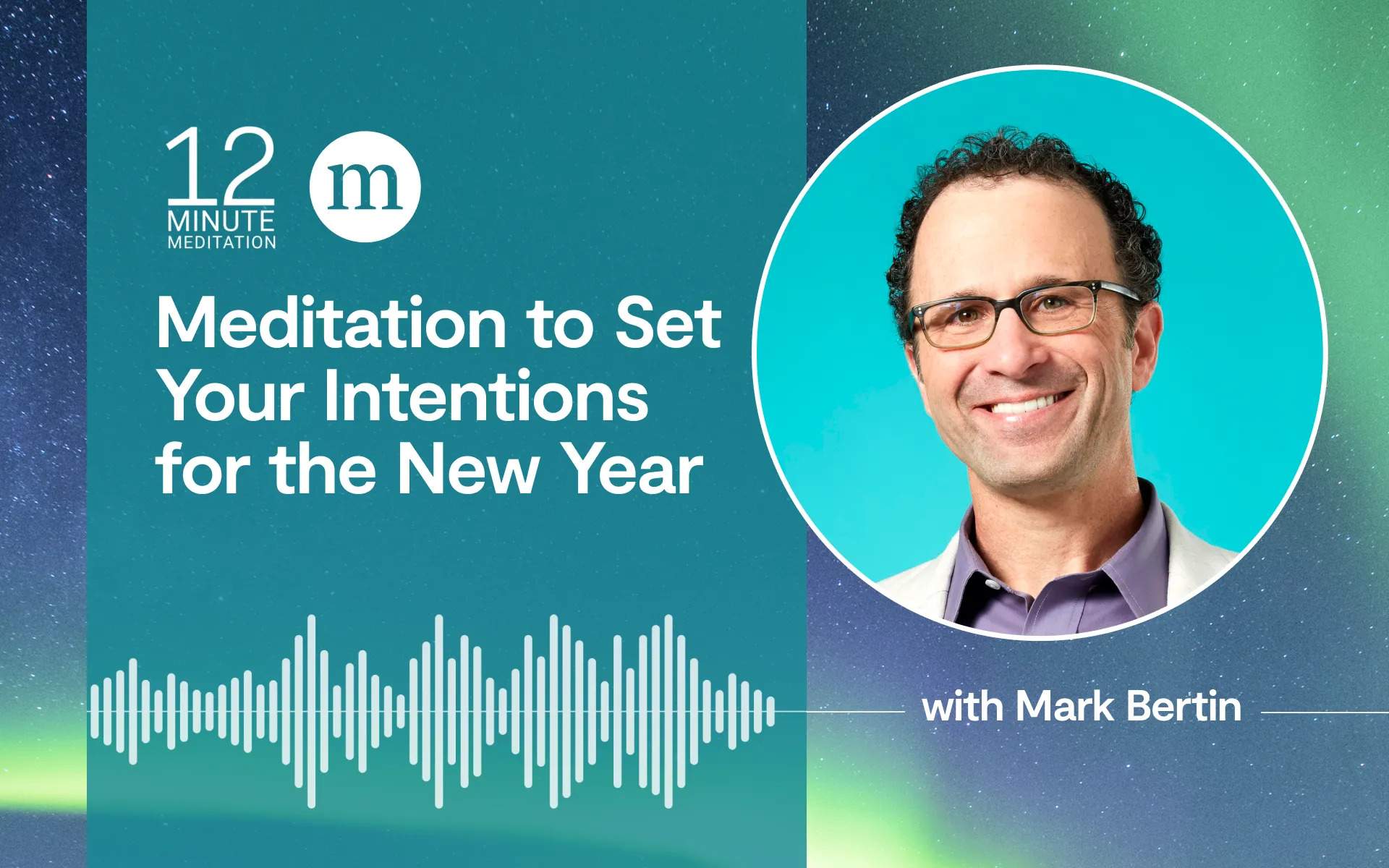
  • A Guided Meditation to Set Your Intentions for the New Year

    A Guided Meditation to Set Your Intentions for the New Year

    Skip the resolutions this year. Set a different tone by cultivating your intentions for the new year with this mindful practice.

    While many of us take stock at the end of a year, set goals, or make new plans for the upcoming year, that sense of letting go of what we’re caught up in and the habits we’ve been living through are a part of our everyday mindfulness practice. Each time we sit for a few minutes, there’s an opportunity to let go of wherever our minds, attention, and awareness have gotten caught up in, come back, and realign ourselves with our best intentions and efforts. 

    It might be a sense of bringing full awareness and attention to our experience, to the people around us, to a conversation with our children. It might be a sense of letting go of reactivity and coming back to resolve with more patience and clarity. It might also be balancing the tendency most of us have to get caught up in stress and giving more attention to gratefulness, positive moments, and things we enjoy. Or it might be a sense of wanting to bring more kindness and compassion to how we treat ourselves, how we treat others, or even how we treat the people we find difficult in our lives. All of that can be cultivated, sustained, and developed through any amount of time we spend in our mindfulness practice. 

    A Guided Meditation to Set Your Intentions for the New Year

    1. Find a comfortable posture. Dropping your gaze or shutting your eyes, notice the physical movement your body makes with each breath. You might notice your belly, your chest, or perhaps the air moving in and out of your nose and mouth. 
    2. Check in with your effort and intention. What is it you’d like to bring to the practice today? Perhaps it’s an opportunity to settle and gather your attention or a sense of resolve and strength. Of course, you might have the intention to simply show up to this practice without adding any sense of stress or strain. 
    3. Bring that sense of intention and awareness to your practice today. One way to do that can be within each in-breath, developing a sense of open awareness. 
    4. With each out-breath, come up with a word that captures your intentions for yourself. Breathe in with awareness and maybe picture something or feel gratitude toward whatever feels appropriate to you right now. Breathe out with your intentions for this moment. 
    5. You might lose touch with your intentions throughout the practice and in life—you can come back again. If you lose touch with the practice and your mind gets caught up in distraction or reactivity or some sense of discomfort, that’s normal. That’s all part of the practice. Try coming back to the same practice with awareness. 
    6. As the practice ends, pause for a moment with intention, and choose when to move on with your day. 
      Whatever you’re facing in life, all we indirectly influence is how we choose to relate to that. Reactivity and anger so often lead to more reactivity and anger. You can get caught up in self-criticism and in criticism of others. You can develop a more balanced sense of awareness, preciseness, and clarity through mindfulness practice. At any moment, you can catch yourself and realign yourself with your best intentions, recognizing that you may lose touch again and then come back when you do. 
    Why You Need a Self-Care Plan 

    Shelly Tygielski offers a three-step exercise to help you get started with your own self-care plan—no bubble bath required.
    Read More 

    • Shelly Tygielski
    • January 3, 2023


    Source link

  • All Set For Holidays? Watch Out For Accidental Poisoning; Here’s How To Keep Kids Safe

    All Set For Holidays? Watch Out For Accidental Poisoning; Here’s How To Keep Kids Safe

    The holiday season is meant for joy, celebration, and cherished moments with loved ones. However, amid the festivities, a hidden danger lurks—accidental poisoning.

    More than 90% of all poison exposures occur in the home, with over half involving children under the age of six. From seasonal plants to cleaning products, many hazards can often be overlooked, especially with curious little ones around. Taking a few simple precautions, such as those offered by the Nebraska Regional Poison Center can ensure your holidays remain stress-free, keeping your family safe from unexpected dangers.

    Here are a few things to take caution of:

    Medications: Accidental ingestion of medicine is one of the leading causes of poisoning in young children. During holiday gatherings, when guests of all ages may be visiting, it is especially important to be vigilant about where medications are stored. Always make sure medicines are securely stored out of reach and out of sight as curious kids might mistake pills or liquids for candy or treats.

    Cleaning products: Cleaning products like disinfectants and cleaners should never be stored on the counter, even though it may seem convenient. When stored in easily accessible areas, children may explore them and accidentally swallow them or spray them on their skin or in their eyes.

    Alcohol: Alcoholic beverages are an inevitable part of Holiday gatherings. All items with alcohol, including hand sanitizers, and perfumes should be kept from sight and reach of kids to prevent accidental ingestion.

    Nicotine: Nicotine exposure in children can have serious and life-threatening consequences. Early signs include agitation, sweating, nausea, vomiting, rapid heartbeat, and seizures. With higher doses, the effects can escalate to a slow heart rate, low blood pressure, respiratory failure, and even coma, making immediate medical intervention essential.

    Food: Caution should be taken while cooking and storing food during gatherings. When preparing meals with frozen meats or other items, always thaw them in the refrigerator and never on countertops to avoid food poisoning. Once the meal is finished, refrigerate or freeze leftovers within two hours, as bacteria grow rapidly at room temperature and can cause illness.

    Plants: Seasonal plants like mistletoe, holly berries, yew plants, and poinsettias, often featured in holiday decor, may seem harmless but can be harmful if ingested.

    Source link

  • Nutrition trends set to define 2025

    Nutrition trends set to define 2025


    As 2024 wraps up, join Brooke Delfino and Kristin Houts from Dietitian Connection for a deep dive into the year’s biggest trends and a sneak peek at what’s coming in 2025. This special episode recaps the standout moments that shaped the dietetic landscape in 2024 and explores the exciting opportunities ahead for nutrition professionals.

    Hosted by Brooke Delfino and Kristin Houts

    Biography

    Brooke Delfino is an Accredited Practising Dietitian and the Editor at Dietitian Connection. Brooke is a savvy media dietitian with ten years print and digital publishing experience at one of Australia’s leading health and food magazines. She’s an accomplished writer, editor and presenter, with a mission to make good health and nutrition anything but boring. Brooke is a proud mum of two, who, despite her knowledge, still struggles to get her toddler to eat veggies! She holds a Bachelor of Science (Nutrition and Dietetics – Honours) and Bachelor of Applied Science (Exercise and Sport Science) from The University of Sydney.


    Kristin Houts is a Chicago-based Registered Dietitian with a background in media. Kristin has extensive research, writing and editing experience from years in editorial and nutrition communication roles. She is the US marketing and communications lead for Dietitian Connection and coordinates the programming for all US-focused initiatives including e-newsletter, dedicated e-blasts, podcast, webinars and accredited webinar series, Dietitian to Dietitian, hosted by Joy Bauer. Kristin also runs a private practice where she counsels clients with Irritable Bowel Syndrome and other chronic GI issues with expertise in the Low FODMAP Diet.


    In this episode, we discuss:

    • How this year’s breakthroughs in nutrition science are shaping future practice
    • The impact of societal shifts, like cost-of-living pressures and food insecurity
    • Innovations in care, from aged care reforms to emerging research in women’s health and the gut microbiome
    • 2025 food and nutrition trends to help dietitians stay ahead of the curve


    Additional resources


    Click here to learn about the Olive Wellness Institute

    Podcast episode: ‘What every dietitian needs to know about Ozempic’

    Podcast episode: ‘How hormones influence women’s gut health’

    Paper: Nutrition considerations with antiobesity medications

    Paper: Priority nutrients to address malnutrition and diet-related diseases in Australia and New Zealand

    Information about the Aged Care Reform

    Click here for Dietitians Unite 2025 tickets in Melbourne on 30 May

    The content, products and/or services referred to in this podcast are intended for Health Care Professionals only and are not, and are not intended to be, medical advice, which should be tailored to your individual circumstances. The content is for your information only, and we advise that you exercise your own judgement before deciding to use the information provided. Professional medical advice should be obtained before taking action. The reference to particular products and/or services in this episode does not constitute any form of endorsement. Please see  here  for terms and conditions.


    Source link