Tag: Science

  • The Science of Blood Circulation and Its Role in Oxygen Nutrient Transport and Hormone Delivery

    The Science of Blood Circulation and Its Role in Oxygen Nutrient Transport and Hormone Delivery

    Blood is essential for life, enabling circulation, oxygen delivery, nutrient transport, and hormone delivery throughout the body. Through an intricate system of vessels powered by the heart, blood ensures that every cell receives the substances it needs to function. This continuous movement supports energy production, growth, and overall balance.

    What Is Blood and What Does It Do?

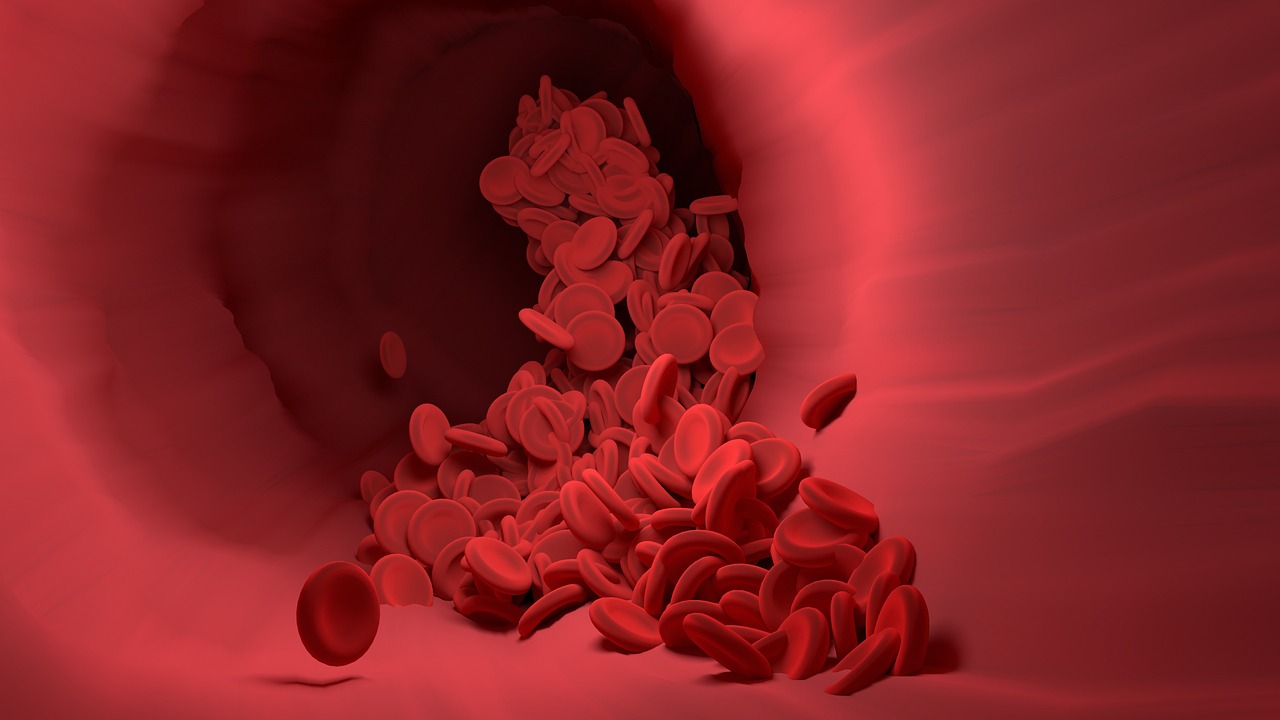
    Blood is a specialized fluid made up of plasma, red blood cells, white blood cells, and platelets. Each component plays a specific role in maintaining health.

    Plasma carries nutrients, hormones, and waste products. Red blood cells transport oxygen, white blood cells defend against infection, and platelets help with clotting. Together, these components allow blood to support circulation, regulate internal conditions, and sustain cellular activity.

    How Blood Circulation Works

    Circulation refers to the continuous movement of blood through the cardiovascular system, including the heart and blood vessels. This system ensures that oxygen and nutrients reach tissues while waste products are removed.

    There are two main pathways. Pulmonary circulation moves blood between the heart and lungs for oxygen exchange, while systemic circulation distributes oxygen-rich blood to the rest of the body. This continuous flow keeps cells supplied and functioning efficiently.

    How Blood Delivers Oxygen to Cells

    Oxygen delivery is a critical function of blood. Red blood cells contain hemoglobin, a protein that binds oxygen in the lungs and carries it through the circulation.

    In the lungs, oxygen enters the blood through alveoli and attaches to hemoglobin. As blood reaches tissues, oxygen is released and diffuses into cells, where it is used to produce energy. This process supports cellular respiration and keeps cells alive.

    Nutrient Transport: Feeding Every Cell

    Blood also enables nutrient transport by carrying substances absorbed during digestion. Nutrients such as glucose, amino acids, fats, vitamins, and minerals enter the bloodstream from the digestive system.

    These nutrients travel through plasma to reach cells, where they are used for energy, growth, and repair. Efficient circulation ensures that all tissues, including those far from the heart, receive adequate nourishment, according to the World Health Organization.

    Hormone Delivery and Chemical Signaling

    Hormone delivery allows the body to coordinate functions through chemical signaling. Hormones produced by endocrine glands enter the bloodstream and travel to target cells.

    Each hormone binds to specific receptors, triggering responses such as regulating metabolism, growth, or stress. For example, insulin controls blood sugar levels, while adrenaline prepares the body for rapid action. Circulation ensures hormones reach the right place at the right time.

    The Role of Capillaries in Exchange

    Capillaries are tiny blood vessels where exchange occurs between blood and tissues. Their thin walls allow oxygen and nutrients to pass into cells, while carbon dioxide and waste products move into the blood.

    This exchange is essential for maintaining cellular health. Capillaries form a vast network that connects arteries and veins, ensuring that every cell is reached.

    Factors That Affect Blood Circulation Efficiency

    Several factors influence how well blood performs its functions. A healthy heart is necessary to maintain strong circulation, while proper hydration supports smooth blood flow.

    Lifestyle choices such as regular exercise and balanced nutrition improve circulation, while smoking and inactivity can impair it. Blood composition also matters, as adequate red blood cells are needed for oxygen delivery, as per Cleveland Clinic.

    Disorders That Impact Blood Transport

    Certain conditions can impair the blood’s ability to deliver oxygen, nutrients, and hormones. Anemia reduces oxygen transport due to low red blood cell levels. Atherosclerosis narrows arteries, limiting blood flow.

    Hormonal imbalances can also affect communication between organs. Managing these conditions is important to maintain effective circulation and overall health.

    How Blood Circulation Supports Every Cell

    Blood remains vital because it combines oxygen, nutrients, and hormone delivery into a single system. Through circulation, it connects every part of the body, ensuring cells receive essential substances for survival.

    By continuously moving through vessels and exchanging materials at the cellular level, blood sustains energy production, growth, and internal balance. Healthy blood circulation is therefore fundamental to keeping every cell functioning properly.

    Frequently Asked Questions

    1. How fast does blood circulate through the body?

    Blood can circulate through the entire body in about 45 to 60 seconds at rest, depending on heart rate and activity level.

    2. Why is iron important for blood function?

    Iron is essential for producing hemoglobin, which enables red blood cells to carry oxygen efficiently.

    3. Can dehydration affect nutrient transport in the blood?

    Yes, dehydration reduces plasma volume, which can slow circulation and reduce nutrient transport efficiency.

    4. How does exercise improve blood circulation?

    Exercise strengthens the heart, improves blood vessel flexibility, and increases overall circulation efficiency.


    Source link

  • Are Health Supplements Really Safe? What Science Says About Risks and Benefits

    Are Health Supplements Really Safe? What Science Says About Risks and Benefits

    Health supplements are widely used to fill nutritional gaps, from vitamin D and omega-3 to magnesium and multivitamins. While many people rely on them for better health, concerns about supplement safety continue to grow due to inconsistent regulation, contamination risks, and possible drug interactions.

    At the same time, research shows that some supplements offer real supplements benefits, especially for people with nutrient deficiencies or specific health conditions. However, not all products are equally reliable, and quality can vary depending on manufacturing standards and verification processes. Understanding how health supplements work, their benefits, and their risks is essential for making informed decisions about daily use.

    Health Supplements Regulation and Quality Control

    Health supplements in many countries are regulated under frameworks like the FDA DSHEA, which allows products to enter the market without pre-approval as long as they are not unsafe or misbranded. This means supplement safety relies heavily on post-market monitoring rather than strict upfront testing.

    Many supplements make structure-function claims, such as “supports immunity,” but they cannot legally claim to treat or cure diseases. This creates a wide range of products with varying levels of scientific backing and consistency in labeling.

    One major issue in health supplements is contamination, where products may contain heavy metals, undeclared substances, or incorrect dosages. This is why third-party testing like USP verification is important to ensure product quality and reliability.

    Evidence-Based Supplements Benefits for Specific Populations

    Certain health supplements show clear benefits when used to correct deficiencies or support specific health needs. Vitamin D, for example, is often recommended for individuals with low blood levels, helping improve bone health and reduce fall risk in older adults.

    Omega-3 fatty acids also provide supplements for heart health, particularly in individuals with high triglycerides or previous cardiovascular events. Folic acid is another well-established supplement that significantly reduces the risk of neural tube defects when taken before and during early pregnancy.

    However, benefits are most noticeable in people who actually need supplementation rather than general use. For healthy individuals with balanced diets, multivitamin trials often show limited or neutral effects on long-term disease prevention.

    Supplement Safety Risks, Drug Interactions, and Overdose Concerns

    Supplement safety becomes a major concern when products interact with medications or are taken in high doses. Some supplements can affect how drugs are absorbed or processed in the body, leading to reduced effectiveness or increased side effects.

    Common drug interactions include vitamin K affecting blood thinners and St. John’s Wort reducing the effectiveness of certain medications. Even widely used products like fish oil or iron supplements can cause issues when combined with prescription drugs or taken in excess.

    Overdosing on health supplements can also lead to toxicity, especially with fat-soluble vitamins like A and D. This makes proper dosage and medical guidance essential, particularly for individuals taking multiple supplements or medications.

    How to Choose Safe Health Supplements

    Choosing the right health supplements requires more than just picking popular brands or trending products. Safety, quality, and scientific backing should all be considered before adding any supplement to your routine. A careful approach helps maximize supplements benefits while reducing potential risks.

    • Check for Third-Party Verification (USP verification) – Look for seals from trusted organizations like USP, NSF, or ConsumerLab to ensure the product has been tested for purity, accuracy, and safety standards.
    • Review Ingredient Transparency (FDA regulation) – Always examine the label for clear ingredient lists and avoid products with hidden blends or unclear dosages that may affect supplement safety.
    • Understand Your Health Needs – Focus on supplements that address specific deficiencies or medical needs rather than taking unnecessary products that may not provide real benefits.
    • Watch for Drug Interactions – Be aware of possible interactions with medications, especially blood thinners, diabetes drugs, or other long-term prescriptions.
    • Avoid Overdosing Risks – Follow recommended dosages carefully, as excessive intake of vitamins or minerals can lead to toxicity and unwanted side effects.

    Smarter Choices for Health Supplements Use

    Health supplements can support wellness, but they are not a substitute for a balanced diet or medical treatment. Their effectiveness depends on correct usage, product quality, and individual health needs.

    Making informed choices means checking labels, looking for third-party verification like USP, and understanding potential risks. With better awareness of supplement safety and realistic expectations of supplements benefits, users can avoid unnecessary risks while supporting their health goals.

    Frequently Asked Questions

    1. Are health supplements safe for daily use?

    Health supplements can be safe when taken correctly and in appropriate doses. However, safety depends on product quality, regulation, and individual health conditions. Some supplements may interact with medications or cause side effects. It is best to consult a healthcare professional before daily use.

    2. Do supplements really provide health benefits?

    Yes, but mainly for people with nutrient deficiencies or specific health needs. Supplement benefits are strongest in cases like vitamin D deficiency or pregnancy-related folic acid use. For healthy individuals, benefits may be limited. A balanced diet is still the primary source of nutrition.

    3. What does FDA regulation mean for supplements?

    FDA regulation means supplements are monitored for safety but are not pre-approved before selling. Manufacturers are responsible for ensuring product safety and labeling accuracy. The FDA can take action if a product is found unsafe. This makes post-market monitoring very important.

    4. How can I check if a supplement is safe?

    Look for third-party testing seals like USP, NSF, or ConsumerLab. These certifications indicate the product has been tested for quality and accuracy. Always check ingredient lists and avoid products with unclear labeling. Consulting a doctor can also help ensure safety.


    Originally published on Science Times

    Source link

  • Science Reveals Incredible Body Facts Showing What the Heart Blood and Lungs Do Every Moment

    Science Reveals Incredible Body Facts Showing What the Heart Blood and Lungs Do Every Moment

    Each day, the human body performs countless tasks that keep life going, many of which happen without awareness or effort. From the rhythmic beating of the heart to the constant flow of blood and the steady exchange of air in the lungs, these essential processes form the foundation of human survival.

    Together, they create a sophisticated system of blood circulation and lung function that fuels every muscle, organ, and cell with oxygen and nutrients.

    Science has uncovered astonishing details about these daily operations. Even at rest, the body’s internal machinery remains in motion, maintaining balance and energy through precise biological coordination. The heart, blood, and lungs serve as one of the most impressive examples of this teamwork.

    How the Heart Works Every Day

    The heart operates as the engine of the body’s circulatory system, pumping blood continuously to sustain all organs. On average, the heart beats about 100,000 times per day, moving nearly 7,500 liters of blood through arteries, veins, and capillaries.

    Each heartbeat is triggered by electrical impulses that direct contractions in a specific rhythm, an elegant pattern that allows oxygen-rich blood to reach every part of the body.

    The heart’s structure includes four chambers: two atria and two ventricles. The right side handles deoxygenated blood, sending it to the lungs for oxygenation, while the left side receives fresh oxygenated blood and pushes it through systemic circulation.

    It’s a process so efficient that the entire volume of blood in the body circulates roughly once per minute.

    Interestingly, emotional and physical states can momentarily influence heart rate. Feelings of stress or excitement activate the body’s sympathetic nervous system, increasing heartbeats, while calm or rest activates the parasympathetic system, slowing them down. This delicate balance helps maintain proper blood circulation depending on activity or mood.

    How Blood Circulates Through the Body

    Every second, human blood travels through an intricate network estimated at more than 60,000 miles in total length, enough to circle the Earth more than twice. This ongoing blood circulation supplies every cell with oxygen and essential nutrients while removing waste products like carbon dioxide.

    The composition of blood is a scientific marvel:

    • Red blood cells carry oxygen from the lungs to tissues.
    • White blood cells defend against infections.
    • Platelets assist with clotting in case of injury.
    • Plasma, the fluid component, transports hormones, proteins, and electrolytes.

    Apart from oxygen delivery, blood circulation has countless side benefits. It helps regulate body temperature, maintain pH balance, and support immune defense. Without this nonstop movement, tissues would be deprived of oxygen and energy, leading to immediate collapse of normal functions.

    Approximately 2.4 million red blood cells are produced in the body every second to keep up with the demand for oxygen transport, a reminder of how dynamic human biology truly is.

    How the Lungs Function

    The lungs are the body’s air exchange centers, responsible for breathing and oxygen transfer. Each day, a person breathes about 20,000 times, allowing nearly 11,000 liters of air to move in and out of the chest cavity. This repetitive action sustains lung function and powers blood oxygenation.

    Air travels through the trachea and bronchi before reaching tiny air sacs called alveoli, where gas exchange occurs. These microscopic sacs, about 300 million in total, allow oxygen to enter the blood while carbon dioxide leaves it. From there, oxygen-rich blood returns to the heart, which pumps it through the body, according to Cleveland Clinic.

    The lungs work closely with the diaphragm, a sheet of muscle that contracts with every breath. When the diaphragm moves downward, the chest cavity expands and draws air inward; when it relaxes, air is pushed out. This simple cycle supports cellular respiration and provides the oxygen needed for energy production.

    Healthy lung function depends largely on clean air, exercise, and hydration. Smoking, pollution, or inactivity can reduce the lungs’ capacity, limiting oxygen intake and placing strain on the heart and overall blood circulation.

    The Connection Between Heart and Lungs

    Though separated anatomically, the heart and lungs operate as one integrated team known as the cardiopulmonary system. When oxygen enters the lungs, it binds to hemoglobin molecules in red blood cells. The heart then pumps these oxygen-loaded cells through arteries, supplying the body with the fuel for life.

    This partnership also works in reverse. As cells use oxygen, they produce carbon dioxide, which the blood transports back to the lungs. There, the waste gas is expelled with each exhale, completing a perfect exchange loop between blood circulation and lung function.

    During physical activity, the heart beats faster and the lungs work harder. The synchrony between them increases oxygen delivery and removes carbon dioxide more quickly, allowing the body to sustain movement and maintain temperature. It’s a striking display of physiological teamwork that scientists continue to study in detail.

    What Happens When Blood Circulation or Lung Function Is Interrupted

    Interruptions in blood circulation or lung function can have immediate and serious effects. If blood flow is blocked, through a clot, heart failure, or vascular disease, oxygen deprivation begins within seconds. Brain cells, which are highly dependent on oxygen, start to deteriorate almost instantly, as per the World Health Organization.

    Similarly, poor lung function prevents efficient oxygen exchange, leading to shortness of breath, fatigue, and reduced oxygen levels in the blood. Chronic respiratory conditions such as asthma, bronchitis, or pulmonary fibrosis compromise blood circulation by limiting the oxygen supplied to the heart and vital organs.

    Scientific research continuously explores ways to protect and restore healthy blood circulation and lung function. Preventive habits, like regular aerobic exercise, a balanced diet, and avoiding tobacco, play measurable roles in keeping these systems efficient.

    Amazing Scientific Facts About Your Heart, Blood, and Lungs

    The human body contains details so intricate that even advanced scientific study continues to uncover new wonders. Here are several fascinating facts supported by anatomy and physiology research:

    • The heart creates enough pressure to squirt blood nearly 30 feet in distance.
    • The body’s blood circulation covers an estimated 60,000 miles of vessel pathways.
    • The lungs weigh about 1.3 kilograms together and contain hundreds of millions of alveoli for gas exchange.
    • Every minute, the heart pumps roughly 5 liters of blood, ensuring each cell receives oxygen.
    • During intense exercise, lung function can increase oxygen intake up to 15 times compared to rest.

    These scientific realities highlight just how active and complex the body truly is, even during sleep.

    Your Body’s Hidden Power: The Unsung Work of the Heart, Blood, and Lungs

    Every moment, the body relies on a perfect sequence of rhythmic motion, the heart beating, the blood circulating, and the lungs breathing.

    Their cooperation keeps oxygen levels balanced and energy flowing to sustain physical and mental activity. Understanding these processes isn’t just fascinating science, it’s a reminder of the natural precision built into human design.

    By supporting healthy blood circulation and lung function through simple daily habits, individuals can strengthen the invisible systems that keep them alive and thriving. Regular movement, hydration, proper rest, and mindful breathing empower the heart and lungs to perform their continuous miracle.

    Behind every heartbeat and breath lies a symphony of life processes, proof of how much the body accomplishes every day without pause.

    Frequently Asked Questions

    1. Why does the heart rate increase during exercise?

    During physical activity, muscles require more oxygen, so the heart pumps faster to circulate oxygen-rich blood more efficiently throughout the body.

    2. Can lung capacity improve with training?

    Yes. Regular aerobic exercise and deep breathing practices can enhance lung function by strengthening respiratory muscles and improving oxygen intake efficiency.

    3. What causes poor blood circulation in healthy adults?

    Factors like prolonged sitting, dehydration, and poor diet can slow blood circulation by reducing vessel elasticity and limiting oxygen flow.

    4. How does stress affect your heart and lungs?

    Stress triggers hormones that raise heart rate and breathing speed. Over time, chronic stress can strain the heart, disrupt healthy blood circulation, and reduce optimal lung function.


    Source link

  • What the Science Says About Fenbendazole and Mebendazole

    What the Science Says About Fenbendazole and Mebendazole

    The concept of drug repurposing has gained substantial momentum in oncology research over the past several years. Rather than developing entirely new compounds through lengthy and expensive clinical pipelines, scientists are revisiting existing medications with well-established safety profiles to explore their potential anticancer properties. Among the most discussed candidates in this emerging field are benzimidazole antiparasitic agents, particularly fenbendazole, which has generated both scientific curiosity and public attention following anecdotal reports and a growing body of preclinical evidence.

    The Scientific Basis for Antiparasitic Drug Repurposing

    Benzimidazole compounds, including fenbendazole and its close relative mebendazole, exert their antiparasitic effects by binding to beta-tubulin, a structural protein essential for microtubule formation. Microtubules are critical components of the cell’s cytoskeleton and play a central role in cell division. When microtubule assembly is disrupted, cells cannot complete mitosis, leading to cell cycle arrest and eventual cell death. This mechanism bears a striking resemblance to how established chemotherapy agents like taxanes and vinca alkaloids function, which has prompted researchers to investigate whether benzimidazoles might offer similar anticancer effects with potentially fewer side effects.

    Laboratory studies have shown that fenbendazole can inhibit the growth of various cancer cell lines, including those derived from lung, colorectal, breast, and prostate tumors. These in vitro experiments suggest that the compound may trigger multiple anticancer mechanisms simultaneously, including the induction of apoptosis (programmed cell death), inhibition of glucose uptake by cancer cells, and disruption of proteasomal function. The multi-target nature of these effects is particularly intriguing because it could theoretically reduce the likelihood of cancer cells developing resistance to treatment.

    Fenbendazole vs Mebendazole: Comparing Benzimidazole Compounds

    As interest in repurposed drugs has grown, researchers have increasingly focused on understanding the differences between closely related benzimidazole compounds. A detailed comparison of fenbendazole and mebendazole for cancer reveals important distinctions in bioavailability, regulatory status, and clinical evidence. While fenbendazole remains a veterinary compound with limited human pharmacokinetic data, mebendazole is already approved for human use and has progressed further in clinical trials. Understanding these differences is essential for patients and researchers evaluating which compound may be more suitable for investigation.

    Both compounds share the same core mechanism of microtubule disruption, but their pharmacological profiles diverge in meaningful ways. Mebendazole demonstrates higher oral bioavailability in humans and has been studied in early-phase clinical trials for glioblastoma and other difficult-to-treat cancers. Fenbendazole, meanwhile, has generated significant interest through preclinical research and patient-reported experiences, though formal human trials remain limited.

    Sanare Lab

    Fenbendazole: Current Evidence and Limitations

    The public interest in fenbendazole accelerated following widely shared personal testimonials, but the scientific community urges caution when interpreting anecdotal evidence. While preclinical data are encouraging, the translation from laboratory findings to clinical efficacy in humans involves numerous challenges, including questions about optimal dosing, bioavailability, long-term safety at higher doses, and potential interactions with conventional cancer therapies.

    A detailed scientific review of the fenbendazole dosage safety guide examines the current state of evidence, highlighting both the promising preclinical findings and the significant gaps that remain. Researchers emphasize that while the compound’s safety profile at standard veterinary doses is well-established, the doses being explored in oncology contexts require careful clinical evaluation.

    Several academic institutions have initiated formal investigations into benzimidazole compounds for oncology applications. Mebendazole, the human-approved analogue, has progressed further in clinical trials, with early-phase studies examining its use in glioblastoma and other difficult-to-treat cancers. These trials will provide valuable data that may also inform our understanding of fenbendazole’s potential.

    The Broader Landscape of Drug Repurposing in Oncology

    Fenbendazole and mebendazole are far from the only repurposed drugs under investigation. Other compounds generating research interest include ivermectin (another antiparasitic), metformin (a diabetes medication), and various statin drugs. Each of these agents has demonstrated anticancer properties in preclinical models, and several are being evaluated in clinical trials. The common thread among these candidates is their extensive safety data from decades of use in their original indications, which significantly reduces the regulatory and safety barriers to clinical testing.

    The economic implications of drug repurposing are also significant. Developing a new cancer drug from scratch can cost over a billion dollars and take more than a decade. Repurposed drugs, many of which are available as generics, could potentially provide accessible treatment options at a fraction of the cost, which is particularly relevant for healthcare systems in lower-resource settings.

    Sanare Lab

    What Patients Should Know

    For patients and their families navigating the complex landscape of cancer treatment options, the proliferation of information about repurposed drugs can be both hopeful and overwhelming. Medical experts consistently advise that any interest in investigational or off-label treatments should be discussed openly with the patient’s oncology team. Self-medication with veterinary or unregulated products carries real risks, including unknown purity, incorrect dosing, and potentially dangerous drug interactions.

    Clinical trials represent the safest and most productive way to access experimental treatments while contributing to the scientific evidence base. Patients interested in repurposed drug protocols should inquire about available clinical trials through their treatment center or through clinical trial registries.

    Looking Forward

    The intersection of parasitology and oncology represents one of the more unexpected frontiers in modern medical research. As rigorous clinical data accumulates, the medical community will be better equipped to determine whether compounds like fenbendazole can transition from promising laboratory findings to validated clinical tools. Until then, the emphasis must remain on evidence-based medicine, patient safety, and the continued funding of well-designed clinical trials.

    This article is for informational and educational purposes only. It does not constitute medical advice. Readers should consult qualified healthcare professionals before making any decisions about their treatment.

    Source link

  • How Sleep Memory Science Powers Better Focus and Stronger Memory

    How Sleep Memory Science Powers Better Focus and Stronger Memory

    Sleep is not just downtime for the body; it is active maintenance time for the brain. The relationship between sleep and brain health shapes how well a person can think, focus, manage emotions, and remember important information.

    Research in sleep memory science shows that during sleep, the brain replays, organizes, and stores experiences from the day, turning short-term impressions into more stable memories. Understanding how sleep and brain health interact explains why good rest is essential for learning, performance, and long-term cognitive wellbeing.

    The Science of Sleep and Brain Health

    Sleep and brain health are tightly linked through the different stages of sleep that repeat in cycles through the night.

    During non-rapid eye movement (NREM) sleep, especially deep slow‑wave sleep, brain activity slows, energy is restored, and waste products are cleared. In rapid eye movement (REM) sleep, brain activity becomes more dynamic, supporting emotional processing and creativity.

    Sleep memory science suggests these stages work together to protect neurons, balance brain chemicals, and maintain healthy brain networks.

    While a person sleeps, the brain trims weaker connections, strengthens important ones, and supports the structure needed for clear thinking and a stable mood. When sleep is too short or fragmented, this nightly “maintenance” is less effective.

    Sleep Stages, Memory, and Brain Health

    The link between sleep and brain health is especially clear in memory formation. Deep NREM sleep helps consolidate factual information, such as what someone studies, reads, or practices during the day. The brain replays recent experiences and begins transferring them from short-term storage toward longer-term networks.

    REM sleep is closely tied to emotional memories, creative insight, and problem-solving. In this stage, the brain combines new information with older memories, helping people make sense of experiences and form new ideas. Cycling through all sleep stages several times each night allows memory systems to work smoothly.

    Types of Memory in Sleep Memory Science

    Sleep memory science often focuses on three main types of memory:

    • Declarative memory: facts, concepts, and information (such as vocabulary, dates, or formulas).
    • Procedural memory: skills and habits (such as playing an instrument or refining a sport technique).
    • Emotional memory: how events feel and how the brain tags certain experiences as important or threatening.

    All three rely on healthy sleep and brain health. Deep sleep tends to support declarative and skill memories, while REM sleep helps process emotional and creative content. When sleep is shortened or low quality, people may forget details more easily, perform learned tasks less smoothly, and feel more emotionally reactive.

    Benefits of Healthy Sleep for Brain Health

    Good sleep supports sharper focus, better concentration, and more reliable attention. A well‑rested brain absorbs new information more easily and stays organized under pressure. Decisions tend to be clearer, reaction times quicker, and mental flexibility stronger when sleep patterns are consistent.

    Sleep and brain health also shape mood and emotional resilience. With enough sleep, the brain is better able to regulate stress and prevent minor frustrations from feeling overwhelming.

    Over time, healthy sleep habits are linked with a lower risk of cognitive decline and some neurodegenerative conditions, making sleep a key pillar of long‑term brain protection.

    Short‑Term Effects on Thinking and Memory

    Even a single night of poor sleep can change how the brain functions the next day. Many people notice brain fog, slower thinking, difficulty concentrating, and reduced accuracy. Tasks that require sustained attention, such as driving, studying, or detailed work, become harder.

    Sleep memory science shows that restricted sleep makes it more difficult to move information from short‑term to long‑term storage. New material feels harder to remember, and previously learned facts may be harder to recall. This is why staying up late to cram often results in feeling unprepared and forgetful.

    Long‑Term Effects on Sleep and Brain Health

    Chronic sleep loss can gradually disrupt sleep and brain health in more serious ways. Long‑term insufficient sleep is linked to a higher risk of anxiety, depression, and burnout, as the brain struggles to balance stress and mood.

    Over time, ongoing poor sleep may affect brain structure and connectivity, which in turn influences memory and thinking.

    Research in sleep memory science also points to an association between long‑term poor sleep and increased risk of cognitive decline. When the brain does not get enough deep sleep, it may clear waste products less efficiently and struggle to maintain healthy cells, which can affect how the brain ages.

    Sleep Memory Science in Everyday Life

    The role of sleep and brain health appears clearly in everyday situations. Students who study and then sleep typically recall more than those who stay up late revising the same material.

    Athletes often perform better and learn new techniques more quickly when adequate sleep is part of training, because the brain refines motor patterns during the night.

    Professionals who prioritize sleep frequently find they think more clearly, solve problems faster, and generate better ideas. Sleep memory science also supports the idea of “sleeping on it” before making big decisions. By processing information overnight, the brain often produces clearer insight by morning.

    Habits That Support Sleep and Brain Health

    Certain daily habits can significantly support sleep and brain health. Keeping a consistent sleep and wake time, even on weekends, helps stabilize the body’s internal clock. A sleep‑friendly environment, cool, dark, and quiet, encourages deeper, more restorative rest.

    Limiting screens, caffeine, nicotine, and heavy meals in the hours before bed reduces stimulation that interferes with falling asleep.

    Calm routines such as light reading, gentle stretching, or relaxation breathing can signal to the brain that it is time to wind down. Over time, these practices strengthen healthy sleep patterns, improving thinking, mood, and memory.

    When to Seek Help for Sleep Problems

    Sometimes, ongoing sleep difficulties reflect an underlying sleep disorder that affects sleep and brain health.

    Signs that it may be time to seek help include regularly taking a long time to fall asleep, waking often during the night, loud snoring with gasping or pauses, or feeling very tired despite spending enough hours in bed. These may point to conditions such as insomnia, sleep apnea, or restless legs syndrome.

    Speaking with a healthcare provider or sleep specialist can lead to proper evaluation and treatment. Addressing sleep problems early supports sleep memory science in action and protects long‑term brain function.

    Prioritizing Sleep and Brain Health for Stronger Memory

    Treating sleep as a core part of health gives the brain what it needs to function at its best. Solid evidence from sleep memory science shows that sleep strengthens learning, stabilizes mood, and protects cognitive abilities over time.

    For anyone noticing ongoing issues with focus, mood, or memory, examining sleep habits is a powerful starting point. By prioritizing sleep and brain health, people build a stronger foundation for clearer thinking, more reliable memory, and healthier aging.

    Frequently Asked Questions

    1. Can improving sleep help with learning a new language?

    Yes. Deeper, more consistent sleep helps the brain consolidate vocabulary, grammar, and pronunciation, making new language skills stick more effectively.

    2. Is it better to sleep right after studying or take a break first?

    Short breaks are helpful, but sleeping within a few hours of studying usually gives the strongest boost to memory consolidation.

    3. Do early birds and night owls benefit differently from sleep for memory?

    Both do. The key is getting enough high‑quality sleep in line with their natural rhythm, not the exact clock time they sleep.

    4. Can changing my bedtime by an hour really affect memory?

    Yes. Even small, consistent shifts that reduce total sleep time can gradually weaken focus, learning efficiency, and memory performance.


    Originally published on Science Times

    Source link

  • Science Backed Benefits for Health and Hidden Risks

    Science Backed Benefits for Health and Hidden Risks

    Intermittent fasting has gained attention as a flexible way of eating that may support weight management, metabolic health, and overall well-being, and many people look for clear information on intermittent fasting benefits. This article explains how intermittent fasting works, the main potential benefits, and the key risks to consider.

    What Is Intermittent Fasting and How Does It Work?

    Intermittent fasting is an eating pattern that alternates between periods of eating and voluntary fasting, focusing on when to eat rather than exactly what to eat. Common methods include the 16:8 approach (16 hours fasting, 8 hours eating), the 5:2 method (regular eating five days a week and reduced intake on two days), and alternate‑day fasting.

    The aim is to extend the time between meals so the body relies more on stored energy, particularly fat, for fuel.

    During a fast, insulin levels fall and the body shifts from using glucose from recent meals to using stored fat more heavily.

    Hormonal and cellular changes, including increased release of certain stress hormones and activation of repair processes, are thought to underlie many intermittent fasting benefits. Responses vary from person to person, depending on health status, lifestyle, and diet quality.

    What Are the Main Intermittent Fasting Benefits?

    Intermittent fasting benefits often discussed in research include modest weight loss, improved metabolic markers, and better structure around eating times. Many people naturally reduce calorie intake when eating is limited to a defined window, which can support gradual weight loss and help some individuals avoid constant snacking.

    These effects are usually stronger when fasting is combined with nutrient‑dense, minimally processed foods.

    Studies also suggest that intermittent fasting can improve certain markers such as blood sugar, insulin sensitivity, blood pressure, and cholesterol in some individuals.

    However, these improvements often occur alongside other changes, such as more mindful food choices and increased physical activity. The overall lifestyle pattern, not just the fasting schedule, plays a major role in the magnitude of intermittent fasting benefits.

    Can Intermittent Fasting Help with Weight Loss?

    Weight loss is one of the most commonly reported intermittent fasting benefits. By shortening the daily eating window or reducing intake on specific days, many people consume fewer calories without strict tracking.

    This can encourage the body to draw more on stored fat, especially when combined with balanced meals and adequate protein during eating periods, according to Johns Hopkins Medicine.

    When compared with traditional daily calorie restriction, intermittent fasting tends to produce similar average weight‑loss results across studies. The main difference is often practicality and personal preference.

    Some individuals find time‑based rules easier to follow than counting calories, while others may struggle with long fasting stretches and feel better with smaller, more frequent meals.

    How Does Intermittent Fasting Affect Blood Sugar and Insulin?

    Intermittent fasting benefits may include improvements in blood sugar control and insulin sensitivity, particularly in individuals with overweight or prediabetes.

    Fasting windows give the body breaks from frequent glucose intake, which can help lower fasting blood sugar levels and improve how cells respond to insulin. This may reduce the risk of developing type 2 diabetes in some people.

    However, individuals taking medications that lower blood sugar, such as insulin or certain tablets, face a higher risk of low blood sugar during extended fasts.

    For them, experimenting with intermittent fasting benefits should only happen under medical supervision, and in some cases fasting may not be appropriate. Close monitoring and possible adjustment of medication are essential if a fasting pattern is introduced.

    Is Intermittent Fasting Good for Heart and Brain Health?

    Research indicates that intermittent fasting benefits may extend to heart health markers. Some studies report reductions in blood pressure, LDL cholesterol, triglycerides, and inflammation when fasting is combined with a generally healthy diet.

    These changes, if maintained, could help lower long‑term cardiovascular risk, although more long‑term trials are needed.

    There is also growing interest in intermittent fasting benefits for brain health and healthy aging. Fasting appears to stimulate cellular repair processes and may support resilience against certain age‑related changes, based largely on animal and early human studies.

    While these findings are promising, evidence in humans over many years is still limited, so brain and longevity benefits are best viewed as potential rather than guaranteed outcomes, as per Harvard Health.

    What Are the Possible Risks and Who Should Avoid It?

    Alongside potential intermittent fasting benefits, there are clear risks and side effects. Common issues include hunger, headaches, low energy, irritability, and reduced concentration, especially when someone first starts or chooses an overly aggressive schedule.

    Some may overeat during eating windows or gravitate toward calorie‑dense, low‑nutrient foods, which can cancel out benefits and cause discomfort.

    Intermittent fasting is not recommended for everyone. Individuals with a history of eating disorders or disordered eating patterns, those who are underweight, pregnant or breastfeeding people, children, and teenagers are generally advised to avoid structured fasting.

    People with diabetes or other blood sugar disorders, particularly those on medication, should only consider fasting under careful medical guidance, if at all. In these groups, potential risks often outweigh intermittent fasting benefits.

    Is Intermittent Fasting Safe Long-Term and How Can Someone Start?

    Long‑term data on intermittent fasting are still emerging, and most studies last weeks or months rather than years. Some people maintain intermittent fasting benefits and feel well over time, while others notice increased stress, fatigue, or social disruption.

    Regular health check‑ups, blood tests, and honest self‑assessment are important for anyone following a fasting pattern for the long term.

    For those who wish to explore intermittent fasting benefits, starting slowly is often more comfortable. Extending the overnight fast by one or two hours and gradually moving toward a consistent pattern like 12:12 or 14:10 can help the body adjust.

    Emphasizing whole foods, staying hydrated, prioritizing sleep, and paying attention to mood and energy can make the experience safer and more sustainable. If persistent negative symptoms appear, it may be a sign that another eating approach is more suitable.

    Benefits of Intermittent Fasting

    Intermittent fasting benefits can include weight loss, better metabolic markers, and possible advantages for heart and brain health, but they depend strongly on the individual and the overall lifestyle surrounding the fasting pattern.

    The approach requires thoughtful planning, realistic expectations, and awareness of who should avoid it or proceed only with medical support.

    For those who are good candidates and find the structure manageable, intermittent fasting can serve as one potential tool among many for supporting health, as long as decisions are guided by personal needs, evidence‑based information, and professional advice when needed.

    Frequently Asked Questions

    1. Can someone drink coffee or tea during intermittent fasting?

    Yes, unsweetened black coffee, plain tea, and water are generally allowed during fasting windows, as long as they contain no sugar, cream, or milk that would meaningfully add calories.

    2. Does intermittent fasting slow down metabolism over time?

    Short- to moderate-term intermittent fasting typically does not slow metabolism and may temporarily increase it slightly, but extreme or prolonged calorie restriction can reduce metabolic rate in some individuals.

    3. Can intermittent fasting be combined with intense exercise?

    It can be, but many people feel better scheduling intense workouts during or near their eating window to support performance, recovery, and adequate protein and calorie intake.

    4. How long does it take to notice intermittent fasting benefits?

    Many people report changes like reduced snacking and slight weight shifts within a few weeks, while more significant changes in markers like blood sugar or cholesterol may take several months of consistent practice.


    Source link

  • Still Hungry After a Meal? The Science of Food Cravings and Why We Crave Food When Full

    Still Hungry After a Meal? The Science of Food Cravings and Why We Crave Food When Full

    Most people have experienced it. Dinner is finished, hunger is gone, yet the brain suddenly wants something sweet, salty, or crunchy. This familiar feeling explains why many people search for answers about food cravings after eating.

    The body technically has enough energy, so why does the desire for more food appear? Researchers point to a mix of biology, psychology, and environment. The science of food cravings shows that hunger and cravings are not the same thing. Hunger signals the need for calories, while cravings often reflect the brain’s reward system, habits, or emotional triggers.

    Understanding why we crave food when full can help people recognize the difference between true hunger and the urge to eat for other reasons.

    What Are Food Cravings?

    A food craving is a strong desire for a specific type of food rather than a general need to eat. Someone who is hungry might accept almost any meal. A craving usually focuses on something precise such as chocolate, chips, or ice cream.

    Researchers studying the science of food cravings note several characteristics:

    • Cravings are usually linked to highly palatable foods rich in sugar, fat, or salt
    • They often appear suddenly
    • They can occur even when the stomach is physically full

    Because cravings are driven by brain signals rather than energy needs, they can appear shortly after a meal.


    The Science of Food Cravings and the Brain’s Reward System

    The human brain plays a central role in food cravings after eating. Certain foods activate reward pathways that release dopamine, a chemical linked to pleasure and motivation.

    When someone eats foods high in sugar or fat, the brain records the experience as rewarding. Over time, this can create a loop in which the brain expects another reward even when the body does not need additional calories.

    Several biological processes influence cravings:

    • Dopamine release encourages people to seek foods that feel pleasurable
    • Memory associations link certain foods with comfort or celebration
    • Learned habits cause the brain to expect snacks at certain times of day

    Because these signals come from the brain rather than the stomach, cravings can appear even when fullness signals are present.

    Why We Crave Food When Full

    Scientists have identified multiple reasons people experience food cravings after eating. These factors often overlap.

    1. Highly Palatable Foods Override Fullness Signals

    Modern food products are designed to be extremely appealing. Many combine sugar, fat, and salt in ways that stimulate the brain’s reward system.

    Even when the body has eaten enough, these foods can trigger additional desire because they activate pleasure pathways.

    Common triggers include:

    • Sugary desserts
    • Salty snacks
    • Ultra processed foods with strong flavors

    These foods stimulate appetite in ways that whole foods often do not.

    2. Hormones That Regulate Hunger and Satisfaction

    Hormones play a key role in why we crave food when full. Two hormones are particularly important.

    • Ghrelin signals hunger and encourages eating
    • Leptin signals fullness and helps stop food intake

    When sleep is poor, stress is high, or diets are restrictive, these hormones can become less balanced. As a result, the brain may continue seeking food even after a meal.

    3. Emotional and Psychological Triggers

    Emotions strongly influence eating behavior. Many people experience cravings during moments of stress, boredom, or fatigue.

    In these cases the brain is not asking for energy but for comfort or distraction. The science of food cravings shows that emotional eating can become a learned response.

    Situations that often trigger cravings include:

    • Stressful workdays
    • Feeling tired or overwhelmed
    • Seeking comfort after a difficult experience

    These cravings are less about physical hunger and more about mood regulation.


    Cravings not satisfied?


    4. Environmental Food Cues

    Food cues in the environment can trigger cravings without hunger.

    Examples include:

    • Smelling baked goods
    • Seeing food advertisements
    • Watching others eat
    • Walking past a favorite restaurant

    These cues activate memories and reward expectations in the brain. As a result, people may suddenly want food despite feeling full.

    5. Habit and Routine

    Eating habits often develop around routines rather than hunger signals. Many people expect a dessert after dinner or a snack while watching television.

    Over time the brain associates these moments with food. When the situation appears again, cravings follow automatically.

    Habit driven cravings may appear when:

    • Watching TV in the evening
    • Taking a break during work
    • Socializing with friends

    In these cases the craving is connected to context rather than physical hunger.

    Why Dessert Often Sounds Appealing After a Meal

    The common desire for dessert illustrates the difference between hunger and cravings. Scientists sometimes refer to this as the reward driven appetite.

    After a meal the stomach may feel full, but sweet foods still activate the brain’s reward system. Because the brain values novelty and pleasure, it may seek a new taste experience even after eating enough.

    Sweet foods also stimulate dopamine more strongly than many savory foods. That response explains why dessert cravings are especially common.

    When Food Cravings After Eating Are More Intense

    Occasional cravings are normal. However, certain factors can increase their frequency.

    Some common influences include:

    • Sleep deprivation which alters hunger hormones
    • High stress levels that increase emotional eating
    • Restrictive dieting which can intensify the desire for specific foods
    • Blood sugar fluctuations after meals high in refined carbohydrates

    Recognizing these patterns can help people understand the signals behind cravings.

    Practical Ways to Reduce Food Cravings After Eating

    Research on the science of food cravings suggests several strategies that can make cravings easier to manage.

    Helpful approaches include:

    • Eating balanced meals with protein, fiber, and healthy fats
    • Getting enough sleep to support hormone balance
    • Practicing mindful eating to notice fullness signals
    • Reducing exposure to tempting food cues
    • Allowing occasional treats instead of strict restriction

    These strategies help address both biological and psychological triggers.

    Understanding the Signals Behind Food Cravings

    Cravings are not simply a matter of willpower. They reflect a complex interaction between brain chemistry, hormones, environment, and habit. The science of food cravings shows that the brain can seek pleasure and comfort even when the body already has enough energy.

    By understanding why we crave food when full, people can better recognize when a craving is driven by hunger and when it is driven by reward signals or routine. Awareness often makes it easier to respond thoughtfully rather than automatically.

    Frequently Asked Questions

    1. Why do people experience food cravings after eating?

    Food cravings after eating often occur because the brain’s reward system wants pleasurable foods such as sweets or salty snacks. Hormones, habits, and environmental cues can also trigger cravings even when the stomach is full.

    2. Are cravings the same as hunger?

    No. Hunger is the body’s signal that it needs energy. Cravings are specific desires for certain foods and are usually influenced by the brain’s reward system or emotional triggers.

    3. Why do people crave sweets after meals?

    Sweet foods strongly activate dopamine pathways in the brain. This reward response can create a desire for dessert even when fullness signals are already present.

    4. Can food cravings indicate a nutrient deficiency?

    In most cases cravings do not reflect nutrient deficiencies. They are more commonly linked to habits, emotional associations, or the rewarding taste of certain foods.


    Originally published on foodworldnews.com

    Source link

  • Can Too Much Protein Harm Your Kidneys? What Science Really Says About Kidney Health

    Can Too Much Protein Harm Your Kidneys? What Science Really Says About Kidney Health

    The idea that a high protein diet could damage kidney health has been debated for years. From bodybuilding plans to low-carb eating patterns, higher protein intake is often promoted for muscle growth, weight control, and satiety—yet concerns about long-term safety remain.

    Many people worry that excess protein overloads the kidneys and increases protein diet risks, especially for those with diabetes or high blood pressure. The reality is more complex. For healthy adults, evidence does not clearly show that high protein causes kidney disease, but for people with existing kidney problems, very high intake may pose real risks.

    What a High Protein Diet Means for Kidney Health

    When discussing a high protein diet, researchers typically define it as intake above 1.0-1.2 grams per kilogram of body weight per day, with levels exceeding 1.6-2.0 g/kg/day considered very high when maintained long term. For a 70 kg adult, this could mean consistently eating more than 110–140 grams of protein daily. According to the National Kidney Foundation, healthy kidneys are designed to filter waste products from normal protein metabolism, and most people with normal kidney function can handle typical dietary protein without difficulty. The organization emphasizes that protein restriction is mainly recommended for individuals with diagnosed kidney disease rather than the general population .

    Protein metabolism produces nitrogen-containing waste such as urea, which the kidneys remove from the bloodstream. In healthy individuals, higher protein intake can temporarily increase filtration rate, a process known as adaptive hyperfiltration, which is not the same as structural kidney damage. While this adaptation has raised questions about potential long-term effects in certain groups, context matters. The overall impact on kidney health depends on total intake, diet quality, and whether kidney function is already impaired.

    High Protein Diet and Healthy Kidneys: What Research Shows

    When evaluating protein diet risks in people with normal kidney function, large reviews have generally found little evidence of harm. A widely cited meta-analysis available through the National Institutes of Health reviewed multiple controlled trials and found that higher protein intake increased glomerular filtration rate (GFR) but did not show progressive kidney damage in healthy adults. Based on a study conducted by researchers analyzing randomized trials, the rise in GFR appears to reflect physiological adaptation rather than injury in individuals without underlying kidney disease.

    At the same time, researchers caution that hyperfiltration could potentially contribute to stress if combined with other risk factors such as uncontrolled hypertension, obesity, or type 2 diabetes. Long-term data spanning several decades remain limited, making absolute certainty difficult. Current evidence suggests that a moderately high protein intake is unlikely to trigger chronic kidney disease in healthy adults, though protein source may matter, with plant-based options often linked to more favorable metabolic and cardiovascular outcomes that indirectly support kidney health.

    Protein Diet Risks in Chronic Kidney Disease

    The picture changes for individuals with chronic kidney disease (CKD), where filtration capacity is already reduced. In this setting, excess dietary protein can increase the workload on compromised filtration units and contribute to higher levels of waste products in the blood. According to the National Institute of Diabetes and Digestive and Kidney Diseases, people with CKD are often advised to moderate protein intake to help slow disease progression, as excess protein may increase waste buildup when kidney function is impaired.

    Clinical guidance commonly suggests protein intake in the range of 0.6–0.8 g/kg/day for many non-dialysis CKD patients, although needs vary by disease stage and individual health status. Based on studies conducted in CKD populations, moderate protein restriction has been associated with slower decline in estimated glomerular filtration rate (eGFR) in some individuals. Animal-based proteins may exert greater intraglomerular pressure and dietary acid load compared with plant proteins, potentially accelerating decline in vulnerable patients, which makes individualized medical guidance essential when managing protein diet risks in CKD.

    How to Balance a High Protein Diet for Better Kidney Health

    For healthy adults pursuing fitness or weight goals, a high protein diet in the range of 1.2–1.6 g/kg/day is generally considered safe. Going far beyond that—especially without medical supervision—offers limited additional benefit and may not be necessary. To support kidney health while maintaining adequate protein intake:

    • Focus on balanced distribution of protein across meals rather than consuming very large single servings.
    • Combine plant proteins such as beans, lentils, tofu, and nuts with lean animal sources.
    • Limit processed meats, which are associated with broader cardiometabolic risks.
    • Monitor blood pressure, blood glucose, and body weight, as these are stronger drivers of kidney damage than protein alone.

    If you have diabetes, high blood pressure, or a family history of kidney disease, periodic screening of kidney function—such as serum creatinine and urine albumin tests—can help detect issues early. Protein is an essential macronutrient. The goal is not elimination but alignment with personal health status and long-term sustainability.

    Protecting Kidney Health While Meeting Your Protein Needs

    A high protein diet does not automatically equal kidney damage. For people with healthy kidneys, current evidence shows little proof that moderate to moderately high intake alone causes chronic kidney disease. The body is equipped to adapt to higher protein loads when kidney function is normal.

    That said, protein diet risks increase in those with existing kidney impairment or major risk factors. In these cases, moderation and professional guidance matter. Rather than fearing protein, focus on total diet quality, blood pressure control, and metabolic health. With thoughtful planning, it is possible to meet protein needs while protecting long-term kidney health.

    Frequently Asked Questions

    1. Can a high protein diet cause kidney disease in healthy people?

    Current research does not show strong evidence that a high protein diet causes kidney disease in people with normal kidney function. Healthy kidneys can adapt to increased protein intake by temporarily increasing filtration. This adaptation does not automatically mean damage. Long-term extreme intake may not be necessary, but moderate increases appear safe for most healthy adults.

    2. How much protein is too much for kidney health?

    For healthy adults, intake above 2.0 g/kg/day for prolonged periods may be considered very high. Most benefits for muscle and weight management occur at lower levels, around 1.2–1.6 g/kg/day. Consuming significantly more does not clearly provide extra advantage. People with kidney disease should follow individualized targets from a healthcare provider.

    3. Is animal protein worse for kidneys than plant protein?

    Animal protein can increase acid load and intraglomerular pressure more than plant protein. Some studies suggest plant-based diets are associated with better kidney outcomes. However, total diet pattern and overall health matter more than a single source. A mixed approach emphasizing plants may support both kidney and heart health.

    4. Should people with chronic kidney disease avoid protein completely?

    People with CKD should not eliminate protein entirely. Protein is essential for maintaining muscle and immune function. Instead, they are usually advised to consume moderate, carefully planned amounts. A renal dietitian can tailor intake based on disease stage and overall health needs.


    Source link

  • How Plastic Surgery Is Evolving With Science and Service

    How Plastic Surgery Is Evolving With Science and Service

    Plastic surgery is undergoing a significant transformation. Surgical practice is no longer solely focused on delivering the most exaggerated results; surgeons are shifting to provide individualized care that promotes long-term health and procedural safety. Surgeons, like Dr. Frank Agullo at Southwest Plastic Surgery, blend global experience with innovation, using cutting-edge techniques, emphasizing transparency, and public education to drive this change.

    Evidence-Based Safety in High-Demand Procedures

    Brazilian Butt Lifts (BBLs) and body contouring are popular procedures globally, but they remain controversial surgeries due to safety risks. The NHS in the UK lists that the main risk of the procedure is a pulmonary embolism due to the fat being injected.

    The NHS also states that the fat should be injected into the subcutaneous area, not into the buttocks muscle.

    Dr. Agullo is among the first in North America to publish prospective safety data demonstrating reduced complications with ultrasound-guided fat grafting, and Southwest Plastic Surgery continues this precedent by using the technology for BBL procedures. With this practice, surgeons have greater control over where fat is injected, ensuring it is placed in the correct location and reducing potential risks.

    The Rise of Preservation Techniques in Breast Aesthetics

    According to Southwest, there has been a noticeable shift toward natural-looking breast enhancements, with tissue preservation and sensory retention being priorities. Techniques such as Motiva’s Preservé and scaffold-supported augmentation enable surgeons to deliver aesthetic enhancement while preserving functional integrity.

    The combination of smaller, lighter implants with advanced pocket‑control allows surgeons to preserve the patient’s own tissue envelope and sensation while achieving the desired volume and shape. Each of these technological advances in technique assists professionals in remedying existing issues of malpositioning, sensation loss, breast function, and scarring.

    Facial Rejuvenation Across the Lifespan

    Demand for facial procedures spans a wide age range, from thirty to seventy and beyond. With no two faces exactly alike, surgeons must address a wide variety of patients’ problems and concerns.

    Deep-plane facelifts, scarless endoscopic approaches, eyelid surgeries, and combination procedures are tailored to age, facial anatomy, and recovery goals, reflecting a shift toward subtle rejuvenation rather than more dramatic results. Results are more likely to seem like your face, but better, rather than a whole new person, if that is what a patient desires, and according to trends, it is.

    Plastic Surgery as Restorative, Not Just Cosmetic

    Plastic surgery is not all about appearance; it also has a more profound impact. Dr. Agullo’s humanitarian missions, like cleft lip/palate surgeries with Smile Network and Smile Train, emphasize surgery as a tool for function and confidence. Local initiatives like BRA Day events and support for breast cancer survivors underscore the commitment to social impact.

    Digital Transparency & Education as Differentiators

    Under his brand, Dr. WorldWide, Dr. Agullo pioneered live surgery content on Snapchat and now engages patients across Instagram, TikTok, and YouTube. These platforms function as educational tools and trust-builders, with real-time Q&A and patient journey walkthroughs that create visibility and comfort.

    Plastic surgery is not only about delivering a complete transformation of self, but also about helping patients achieve the results they desire for the body they will live in for the rest of their lives. It is individualized and health-focused, improving people, communities, and bodies.


    Source link

  • The Science of Meditation: How This Ancient Practice Can Transform Your Brain

    The Science of Meditation: How This Ancient Practice Can Transform Your Brain

    Introduction to Meditation

    Meditation is an ancient practice that has been used for thousands of years to cultivate mental, emotional, and physical well-being. The practice involves training your mind to focus, relax, and become more aware of your thoughts, feelings, and bodily sensations. Meditation has been used by various cultures and spiritual traditions to achieve a range of benefits, from reducing stress and anxiety to increasing focus, creativity, and overall sense of well-being. In recent years, the scientific community has taken a keen interest in the effects of meditation on the brain, and the results have been nothing short of remarkable.

    The History of Meditation

    Meditation has its roots in ancient Eastern cultures, where it was used as a spiritual practice to achieve enlightenment and inner peace. The practice was first mentioned in the Hindu scriptures, the Vedas, around 1500 BCE. From there, it spread to other Eastern cultures, including Buddhism, Taoism, and Confucianism. In the Western world, meditation was initially met with skepticism, but as the scientific community began to study its effects, it has become increasingly popular as a tool for improving mental and physical health.

    The Science Behind Meditation

    So, what happens in the brain when we meditate? Research has shown that meditation can alter the structure and function of the brain in several ways. One of the key areas affected by meditation is the prefrontal cortex, which is responsible for decision-making, planning, and problem-solving. Regular meditation has been shown to increase the thickness of the prefrontal cortex, leading to improved cognitive function and better emotional regulation. Meditation also affects the default mode network, which is responsible for our tendency to ruminate and worry. By reducing activity in this network, meditation can help reduce stress and anxiety.

    The Benefits of Meditation

    The benefits of meditation are numerous and well-documented. Some of the most significant advantages of regular meditation practice include:

    • Reduced stress and anxiety: Meditation has been shown to decrease the production of stress hormones like cortisol, leading to a sense of calm and relaxation.
    • Improved sleep: Meditation can help regulate sleep patterns and improve the quality of sleep.
    • Increased focus and concentration: By training the mind to focus, meditation can improve attention and reduce mind-wandering.
    • Boosted mood: Meditation has been shown to increase the production of neurotransmitters like serotonin and dopamine, which can help alleviate symptoms of depression.
    • Improved emotional regulation: Meditation can help us become more aware of our emotions and thoughts, making it easier to manage stress and anxiety.

    Types of Meditation

    There are many different types of meditation, each with its unique benefits and techniques. Some of the most popular types of meditation include:

    • Mindfulness meditation: This type of meditation involves paying attention to the present moment, without judgment or distraction.
    • Loving-kindness meditation: This type of meditation involves cultivating feelings of love, compassion, and kindness towards oneself and others.
    • Transcendental meditation: This type of meditation involves the use of a mantra to quiet the mind and access a deeper state of consciousness.
    • Movement meditation: This type of meditation involves combining physical movement, such as yoga or tai chi, with a meditative state of mind.

    How to Start a Meditation Practice

    Starting a meditation practice can be intimidating, but it’s easier than you think. Here are some tips to get you started:

    • Start small: Begin with short meditation sessions, such as 5-10 minutes, and gradually increase the duration as you become more comfortable with the practice.
    • Find a quiet space: Identify a quiet, comfortable space where you can meditate without distractions.
    • Use a guided meditation: Guided meditations can be a great way to get started, as they provide a gentle and soothing voice to lead you through the practice.
    • Be consistent: Try to meditate at the same time every day, so it becomes a habit.

    The Role of Meditation in Mental Health

    Meditation has been shown to have a positive impact on mental health, particularly in the treatment of anxiety and depression. By reducing stress and anxiety, meditation can help alleviate symptoms of these conditions. Additionally, meditation can help improve emotional regulation, which can be particularly beneficial for individuals with borderline personality disorder or post-traumatic stress disorder (PTSD).

    The Impact of Meditation on Physical Health

    Meditation has also been shown to have a positive impact on physical health. Regular meditation practice has been linked to:

    • Lower blood pressure: Meditation has been shown to decrease blood pressure and reduce the risk of heart disease.
    • Improved immune function: Meditation has been shown to boost the immune system, reducing the risk of illness and infection.
    • Reduced chronic pain: Meditation has been shown to reduce chronic pain by increasing the production of natural painkillers in the brain.
    • Improved cognitive function: Meditation has been shown to improve cognitive function, particularly in older adults.

    Conclusion

    Meditation is a powerful tool that can transform your brain and improve your overall well-being. By reducing stress and anxiety, improving emotional regulation, and boosting mood, meditation can have a significant impact on both mental and physical health. With its rich history, scientific backing, and numerous benefits, meditation is an practice that is worth exploring. Whether you’re looking to reduce stress, improve focus, or simply feel more calm and relaxed, meditation is a practice that can help you achieve your goals.

    FAQs

    Q: What is meditation, and how does it work?
    A: Meditation is a practice that involves training your mind to focus, relax, and become more aware of your thoughts, feelings, and bodily sensations. It works by altering the structure and function of the brain, leading to improved cognitive function, emotional regulation, and overall well-being.

    Q: What are the benefits of meditation?
    A: The benefits of meditation include reduced stress and anxiety, improved sleep, increased focus and concentration, boosted mood, and improved emotional regulation.

    Q: How do I start a meditation practice?
    A: Start by finding a quiet space, using a guided meditation, and beginning with short sessions. Be consistent and try to meditate at the same time every day.

    Q: Can meditation help with mental health conditions?
    A: Yes, meditation has been shown to have a positive impact on mental health, particularly in the treatment of anxiety and depression.

    Q: Can meditation improve physical health?
    A: Yes, meditation has been linked to lower blood pressure, improved immune function, reduced chronic pain, and improved cognitive function.

    Q: How long does it take to see the benefits of meditation?
    A: The benefits of meditation can be seen after just a few weeks of regular practice, but consistent practice is necessary to experience long-term benefits.

    Q: Can anyone meditate?
    A: Yes, anyone can meditate, regardless of age, background, or experience. Meditation is a practice that can be adapted to suit individual needs and goals.