Snacks play a bigger role in daily energy and blood sugar control than many people realize. The types of snacks someone reaches for can either support steady energy or trigger spikes and crashes that lead to fatigue, cravings, and overeating.
By focusing on healthy snack swaps that improve glycemic balance and increase satiety, it becomes possible to upgrade eating habits without committing to a full diet overhaul.
Why Snacks Matter for Blood Sugar Control and Energy
Snacking is often treated as a minor part of nutrition, but it directly affects blood sugar control throughout the day.
Foods high in refined carbohydrates, like chips, candy, and pastries, tend to have a high glycemic impact, meaning they cause rapid spikes in blood glucose levels. These spikes are often followed by sharp drops, which can leave a person feeling tired, irritable, and hungry again soon after eating.
On the other hand, snacks that are lower on the glycemic scale help maintain more stable blood sugar levels. This stability supports consistent energy, better focus, and improved appetite regulation. Over time, choosing better snacks can also support metabolic health and reduce the likelihood of energy crashes.
What Makes Snacks Blood Sugar-Friendly?
Not all snacks are created equal, especially when it comes to glycemic response and satiety. Blood sugar-friendly snacks typically include a combination of macronutrients that slow digestion and prevent spikes.
- Protein helps stabilize blood sugar and promotes satiety.
- Fiber slows carbohydrate absorption and supports digestive health.
- Healthy fats extend energy release and reduce hunger signals.
A snack that combines these elements, such as apple slices with peanut butter or Greek yogurt with berries, has a lower glycemic effect than a snack made of refined carbohydrates alone. Portion size also matters, as even healthy snacks can lead to blood sugar fluctuations if eaten in excess.
Easy Healthy Snack Swaps That Improve Glycemic Balance
Making healthy snack swaps does not require eliminating favorite foods. Instead, small substitutions can significantly improve blood sugar control and satiety.
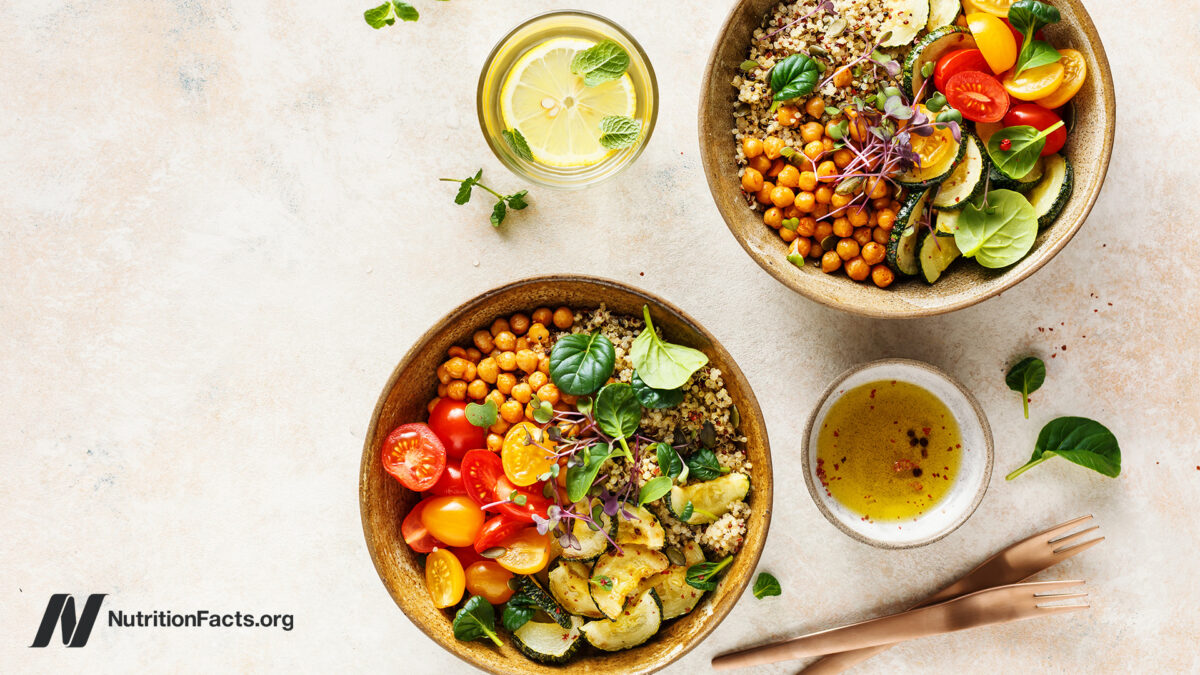
- Potato chips can be swapped for roasted chickpeas or a handful of nuts, which offer more protein and fiber while lowering glycemic impact.
- Candy bars can be replaced with dark chocolate paired with almonds, reducing sugar content while improving satiety.
- White bread snacks can be upgraded to whole grain or lettuce wraps, which digest more slowly and provide sustained energy.
- Sugary flavored yogurt can be swapped for plain Greek yogurt with fresh fruit, offering more protein and less added sugar.
- Sugary drinks like soda or juice can be replaced with infused water or unsweetened tea, eliminating rapid blood sugar spikes.
- Pastries can be swapped for oat-based snacks or homemade energy bites that include fiber and healthy fats.
These healthy snack swaps help reduce glycemic load while keeping meals satisfying and enjoyable.
Smart Snack Pairings That Boost Satiety and Blood Sugar Control
Pairing foods strategically is one of the simplest ways to improve snacks without removing them entirely. Combining carbohydrates with protein or fat slows digestion and leads to greater satiety, according to Harvard Health.
Some effective pairings include:
- Apple slices with peanut butter
- Whole grain crackers with cheese
- Banana with Greek yogurt
- Raw vegetables with hummus
These combinations reduce the glycemic response compared to eating carbohydrates alone. They also help prevent overeating later by keeping hunger levels stable.
Common Snack Mistakes That Disrupt Glycemic Balance
Even snacks labeled as “healthy” can interfere with blood sugar control if they are not chosen carefully. Several common habits contribute to energy fluctuations.
- Choosing low-fat snacks that are high in added sugar, which increases glycemic impact.
- Eating refined carbohydrates without protein or fat, leading to rapid digestion and low satiety.
- Skipping snacks entirely and becoming overly hungry, which can lead to overeating during meals.
- Relying on misleading labels such as “natural” or “organic,” which do not guarantee low glycemic content.
Awareness of these patterns makes it easier to choose snacks that support both energy and satiety.
What Snacks Won’t Spike Blood Sugar?
Snacks that have minimal impact on blood sugar are typically rich in protein, fiber, or healthy fats. Examples include nuts, seeds, boiled eggs, Greek yogurt, and low-glycemic fruits like berries. These foods digest more slowly and help maintain stable glucose levels.
For instance, a handful of almonds provides healthy fats and protein that reduce hunger while keeping blood sugar steady. Similarly, Greek yogurt offers protein that slows the absorption of natural sugars from fruit, as per the Centers for Disease Control and Prevention.
What Is the Best Snack for Stable Energy?
The best snacks for stable energy combine multiple nutrients to support satiety and gradual energy release. A balanced snack often includes:
- A carbohydrate source for quick energy
- Protein for blood sugar control
- Fat for sustained satiety
An example would be whole grain toast with avocado and a boiled egg. This combination delivers a steady energy curve instead of a spike-and-crash pattern.
How to Choose Low Glycemic Snacks
Choosing low glycemic snacks becomes easier with a few practical strategies. Reading ingredient labels can help identify added sugars and refined carbohydrates that contribute to spikes. Whole, minimally processed foods are generally better choices because they retain fiber and nutrients that slow digestion.
Foods like nuts, seeds, vegetables, and whole grains tend to have a lower glycemic impact compared to processed snack foods. When in doubt, pairing a carbohydrate with protein or fat can immediately improve a snack’s glycemic profile.
Can Snacks Help With Blood Sugar Control?
Snacks can actively support blood sugar control when used strategically. Eating balanced snacks between meals can prevent extreme hunger and reduce the likelihood of overeating. This approach also helps maintain more consistent glucose levels throughout the day.
Rather than avoiding snacks altogether, choosing nutrient-dense options can turn snacking into a tool for better energy management and metabolic stability.
Healthy Snack Swaps for Weight Loss and Energy
Healthy snack swaps are also useful for those aiming to manage weight while maintaining energy. Foods that improve satiety tend to reduce overall calorie intake by keeping hunger in check.
For example, replacing a sugary granola bar with a combination of nuts and fruit provides more fiber and protein, helping a person feel full longer. Similarly, swapping chips for air-popped popcorn can reduce calorie intake while still offering a satisfying crunch.
Quick Checklist for Better Snacks
A simple way to evaluate snacks is to consider a few key factors:
- Does it include protein for blood sugar control?
- Is it rich in fiber to reduce glycemic impact?
- Does it contain healthy fats to improve satiety?
- Will it provide steady energy rather than a quick spike?
If a snack meets most of these criteria, it is more likely to support both energy and metabolic health.
Smarter Snacks for Better Energy and Blood Sugar Control
Upgrading snacks does not require a strict diet or major lifestyle changes. By focusing on healthy snack swaps that improve glycemic balance and increase satiety, it becomes easier to maintain consistent energy throughout the day.
Small changes, like pairing foods, choosing whole ingredients, and reducing added sugars, can have a meaningful impact on blood sugar control. Over time, these smarter snack choices help create a more stable and sustainable approach to eating without sacrificing convenience or enjoyment.
Frequently Asked Questions
1. How often should someone eat snacks for stable blood sugar?
Snacking every 3–4 hours between meals can help maintain steady blood sugar levels, especially if meals are spaced far apart.
2. Are store-bought “healthy snacks” reliable for blood sugar control?
Not always. Many packaged snacks contain hidden sugars or refined carbs, so checking labels is important.
3. Do low glycemic snacks help reduce cravings?
Yes, they can improve satiety and prevent sudden drops in blood sugar that often trigger cravings.
4. Is it better to snack before or after a workout for energy?
A balanced snack before a workout can provide fuel, while one after helps recovery, both can support stable energy levels.